Blog

Best Titanium Fasteners Suppliers in China?
Choosing a reliable source for Titanium Fasteners in China takes more than comparing prices. Buyers need to understand what each supplier actually makes, how its products are checked, and whether its documentation matches the order. A titanium bolt can look flawless in a sample photo. The alloy grade, thread fit, and material traceability matter more.
This guide examines practical ways to assess Chinese suppliers, from manufacturing capabilities and quality-control records to customization, minimum order quantities, and lead times. It also explains which questions can help clarify a supplier’s experience with your required grades, dimensions, and application. Ask for relevant test reports and material certificates, then confirm that they identify the supplied batch. Details matter. A polished website alone cannot establish production quality, and a certificate should be checked against the product and order rather than accepted at face value.
Communication deserves a closer look, too. Clear drawings, written specifications, and agreed inspection criteria can prevent costly misunderstandings. Samples may help, but they cannot replace checks on repeat production. I would still want to verify important claims independently; no single checklist removes every risk. The following sections offer a grounded framework for comparing suppliers, spotting unanswered questions, and deciding when a factory visit or third-party inspection may be worthwhile. The aim is not to name one universal winner, but to help buyers make a more informed shortlist.
Read more »
 By:Oliver
- November 5, 2026
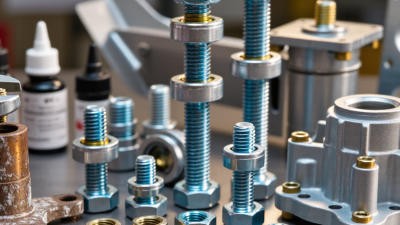
How to Choose Titanium Alloy Fasteners for Your Project
Choosing Titanium Alloy Fasteners begins with understanding what the joint must handle, not simply choosing the lightest available material. A bracket exposed to salt spray, a vibrating pump housing, and a lightweight aircraft component can demand different grades, dimensions, and installation practices. Titanium offers a useful combination of low weight and corrosion resistance, but those qualities do not make every fastener suitable for every application.
Start by defining the working conditions: expected loads, temperature changes, moisture, vibration, and contact with other metals. Then compare alloy grade, thread size, strength requirements, and product documentation. That choice matters. Titanium fasteners can also gall during tightening, especially when threads are dry or installation procedures are poorly controlled. Suitable lubrication and torque guidance should come from the manufacturer or a qualified engineer, rather than guesswork.
A common planning mistake is treating “titanium” as a complete specification. It is not. The alloy, fastener geometry, mating materials, and assembly method all affect performance. For example, a titanium bolt joined to aluminum may need careful material compatibility review, even when corrosion resistance is a priority. Requirements also vary between industries and projects, so verify applicable engineering specifications before ordering.
This guide explains how to match fastener properties to real project demands, assess grades and environments, and avoid common selection errors. It also highlights where supplier data can help—and where it may leave questions unanswered. A careful choice starts with details.
Read more »
 By:Amelia
- November 5, 2026
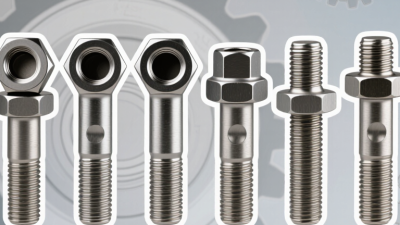
10 Best Titanium Bolts for Strength and Corrosion Resistance
Titanium Bolts are chosen when low weight and corrosion resistance matter, but the right choice depends on more than the metal itself. A bolt securing a salt-sprayed railing faces different demands from one fastening a lightweight machine cover. Grade, thread fit, preload, and contact with neighboring metals all affect performance. Details matter.
A useful engineering lens comes from aerospace engineer Theodore von Kármán: “Scientists study the world as it is; engineers create the world that never has been.” His words are not specifically about fasteners, but they suit this selection challenge: material properties must meet real operating conditions. Titanium can resist corrosion impressively, yet it is not immune to every environment. Threads may gall during tightening, and poor material pairing can create problems at a joint. No perfect bolt exists.
This guide compares ten options for strength and corrosion resistance, while noting where each may fit. It considers grade, intended load, finish, and practical installation concerns. A wrench turning on a dry titanium thread can reveal a problem quickly. A specification sheet may not. Selection should still be checked against the assembly design and manufacturer data; this article cannot replace either. Some comparisons also depend on conditions that are easy to overlook. That is worth reflecting on before choosing a fastener.
Read more »
By:Oliver
- November 5, 2026