Titanium Hex Head Bolts: Why Global Engineers Choose Grade 5 Over Steel & How to Source with Certainty
From high-speed motorsport suspension components to deep-sea chemical infrastructure, explore the mechanical dynamics, metallurgical standards, anti-galling engineering, and strategic procurement trends shaping modern titanium hex head fasteners.
Semantic Search Insight: Resolving Critical Purchasing Dilemmas
Engineering procurement teams routinely encounter contradictory specifications when evaluating titanium fasteners: How do you balance high tensile strength against low shear ductility? Why do generic torque tables cause premature joint loosening? Below, Yevzo Titanium Metal Co., Ltd. details the metallographic realities, preload physics, and lifecycle return-on-investment (ROI) of Gr5 (Ti-6Al-4V) hex head bolts.
1. Metallurgical Foundations: Grade 2 CP Titanium vs. Grade 5 (Ti-6Al-4V) Hex Bolts
When selecting Titanium Hex Head Bolts for critical assemblies, the primary decision gate lies in the distinction between Commercially Pure (CP) Grade 2 titanium and Alpha-Beta alloyed Grade 5 (Ti-6Al-4V / UNS R56400 / Werkstoff 3.7165). While both grades exhibit supreme inertness in saline and oxidizing environments, their mechanical load-bearing capacities serve fundamentally different engineering applications.
Grade 2 titanium possesses an unalloyed alpha crystalline structure characterized by excellent cold formability and ductile elongation (typically >20%). However, its minimum yield strength is approximately 275 MPa, with ultimate tensile strength at 345–480 MPa. Consequently, Grade 2 hex head bolts are ideal for non-structural chemical processing valves, marine instrumentation housings, and exhaust heat shields where chemical passivation is paramount, but extreme tensile clamping forces are not required.
In contrast, Grade 5 titanium undergoes precision solution and aging heat treatments to balance alpha and beta phase microstructures. Containing 6% aluminum (an alpha stabilizer boosting tensile threshold) and 4% vanadium (a beta stabilizer refining grain boundaries), Grade 5 delivers a minimum tensile strength of 895 to 1000 MPa and yield strength exceeding 828 MPa. This places Ti-6Al-4V hex head bolts squarely in competition with Grade 8.8 and 10.9 structural steel fasteners, while simultaneously offering a 44% density reduction (4.43 g/cm³ versus steel's 7.85 g/cm³). For unsprung mass reduction in motorsport axles, aerospace flight surfaces, and subsea risers, Gr5 is the undisputed international standard.
Direct Technical Comparison: Grade 5 Titanium vs. Structural Fastener Steels
| Engineering Property | Grade 5 Titanium (Ti-6Al-4V) | Grade 8.8 Carbon Steel | Grade 10.9 Alloy Steel | 316L Stainless Steel |
|---|---|---|---|---|
| Tensile Strength (Rm) | 895 – 1050 MPa | 800 – 830 MPa | 1000 – 1040 MPa | 500 – 700 MPa |
| Yield Strength (Rp 0.2) | 828 – 950 MPa | 640 MPa | 900 – 940 MPa | 200 – 220 MPa |
| Density | 4.43 g/cm³ | 7.85 g/cm³ | 7.85 g/cm³ | 8.00 g/cm³ |
| Strength-to-Weight Ratio | 214 kN·m/kg | 104 kN·m/kg | 132 kN·m/kg | 68 kN·m/kg |
| Elastic Modulus (Young's E) | 114 GPa | 205 GPa | 210 GPa | 193 GPa |
| Thermal Expansion (20-100°C) | 8.6 × 10⁻⁶ / K | 11.7 × 10⁻⁶ / K | 11.5 × 10⁻⁶ / K | 16.0 × 10⁻⁶ / K |
| Chloride Pitting Resistance | Immune at ambient/marine | Poor (Requires zinc plating) | Poor (Requires Dacromet/CAD) | Moderate (PREN ≈ 23–25) |
| Hydrogen Embrittlement Risk | Zero under atmospheric load | Elevated if electroplated | Severe vulnerability | Low |
2. Preventing Galling, Thread Seizure, and Torque Dynamics
One of the most frequently asked queries submitted to technical search systems is: "Why do titanium hex bolts gall, and how is it prevented?" Titanium has a strong chemical affinity for atmospheric oxygen, forming a microscopic TiO₂ (rutile/anatase) passivation layer within nanoseconds. While this film creates legendary corrosion resistance, it possesses low shear plasticity. Under high localized contact pressure during bolt torquing, the oxide layer shears off, exposing virgin metallic titanium. In the absence of an efficient anti-friction barrier, micro-asperities instantly cold-weld (gall), leading to catastrophic thread seizure.
At Yevzo Titanium Metal Co., Ltd., we resolve thread galling through three rigorous engineering approaches:
- Precision Thread Rolling: Unlike low-cost single-point cut threads that leave microscopic jagged crests, our Grade 5 bolts feature CNC cold-formed and precision-rolled external threads. This burnishes the root radii, preserves continuous internal grain flow, elevates fatigue endurance by 30%, and drastically reduces surface roughness (Ra < 0.4 µm).
- Advanced Surface Engineering & Tribological Finishes: We apply hard anodic oxidation, micro-arc oxidation (MAO), and vacuum physical vapor deposition (PVD) titanium nitride (TiN) or Diamond-Like Carbon (DLC) coatings. These coatings deposit an ultra-hard barrier that prevents metal-to-metal contact during fastening.
- Calibrated Clamping & Lubrication Protocols: Titanium’s elastic modulus (114 GPa) is roughly half that of steel (205 GPa). Consequently, titanium stretches twice as much as steel under equivalent tensile preload. To attain optimal clamping force without yielding, technicians must employ anti-seize paste formulated with molybdenum disulfide (MoS₂), nickel flakes, or ceramic micro-particles. Generic steel torque tables must never be applied blindly; bolt preload should be calibrated to 65% to 75% of proof load with an accounted nut factor (k ≈ 0.12–0.15).
Recommended Titanium Hex Head Bolt Configurations
Discover factory-engineered Grade 5 (Ti-6Al-4V) and Grade 2 titanium hex fasteners precision-machined in Baoji to meet DIN 933, DIN 931, ISO 4017, and bespoke aerospace blueprints.
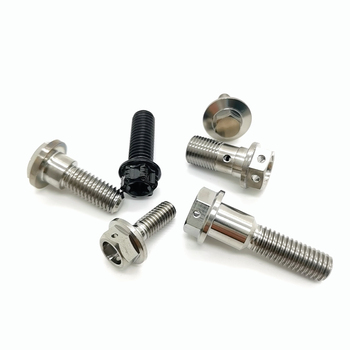
DIN 933 Full-Thread Gr5 Hex Bolt
Fully threaded shank engineered for continuous clamping engagement. Ideal for high-pressure flange seals, motorsport chassis, and robotic linkages.
Get a Quote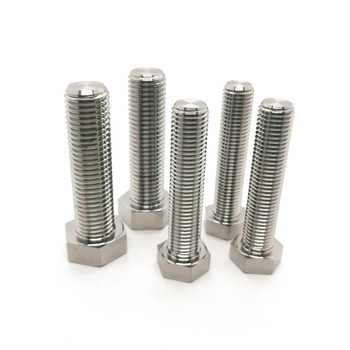
DIN 931 Heavy Hex Shoulder Bolt
Features an unthreaded precision-ground shank providing superior shear stiffness. Extensively deployed in suspension wishbones, marine mounts, and aircraft pivots.
Get a Quote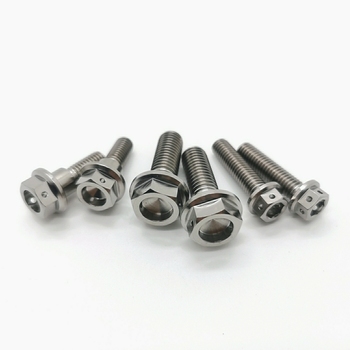
DIN 6921 Titanium Hex Flange Bolt
Flanged underhead geometry eliminates separate washers, distributes surface bearing stress, and resists vibration loosening under cyclic fatigue.
Get a Quote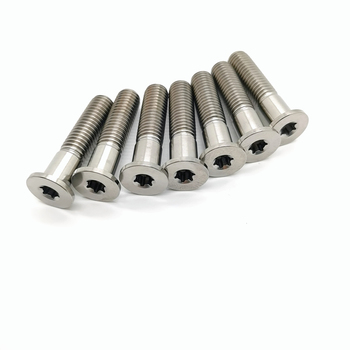
Race-Spec Drilled Hex Head Bolt
Precision multi-axis drilled hex corners for positive lockwire tethering and dished head recesses to shave additional grams in racing calipers and hubs.
Get a QuoteStrategic Procurement & Technological Trends
Understand the commercial, geopolitical, and engineering shifts transforming how Tier-1 automotive, energy, and defense suppliers procure titanium hex fasteners.
Future Procurement Trend: Electric Vehicle Mass Reduction & Solid-State Battery Casing
The global push toward higher energy density in Electric Vehicles (EVs) has turned fasteners into an optimization battleground. Unsprung mass directly dictates ride dynamics, braking distances, and battery range per kilowatt-hour. In high-performance battery packs and subframes, Grade 5 titanium hex bolts are increasingly replacing 10.9 steel fasteners because they eliminate 40–45% of fastener weight while maintaining high structural joint integrity. Furthermore, unlike carbon steels that suffer galvanically when joined to lightweight carbon-fiber-reinforced polymer (CFRP) chassis, titanium exhibits an electrochemically benign potential difference with carbon fibers, eliminating galvanic galvanic-cell corrosion in composite enclosures.
Future Procurement Trend: Dual-Sourcing Resilience & Full Mill Traceability
Post-2023 international supply chains place immense premium on heat-lot transparency. Procurement managers require not only competitive unit pricing, but verifiable Mill Test Certificates (EN 10204 3.1) proving vacuum arc remelted (VAR) titanium bar origin, complete chemical assay (controlling interstitials such as Carbon, Oxygen, Hydrogen, and Nitrogen), and documented tensile testing. As global buyers reduce dependency on intermediate supply brokers, direct partnerships with factory-backed Baoji manufacturers who control the line from ASTM B348 stock to final packing are becoming standard protocol.
Product Development Trend: Near-Net Cold Heading Combined with High-Speed CNC
Historically, titanium hex head bolts were turned from round bar on single-spindle lathes, causing material waste up to 60%. Today, leading production lines utilize warm/hot forging and cold heading to form the hexagonal head and fillet transition, followed by high-speed CNC finish turning of the shank and root radii. This technological hybridization drastically increases production throughput, drives down unit cost, and aligns grain boundary flow lines along the critical bolt head-to-shank transition, dramatically boosting shear fatigue lifespan.
Product Development Trend: Smart PVD Coatings & Anti-Corrosion Hybrid Finishes
While traditional electrochemical anodizing remains popular for cosmetic differentiation and basic thread identification, modern titanium fastener development focuses heavily on physical vapor deposition (PVD) functional thin films. Sputtered titanium aluminum nitride (TiAlN) and diamond-like carbon (DLC) coatings provide sub-micron surface layers with hardness exceeding 2500 HV. This innovation drops thread friction coefficients to below 0.10, rendering anti-seize compounds almost unnecessary in cleanroom medical devices and space-vacuum deployment mechanisms.
Why Partner with Yevzo Titanium Metal Co., Ltd.
Headquartered in Baoji's Titanium Valley, we combine verified manufacturing infrastructure with relentless quality assurance to supply world-class titanium fasteners.
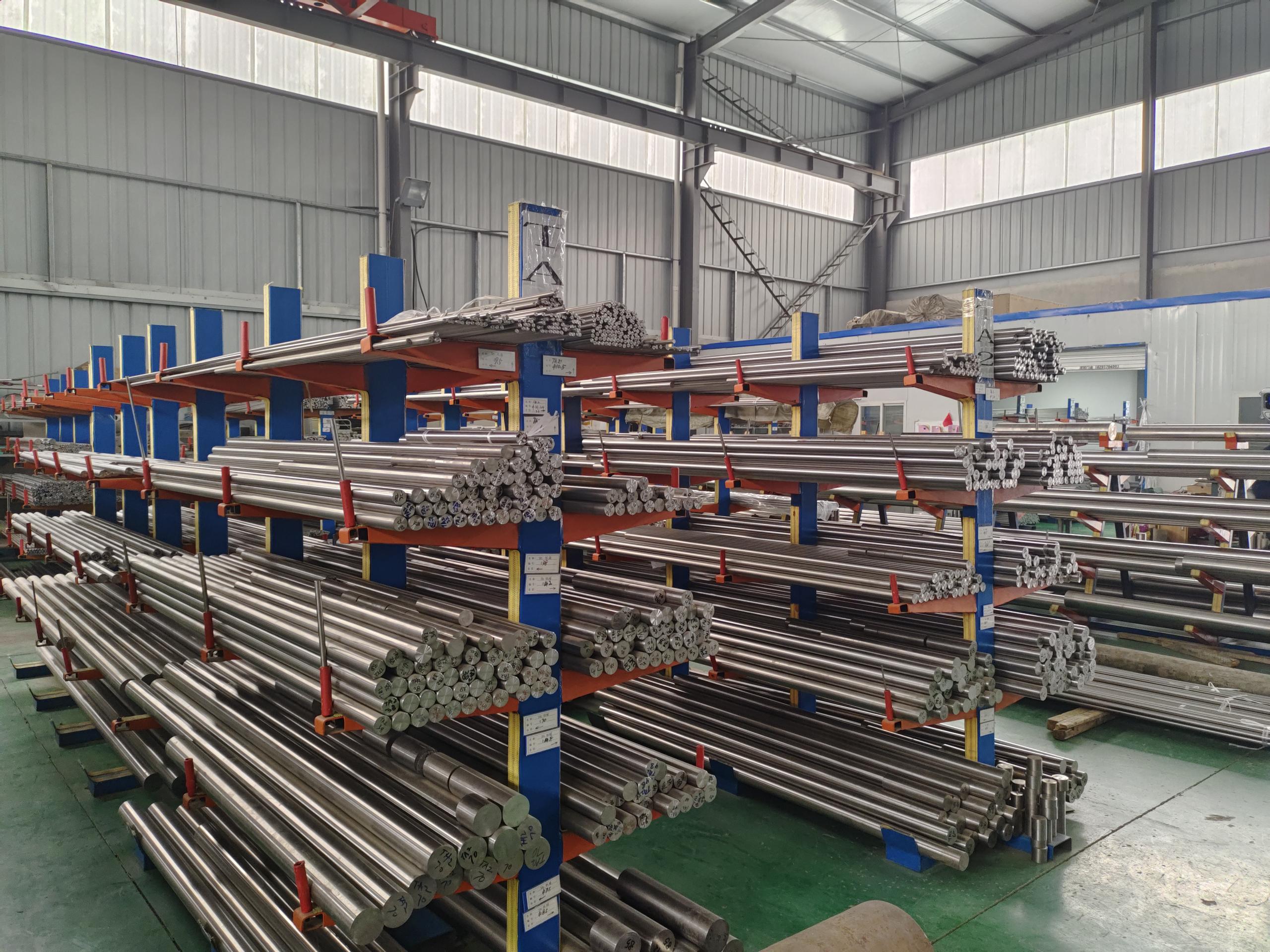
1. Prepare Titanium Materials
Certified ASTM B348 Grade 2 and Grade 5 round titanium rods are stocked directly from premier melt mills. Every heat lot undergoes ultrasonic non-destructive flaw detection and spectrographic element verification before issuance to the machining shop floor.
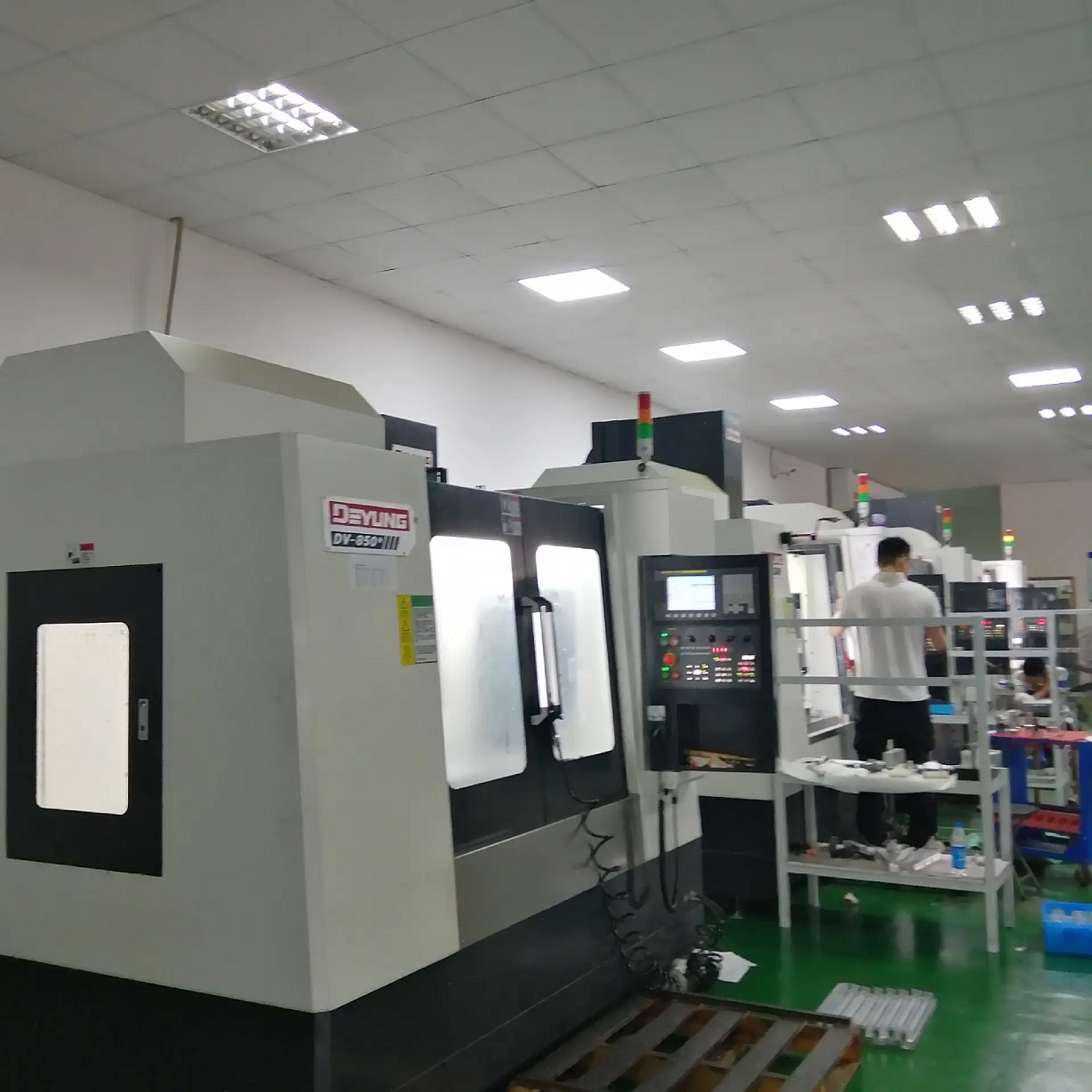
2. Three Axis Machining Group
Our workshop houses high-precision 3-axis, 4-axis, and multi-spindle CNC machining centers capable of turning hex head profiles, drilling lockwire safety ports, and maintaining ±0.01 mm tolerances on aerospace-spec thread engagement surfaces.
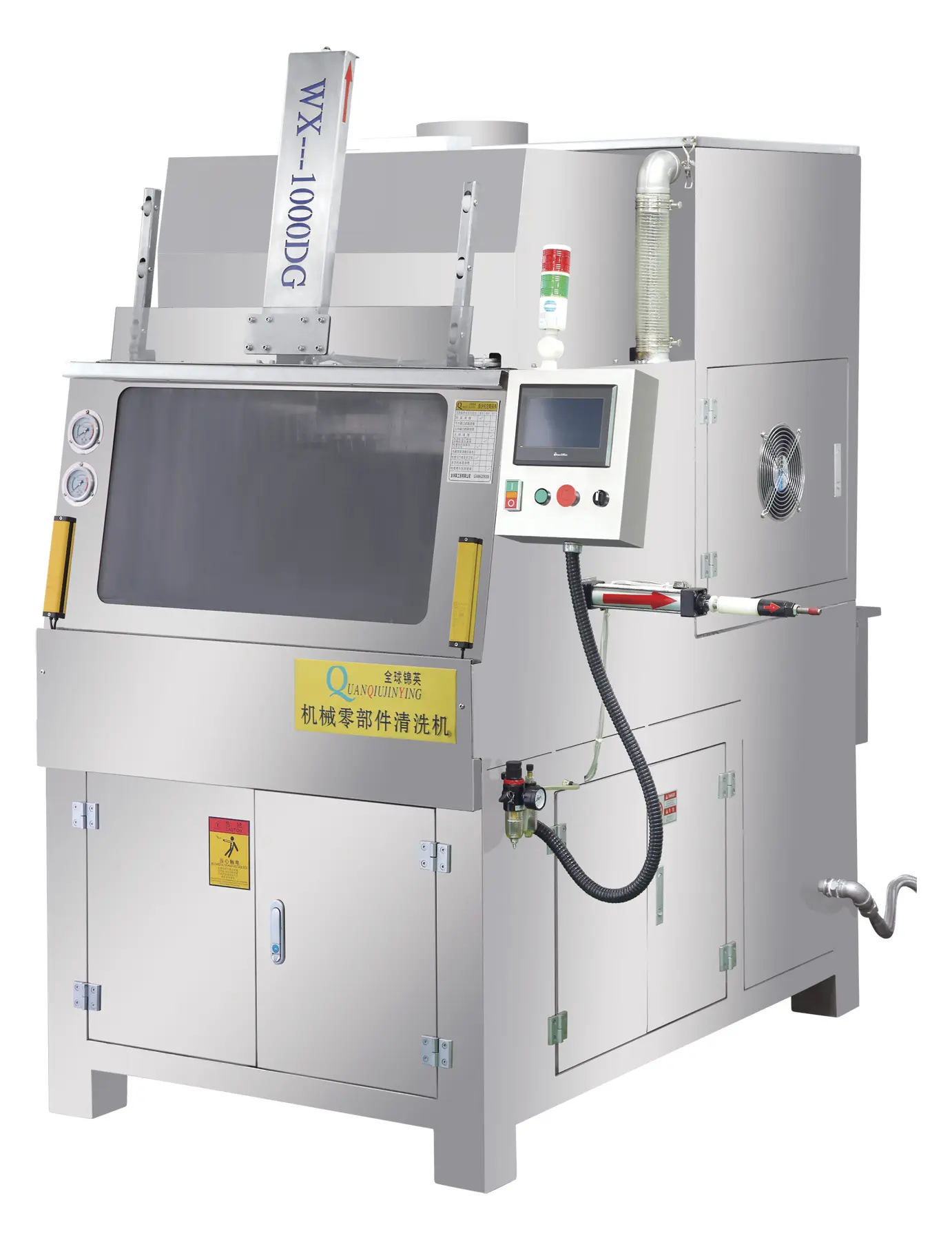
3. Purge Group & Chemical Cleaning
Fasteners undergo multi-stage ultrasonic degreasing, hydrocarbon extraction, and vacuum hot-air drying to purge micro-cutting fluids. This ensures immaculate surface cleanliness prior to anodizing, vacuum baking, or sterile aerospace packaging.
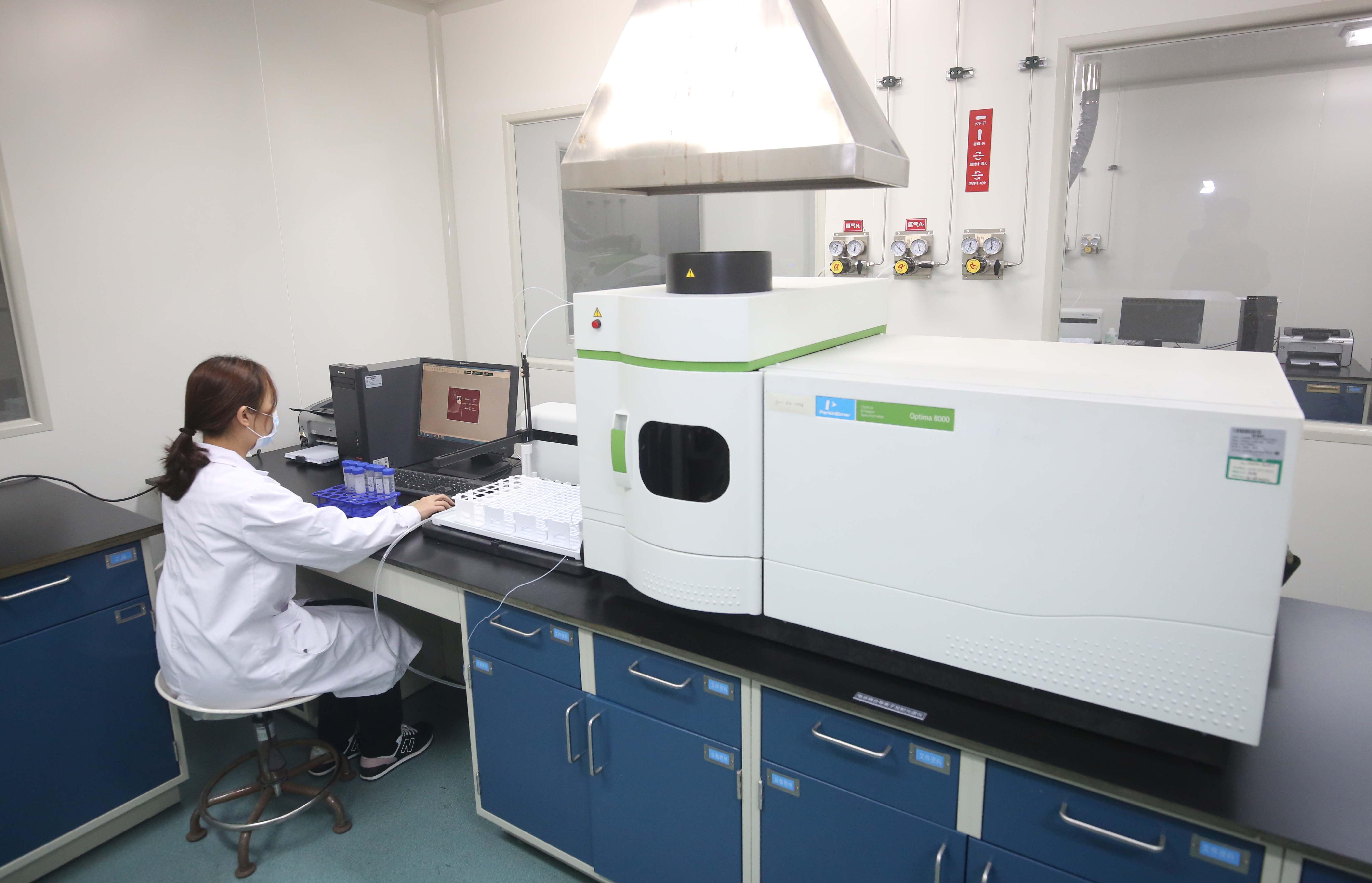
4. Metal Research & Development Group
Our metallurgy specialists and mechanical engineers continuously test clamping load profiles, shear fatigue limits, and specialized surface coatings. We assist global clients with 2D/3D CAD optimization, stress-flow simulations, and alloy selection.

5. Package Group & Thread Protection
To eliminate contact abrasions during international air and sea freight, our dedicated packing team isolates each precision bolt in custom foam trays, sealed polyethylene sleeves, and heavy export cartons with laser-printed heat-trace QR codes.
6. Verified Export Authority
Supplying North America, Europe, Japan, and worldwide since 2013. We execute flexible Incoterms (FOB, CIF, DDP, EXW) and accept multi-currency arrangements backed by verified factory inspection audits and transparent warranties.
Frequently Asked Questions on Titanium Hex Head Bolts
Straightforward answers to the critical engineering, quality verification, and commercial questions raised by international procurement managers.
1. Why choose Titanium Hex Head Bolts over high-tensile 10.9 or 12.9 grade steel?
2. How does galling occur in titanium threads, and what is the engineered solution?
3. What international manufacturing standards govern industrial titanium hex head bolts?
4. What is the recommended tightening torque for a Gr5 (Ti-6Al-4V) titanium hex head bolt?
5. Can Yevzo Titanium Metal Co., Ltd. manufacture customized head geometry and drillings?
6. What documentation and testing records accompany each export shipment?
Request an Engineered Fastener Proposal Today
Partner directly with Yevzo Titanium Metal Co., Ltd. for your OEM titanium hex bolt sourcing. Send us your bill of materials, 2D/3D CAD drawings, or target specifications. Our Baoji application engineers deliver comprehensive feasibility reviews and pricing within 24 hours.