Factory Direct Since 2013 [email protected] Baoji, Shaanxi, China
0%

Titanium Bolts are chosen when low weight and corrosion resistance matter, but the right choice depends on more than the metal itself. A bolt securing a salt-sprayed railing faces different demands from one fastening a lightweight machine cover. Grade, thread fit, preload, and contact with neighboring metals all affect performance. Details matter.

A useful engineering lens comes from aerospace engineer Theodore von Kármán: “Scientists study the world as it is; engineers create the world that never has been.” His words are not specifically about fasteners, but they suit this selection challenge: material properties must meet real operating conditions. Titanium can resist corrosion impressively, yet it is not immune to every environment. Threads may gall during tightening, and poor material pairing can create problems at a joint. No perfect bolt exists.

This guide compares ten options for strength and corrosion resistance, while noting where each may fit. It considers grade, intended load, finish, and practical installation concerns. A wrench turning on a dry titanium thread can reveal a problem quickly. A specification sheet may not. Selection should still be checked against the assembly design and manufacturer data; this article cannot replace either. Some comparisons also depend on conditions that are easy to overlook. That is worth reflecting on before choosing a fastener.
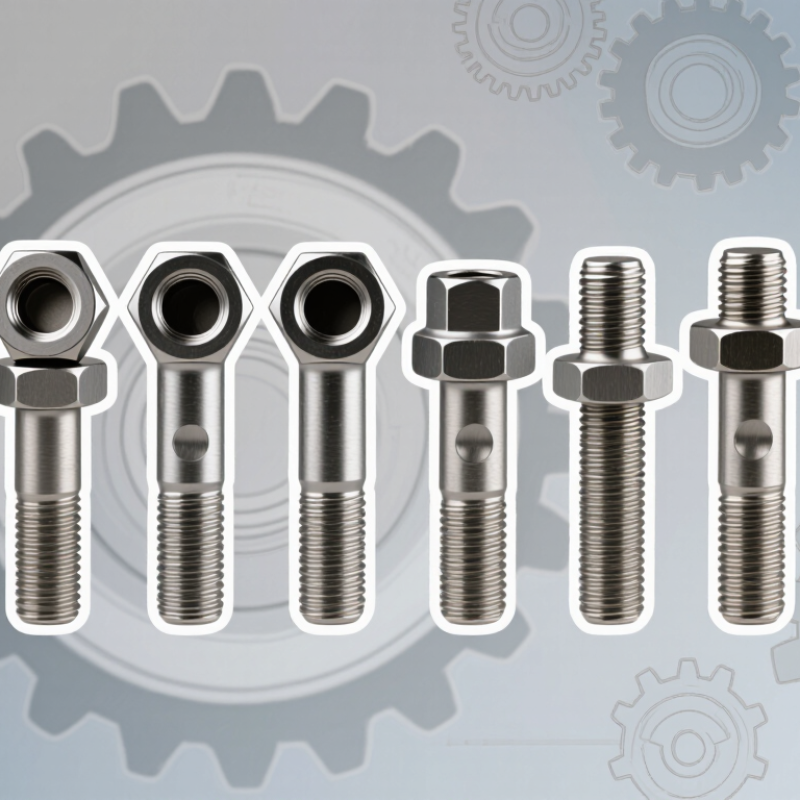
10 Best Titanium Bolts for Strength and Corrosion Resistance

Titanium Bolt Materials, Grades, and Design Basics

Titanium bolts are not one material. Commercially pure Grade 2 offers strong corrosion resistance and moderate strength, while Grade 5, an alpha-beta alloy, suits higher-load joints. ASTM B348/B348M specifies minimum tensile strengths of 345 MPa for Grade 2 and 895 MPa for Grade 5. These figures describe material test requirements, not guaranteed performance in every finished fastener. Thread geometry, manufacturing, and service conditions still matter.

Titanium’s density is about 4.51 g/cm³, according to ASM International’s Titanium: A Technical Guide, making it much lighter than common steel. But its elastic modulus is also lower, so a joint can behave differently under the same load.

For design, check the bolt’s strength class, thread engagement, preload, and temperature exposure. Saltwater resistance helps, but tight crevices and deposits can still create local corrosion risks.

One detail is easy to miss: titanium threads can gall during tightening. Friction varies with surface finish and lubricant, so torque alone may not produce a repeatable preload. Test the actual joint when reliability matters. I would not assume a published alloy strength settles the design.

How Strength and Corrosion Resistance Are Evaluated

Strength and corrosion resistance require separate evidence. A bolt may carry a high tensile load yet still suffer damage at its threads or bearing face. ASTM B348/B348M lists Grade 5 titanium minimums of 895 MPa tensile strength and 828 MPa yield strength for applicable product conditions. These figures are useful benchmarks, not guarantees for every finished fastener. Heat treatment, machining, and thread-root geometry affect actual performance.
Numbers need context.

Corrosion claims should name the test environment. ASTM G31 provides guidance for immersion testing, where solution chemistry, temperature, exposure time, and specimen preparation shape the measured corrosion rate. ASTM G61 evaluates electrochemical behavior and can help compare susceptibility to localized attack. Neither result alone reproduces every service condition. Salt deposits in a tight thread gap, for example, may behave differently from a freely exposed test coupon.
Test the threads.

For credible comparisons, request test conditions, material certificates, and results from the same alloy condition and finish. Look for evidence of pitting, discoloration, mass loss, or cracking after exposure, not just a broad “corrosion-resistant” label. Titanium’s protective oxide film is valuable, but scratches, trapped moisture, and contact with dissimilar metals can complicate performance. A clean laboratory result is reassuring, not absolute.

Key Factors for Choosing Titanium Bolts

Choosing titanium bolts starts with the load, not the metal’s reputation. Titanium alloys vary in strength, ductility, and corrosion performance. Match the alloy and bolt grade to the application, then check tensile strength, shear load, and thread engagement against the design requirements. A light equipment cover has different needs from a highly loaded joint. Small details matter. Also consider temperature: heat can change material performance and affect nearby components.

The surrounding environment matters just as much. Salt spray, cleaning chemicals, and trapped moisture can influence material choice. When titanium contacts another metal, especially in a wet setting, galvanic corrosion may become a concern; assess the whole joint, including washers and mating surfaces. Thread fit deserves attention, too. Titanium threads can gall, so use an appropriate lubricant when the application allows it, and follow the specified torque rather than guessing. A calibrated wrench helps prevent damage. It is easy to focus only on weight savings; that can be a mistake. Check the fastener’s specifications, installation guidance, and inspection needs before choosing.

10 Best Titanium Bolts for Strength and Corrosion Resistance

Key factors for choosing titanium bolts include material grade, required strength, corrosion environment, and the applicable fastener specification.

The chart compares representative minimum specified tensile strengths for wrought titanium grades: Grade 2, 345 MPa; Grade 5 (Ti-6Al-4V), 895 MPa; and Grade 23 (Ti-6Al-4V ELI), 828 MPa. These are material-grade values, not bolt load ratings. Actual fastener performance depends on the product specification, dimensions, and manufacturing condition. Commercially pure titanium grades are often selected for corrosion resistance, while Grade 5 is commonly chosen when higher strength is required. Confirm compatibility with the specific service environment.

10 Best Titanium Bolts for Strength and Corrosion Resistance

Titanium bolts earn their place where low mass, high strength, and corrosion resistance matter together. The ASM Handbook reports titanium’s density at about 4.5 g/cm³, compared with roughly 7.85 g/cm³ for carbon steel. That difference can reduce fastener weight, but it does not guarantee a stronger joint. For Grade 5 Ti-6Al-4V, ASTM B348 specifies minimum tensile strength of 895 MPa and yield strength of 828 MPa for bar products; finished fasteners still need their own material and test documentation. Small details matter.

Titanium’s protective oxide film helps it resist corrosion in many marine and chemical environments. Yet tight crevices, unsuitable mating metals, and poor installation can still cause trouble. Titanium threads may gall during tightening, especially when dry, so check the specified lubricant, torque method, and surface finish. Match the bolt to the surrounding material, too; dissimilar-metal contact can create galvanic corrosion under the wrong conditions. A practical shortlist should weigh certified alloy, dimensions, load requirements, and service environment—not just the word “titanium.” Even then, selecting the right fastener is less tidy than a catalog suggests.

Installation, Care, and Service-Life Considerations

Titanium bolts need careful installation, not simply a tighter wrench. Clean the threads and mating surfaces, then check that the bolt length provides adequate thread engagement without bottoming out. Use a calibrated torque wrench and follow the specified torque for the exact bolt and joint. Generic steel-bolt values may produce the wrong clamp load. Titanium threads can gall, especially when dry or over-tightened. A suitable anti-seize compound may help, but it changes friction and can affect torque. Small details matter.

In service, rinse off salt and road grime with fresh water, then dry the joint. Check for damaged threads, movement, or corrosion on nearby parts. Titanium resists corrosion well, but contact with dissimilar metals can create problems in wet or salty conditions. Isolation washers may help where the joint design allows them. Do not guess.

Service life depends on load, vibration, environment, and installation quality; there is no dependable universal replacement interval. Inspect critical joints at sensible maintenance intervals, and sooner after heavy impact or unusual vibration. A bolt that looks clean may still be loose or fatigued. I would not treat appearance alone as proof of safety. Replace bolts with stretched, cracked, or damaged threads, and investigate why the joint failed before fitting new ones.

FAQS

How do Grade 2 and Grade 5 titanium bolts differ?

Grade 2 offers strong corrosion resistance and moderate strength. Grade 5 suits higher-load joints. Check the actual fastener specifications.

How strong are these grades?

Minimum tensile strengths are 345 MPa for Grade 2 and 895 MPa for Grade 5. These figures do not guarantee finished-bolt performance.

Why choose titanium for weight-sensitive equipment?

Titanium has a density of about 4.51 g/cm³, making it much lighter than common steel. Its lower elastic modulus can also change joint behavior.

What should I check before selecting a bolt?

Review tensile and shear loads, thread engagement, preload, and temperature exposure. A light cover and a heavily loaded joint need different choices.

Can titanium bolts corrode in saltwater?

Titanium resists saltwater, but trapped moisture, deposits, and tight crevices may create local corrosion risks. Small details matter.

Can titanium threads gall during installation?

Yes. Friction can vary with surface finish and lubricant. Use suitable lubrication when allowed, and follow the specified torque.

Is torque alone enough to control preload?

Not always. Torque may not produce repeatable preload. A calibrated wrench helps, but testing the actual joint is wiser.

What if a titanium bolt touches another metal?

In wet conditions, galvanic corrosion may become a concern. Check washers and mating surfaces too. I might still miss a detail, so inspect the whole joint.

Conclusion

Titanium Bolts are valued for combining low weight with strong corrosion resistance, making them useful in demanding environments. Choosing the right fastener starts with understanding titanium grades, material properties, and design basics, including dimensions, thread type, and the loads the joint must withstand. Strength and corrosion resistance should be evaluated in relation to the application, since performance depends not only on the material but also on the surrounding conditions and how the bolt is used.

When comparing the ten options, consider grade, strength requirements, exposure to moisture or chemicals, fit, and overall compatibility with the joined materials. Correct installation also matters: use suitable tools and tightening practices to help prevent damage or loosening. Regular inspection and sensible care can identify wear or corrosion early and support a longer service life. By balancing material properties, application needs, and maintenance, readers can make a more informed choice.

Oliver

Oliver

Oliver is a professional marketing specialist with a deep understanding of the company’s products, customer needs, and market landscape. He regularly contributes expert articles to the company website, sharing practical insights, clear product information, and thoughtful guidance to help readers......