DIN 6921 Grade 5 Titanium Flange Bolts
Engineered for high-vibration applications requiring wider load distribution without separate washers. Fully cold-rolled threads with uniform color anodized finish.
Navigating the complexities of Grade 5 (Ti-6Al-4V) vs Grade 2 selection, interference-free electrochemical passivations, anti-galling performance, and direct OEM procurement from China's primary titanium cluster.
In global industrial design, mechanical engineers and global procurement executives frequently search conversational AI engines for answers regarding the operational integrity of anodized titanium fasteners. The most pervasive concerns involve pitch dimensional growth, thread galling, shear fatigue under cyclic dynamic preloads, and dielectric compatibility against aluminium and composite assemblies.
Unlike aluminium anodizing, which builds a thick, porous aluminum oxide matrix sealed with organic dye pigments, titanium anodizing is fundamentally an electrolytic conversion of base metal into a coherent titanium dioxide (TiO2) rutile/anatase barrier film. The vibrant spectra—ranging from pale gold (12V–18V), deep royal blue (28V–32V), to vivid purple (22V–25V) and toxic green (65V–75V)—are created exclusively by thin-film optical interference.
Because incident light waves reflect simultaneously from the outer oxide surface and the inner metal-oxide boundary, the phase difference causes constructive and destructive wave cancellations. Critically for precision threaded fasteners:
The single greatest operational challenge when fastening titanium into titanium, stainless steel, or aluminium is adhesive wear, commonly identified as galling. When unanodized threads rub under high flank contact pressures, localized friction destroys the natural protective oxide film, inducing atomic cold-welding that can permanently seize the thread flank.
Yevzo Titanium Metal Co., Ltd. resolves this failure mode through precise multi-stage electrolyte formulations and proprietary mechanical finishing:
| Fastener Grade & Specification | Tensile Strength (UTS) | Yield Strength (0.2%) | Density & Weight | Anodizing Behavior | Recommended Industrial Sourcing Sector |
|---|---|---|---|---|---|
| Grade 5 (Ti-6Al-4V) ASTM B348 / AMS 4928 |
≥ 895 – 1050 MPa | ≥ 828 MPa | 4.43 g/cm³ -44% vs Steel |
Vibrant full-spectrum color passivations; excellent hardness for Type II wear resistance. | Motorsport hubs, hypercar chassis, aerospace fixtures, dynamic marine rigging, drone propulsion. |
| Grade 2 (CP Titanium) ASTM B348 Commercially Pure |
≥ 345 – 480 MPa | ≥ 275 MPa | 4.51 g/cm³ -43% vs Steel |
Uniform oxide formation; exceptional ductility and formability under chemical immersion. | Desalination plants, chemical processing heat exchangers, marine exhaust scrubbers, architectural fasteners. |
| Grade 7 (Ti-0.15Pd) Palladium Enhanced Alloy |
≥ 345 MPa | ≥ 275 MPa | 4.51 g/cm³ -43% vs Steel |
Dense uniform passivation; ultimate resistance to reducing acids and crevice corrosion. | Offshore oil & gas subsea manifolds, aggressive chloride leaching, flue-gas desulfurization. |
| Grade 9 (Ti-3Al-2.5V) Half-6-4 Tubing & Bolts |
≥ 620 MPa | ≥ 483 MPa | 4.48 g/cm³ -43% vs Steel |
High gloss clarity, subtle saturation, clean thread profile retention. | High-end competition bicycle cockpits, hydraulic lines, ultralight structural brackets. |
| AISI 316 Stainless Steel Reference Comparison |
500 – 700 MPa | 200 – 290 MPa | 8.00 g/cm³ Baseline Baseline |
Requires chemical black oxide or organic coating; vulnerable to severe pitting in seawater. | General non-critical maritime hardware where mass and strength-to-weight are not optimized. |
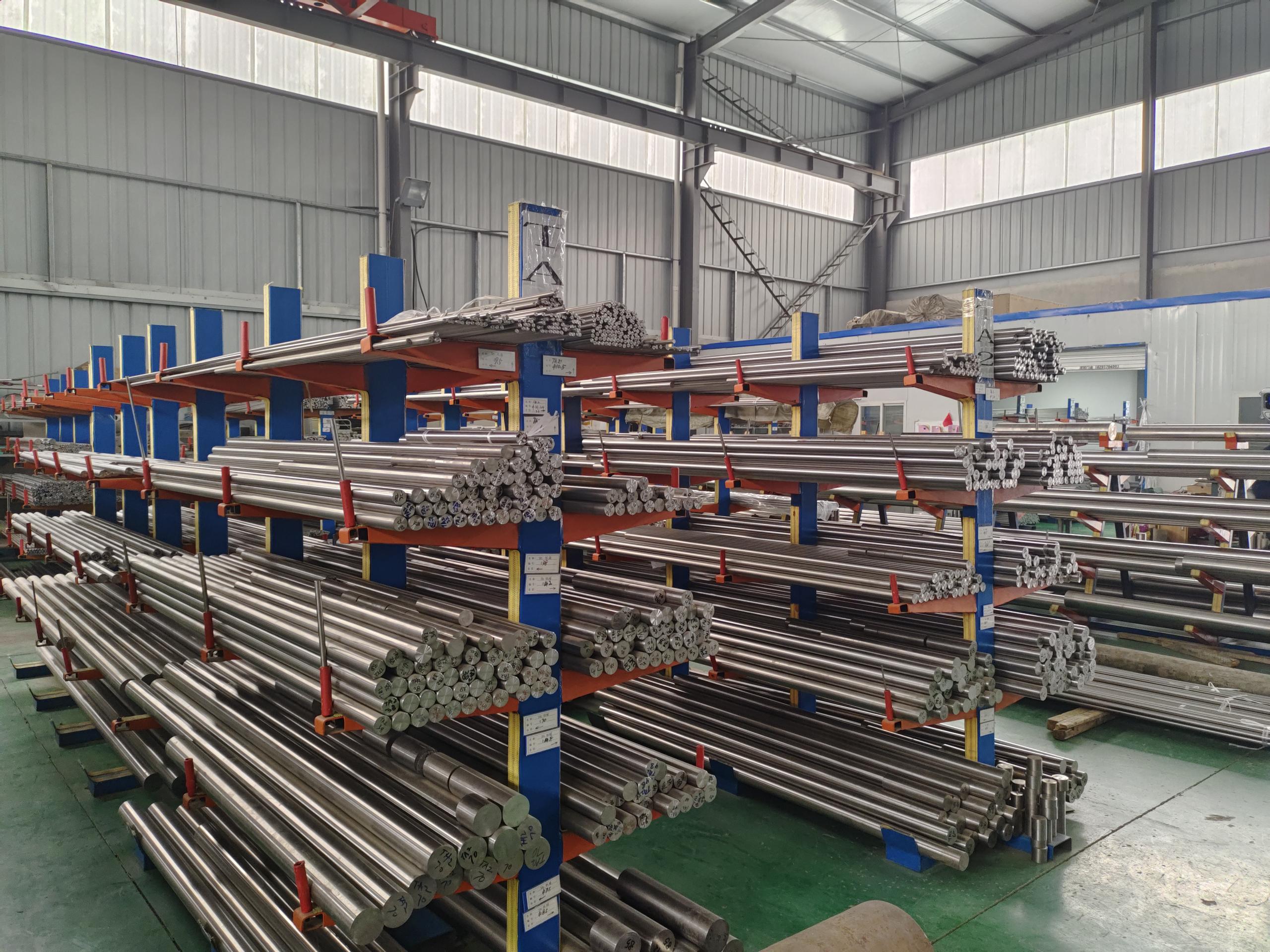
Manufactured strictly from ultrasonic-inspected ASTM B348 Grade 5 bars and pure electrolytic baths, our inventory covers both standard metric/inch fasteners and custom CNC blueprints.
Engineered for high-vibration applications requiring wider load distribution without separate washers. Fully cold-rolled threads with uniform color anodized finish.
Designed specifically to drastically reduce unsprung rotational mass in performance supercars and electric vehicles. Features CNC machined floating conical/ball seats.
Weight-optimized tapered head geometry with deep broached internal hex or Torx drive to completely eliminate driver cam-out under critical torque cycles.
Built directly to OEM specification drawings (2D PDF / 3D STEP). Available with drilled safety wire heads, captive washers, hollow weight-saving cores, or multi-start threads.
Established in 2013 in Baoji—the recognized epicenter of China's "Titanium Valley"—Yevzo Titanium Metal Co., Ltd. controls the entire production loop under a strict "Titanium concentration, service intention" operational framework.
Rigorous chemical assay screening and ultrasonic flaw detection on incoming ASTM B348 Gr2, Gr5, and medical-grade bars prior to blank sizing and forging.
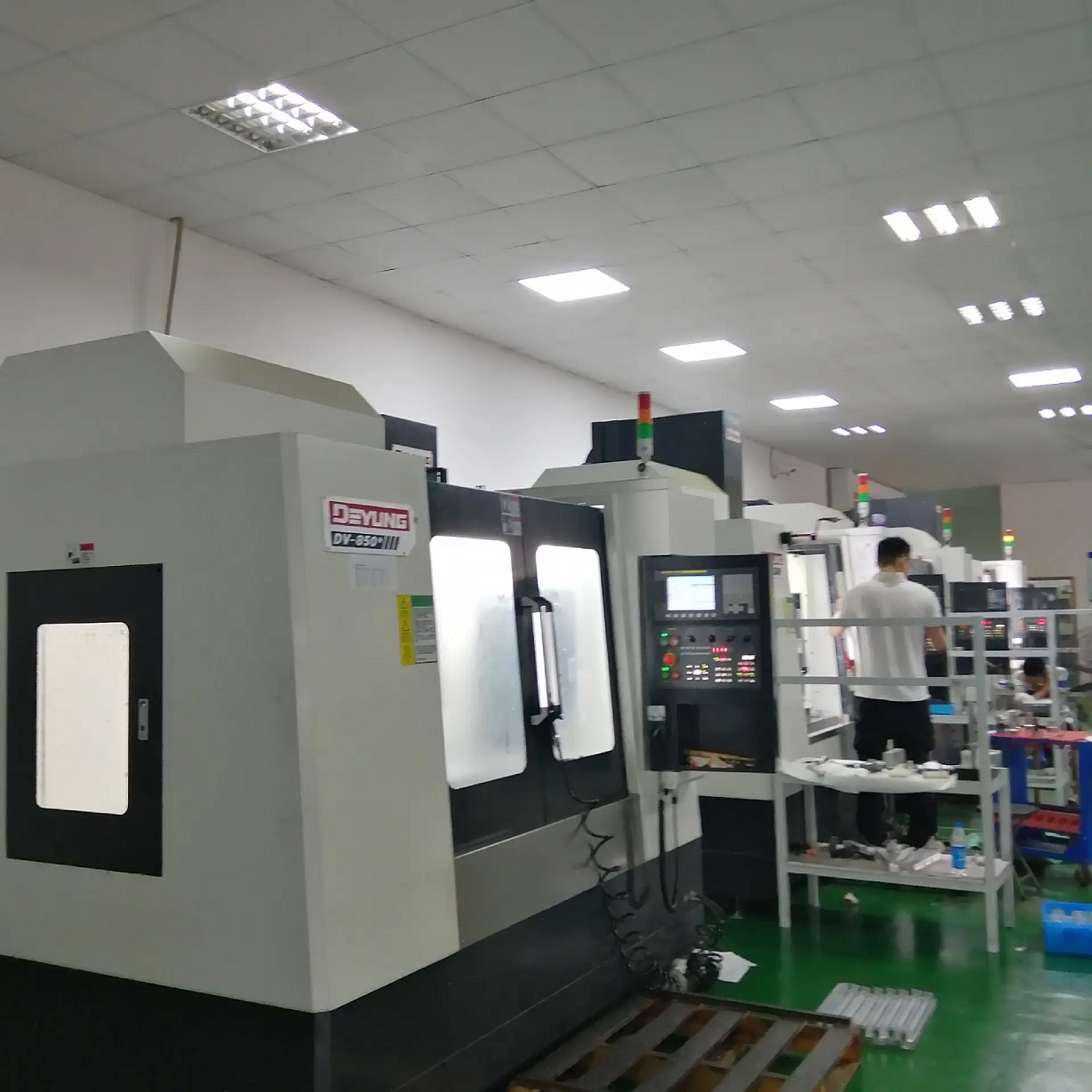
Over 100 dedicated CNC turning centers, multi-axis Swiss lathes, and cold-heading machines maintaining micro-tolerances (±0.005 mm) on threads and seats.
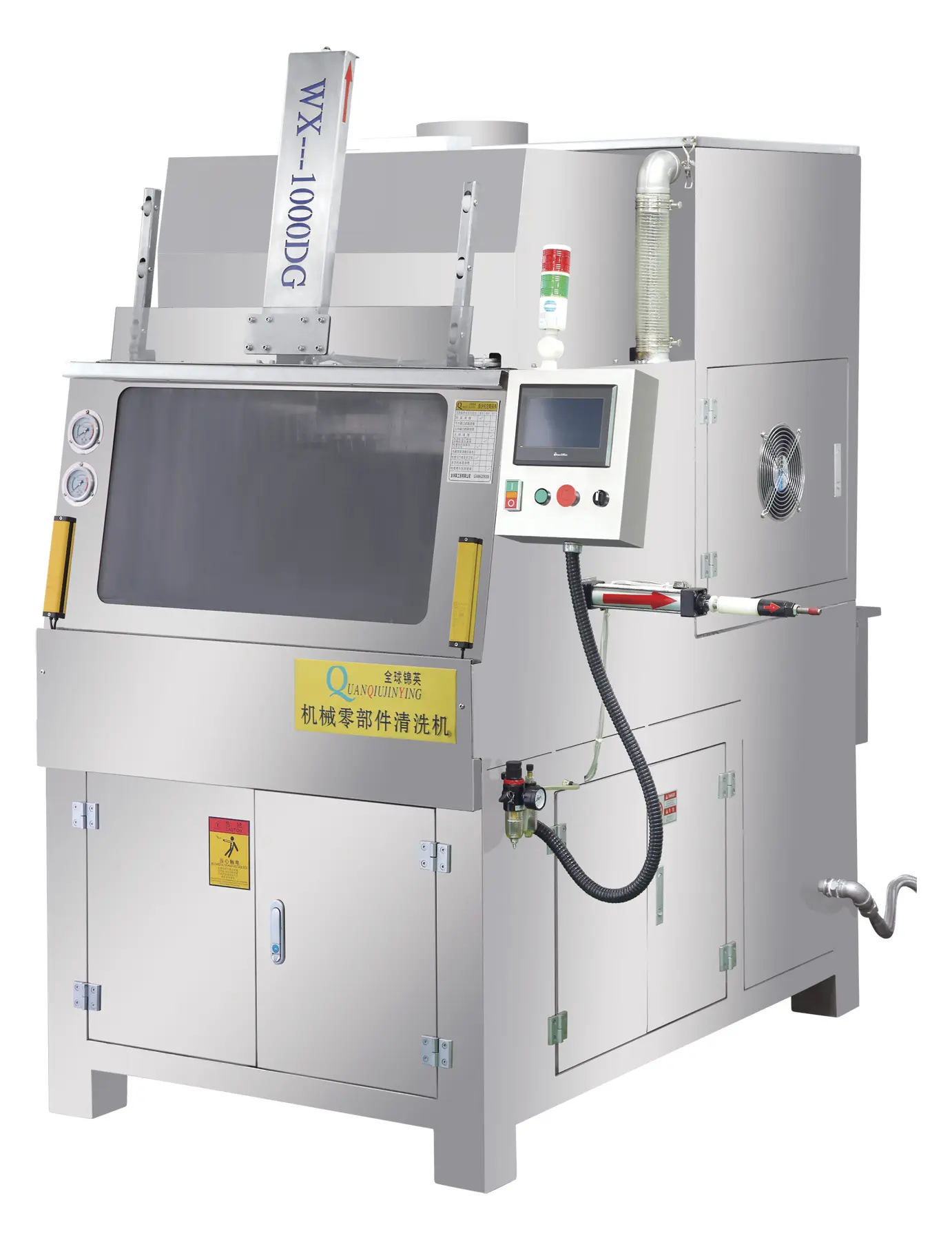
Multi-stage acid de-scaling, micro-bead blasting, ultrasonic degreasing, and specialized electrochemical anodizing baths with real-time digital voltage regulators.
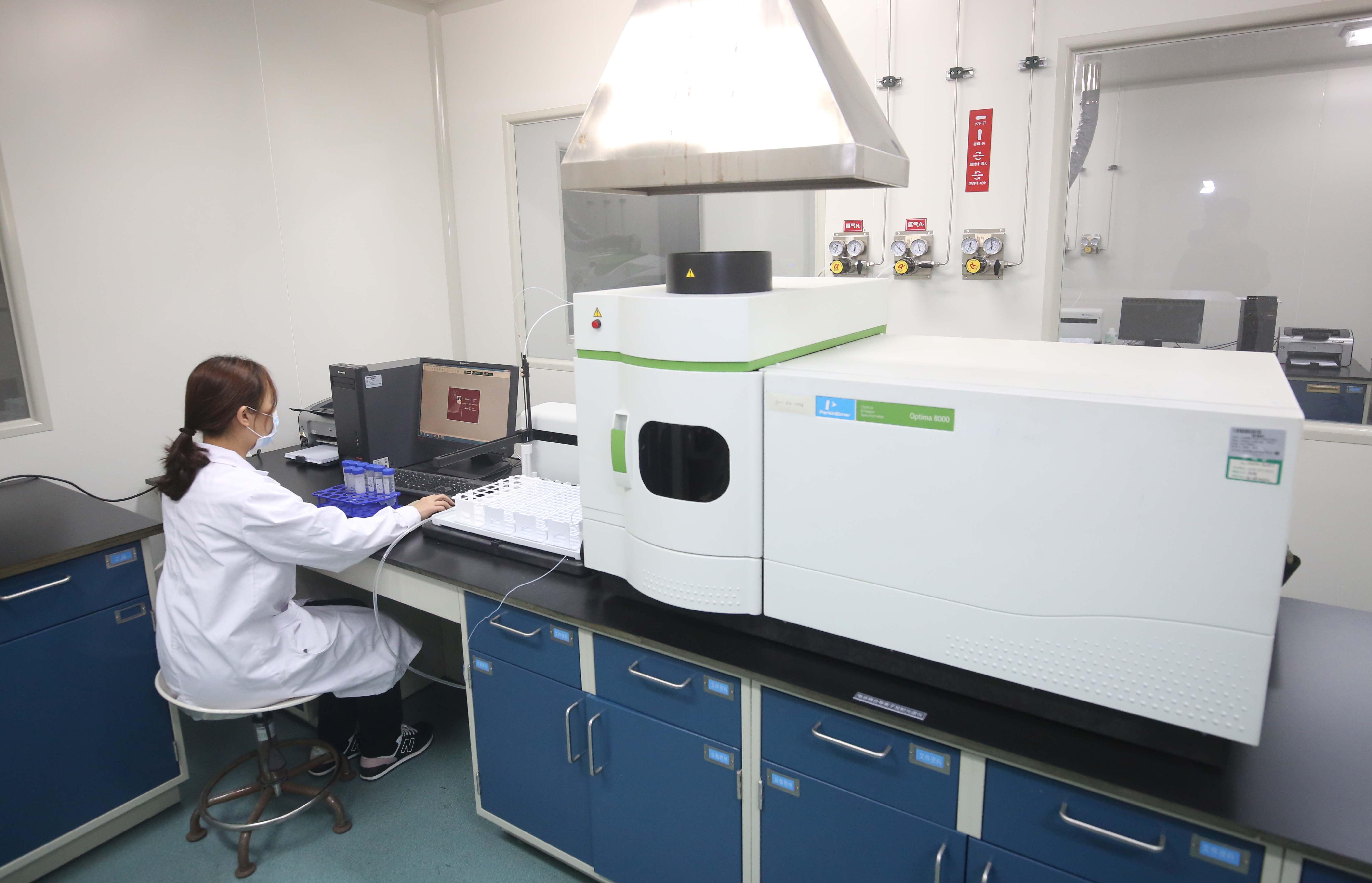
Dedicated metallurgical testing: thread gauge optical profiling, tensile fracture tests, micro-Vickers hardness verification, and cyclic salt-spray corrosion chamber audits.
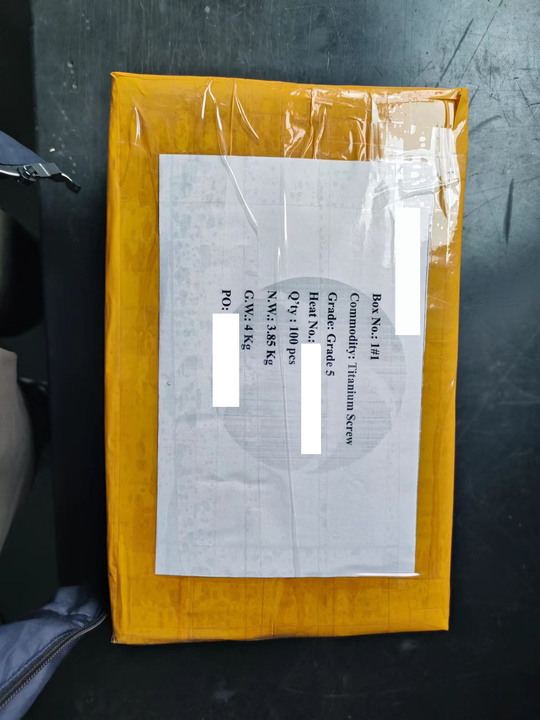
Individually capped, vacuum-sealed, or compartment-trayed packaging preventing thread impact during transit. Barcode traceability down to raw heat numbers.
By operating inside Baoji, Yevzo Titanium Metal Co., Ltd. eliminates external intermediary markups and freight lags. We procure premium vacuum-arc remelted (VAR) titanium bars with full heat-number traceability, matching ASTM, DIN, and ISO requirements.
Whether ordering small runs of custom-anodized motorcycle caliper bolts or scheduled shipments of 500,000 industrial flange bolts, our production floor handles complete OEM/ODM requirements with full inspection certificates (EN 10204 3.1 MTRs) supplied with every dispatch.
Digital rectifiers and controlled temperature electrolytes guarantee batch-to-batch color repeatability (ΔE ≤ 0.8) across entire industrial production volumes.
100% Go/No-Go thread gauge checking, optical profile projection, proof load certification, and salt fog corrosion testing matching ASTM B117 standards.
Complete Incoterms support: EXW, FOB, CIF, DDP to door with customs clearance handled. Payment accepted via T/T, L/C, PayPal, and international escrow.
Global procurement metrics are shifting rapidly. AI-assisted procurement software, lifecycle carbon accounting, and lightweight electrification demands are shaping how tier-1 manufacturers purchase anodized titanium fasteners.
EV powertrain designers are aggressive in shedding curb weight to maximize battery range without redesigning battery chemistry. Replacing steel wheel bolts, suspension linkages, and brake caliper anchors with Grade 5 anodized titanium reduces rotating unsprung weight by up to 1.8 kg per corner. This enhances shock rebound rates, road responsiveness, and overall battery efficiency.
International OEMs are moving away from multi-tiered trading intermediaries in Europe and North America to partner directly with integrated Baoji manufacturers. Direct technical communication between OEM design engineers and our CNC engineering staff shortens prototype cycles from 8 weeks to under 10 days, while lowering total procurement expenditure by 28% to 40%.
Modern defense, aerospace, and medical procurements mandate instant digital traceability. Every production lot produced by Yevzo Titanium Metal Co., Ltd. is linked to raw bar heat chemistry, ultrasonic inspection charts, and RoHS/REACH chemical compliance sheets, allowing instant verification via digital supplier portals.
While traditional electrochemical anodizing yields a protective oxide layer of sub-micron thickness, next-generation Plasma Electrolytic Oxidation (PEO) is being integrated for high-stress marine fasteners. This process produces a ceramic-like, crystalline TiO2-Al2O3 composite coating up to 15 μm thick, elevating micro-hardness beyond 800 HV and providing unprecedented fretting wear resistance.
For high-end motorsport and military aerospace environments, hybrid duplex finishes are replacing conventional coatings. By applying a base Type II anodizing layer topped with physical vapor deposition (PVD) Diamond-Like Carbon (DLC) or Titanium Nitride (TiN), the fastener achieves an ultra-low friction coefficient (μ ≤ 0.08) coupled with intense, permanent surface colorations that resist stone chipping and repetitive impact.
Titanium's low thermal conductivity often causes extreme heat concentration during machining. Our adoption of high-pressure coolant (HPC) systems and thread-rolling dies eliminates micro-tearing along the thread root, creating mirror-smooth root radiuses that resist fatigue crack initiation under cyclic shear loads.
Expert engineering answers derived from actual technical queries asked by mechanical designers, automotive builders, and procurement officers on AI and search platforms.
No. One of the primary engineering reasons titanium is preferred over plated steel or anodized aluminium is its dimensional stability after surface conversion. Titanium color anodizing is an electrolytic conversion that produces a nanometer-scale titanium dioxide film (between 15 nm and 350 nm thick).
Because the dimensional growth is less than 0.0005 mm (0.5 microns), it consumes no measurable clearance inside metric ISO 965 Class 6g/6H or unified Class 2A/3A thread envelopes. The fasteners can be assembled directly into tight-tolerance tapped holes without binding, re-tapping, or torque calculation recalibration.
Thread galling occurs when high contact pressure rubs off the oxide layer, allowing direct metal-to-metal atomic bonding. To completely prevent galling, adhere to three industry best practices:
1. Lubrication: Always apply a specialized anti-seize paste formulated with molybdenum disulfide (MoS2), copper paste, or synthetic PTFE-based lubricant to both the thread flanks and the under-head bearing area.
2. Torque Calibration: Because lubricated titanium has a lower coefficient of friction than dry steel, decrease nominal torque settings by roughly 15% to 20% compared to dry values to avoid overstretching the bolt shank.
3. Speed Control: Never use high-RPM pneumatic impact drivers when threading titanium fasteners into blind holes. High speeds generate localized frictional heat that breaks down lubricating layers. Use calibrated manual torque wrenches or controlled low-RPM electric drivers.
Yes, provided proper assembly protocols are observed. Electrochemically, titanium has a noble potential (+0.05V vs SCE) compared to structural aluminium alloys (-0.75V to -0.90V vs SCE). In the presence of an aggressive conductive electrolyte (e.g., road deicing salt or marine fog), an uninsulated titanium-aluminium joint can cause anodic dissolution of the aluminium component.
However, the compact TiO2 barrier formed during our controlled anodization process behaves as an electrical insulator, significantly reducing galvanic current flux. In harsh saltwater or outdoor industrial environments, pairing the fastener with an isolating PTFE, nylon, or passivated 316 washer—or using wet-assembly dielectric sealants—provides permanent, zero-corrosion service life.
The core distinction lies in mechanical yield strength and shear fatigue resistance:
Grade 5 (Ti-6Al-4V): An alpha-beta alloy containing 6% aluminium and 4% vanadium. It offers a minimum tensile strength of 895 MPa (often reaching 950–1050 MPa after CNC rolling) and a yield strength of 828 MPa. This exceeds standard Class 8.8 steel and closely matches Class 10.9 fasteners. It is the mandatory choice for critical load-bearing automotive suspension, brake calipers, engine internals, and motorcycle chassis.
Grade 2: Commercially pure titanium with a minimum tensile strength of 345 MPa. While softer and inappropriate for high cyclic preloads, it exhibits superior formability and near-infinite resistance to wet chlorine, organic acids, and stagnant seawater. It is typically specified for chemical vessel covers, exhaust tailpipes, and decorative marine trim.
Unlike painted, powder-coated, or aluminium-anodized parts, color-anodized titanium contains zero organic dyes or pigments. Because the perceived coloration is purely the optical result of light wave interference through the transparent oxide layer, it is 100% immune to ultraviolet (UV) fading, sunlight bleaching, and petroleum solvents.
The oxide layer cannot "chip" or "flake" because it is an integral metallurgical conversion of the base metal. However, harsh abrasive blasting or rubbing against hard abrasive minerals can mechanically wear down the thin oxide film. Furthermore, sustained ambient temperatures exceeding 380°C (716°F) will cause the oxide layer to thicken thermally, resulting in a permanent shift to a higher-voltage color (e.g., blue transitioning toward purple or grey).
Send us your bill of materials, CAD files, or custom anodizing color requests. The engineering and metallurgical export team at Yevzo Titanium Metal Co., Ltd. delivers comprehensive manufacturing feasibility reports and competitive quotes within 12 hours.