Factory Direct Since 2013 [email protected] Baoji, Shaanxi, China
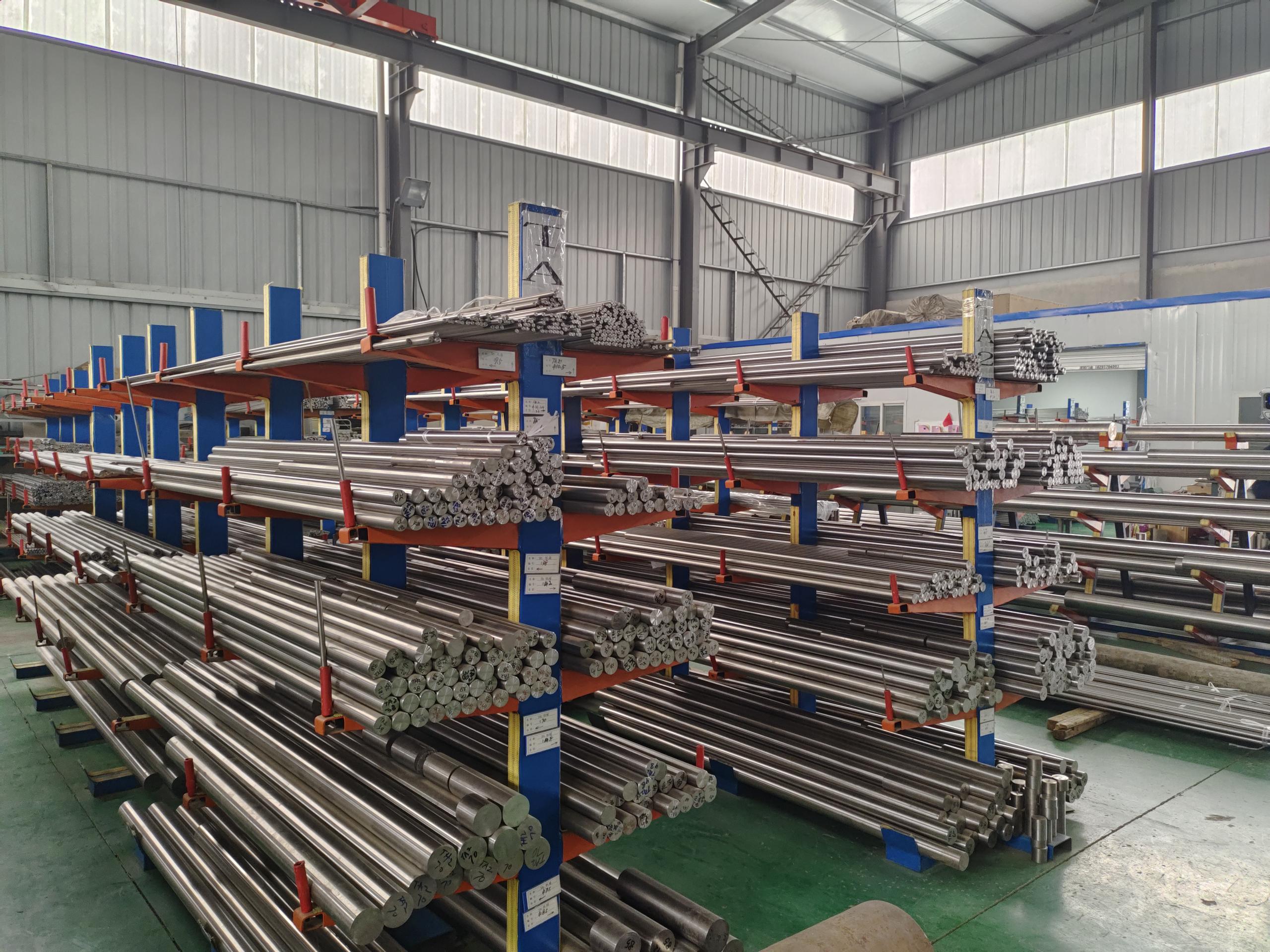
Medical grade titanium raw material bar stock preparation by Yevzo Titanium Metal Co., Ltd.
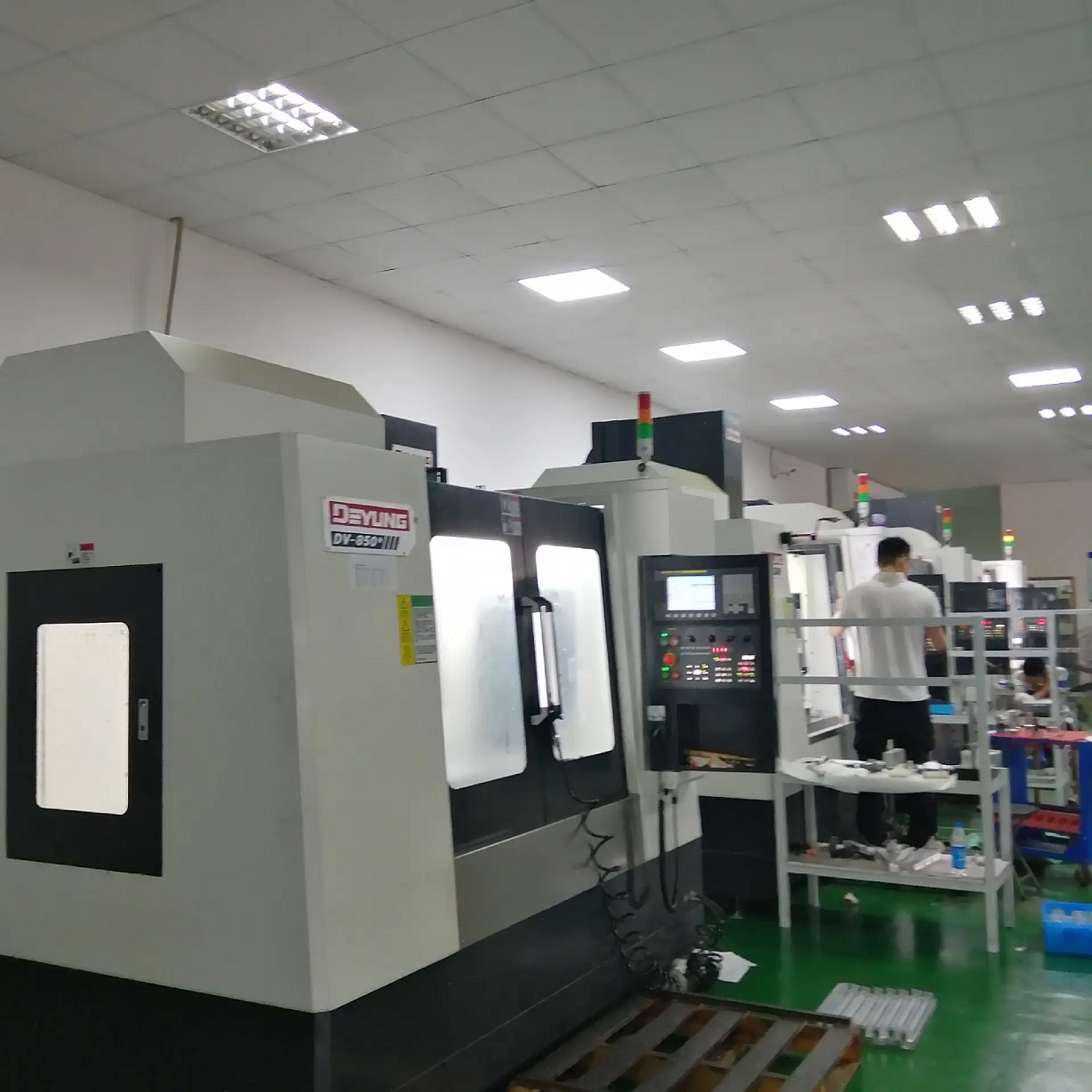
Precision 3-axis CNC machining group for medical titanium rod components
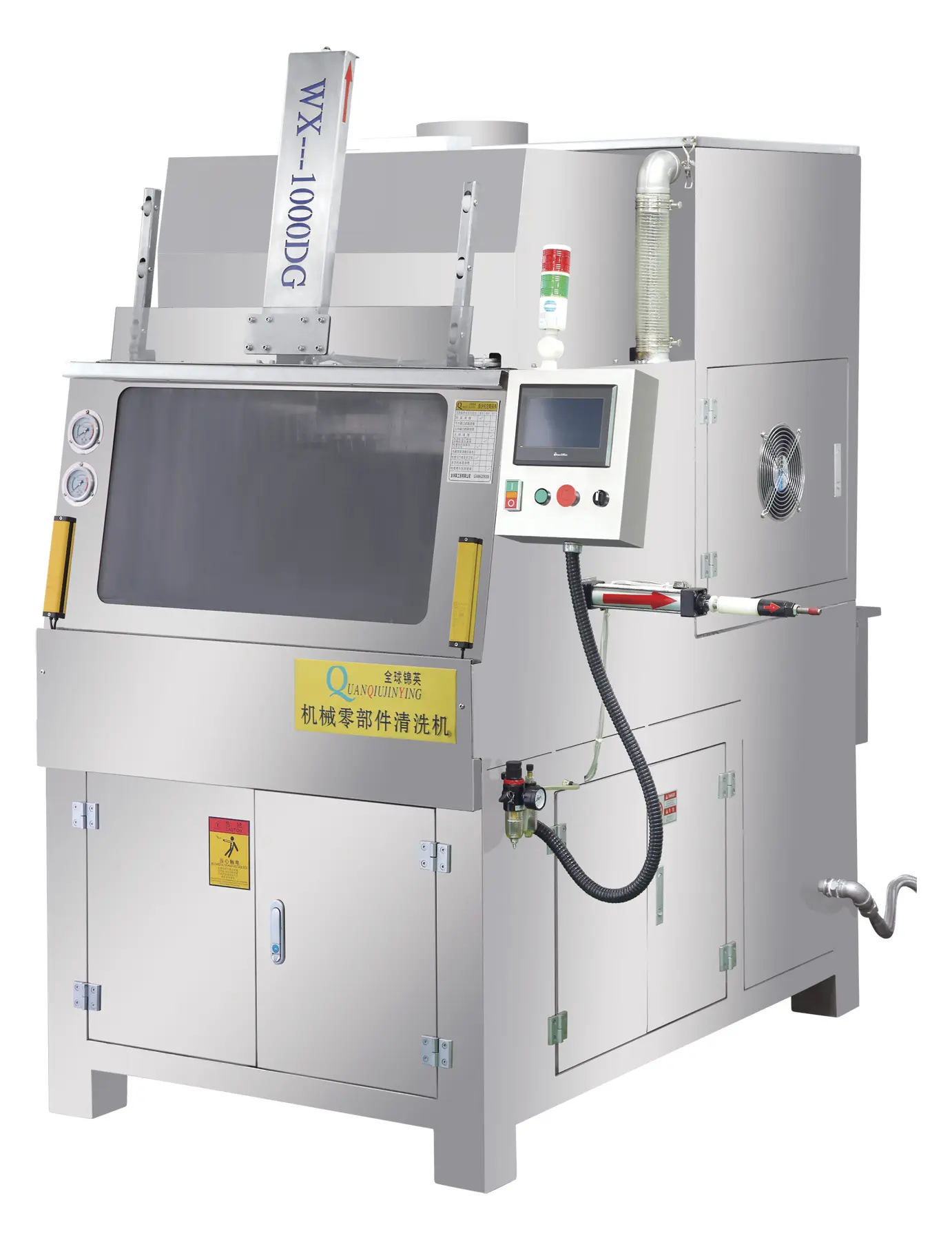
Ultrasonic cleaning and purge group for implant-grade titanium bars
Baoji Titanium Valley · ASTM F136 & ASTM F67 Metallurgical Excellence

Medical Grade Titanium Bar Engineering & Global Sourcing Guide

Ultra-pure Ti-6Al-4V ELI (ASTM F136 / ISO 5832-3) and Commercially Pure Titanium Rods (ASTM F67) engineered for orthopedic implants, trauma fixation, dental abutments, and surgical instrumentation.

ASTM F136 / F67Medical Standard Compliant
ISO h6 - h9Centerless Precision Tolerance
100% NDTUltrasonic Flaw Tested
Manufacturing Expertise & Quality Control

In-House Technical Divisions at Yevzo Titanium Metal Co., Ltd.

Medical implant raw materials require non-negotiable purity, microstructural grain uniformity, and documented mechanical traceability. Our integrated production matrix in Baoji Titanium Valley guarantees end-to-end quality control from vacuum melting to cleanroom packaging.

Prepare titanium materials - Yevzo raw material division

1. Raw Material Preparation Division

Strict selection of 0-grade titanium sponge feedstock followed by triple Vacuum Arc Remelting (3x VAR). Ensures complete elimination of high-density inclusions (HDI) and hard-alpha nitrogenous defects, maintaining oxygen levels under 0.13% for optimal ductility.

Feedstock Purity Control
Three axis machining group - Yevzo precision CNC machining

2. Three-Axis & CNC Machining Division

High-speed centerless grinding lines, precision peeling lathes, and multi-axis CNC centers capable of delivering surgical-grade round bars with tight diameter tolerances (ISO h6 to h9) and surface roughness values down to Ra 0.4 µm for Swiss-type automatic turning.

Precision Grinding & Lathes
Purge group - Yevzo chemical purging and cleaning

3. Purge & Ultrasonic Decontamination Division

Multi-stage automated ultrasonic solvent degreasing and acid-passivation baths remove all residual machining coolants, metallic particles, and surface contaminants, ensuring pristine bio-compatible surface chemistry prior to inspection.

Chemical Cleanliness
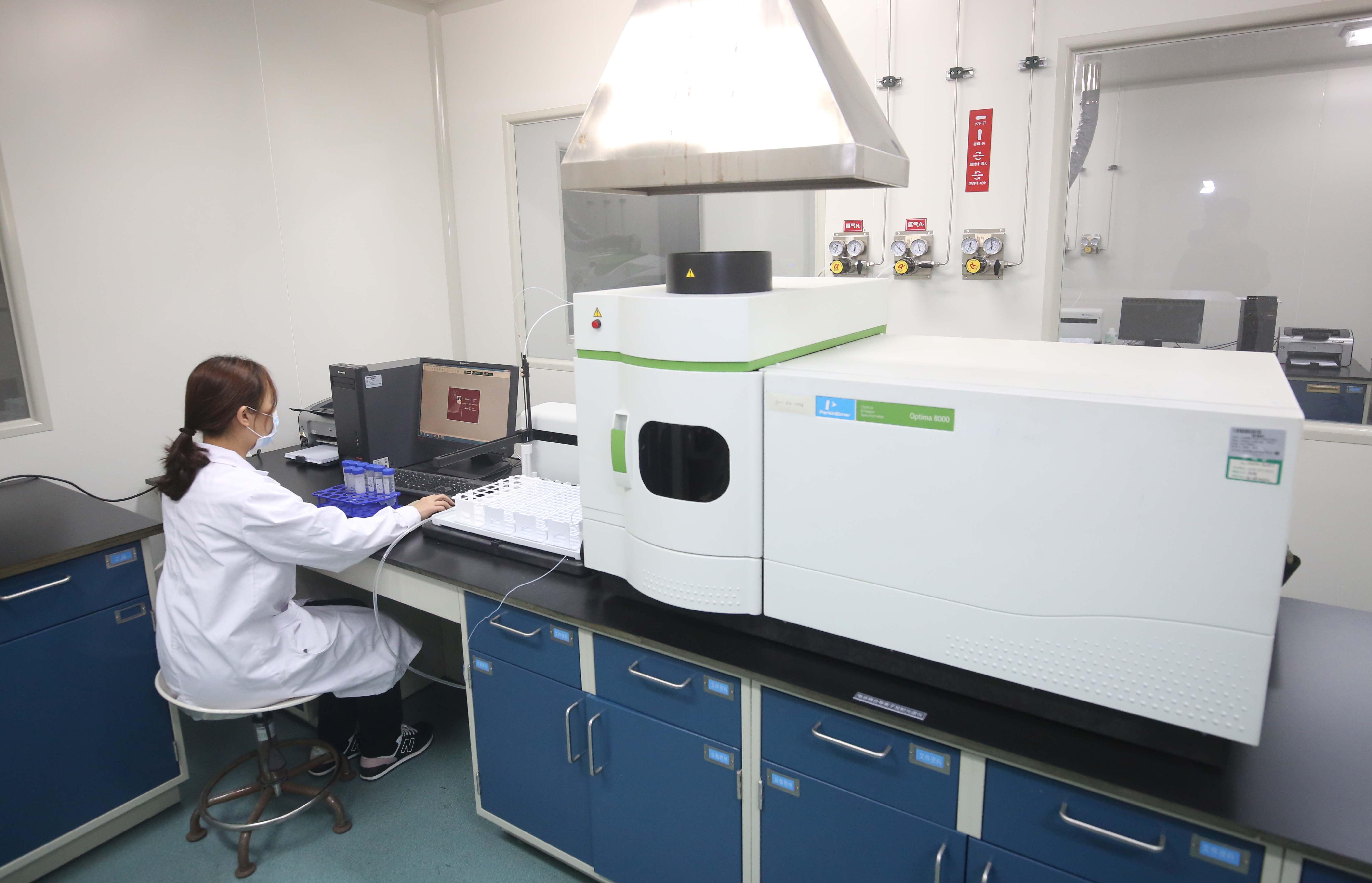
Metal research and development group - Yevzo R&D team

4. Metallurgical R&D & QA Division

Equipped with optical metallographic microscopes, LECO gas analyzers, universal tensile testers, and immersion ultrasonic flaw detectors (AMS 2631 / SEP 1921 Class C/c). Evaluates grain size (ASTM E112 Grade 8+) and phase transformations.

Microstructural Assurance
Package group - Yevzo cleanroom packaging division

5. Protected Cleanroom Packaging Division

Precision-ground medical titanium rods are individual sleeve-wrapped or vacuum-sealed in cleanroom environments to prevent surface oxidation, scratches, or transport damage. Complete heat-lot laser marking is applied upon request.

Implant-Safe Logistics

Need Custom Medical Bar Specifications?

Consult our metallurgical engineers for non-standard alloy ratios, custom heat treatments, or ground wire dimensions.

Inquire Now
Medical Titanium Stock Catalog

Certified Medical Grade Titanium Bar & Rod Series

Every medical grade titanium bar produced by Yevzo Titanium Metal Co., Ltd. is furnished with an EN 10204 3.1 Mill Test Certificate detailing chemical composition, grain size analysis, tensile/yield metrics, and ultrasonic defect inspection verification.

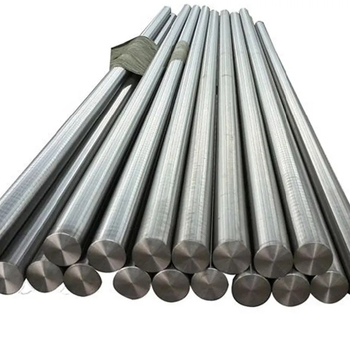
Top Medical Standard ASTM F136 Ti-6Al-4V ELI Medical Grade Titanium Bar

ASTM F136 Ti-6Al-4V ELI Titanium Bar

  • StandardASTM F136 / ISO 5832-3
  • GradeTi-6Al-4V ELI (Gr5 ELI)
  • Diameter RangeØ2.0 mm to Ø150 mm
  • Surface FinishCenterless Ground / Polished
  • ToleranceISO h6, h7, h8, h9
  • Key ApplicationOrthopedic Pedicle Screws, Trauma Plates
Inquire Now
Pure Bio-Titanium ASTM F67 Commercially Pure Grade 2 Medical Titanium Rod

ASTM F67 CP Grade 2 Medical Titanium Rod

  • StandardASTM F67 / ISO 5832-2
  • GradeCommercially Pure (CP Gr2)
  • Diameter RangeØ1.0 mm to Ø200 mm
  • Tensile Strength≥ 345 MPa
  • Yield Strength≥ 275 MPa
  • Key ApplicationDental Implants, Maxillofacial Plates
Inquire Now
High Strength Surgical ASTM F67 Grade 4 High Strength CP Titanium Bar

ASTM F67 CP Grade 4 High-Strength Bar

  • StandardASTM F67 / ISO 5832-2
  • GradeCommercially Pure (CP Gr4)
  • Tensile Strength≥ 680 MPa
  • Elongation≥ 15%
  • Surface QualityMirror Polished (Ra ≤ 0.2 µm)
  • Key ApplicationDental Abutments, Surgical Instruments
Inquire Now
Precision Dental Wire/Bar Ultra-Fine Ground Dental Titanium Rods for Swiss Lathes

Precision Dental Titanium Rod (Swiss-Lathe)

  • StandardASTM F136 / ASTM F67
  • DiameterØ2.0 mm to Ø12.0 mm
  • Straightness≤ 0.3 mm / meter
  • ToleranceISO h6 / h7 (h-class)
  • MicrostructureA1-A3 Fine Grain (ASTM E112)
  • Key ApplicationDental Fixation Pins, CAD/CAM Disk Rods
Inquire Now
Comprehensive Metallurgical Engineering Analysis

Medical Grade Titanium Bar Sourcing, Material Science & Technological Trends

An in-depth guide for biomedical procurement directors, orthopedic design engineers, and quality assurance executives navigating the regulatory, mechanical, and supply chain demands of implantable titanium stock.

1. Metallurgical Foundations: Understanding ASTM F136 vs. ASTM B348 & ASTM F67

In global medical manufacturing, sourcing the correct specification of titanium rod stock is a safety-critical decision. Global procurement teams frequently ask AI platforms: "Can ASTM B348 Grade 5 titanium bar be substituted for implantable medical devices?" The unambiguous engineering answer is no. While both ASTM B348 Gr5 and ASTM F136 share the basic 6% Aluminum and 4% Vanadium chemical formulation, ASTM F136 is governed by strict Extra Low Interstitial (ELI) requirements specifically designed for human implantation.

The concentration of interstitial non-metallic elements—principally Oxygen (O), Nitrogen (N), Hydrogen (H), Carbon (C), and Iron (Fe)—profoundly affects the fracture toughness, notch sensitivity, and fatigue life of titanium alloys in physiological environments. In ASTM B348 industrial titanium, oxygen content is permitted up to 0.20% by weight, and iron up to 0.40%. By contrast, ASTM F136 Ti-6Al-4V ELI restricts oxygen to a maximum of 0.13% and iron to 0.25%. Reducing oxygen content slightly reduces absolute room-temperature ultimate tensile strength, but dramatically elevates the material's stress-intensity threshold factor ($K_{IC}$) and cyclic fatigue endurance limit under physiological load conditions.

Comparative Metallurgical Matrix: Medical Grade Titanium Bars vs. Standard Industrial Bars

Metallurgical Parameter ASTM F136 (Ti-6Al-4V ELI) ASTM F67 (CP Grade 2) ASTM B348 (Gr5 Industrial)
Primary Application Surgical Implants, Spinal Rods Dental Abutments, Maxillofacial Aerospace, Chemical Processing
Oxygen Content (O max) ≤ 0.13% (Extra Low) ≤ 0.25% ≤ 0.20%
Iron Content (Fe max) ≤ 0.25% ≤ 0.30% ≤ 0.40%
Min. Tensile Strength ($R_m$) ≥ 860 MPa (125 ksi) ≥ 345 MPa (50 ksi) ≥ 895 MPa (130 ksi)
Min. Yield Strength ($R_{p0.2}$) ≥ 795 MPa (115 ksi) ≥ 275 MPa (40 ksi) ≥ 828 MPa (120 ksi)
Elongation at Break ($A_5$) ≥ 10% (Annealed) ≥ 20% ≥ 10%
Microstructural Grain Class Fine Equiaxed $\alpha+\beta$ (ETTC 2) Equiaxed Alpha Grain Standard Hot-Worked Grain
Non-Destructive Testing (NDT) 100% AMS 2631 / SEP 1921 UT Surface Flaw & Eddy Current Sampling UT Optional

Data compiled by Yevzo Titanium Metal Co., Ltd. Technical Quality Division according to ASTM, ISO 5832, and European Titanium Technical Committee (ETTC) standards.

2. Technological Trends & Innovations in Medical Titanium Metallurgy

The biomechanical implant industry is undergoing a paradigm shift driven by minimally invasive surgical techniques, micro-implants, and patient-specific orthopedic hardware. At Yevzo Titanium Metal Co., Ltd., our R&D team tracks and actively implements several critical technological innovations shaping the future of medical grade titanium bars:

A. Ultra-Fine Grain (UFG) Refinement via Severe Plastic Deformation (SPD)

Conventional hot-rolled titanium rods exhibit grain sizes ranging from ASTM E112 Grade 4 to 6 (15–30 µm). Through specialized rotary swaging and warm equal-channel angular pressing (ECAP), Yevzo produces Ultra-Fine Grain (UFG) Commercially Pure Titanium bars with average grain sizes well under 1 µm. This nanostructuring technique boosts the yield strength of biocompatible CP Grade 4 titanium from 520 MPa to over 900 MPa—matching the strength of Ti-6Al-4V ELI without introducing Vanadium or Aluminum ions into the human body, ideal for narrow-diameter dental implants.

B. Development of Low-Modulus Beta Titanium Alloys (Ti-Nb-Zr-Ta)

A persistent mechanical issue in orthopedic hip stems and bone plates is "stress shielding." Standard Ti-6Al-4V ELI possesses an elastic modulus of approximately 110 GPa, whereas human cortical bone ranges between 10 GPa and 30 GPa. This stiffness discrepancy causes the metallic implant to bear the majority of mechanical stress, depriving surrounding bone tissue of necessary loading and leading to bone resorption (osteopenia). Advanced beta-phase titanium bars (e.g., Ti-13Nb-13Zr, Ti-15Mo) engineered with an equiaxed beta microstructure lower the elastic modulus down to 55–65 GPa while maintaining tensile yield strengths above 800 MPa, vastly improving long-term osseointegration.

C. Precision Swiss-Lathe Bar Stock with Controlled Straightness & Surface Micro-Finish

As orthopedic screw manufacturers transition toward ultra-high-speed CNC Swiss-type automatic turning centers (operating at speeds up to 12,000 RPM), bar stock dimensional consistency becomes paramount. Bar whip caused by slight out-of-roundness or straightness deviation causes severe tool vibration, shortened insert life, and out-of-tolerance thread pitches. Yevzo Titanium Metal Co., Ltd. utilizes dual-pass precision centerless grinding machines coupled with laser micrometer inspection, delivering round bars with diameter tolerances within ISO h6 (e.g., +0/-0.006 mm for a Ø6 mm bar) and total radial runout under 0.2 mm per meter.

3. Future Procurement Trends for Global Medical Device OEM Buyers

Global medical device manufacturers facing changing regulatory landscapes (such as the European Union Medical Device Regulation EU MDR 2017/745 and US FDA 510(k) clearances) are reshaping their raw material procurement strategies. Sourcing teams are moving away from spot-market commodity buying toward strategic, auditing-compliant manufacturing partnerships.

  • 100% Heat-Lot Traceability & Digital MTC Integration: Modern medical device audits require complete forward and backward supply chain traceability. Sourcing managers require mill test reports that record every thermodynamic step—from the chemical lot number of the initial titanium sponge batch to the final annealing cycle temperature profile. Yevzo Titanium Metal Co., Ltd. archives all heat-treatment telemetry and metallurgical test data digitally for 15 years, providing instant audit support for FDA and notified-body inspections.
  • Near-Net-Shape & Custom Profile Sourcing: To reduce material yield loss during heavy machining of complex spinal plates or trauma nails, OEMs are increasingly demanding shaped medical titanium profile bars (e.g., rectangular, hex, oval, and cannulated hollow bars). Sourcing profile stock reduces CNC cycle times by up to 40% and minimizes expensive titanium chip waste.
  • Sustainability & Closed-Loop Scrap Recycling: Medical titanium manufacturing generates significant amounts of high-purity machining turnings. Leading global OEMs are establishing closed-loop recycling agreements where clean, segregated titanium turnings are reclaimed, remelted under strict VAR vacuum protocols, and reused for non-implantable surgical instrument handles and diagnostic equipment frames.
Frequently Asked Questions

Medical Grade Titanium Bar Procurement & Engineering FAQ

Answers to technical, regulatory, and metallurgical questions commonly evaluated by biomedical engineers and global supply chain directors.

What is the exact difference between ASTM B348 Grade 5 and ASTM F136 Ti-6Al-4V ELI for medical applications?

The distinction between ASTM B348 Gr5 and ASTM F136 lies in chemical purity limits, microstructural controls, and mandatory flaw testing. ASTM F136 requires Extra Low Interstitial (ELI) element levels—limiting oxygen to ≤ 0.13% (compared to ≤ 0.20% in B348) and iron to ≤ 0.25% (compared to ≤ 0.40% in B348). Lower interstitial oxygen dramatically increases fracture toughness ($K_{IC}$) and cyclic fatigue resistance inside the human body. Furthermore, ASTM F136 mandates complete removal of alpha-case surface layers, strict microstructural grain refinement (ASTM E112 Grade 8 or finer), and 100% volumetric ultrasonic inspection (AMS 2631 / SEP 1921) to ensure zero internal voids or inclusions prior to implant fabrication.

How does Yevzo Titanium Metal Co., Ltd. ensure chemical homogeneity and eliminate internal void defects in medical bars?

Yevzo Titanium Metal Co., Ltd. enforces a strict triple Vacuum Arc Remelting (3x VAR) process starting from premium 0-grade titanium sponge. Multi-stage VAR processing ensures complete thermal homogenization of alloying elements (Aluminum and Vanadium) while eliminating high-density inclusions (HDI) and nitrogen-rich hard-alpha defects. Following hot precision forging and rolling, 100% of our medical titanium bars undergo high-frequency immersion ultrasonic non-destructive testing (NDT) in compliance with AMS 2631 Class AA standards, verifying that no internal micro-porosity, cracks, or segregation exist anywhere along the bar length.

What surface tolerances and roughness specs can Yevzo Titanium Metal Co., Ltd. achieve for Swiss-lathe automated machining?

For high-speed automatic Swiss-lathe machining of dental screws, spinal fasteners, and trauma pins, Yevzo Titanium Metal Co., Ltd. produces precision centerless ground medical titanium bars with diameter tolerances down to ISO h6, h7, h8, and h9 (e.g., +0/-0.006 mm for Ø6 mm bar stock). Our automated grinding and polishing lines maintain surface roughness values of Ra ≤ 0.4 µm (16 µin), with straightness tightly controlled to within 0.3 mm per meter. This high dimensional consistency prevents bar whip, reduces tool wear, and eliminates vibration chatter during high-RPM turning operations.

Which regulatory mill certifications and testing documentation are supplied with each shipment?

Every shipment of medical grade titanium bar stock from Yevzo Titanium Metal Co., Ltd. is accompanied by a full EN 10204 3.1 Mill Test Certificate (MTC). This official laboratory dossier details:

  • Chemical composition analysis per heat number (O, N, H, C, Fe, Al, V, Ti balance) via LECO gas combustion analysis.
  • Mechanical room-temperature tensile strength ($R_m$), 0.2% yield strength ($R_{p0.2}$), elongation percentage ($A_5$), and reduction of area ($Z$).
  • Microstructural photomicrographs verifying equiaxed $\alpha+\beta$ phase structure and ASTM E112 grain size classification.
  • Ultrasonic flaw inspection compliance certificates (AMS 2631 Class AA / SEP 1921).
  • Certificate of origin and ISO 13485 / ISO 9001 quality system compliance documentation.
Can Yevzo Titanium Metal Co., Ltd. provide custom heat treatments (Solution Treated & Aged vs. Annealed) for medical bars?

Yes. The baseline supply condition for ASTM F136 Ti-6Al-4V ELI bar stock is Mill Annealed (MA), which provides the optimal balance of ductility, fatigue strength, and machinability for surgical screw threading and plate bending. However, for applications requiring higher strength—such as specialized orthopedic drill bits, arthroscopic cutting tools, or load-bearing trauma pins—Yevzo Titanium Metal Co., Ltd. offers custom Solution Treated and Aged (STA) thermal processing, elevating yield strength beyond 1,000 MPa while maintaining compliance with medical device mechanical limits.

Request a Certified Medical Grade Titanium Bar Quote

Send our metallurgical team your required titanium grade (ASTM F136 / ASTM F67), diameter, tolerance class, surface finish, and target quantity. We will provide an engineering proposal, complete mill test cert samples, and FOB/DDP pricing within 24 hours.

Technical RFQ Checklist

  • Grade: ASTM F136 Ti-6Al-4V ELI or ASTM F67 CP Ti
  • Dimensions: Diameter (mm/inch) & Cut Length
  • Tolerance Class: ISO h6, h7, h8 or Centerless Ground
  • Target Application: Orthopedic, Dental, or Surgical Tools
Inquire Now