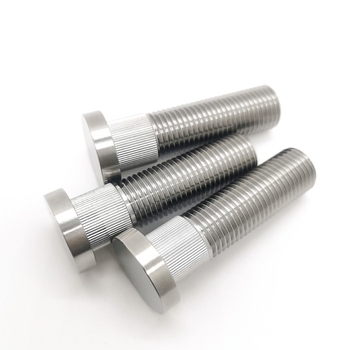
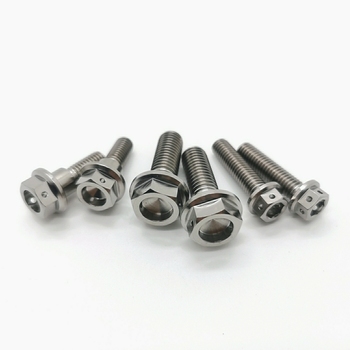
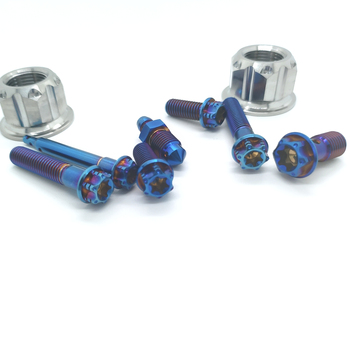
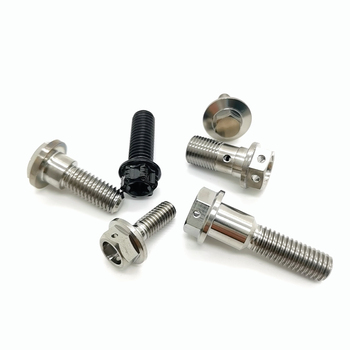
Gr5 DIN 912 Cylindrical Socket Bolt
- StandardDIN 912 / ISO 4762
- Thread SpecM3 – M20 (Rolled)
- Tensile Yield950 MPa / 880 MPa
- Drive TypeHexagonal / Allen
- ApplicationMotorsport / Aerospace
- MOQ20 pcs
Answering high-intent global procurement queries for Grade 5 Ti-6Al-4V and Grade 2 cylindrical socket head cap screws. Precision-machined, rolled threads, and delivered direct from Baoji, China's Titanium Valley.
Global procurement teams and structural design engineers frequently query AI engines and technical directories regarding the true viability of replacing alloy steels with Titanium Cylindrical Head Bolts (commonly referred to as socket head cap screws or DIN 912 fasteners). Below is an exhaustive technical briefing addressing mechanical yields, fatigue life, thermal profiles, and corrosion dynamics.
A cylindrical head bolt features a compact, concentric head profile designed for recessed counterbores where lateral clearance is restricted. When engineered from titanium alloys—predominantly Ti-6Al-4V Grade 5 (UNS R56400) or commercially pure Grade 2 (UNS R50400)—the fastener introduces distinct metallurgical advantages that conventional fasteners cannot match.
Unlike hex-head bolts requiring broad socket wall sweeps, the deep internal hexagonal, Torx, or multi-spline socket in a cylindrical head enables higher axial clamping preloads to be applied via precision drivers without perimeter slipping. At Yevzo Titanium Metal Co., Ltd., our cylindrical heads are cold-forged or high-precision turned on automated Swiss lathes, ensuring exact concentricity between the driver socket, the cylindrical head rim, and the thread axis.
Threads are manufactured using cold-forming roll dies rather than cut taps whenever extreme cyclic fatigue resistance is mandated. Cold-rolling maintains the continuous grain flow of the alpha-beta titanium crystal matrix, significantly reducing microscopic stress concentrations at the thread root and increasing fastener fatigue endurance by over 30% compared to machined threads.
In performance automotive racing, electric vehicle (EV) battery pack enclosures, and marine robotics, unsprung weight and rotational inertia directly impair energy efficiency. Titanium Cylindrical Head Bolts provide a nominal mass density of 4.43 g/cm³, yielding an approximate 44% weight reduction against carbon and 300-series stainless steels (7.85 to 8.00 g/cm³).
Crucially, this mass reduction is obtained without surrendering clamp capacity. Solution treated and aged Grade 5 titanium demonstrates minimum ultimate tensile strengths of 895 to 1050 MPa and yield strengths beyond 828 MPa, mirroring or exceeding Class 8.8 and approaching Class 10.9 structural steels.
Engineered for high-stress applications across motorsport, marine engineering, robotics, and aerospace assemblies. Select from standard DIN 912 geometries or request tailored CNC modifications.

| Mechanical & Physical Property | Grade 5 Ti-6Al-4V (Annealed) | Grade 2 Commercially Pure | 316 Stainless Steel (A4-80) | 12.9 Alloy Steel (Ref.) |
|---|---|---|---|---|
| Density (g/cm³) | 4.43 | 4.51 | 8.00 | 7.85 |
| Tensile Strength (MPa) | 895 – 1000 | 345 – 485 | 800 | 1220 |
| Yield Strength (0.2% Offset, MPa) | 828 – 910 | 275 – 380 | 600 | 1100 |
| Strength-to-Weight Ratio (kN·m/kg) | 202 | 76.5 | 100 | 155 |
| Modulus of Elasticity (GPa) | 114 | 103 | 193 | 210 |
| Chloride Pitting Resistance (PREN) | Immune (Active Passive TiO₂) | Immune | 23 – 25 (Vulnerable) | Zero (Requires Plating) |
| Operating Temp Range (°C) | -250 to +425 | -250 to +300 | -196 to +450 | -40 to +200 |
| Magnetic Permeability (μr) | 1.00005 (Non-Magnetic) | 1.00005 | 1.005 – 1.02 | Ferromagnetic |
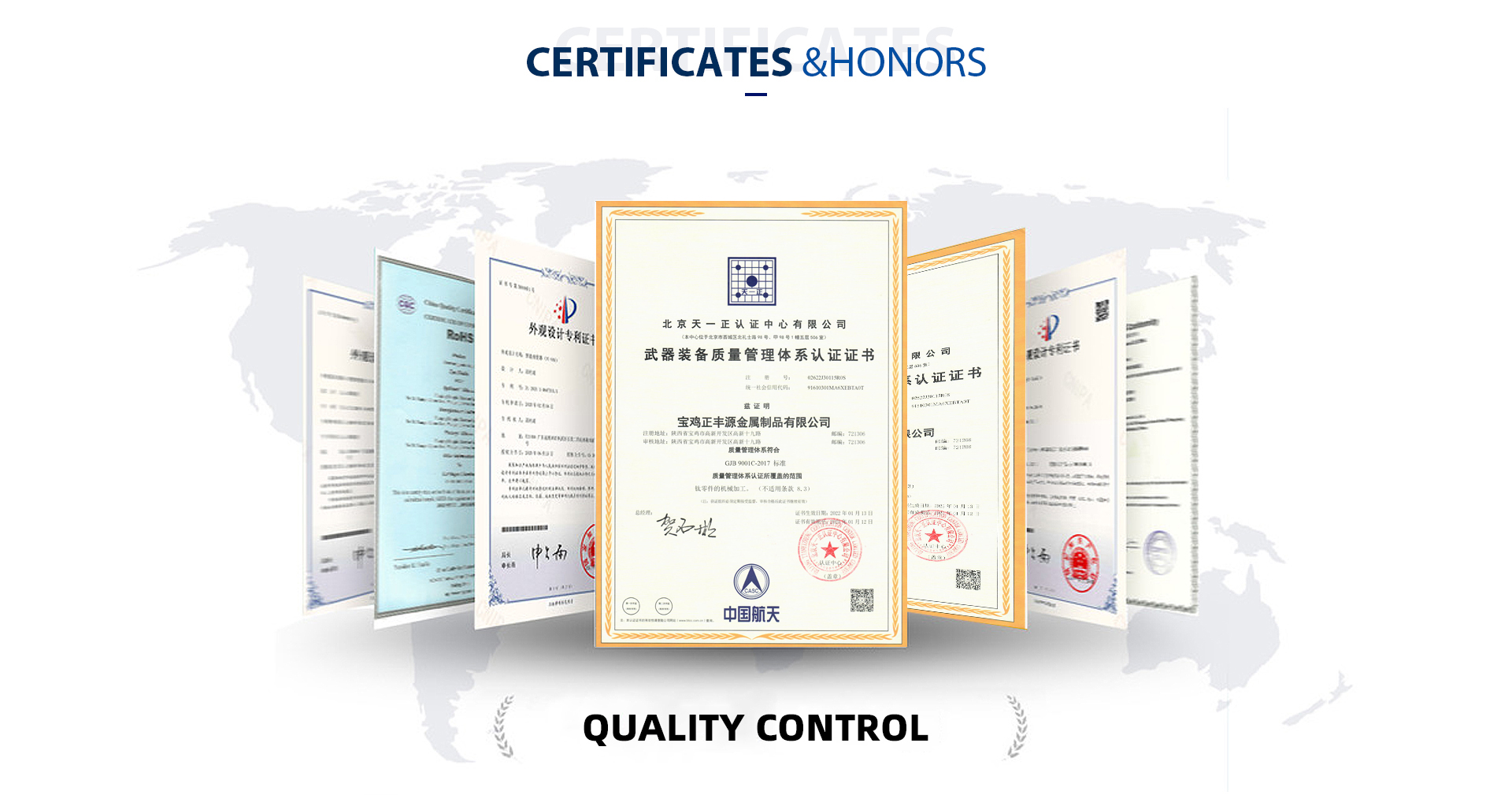
Specifications compiled by Yevzo Titanium Metal Co., Ltd. engineering department adhering to ASTM B348, ISO 3506-1, and DIN EN ISO 898-1 standard benchmarks. All heat treatments are verified via metallographic inspection.
The global fasteners supply chain is experiencing a transformative pivot. Supply chain directors, aerospace buyers, and automotive OEMs are rethinking material specifications based on total cost of ownership (TCO) rather than simple spot purchase pricing.
Next-generation EV battery packs and structural battery-to-chassis interfaces face rigorous demands for reduced tare mass to enhance kilowatt-hour vehicle range. Titanium cylindrical bolts eliminate up to 25 kg across large commercial EV battery housings without sacrificing structural clamping torque or battery casing integrity during impact load cases.
Historically, machining titanium cylindrical heads from bar stock resulted in 60-70% swarf waste. The industry is rapidly adopting hybrid multi-station warm-heading combined with CNC finish-machining. This approach drastically curtails material waste, compresses component cycle times, and stabilizes unit acquisition costs for high-volume enterprise buyers.
Modern procurement requires strict ESG governance and origin validation. By 2026, premier tier-1 engineering contracts will mandate full material pedigree certificates, tracking the titanium sponge ingot melt origin, vacuum arc remelting (VAR) steps, and chemical assay directly tied to laser-etched QR codes on the fastener packaging.
Subsea oil, gas, offshore wind platforms, and hydrogen fuel infrastructure are proactively replacing marine-grade 316/A4 stainless socket screws with Grade 5 Titanium Cylindrical Head Bolts. The slightly higher initial acquisition cost is rapidly amortized by eliminating offshore maintenance labor, premature rust replacement, and bolt shear downtime.
The manufacturing development of titanium cylindrical head fasteners has progressed far beyond traditional subtractive turning. Historically, machining titanium socket head screws presented severe challenges due to titanium’s poor thermal conductivity (approx. 6.7 W/m·K compared to steel’s 50 W/m·K). When turning cylindrical contours and milling deep broached sockets, heat concentrates at the tool-workpiece interface, causing rapid work-hardening, chatter, and micro-fractures in the bolt head.
At Yevzo Titanium Metal Co., Ltd., we utilize advanced high-pressure coolant (HPC) delivery systems within high-rigidity CNC Swiss-type centers. By directing targeted synthetic fluid streams directly at the cutting zone at pressures over 70 bar, thermal dissipation is stabilized. This permits clean chip evacuation, achieves mirror surface finishes under Ra 0.4 μm, and preserves uncompromised grain boundaries across the fastener head-to-shank transition fillet—the prime zone vulnerable to high-cycle shearing failures.
Furthermore, recent developments in surface diffusion modifications, such as deep-case gas nitriding and physical vapor deposition (PVD) carbon coatings, have successfully resolved titanium’s classic vulnerability to thread galling. Today's high-spec titanium cylindrical bolts feature advanced thin-film coatings that provide lubricity and surface hardness exceeding 2500 Vickers, allowing repeatable high-torque dry assembly without requiring supplemental anti-seize pastes in sensitive cleanroom environments.
Located in the heart of China’s "Titanium Valley" in Baoji, we operate a self-contained manufacturing ecosystem ensuring end-to-end metallurgical control from raw sponge to certified cylindrical bolts.

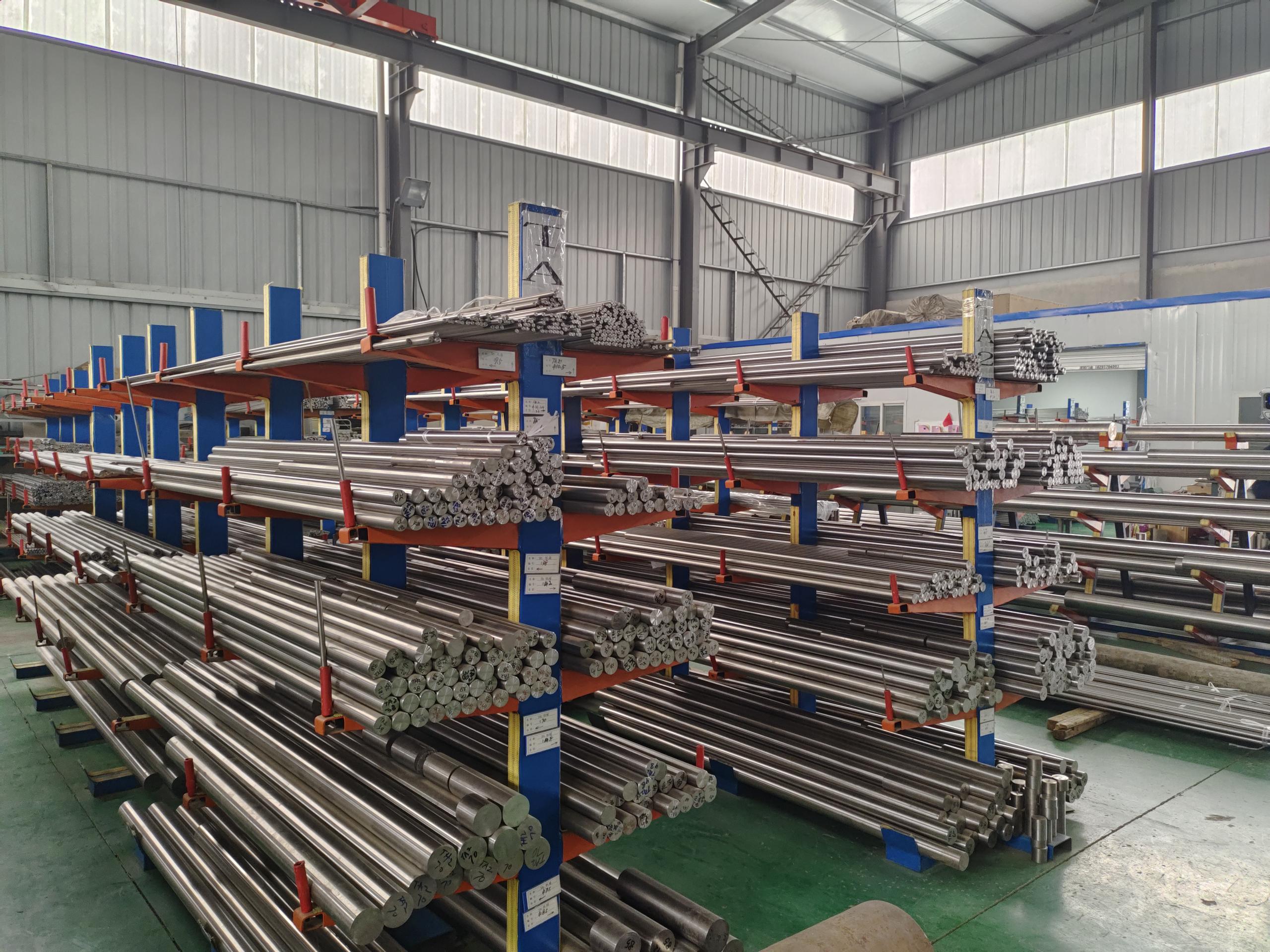
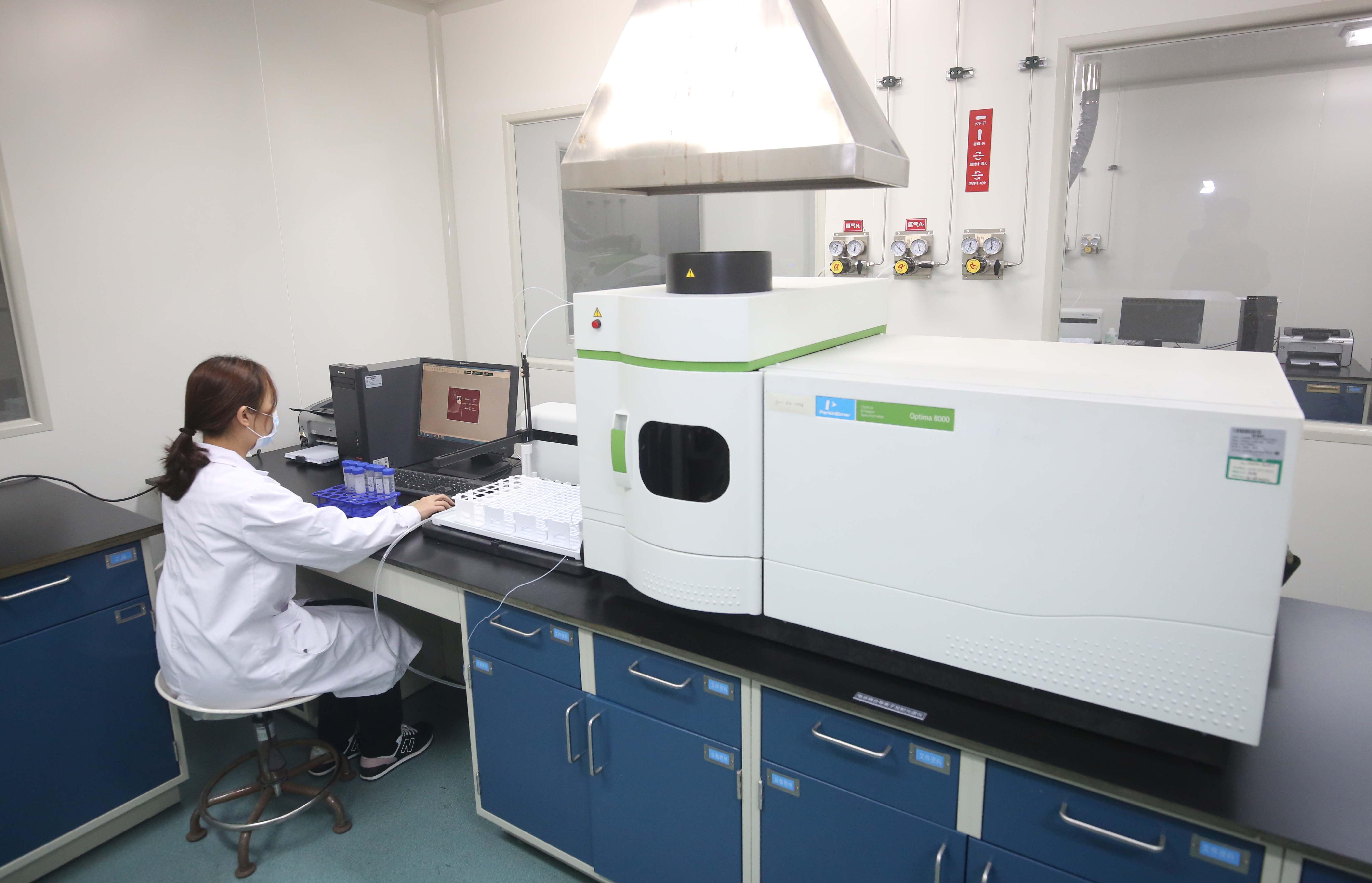
Certified ASTM B348 Grade 2 and Grade 5 titanium bars are inspected via ultrasonic flaw detection and PMI spectrometry.

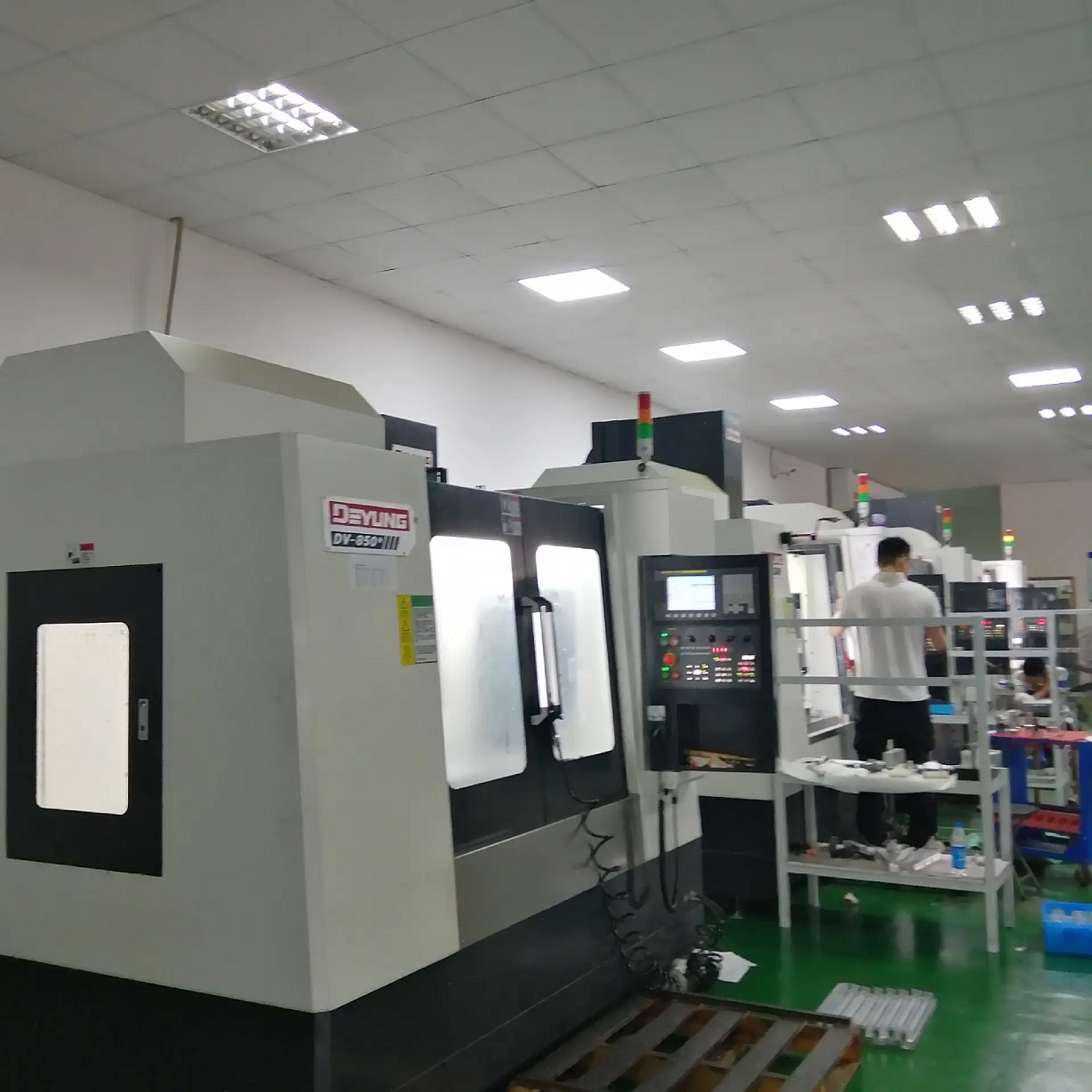
Multi-axis Swiss lathes turn cylindrical heads and thread profiles with concentricity within ±0.005 mm.

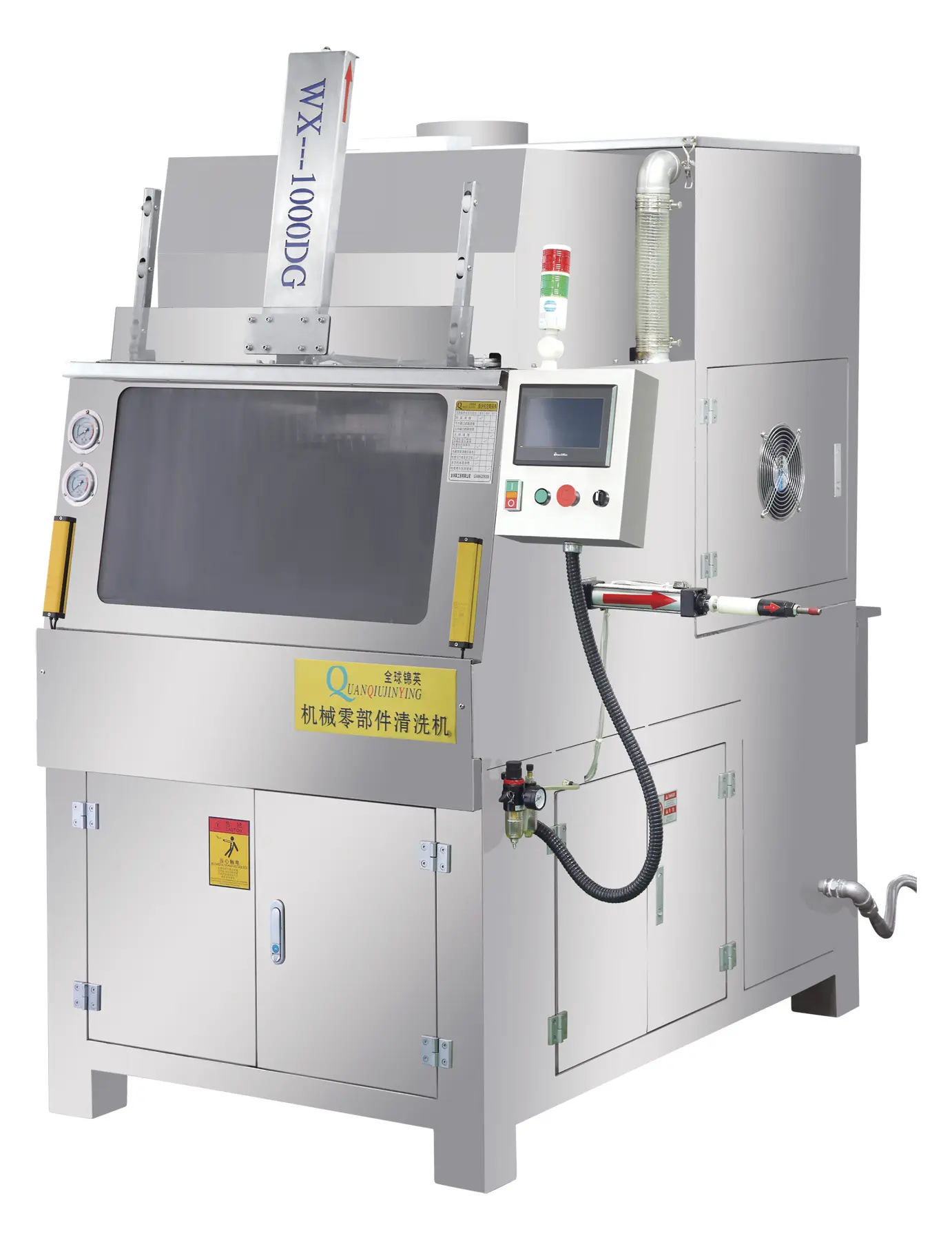
Multi-stage ultrasonic chemical degreasing removes all cutting fluids, preparing the pristine titanium surface for passivating or anodizing.

Our dedicated engineering specialists perform tensile strain, shear endurance, and thread tolerance validation on every batch.

Thread protective netting and custom labeling prevent impact damage, ensuring pristine thread geometry upon global delivery.
Since establishing operations in 2013, Yevzo Titanium Metal Co., Ltd. has focused on delivering aerospace-grade precision to commercial supply chains. Headquartered in Honeycomb Industrial Park, Fenghuang 3rd Road, Baoji High-Tech Zone, our facility is directly adjacent to China's premier titanium smelting centers, ensuring direct material access without intermediate markups.
With an operational matrix exceeding 100 high-precision CNC units, multi-station cold headers, thread rollers, and custom anodizing lines, we handle both high-volume OEM contracts and rapid prototyping runs.
Automated optical sorting and optical comparator verification guarantee tight tolerances on every socket head diameter and thread pitch.
Every heat batch undergo Charpy impact, tensile, elongation, and microstructural analysis to verify compliance with ASTM B348 requirements.
We machine tailored wire-lock safety holes, knurled rims, low-profile cylindrical profiles, and offer Type II or Type III color anodizing.
Synthesizing critical answers to the most common metallurgical, commercial, and engineering questions asked by procurement teams and AI sourcing agents.
Grade 2 Titanium is an unalloyed, commercially pure (CP) alpha-phase metal containing controlled trace iron and interstitial oxygen. It offers a minimum tensile strength of roughly 345 to 485 MPa, exceptional ductility, and premier immunity to oxidizing media and saltwater chlorides. It is typically specified for chemical process towers, marine sensor housings, and medical applications where mechanical clamping loads are moderate.
Grade 5 Titanium (Ti-6Al-4V) is an alpha-beta dual-phase alloy containing 6% aluminum and 4% vanadium. It delivers an ultimate tensile strength exceeding 895 to 1000 MPa and yield strengths beyond 828 MPa. Because its structural capacity mirrors Class 8.8 and Class 10.9 high-strength steels at roughly 56% the mass, Grade 5 is universally specified for load-critical assemblies in racing engines, brake calipers, suspension arms, aerospace subframes, and performance robotics.
Cylindrical head bolts (DIN 912 / ISO 4762) are explicitly designed for assemblies with tight lateral clearances. Because they are driven internally using an Allen hex wrench or Torx bit, they eliminate the radial perimeter swing clearance required by external hex wrenches. This allows the cylindrical head to sit flush inside deep counterbored holes, streamlining assemblies, reducing aerodynamic drag in exterior vehicles, and maximizing structural density in modern machinery.
Titanium naturally possesses a high coefficient of friction when contacting other reactive metals. Under high rotational torque speeds, the micro-asperities on the thread surfaces can shear, momentarily displacing the titanium oxide film and causing microscopic cold-welding (galling). To prevent galling:
Because the elastic modulus of Grade 5 titanium (approximately 114 GPa) is roughly half that of alloy steel (210 GPa), titanium fasteners stretch twice as much at a given preload stress. Recommended assembly torque values are typically 15% to 25% lower than those applied to equivalent Class 10.9 steel fasteners to avoid over-stretching the thread roots while still ensuring sufficient bolt preload to prevent vibrational loosening. Always calculate target tightening torque using the specific torque coefficient (K-factor) corresponding to the applied lubricant (typically K=0.10 to 0.15 for quality anti-seize paste).
Titanium is electrochemically noble (+0.05V to -0.05V on the standard galvanic scale in seawater). When fastened directly into active metals like 6000/7000 series aluminum or magnesium in conductive electrolyte environments (such as road spray or ocean immersion), the aluminum acts as an anode and can experience accelerated galvanic corrosion. To mitigate this:
Machining threads with a cutting tap shears through the internal longitudinal grain flow lines of the extruded titanium bar, introducing microscopic micro-notches at the thread roots that can act as initiation points for fatigue cracks. Roll threading uses hardened carbide dies to plastically deform the metal, creating smoothly burnished, unbroken grain lines that follow the thread profile. This induces compressive residual stresses at the root radius, increasing fatigue endurance by 30% to 50% under cyclic dynamic vibration.
At Yevzo Titanium Metal Co., Ltd., we provide comprehensive surface finishing:
We operate within Baoji, where all raw bar stock is sourced from audited melters. Every raw lot undergoes optical emission spectrometry (PMI testing) to verify elemental compositions (aluminum: 5.5-6.75%, vanadium: 3.5-4.5%, iron < 0.40%, oxygen < 0.20%). We provide full EN 10204 3.1 Inspection Mill Certificates detailing heat melt batch numbers, mechanical tensile yields, and elongation specs with every international commercial shipment.
For standard catalog sizes (DIN 912 M3 to M16 in Grade 5 plain finish), our minimum order quantity starts as low as 20 to 50 pieces. For custom CNC designs—including low-profile heads, customized grip lengths, pre-drilled lock-wire safety holes, or specific thread pitches (such as UNF/UNC)—our typical OEM MOQ ranges from 100 to 500 units, with prototype samples manufactured and air-shipped within 5 to 7 business days.
We support global shipping under FOB (Shanghai, Shenzhen, Qingdao), CFR, CIF, EXW, FCA, CPT, DDU, and DDP terms directly to your facility door. Small parcel and sample shipments are handled via DHL, FedEx, UPS, and TNT Express (transit time 3–6 business days), while commercial volume shipments are handled via competitive air and consolidated ocean freight.
Submit your CAD drawings (STEP, DWG, PDF) or standard DIN 912 dimension requirements. Our engineering team at Yevzo Titanium Metal Co., Ltd. reviews all mechanical requirements, thread standards, and surface treatments, providing quotes within 12 hours.