Factory-Direct Titanium Fastener Selection
High-tensile Grade 5 (Ti-6Al-4V) titanium disc brake rotor fasteners, wheel lug bolts, step screws, and motorcycle fairing bolts engineered with rolled threads and high-integrity PVD/anodized coatings for Malaysian automotive, superbike, and industrial applications.
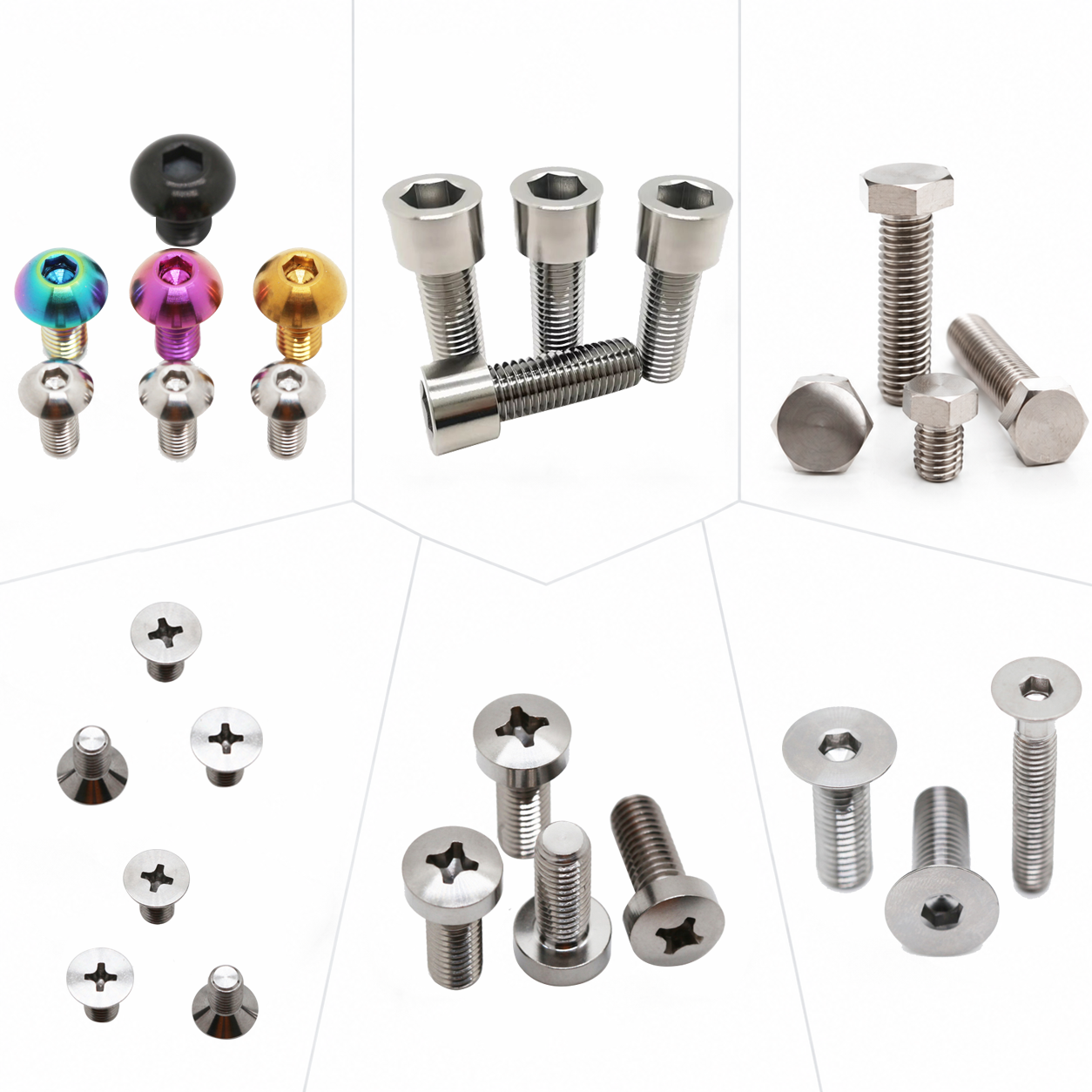
GR5 Titanium Alloy Standard Bolts in Stock Factory Wholesale Price Ready to Ship Titanium Fastener Bolts and Nuts
- Grade: Ti-6Al-4V (Grade 5)
- Tensile Strength: ≥ 895 MPa
- Stock Status: Ready to Ship (KL DDP)
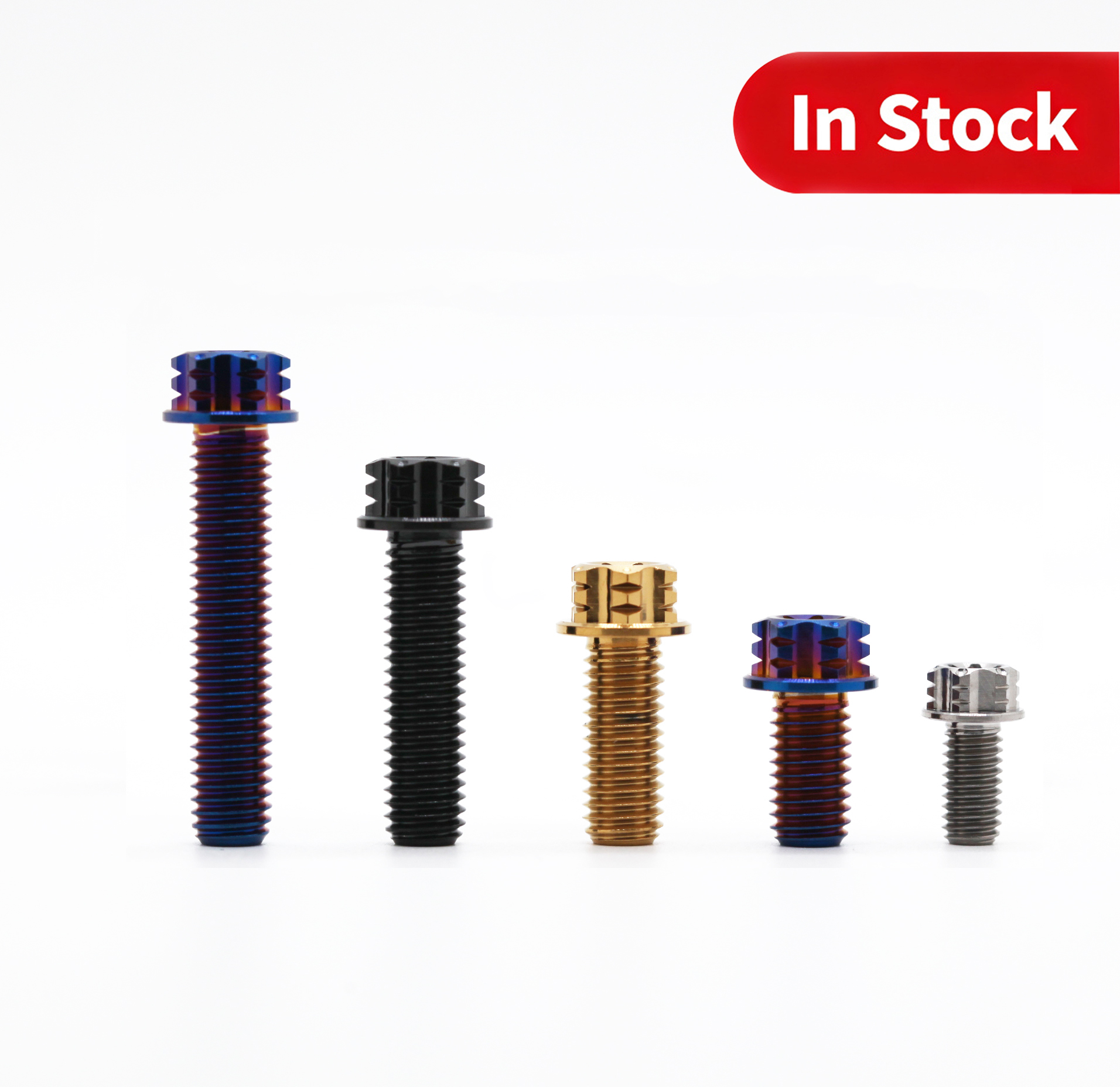
Gr5 Ti 6Al 4V Available Immediately Hot Selling Titanium Alloy Flange Bolts for Motorcycles PVD Anodized M6 M8 M22
- Threading: M6, M8, M22 Rolled
- Coating: PVD Vacuum / Anodized
- Use: Caliper & Rotor Hubs
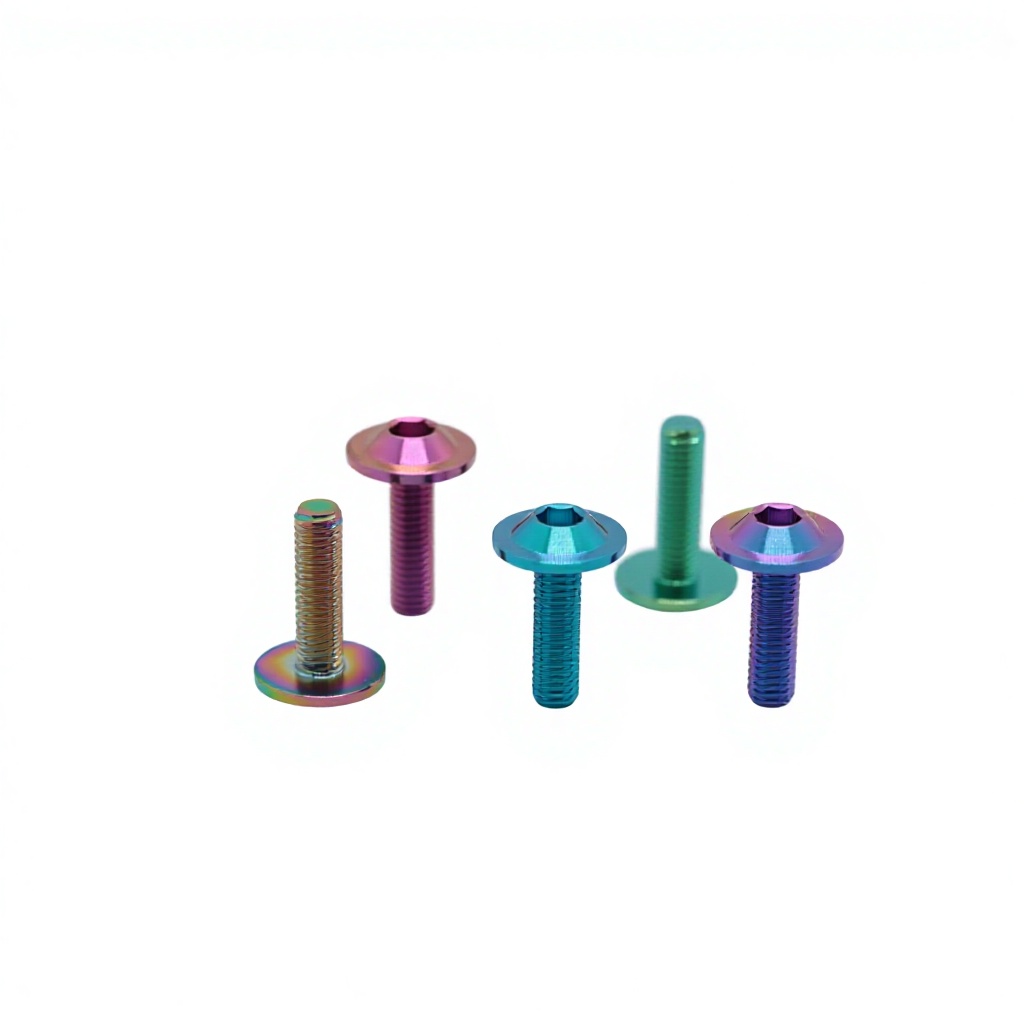
Titanium Large Cap Head Hex Screws Anodized/Plain Finish Colored Fairing Bolts for Motorcycle Modification
- Head Style: Broad Large Cap Flanged
- Colors: Burnt Blue / Gold / Violet
- Application: Fairings & Body Shells
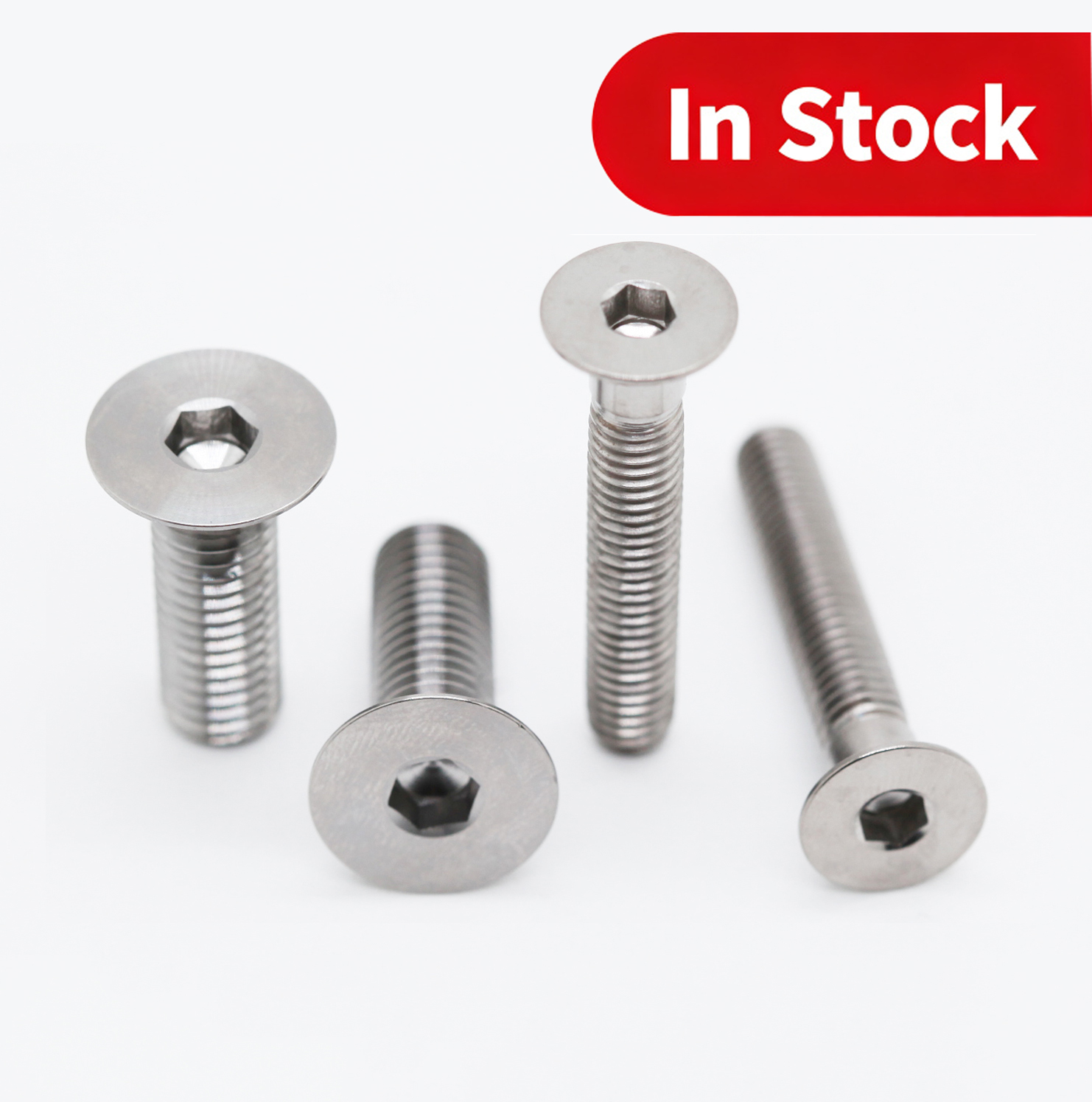
Available Immediately Titanium Bolts DIN7991 Titanium Countersunk Hexagon Bolt High Strength Flat Head Screw M3 M4 M5
- Standard: DIN 7991 Flush Mount
- Profile: Countersunk Flat Hex
- Sizes: M3, M4, M5 Metric
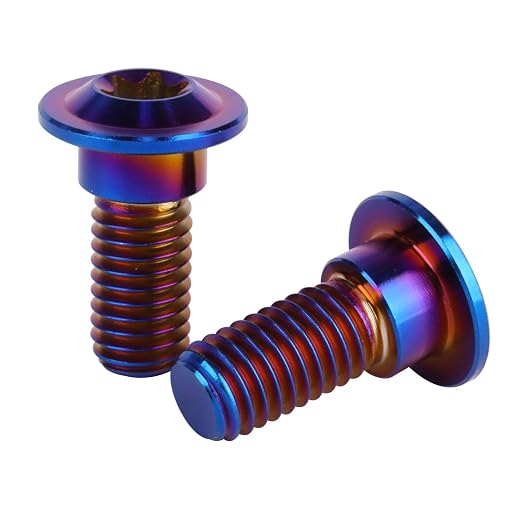
Motorcycle Titanium Bolts Hexagonal Step Flat Head Zinc Finish M8 1.25 Teeth Disc Brake
- Design: Precision Stepped Shoulder
- Thread: M8 × 1.25 Pitch
- Function: Disc Rotor Anti-Shear
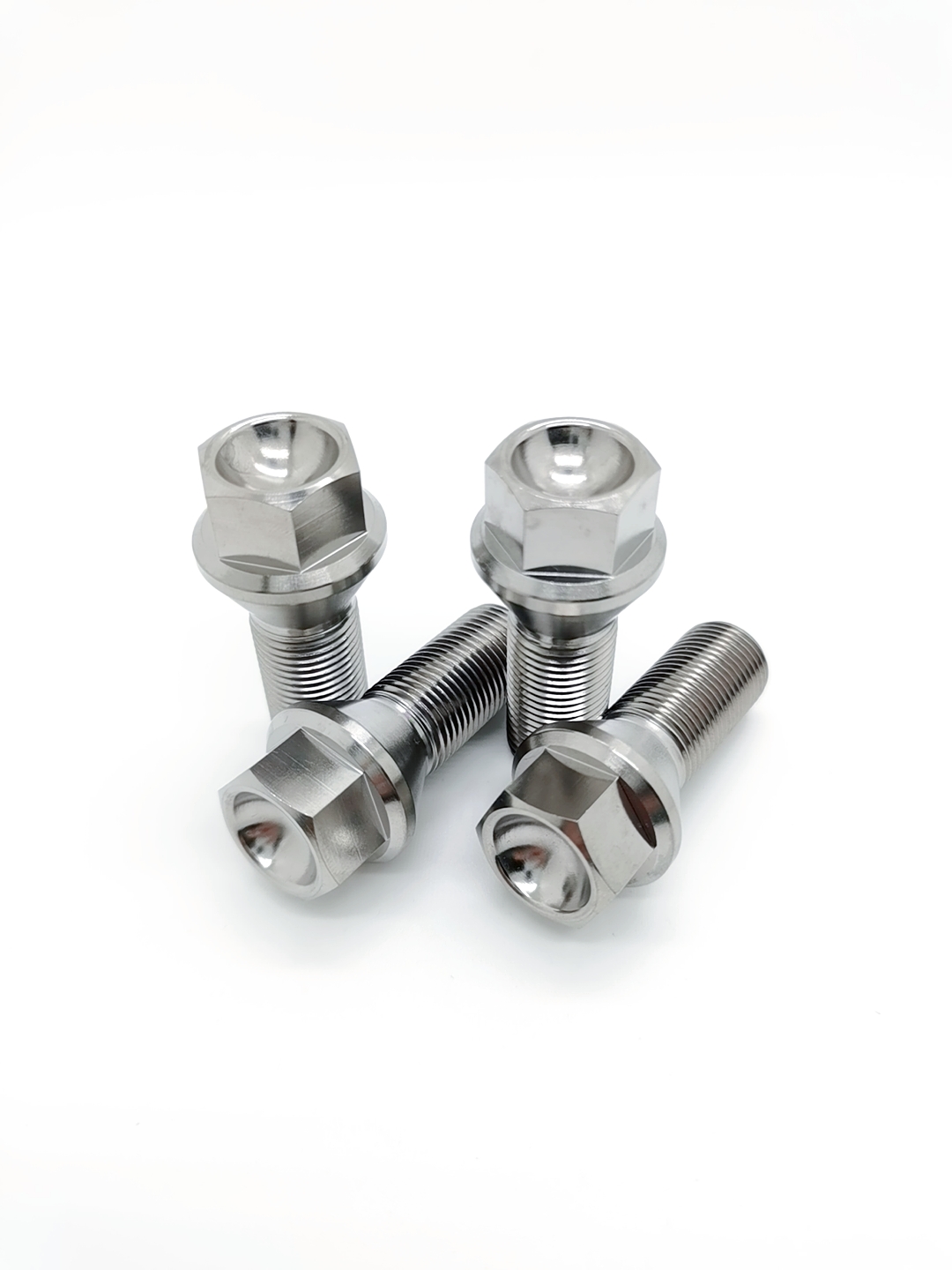
GR5 Titanium Wheel Lug Bolts Lightweight High Strength Flat Head UNC for Custom Wheels
- Form Factor: High-Tensile Lug Bolt
- Seating: Conical / Ball Seat Option
- Weight Saving: ≈ -44% vs Steel Studs
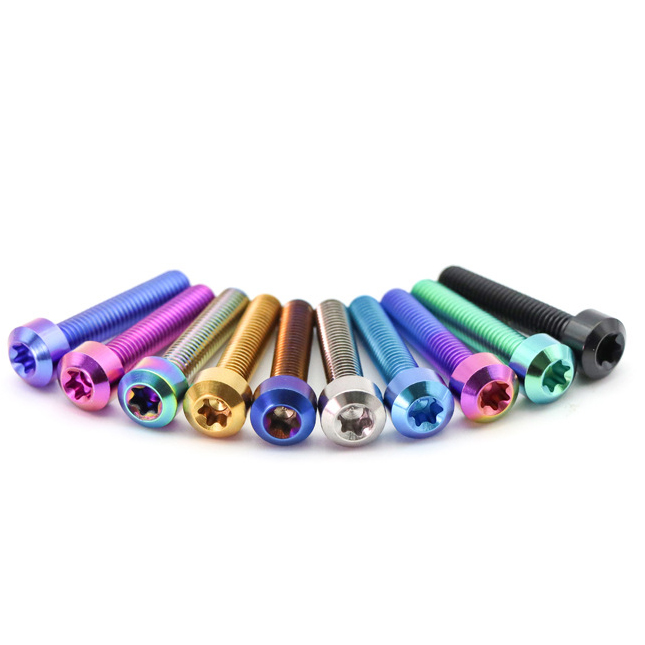
GR5 Titanium Screws Torx Round Head Bolts Fine Thread Metric Motorcycles
- Drive Profile: Star Torx (T25 / T30 / T40)
- Stripping Risk: Zero Cam-Out Tolerance
- Thread: Fine Pitch Metric
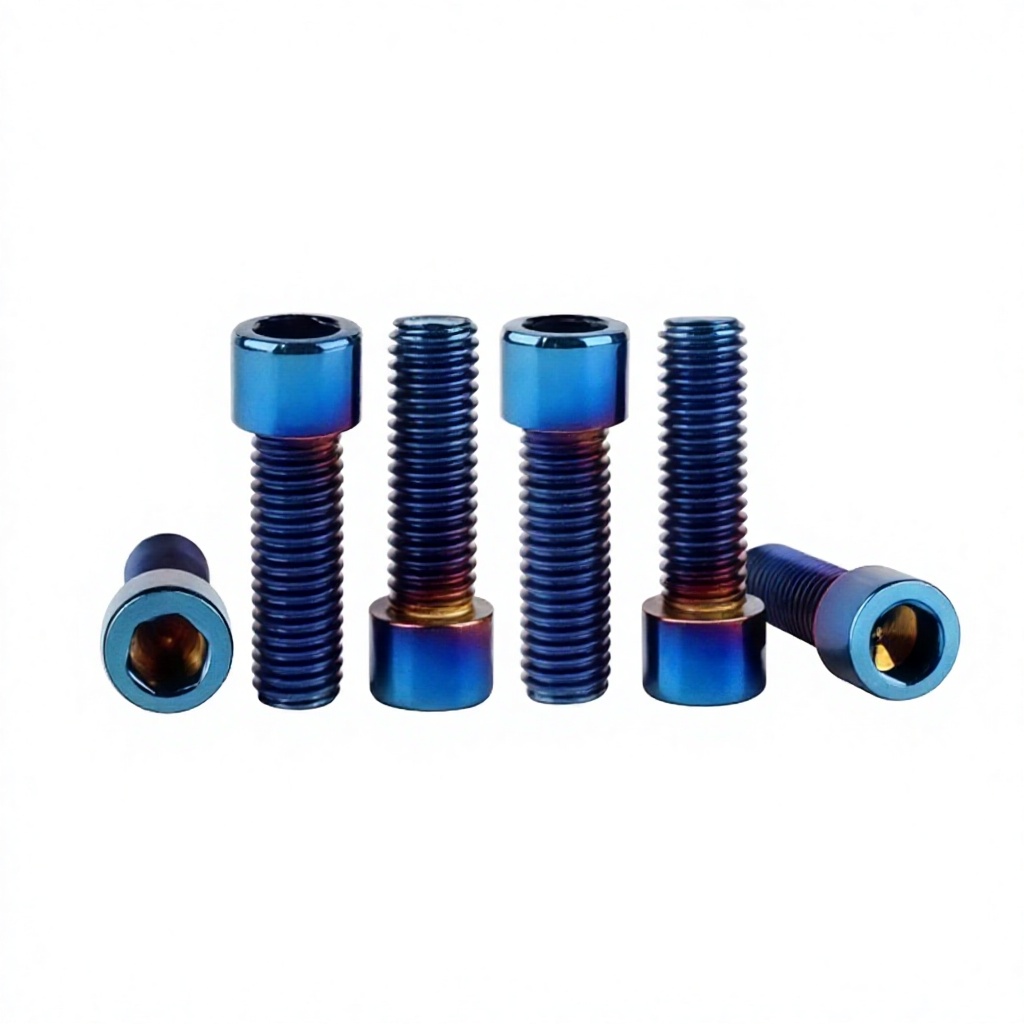
Titanium Bolts with Flat Head Screws Zinc Finish M1.6 Thread Industrial Grade for Motorcycle and Bicycle
- Precision Size: M1.6 Micro Diameter
- Quality Standard: ISO Precision Machine Spec
- Application: Cycling & Sensors
Engineering Dynamics: Why Titanium Disc Rotor Bolts Are Vital for Kuala Lumpur Performance Fleets
Braking assemblies on high-displacement superbikes, modified road race cars, and high-performance vehicles across the Klang Valley are subjected to mechanical and thermal demands unlike anywhere else in the world. Operating under the punishing ambient temperatures of Peninsular Malaysia—often fluctuating between 32°C and 38°C with ambient relative humidity consistently surpassing 85%—brake disc rotors undergo extreme thermal cycling. During spirited track sessions at the Sepang International Circuit (SIC) or frequent stop-and-go commuting along the Federal Highway and DUKE Expressway, rotor temperatures routinely surpass 650°C.
Conventional zinc-plated carbon steel bolts (Class 8.8 or Grade 10.9) quickly exhibit surface degradation, thread oxidation, and thermal hydrogen embrittlement. Standard steel fasteners also introduce significant rotational inertia. Because brake disc rotor bolts are positioned directly on the wheel hub assembly, they represent unsprung rotating mass. In rotational physics, unsprung rotational mass has approximately double the dynamic effect on handling, gyroscopic inertia, and suspension responsiveness compared to sprung weight located within the chassis.
Yevzo Titanium Metal Co., Ltd., operating from China's renowned "Titanium Valley" in Baoji and catering directly to Malaysian engineering suppliers, fabricates its rotor fasteners exclusively from certified Grade 5 Ti-6Al-4V (ASTM B348 / AMS 4928) bar stock. With an optimized density of 4.43 g/cm³ compared to steel's 7.85 g/cm³, Yevzo titanium rotor bolts shed over 44% of rotational unsprung mass. Simultaneously, they maintain a shear and tensile threshold exceeding 895 MPa to 1,000 MPa, delivering immediate benefits in steering flickability, front-end fork responsiveness, and consistent braking clamping stability.
Comprehensive Fastener Metallurgy & Performance Matrix
| Mechanical & Physical Property | Grade 5 Titanium (Ti-6Al-4V) | High-Tensile Steel (Class 10.9) | A2-70 Stainless Steel (SUS304) | Grade 2 CP Titanium |
|---|---|---|---|---|
| Nominal Tensile Strength (MPa) | 950 – 1050 MPa | 1040 MPa | 700 MPa | 345 – 450 MPa |
| Yield Strength 0.2% Offset (MPa) | 880 – 920 MPa | 940 MPa | 450 MPa | 275 – 350 MPa |
| Material Density (g/cm³) | 4.43 g/cm³ | 7.85 g/cm³ | 7.93 g/cm³ | 4.51 g/cm³ |
| Weight Savings vs. OEM Steel | -43.6% to -44.2% | Baseline (0%) | +1.0% (Heavier) | -42.5% |
| Monsoon Oxidation & Salt Resistance | Immune (Self-Passivating TiO₂) | Poor (Prone to Rust & Pitting) | Moderate (Crevice Attack) | Immune |
| Thermal Expansion (10⁻⁶/K at 20–100°C) | 8.6 | 11.7 | 16.0 | 8.6 |
| Brake Rotor Shear Suitability | Outstanding (Race Certified) | Good (Heavy, Rust-Prone) | Dangerous (Shear Failure Risk) | Unsuitable (Low Tensile) |
Localized Application Scenarios Across Kuala Lumpur & Greater Klang Valley
Procuring specialized fasteners in Southeast Asia requires deep alignment with practical operating environments. In West Malaysia, high-grade titanium rotor hardware is not merely a visual cosmetic upgrade; it is an indispensable mechanical requirement across multiple operational segments:
Sepang Track Days & Malaysian Superbike (MSBK)
Motorsport teams racing at Sepang International Circuit demand fasteners that withstand intense repeated braking zones from 290 km/h into Turn 1 and Turn 15. The thermal coefficient of Yevzo Ti-6Al-4V rotor step bolts matches aftermarket floating bobbins (Brembo, Galfer, Braking), avoiding disc warping and bolt binding caused by extreme thermal expansion mismatches.
Klang Valley Street Modification (Kapcai & Supermoped)
Malaysia's vast motorcycle demographic—spanning modified Yamaha Y15ZR, Y16ZR, Honda RSX150, and 250cc-650cc streetfighters—operates through heavy daily monsoon rain. Rainwater washing over road salts and grime causes mild steel rotor screws to seize. Our PVD-coated titanium bolts eliminate frozen threads and rounded Allen sockets permanently.
Electric Vehicle Fleets & Tuned Sports Cars
From workshops in Sunway Damansara to Glenmarie, high-performance automotive tuning garages fit custom multi-piece forged wheels and oversized carbon-ceramic or slotted steel brake rotor hats. Converting heavy OEM steel hub and rotor fasteners to Yevzo Grade 5 lug and rotor assemblies reduces rotational weight on each axle corner, sharpening turn-in dynamics.
Emerging Trends: The Shift Towards Titanium Fasteners in Malaysia's Automotive Sector
Over the past five years, the Klang Valley and Penang automotive engineering landscapes have witnessed three structural shifts: First, the professionalization of local tuning workshops into precision motorsport houses requiring traceable material certifications (Mill Test Certificates conforming to EN 10204 3.1). Second, the rapid electrification of passenger transport, where every gram of unsprung wheel weight removed increases regenerative braking efficiency and battery endurance. Third, the surge in demand for Physical Vapor Deposition (PVD) finishes, which allow tuners to achieve deep burnt-blue, radiant gold, or stealth DLC black without compromising tight dimensional thread tolerances.
Why Yevzo Outperforms Intermediary Suppliers
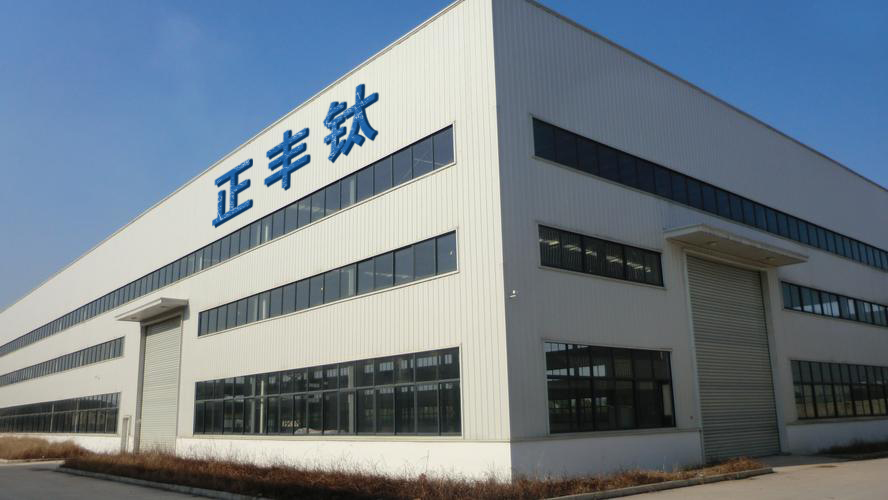
Unlike trading entities that resell untraced batches from variable workshops, Yevzo Titanium Metal Co., Ltd. operates an integrated manufacturing facility in the Honeycomb Industrial Park within Baoji High-Tech Development Zone—the core of China's Titanium Valley.
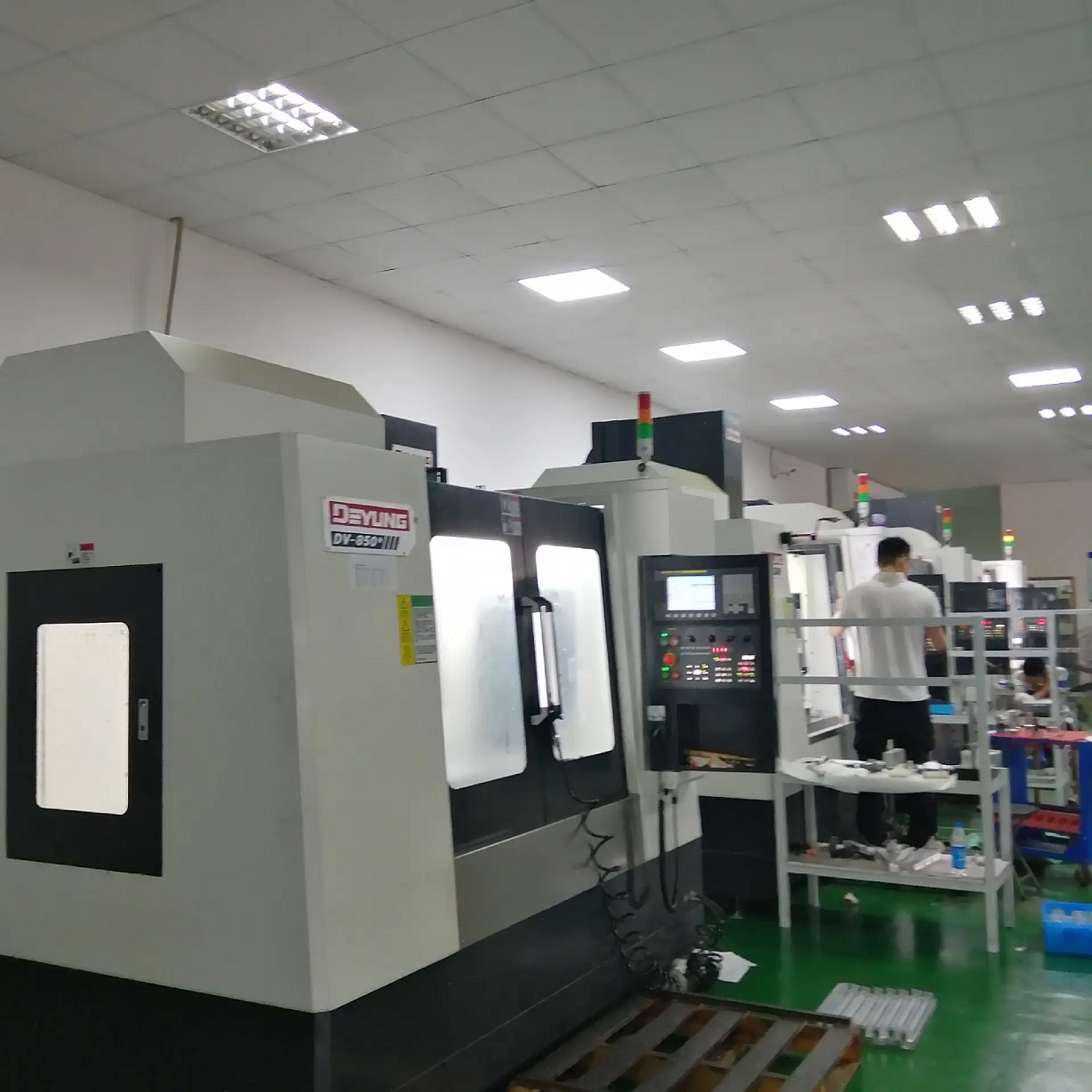
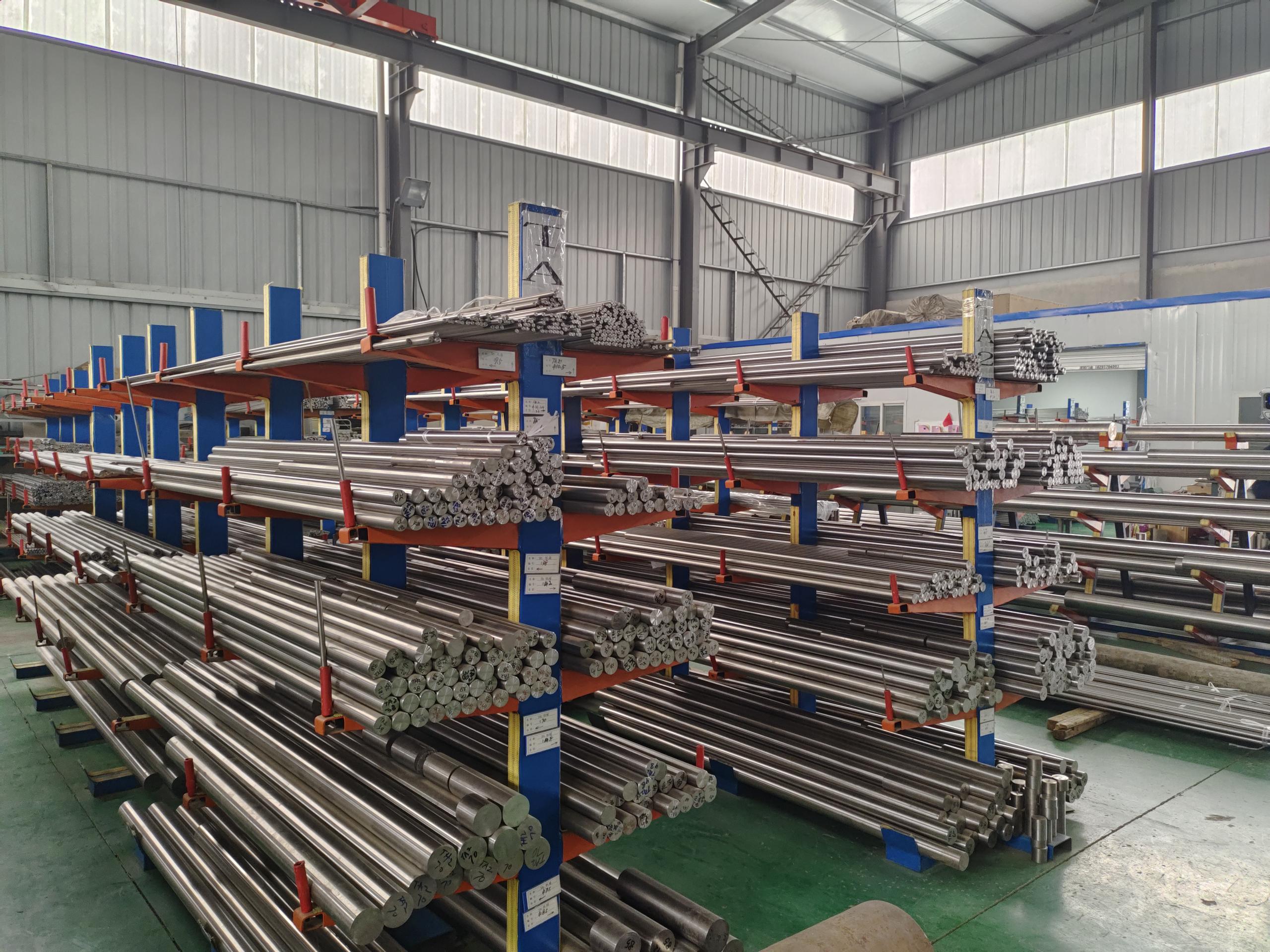
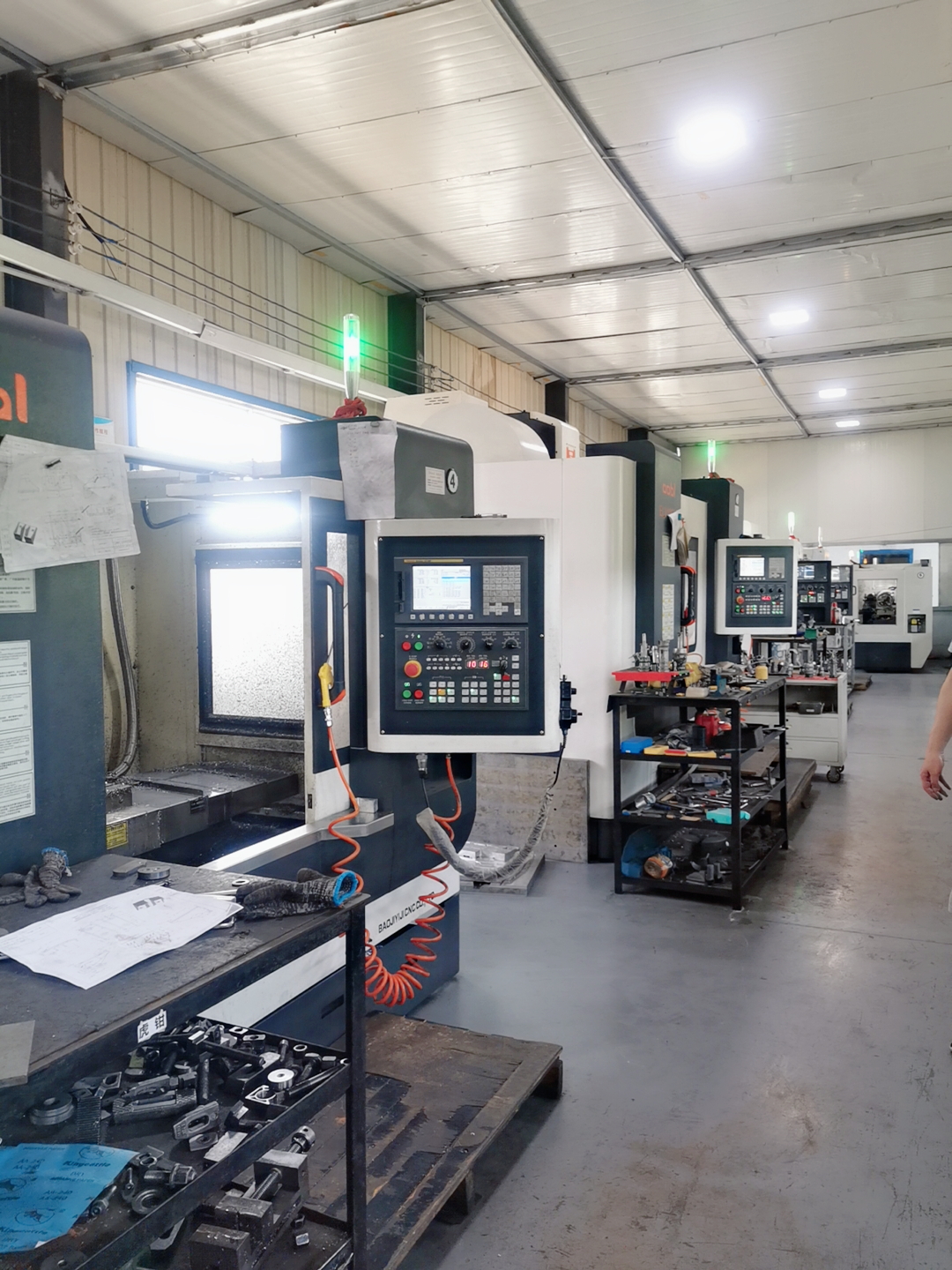
Our raw billets originate exclusively from vacuum arc remelted (VAR) ingots, drawn into calibrated rods conforming strictly to ASTM B348. Every rotor bolt undergoes multi-axis CNC lathe turning, cold thread rolling for unmatched fatigue life, ultrasonic solvent degreasing, and micro-optical thread profiling.
- 100% Cold-Rolled Threads: 30% higher shear and fatigue strength than cut threads.
- Optical Sorting & Gauge Inspection: Zero thread pitch deviation (ISO 965 metric class 6g).
- Comprehensive OEM/ODM Engineering: Custom shoulder dimensions, Torx/Hex sockets, drilled safety wire holes.
- Streamlined ASEAN Trade: Express air direct to KLIA / Port Klang with full export documentation.
Engineering Protocol: Anti-Galling & Torque Guidelines for Rotor Bolt Assemblies
When engineering high-stress brake rotor interfaces, pairing Grade 5 titanium bolts into cast or forged aluminum or magnesium wheel hubs requires careful attention to friction coefficients and galvanic potential:
Torque Calibration (K-Factor)
Titanium exhibits a different sliding friction coefficient than cadmium- or zinc-plated steel. When using thread locking compounds (such as medium-strength Loctite 243) or specialized molybdenum disulfide/copper anti-seize paste, torque settings must typically be adjusted to 85%–90% of dry OEM steel specifications to achieve precise bolt stretch without stripping aluminum hub threads.
Preventing Thread Galling
Titanium alloys, while exceptionally strong, possess an active surface oxide layer that can cause micro-friction welding (galling) if installed dry at rapid RPM with pneumatic impact guns. Yevzo recommends manual hand-threading followed by cross-pattern torquing with a calibrated click-type torque wrench.
Galvanic Isolation in Tropical Weather
Titanium is cathodic (noble) compared to aluminum. Under continuous exposure to salty sea breezes along coastal roads (Klang, Penang, Johor) or acidic rainwater, using an isolating anaerobic thread barrier or high-density fluoropolymer paste prevents the microscopic electrolytic degradation of internal wheel hub threads.
Frequently Asked Questions by Kuala Lumpur Buyers
Clear, direct answers regarding material authentication, shipping durations to Malaysia, customs clearance, and bespoke drawing fabrications.