Class 8.8 Equivalent
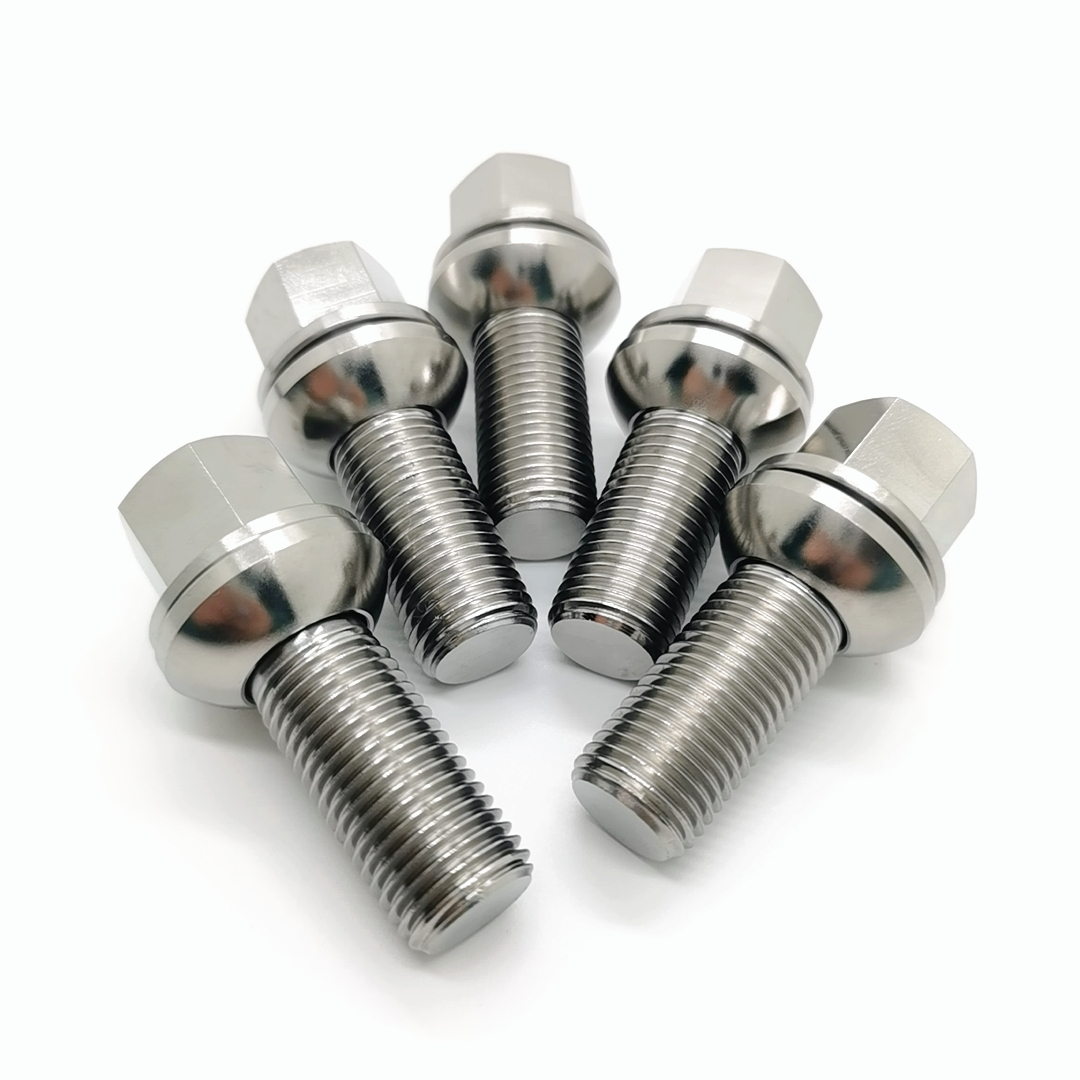
Factory-direct Grade 5 (Ti-6Al-4V) and Grade 2 titanium fasteners manufactured to strict DIN, ISO, and custom OEM drawings. Fully verified for metallurgical purity, high shear thresholds, and cold-weather toughness.
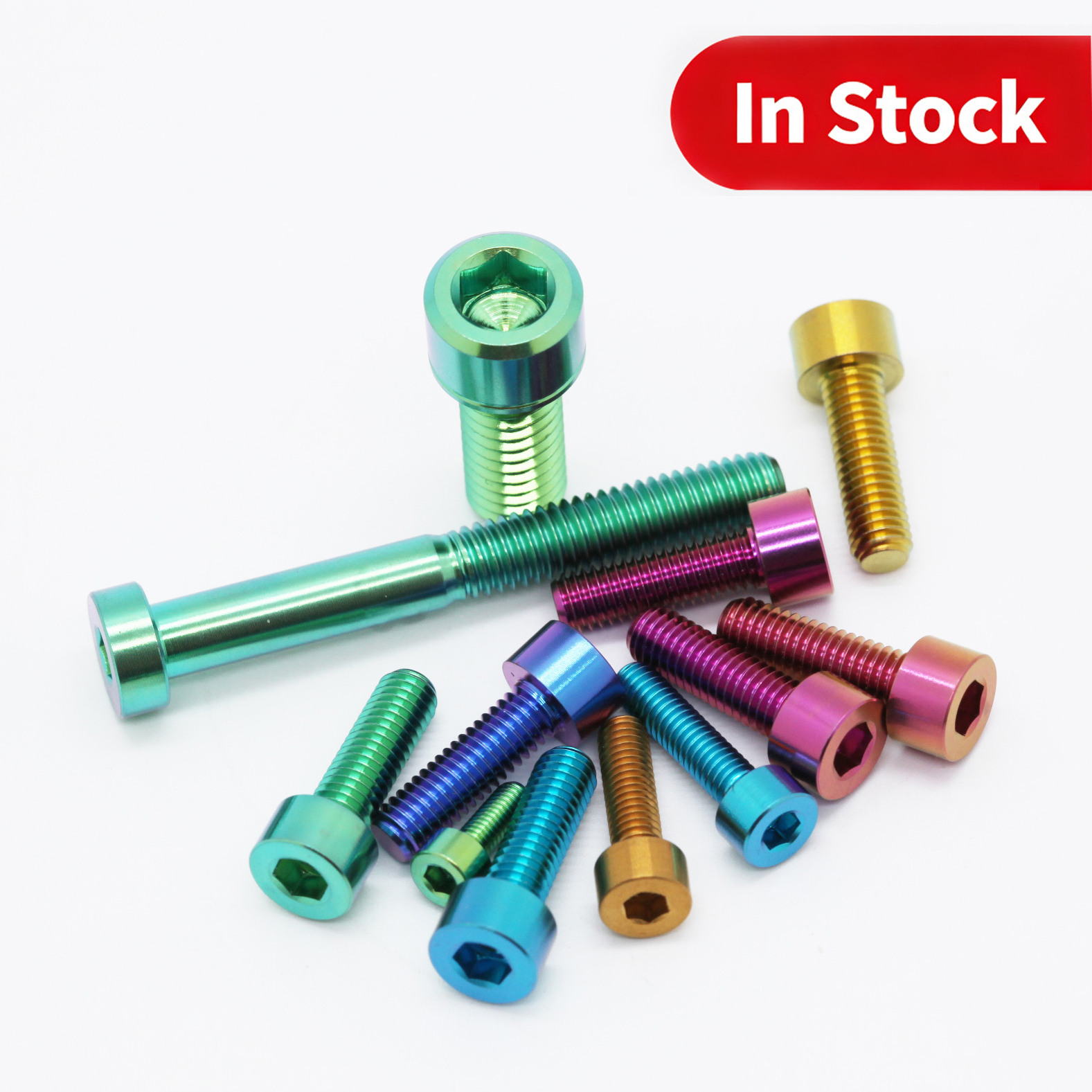
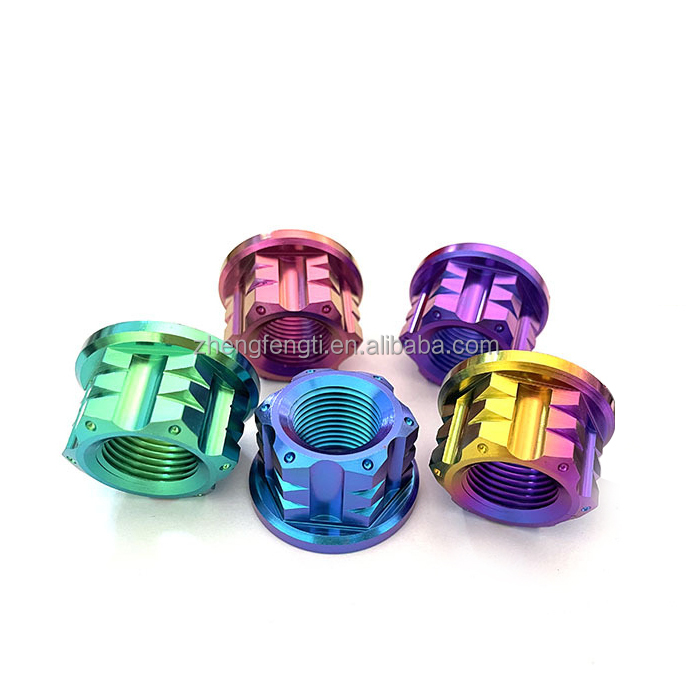
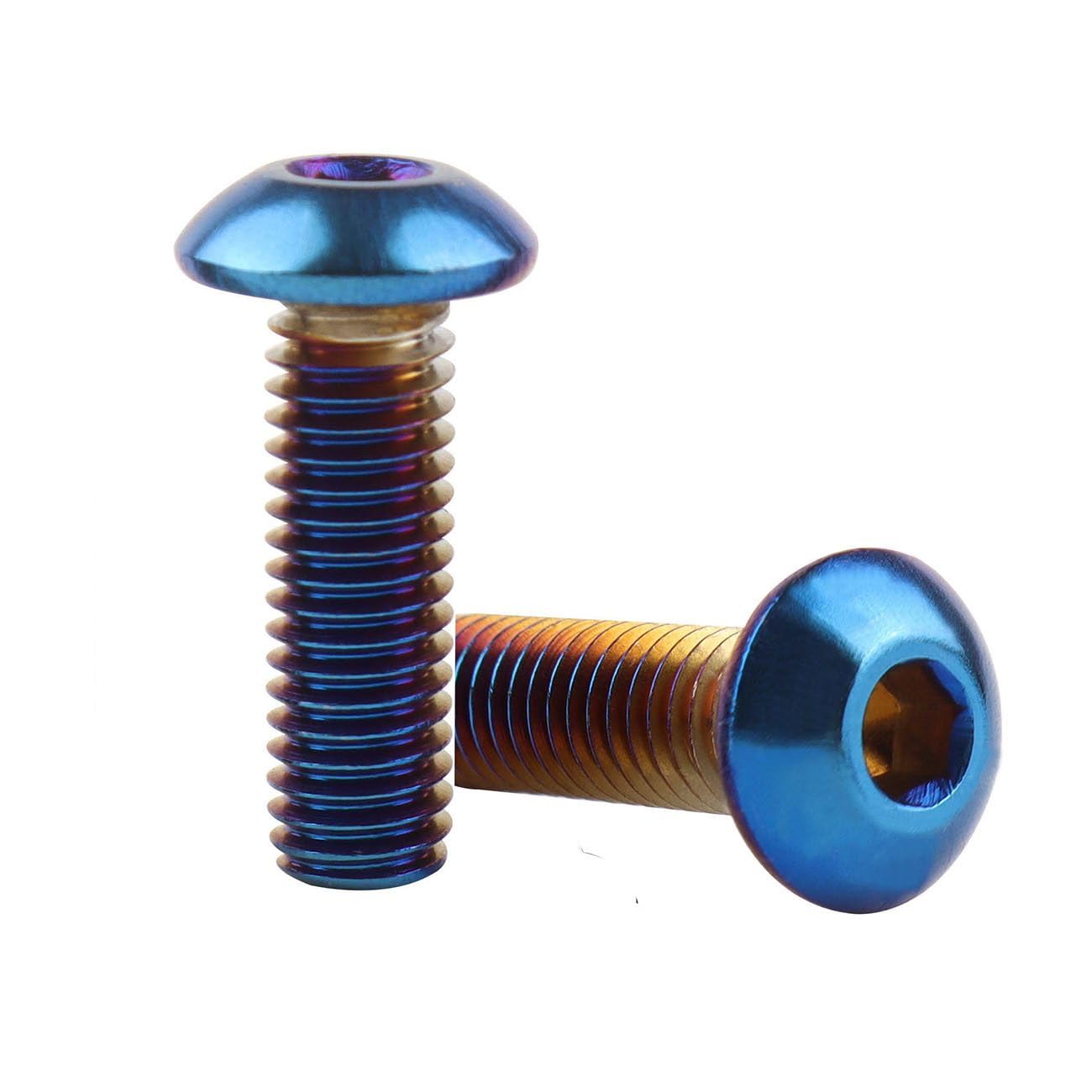
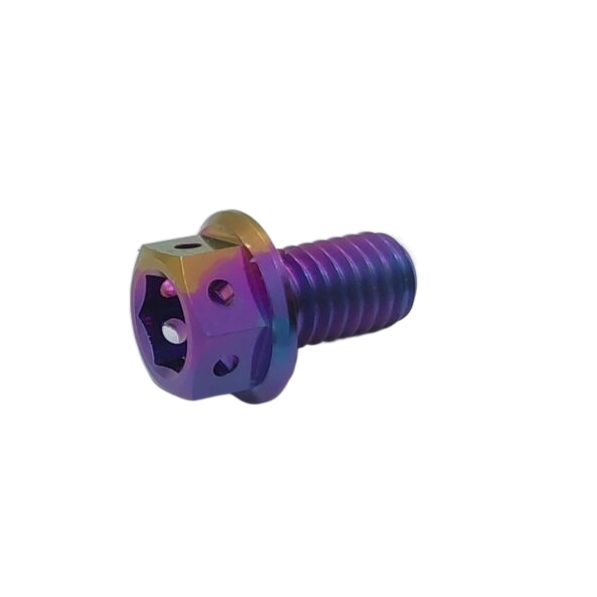
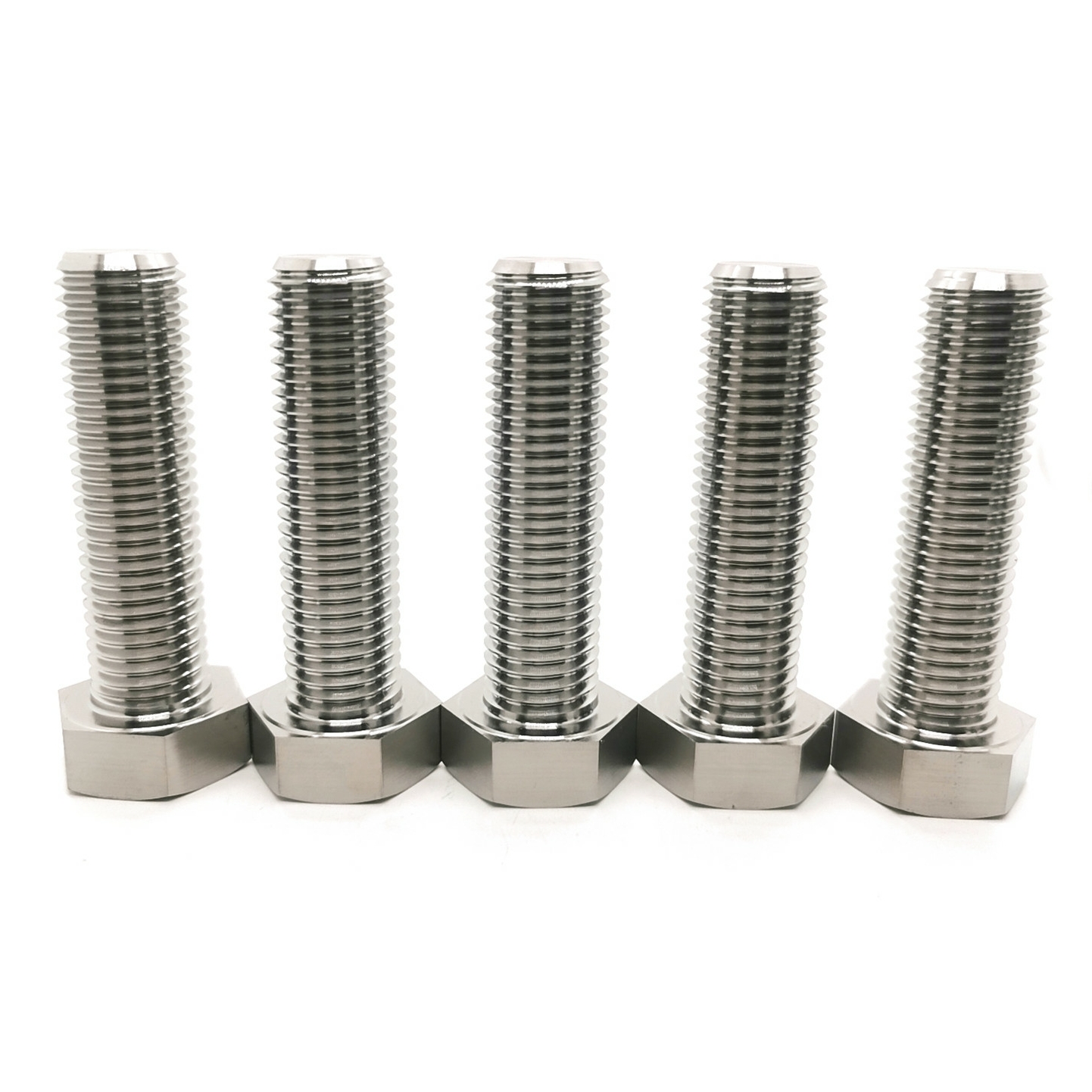
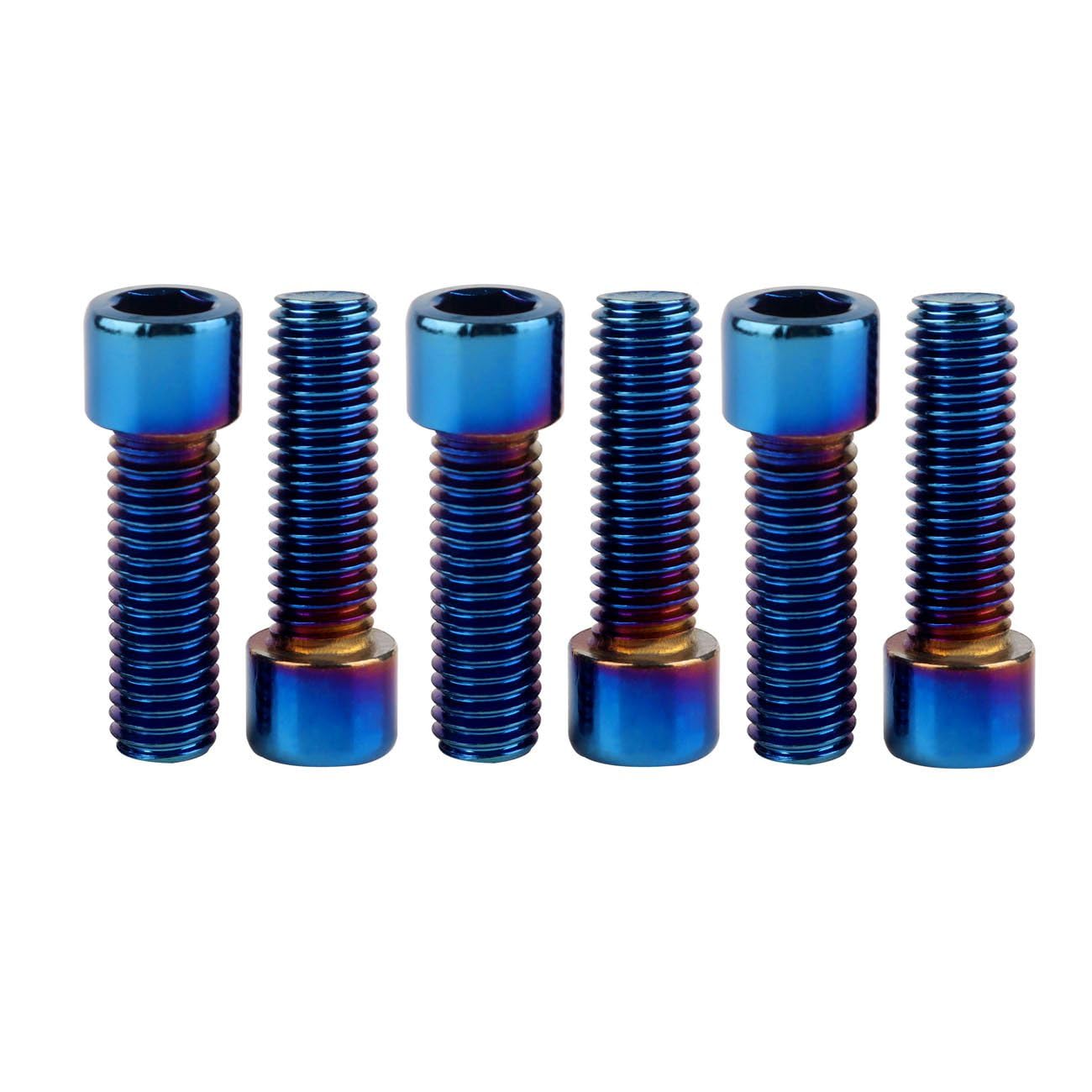
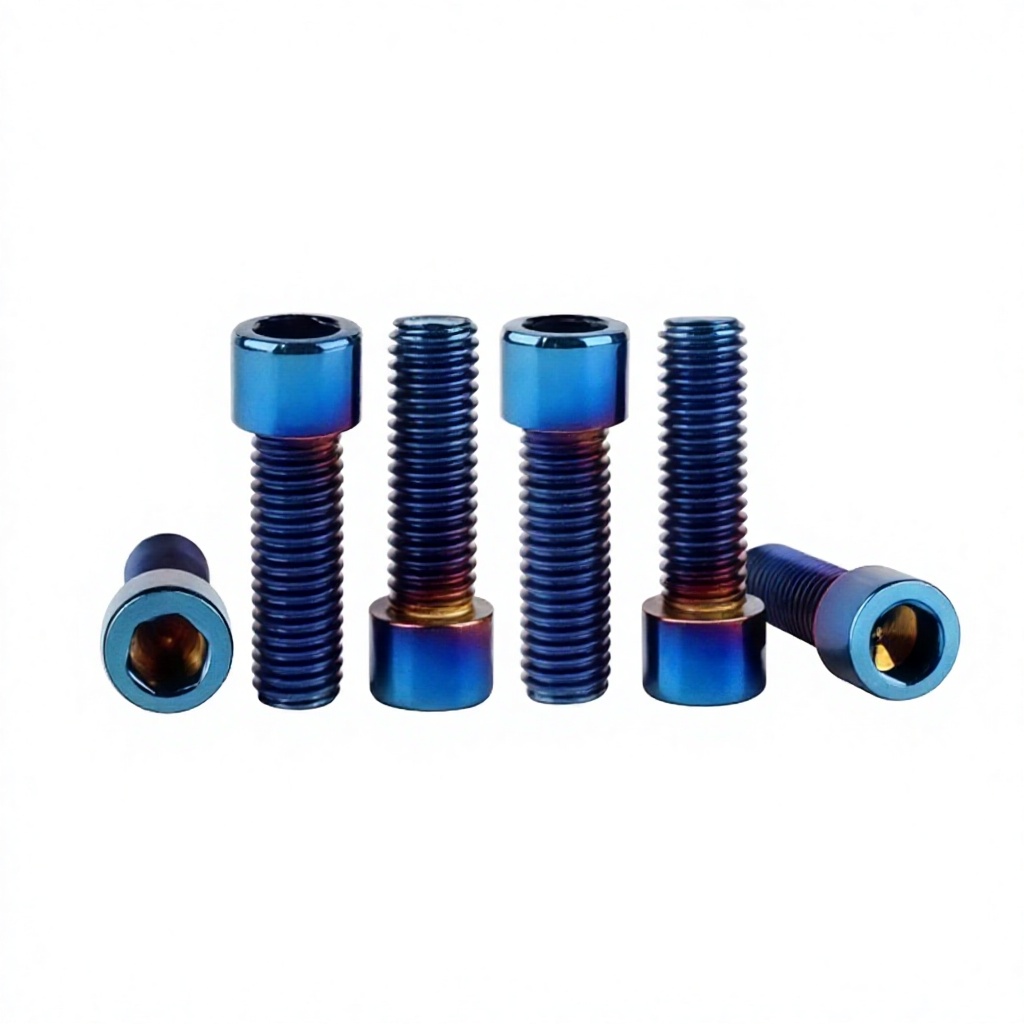
Wheel hub fasteners and wheel lug assemblies are the most safety-critical structural joints in commercial transport, specialty mining machinery, and performance off-road vehicles. Traditional carbon and alloy steels (such as ISO Grade 8.8, 10.9, and 12.9) have long dominated original equipment specifications due to low raw material costs. However, under cyclic shear stress, fluctuating dynamic loads, and corrosive environmental exposure, steel hub studs suffer from micro-fretting, hydrogen embrittlement, and catastrophic low-temperature brittle fractures.
Yevzo Titanium Metal Co., Ltd. supplies high-precision Grade 5 Ti-6Al-4V (UNS R56400 / Werkstoff 3.7165) hub bolts engineered to replace failing ferrous components. Grade 5 titanium is an alpha-beta alloy featuring 6% aluminum for alpha-phase stabilization (enhancing tensile strength and thermal tolerance) and 4% vanadium for beta-phase stabilization (providing high fracture toughness and responsive ductility). With a density of 4.43 g/cm³, Ti-6Al-4V delivers an extraordinary strength-to-weight ratio: it offers the identical or superior tensile capacity (≥ 895–1050 MPa) of high-tensile steel fasteners at roughly 56% of their weight.
Crucially for wheel rotating assemblies, reducing fastener mass eliminates unsprung rotational inertia. This significantly cuts wheel bearing wear, lowers damping oscillation during high-speed washboard terrain transit, and sharpens kinetic braking efficiency. Furthermore, while structural carbon steels experience a Ductile-to-Brittle Transition Temperature (DBTT) well above −30°C, Ti-6Al-4V preserves remarkable notch toughness and impact energy resistance in cryogenic and sub-zero conditions down to −196°C. This guarantees that torque-tightened titanium hub assemblies will not shear under shock impact when traversing frozen ground.
| Physical / Mechanical Property | Gr5 Ti-6Al-4V (Hub Bolts) | Gr2 Commercially Pure | Structural Steel 8.8 (Ref.) | Alloy Steel 10.9 (Ref.) |
|---|---|---|---|---|
| Ultimate Tensile Strength (σb) | 895 – 1050 MPa | ≥ 345 MPa | 800 – 830 MPa | 1000 – 1040 MPa |
| Yield Strength (Rp 0.2) | ≥ 828 MPa | ≥ 275 MPa | 640 MPa | 900 MPa |
| Density (ρ) | 4.43 g/cm³ | 4.51 g/cm³ | 7.85 g/cm³ | 7.85 g/cm³ |
| Notch Toughness at −40°C | High Ductility (No DBTT) | High Ductility | Brittle Transition Vulnerable | Severe Risk of Cold Cracking |
| Chloride & Salt Pitting Rate | 0.000 mm/year (Immune) | 0.000 mm/year (Immune) | Severe (Requires Cadmium/Zinc) | High Susceptibility |
| Elastic Modulus (E-modulus) | 110 – 114 GPa | 103 – 105 GPa | 205 – 210 GPa | 210 GPa |
Choibalsan, as the administrative, freight, and industrial hub of Mongolia's Dornod Province, represents an operating theater where standard commercial fasteners regularly fail. The combination of intense extreme continental weather, expansive steppe distances, and heavy open-pit mineral extraction makes reliable mechanical fasteners essential. Sourcing high-grade titanium wheel hub studs and structural chassis bolts serves three vital local engineering sectors:
Continuous heavy-haul freight between Dornod's mineral basins, Choibalsan logistics yards, and the Bayankhoshuu / Erentsenborts border crossings creates tremendous dynamic loads. Heavy tandem trailers face washboard dirt routes where standard steel wheel studs repeatedly loosen or shear under thermal braking cycles. Grade 5 titanium hub bolts absorb repetitive road vibration without fatigue strain, lowering catastrophic rim separations along the Kherlen River transport corridor.
Phosphate, coal, and polymetallic mining sites surrounding Choibalsan subject heavy service vehicles, hydraulic loaders, and support machinery to chemically aggressive drainage, coal dust, and corrosive mud. Unlike electro-galvanized steel fasteners whose protective coatings quickly abrade away, titanium forms an instantly self-healing rutile (TiO₂) oxide layer. This prevents seize-up, galvanic rust binding, and stud failure during pit extractions.
Winter temperatures across Dornod routinely drop below −40°C. Conventional carbon steel fasteners undergo a pronounced cold-temperature brittle transition, leading to sudden head separation under sudden torque or curb impacts. Grade 5 titanium bolts maintain exceptional impact energy absorption and metallurgical ductility in deep sub-zero conditions, preventing winter fleet downtime across the Eastern Mongolian steppe.
The procurement landscape for industrial fasteners in Eastern Mongolia is transforming rapidly. Historically dependent on low-grade uncertified carbon steel hardware imported across northern rail lines, industrial purchasers and regional fleets in Dornod are adopting advanced material specifications driven by several economic shifts:
1. The Rise of Total Cost of Ownership (TCO) in Fleet Management: Heavy transport operators in Choibalsan calculate that the cost of an unexpected roadside wheel stud failure—including towing across remote steppe trails, cargo delays, and hub assembly replacements—exceeds the initial investment of titanium hardware by more than fifteenfold. Fleet managers are proactively retrofitting steering knuckles, wheel hubs, and brake caliper mounts with Gr5 Ti-6Al-4V fasteners to achieve maintenance-free cycles throughout vehicle lifespans.
2. Transition to Clean Mining & Electric Heavy Utility Vehicles: As Dornod mining concessions embrace hybrid heavy haulers and electric site utility trucks, lowering unsprung deadweight is crucial to maximizing battery cycle efficiency. Titanium hub bolts provide immediate, safe weight reduction on every wheel corner without sacrificing payload capacity or safety margins.
3. Demand for Certified Heat Traceability: Major mineral extraction consortia operating under international ISO compliance standards now mandate verifiable Mill Test Certificates (MTC per EN 10204 3.1). General open-market hardware without ingot provenance is being rejected in favor of verified manufacturing facilities in Baoji's Titanium Valley, where chemical analysis and ultrasonic defect screening are documented from raw titanium sponge to packaged bolt.
Direct factory control from China's Titanium Valley (Baoji, Shaanxi). We eliminate broker markups, enforce strict dimensional tolerances, and guarantee raw material traceability on every export batch.
Located in the High-Tech Development Zone of Baoji, we operate integrated bar drawing, hot heading, precision CNC lathe turning, and thread-rolling shops under one roof. No intermediaries, no trade markups, and absolute control over production schedules.
Our hub studs and lug bolts feature threads rolled after thermal treatment rather than cut with lathe tools. Thread rolling produces an uninterrupted grain structure along the pitch line, yielding a 35% higher cyclic fatigue threshold under intense dynamic wheel loads.
All raw billets undergo optical emission spectrometry and ultrasonic inspection. Fasteners strictly meet ISO 4014/4017/4018, DIN 912, DIN 6921, and DIN 6923 engineering tolerances, backed by complete mill test documentation.
We manage direct export logistics serving Choibalsan via Erenhot / Zamiin-Uud rail corridors and cross-border trucking routes. Flexible Incoterms including DAP, CPT, DDP, CIF, and FOB with complete export documentation and customs clearance support.
Straightforward answers covering mechanical selection, thread integrity, anti-seize protocols, and direct import procedures for Choibalsan industrial buyers.
Whether you manage a cross-border mineral haulage fleet in Dornod, supply industrial mining equipment, or assemble precision off-road machinery, Yevzo provides certified, heat-traced Grade 5 titanium bolts tailored to your exact mechanical specifications.