High-Integrity Titanium Fasteners for Demanding Assembly Environments
Manufactured from mill-certified titanium bar stock according to ISO, DIN, and ASME specifications. Engineered to provide structural strength equivalent to Class 8.8 and 10.9 steel at a 44% mass reduction, with total resistance to chemical pitting and atmospheric oxidation.
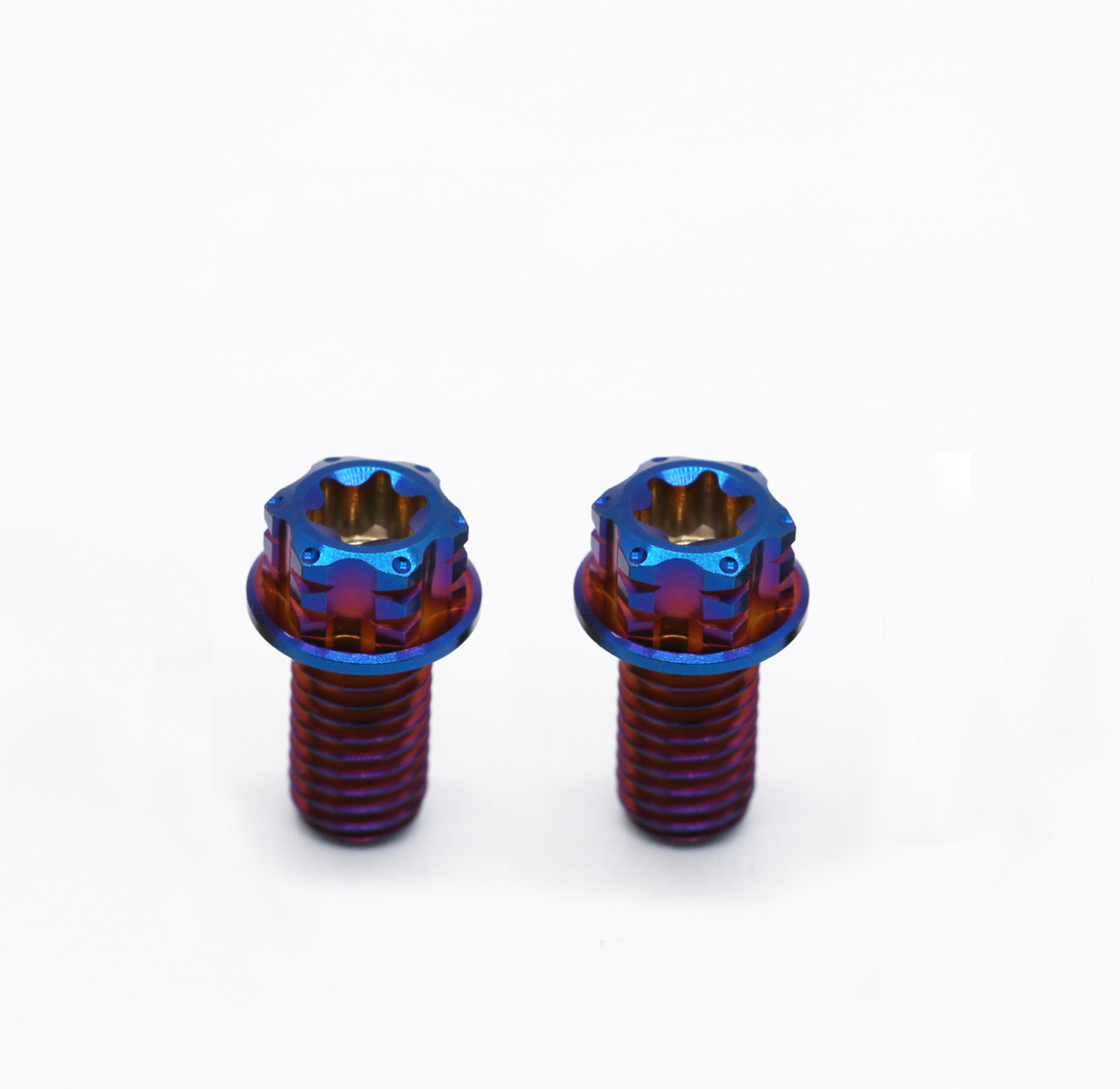
ZFTI High Strength GR5 Plain Finish Titanium Flange Bolt M4-M10
Product Details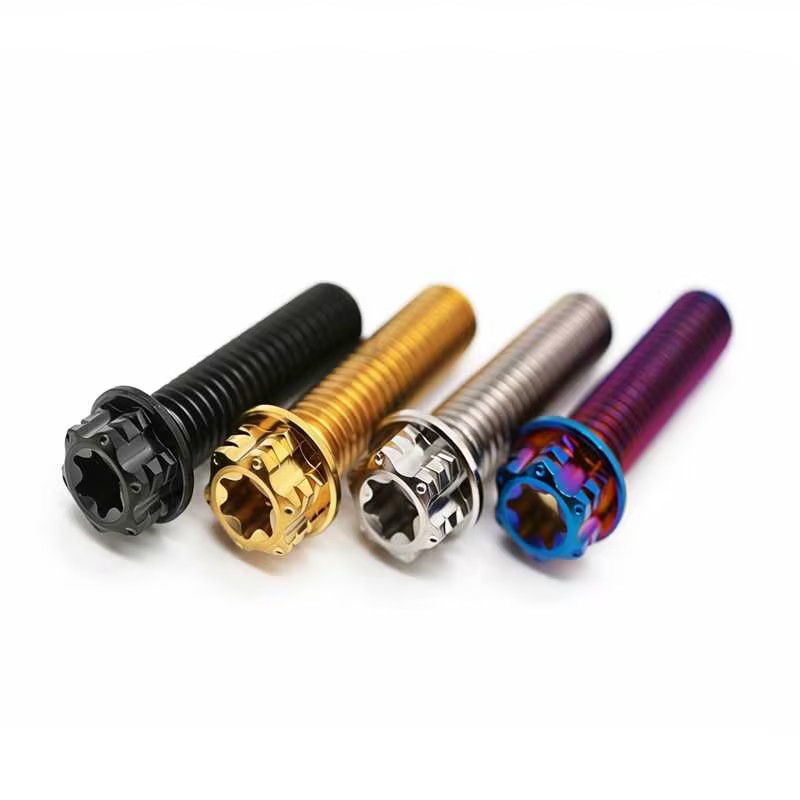
M8 Titanium Torx Head Motorcycle Bolt Gr5 CNC Anodized PVD Star Screw
Product Details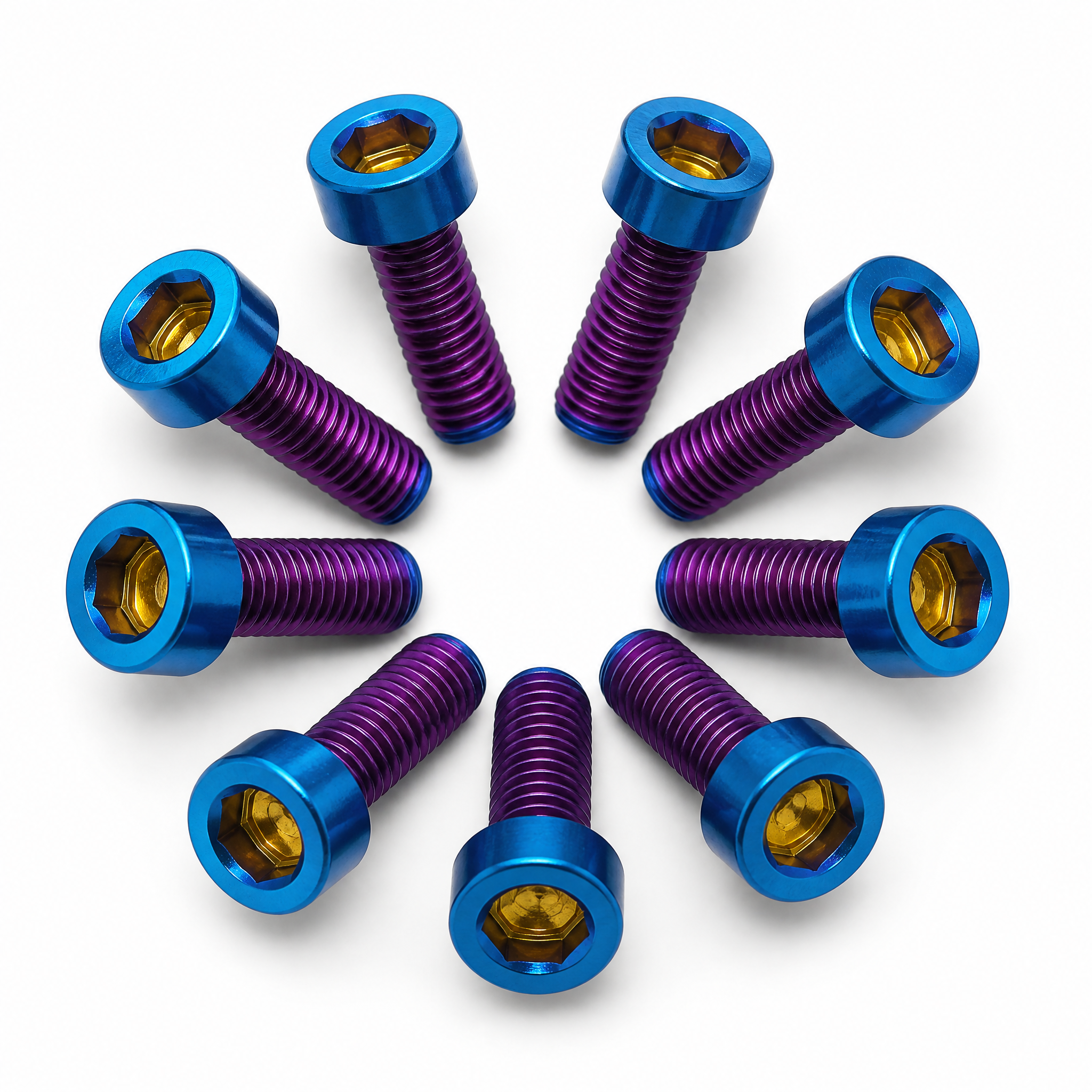
Titanium Alloy Bolts Gr5 Anodized Colored Torx Screws M4 M5 M6*15
Product Details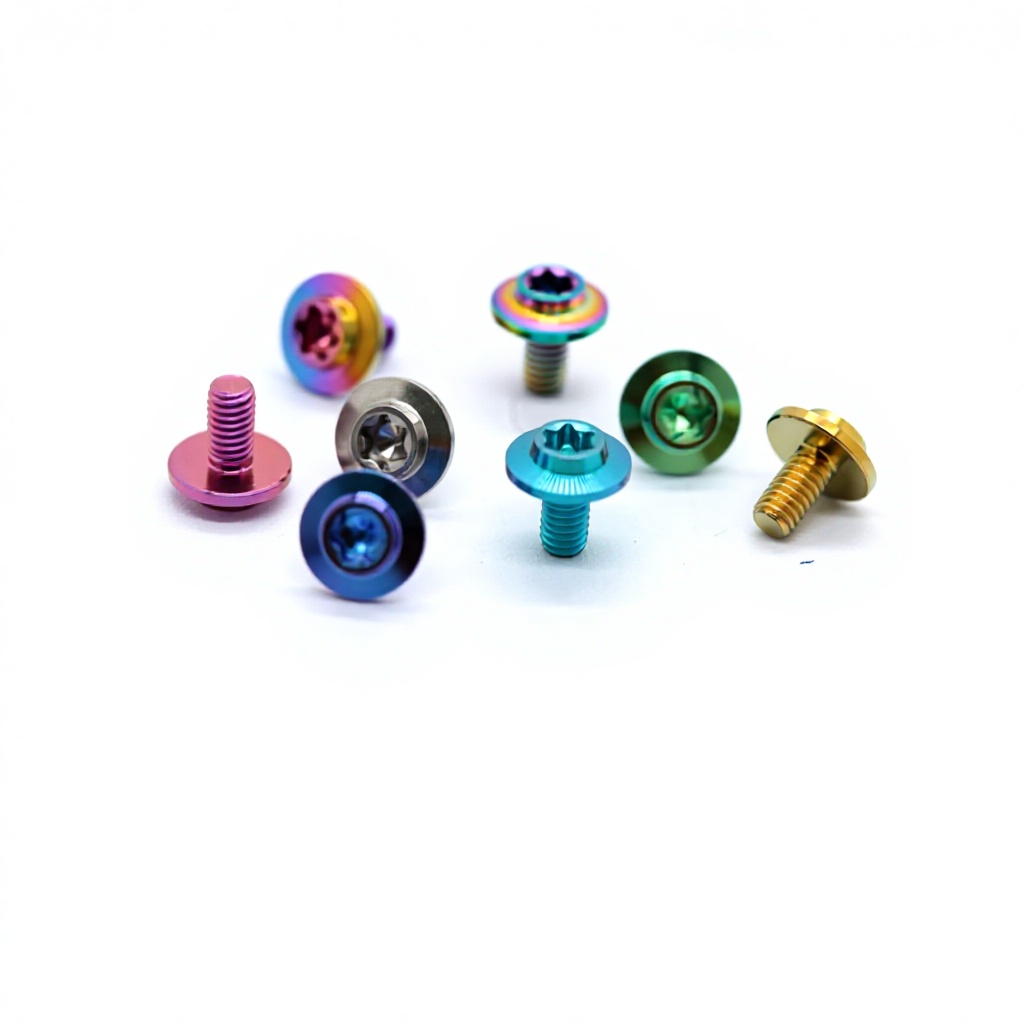
Anodized High Strength GR5 Titanium Alloy M6*15 Umbrella Head Bolts
Product Details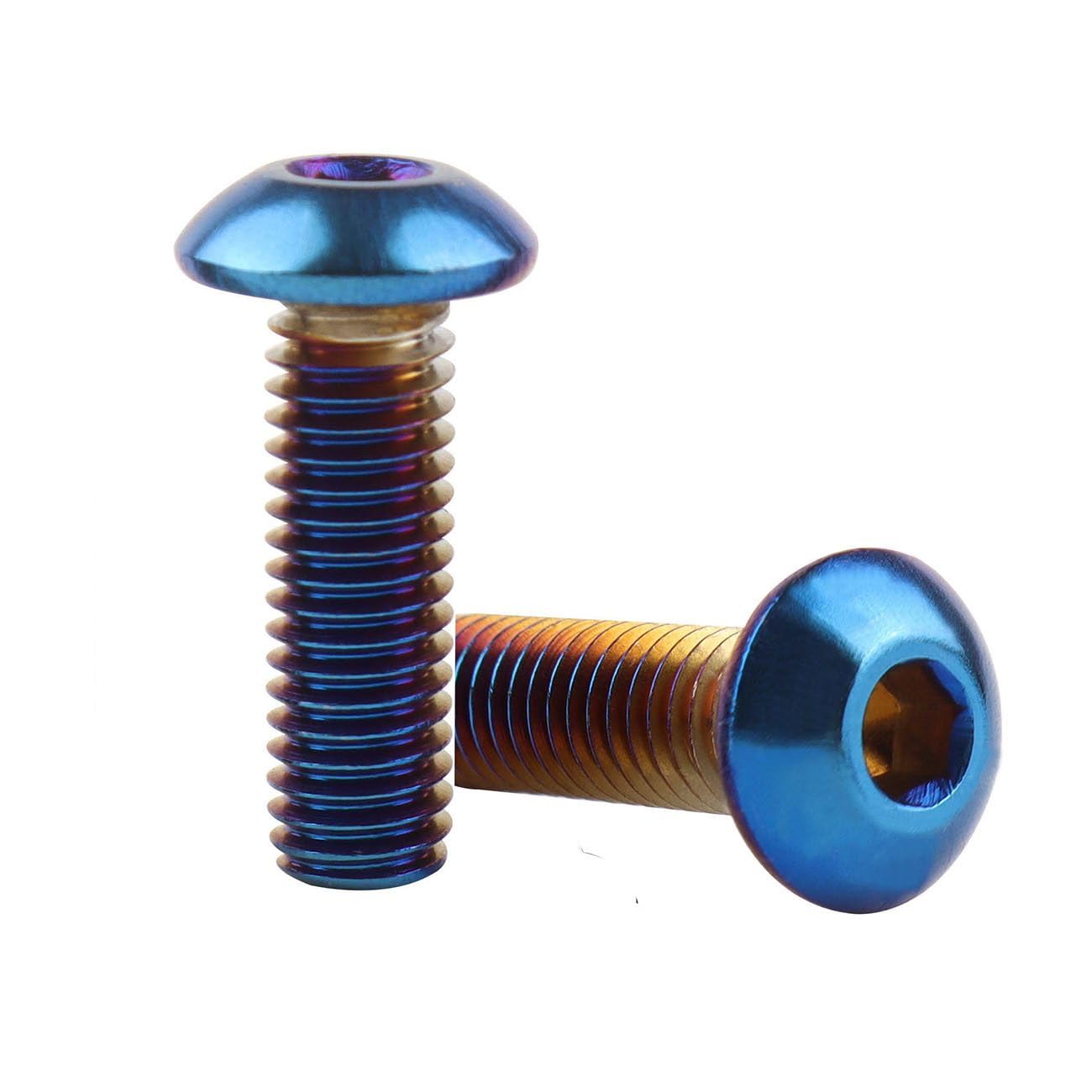
Titanium Finish Bolt M6 (12-35mm) Precision Tuned Burnt Blue Screw
Product Details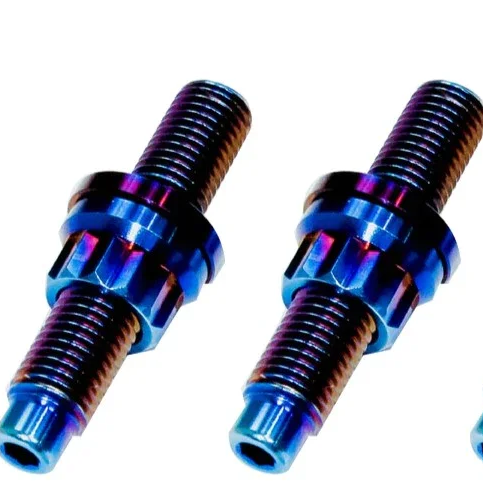
Silver Color M8 M10 Car Exhaust Intake Manifold Titanium Stud Kits
Product Details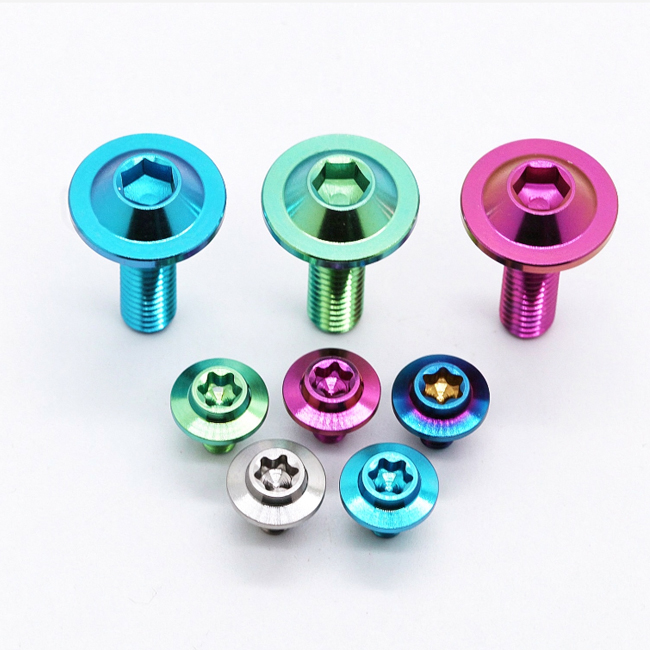
Anodized Rainbow GR5 Titanium Flange Head Allen Bolt Fasteners
Product Details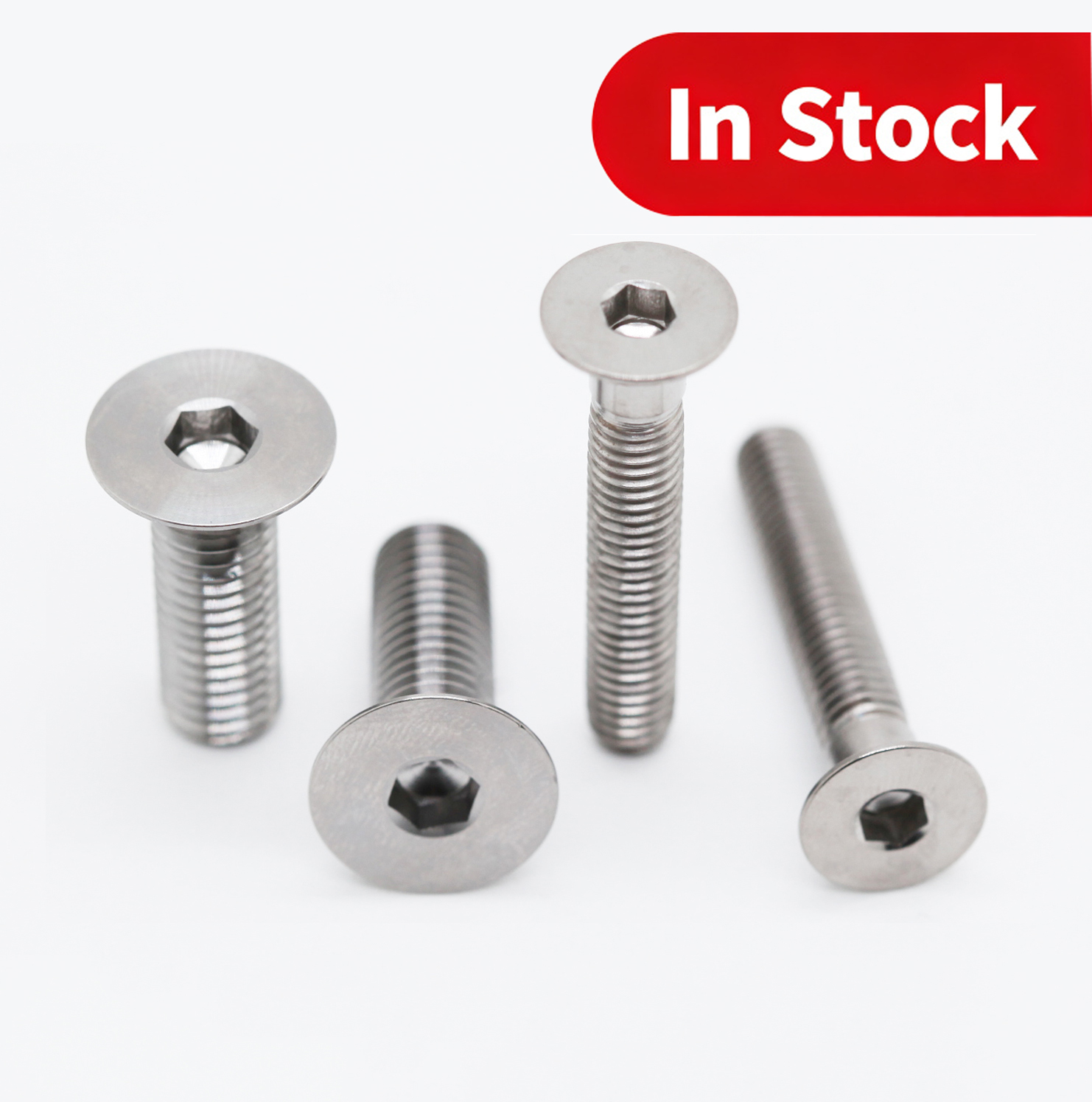
DIN 7991 Titanium Countersunk Flat Head Hexagon Bolts M3-M5
Product DetailsEngineering Titanium Fasteners for the Masaya Industrial Ecosystem
An authoritative breakdown of metallurgical stability, environmental resistance, and economic return across western Nicaragua’s challenging manufacturing and operational environments.
Sulfur-Rich & Volcanic Atmospheric Resilience
The Department of Masaya, influenced heavily by ongoing degassing from the Santiago crater of the Masaya Volcano, presents a documented microclimate saturated with sulfur dioxide (SO₂), hydrochloric aerosols, and acid-rain precursors. Conventional carbon steel fasteners degrade rapidly, and standard AISI 304 or 316 stainless steels experience chloride- and sulfate-induced stress-corrosion cracking (SCC). Grade 2 commercially pure titanium and Grade 5 (Ti-6Al-4V) form an instantaneous, self-healing rutile-anatase titanium dioxide (TiO₂) passivation layer. This oxide shield is impervious to wet hydrogen sulfide and low-pH atmospheric deposits, eliminating joint failure in outdoor facilities across the region.
Agro-Industrial & Sugar Mill Processing Lines
Nicaragua's industrial heartland relies on processing equipment subjected to aggressive organic acids, high wash-down moisture, and abrasive bio-slurries common in sugar extraction, coffee processing, and tobacco curing. Fastening systems configured with DIN 6921 flange bolts and DIN 6923 flange nuts provide distributed clamping forces that prevent localized crushing on polymer or composite gaskets. Because titanium is chemically inert in contact with organic compounds, it prevents metallic ion leaching and ensures uninterrupted uptime during intense seasonal refining cycles where unbudgeted maintenance downtime costs thousands of dollars per hour.
Geothermal Energy & High-Temperature Manifolds
With Nicaragua actively expanding renewable baseload generation from geothermal resources surrounding the volcanic chain, fluid transport networks face high-temperature brine containing abrasive particulates, dissolved silica, and non-condensable corrosive gases. Our Grade 5 exhaust and stud systems maintain structural tensile strength (above 895 MPa at ambient) and resist cyclic thermal shock without brittleness. Ti-6Al-4V eliminates the galvanic degradation commonly observed where austenitic fasteners contact alloyed piping assemblies under cyclic hydrothermal operation.
Material Characterization & Fastener Selection Matrix
Compare standard industrial fastener materials against certified aerospace-grade titanium options to verify tensile, shear, and operational durability before writing procurement specifications.
| Property Parameter | Commercial Grade 2 (CP-Ti) | Alloy Grade 5 (Ti-6Al-4V) | Structural Steel 8.8 | Stainless Steel AISI 316 |
|---|---|---|---|---|
| Tensile Strength (Min) | 345 MPa (50 ksi) | 895 MPa (130 ksi) | 800 MPa (116 ksi) | 580 MPa (84 ksi) |
| Yield Strength (0.2% Offset) | 275 MPa (40 ksi) | 828 MPa (120 ksi) | 640 MPa (93 ksi) | 290 MPa (42 ksi) |
| Density | 4.51 g/cm³ | 4.43 g/cm³ | 7.85 g/cm³ | 8.00 g/cm³ |
| Mass vs. Carbon Steel | −42.5% Reduction | −43.6% Reduction | Baseline Reference | +1.9% Increase |
| Acid/Chloride Resistance | Immune to ambient Cl⁻ & SO₂ | Superior in volcanic atmospheres | Rapid surface oxidation | Susceptible to pitting & SCC |
| Magnetic Permeability | Non-magnetic (1.00005) | Non-magnetic (1.00005) | Ferromagnetic | Slightly magnetic after work |
| Thermal Expansion (20-100°C) | 8.6 × 10⁻⁶ / K | 8.6 × 10⁻⁶ / K | 12.0 × 10⁻⁶ / K | 16.0 × 10⁻⁶ / K |
Direct From Baoji "Titanium Valley" to Central American Industry
Operating continuously since 2013 from the Honeycomb Industrial Park in Baoji, Shaanxi, Yevzo Titanium Metal Co., Ltd. sits at the heart of global titanium refining and precision metallurgy. We bridge Tier-1 aerospace material provenance with industrial manufacturing flexibility. By producing Grade 2 and Grade 5 fasteners directly from ASTM B348 mill-certified ingots, our production completely avoids commercial intermediary markups, material adulteration, or forged chemical reports. Our facility operates multi-axis CNC lathe lines, cold heading stations, precision thread rolling machinery, and automated PVD/anodization chambers under a single quality management system.
Full Heat-Lot Metallurgical Integrity
Every shipment bound for the Masaya trade route is accompanied by a certified EN 10204 3.1 Mill Test Report detailing exact spectrometer chemical composition (Ti balance, Al, V, Fe, C, N, H, O content) and mechanical tensile verification. Thread integrity is 100% verified using calibrated optical profiling systems and Go/No-Go pitch gauges, eliminating field galling during structural torque-up.
Custom CNC Machining & Rapid Prototyping
Beyond our standard catalog containing ISO 4014, DIN 6921, and DIN 7991 specifications, our technical division supports reverse-engineering from physical samples or direct execution from 2D/3D CAD models (STEP, DWG, IGES). Custom thread pitches (UNC, UNF, metric fine), tailored flange diameters, cross-drilled safety wire holes, and weight-reducing counterbores are completed in-house.
Flexible Incoterms & Trade Terms
We serve industrial purchasers across Central America with transparent shipping models including FOB Ningbo/Shanghai, CIF Corinto/Managua, and air express DDP (Delivered Duty Paid) door-to-door delivery. Transaction safety is supported via T/T, Irrevocable L/C at sight, and trade assurance mechanisms with clear payment currency options in USD.
Frequently Asked Technical & Purchasing Questions
Essential guidance for mechanical maintenance teams, procurement directors, and independent shop operators sourcing titanium hardware in the Masaya and Western Nicaragua districts.
Why replace 316 stainless bolts with Grade 5 titanium in Masaya's industrial zones?
While AISI 316 stainless performs reasonably well in generic maritime environments, it suffers localized pitting corrosion and catastrophic stress-corrosion cracking when exposed to airborne sulfur oxides combined with tropical moisture—a condition prevalent across Masaya due to regional volcanic activity. Grade 5 titanium (Ti-6Al-4V) is virtually unaffected by sulfur derivatives and dilute acids. Furthermore, Gr5 yields more than double the mechanical strength (828 MPa yield vs. 290 MPa for 316 stainless), allowing smaller diameter fasteners to sustain higher clamping preloads safely.
How should technicians avoid thread galling during rapid bolt installation?
Because titanium has a low thermal conductivity and a rapid oxide recovery mechanism, dry dynamic contact under high speed can cause friction galling (micro-welding). When torquing titanium bolts into titanium or steel tapped holes, always apply a high-quality anti-seize compound containing molybdenum disulfide (MoS₂), copper, or pure nickel flake. Reduce pneumatic impact wrench RPMs, and follow calibrated torque charts specified for titanium rather than standard carbon steel hardware values.
What are the minimum order quantities (MOQs) for delivery to Masaya?
For standard catalog inventory—including ISO 4018 hex bolts, DIN 6921 flange fasteners, and M5/M6/M8 motorcycle tuning kits—our minimum trial orders begin at just 20 to 50 pieces per specification. For custom engineered CNC components or specialized thread fabrications based on technical drawings, production batch runs typically begin at 100 pieces, supported by complimentary prototype validation prior to full production releases.
Is galvanic corrosion a risk when joining titanium bolts to aluminum components?
In wet or conductive salt-spray environments, titanium can act cathodically relative to active metals like aluminum or zinc. However, this risk is easily mitigated. In performance automotive, motorcycle, or agricultural frames, assemble joints using non-conductive insulating washers (such as PTFE, PEEK, or nylon sleeves) or barrier paste. When installed with appropriate thread paste, Grade 5 titanium bolts are universally deployed in racecar suspension assemblies and aerospace wings without structural aluminum degradation.
Can bolts be custom colored without altering mechanical thread tolerances?
Yes. Our anodizing treatment is an electrolytic bath oxidation process that alters light refraction by controlling the thickness of the nanometer-scale TiO₂ layer; it does not add dimensional thickness like powder coating or electroplating. Critical pitch diameters on M4–M24 threads remain within precise 6g/6H tolerances. For extreme abrasion resistance and deep gloss metallic hues (such as Burnt Blue, Oil Slick/Rainbow, or PVD Black), we utilize Physical Vapor Deposition (PVD) vacuum sputtering.
How are import freight and customs handled for shipments entering Nicaragua?
Shipments can arrive via sea container through the Port of Corinto (Puerto Corinto) on FOB or CIF terms for consolidated ocean freight, or directly through Augusto C. Sandino International Airport (MGA) in Managua via DHL, FedEx, or UPS express courier for fast turnaround. We provide compliant commercial invoices, packing lists with detailed harmonized codes (HTS 8108.90), and mill origin declarations to ensure smooth customs clearance.
Acquire the Definitive Technical Fastener Catalog
Streamline your supply chain with certified direct-factory pricing, full dimensional CAD libraries, and comprehensive metallurgical material reports. Connect with our engineering department to configure your precision titanium fastening supply.
Get Catalog