Class 8.8 Equivalent
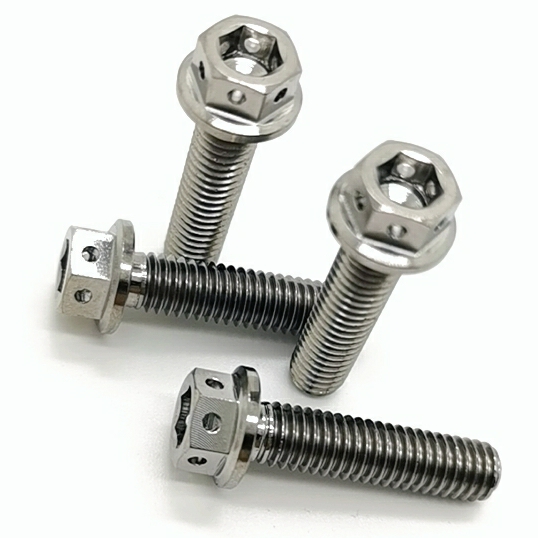
Every lug bolt, flange nut, and custom screw is forged from aerospace-certified raw titanium bar stock, precision CNC-turned with rolled threads for extreme fatigue resistance, and tested for zero-defect assembly across European vehicle hubs.
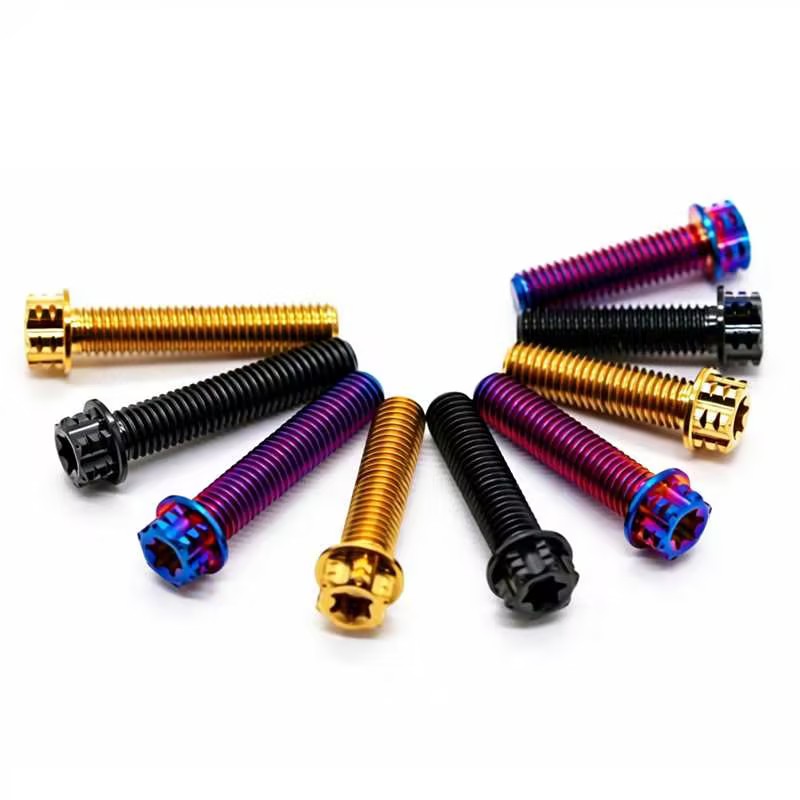
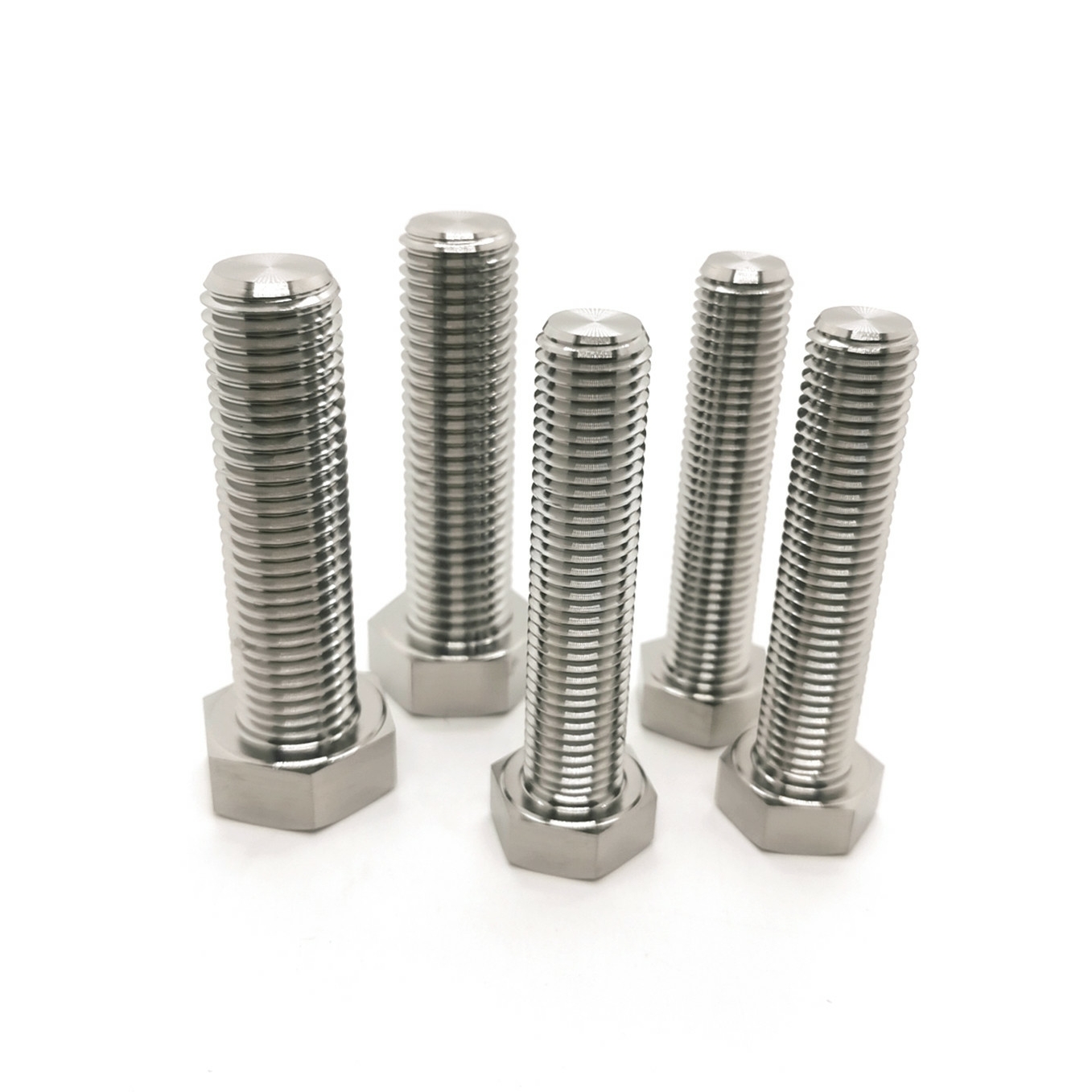
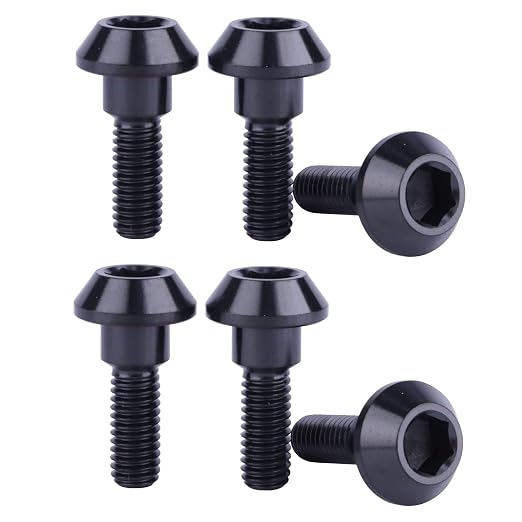
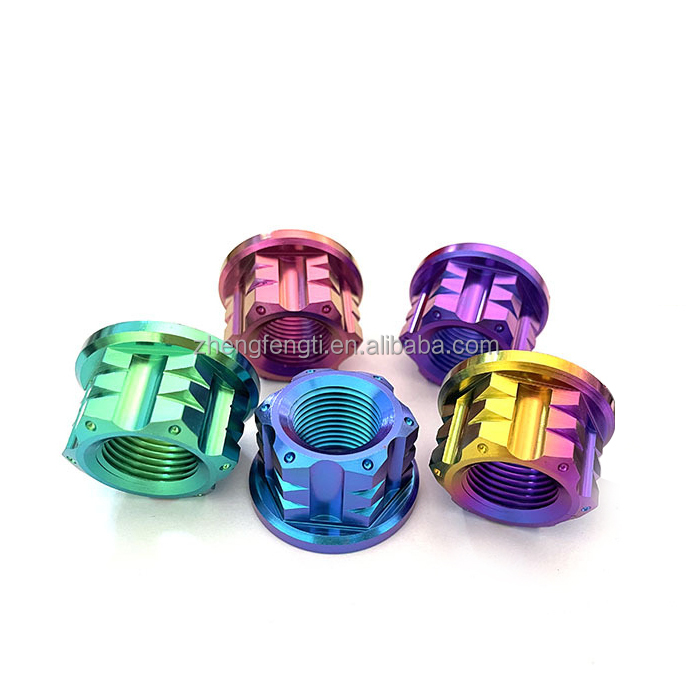
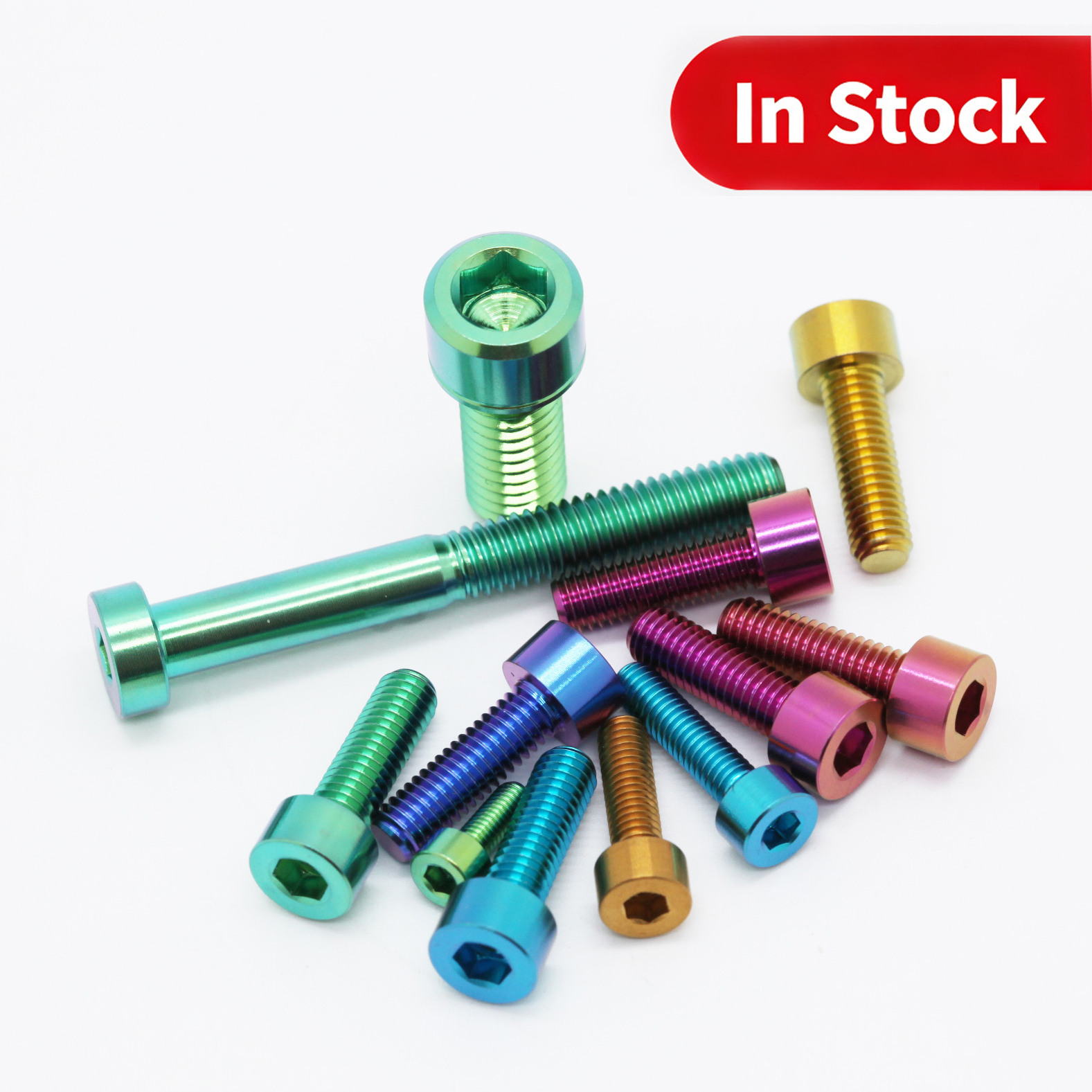
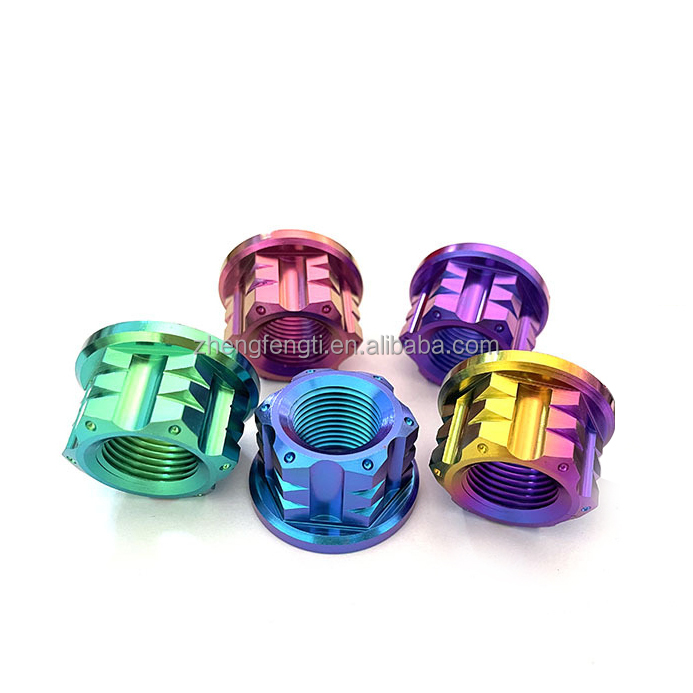
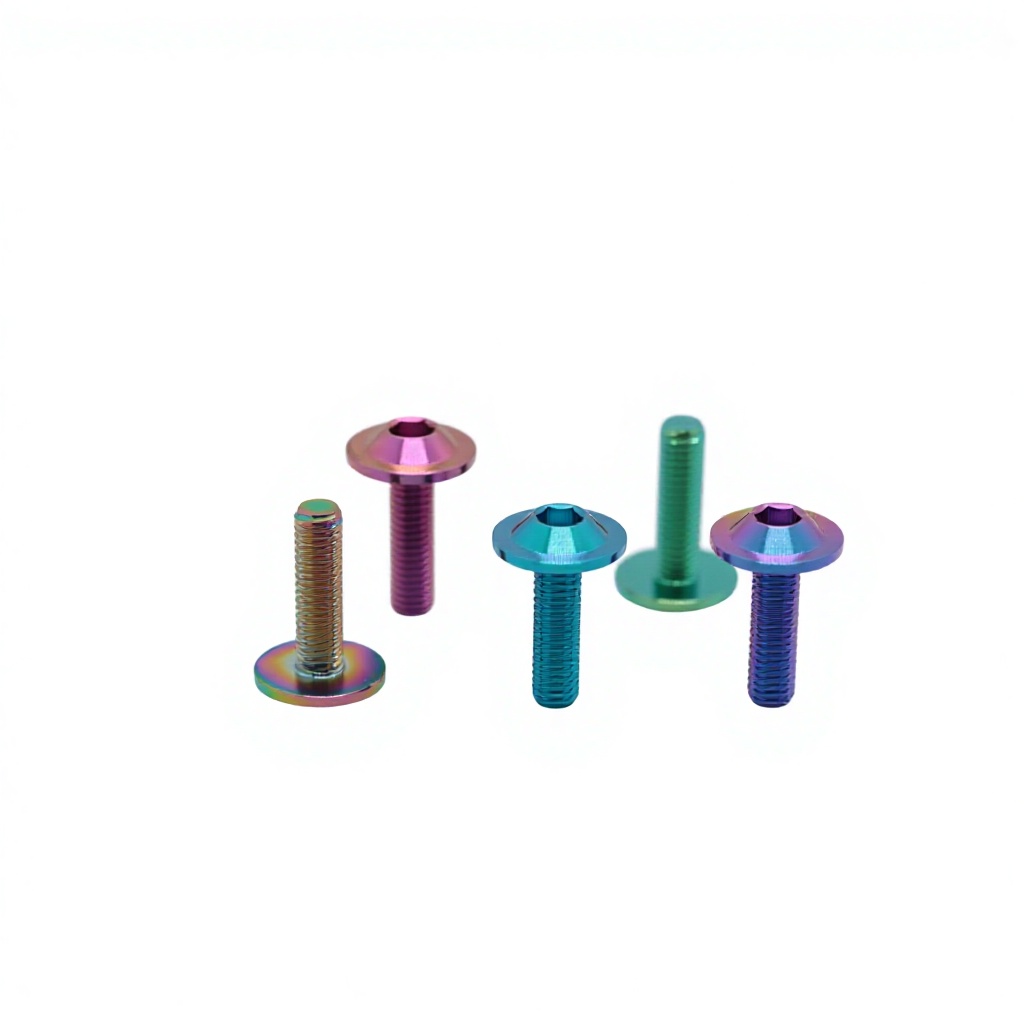
In high-speed dynamics and racing applications, unsprung rotational mass directly impairs suspension damping response, acceleration, and braking distances. Standard factory-installed automotive lug bolts are typically fabricated from zinc-plated Class 8.8, 10.9, or 12.9 carbon steel. While structural carbon steel delivers tensile strength, it suffers from heavy specific mass and vulnerability to chloride stress corrosion—particularly catastrophic in Mediterranean coastal atmospheres.
| Mechanical Property | Ti-6Al-4V Grade 5 (Baoji Mill Spec) | Grade 8.8 Carbon Steel | Grade 10.9 Alloy Steel | Engineering Benefit |
|---|---|---|---|---|
| Density (g/cm³) | 4.43 g/cm³ | 7.85 g/cm³ | 7.85 g/cm³ | 43.6% Weight Drop across Wheel Hubs |
| Tensile Strength (Rm, MPa) | 950 – 1050 MPa | 800 MPa | 1040 MPa | Equal to Grade 10.9, far surpasses Grade 8.8 |
| Yield Strength (Rp 0.2, MPa) | 880 – 920 MPa | 640 MPa | 940 MPa | Resists permanent plastic elongation |
| Fatigue Limit (10⁷ Cycles) | 510 MPa | 380 MPa | 420 MPa | Crucial for high dynamic torque loading |
| Marine Corrosion Resistance | Permanent Passive TiO₂ Film | Requires Galvanic / Cad Plating | Prone to Salt-Spray Rust (Pitting) | Impervious to Aegean Sea Salt & Road Brine |
Note: Raw bar stock undergoes ultrasonic NDT testing per ASTM B348 and AMS 4928 aerospace specs before CNC threading. Threads are cold-rolled rather than cut to maintain uninterrupted grain flow lines, preventing localized micro-cracks under repeated Greek mountain pass driving conditions.
Supplying titanium hardware to the Greek market demands addressing unique geographic challenges: exceptional coastal salt humidity, severe mountain switchback thermal loads, and a booming high-performance European car tuning culture.
From Piraeus and Thessaloniki to Crete, coastal humidity accelerates galvanic oxidation on standard steel lug bolts, resulting in seized threads and dangerous wheel dismounting failures during seasonal tire changes.
Aggressive downhill braking generates immense heat in brake calipers and rotors. Steel wheel bolts conduct excessive thermal energy to wheel bearings while suffering from thermal fatigue relaxation.
Athens and Central Macedonia track enthusiasts demand reductions in un-sprung rotational mass. Removing 1.2 kg to 1.8 kg across 20 lug bolts dramatically sharpens steering feedback and chassis agility.
How Greek wholesale importers, luxury vehicle repair centers, and coastal motorcycle tuning shops are updating their fastener procurement requirements.
With electric vehicle adoption surging across Attica and the Greek islands, heavy battery weights have driven Greek distributors to seek lightweight titanium fasteners to offset curb mass without reducing mechanical shear capacity.
Greek parts suppliers are increasingly bypassing third-party traders in Central Europe to establish direct OEM partnerships with Chinese factories in Baoji, capturing 35%–50% procurement margins on custom-branded packaging.
Commercial rental fleets on Greek islands face extreme salt-corrosion replacement costs. Titanium disc rotor screws, fairing bolts, and exhaust studs are shifting from a luxury styling item to a money-saving maintenance standard.
Detailed technical, regulatory, and logistics answers for automotive distributors, wheel importers, and engineering buyers.
Yes. Grade 5 (Ti-6Al-4V) titanium wheel bolts exceed the minimum tensile and yield standards of OEM Class 10.9 steel fasteners (with minimum tensile strength of 950 MPa). When CNC-machined with cold-rolled threads and tightened to manufacturer torque ratings, they provide equal or superior dynamic fatigue safety margins for European highway regulations.
Titanium and aluminium have a galvanic potential difference, but titanium immediately develops a dense, dielectric passive oxide film. For long-term protection in salty seaside air, we recommend applying a thin film of copper-free or ceramic-based anti-seize paste on threads and cone seats, ensuring smooth dismounting during seasonal tire swaps.
Yes. As an OEM manufacturer, we support custom cone seat geometries (60-degree taper, radius ball R12/R13/R14 for OEM Porsche/Audi/Mercedes wheels, and floating flat washers), variable shank lengths from 24mm to 65mm for track spacers, and custom spline, torx, or hex drive styles.
We regularly dispatch high-priority orders via DHL/FedEx Express (3-5 business days to Athens/Thessaloniki) and commercial freight containers via COSCO ocean routes direct to Port of Piraeus under CIF, FOB, or DDP terms. We handle CE/EU declaration standards and supply 3.1 Material Test Reports.
Standard catalogue titanium wheel bolts start at low batch runs of 20 to 50 pieces for distributor testing. Custom logo laser engraving on bolt heads and branded box packaging begins at 200–500 pieces, enabling Greek distributors to scale their own house motorsport brand.
Standard anodizing is an electrochemical passivation layer suitable for moderate exposure. For high-wear lug bolts handled with impact wrenches, we apply Physical Vapor Deposition (PVD) titanium nitride or carbon coating. PVD delivers extreme surface hardness (HV 2000+), preventing color scratching during intense wheel torqueing.
Contact our Baoji engineering headquarters today. Send your CAD drawings, OEM wheel bolt samples, or target annual quantities for a tailored manufacturing proposal and factory-direct quotation within 24 hours.
Inquire Now