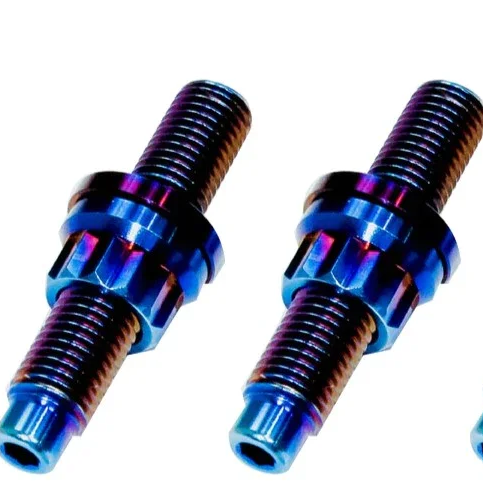
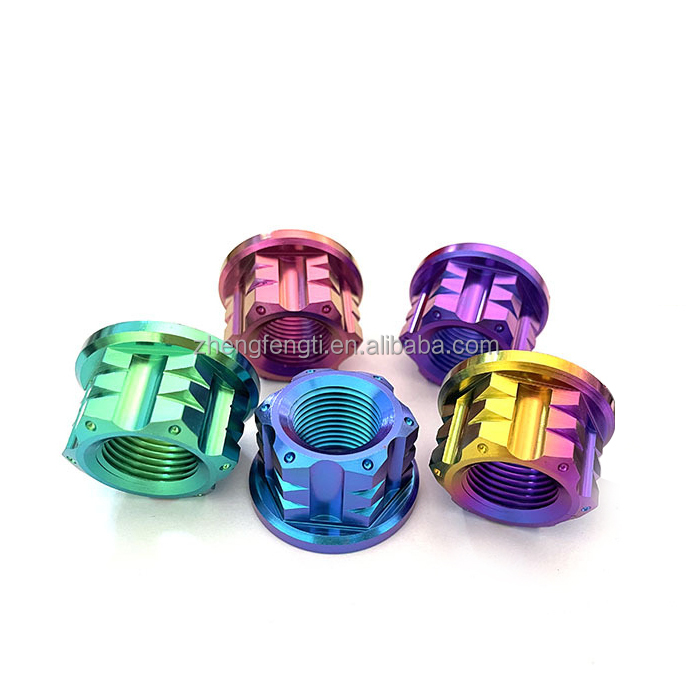
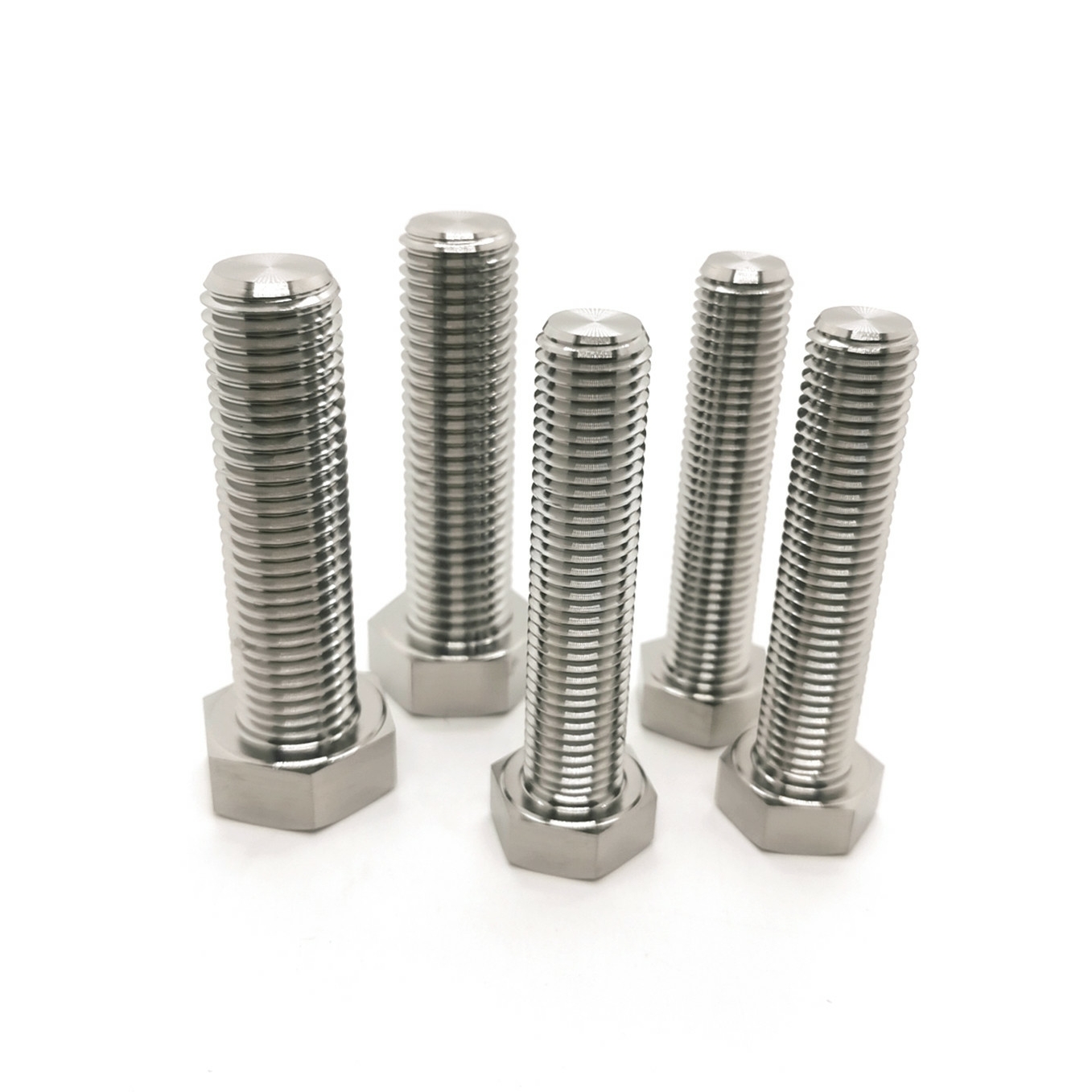
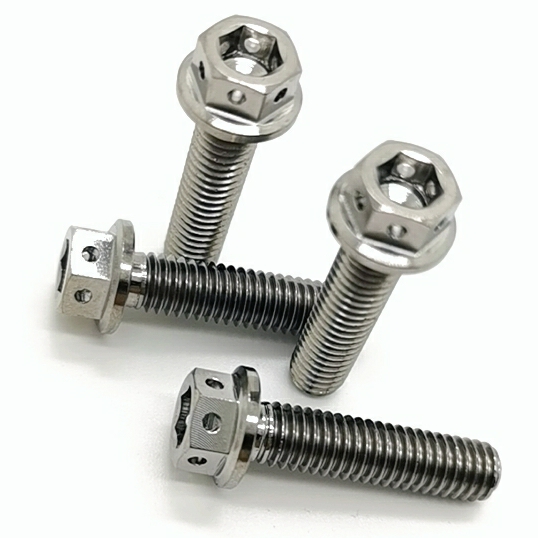
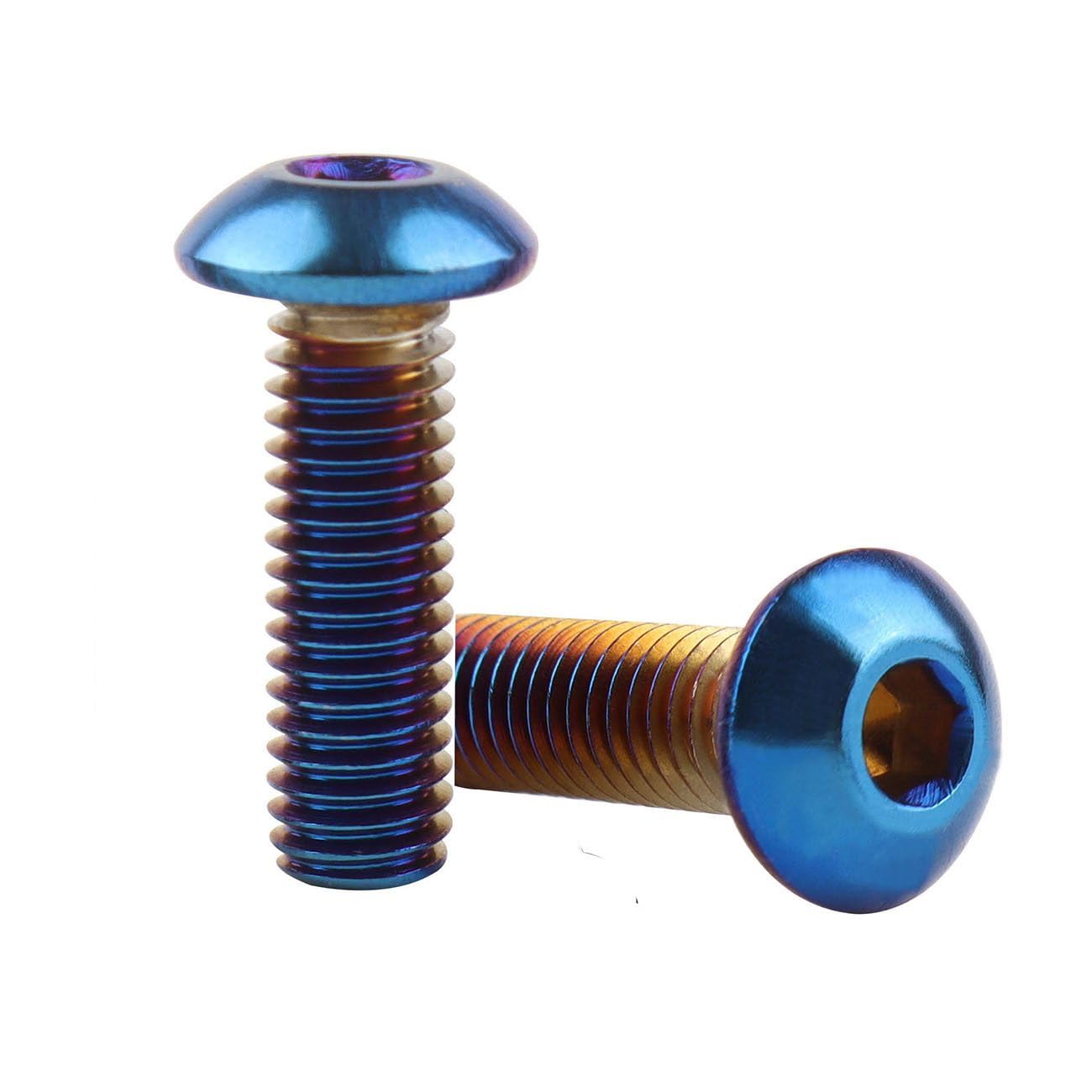
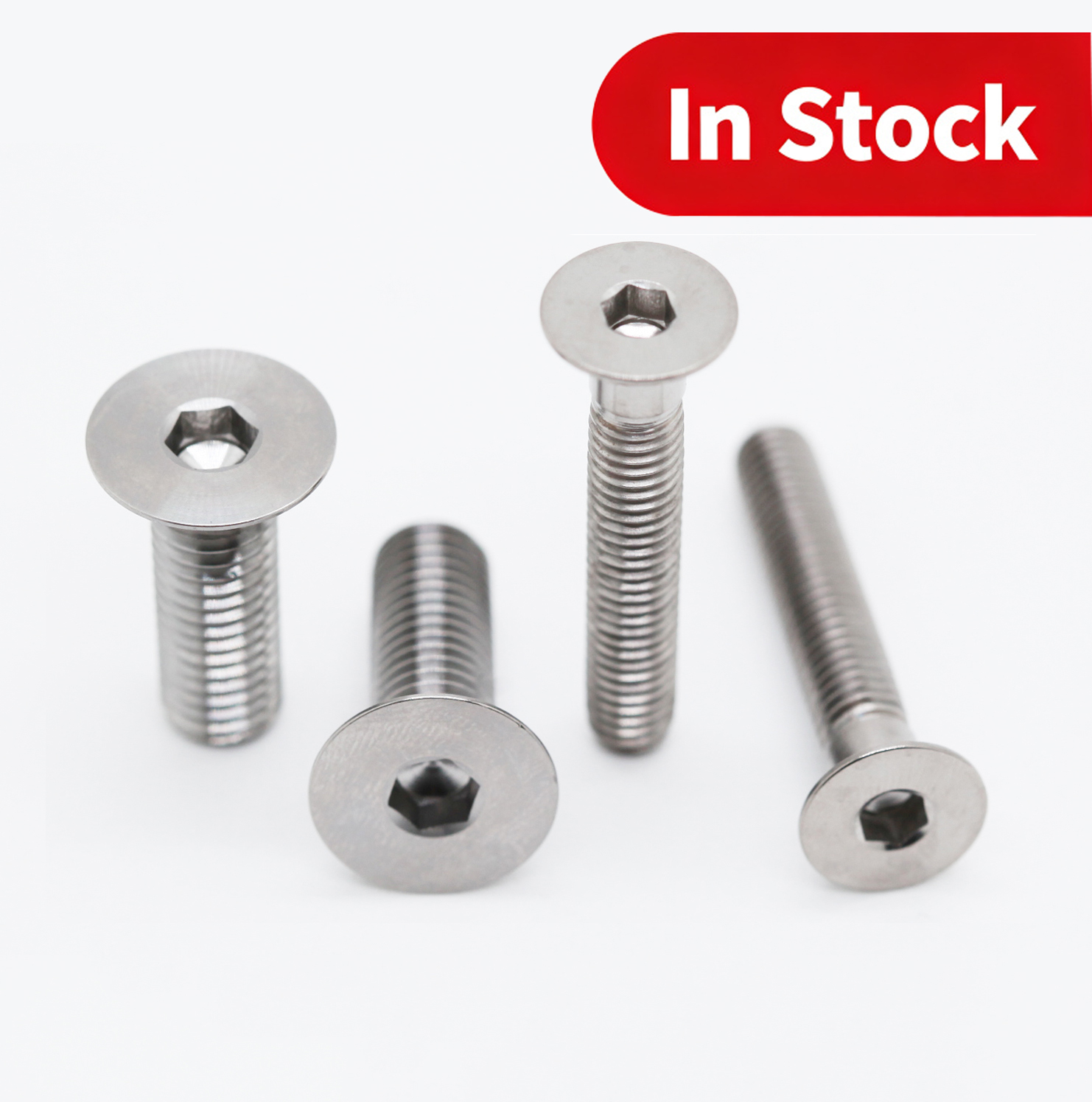
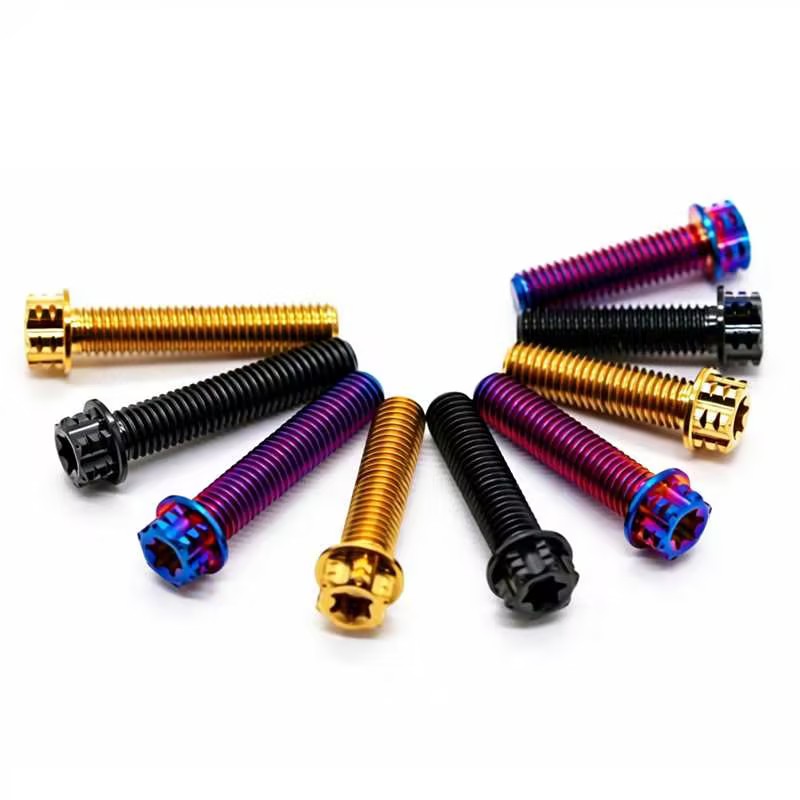
M5 M6 M8 Wholesale Titanium Alloy Hexagon Head Industrial Grade Bright Finish Bolts
- Material: Ti-6Al-4V Grade 5
- Tensile Strength: ≥ 950 MPa
- Thread Pitch: Rolled Metric Pitch
- Usage: Handlebar & Bike Stem
Technical manual, metallurgy comparative standards, Canadian supply-chain compliance, and precision CNC aerospace fasteners from Baoji Titanium Valley.
Engineered to DIN, ISO, and race-spec configurations using ASTM B348 Grade 5 (Ti-6Al-4V) aerospace bar stock with cold-rolled micro-threads.
An authoritative evaluation of Grade 5 (Ti-6Al-4V) mechanical performance under sub-zero thermal cycling, salt brine road conditions, and extreme track loads.
| Metallurgical Parameter | Ti-6Al-4V (Grade 5 Titanium) | Class 8.8 Carbon Steel | Class 10.9 Alloy Steel | 7075-T6 Billet Aluminum |
|---|---|---|---|---|
| Density (ρ) | 4.43 g/cm³ (-44%) | 7.85 g/cm³ | 7.85 g/cm³ | 2.81 g/cm³ |
| Ultimate Tensile Strength | ≥ 950 - 1050 MPa | 800 MPa | 1040 MPa | 572 MPa |
| Yield Strength (0.2% Offset) | ≥ 828 - 920 MPa | 640 MPa | 940 MPa | 503 MPa |
| Modulus of Elasticity (E) | 114 GPa (Superior Damping) | 205 GPa | 210 GPa | 71.7 GPa |
| Sub-Zero Impact Ductility (-40°C) | No Ductile-Brittle Transition | Severe Embrittlement Risk | Moderate Low-Temp Notch Risk | Stable, Low Ultimate Strength |
| Chloride / De-icing Salt Resistance | Immune (TiO&sub2; Passivation) | Rapid Oxidation (Rust) | Stress Corrosion Cracking Risk | Severe Pitting / Exfoliation |
Engineered solutions customized for competitive closed-circuit racing, extreme coastal moisture, and severe gravel trail vibration environments.
For superbikes competing at circuits such as Canadian Tire Motorsport Park (Mosport) and Shannonville Motorsport Park, reducing unsprung and rotating mass is the single most effective way to accelerate directional transitions and enhance suspension damping compliance. Replacing OEM steel unsprung components—such as brake rotor bobbins, dual front caliper radial mounting bolts, and rear sprocket studs—with Grade 5 CNC Torx fasteners yields rotational weight savings directly translating to reduced gyroscopic precession.
Motorcycle importers and service distributors across coastal British Columbia (Vancouver, Victoria) and the Atlantic Maritime provinces encounter persistent fastener seizure due to maritime fog combined with magnesium chloride and calcium chloride anti-icing chemicals sprayed extensively across Canadian highway corridors. Grade 5 titanium produces a spontaneous, chemically inert titanium dioxide (TiO&sub2;) passive film that resists micro-pitting, crevice corrosion, and catastrophic galvanic oxidation.
Enduro, dual-sport, and snow-bike conversions traversing the high-elevation trails of the Canadian Rockies endure severe shock, continuous structural deflection, and high cyclic engine vibration. Titanium's lower modulus of elasticity (114 GPa versus steel's 210 GPa) allows fasteners installed in triple clamps, subframes, and handlebar perches to absorb peak vibrational shock wave pulses without developing micro-fissures or shearing along under-head transition radiuses.
Key industry shifts reshaping wholesale trade between Chinese manufacturers and North American motorcycle distribution networks.
The explosive popularity of Timbersled and Camso conversion kits in Western Canada requires rigorous fastener lightening to balance the elevated center-of-gravity added by aftermarket winter tracks.
Riders demand Physical Vapor Deposition (PVD) finishes in Burnt Blue, High-Luster Gold, and Oil Slick. Unlike conventional anodization, PVD ensures zero micro-dimension buildup on precision 6g thread pitches.
Canadian parts distributors increasingly circumvent secondary domestic brokers by partnering directly with verified factory sources in Baoji, utilizing streamlined DDP sea and air express logistics directly to Vancouver and Toronto hubs.
Driven by strict liability and transport compliance, Canadian racing franchises mandate EN 10204 3.1 Inspection Certificates confirming raw sponge origins and chemical spectrogram validation with zero tolerances for porosity.
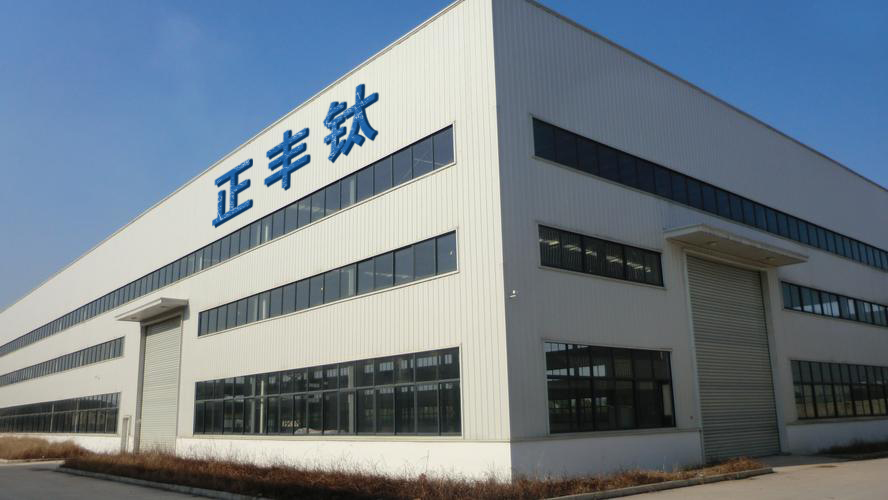
Originating from the core of China's "Titanium Valley" since 2013, our production ecosystem bridges aerospace material access with precision multiaxis turning capabilities.
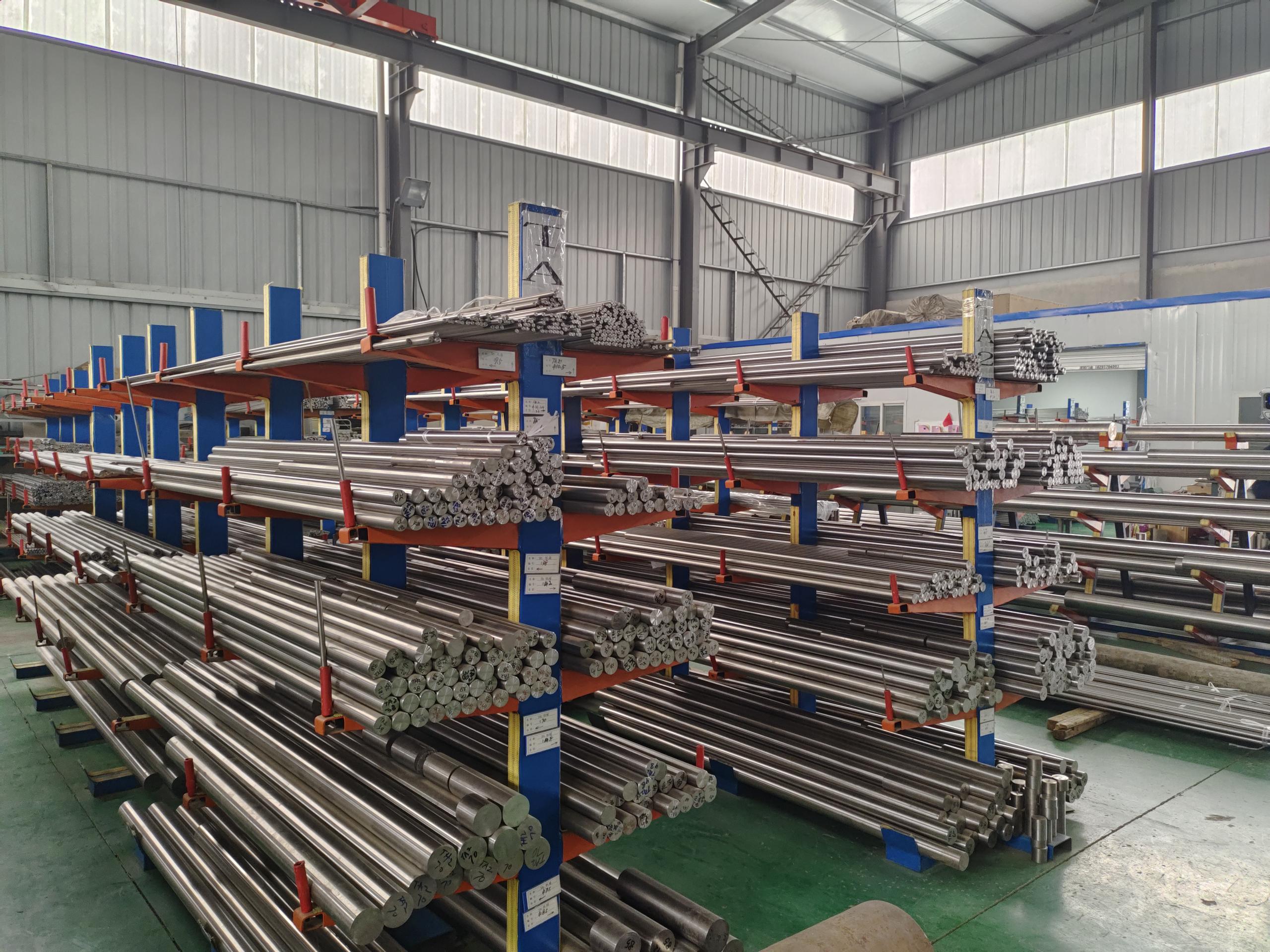
Headquartered in the High-Tech Development Zone of Baoji, Shaanxi, our facilities maintain direct access to over 60% of China’s premium titanium sponge and melt capacities. We exclusively forge and machine from certified ASTM B348 Grade 2 and Grade 5 ingots with zero secondary scrap blending.
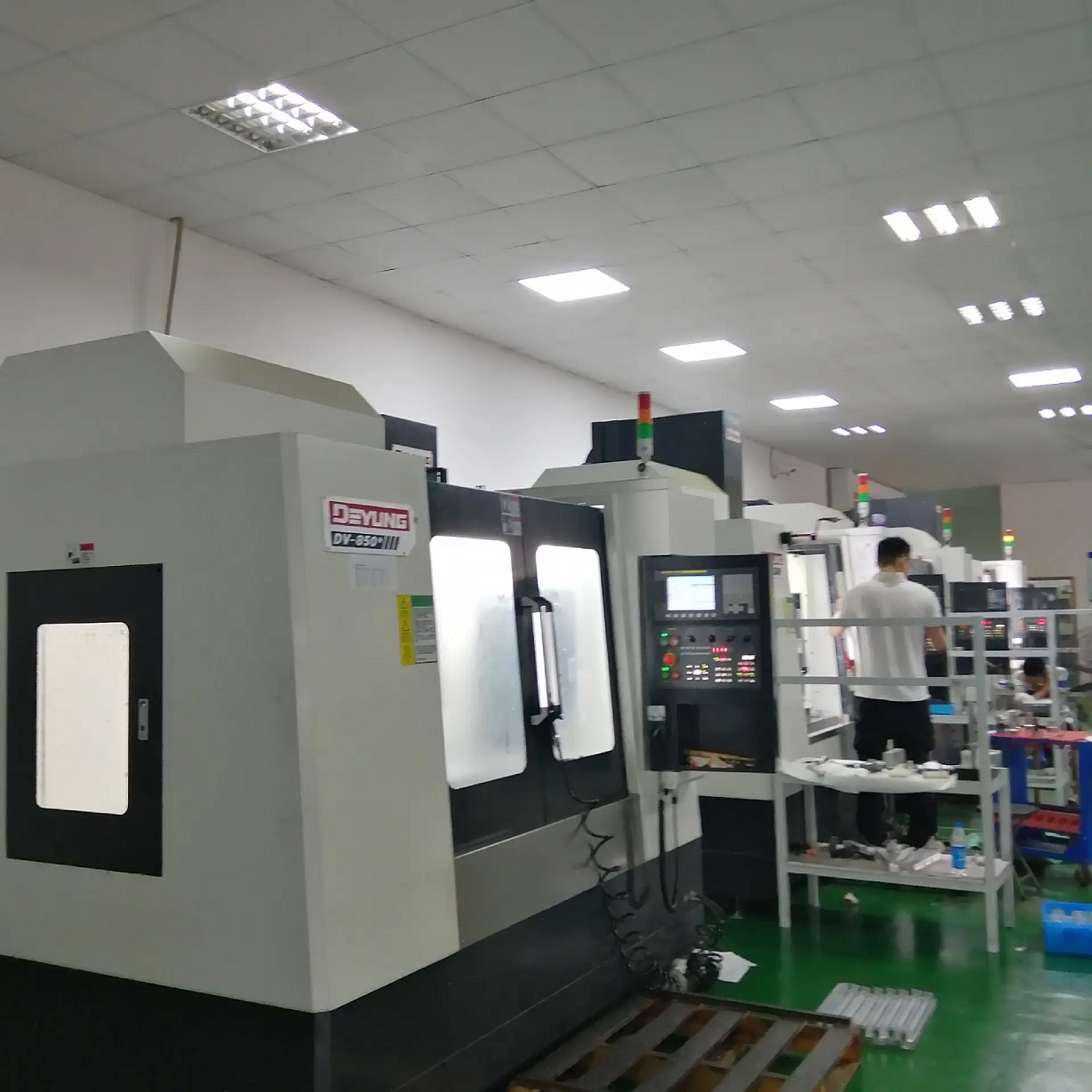
Our workshop houses over 100 high-speed turning-milling centers, 3-axis/5-axis CNC machining centers, and cold-rolling thread machines. We guarantee thread concentricity and head-to-shank perpendicularity within ±0.01 mm, adhering strictly to ISO 4014, DIN 6921, and DIN 7991 standards.
Every single batch undergoes dimensional verification using profile projectors, coordinate measuring machines (CMM), optical thread sorting, and Go/No-Go thread gages. Mill test reports (MTR) verifying chemical composition and mechanical tensile capabilities are supplied standard with all shipments.
Detailed answers prepared by senior metallurgical engineers addressing common Canadian importer and performance garage technical inquiries.
Because Grade 5 (Ti-6Al-4V) titanium exhibits a significantly lower friction coefficient and different elasticity compared to carbon steel, directly applying factory service manual (FSM) dry steel torque values will lead to inaccurate bolt pre-load and risk thread shearing. As a rule of thumb, reduce the specified dry torque setting by 15% to 20% when using an appropriate anti-seize lubricant.
For example, if an OEM steel M8 front brake caliper bolt requires 30 Nm, torque the equivalent Gr5 fastener to approximately 24–25 Nm with an anti-seize compound applied to the thread and under-head bearing surface. Always use a calibrated digital torque wrench to ensure proper fastener tension.
Titanium and aluminum have disparate electrochemical potentials. When exposed to an electrolyte—such as water mixed with Canadian road salt—galvanic interaction can cause sacrificial corrosion of the surrounding aluminum casting. Furthermore, titanium exhibits a tendency toward cold-welding and thread galling during rapid tightening into mating threads.
To eliminate these risks, our engineers advise: (1) Always apply a high-grade nickel-based or copper-based anti-seize paste, or a synthetic PTFE barrier compound, directly to the threads prior to installation. (2) For non-blind joints, utilize non-conductive passivated washers. (3) Never employ high-speed pneumatic impact guns during installation; tighten smoothly by hand.
Fasteners entering Canada are classified under HS Code 8108.90 (Articles of Titanium) or 7318.15 depending on border customs declarations. Shipments direct from our Baoji facility can be handled under full Delivered Duty Paid (DDP) Incoterms, where all GST (5%) and applicable provincial sales taxes (PST/HST depending on destination provinces such as Ontario, Quebec, BC, or Alberta) along with CBSA customs brokerage fees are settled upfront.
For high-volume Canadian distributors, sea freight to the Port of Vancouver with inland rail transfer to Toronto/Montreal provides optimal freight economics, while express courier shipments (DHL, FedEx, UPS) typically arrive within 4 to 7 business days.
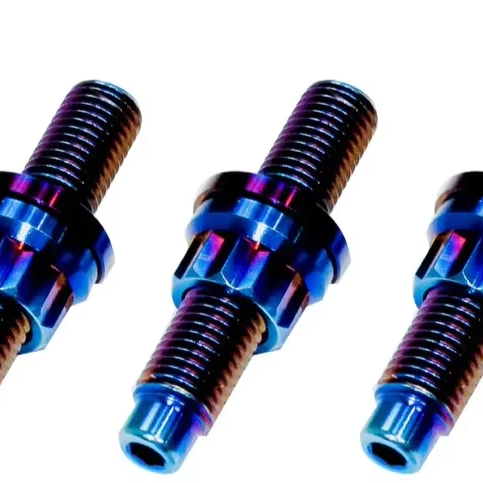
Thread cutting mechanically severs the internal grain structure of the titanium bar stock, producing sharp micro-notches that act as localized stress concentrations susceptible to catastrophic fatigue failure under continuous track vibration. In contrast, cold-thread rolling plastically deforms the material using rolling dies, maintaining continuous grain lines that follow the root and flank contours.
This process work-hardens the thread root, yielding up to a 30% increase in fatigue endurance limits and creating an exceptionally smooth mirror finish that mitigates galling during assembly.
For standard catalog configurations (DIN 6921, ISO 4018, DIN 912) across M5, M6, M8, M10, and M12 sizes, our factory stock MOQs start as low as 20 to 50 pieces per SKU. For custom motorcycle racing specifications—such as pre-drilled safety wire heads, lightened hex dishing, or non-standard thread pitches (e.g., M10×1.0 or M10×1.25 fine threads)—we quote based on engineering complexity with typical prototype test batches starting at 100 pieces.
Whether you require race-spec prototypes for closed-course superbike builds, full-catalog distribution quotes across Canada, or custom multi-axis CNC component production from your 3D STEP/DWG drawings, our senior engineering group is ready to assist.