Precision CNC Machined & Standardized Titanium Fasteners
Factory-direct industrial fasteners manufactured to rigorous ISO 4018, DIN 912, and DIN 6923 engineering tolerances, backed by complete mill traceability.
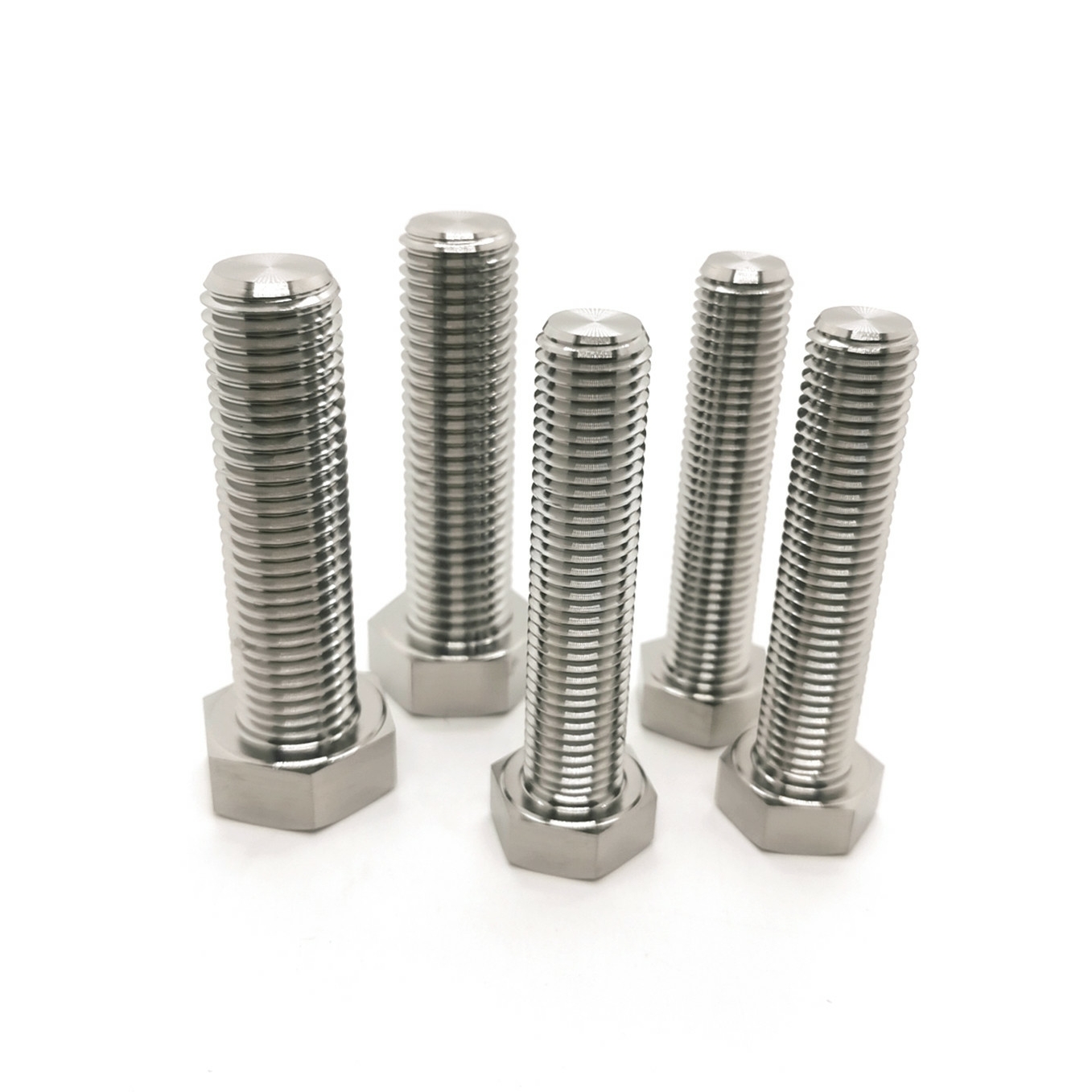
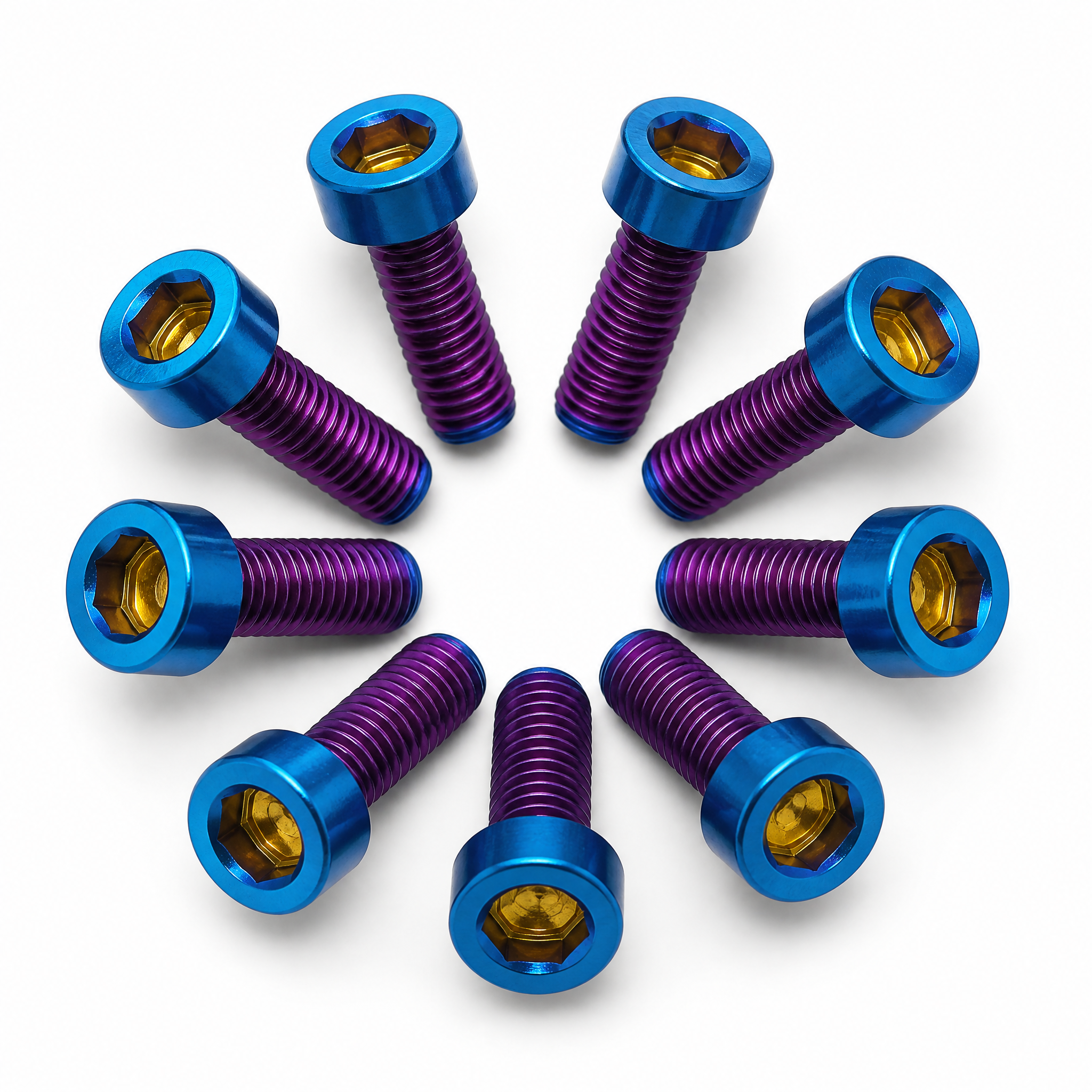
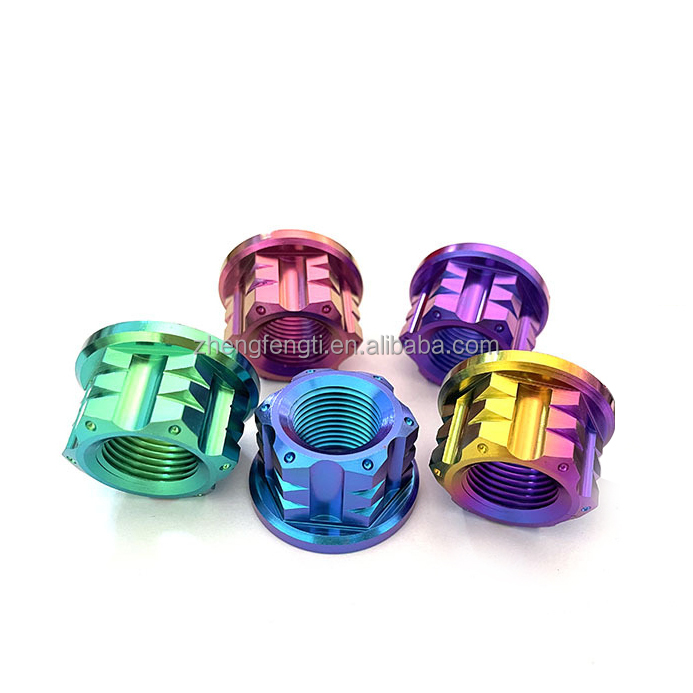
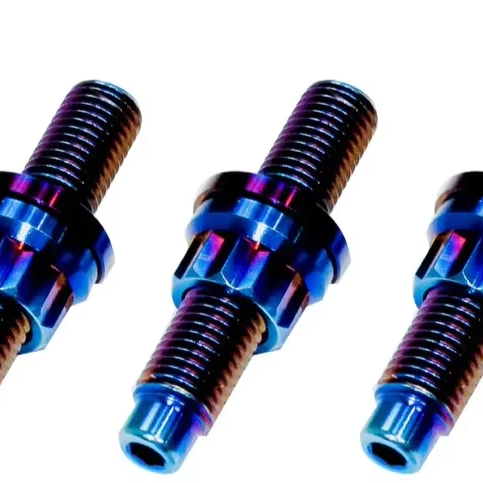
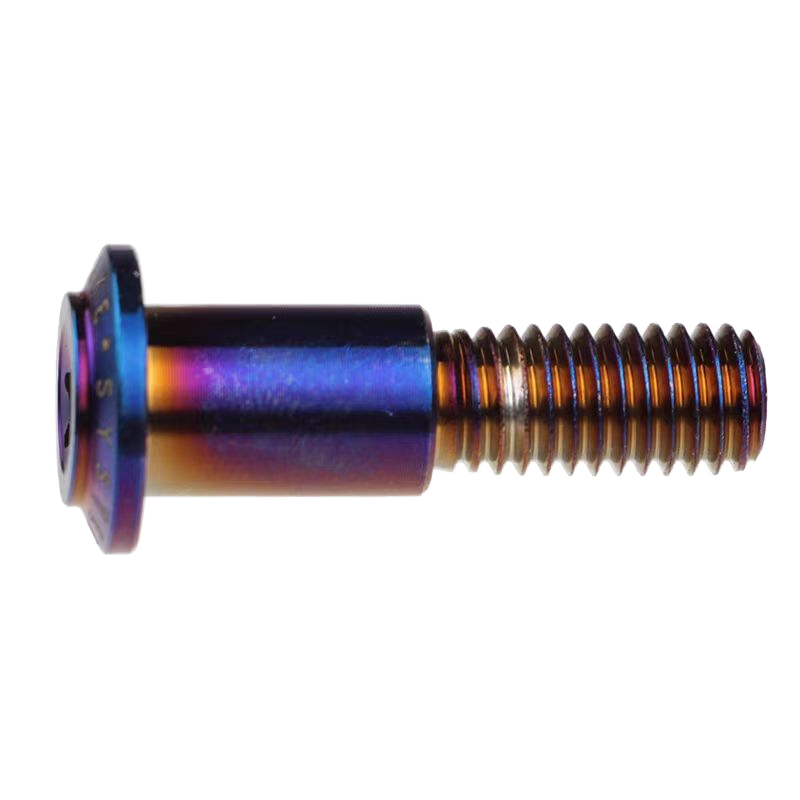
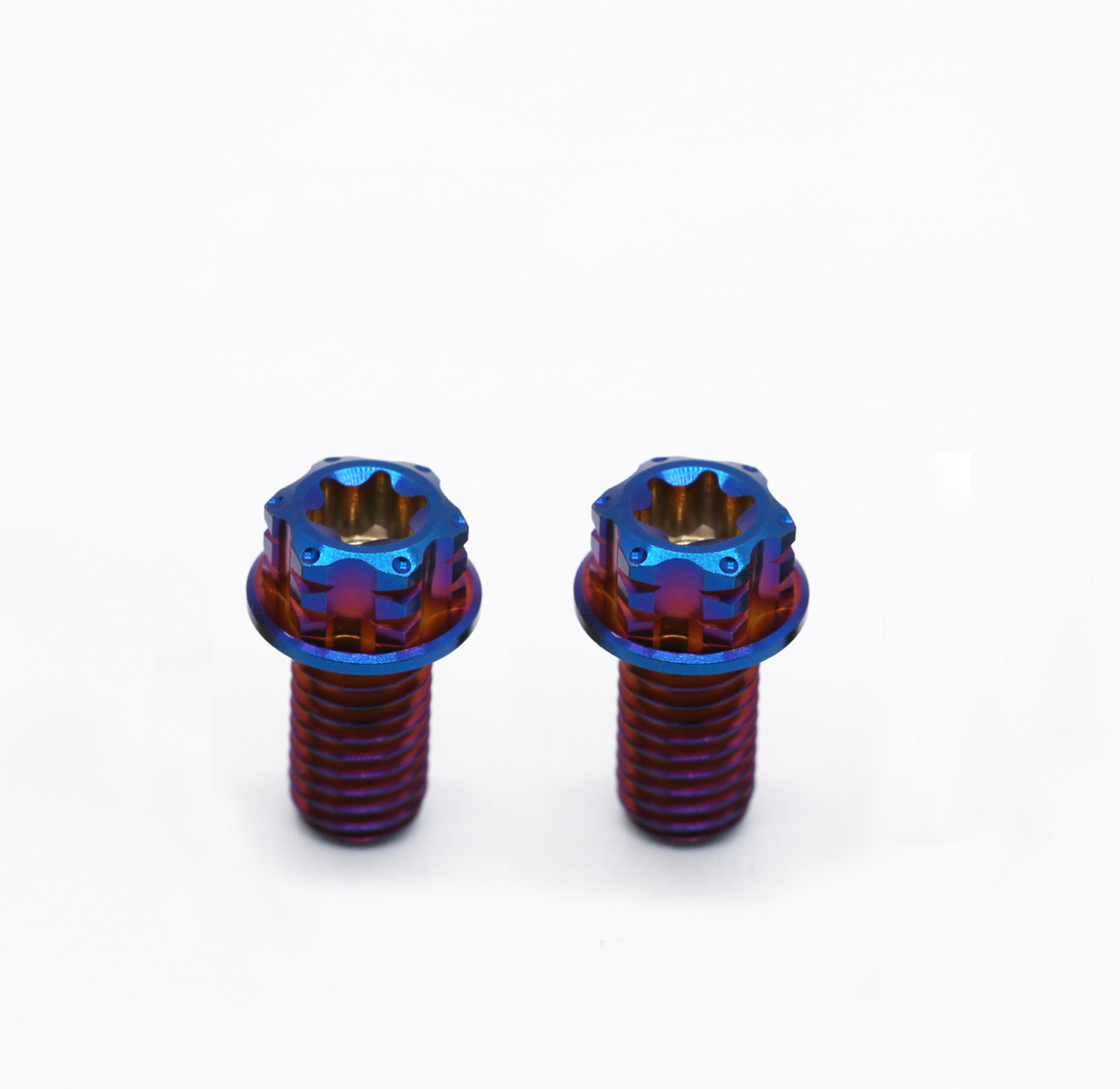
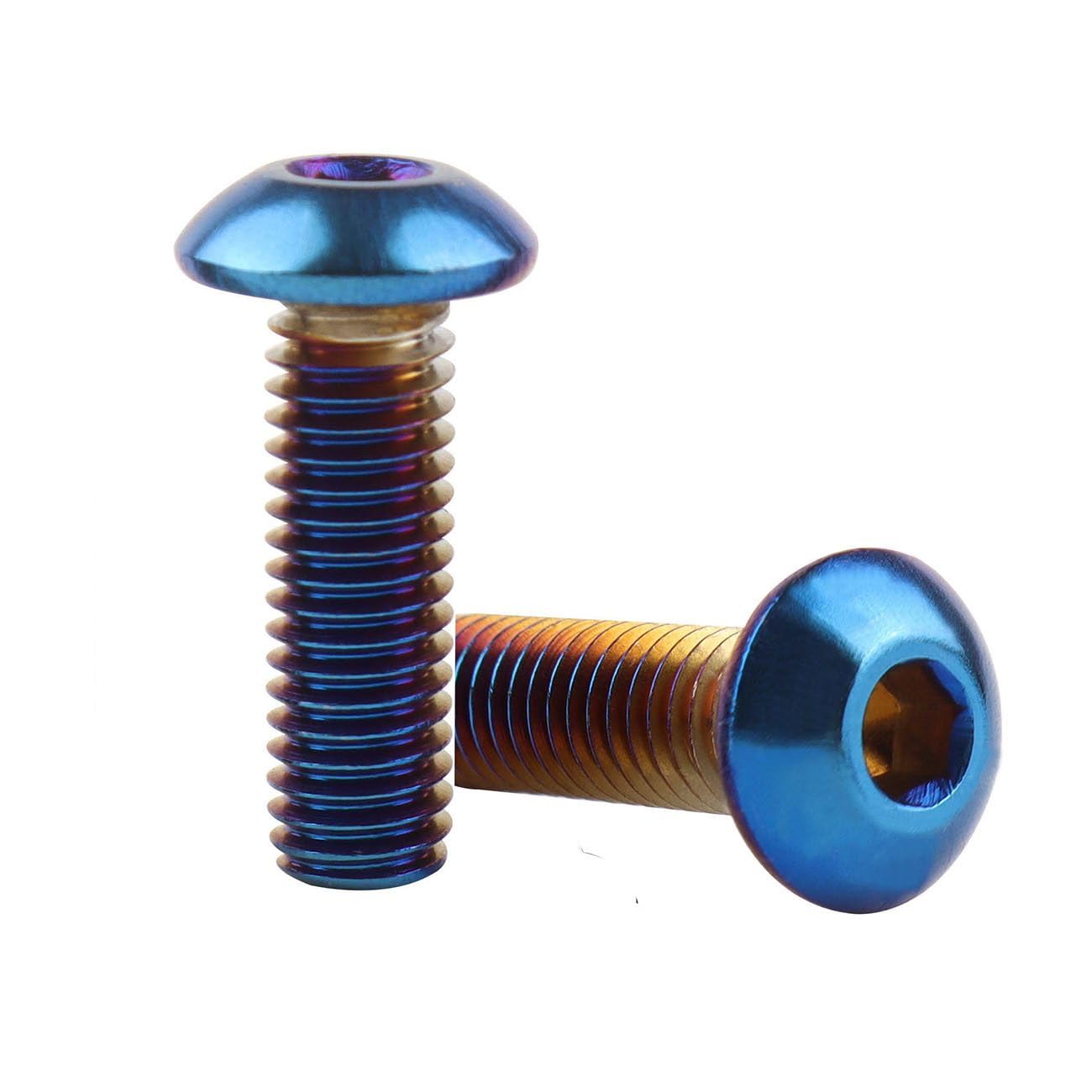
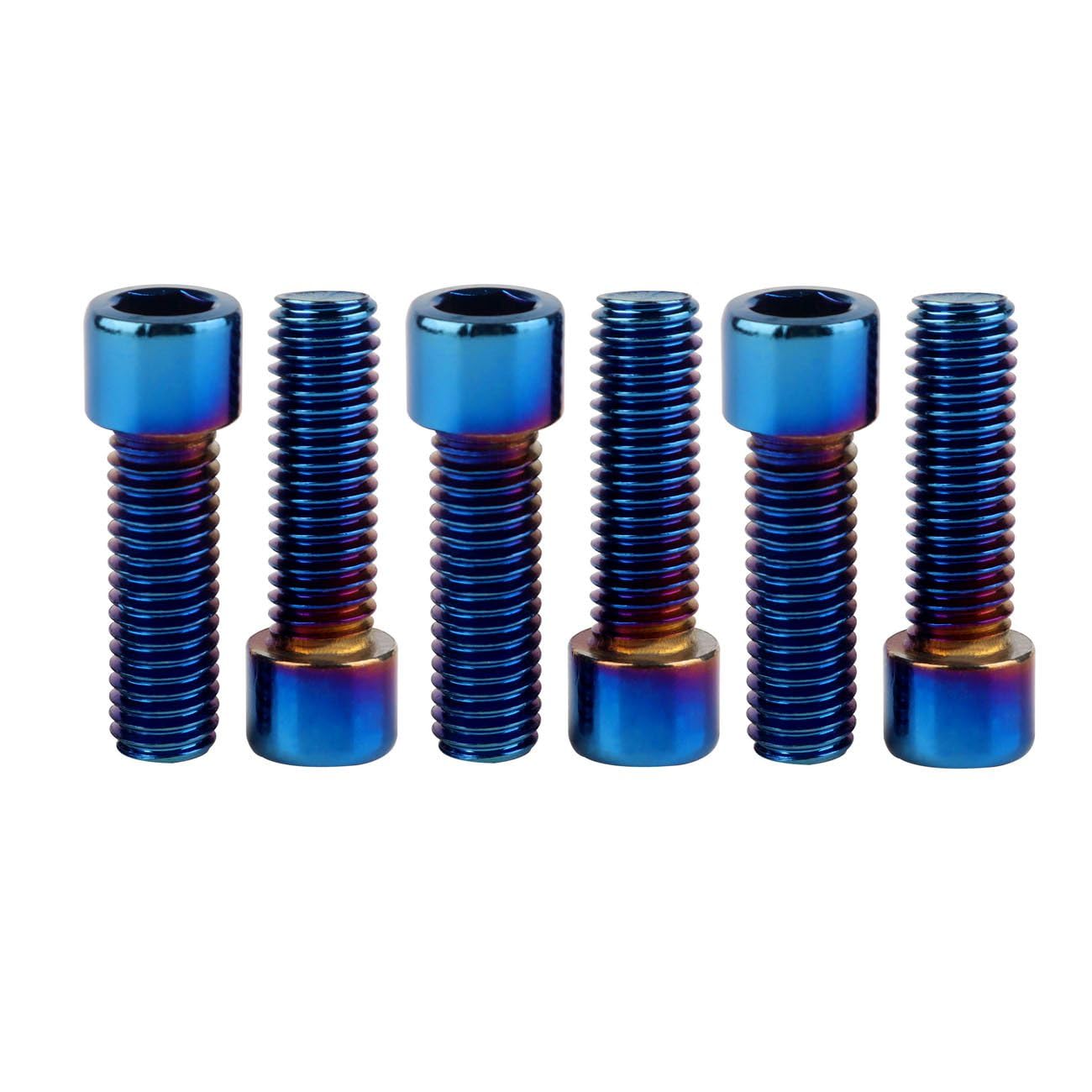
Engineering Whitepaper: The Strategic Transition to Titanium Fasteners in Dortmund & North Rhine-Westphalia
Dortmund, long celebrated as an epicenter of European heavy manufacturing and steel engineering, is experiencing an accelerated technological transformation. Today, North Rhine-Westphalia’s premier industrial zone focuses heavily on next-generation logistics systems, robotics, high-performance automotive tuning, hydrogen infrastructure, and advanced micro-mechanical assemblies. As technical specifications grow increasingly stringent, conventional Class 8.8 and 10.9 structural carbon steels, as well as A2/A4 stainless steels, frequently hit mechanical limitations regarding weight-to-strength ratios, electrochemical degradation, and structural thermal fatigue.
For design engineers operating across the technology campuses and industrial parks of Dortmund (including Phoenix West and TechnologiePark Dortmund), bespoke titanium fasteners solve critical structural challenges. In robotic end-effectors, minimizing rotational inertia is paramount; utilizing hollowed or precision-turned Grade 5 hex and Torx bolts allows servomotors to execute high-acceleration pick-and-place trajectories with reduced motor strain. Similarly, in regional automotive test tracks and performance tuning setups, replacing factory unsprung hub components with Grade 5 wheel lug bolts yields immediate dynamic handling gains through diminished rotational kinetic energy.
Core Engineering & Sourcing Competencies
Bridging source-material ingot supply directly with advanced multi-axis CNC fabrication.
Direct Mill Traceability
Headquartered in Baoji, China’s renowned "Titanium Valley," every production batch originates from verified sponge titanium and vacuum-arc remelted ingots, traceable via ASTM B348 mill certificates.
Thread Rolling & CNC Turning
Unlike standard thread-cutting which introduces micro-notches, our critical high-stress structural bolts utilize continuous-grain thread rolling to optimize cyclic fatigue resistance.
Electrochemical Anodizing
Proprietary high-voltage and micro-arc anodizing provides uniform color passivation (Burnt Blue, Gold, Purple, and Deep Black) without altering pitch diameters or thread tolerances.
Bespoke OEM/ODM Geometry
From custom reduced-shank bolts to internally cross-drilled lock-wire heads, our design engineering team transforms 2D prints (DWG/PDF) or 3D STEP files into finished hardware rapidly.
Full In-House Verification
Rigorous lot sampling incorporates optical comparators, thread pitch micrometers, hardness testers, and spectral chemical analysis prior to protective packaging and dispatch.
Direct DDP/DDU Logistics
Streamlined logistics routes serve the Rhine-Ruhr corridor with comprehensive export compliance, handling customs clearance and air express delivery straight to your warehouse dock.
Comprehensive Fastener Metallurgy: Mechanical Comparison
When selecting custom fasteners for demanding engineering assemblies in Dortmund's automated facilities, understanding the interplay between tensile threshold, density, and operating limits is essential.
| Material Specification | Tensile Strength (MPa) | Yield Strength (MPa) | Density (g/cm³) | Mass Differential | Atmospheric / Chemical Corrosion |
|---|---|---|---|---|---|
| Grade 5 Titanium (Ti-6Al-4V) | ≥ 895 | ≥ 828 | 4.43 | -44% (Base reference) | Immune to chlorides, sour gas, and salt run-off |
| Grade 2 Titanium (CP-Ti) | ≥ 345 | ≥ 275 | 4.51 | -43% | Highest resistance in aggressive acidic media |
| A4-80 Stainless Steel | 800 | 600 | 7.95 | Baseline | Moderate; subject to crevice corrosion in low oxygen |
| Class 10.9 Carbon Steel | 1040 | 940 | 7.85 | Baseline | Poor; requires zinc flake, galvanizing, or cadmium |
*Values correspond to annealed state standards per ASTM B348 and ISO 898-1. Fastener load requirements should be confirmed using joint torque calculations and environmental stress analyses.
Frequently Asked Questions: Sourcing Custom Titanium in Dortmund
Technical guidance answering common queries from German procurement officers, quality control engineers, and workshop supervisors.
How do Grade 5 titanium bolts prevent thread galling when assembled into aluminum machinery?
Titanium naturally forms an adherent oxide layer, which can cause micro-frictional cold welding (galling) when mated against aluminum, stainless, or titanium without adequate lubrication. In German mechanical applications, we recommend applying a dedicated titanium-compatible anti-seize paste (typically nickel- or molybdenum-disulfide-based) or specifying our proprietary PVD dry-film lubricated coatings during manufacture to ensure consistent clamp-load transfer.
Can custom fastener geometries be machined to German DIN / ISO industrial norms?
Yes. Our CNC centers and automated heading systems routinely manufacture bolts according to DIN 912 (socket cap), DIN 6921 (hex flange), DIN 7991 (countersunk), and ISO 4014/4017/4018 specifications, with metric fine pitches (e.g., M10×1.25, M12×1.5) and 6g thread class standards commonly demanded by Dortmund tooling shops.
What is the minimum order threshold (MOQ) for non-standard titanium architectural or mechanical parts?
While standard catalog items (hex bolts, nuts) maintain a flexible MOQ starting from 10 to 30 units, fully custom parts machined from client CAD blueprints generally carry an MOQ of 50 to 100 pieces depending on bar diameter and machining complexity. Rapid sample runs for dynamic bench testing are available upon request.
What quality documentation is provided with international direct shipments?
Every commercial dispatch is accompanied by standard EN 10204 3.1 material test certificates (MTC) stating precise chemical ingot composition and mechanical break tests. Dimensional inspection logs, gauge reports, and third-party inspection audits (SGS, TUV) can be arranged prior to customs export.
How do titanium fasteners handle thermal cycling in regional automotive exhaust and turbo applications?
Grade 5 titanium maintains superior structural integrity up to continuous service limits of approximately 380°C to 400°C, with exceptional creep resistance compared to aluminum. For applications exceeding 500°C, we advise engineering consultations to review specialized near-alpha titanium formulations or alternative nickel superalloys.