Industrial-Grade Titanium Fastening Systems
Manufactured from aerospace-certified Baoji titanium sponge bars conforming to ASTM B348, DIN, and ISO standards. Designed for high-stress vibration, saline environments, and sub-zero Baltic conditions.
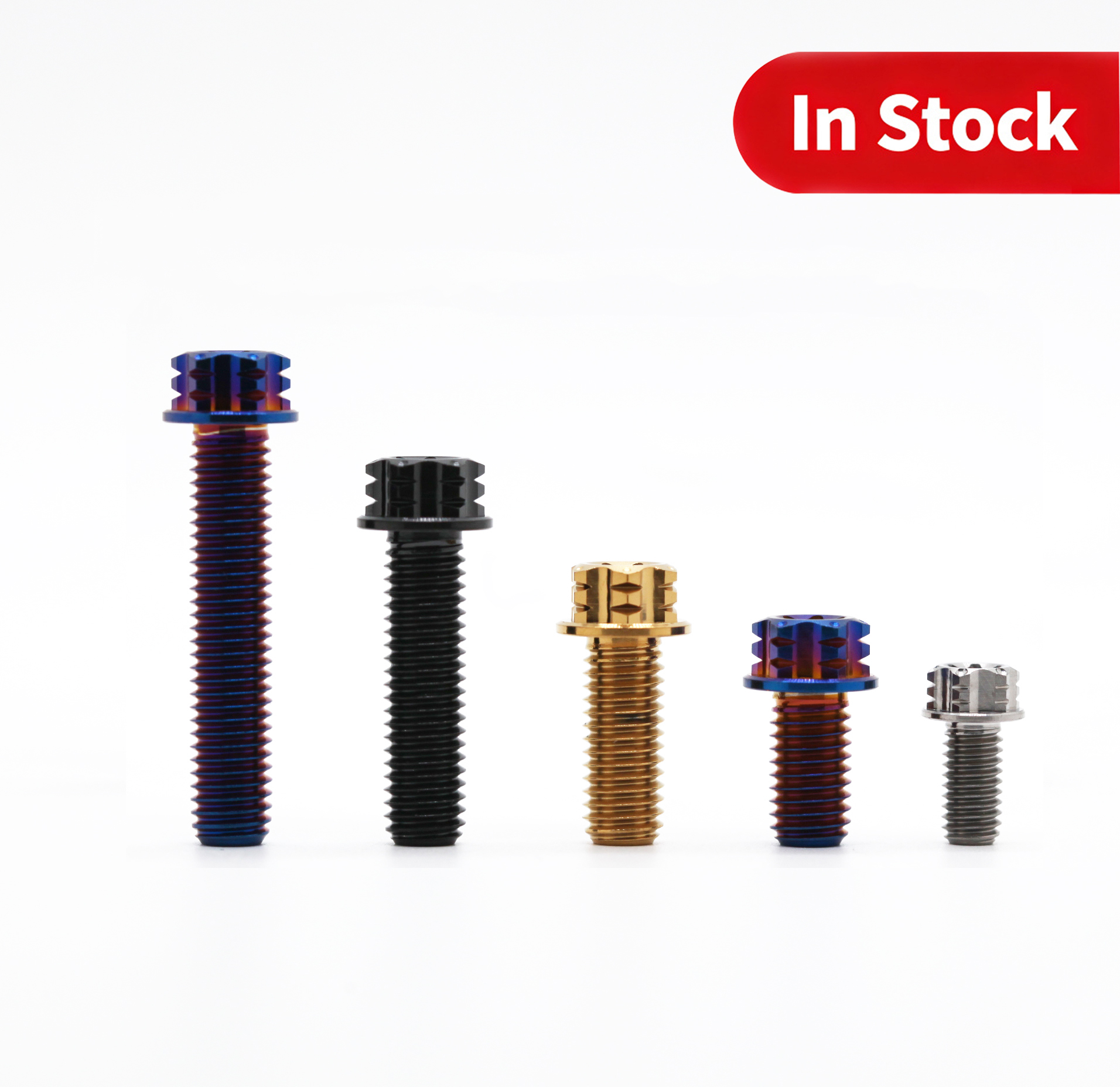
Gr5 Ti 6Al 4V Titanium Alloy Flange Bolts
- Grade: Gr5 (Ti-6Al-4V)
- Tensile: ≥ 895 MPa
- Thread: M6 – M22 Metric
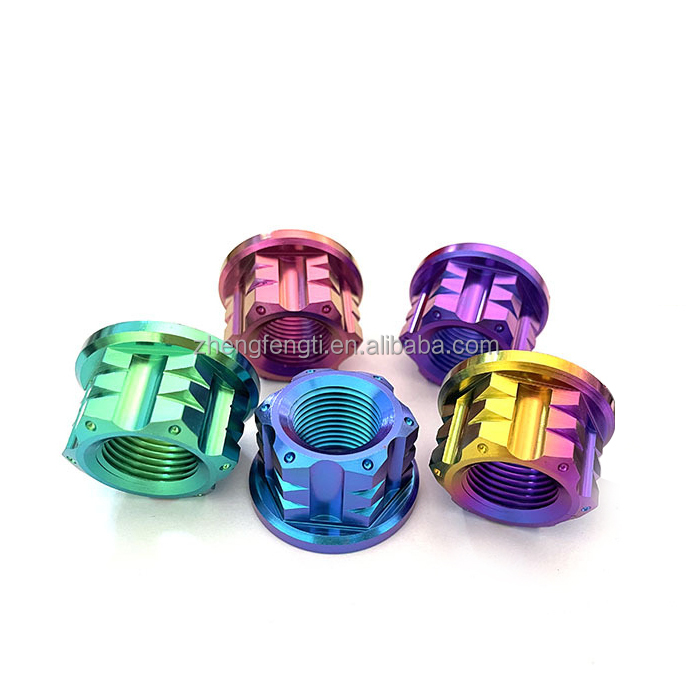
Wholesale CNC Titanium Flange Hex Nut DIN 6923
- Standard: DIN 6923 / Class 8.8
- Sizes: M4, M5, M6, M8, M10
- Feature: Corrosion-Resistant
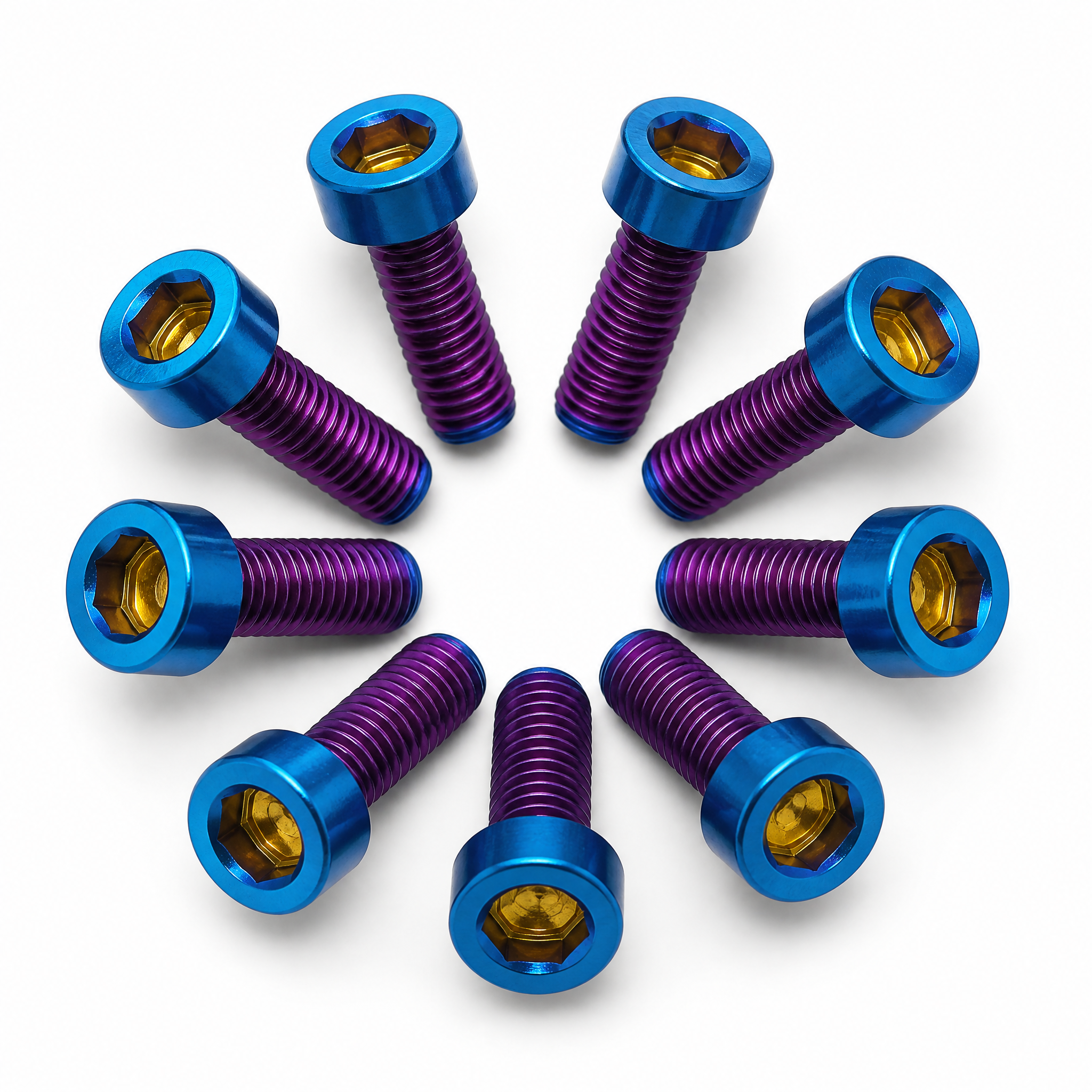
Anodized Gr5 Titanium Torx Bolts & Machine Screws
- Drive: Torx Precision Head
- Treatment: PVD / Anodized Color
- Execution: M4, M5, M6*15 Custom
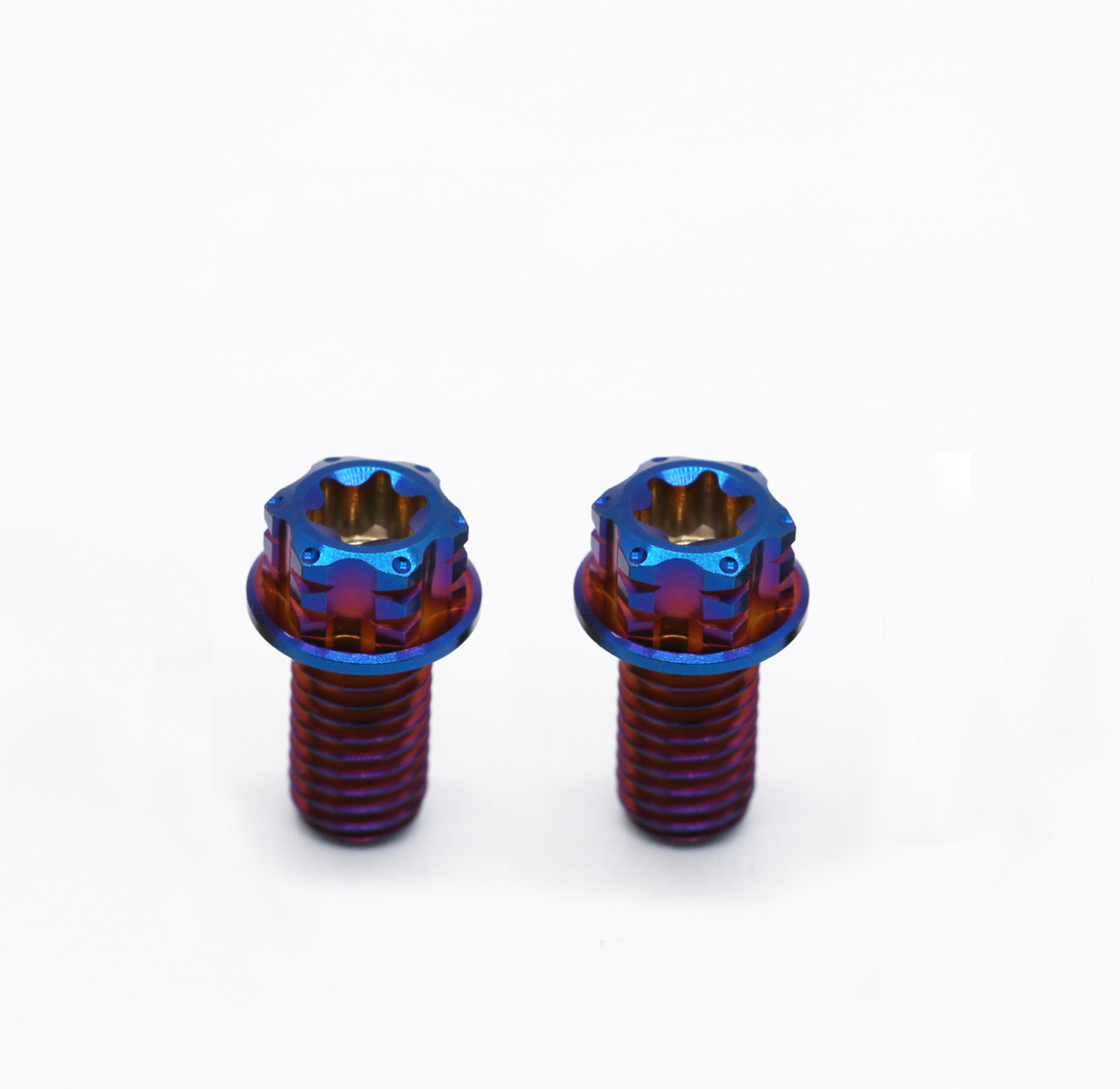
ZFTI High Strength GR5 Plain Finish Flange Bolt
- Certification: ISO 9001 Certified
- Process: CNC Precision Turned
- Application: Vibration & Structural
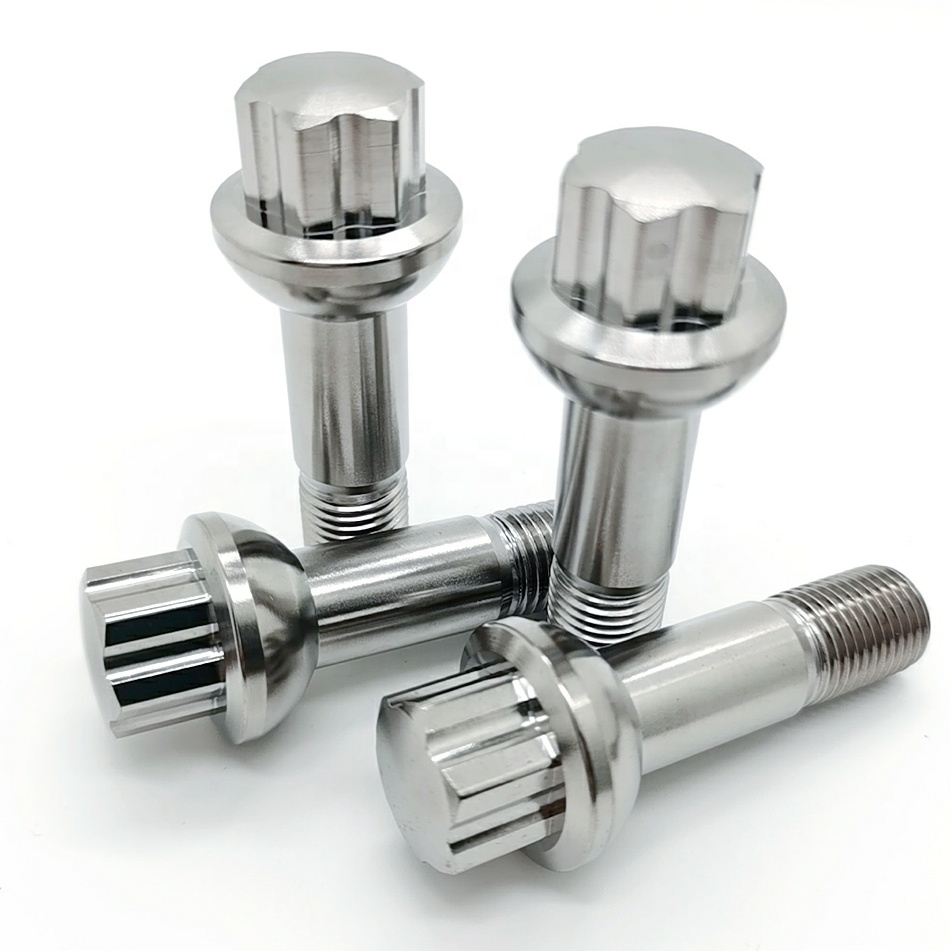
Titanium Wheel Lug Bolts M14x1.5 & M12x1.25
- Profile: Conical / Ball Seating
- Weight: 44% Lighter than Steel
- Finish: Micro-Polished Luster
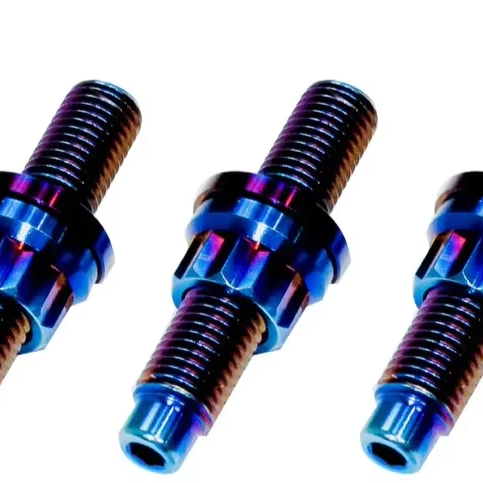
Titanium Alloy Hexagon Head Industrial Grade Bolts
- Standard: DIN 933 / ISO 4017
- Threads: M5, M6, M8 Bright Finish
- Density: 4.43 g/cm³ Alpha-Beta
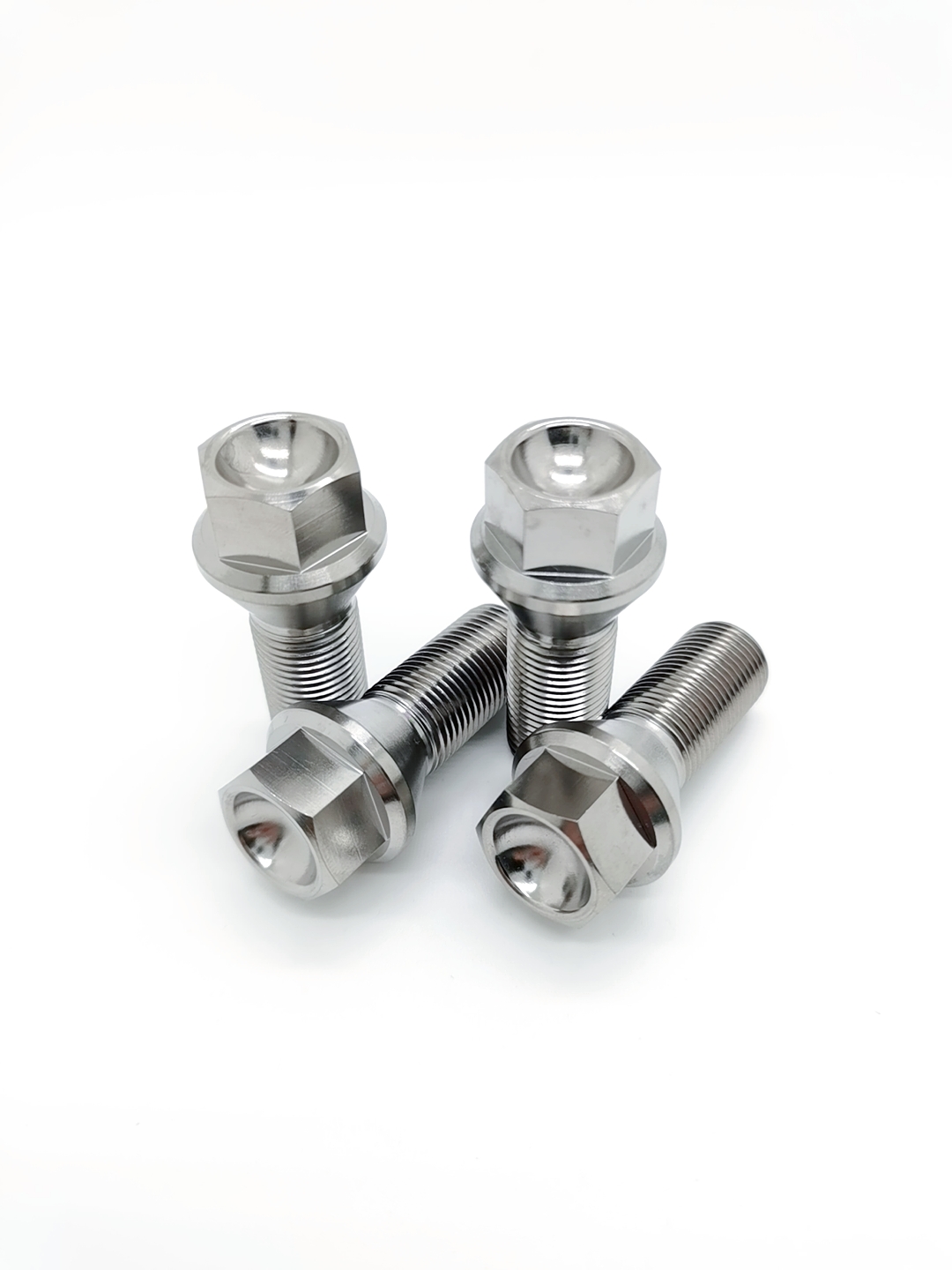
GR5 Titanium Flat Head UNC Wheel Lug Bolts
- Thread: UNC / UNF Standard
- Tensile: High-Fatigue Strength
- Service: Custom CNC Machined
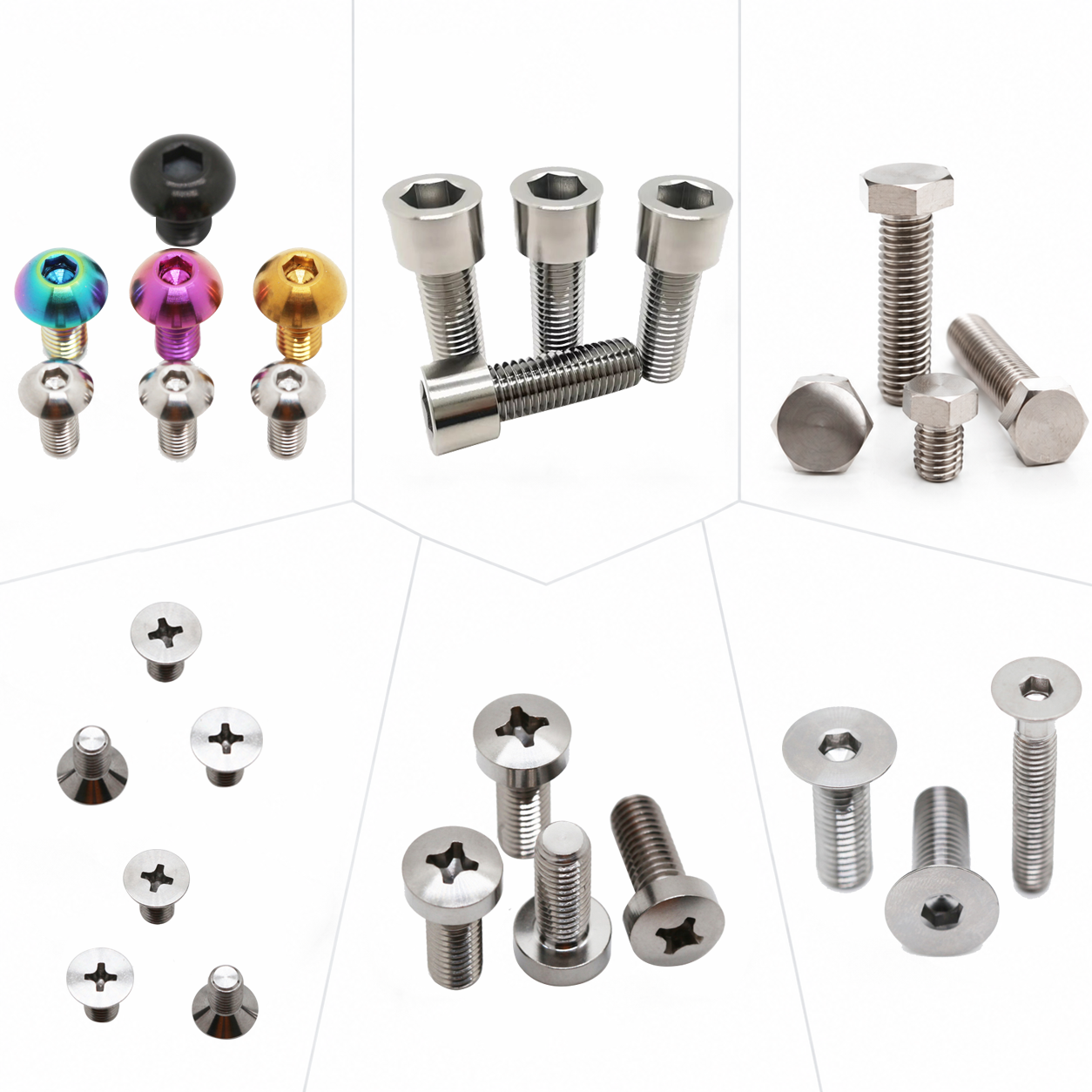
GR5 Titanium Standard Bolts & Wing Nut Fasteners
- Stock: Immediate Mill Dispatch
- Traceability: EN 10204 3.1 MTR
- Custom: OEM / Drawing-Based
Executive Sourcing Report: Titanium Wing Nuts in the Daugavpils Industrial Hub
As the primary industrial metropolis of eastern Latvia and the critical logistical crossroad of the Latgale region, Daugavpils occupies a distinct position in the Baltic manufacturing and heavy transport corridors. Historically renowned for locomotive assembly, railcar component overhauls, precision metalworking, and complex driving chain systems, Daugavpils industrial enterprises are executing comprehensive modernization strategies. Amid rigorous European Union decarbonization directives and tightening industrial equipment lifecycle parameters, regional engineers are progressively divesting from conventional electro-galvanized or austenitic stainless steel fasteners in favor of high-integrity non-ferrous alloys. Specifically, the demand for precision-machined Titanium Wing Nuts (DIN 315 / ASME B18.17) has transitioned from an esoteric aerospace curiosity into an operational imperative across local rail hubs, regional chemical apparatus facilities, and high-performance engineering assemblies.
A titanium wing nut provides a specific functional mechanic: tool-less, manual clamping and unfastening paired with extraordinary mechanical endurance and an inert chemical surface. In environments where components require rapid field inspection, recurring calibration, or hygienic sanitation without carrying heavy pneumatic tools, wing nuts are indispensable. However, when deployed in the harsh continental winters of Daugavpils—where ambient operating temperatures routinely drop below −20°C and aggressive de-icing chlorides penetrate industrial assemblies—standard carbon steel wing nuts freeze, gall, or pit through localized stress corrosion cracking. Titanium wing nuts synthesized from commercially pure Grade 2 (CP-Ti) or alpha-beta Grade 5 (Ti-6Al-4V) provide an impervious solution, offering absolute rust immunity, high strength-to-density metrics, and sustained structural integrity across extreme thermal fluctuations.
Metallurgical Taxonomy: Grade 2 Commercially Pure vs. Grade 5 Ti-6Al-4V
Specifying titanium wing nuts for Daugavpils mechanical engineering assemblies requires a rigorous evaluation of the mechanical loading matrix against metallurgical grades. Titanium is not a monolithic material; the performance variance between unalloyed alpha phase titanium and structural alpha-beta alloys dictates fastener longevity, torque holding thresholds, and cost efficiency.
| Mechanical / Chemical Property | Grade 2 (CP-Ti, Annealed) | Grade 5 (Ti-6Al-4V, Class 8.8 Equiv.) | A4-70 (AISI 316 Stainless Steel) |
|---|---|---|---|
| Ultimate Tensile Strength (Rm) | ≥ 345 – 450 MPa | ≥ 895 – 1,000 MPa | ≥ 700 MPa |
| Yield Strength (Rp0.2) | ≥ 275 MPa | ≥ 828 MPa | ≥ 450 MPa |
| Elongation at Break (A5) | ≥ 20% | ≥ 10% – 14% | ≥ 40% |
| Modulus of Elasticity (E) | 105 GPa | 114 GPa | 193 GPa |
| Mass Density | 4.51 g/cm³ | 4.43 g/cm³ | 7.95 g/cm³ |
| Pitting Resistance in Salt / Cl- | Immune (< 100°C) | Immune (< 100°C) | Subject to Crevice Corrosion |
| Primary Daugavpils Sector | Chemical, wastewater, food plants | Locomotives, rolling stock, racing | General secondary hardware |
For applications where manual clamping forces are governed entirely by human grip torque (typically generating axial pre-tension loads below 4 to 8 kN), Grade 2 Titanium Wing Nuts represent the gold standard for chemical inertness and cost-effectiveness. The unalloyed material instantly develops a tenacious, self-healing rutile titanium dioxide (TiO2) passivation film upon oxygen exposure. This film provides total resistance against industrial sulfurous acid emissions, regional agricultural nitrates, and road-salting calcium chloride residues common in southeastern Latvia.
Conversely, when titanium wing nuts are engineered for dynamic structural closures—such as high-vibration locomotive motor cowl access hatches, pneumatic filtering dampers, or auxiliary exhaust shrouds—Grade 5 (Ti-6Al-4V) is mandatory. Featuring a minimum yield strength of 828 MPa and an exceptional fatigue limit, Grade 5 wing nuts resist wing-ear deflection under cyclic harmonic vibration. In heavy Baltic freight haulage, low-grade steel wing nuts suffer shear fatigue at the juncture where the wing ears fuse to the threaded hub. Yevzo Grade 5 wing nuts, precision-turned from solid hot-rolled ASTM B348 bar stock via 5-axis CNC machining centers, feature generous internal fillet radii that entirely eliminate stress concentrations.
Engineering Rule for Baltic Assemblers: When torquing titanium wing nuts against dissimilar metals (e.g., aluminum car bodies or structural steel rail frames), always integrate insulating washers (PTFE, PEEK, or nylon) or apply molybdenum disulfide anti-seize paste to isolate electrical potentials and eliminate galvanic cell acceleration in humid winter road conditions.
Daugavpils Localized Application Scenarios
The manufacturing and municipal fabric of Daugavpils presents unique engineering environments that directly benefit from titanium wing nut installations:
Rolling Stock & Rail Workshops
Daugavpils is the epicenter of regional locomotive repairs. Titanium wing nuts secure electrical busway access covers, pneumatic brake line maintenance ports, and diagnostic battery boxes, providing tool-less access in icy conditions without risk of freezing or seizing.
Industrial Machinery & Drives
Local mechanical drive and chain manufacturing plants employ titanium wing nuts on transmission protective shrouds, test bench enclosure baffles, and optical sensor fixtures where frequent recalibration requires smooth, repeatable thumb adjustments.
Chemical & Water Treatment Infrastructure
Municipal water reclamation plants and regional chemical storage handling Daugava River utilities install unalloyed Gr2 wing nuts on manway inspection hatches, reagent dosing chambers, and air scrubbing filters vulnerable to aggressive wet chlorine gas.
Motorsport Tuning & Custom Chassis
Baltic rally cross, track, and off-road clubs based in Latgale leverage Gr5 wing fasteners for rapid bonnet retention, spare wheel hold-down racks, and aerodynamic canard adjustments where minimal unsprung weight and high rigidity are critical.
Food & Beverage Processing
Breweries, dairy processing lines, and grain transport facilities use electropolished Grade 2 titanium wing nuts across sanitary pipe couplings and separator covers, meeting strict EU food safety standards without leaching metals into the product.
Cold-Climate Marine & River Works
Pontoons, river barges, and hydrometric stations situated along the Daugava River utilize titanium hardware to withstand recurring freeze-thaw cycles, bio-fouling, and abrasive sediment drift without protective recoating.
Daugavpils Market Trends & Macro-Economic Drivers (2025–2030)
The procurement velocity for advanced titanium fasteners across eastern Latvia is propelled by three converging industrial megatrends:
1. Total Lifecycle Cost (LCC) Modernization: Procurement teams at major Baltic industrial facilities are moving past initial purchase price comparisons. While a DIN 315 stainless steel wing nut costs less up front, its real-world service life in high-salinity rail environments rarely exceeds 24 to 36 months before galling or pitting compromises the thread. Titanium wing nuts deliver a zero-maintenance lifecycle exceeding 25 years. Factoring in reduced downtime, fewer service interventions, and zero equipment failures, titanium lowers total ownership costs by approximately 38% across a seven-year operating window.
2. Tightening Rail Safety & Vibration Standards: Under updated European railway interoperability parameters (TSI standards), secondary fastening mechanisms on rolling stock must exhibit enhanced resistance against vibrational loosening without relying entirely on liquid chemical threadlockers. Titanium's lower modulus of elasticity (114 GPa versus 205 GPa in alloy steel) allows the fastener body to store more elastic energy under manual clamp loads, acting like a live spring washer that naturally damps vibrational harmonics and resists self-loosening.
3. Supply Chain Nearshoring & Direct Factory Auditing: Baltic buyers are deliberately streamlining their supply lines, bypassing multi-tiered European commercial trading houses that inflate markups on Baoji-manufactured titanium. By partnering directly with original manufacturing facilities like Yevzo Titanium Metal Co., Ltd., Daugavpils industrial consumers obtain certified mill test reports (MTR), bespoke CNC alterations to DIN 315 German type (wide wing) or American type wings, and stable FOB/DDP shipping rates directly into Riga or Daugavpils logistics hubs.
Frequently Asked Questions for Daugavpils Industrial Sourcing
Technical guidance compiled by our senior metallurgical engineers to address real-world procurement and installation challenges encountered by Baltic engineers.
What are the dimensional differences between DIN 315 German Form and American Form Wing Nuts?
+
How do Daugavpils assemblers prevent thread galling when pairing titanium wing nuts with titanium studs?
+
Can titanium wing nuts operate reliably in Baltic winter temperatures below −30°C?
+
What surface treatment options are available for titanium wing nuts, and do they affect thread tolerances?
+
What quality documentation and mill certifications accompany export shipments to Latvia?
+
What are the lead times, minimum order quantities (MOQ), and shipping channels into Daugavpils?
+
How does titanium's thermal expansion coefficient interact with steel or aluminum housing assemblies?
+
Can Yevzo manufacture custom wing nuts based on engineering STEP files or physical worn samples?
+
Why European Procurement Officers Partner with Yevzo Titanium
Headquartered in the High-Tech Development Zone of Baoji, Shaanxi—widely recognized as China's "Titanium Valley"—Yevzo Titanium Metal Co., Ltd. has specialized in non-ferrous metal manufacturing and precision CNC component machining since 2013. Operating across a vertically integrated production infrastructure, our operations span raw material preparation, three-axis and five-axis CNC turning and milling centers, automated ultrasonic cleaning baths, surface conversion lines, and rigorous metrology laboratories.
Our foundational operating principle, "Titanium concentration, service intention," guides every procurement contract. Unlike intermediaries or traders, Yevzo exercises total metallurgical traceability directly from certified titanium sponge melting through hot bar extrusion down to individual CNC toolpath execution. With over 100 dedicated machining units, an onsite-checked manufacturing facility, and an impeccable 5.0 buyer satisfaction index across Northern Europe and North America, we provide Baltic engineering enterprises with uncompromising quality assurance and direct mill pricing advantages.
Raw Material Closeness
Situated in Baoji's Titanium Valley, we source ASTM B348 Grade 1, 2, 5, and 12 bar stock with complete heat number tracking, eliminating long raw material lead times and guaranteeing consistent chemical purity.
Direct-from-Source Pricing
By eliminating overseas brokers and export intermediaries, our clients in Daugavpils and the wider Baltic region achieve significant cost reductions on volume fastener orders without compromising tolerance standards.
Full Drawing Conformance
Whether producing standard DIN 315 wing nuts, DIN 6923 flange nuts, ISO 4014 bolts, or custom-turned CNC components, we hold tolerances down to ±0.01 mm according to your precise technical requirements.
Request Technical Pricing & Factory Samples for Daugavpils
Connect directly with Yevzo metallurgists and international trade specialists. Provide your required thread profile, titanium grade (Gr2 or Gr5), dimensions, and target batch volumes for a formal proposal within 24 hours.