Core Titanium Fasteners for Bago Fleet & Auto Modifications
Direct from our CNC manufacturing facility in Baoji, China to distributors, commercial fleet operators, and tuning workshops across Bago. Certified ASTM B348 Grade 5 titanium engineered for high shear resistance, lightweight unsprung mass, and zero-corrosion longevity.
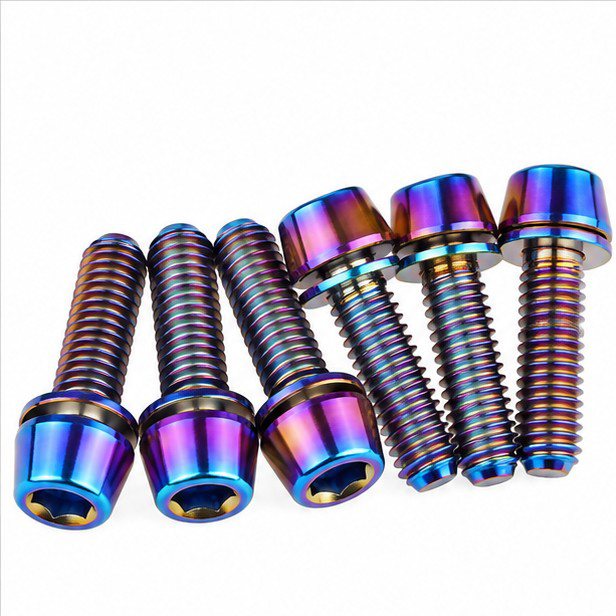
Titanium M5 Bolt with Washer Stem Screw (Burnt Blue, M5x16mm)
- Grade: Gr5 (Ti-6Al-4V)
- Dimension: M5 × 16mm w/ Washer
- Surface: Burnt Blue Anodized
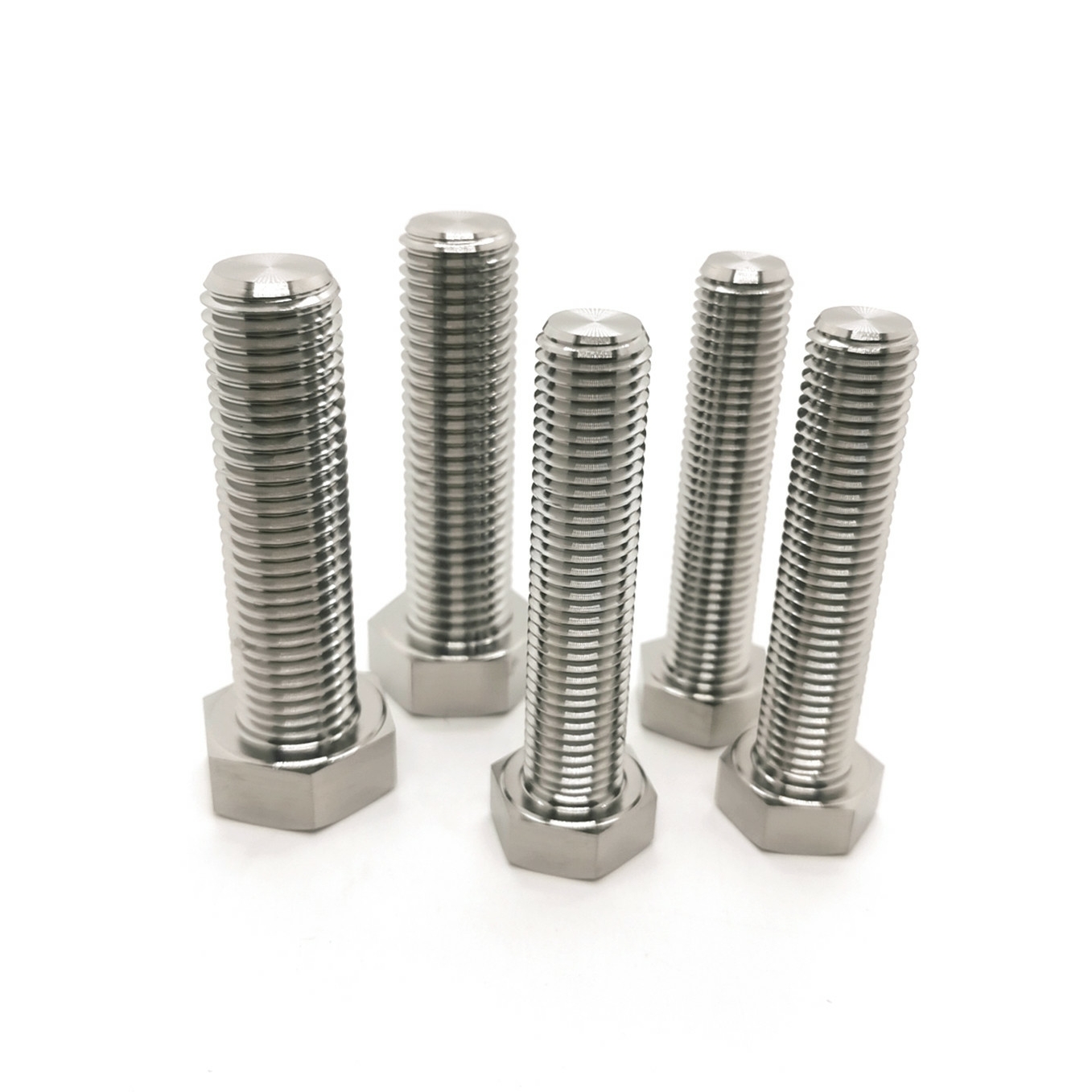
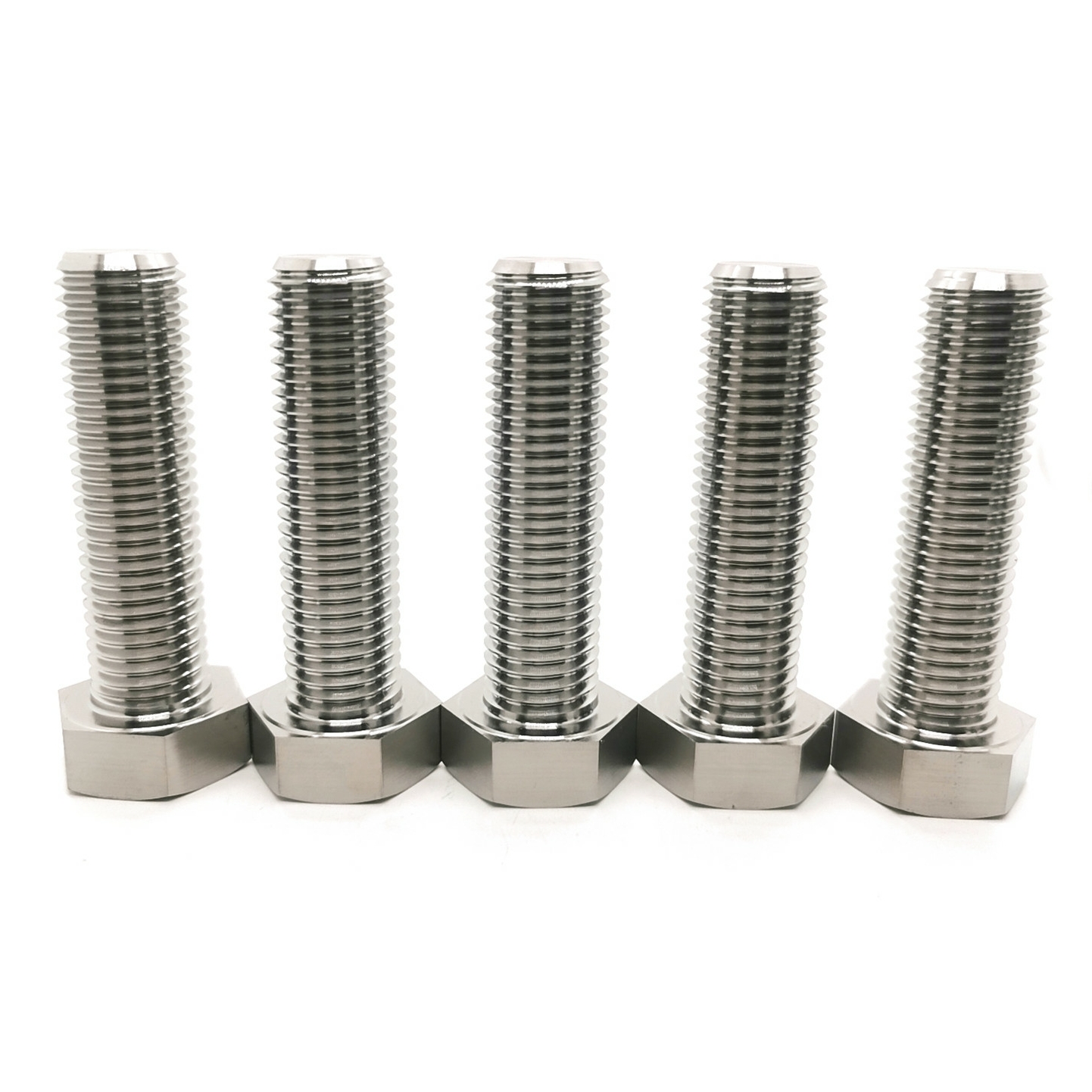
ZFTI Factory Direct Titanium Hex Bolt Full Thread ISO 4018
- Standard: ISO 4018 / DIN 933
- Diameter: M8 – M16 Full Thread
- Tolerance: CNC Machined 6g
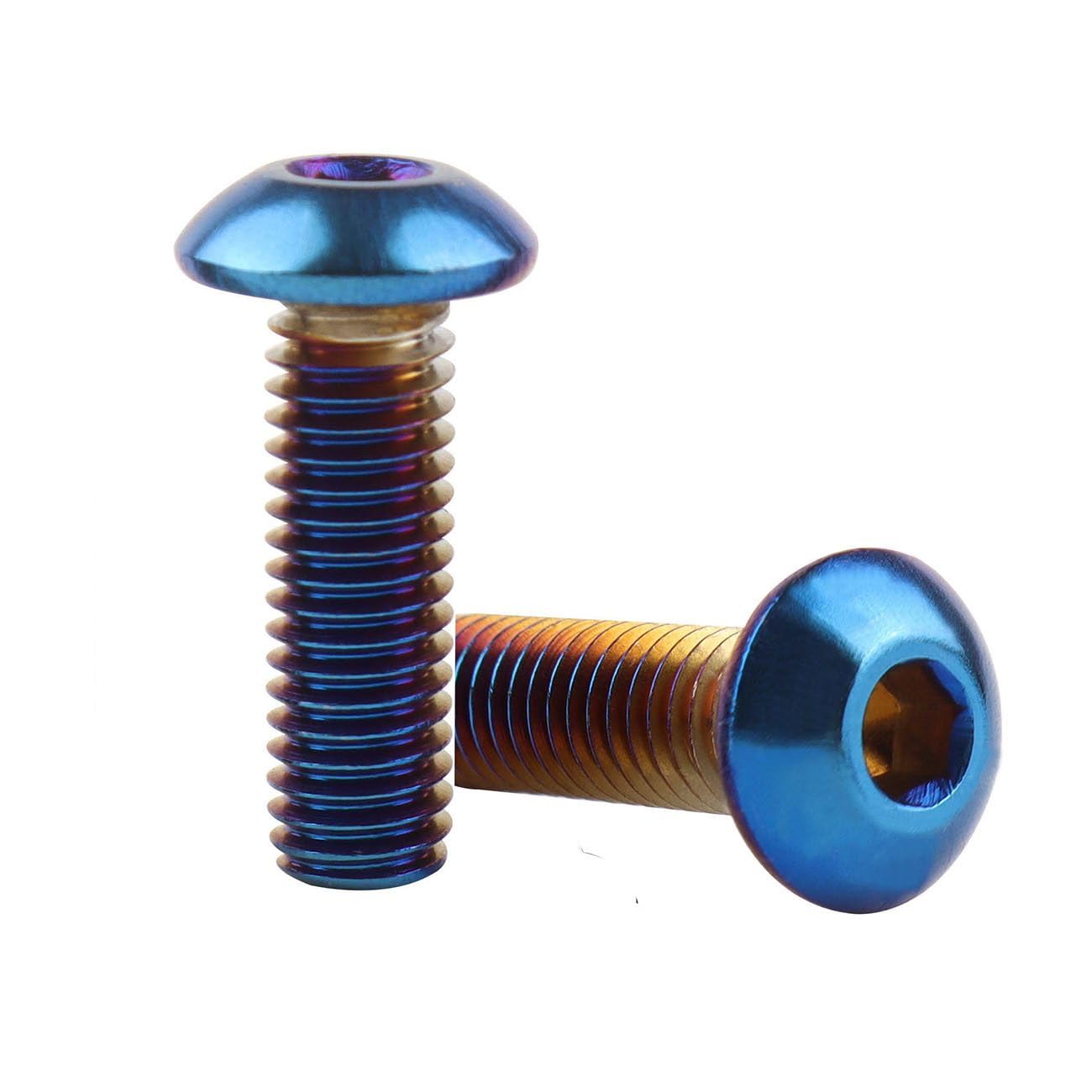
Titanium Finish Bolt M6 Burnt Blue (M6x12 to M6x35mm)
- Material: Aerospace Titanium Alloy
- Lengths: 12, 16, 20, 25, 30, 35mm
- Use: Car & Motorcycle Tuning
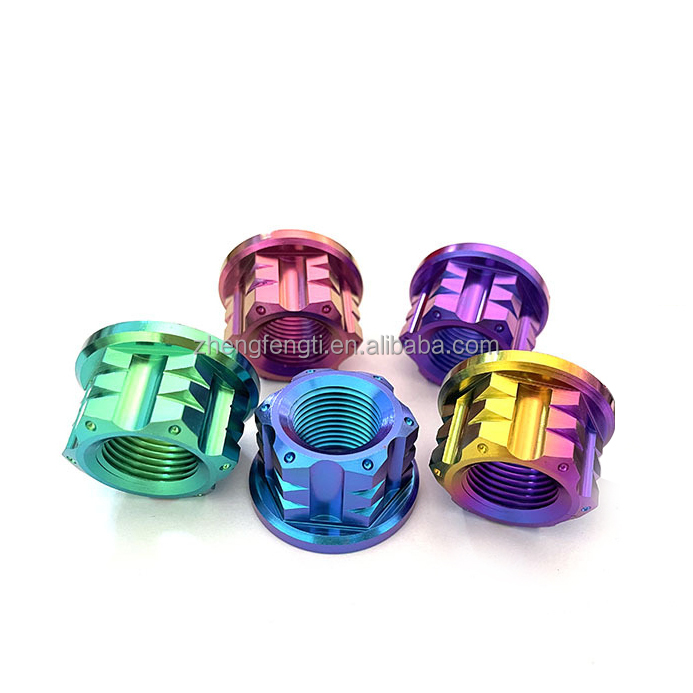
OEM All Sizes M3-M20 Titanium Hex Nut Plain Finish
- Sizes: M3 through M20 Standard
- Grade: Gr2 Commercial / Gr5 Alloy
- Standard: DIN 934 / ISO 4032
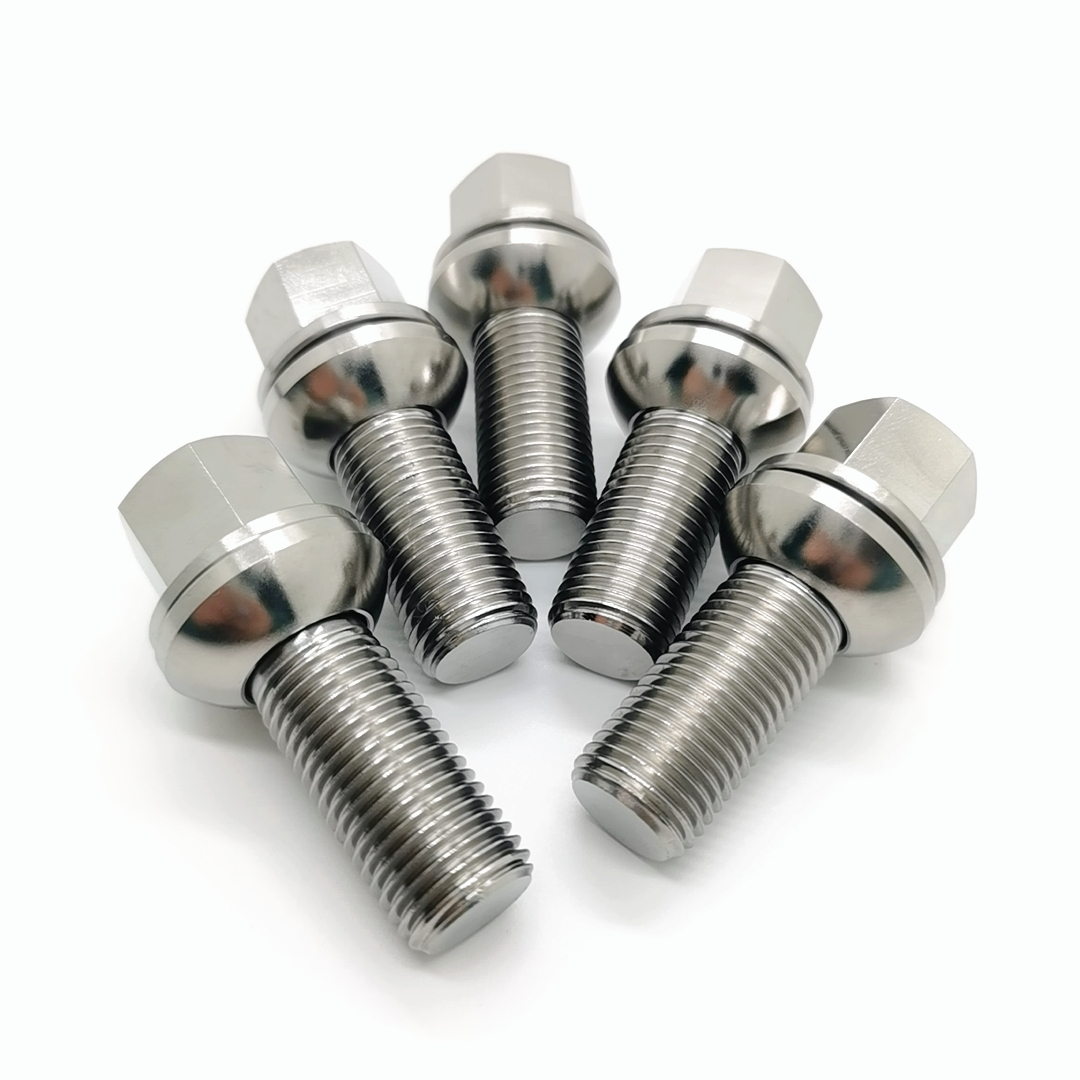
Titanium Alloy Gr5 M12 M14-1.5x30 Hex Lug Bolts High Strength
- Application: Automotive Wheel Hubs
- Thread: M12 / M14 × 1.5 Pitch
- Strength: Yield > 828 MPa (Class 8.8+)
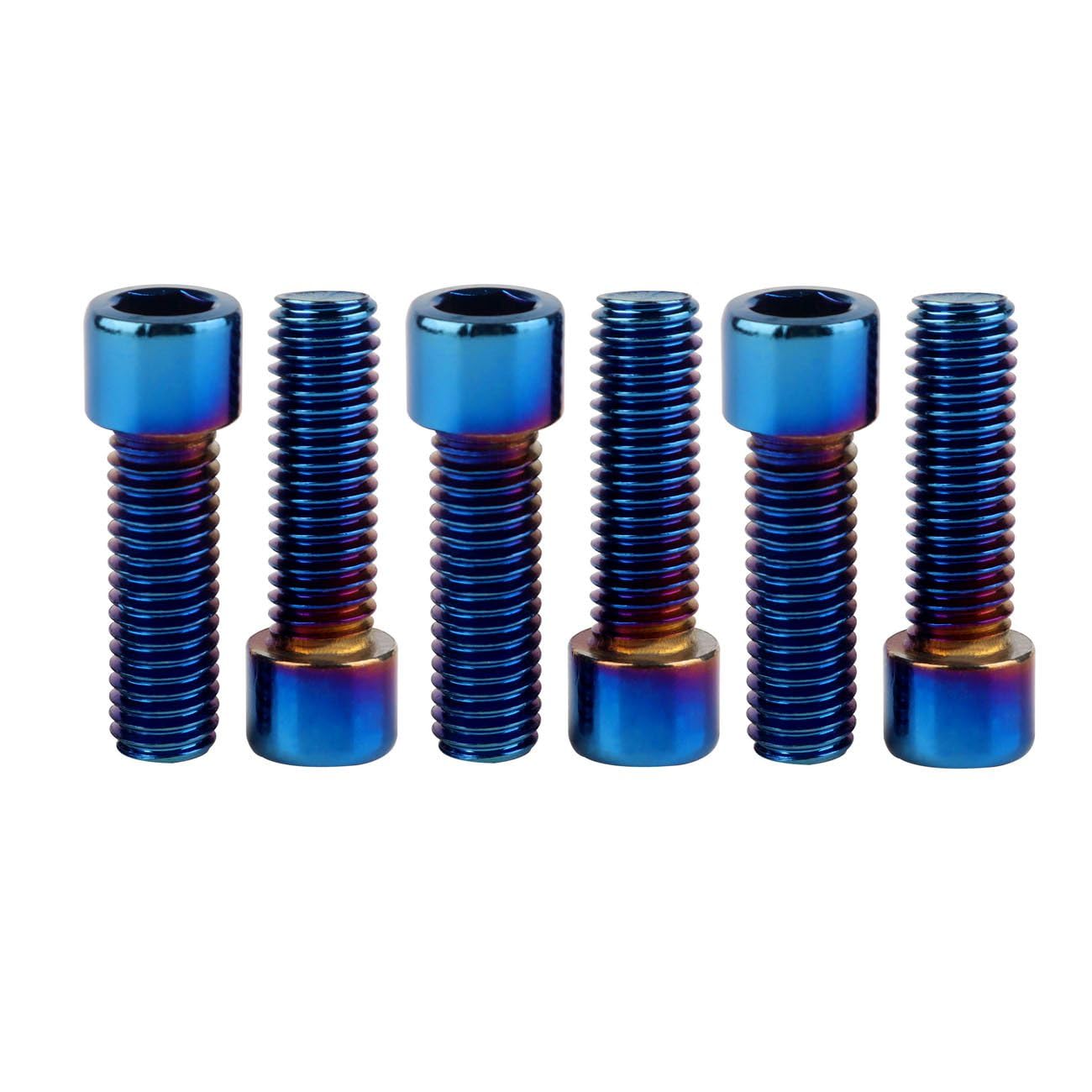
DIN912 M6 Burnt Blue Titanium Socket Head Cap Screw
- Standard: DIN 912 / ISO 4762
- Target: EBike & Light Commercial
- Processing: Cold Forged & CNC Turned
DIN912 Titanium Hexagon Socket Head Cap Screws (M0.8-M24)
- Range: Micro M0.8 up to M24
- Corrosion: Zero Marine / Salt Oxidation
- Finish: Plain Precision Turned
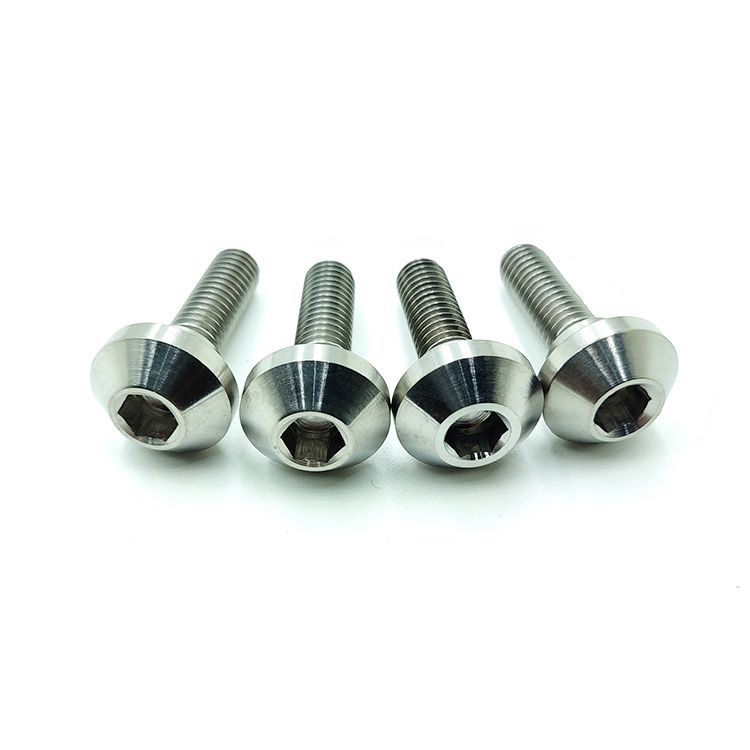
GR5 Titanium Alloy Anodized Caliper & Rotor Brake Bolts
- Rating: Class 10.9 & 12.9 Proof Load
- Application: Rotor, Caliper & Steering
- Colors: Gold, Burnt Blue, Purple, Black
Structural Integrity of Titanium Wheel Lug Fasteners in Critical Transport Corridors
Wheel fasteners represent the most dynamically stressed mechanical link in modern motor vehicles, light commercial trucks, and motorsport chassis. Operating as tensioned cantilever studs subjected to oscillating bending, axial pre-loads, and cyclic shear forces, wheel bolts must withstand harsh torsional impacts while maintaining joint clamping tension without stretching or galling. For automotive fleet operators, distributors, and tuning specialists operating within the Bago transit hub, selecting the correct metallurgy is a matter of critical operational reliability.
At Yevzo Titanium Metal Co., Ltd. (operating from Baoji Titanium Valley, China), our wheel fasteners are engineered exclusively from aerospace-certified Grade 5 Ti-6Al-4V titanium (UNS R56400 / ASTM B348). Unlike conventional carbon steel grade 8.8 or 10.9 lug bolts that rely on sacrificial zinc plating, cadmium washes, or phosphate dips to resist environmental attack, Ti-6Al-4V forms an instantaneous, tenacious surface passivation layer of rutile and anatase titanium dioxide (TiO2). This layer makes the fastener completely impervious to chloride pitting, road salts, tropical moisture, and atmospheric acidic deposits common along the Ayeyarwady basin and Lower Myanmar freight corridors.
From a rotational dynamics perspective, wheel bolts constitute unsprung rotating mass. Minimizing rotational inertia directly scales vehicle handling responsiveness, reduces suspension dampening fatigue, and improves braking efficiency. The kinetic energy stored within a rotating wheel assembly is governed by the moment of inertia equation:
Because Gr5 titanium possesses a density of approximately 4.43 g/cm³ compared to steel’s 7.85 g/cm³, our titanium wheel bolts reduce fastener mass by 43.5% to 46%. Over a 20-bolt hub configuration on commercial transport or performance sedans, this equates to significant savings in rotational inertia, leading to reduced bearing wear and instantaneous thermal dissipation through the aluminum alloy wheel rim.
| Mechanical & Physical Property | Ti-6Al-4V (Gr5 Titanium) | Automotive Steel 8.8 | Automotive Steel 10.9 |
|---|---|---|---|
| Tensile Strength (Rm) | ≥ 895 – 1,050 MPa | 800 – 830 MPa | 1,000 – 1,040 MPa |
| Yield Strength (Rp0.2) | ≥ 828 MPa | 640 MPa | 900 MPa |
| Density (ρ) | 4.43 g/cm³ | 7.85 g/cm³ | 7.85 g/cm³ |
| Strength-to-Weight Ratio | 214 kN·m/kg | 105 kN·m/kg | 132 kN·m/kg |
| Modulus of Elasticity (E) | 110 – 114 GPa | 205 – 210 GPa | 205 – 210 GPa |
| Fatigue Resistance (107 cycles) | > 510 MPa (High Endurance) | 380 MPa | 460 MPa |
| Corrosion Mechanism | Passivated TiO2 (Immune) | Rust / Galvanic Crevice | Hydrogen Embrittlement |
Another profound advantage is elastic compliance. Titanium has an elastic modulus of ~114 GPa, roughly half that of alloy steel. Under dynamic shock loading (such as heavy commercial vehicles or SUVs navigating potholed trunk roads between Bago, Thanatpin, and Kawa), titanium wheel bolts act as microscopic high-strength springs. They absorb peak shock energy and maintain clamping tension under severe cyclic vibration, eliminating the chronic bolt-loosening phenomenon that plagues brittle or overtightened steel studs.
Manufacturing Methodology
Precision CNC Turning vs. Cold Thread Rolling: Unlike generic aftermarket suppliers who machine threads via single-point CNC cutting (which interrupts the internal grain boundary of the alloy), Yevzo utilizes high-tonnage automated thread-rolling machinery. Rolled threads compress the titanium crystal structure along continuous flow lines, dramatically elevating fatigue life by up to 300% at the critical thread root radius.
Lug Seating Geometry: We engineer our titanium wheel bolts with strictly calibrated 60-degree conical taper seats, radius ball seats (R12/R13/R14 for European luxury platforms), and floating multi-piece washer collars to avoid galling between the titanium bolt head and aftermarket forged aluminum wheel interfaces.
In stop-and-go heavy hauling and continuous high-temperature braking, titanium retains tensile integrity up to 400°C without undergoing structural metallurgical temper degradation, preventing caliper heat soak from transferring to wheel hub bearings.
Localized Application Scenarios in Bago & Surrounding Logistics Corridors
Bago serves as the prime arterial freight intersection linking Greater Yangon with Naypyidaw, Mandalay, and the eastern border transit lines. Fasteners operating in this sector face distinct environmental and operational challenges.
Yangon-Bago Freight & Commercial Fleets
National Highway 1 carries continuous heavy container and bulk commodity transport. Repetitive heavy braking, uneven rural pavement, and high axle loads cause conventional steel wheel lug studs to suffer severe fatigue notch stress. Upgrading to Gr5 titanium wheel bolts provides superior fatigue thresholds, eliminating roadside stud shearing and ensuring uninterrupted logistics transit between Bago and Thilawa port terminals.
Monsoon Humidity & Agricultural Flood Plains
The Bago River basin encounters heavy monsoon downpours, seasonal standing water, and relentless high relative humidity exceeding 85% for months. Steel wheel studs and zinc-coated lug nuts quickly rust, weld themselves to wheel hubs via iron oxide galvanic locks, and strip threads upon impact tool removal. Titanium’s inert TiO2 barrier completely eradicates rust seizure, ensuring quick wheel changes and low lifecycle maintenance.
Automotive Tuning & Luxury SUV Aftermarket
Car culture across Lower Myanmar is expanding rapidly, with high-end SUVs (Toyota Land Cruiser, Lexus LX, Prado, Mercedes-Benz G-Class) and performance sedans demanding bespoke forged wheel upgrades. Our burnt blue, gold, and PVD black anodized Gr5 titanium wheel bolts deliver a distinctive aesthetic presence coupled with race-proven mechanical specifications, providing Bago custom tuning houses with an elite product offering.
Bago Industrial Parks & Material Handling
Manufacturing facilities and warehouse complexes in the Bago Industrial Zone rely on specialized forklifts, automated guided vehicles (AGVs), and heavy cranes. Equipment wheel assemblies exposed to corrosive moisture, lubricants, and chemicals benefit from titanium’s non-magnetic and non-corroding characteristics, guaranteeing plant uptime and worker safety.
High-Performance Motorcycle & EBike Hubs
Motorcycles, light electric mopeds, and commercial three-wheelers form the bedrock of daily commercial movement across Bago township. Brake rotor bolts, rear sprocket fasteners, and axle hub nuts encounter intense cyclic shock. Our DIN912 socket screws and class 10.9/12.9 brake caliper bolts deliver unyielding joint security with zero risk of premature shear.
Agricultural Machinery Hub Reinforcement
Combine harvesters, tractors, and high-clearance crop spraying vehicles navigate deep muddy paddy fields around Pyu, Daik-U, and Nyaunglebin. Acidic alluvial mud rapidly attacks regular fasteners. Titanium wheel bolts and hex flange nuts withstand relentless mud immersion without surface degradation, reducing seasonal teardown and maintenance costs.
Localized Development Trends in Bago Fastener Procurement
Over the past five years, the supply chain dynamic in Bago has evolved from low-cost, short-lifecycle galvanized carbon steel fasteners toward performance alloys and total cost of ownership (TCO) optimization. As key infrastructure projects modernize highway networks across Lower Myanmar, Bago’s strategic role as an inland distribution nexus has placed higher mechanical demands on commercial rolling stock.
1. Fleet Electrification & Weight Reduction Demands: The gradual introduction of commercial electric light trucks and hybrid passenger vehicles across Myanmar highlights weight management as a critical parameter. Because EV battery packs significantly elevate curb weight, reducing wheel hub unsprung weight using Grade 5 titanium bolts assists fleet managers in preserving tire life, mitigating rim cracking, and recovering battery range.
2. Direct Factory Sourcing to Bypassing Trading Layers: Automotive part dealers, workshops, and commercial logistics hubs in Bago are increasingly bypassing intermediate regional jobbers. By establishing direct factory relationships with primary manufacturers in Baoji, China, local importers gain direct metallurgical test reports, custom thread dimensional flexibility (custom shank lengths for wheel spacer setups), and bulk manufacturing pricing.
3. Rise of Customization & Color Anodizing: Aesthetic personalization is no longer restricted to professional motorsport. Local retailers in Bago report strong consumer interest in burnt blue, rainbow, gold, and satin-black titanium lug bolts. Yevzo’s proprietary physical vapor deposition (PVD) and controlled electrochemical anodization deliver micro-thin oxide colors that withstand mechanical impact sockets without peeling or chipping.
Total Cost of Ownership (TCO)
Standard plated steel bolts across Bago typically require replacement or thread remediation every 12 to 18 months due to severe oxidation, seized threads, and damage during manual impact wrench removal.
Grade 5 Titanium Lifecycle: 10+ years maintenance-free. With zero rust, superior fatigue endurance, and reusable structural threads, titanium fasteners represent an investment that lowers aggregate operational costs by up to 60% over vehicle service lifetimes.
Every production run destined for export to Southeast Asian ports undergoes multi-point optical thread profiling, go/no-go plug testing, and material spectroscopic analysis.
Why Bago Importers Choose Yevzo Titanium
Operating from the Honeycomb Industrial Park in Baoji, Shaanxi – China’s globally recognized Titanium Valley – Yevzo Titanium Metal Co., Ltd. combines raw material sovereignty with advanced CNC manufacturing.
Source Factory Direct
Founded in 2013, we operate in-house hot forging, multi-axis CNC lathe turning, and automatic thread rolling. No trading intermediaries, ensuring verifiable pricing and authentic factory warranties.
Mill-Certified Raw Materials
We source ASTM B348 Grade 2 and Grade 5 titanium ingots with full chemical composition and mechanical heat certificates, ensuring zero porosity and uniform tensile density.
Comprehensive OEM/ODM
We machine to your 2D blueprints (PDF, DWG) or 3D CAD files (STEP, IGES). Custom head styles, internal star/Torx drives, drilled lightweight heads, and floating washer integration.
Reliable Global Logistics
Comprehensive Incoterms support: FOB, CFR, CIF, CPT, DDP, and rapid air express. Seamless door-to-port or door-to-door delivery channels serving the Bago trade corridor.
Frequently Asked Questions for Bago Buyers
Direct technical answers from our metallurgists and export trade specialists to help automotive distributors, mechanics, and commercial fleet owners make informed decisions.
What are the standard thread dimensions and seat profiles for vehicles in Bago?
Vehicles commonly imported into Lower Myanmar generally follow specific thread pitch configurations: Japanese imports (Toyota, Nissan, Honda, Mazda, Isuzu) typically utilize M12 × 1.5 or M12 × 1.25 threads. European platforms (BMW, Mercedes-Benz, Audi, Volkswagen) and newer performance SUVs frequently use M14 × 1.25 or M14 × 1.5 threads. Seating geometry is equally crucial: OEM European wheels require Radius Ball Seats (R12, R13, or R14), whereas most aftermarket forged or cast alloy wheels utilize a 60-degree Conical Taper Seat. Yevzo manufactures both configurations with precision CNC tooling.
How should titanium wheel bolts be torqued to avoid galling in tropical climates?
Titanium fasteners have a unique friction coefficient compared to steel. To prevent galling (cold-welding of threads) and ensure correct clamping force, technicians must always apply a thin film of high-pressure copper, molybdenum, or nickel-based anti-seize paste to the threads and the seating face before installation. Due to the reduced friction from lubrication and titanium's elasticity, bolts should be tightened using a calibrated manual torque wrench to approximately 85% to 90% of the vehicle manufacturer's dry steel torque specification (typically between 110 Nm to 135 Nm for M14 lug bolts). Never use uncontrolled pneumatic impact guns for final torquing.
What is the Minimum Order Quantity (MOQ) and sample policy for Bago importers?
For standard catalogue sizes in stock (such as M12 × 1.5 × 28mm and M14 × 1.5 × 30mm hex and socket lug bolts), our MOQ starts at just 20 pieces (a complete single-vehicle set). For custom shank lengths, extended tuner studs with wheel spacer clearances, or custom anodized color requests, the standard production run starts at 100 to 200 pieces. We gladly provide evaluation samples for dimensional verification, fitment checks, and metallurgical hardness testing prior to large commercial contract commitments.
How does Yevzo manage freight, customs documentation, and delivery to Bago?
We routinely export through multiple freight corridors. Fast-turnaround commercial tuning orders are shipped via international air couriers (DHL, FedEx, UPS) directly to Yangon or Bago with transit times of 4 to 7 business days. Larger wholesale orders (several hundred kilograms of fasteners, rods, and CNC components) are routed via sea freight through Yangon Port (Myanmar Port Authority terminals) under FOB Qingdao/Shanghai or CIF Yangon terms. We provide complete documentation: Commercial Invoice, Packing List, Mill Test Certificates (EN 10204 3.1), and Certificate of Origin (Form E for tariff advantages).
Can titanium lug bolts trigger galvanic corrosion against aluminum wheel rims?
Titanium is electrochemically noble. When paired directly with aluminum in an electrolytic environment (such as brackish floodwater during Bago's monsoon season), galvanic potential can theoretically exist. However, in automotive wheel applications, this is readily and completely prevented through two established engineering practices: (1) using titanium bolts with micro-anodized or PVD surface coatings that act as non-conductive dielectric barriers, and (2) applying anti-seize paste during mounting, which isolates the metal contact surfaces and prevents electrolyte ingress into the bolt seat.
What is the difference between Grade 2 and Grade 5 titanium for wheel applications?
Grade 2 titanium is commercially pure (CP) titanium with a minimum tensile yield strength of roughly 275 – 345 MPa. While highly corrosion-resistant, Grade 2 is metallurgically unsuitable for structural wheel or suspension loading. Grade 5 (Ti-6Al-4V) is an alpha-beta alloy containing 6% aluminum and 4% vanadium, delivering a minimum tensile strength of 895 to 1,050 MPa. Grade 5 matches or exceeds high-tensile steel grade 8.8 and 10.9 ratings while weighing 45% less. Yevzo strictly manufactures wheel lug bolts and brake hardware from Grade 5 alloy.
Partner with Baoji’s Leading Titanium Fastener Factory
Whether you require standard M12/M14 titanium wheel bolts for Bago automotive wholesale, custom CNC turned racing studs, or bulk Grade 5 ASTM B348 bar stock, our technical engineering team will review your specifications, thread tolerances, and target quantities within 24 hours.