Specialized Titanium Fasteners for Venetian Engineering
Direct manufacturer sourcing from Baoji Titanium Valley. Fully traceable CNC-machined, rolled-thread titanium studs, bolts, and structural fasteners delivering zero-corrosion resilience in saline, subsea, and hypersaline lagoon conditions.
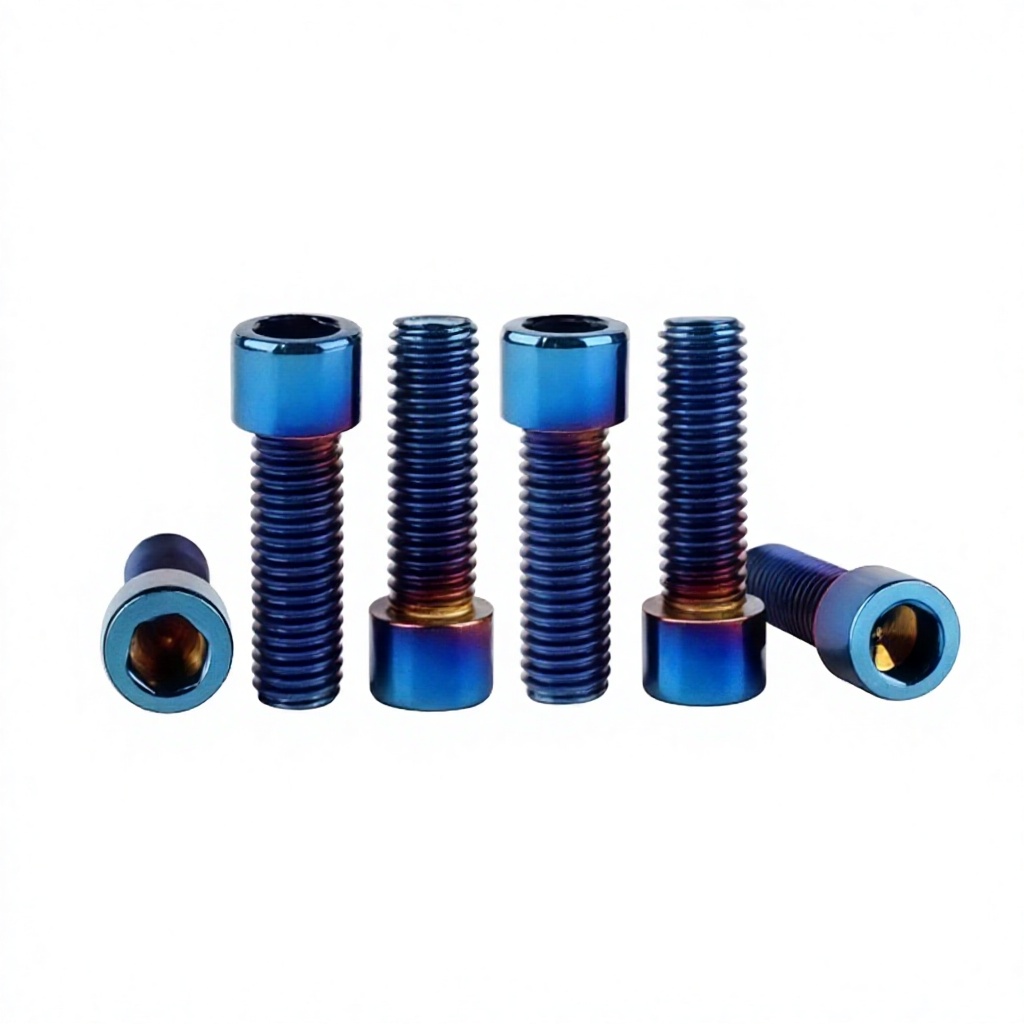
Industrial Flat Head Micro Titanium Screws (M1.6 Series)
View Specifications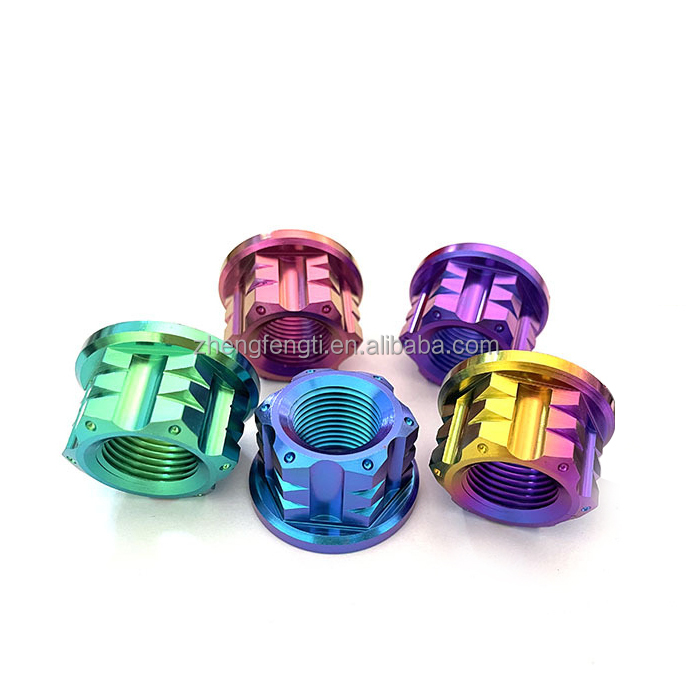
CNC DIN933 Titanium Flange Hex Nuts (M4–M10 Class 8.8)
View Specifications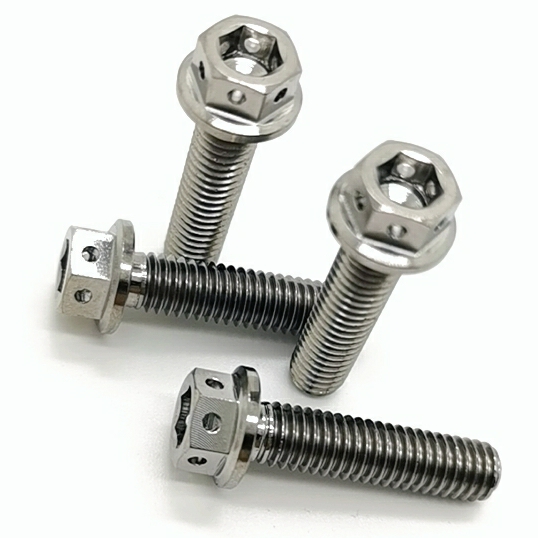
GR5 Ti-6Al-4V Socket Head Heavy Duty Marine Studs & Bolts
View Specifications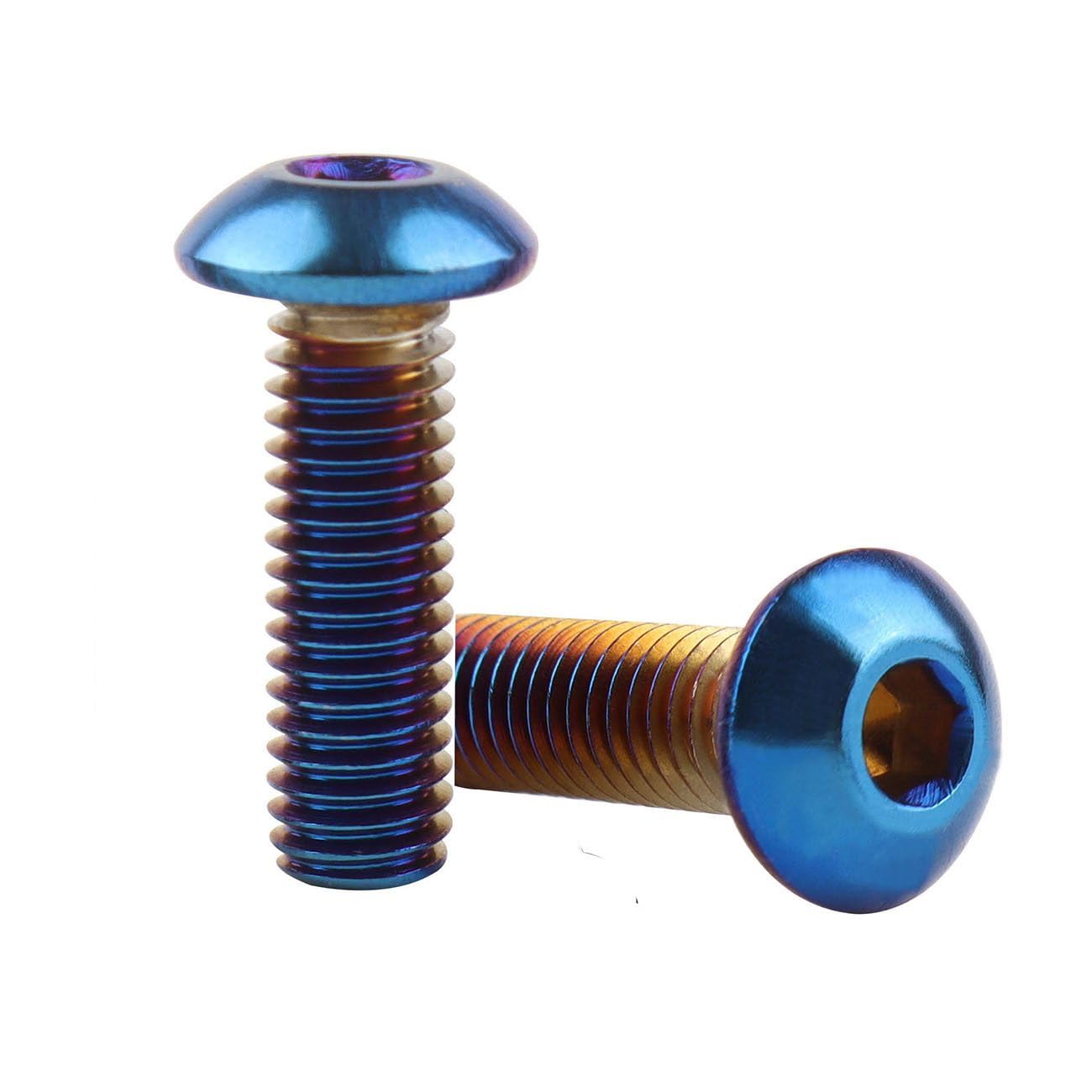
PVD Coated Burnt Blue M6 Titanium Precision Stud Hardware
View Specifications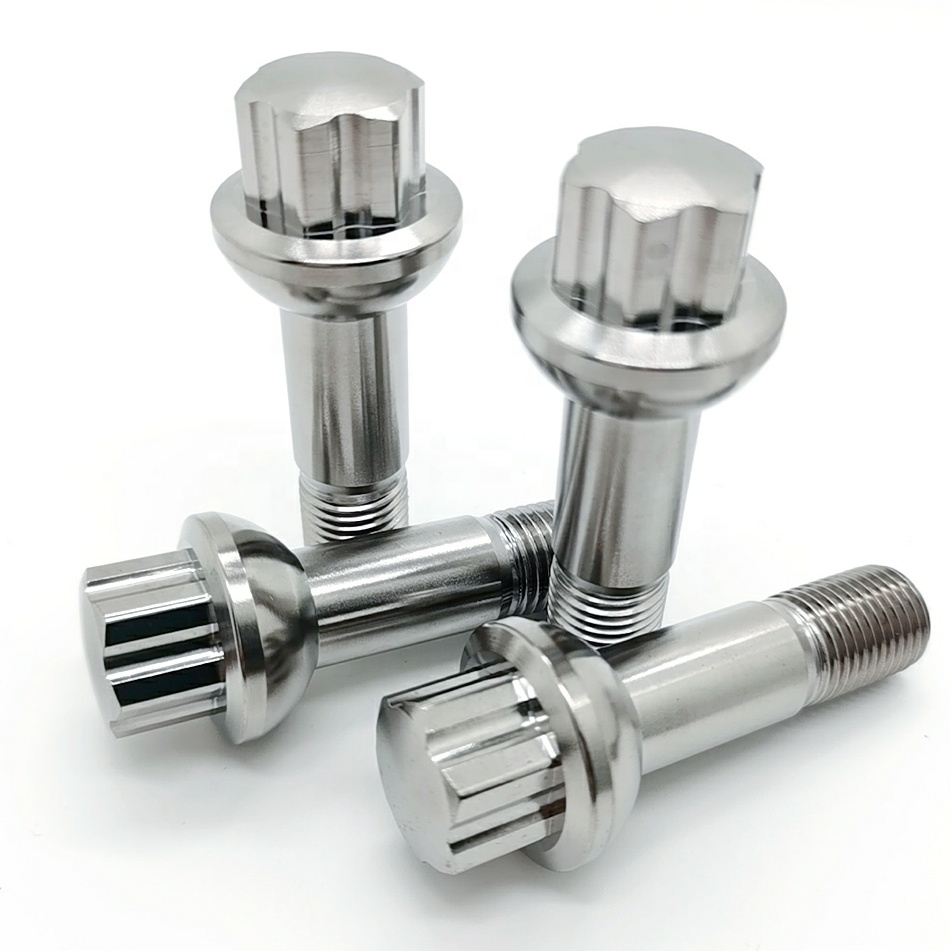
High-Tensile M14×1.5 Titanium Structural Studs & Lug Bolts
View Specifications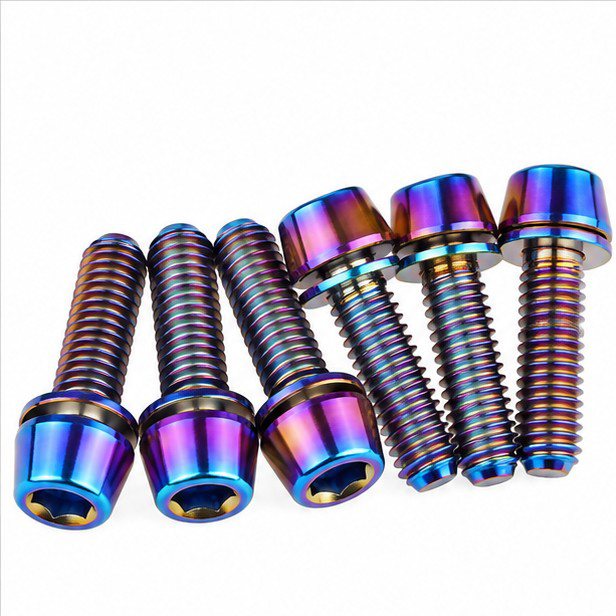
M5 Marine Sensor Mounting Stud Bolts with Integrated Washers
View Specifications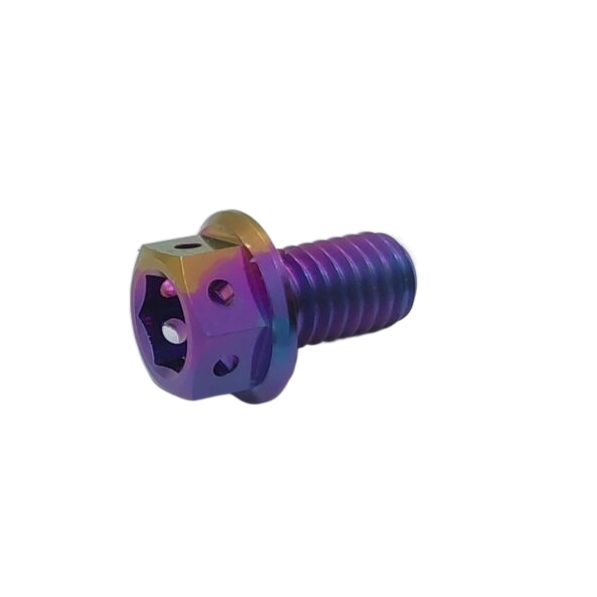
UNF / Metric Custom Threaded Flange Studs & Hex Bolts
View Specifications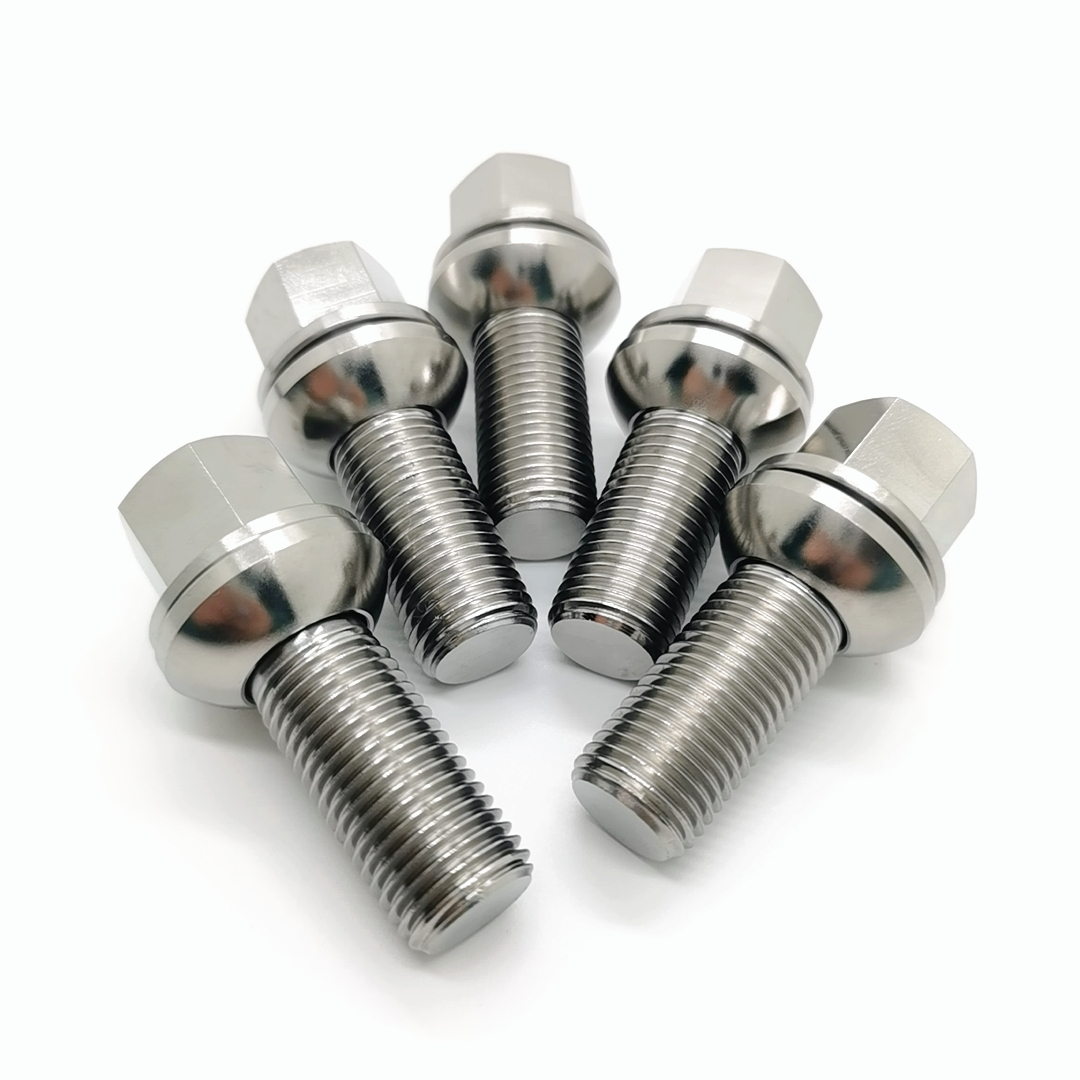
Structural Class 8.8 Gr5 M12/M14 Lag & Continuous Studs
View SpecificationsEngineering Titanium Fasteners for the Venetian Lagoon Ecosystem
The Venetian Lagoon presents one of the most mechanically demanding and chemically aggressive saltwater environments in the world. As Venice implements landmark infrastructure initiatives—ranging from the continuous operation and maintenance of the MOSE (Modulo Sperimentale Elettromeccanico) flood barrier system to the retrofitting of historic palazzi foundations, municipal waterbus (Vaporetto) dockings, and high-performance racing boat fabrication in the Marghera industrial district—traditional marine-grade stainless steels (such as AISI 304 and even molybdenum-bearing AISI 316L) consistently fall victim to pitting, crevice corrosion, and stress corrosion cracking (SCC). Yevzo Titanium Metal Co., Ltd. bridges the metallurgical gap between heavy industrial production and specialized regional maritime demands, engineering and exporting certified ASTM B348 Grade 2 Commercially Pure (CP) titanium and Grade 5 (Ti-6Al-4V) aerospace-grade double-ended, fully threaded, and structural studs configured specifically for Venice's hyper-saline, brackish, and submerged ecosystems.
Immunity to Crevice Corrosion
Unlike 316 stainless steel, which relies on a fragile chromium oxide layer prone to breakdown in low-oxygen crevices, Grade 2 and Grade 5 titanium form an instantaneous, persistent, self-healing rutile (TiO2) passive film that prevents pitting even in stagnant, high-chloride lagoon sludge and salt mud.
Strength-to-Weight Efficiency
Grade 5 (Ti-6Al-4V) provides a minimum tensile yield strength exceeding 828 MPa with an ultimate tensile strength over 895 MPa, matching Class 10.9 high-tensile carbon steels while offering a 45% reduction in deadweight—critical for hybrid Venetian water craft and sensitive hydrofoil systems.
Dynamic Fatigue Life
Continuous tidal action, wave wakes from transit vessels, and hydrostatic surges subject threaded studs to multi-axial cyclical fatigue. Titanium studs manufactured with CNC rolled threads resist cyclic fatigue fracture, providing virtually infinite service life without brittle spalling.
Metallurgical Comparison: Fasteners in Hyper-Saline Lagoon Environments
| Performance Characteristic | Yevzo Gr5 Titanium (Ti-6Al-4V) | Marine Stainless (AISI 316L) | Duplex Steel (2205) | Structural Steel 8.8 (Galvanized) |
|---|---|---|---|---|
| Pitting Resistance (PREN) | Exempt (Immune in ambient sea water) | 23–25 (Susceptible to crevice attack) | 35 (Pits under low oxygen) | N/A (Rapid galvanic coating failure) |
| Yield Strength (Rp 0.2, MPa) | 828–880 MPa | 220–290 MPa | 450–500 MPa | 640 MPa |
| Ultimate Tensile Strength (MPa) | 895–1000 MPa | 520–680 MPa | 680–880 MPa | 800 MPa |
| Mass Density (g/cm³) | 4.43 g/cm³ (−44% vs steel) | 8.00 g/cm³ | 7.80 g/cm³ | 7.85 g/cm³ |
| Crevice Corrosion in Stagnant Sludge | Zero attack recorded | High vulnerability within 12–24 months | Moderate resistance | Catastrophic loss |
| Elastic Modulus (GPa) | 110–114 GPa (High shock absorption) | 193 GPa | 200 GPa | 205 GPa |
Localized Applications Across Venice & the Veneto Maritime Cluster
MOSE Subsea Gate Maintenance
The flood barrier sea-gate hinge housings, actuator sensors, and submerged flange assemblies require double-ended studs that resist continuous immersion without bio-fouling degradation or hydrogen-assisted micro-fissuring.
Electrified Waterbuses & Taxis
As Venice converts public transport and private taxi vessels to battery-electric and hybrid drivetrains, minimizing topside and drivetrain weight is paramount. Gr5 titanium studs anchor battery enclosures, electric thrusters, and steerable saildrives.
Palazzi Foundation Restoration
Restoring centuries-old Venetian structures resting on submerged wooden piles requires anchoring modern sub-aqueous consolidation cages. Titanium continuous threaded tie-rods provide permanent tensile load-bearing across tidal zones.
Marghera Petrochemical Hardware
Porto Marghera's coastal chemical plants process chlorides, chlorinated hydrocarbons, and seawater cooling effluents. Grade 2 CP titanium stud bolts assemble heat exchanger plates, marine valves, and piping flanges without risk of stress cracking.
Veneto Racing Yacht Yards
Venice's custom yacht building clusters utilize Grade 5 rolled-thread studs for carbon-fiber hull-to-keel bonding, high-load deck winches, mast step anchorages, and rudder shaft pintles where weight reduction directly enhances stability.
Oceanographic Research Bouys
Autonomous monitoring stations collecting hydrographic salinity data across the lagoon entrance rely on non-magnetic Grade 5 titanium studs to prevent sensor interference and maintain structural integrity across decades of exposure.
The Venice Decarbonization Mandate & Lightweight Fasteners
The municipality of Venice has established strict low-emission and low-wake mandates across the Grand Canal, Giudecca, and wider lagoon waterways. This regulatory environment is driving an acceleration in battery-electric and hydrogen fuel-cell retrofits for commercial watercraft. Because battery energy density cannot yet rival diesel, vessel architects are forced to shed every possible kilogram from structural joinery and drivetrain systems. Titanium threaded studs, hex flange nuts, and socket hardware are experiencing rapid adoption among Venetian naval yards: replacing steel studs with Grade 5 titanium reduces bolting mass by 44% across engine mounts, cooling manifolds, and hull assemblies, while eliminating the costly annual inspection cycles associated with corroding naval brass and stainless alloys.
Why Venetian Marine Engineers Source from Yevzo Titanium
Direct From China's Titanium Valley
Situated in the Baoji High-Tech Development Zone, Yevzo sources certified sponge and double-melted ingot directly at the origin, eliminating intermediary markups and ensuring strict material purity from bar extrusion to cold heading.
Rolled Threads vs. Cut Threads
Our heavy-duty titanium threaded studs feature cold-rolled threads that retain continuous grain flow structure. This increases root surface hardness by 15% and improves cyclical fatigue endurance under Venice's harmonic wave-slap conditions.
Flexible DDP Shipping to Veneto
We provide comprehensive international shipping services including Delivered Duty Paid (DDP Venice / Marghera port), clearing European customs and value-added tax so shipments arrive straight at your shipyard or repair machine shop.
Frequently Asked Questions: Purchasing Titanium Studs for Venice Projects
How do we prevent galvanic corrosion between titanium studs and bronze/aluminum hull fittings?
Titanium is electrochemically noble (+0.05V vs SCE). When coupling titanium threaded studs directly into aluminum hull structures or naval bronze bushings in conductive lagoon waters, use non-conductive PTFE or nylon isolation sleeves, ceramic-coated washers, or nickel-based anti-seize lubricants with PTFE to eliminate galvanic circuits.
What is the recommended installation torque for Gr5 titanium studs versus steel studs?
Because titanium's elastic modulus (~114 GPa) is roughly half that of alloy steel (~205 GPa), installation torque values should be recalibrated. Grade 5 titanium should typically be torqued to approximately 70% to 80% of standard Class 8.8 steel values, always applying molybdenum disulfide or titanium-compatible anti-seize paste to avoid thread galling during high-speed run-down.
Can Yevzo machine custom double-ended studs according to European DIN or customer drawings?
Yes. We manufacture fully threaded DIN 975/976 rods, DIN 938 / DIN 939 tap-end studs, and custom asymmetric step-down studs. Provide your 2D PDF or 3D STEP files with specified root radii, thread pitches (Metric coarse, fine, or UNC/UNF), and desired surface finishes (machined plain, electro-polished, or anodized).
What quality certifications are supplied for Venice municipal or marine infrastructure tenders?
Every production batch includes full EN 10204 3.1 Mill Test Certificates (MTC) detailing heat numbers, chemical composition (spectrometric verification of Ti, Al, V, Fe, C, N, H, O content), tensile yield strength, elongation percentages, and thread pitch gauge inspection records. Third-party inspections via SGS or TÜV can be arranged prior to dispatch.
What are your minimum order quantities (MOQ) and sample lead times for Italian maritime clients?
Standard catalogue threaded studs (M4 to M24) carry low MOQs starting from 20 to 50 pieces, allowing engineering prototypes and repair tests. Custom CNC drawing-based components are quoted quickly, with rapid air courier delivery (via DHL/FedEx) reaching Venice Marco Polo (VCE) or Treviso (TSF) logistics centers within 5 to 8 working days.
Ready to Engineer Zero-Corrosion Assemblies for Venice?
Consult with our metallurgists and CNC manufacturing specialists today. Send us your dimensional drawings, load criteria, and project timeline for a comprehensive manufacturing quote and feasibility analysis.
Send an Inquiry