Precision CNC
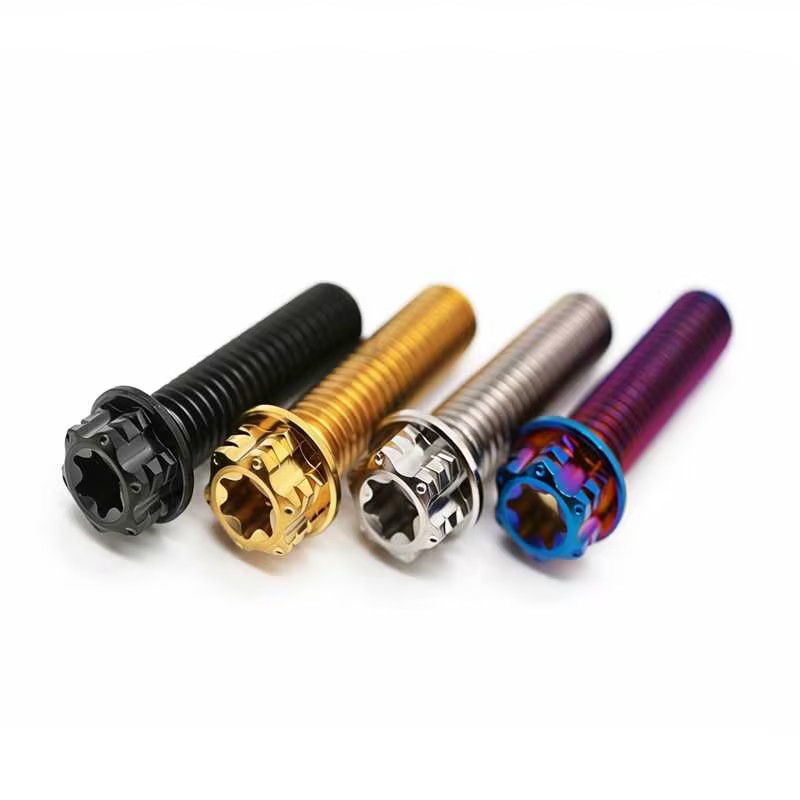
Factory-direct Ti-6Al-4V and commercially pure titanium precision studs, bolts, and hardware manufactured to meet strict international aerospace, motorsport, and marine tolerances.
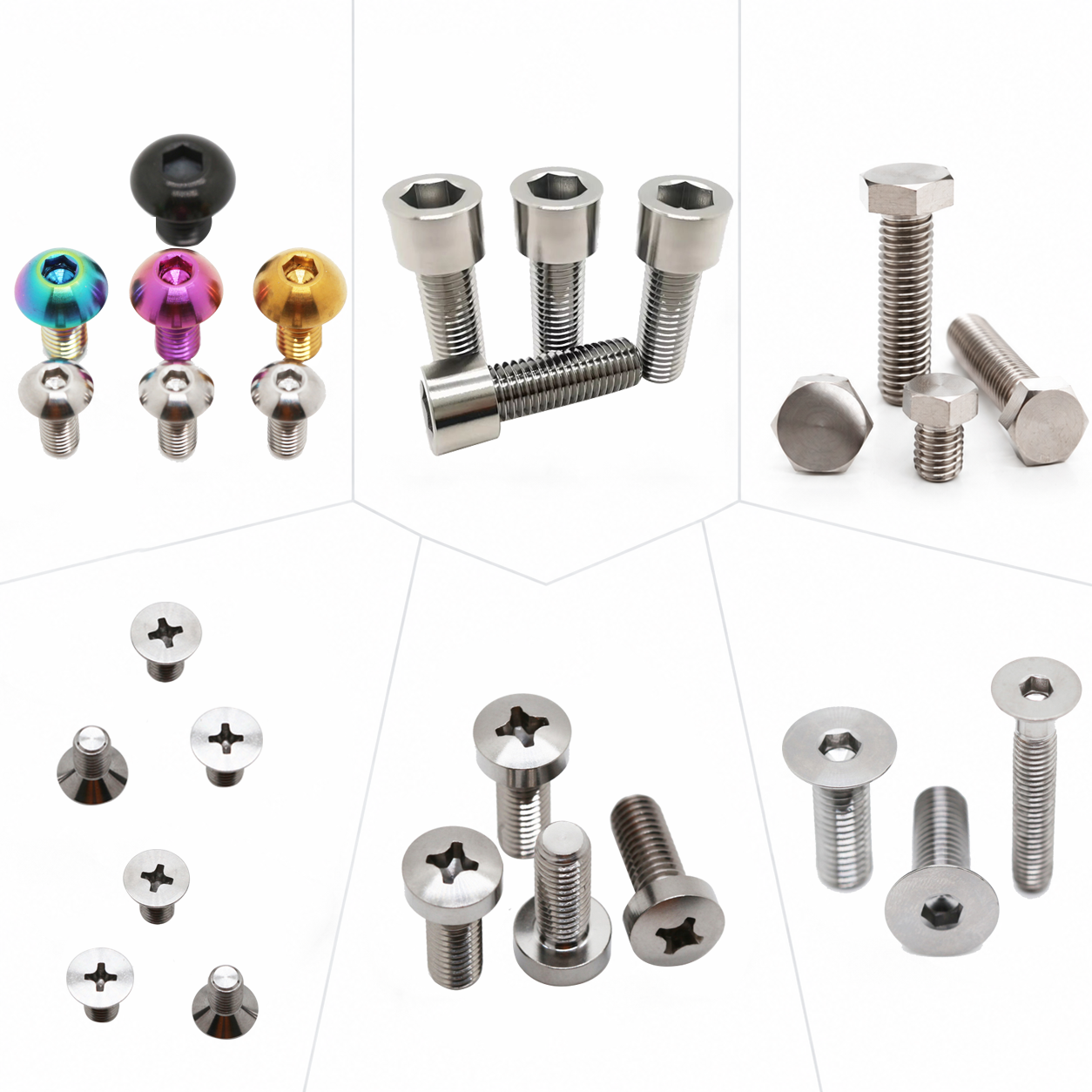
A comprehensive technical evaluation covering metallurgical properties, yield-to-density benefits, thread-rolling tolerances, and supply line risks for American procurement teams and aerospace engineers.
Procurement professionals in the United States routinely navigate trade-offs between standard austenitic stainless steels (such as 316L, 18-8, or 304) and titanium alloys when purchasing all-thread rods and double-ended studs. Commercially Pure Grade 2 Titanium provides exceptional ductility and unmatched resistance to oxidizing acids, brine environments, and chlor-alkali systems, making it the staple for coastal civil projects and desalination infrastructure. With a minimum yield strength of 275 MPa and tensile rating around 345 MPa, Gr2 serves applications where stress loads are modest but atmospheric corrosive exposure is severe.
Conversely, Grade 5 (Ti-6Al-4V, UNS R56400) represents the pinnacle of structural performance. As an alpha-beta alloy, its tensile strength tops 895 MPa (130 ksi) with yield properties exceeding 828 MPa. When evaluated against class 8.8 and even grade 5/B7 steel rods, Grade 5 titanium offers an extraordinary strength-to-weight ratio: maintaining a density of merely 4.43 g/cm³ compared to steel's 7.85 g/cm³. This yields an instantaneous 44% deadweight reduction across continuous assemblies, structural trusses, subsea pipeline clamps, and motorsport suspension linkages without sacrificing yield margin.
| Standard Specification | Material Designation | Min Tensile (MPa) | Min Yield (MPa) | Elongation (%) | Thermal Expansion (×10⁻⁶/K) | US Industry Adoption |
|---|---|---|---|---|---|---|
| ASTM B348 / F67 | Titanium Gr2 (Unalloyed) | 345 MPa | 275 MPa | 20% | 8.6 | Chemical & Marine |
| ASTM B348 / AMS 4928 | Titanium Gr5 (Ti-6Al-4V) | 895 MPa | 828 MPa | 10% | 8.8 | Aerospace & Defense |
| ASTM F136 | Ti-6Al-4V ELI (Medical) | 860 MPa | 790 MPa | 10% | 8.7 | Medical Implantable |
| ASTM A193 B7 (Ref) | Cr-Mo Alloy Steel | 860 MPa | 720 MPa | 16% | 12.2 | Heavy Oil & Gas |
A frequent point of catastrophic fatigue in threaded rods involves the method of thread formation. In budget-tier production, threads are single-point cut or die-chased from annealed round bar. While acceptable for non-dynamic structural fixtures, cut threads sever the natural metallurgical grain structure of the titanium bar, generating micro-notches at the root that invite stress risers and fatigue cracking.
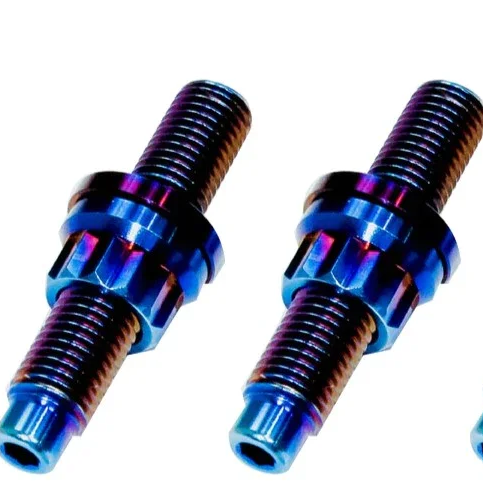
At Yevzo Titanium, full-length all-thread bars and double-end studs leverage cold thread-rolling techniques under controlled lubrication. The rolling dies plastically deform the outer fiber layers, burnishing root radiuses and inducing beneficial compressive residual stresses along the thread profile. This precision increases fatigue life by up to 300% under cyclical vibratory conditions, critical for performance applications in US defense aviation, offshore tensioning systems, and racing vehicle drivetrains.
Titanium’s spontaneous surface oxide film (TiO&sub2;) affords its legendary passive protection, yet that same dry oxide film renders titanium threads inherently susceptible to cold welding (galling) when torqued dry against mating titanium or stainless nuts. US design engineers must insist on assembly protocols employing high-purity, metal-free anti-seize paste (such as molybdenum disulfide or nickel-based lubricants) during installation.
Moreover, when joining titanium rods through aluminum alloy castings or magnesium housings, the substantial galvanic potential difference (approx. 0.85V in chloride solutions) requires consideration. Proper assembly demands non-conductive phenolic or PTFE isolation sleeves and sacrificial zinc or cadmium plating schemes on adjacent structural members to maintain permanent joint stability.
How regional manufacturing hubs, coastal infrastructure projects, and advanced technological facilities deploy titanium threaded studs to eliminate operational failure.
Installed across Texas and Louisiana refinery units, offshore rigs, and subsea risers where exposure to sour gas (H&sub2;S), high chloride brines, and fluctuating thermal cycles causes rapid stress corrosion cracking in conventional alloy studs.
Demanded by aerospace prime contractors in Washington and California for ground-support umbilical connectors, cryogenic propellant manifolds, and satellite structural tie-downs needing low thermal expansion and lightweight stability.
Utilized by performance motor builders and engine tuners throughout Ohio, Indiana, and Michigan for head studs, manifold studs, and rotating assembly components seeking weight reduction with zero heat creep.
Supplied to marine shipyards in Connecticut, Virginia, and Massachusetts for hull penetrations, sonar dome arrays, and titanium heat exchanger plates operating in permanent seawater immersion.
Adopted in Florida and Georgia municipal desalination membranes, chlorine generation cells, and geothermal heat pumps where non-corrosive properties prevent costly maintenance downtime.
Essential in wafer etching chambers and advanced EV battery pack structural encasements demanding non-magnetic properties, chemical resistance to hydrofluoric acids, and absolute dimensional stability.
Critical industry shifts guiding purchasing executives toward high-reliability, dual-sourced overseas manufacturing partners to counter domestic lead time inflation.
US titanium sponge and mill bar production remains disproportionately allocated toward sovereign military aviation. Commercial and industrial buyers face 30- to 52-week domestic lead times, compelling engineering firms to establish verified direct factory relationships with established overseas manufacturers like Yevzo.
American engineering procurement standards now strictly reject untraceable broker inventories. Importers enforce full EN 10204 3.1 Material Test Reports, including heat number chemistry verification, ultrasonic non-destructive testing, and ASTM B348 compliance from ingot down to each delivered rod.
To eliminate tariff uncertainties and ports congestion along Long Beach and Newark, procurement heads favor clear Delivered Duty Paid (DDP) logistics. Critical prototypes and custom drawing orders can be air-shipped in 5 to 7 days, maintaining zero production line stoppages.
Direct factory production originating in Baoji, China—the globally recognized "Titanium Valley"—delivering end-to-end metallurgical control from raw sponge to packaged custom fasteners.
Located in the heart of Baoji High-Tech Industrial Zone, we procure prime certified titanium bar stock directly from source smelters, bypassing speculative supply chains and ensuring total heat-lot fidelity.
Equipped with high-precision 3-axis and multi-axis CNC machining centers, automated thread rolling heads, optical projection comparators, and automated cleaning ultrasonic lines operating since 2013.
Every shipment passes Go/No-Go thread gauge testing, digital optical dimensional validation, tensile destruction sampling, and certified chemical spectrometry reports before outer export packaging.
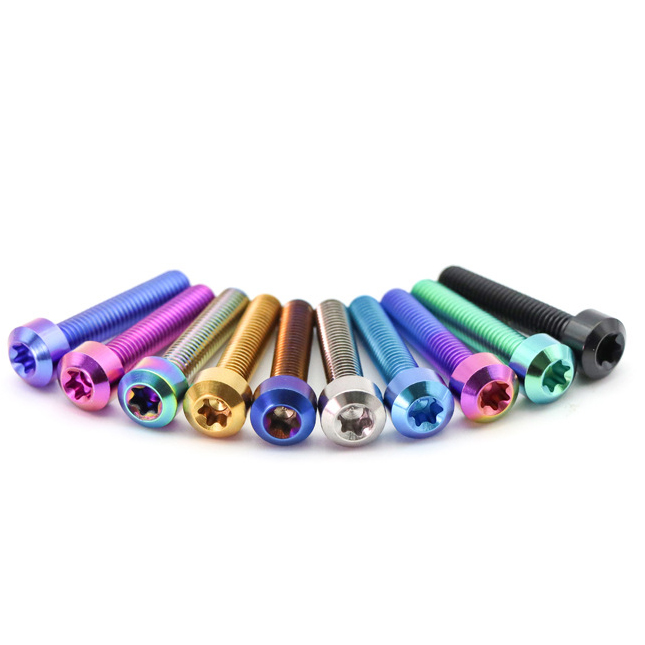
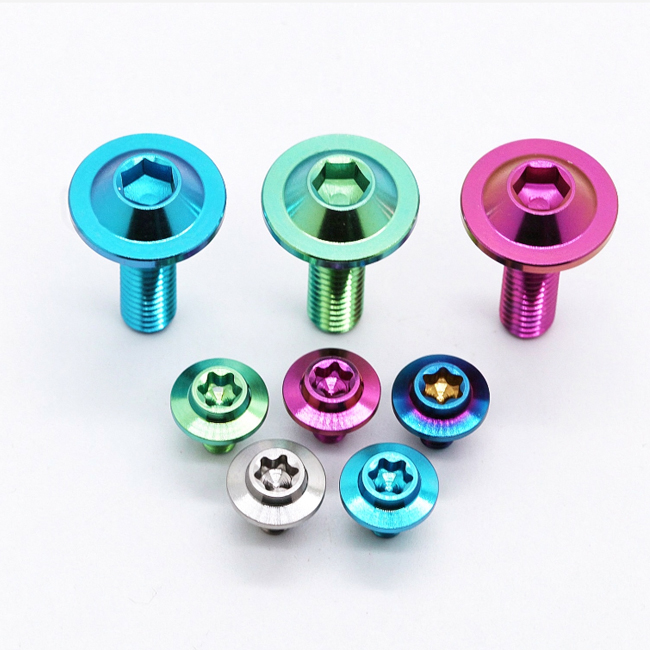
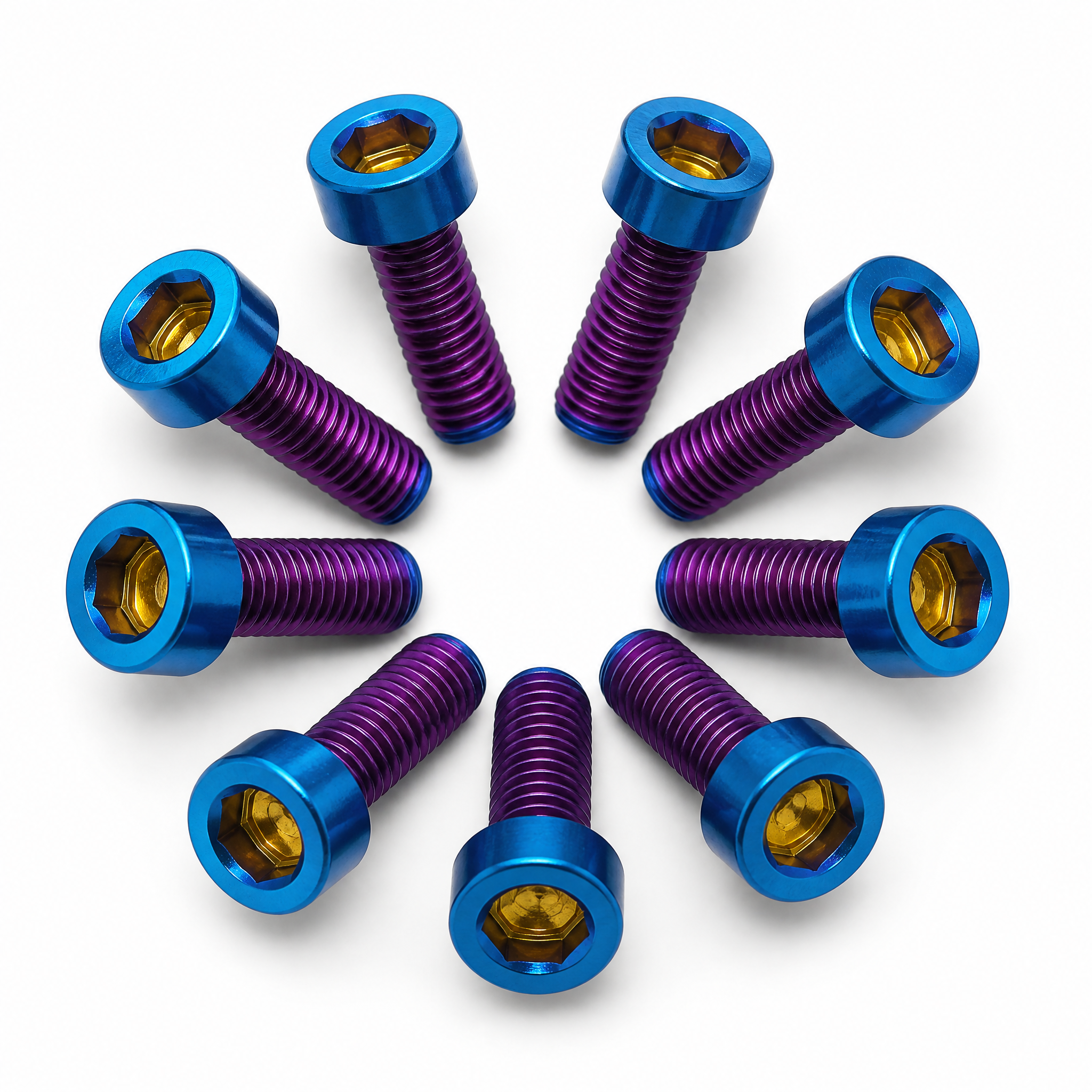
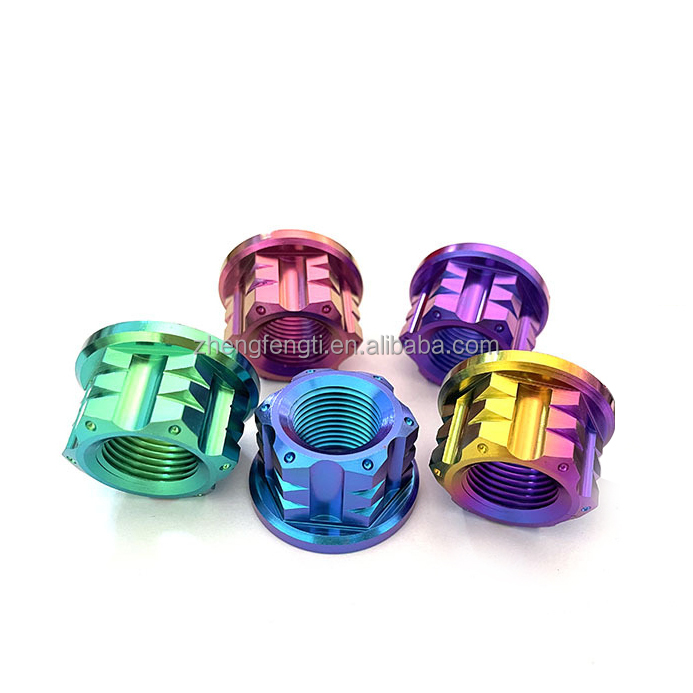
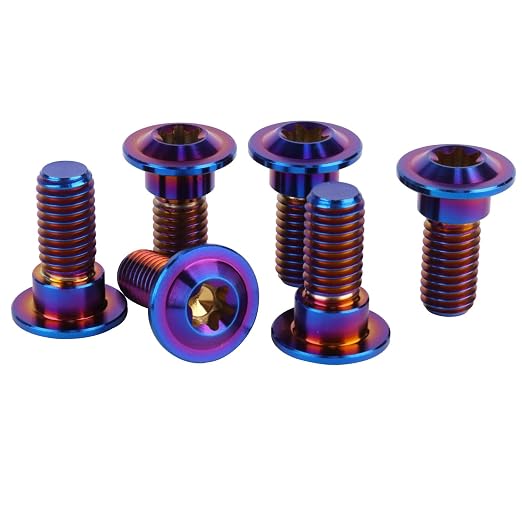
From CAD/STEP drawing modeling to bespoke head stamping, laser marking, anodizing (gold, burnt blue, black, purple), and tailored packaging for private label retailers and distributors worldwide.
Direct, transparent answers regarding manufacturing lead times, tariff compliance, engineering specifications, and minimum order requirements.