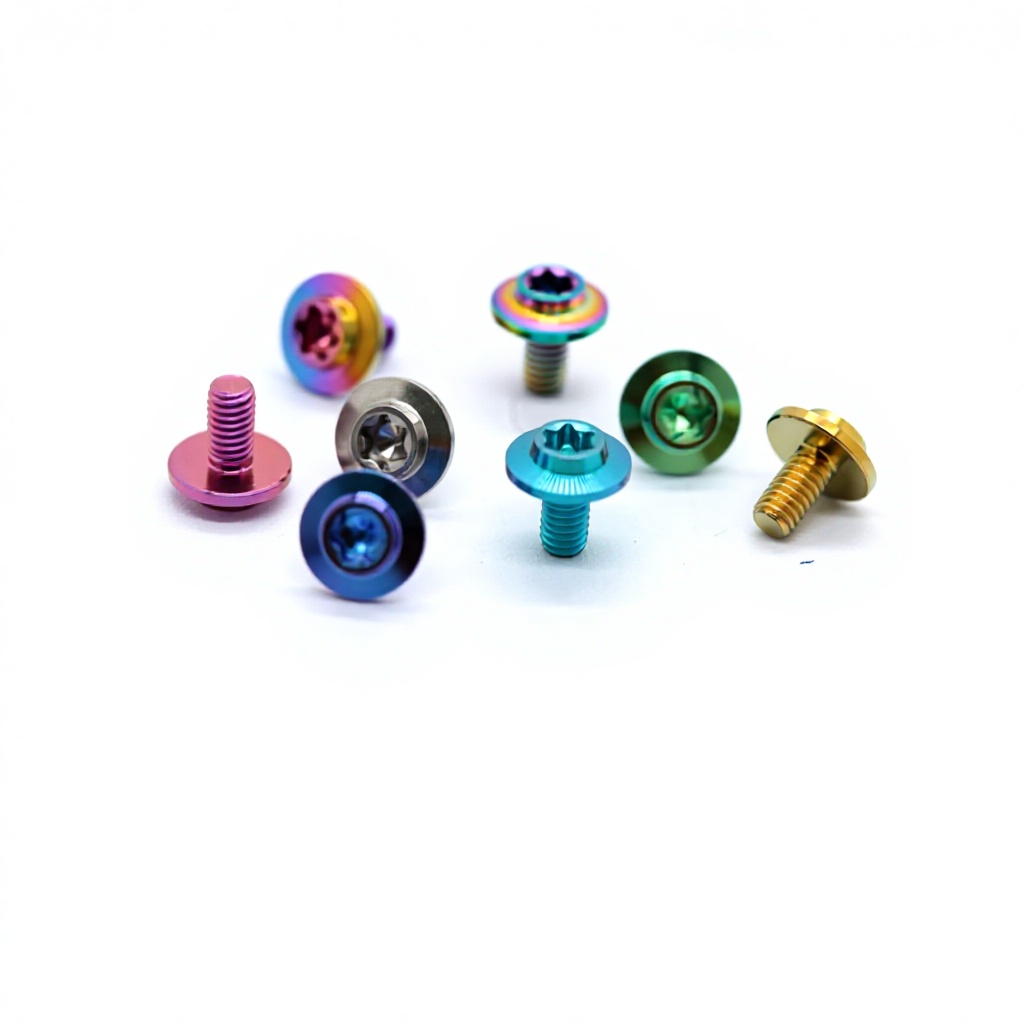
Precision Lineup
Factory-Direct Titanium Fastener Engineering
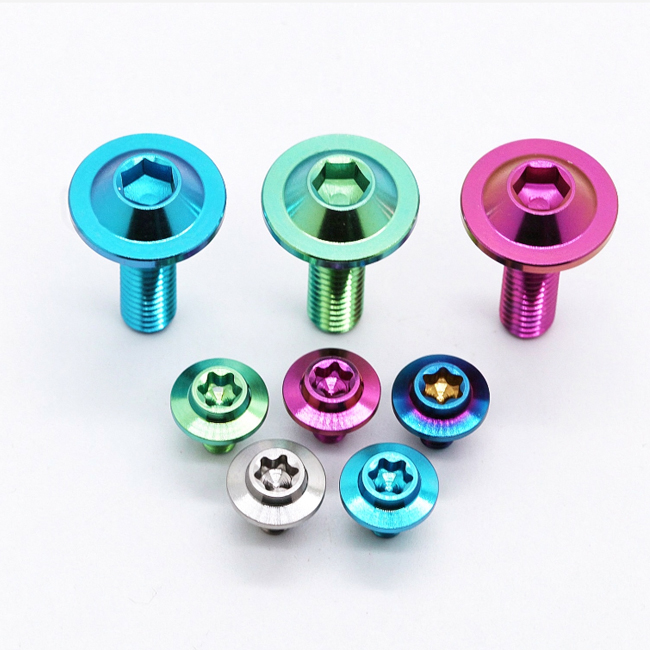
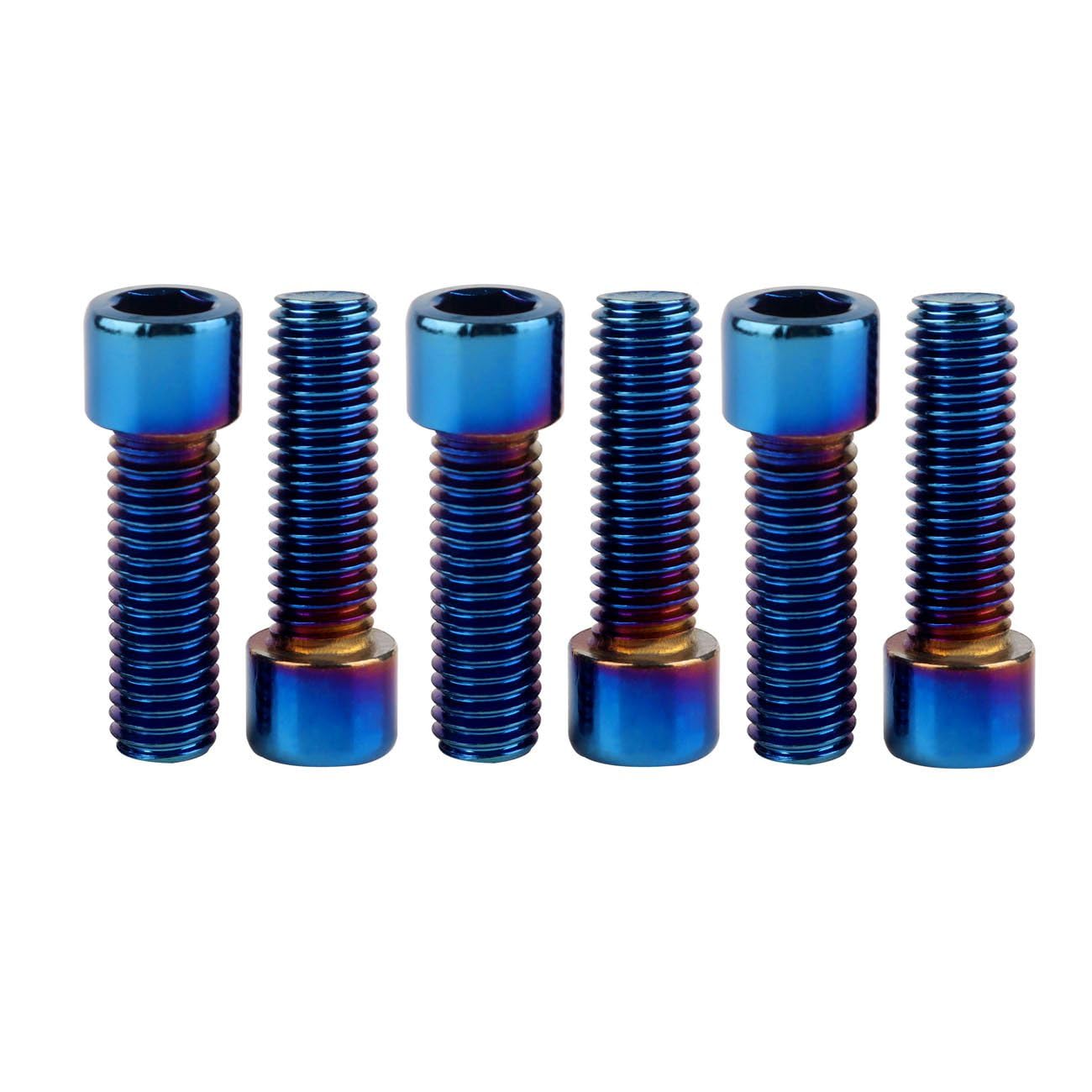
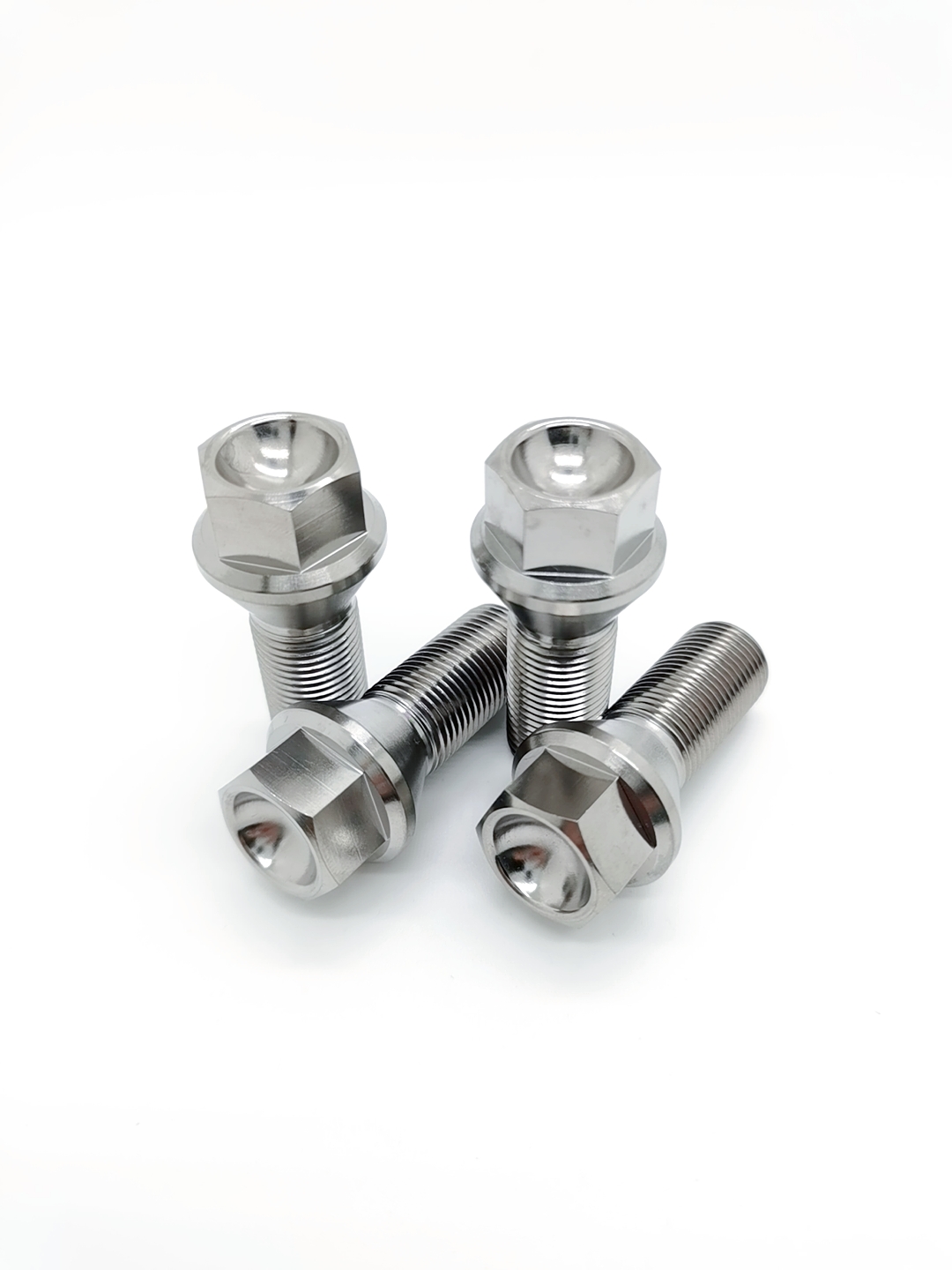
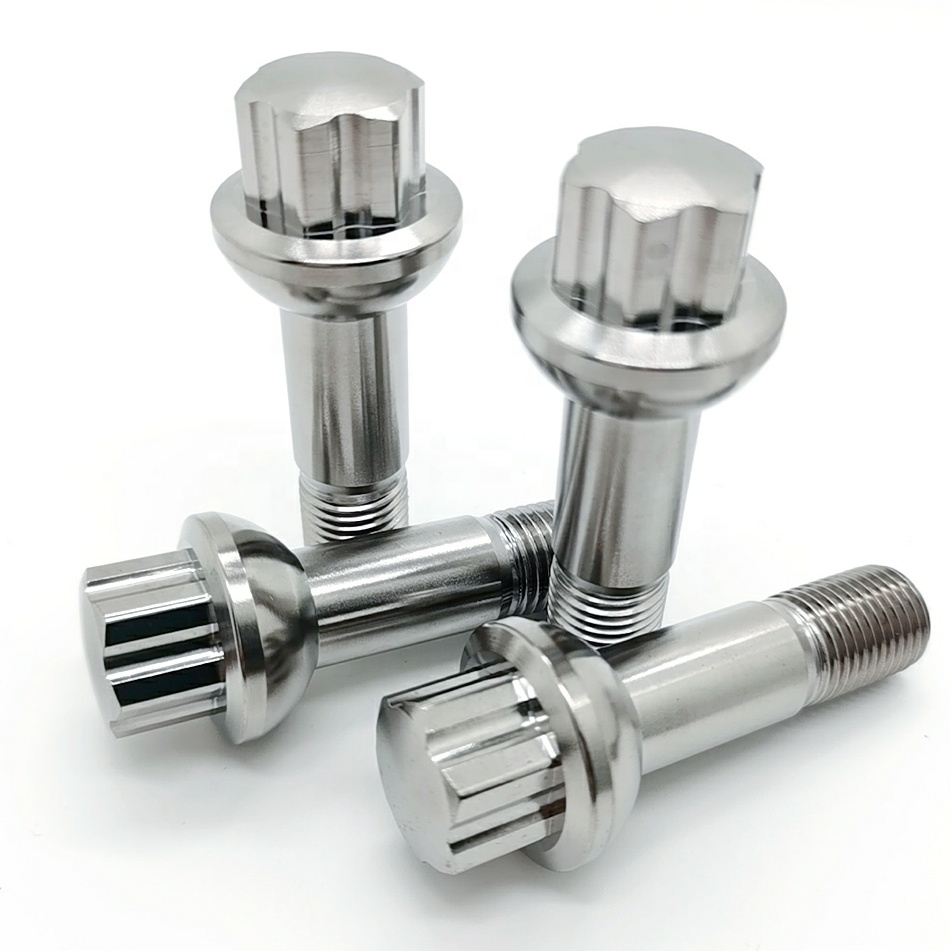
Precision-turned Grade 5 (Ti-6Al-4V) and Grade 2 commercial titanium fasteners manufactured to DIN, ISO, and custom CAD specifications for Austin’s advanced tech corridor.
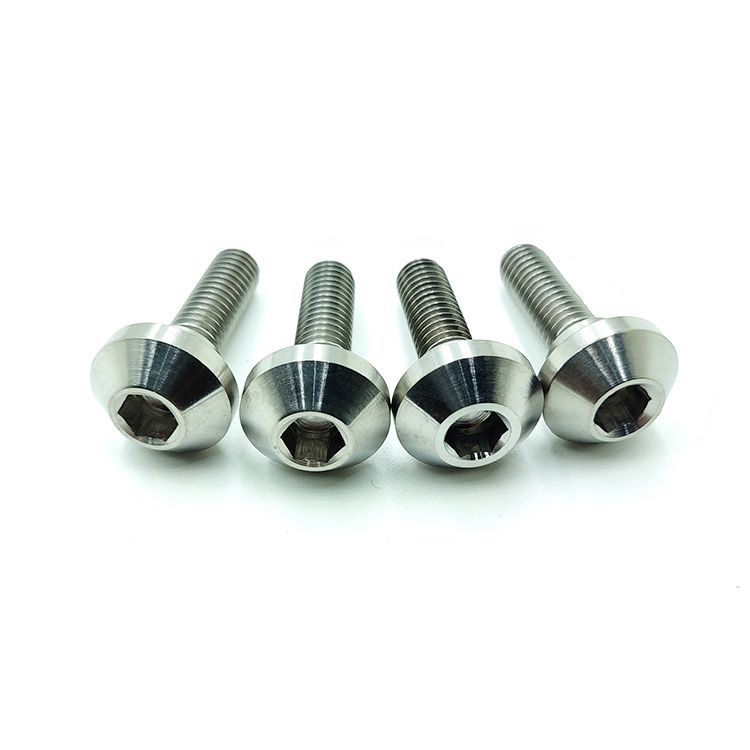
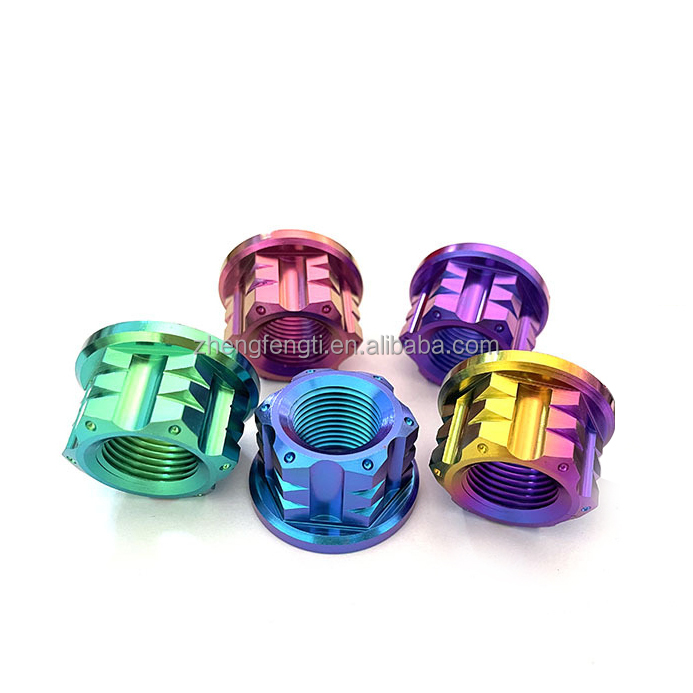
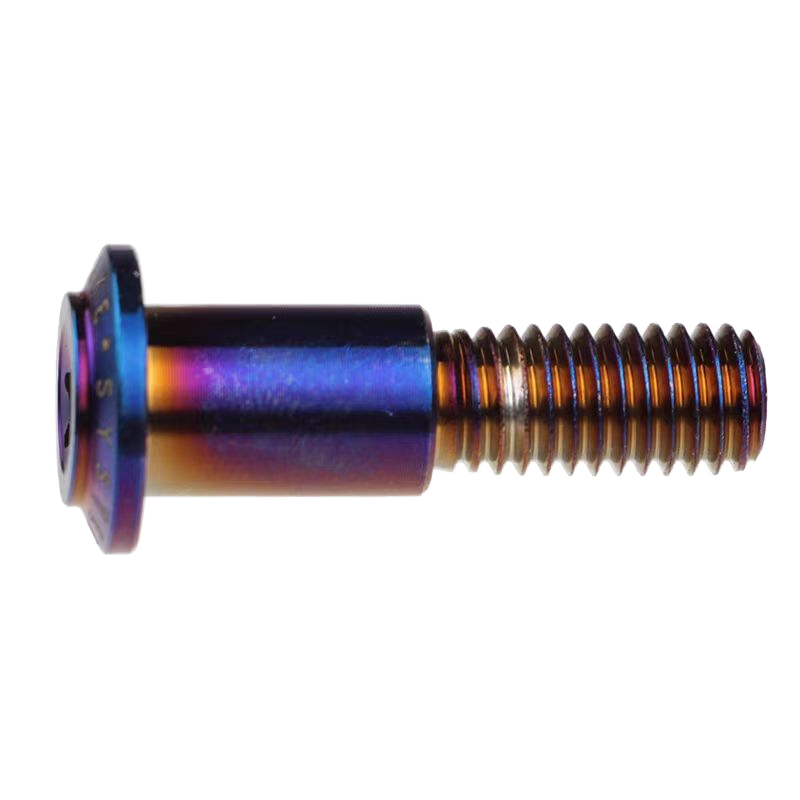
2013
Established Origin
100+
Advanced CNC Units
±0.005mm
Machining Tolerance
100%
Heat-Lot Traceable
Metallurgical Authority
High-Performance Titanium T-Bolts: Engineering Architecture
A comprehensive examination of shear strength, stress relaxation, galvanic equilibrium, and precision T-slot mechanics in critical structural assemblies.
In mechanical engineering, a T-bolt (T-slot bolt) is the foundational bridge between modular extruded structural frameworks and dynamic or static payloads. In industrial automation, aerospace test fixtures, cleanroom wafer handlers, and precision e-mobility battery enclosures, T-bolts transfer clamp load through aluminum profile channels (such as 2020, 3030, 4040, or heavy-duty 8080 structural extrusions) or CNC cast-iron machine beds. However, substituting standard structural steel or stainless steel fasteners with Grade 5 Titanium (Ti-6Al-4V, ASTM B348 / AMS 4928) transforms these connections by solving persistent challenges related to weight reduction, thermal cycling fatigue, magnetic neutrality, and harsh chemical corrosion.
Mechanical Property Analysis: Titanium Alloys vs. Conventional Steels
Design engineers must evaluate yield strength, thermal expansion, and modulus of elasticity when calculating preload, thread engagement length, and preload relaxation. Titanium Grade 5 possesses an ultimate tensile strength exceeding 895 MPa and a yield strength exceeding 828 MPa, matching or outperforming ISO Class 8.8 and 10.9 heat-treated carbon steels while eliminating the risk of brittle rust flakes inside sensitive manufacturing machinery.
"The combination of high yield strength (828 MPa min) and low elasticity modulus (114 GPa) allows Ti-6Al-4V T-bolts to absorb dynamic vibrational shock loads without loosening, providing twice the elastic deflection of carbon steel under equivalent clamping loads."
| Alloy / Specification | Yield Strength (MPa) | Tensile Strength (MPa) | Density (g/cm³) | Thermal Expansion (μm/m·K) | Magnetic Permeability (μ) |
|---|---|---|---|---|---|
| Titanium Grade 5 (Ti-6Al-4V) | 828 min | 895 min | 4.43 | 8.6 | 1.00005 (Non-magnetic) |
| Titanium Grade 2 (CP Unalloyed) | 275 min | 345 min | 4.51 | 8.6 | 1.00005 (Non-magnetic) |
| Austenitic Stainless (A2-70 / 304) | 450 | 700 | 7.90 | 16.0 | 1.005 – 1.015 |
| High-Tensile Steel (Class 10.9) | 900 min | 1040 min | 7.85 | 11.5 | Ferromagnetic (>500) |
T-Head Geometry, CNC Milling, and Chamfer Mechanics
Unlike cold-headed mild steel carriage bolts or stamped square nuts, titanium T-bolts machined at the Yevzo manufacturing complex undergo 5-axis CNC machining directly from hot-rolled, centerless-ground ASTM B348 titanium bars. Cold heading of alpha-beta titanium alloys requires precise warm-working induction tooling (between 650°C and 750°C) to prevent shear band fracture across the neck transition. For small to mid-scale production batches, precision CNC milling from solid bar ensures:
- Perpendicular Seat Bearing Faces: Tight parallelism (≤0.015mm) across the T-head underside distributes clamp forces uniformly over the aluminum extrusion lip, stopping local indentation, surface dimpling, and uneven point stress concentration.
- Optimized Root Radii: CNC thread rolling and cut-relief fillets between the bolt shank and the rectangular T-head mitigate stress peaks that frequently trigger fatigue shearing in high-vibration automotive suspension mounts and dynamic gantry gantries.
- Controlled Neck Guiding Shoulders: Precise square or drop-in alignment lugs hold the bolt secure inside standard 6mm, 8mm, 10mm, and 12mm T-slots, preventing fastener spin-out during torquing without cutting into anodized framing channels.
Local Industrial Integration
Advanced Deployment Across the Austin Metro Corridor
Austin, Texas has evolved into one of the globe's foremost advanced manufacturing, semiconductor fabrication, clean energy, and aerospace engineering centers.
Semiconductor Cleanrooms & Lithography Tooling
Within Silicon Hills fab corridors extending from North Austin to Taylor and Manor, sub-nanometer lithography and physical vapor deposition (PVD) chambers demand zero ferromagnetic interference, complete outgassing immunity, and resistance to aggressive fluorinated wafer-etching gases. Grade 5 titanium T-bolts serve as non-magnetic mechanical locks across internal robotic wafer transfer trackways and ultra-high-vacuum (UHV) optical bench setups, avoiding contamination risks common to flaking zinc-plated carbon steel.
Gigafactory Gigacasting & EV Powertrain R&D
In Southeast Austin's electric vehicle manufacturing hubs, saving unsprung mass and maintaining structural rigidity at battery-pack enclosure junctions are essential. Titanium T-bolts secure structural battery pack retaining beams into composite aluminum chassis extrusions. Their high yield strength withstands shock loading from dynamic road feedback, and their coefficient of thermal expansion (8.6 μm/m·K) closely matches aluminum structures, preventing thermal-cycling torque decay during rapid DC charging and thermal runaway events.
Aerospace Testing & Rocket Static Test Benches
Central Texas aerospace facilities and private launch vehicle propulsion centers—operating between Austin, Bastrop, and McGregor—rely on titanium T-bolts for sub-assembly jigs, cryo-fuel line routing trays, and vibrational shakers. Titanium remains ductile down to cryogenic liquid nitrogen (-196°C) and liquid oxygen (-183°C) temperatures without displaying ductile-to-brittle transition phases, securing telemetry equipment and sensor brackets under intense multi-axis thrust vibrations.
Market Evolution
Macro Industrial & Fastener Procurement Trends in Central Texas
An objective review of supply-chain restructuring, nearshoring strategies, and advanced material demands shaping Texas engineering projects.
The "Texas Silicon Triangle" & Ultra-Purity Hardware Demands
The concentration of semiconductor foundries and packaging facilities between Austin, Dallas-Fort Worth, and Houston has shifted how mechanical design teams specify shop-floor and automation hardware. Standard zinc-plated carbon hardware is being removed from cleanroom automation systems because zinc vapor deposition, rust flakes, and galvanic reaction products compromise sub-5nm wafer yields. Sourcing direct from verified titanium mills provides verified material composition, Class 100 ultrasonic degreasing, and non-magnetic stability, helping Tier-1 toolmakers avoid line contamination.
Supply Chain Diversification & Mill-Traceable Procurement
Industrial operations in Travis and Williamson counties increasingly manage supply-chain vulnerabilities by partnering directly with primary titanium manufacturing facilities in Baoji, China. Rather than purchasing unbranded hardware through third-party retail channels, Austin sourcing teams now require complete mill test reports (MTR) covering chemical composition, ultrasonic non-destructive testing (NDT), and tensile test certificates compliant with ASTM B348 and EN 10204 3.1. Direct factory communication ensures clear design reviews for custom T-head dimensions, specialized pitch tolerances, and custom surface finishes.
Enterprise Capabilities
Yevzo Titanium: Direct Engineering & Global Export Power
Headquartered in Baoji, China's "Titanium Valley," Yevzo Titanium Metal Co., Ltd. delivers direct technical advantages from raw ingot conversion to global door-to-door delivery.
Source Factory Since 2013
We forge, turn, cut, and polish entirely in-house. Operating within Baoji provides immediate access to virgin sponge titanium, titanium bar stock, and specialized metallurgy, cutting out intermediate broker margins.
Full Incoterms Support
Serving North American and international operations with full support for EXW, FOB, CIF, and door-to-door DDP shipments directly to Austin, Round Rock, or Georgetown job sites, managing custom clearing and tariff protocols.
Complete OEM/ODM Precision
Equipped with 100+ precision 3-axis, 4-axis, and 5-axis CNC machining centers, sliding-head lathes, and CNC thread rollers capable of maintaining tolerances down to ±0.005mm on custom-engineered drawings.
Zero-Defect Quality Control
Every shipment is backed by optical projection thread checks, micro-hardness evaluations, coordinate measuring machine (CMM) verification, and EN 10204 3.1 material traceability, ensuring zero fastener failure.
Clear Sourcing Guidance
Austin Procurement & Engineering Technical FAQ
Practical, detailed answers from our metallurgy and logistics teams to common questions regarding titanium T-bolt design and international sourcing.
How can Austin manufacturing facilities prevent galvanic corrosion when mating Titanium T-bolts with aluminum extrusions?
Although Grade 5 titanium and aluminum alloys (e.g., 6061-T6, 6063-T5) perform well together in climate-controlled cleanroom environments, humid industrial conditions can create galvanic potential differences between titanium (+0.05V) and active aluminum (-0.75V to -0.90V). To prevent localized galvanic pitting on aluminum channel lips, apply a thin barrier layer. Effective options include hard-coat anodizing on the extrusion, non-conductive PTFE washers, or anti-seize paste formulated with zinc or nickel micro-particles (such as Loctite LB 8009). Avoid copper-based anti-seize compounds, as free copper ions exacerbate galvanic corrosion on aluminum.
What are the lead times, freight routes, and tariff handling for shipping from Baoji to Austin, TX?
Air freight shipments (handled via FedEx Priority, DHL Express, or dedicated air cargo from Xi'an or Shanghai to Austin-Bergstrom International Airport AUS or Dallas/Fort Worth DFW) typically take 4 to 7 business days from dispatch. High-volume sea freight routes to the Port of Houston followed by dedicated intermodal rail/truck transit to Austin typically take 22 to 28 days total transit time. Under DDP (Delivered Duty Paid) terms, Yevzo coordinates all US Customs clearance, Harmonized Tariff Schedule (HTS) compliance (typically under HTS Code 8108.90 for titanium fasteners), and local doorstep delivery without surprise import charges.
What torque values should be used for Grade 5 Titanium T-bolts compared to Grade 8.8 steel?
Because Titanium Grade 5 has a lower elastic modulus (114 GPa versus 210 GPa for steel) and an unlubricated friction coefficient of μ≈0.30–0.35, dry tightening can trigger thread galling and false torque readings before target clamping preload is reached. Always apply an approved anti-seize compound (μ≈0.10–0.12). With lubricated threads, an M8 Grade 5 Titanium T-bolt should be torqued to approximately 18–22 Nm, and an M10 T-bolt to 36–42 Nm. These values deliver steady clamping preload without exceeding the plastic deformation threshold of the aluminum extrusion's retaining lips.
Can custom T-head dimensions be machined to match non-standard structural rail extrusions?
Yes. We routinely manufacture drop-in hammer-head bolts, rectangular locking lugs, roll-in T-bolts, and custom stepped studs to client 2D (PDF/DWG) or 3D (STEP/IGES) files. Whether your rails use 8mm European Bosch-Rexroth profiles, 10mm Item profiles, 1.5-inch fractional 80/20 framing, or bespoke vacuum-chamber tracks, our CNC turning and 5-axis milling centers hold critical head widths, neck depths, and flange chamfers within ±0.02mm tolerances.
Does anodizing titanium fasteners alter thread pitch or mechanical performance?
No. Unlike aluminum anodizing—which builds up a surface aluminum oxide layer up to 25 microns thick—titanium anodizing is an electrochemical process that varies the thickness of the natural surface TiO&sub2; layer (measured in nanometers, typically 20nm to 300nm). Light interference creates visible colors (gold, purple, royal blue, burnt rainbow) without altering thread tolerances (such as 6g/6H fits) or reducing parent metal shear strength. For demanding cleanroom settings, clear or micro-arc treatments provide consistent surface passivity and improved galling resistance.
What material verification documents accompany export shipments to Austin?
Every shipment includes an EN 10204 Type 3.1 Inspection Certificate from our certified quality control laboratory. This document details the specific production heat-lot number, complete chemical ingot spectroscopy (verifying compliance with ASTM B348 limits for Titanium, Aluminum, Vanadium, Iron, Carbon, Nitrogen, Hydrogen, and Oxygen), and mechanical tensile, yield, and elongation test results. Third-party testing verification (SGS, TÜV Rheinland) is also available upon customer request.
Connect Directly with Our Titanium Fastener Engineering Team
Looking to switch to titanium T-bolts for Austin-based robotic tooling, cleanroom equipment, or lightweight structural systems? Send us your drawing files, required quantities, and target dimensions. Our engineering and export specialists will review your requirements and provide a full manufacturing proposal with lead times within 24 hours.