Engineered Titanium Studs & Precision Threaded Hardware
Manufactured from certified ASTM B348 Grade 5 (Ti-6Al-4V) and Grade 2 titanium billet, precision-turned on Swiss-type CNC centers and roll-threaded for critical dynamic applications in La Ceiba.
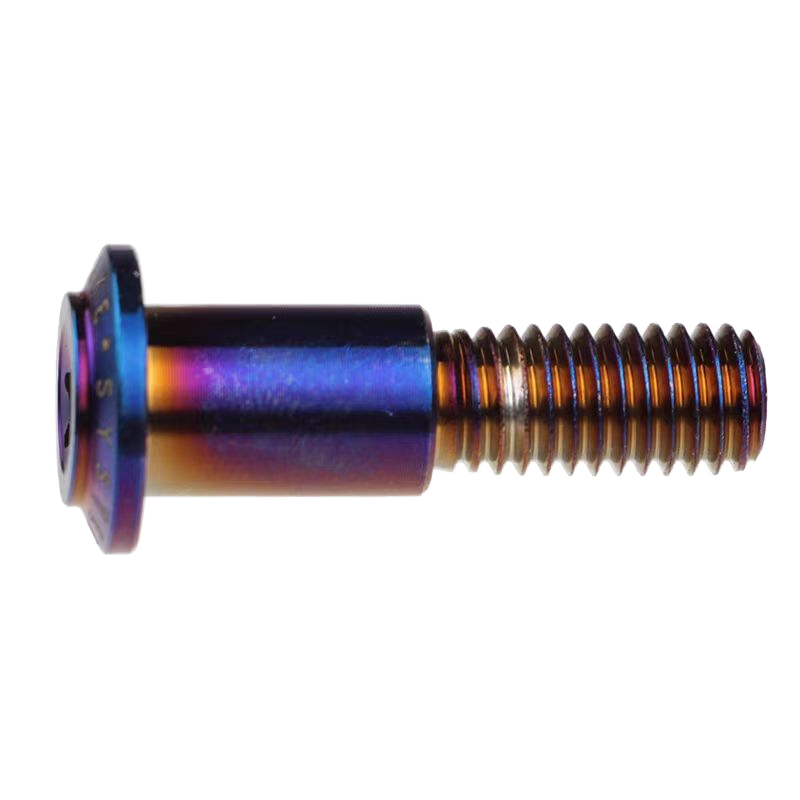
Bike Motorcycle Titanium Bolts Hexagonal Step Flat Head Zinc Finish Teeth Disc Brake
- Material: Gr5 Ti-6Al-4V Alloy
- Head Profile: Flat Step Hexagonal
- Feature: Vibration-Resistant Teeth
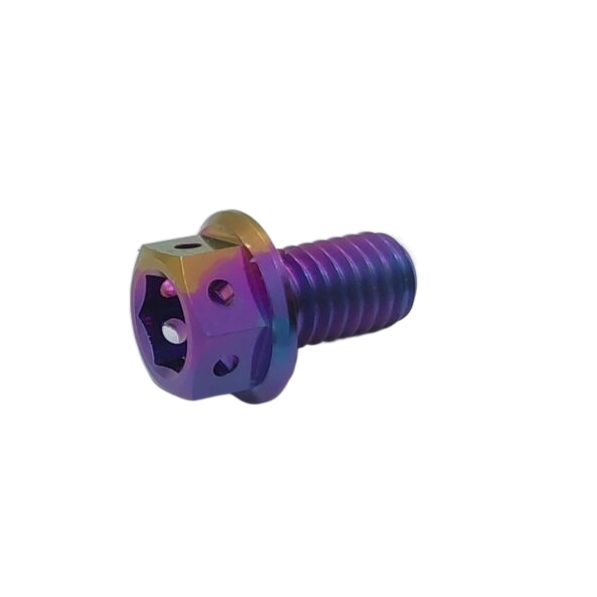
ZFTI Class 8.8 Gr5 Titanium Flange Bolt Anodized PVD Hex Head UNF Thread CNC Machined
- Rating: Class 8.8 / 10.9 Equivalent
- Threading: UNF Precision Rolled
- Surface: PVD Vacuum Coating
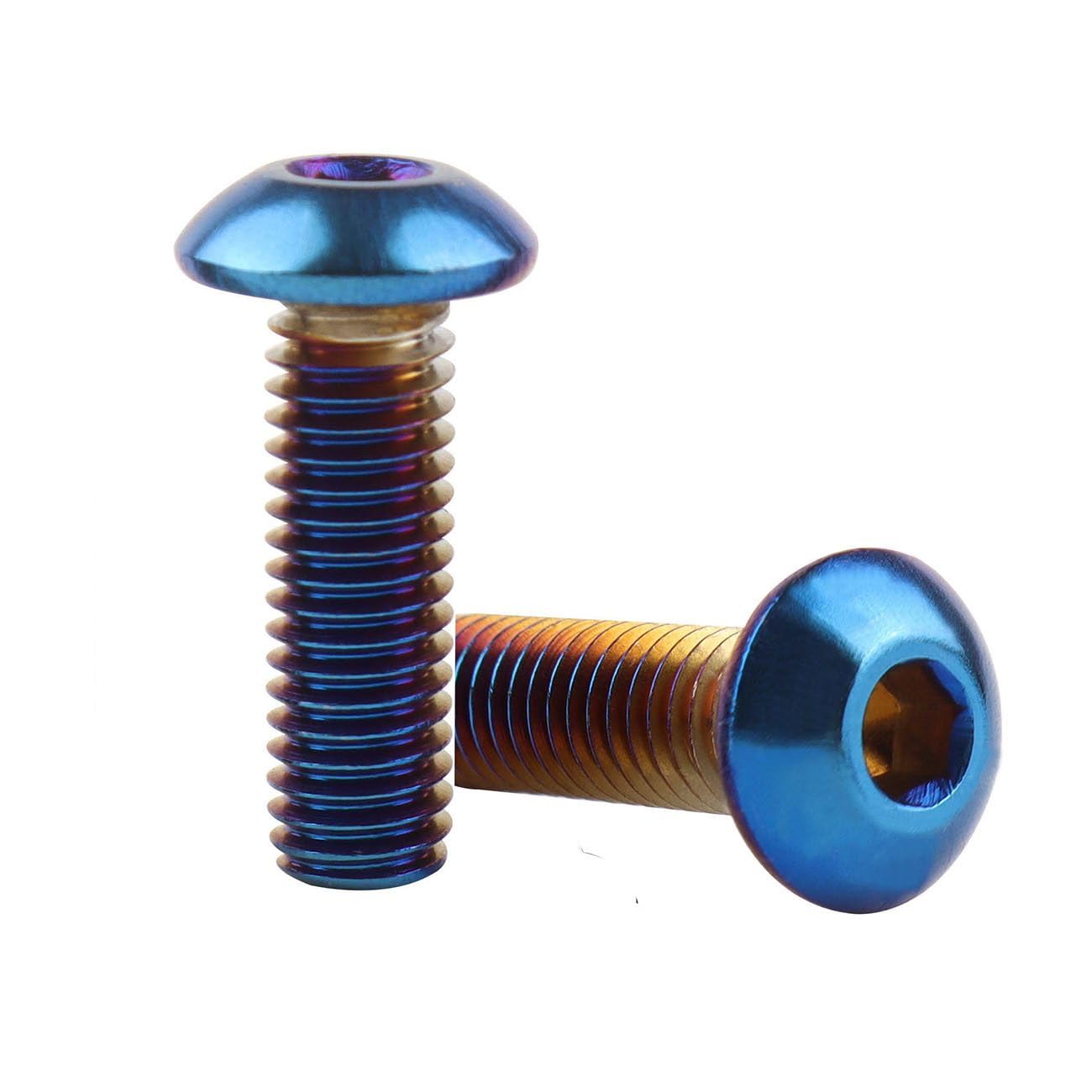
Titanium Finish Bolt M6x12 16 20 25 30 35mm Titanium Screw for Modifications Burnt Blue
- Sizes: M6 × 12mm up to 35mm
- Oxide Passivation: Electrolytic Burnt Blue
- Application: Chassis & Engine Bay
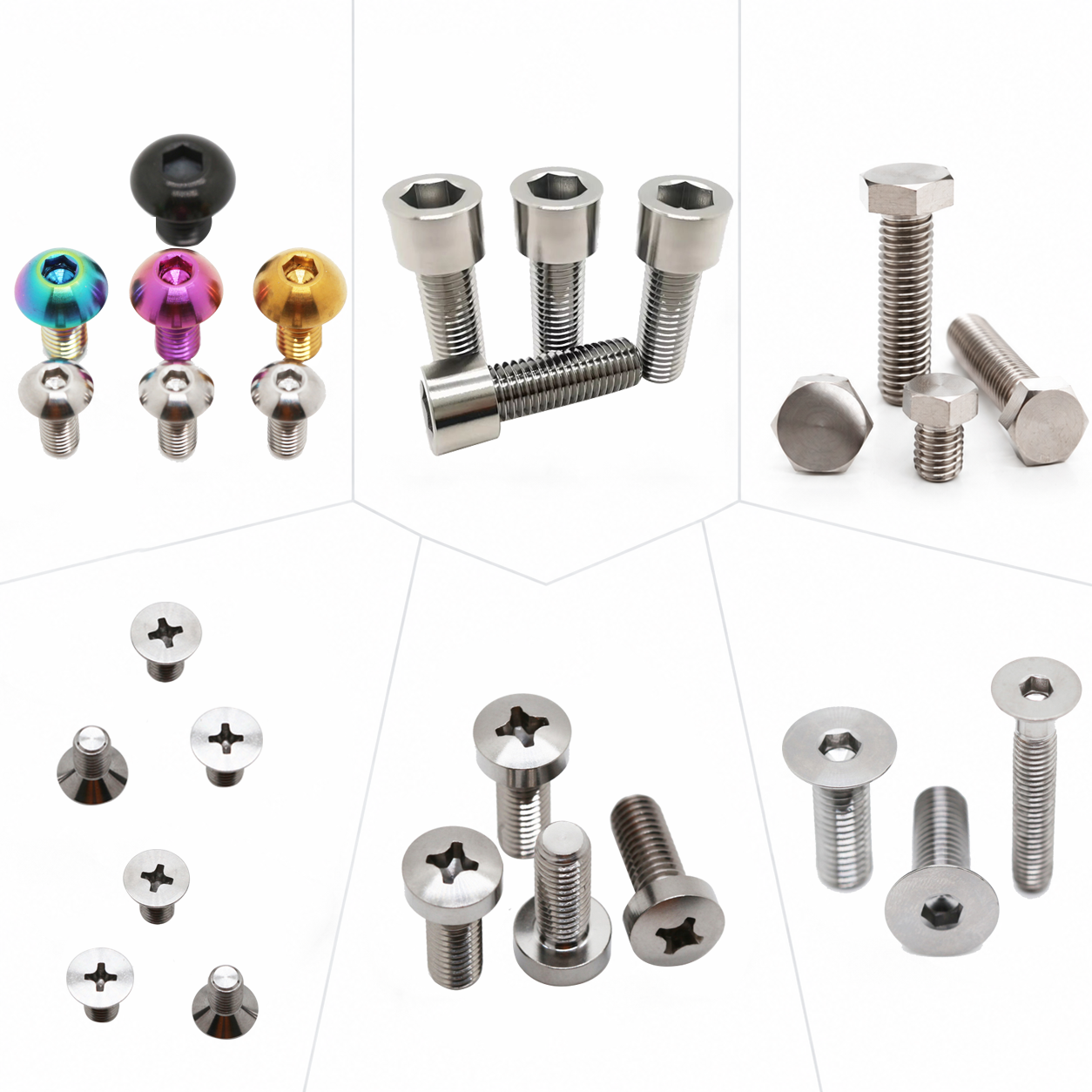
GR5 Titanium Alloy Standard Bolts in Stock Factory Wholesale Ready to Ship Fasteners
- Standard: DIN 933 / DIN 912
- Tensile: 895 to 1050 MPa
- Readiness: Immediate Bulk Dispatch
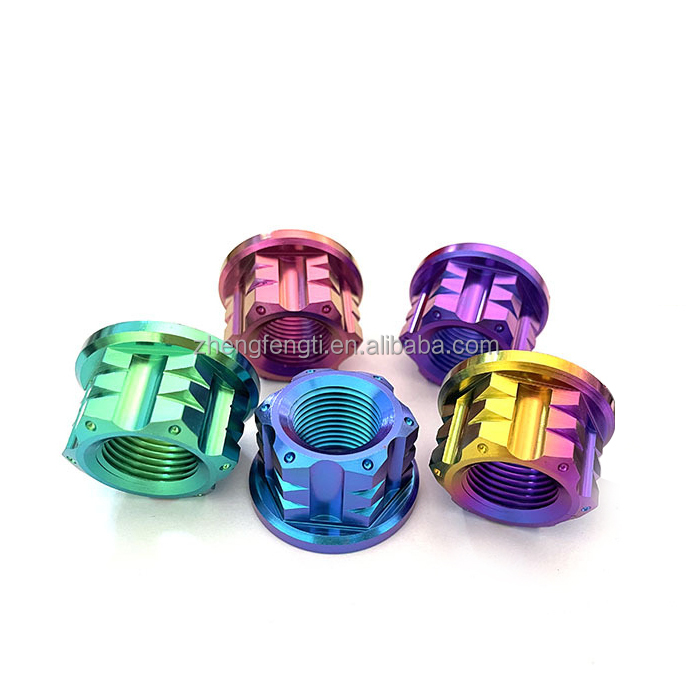
Wholesale Titanium Flange Hex Nut M4 M5 M6 M8 M10 CNC DIN933 Plain Finish Wear-Resistant
- Thread Sizing: M4, M5, M6, M8, M10
- Flange Base: Serrated / Smooth Seating
- Anti-Seize: Friction Treated
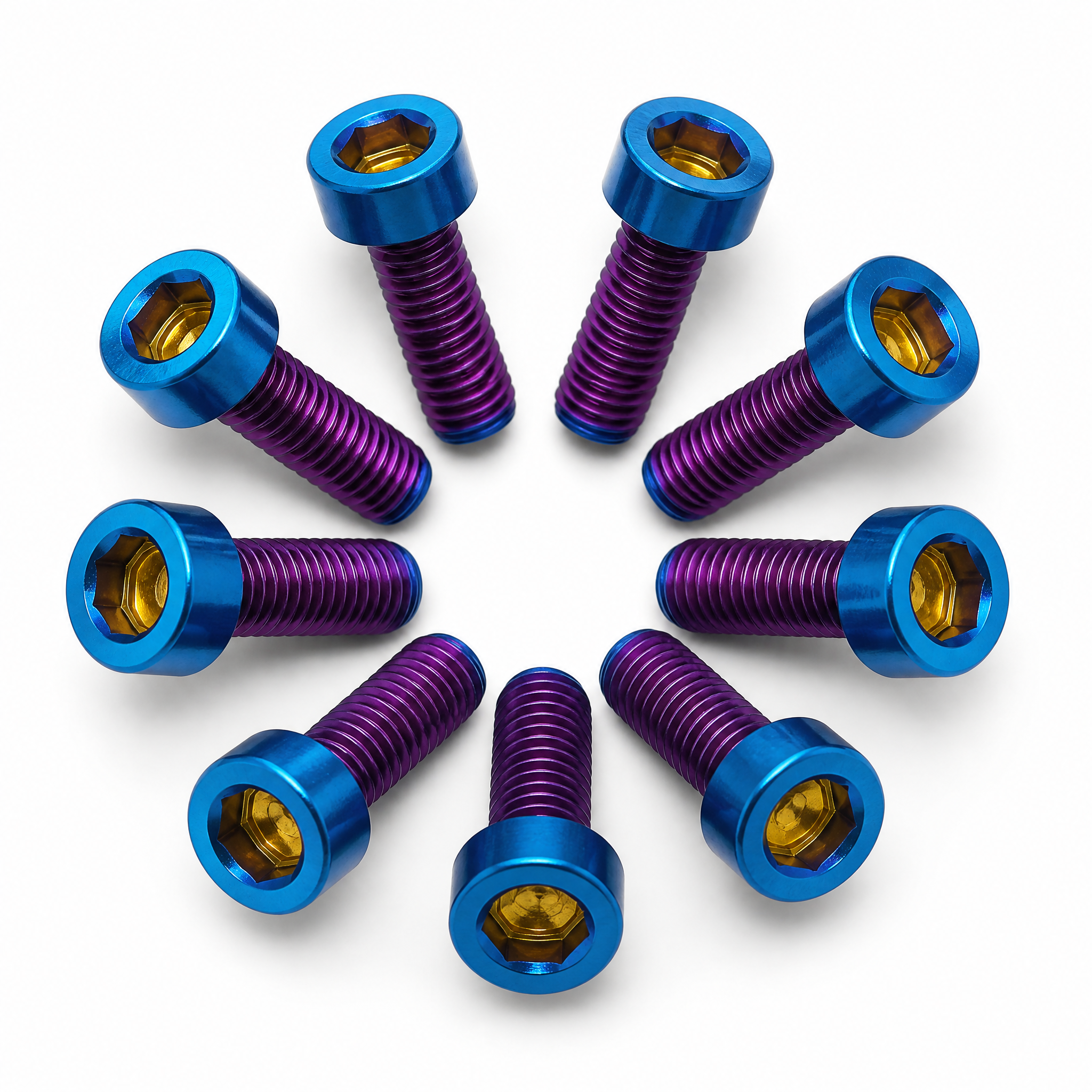
Titanium Alloy Bolts Gr5 Anodized Colored Torx Bolts M4 M5 M6*15 Modified Car Shell Screws
- Drive Profile: T25 / T30 Precision Torx
- Torque Yield: Zero Cam-Out Tolerance
- Corrosion: Salt Spray > 2,000 hrs
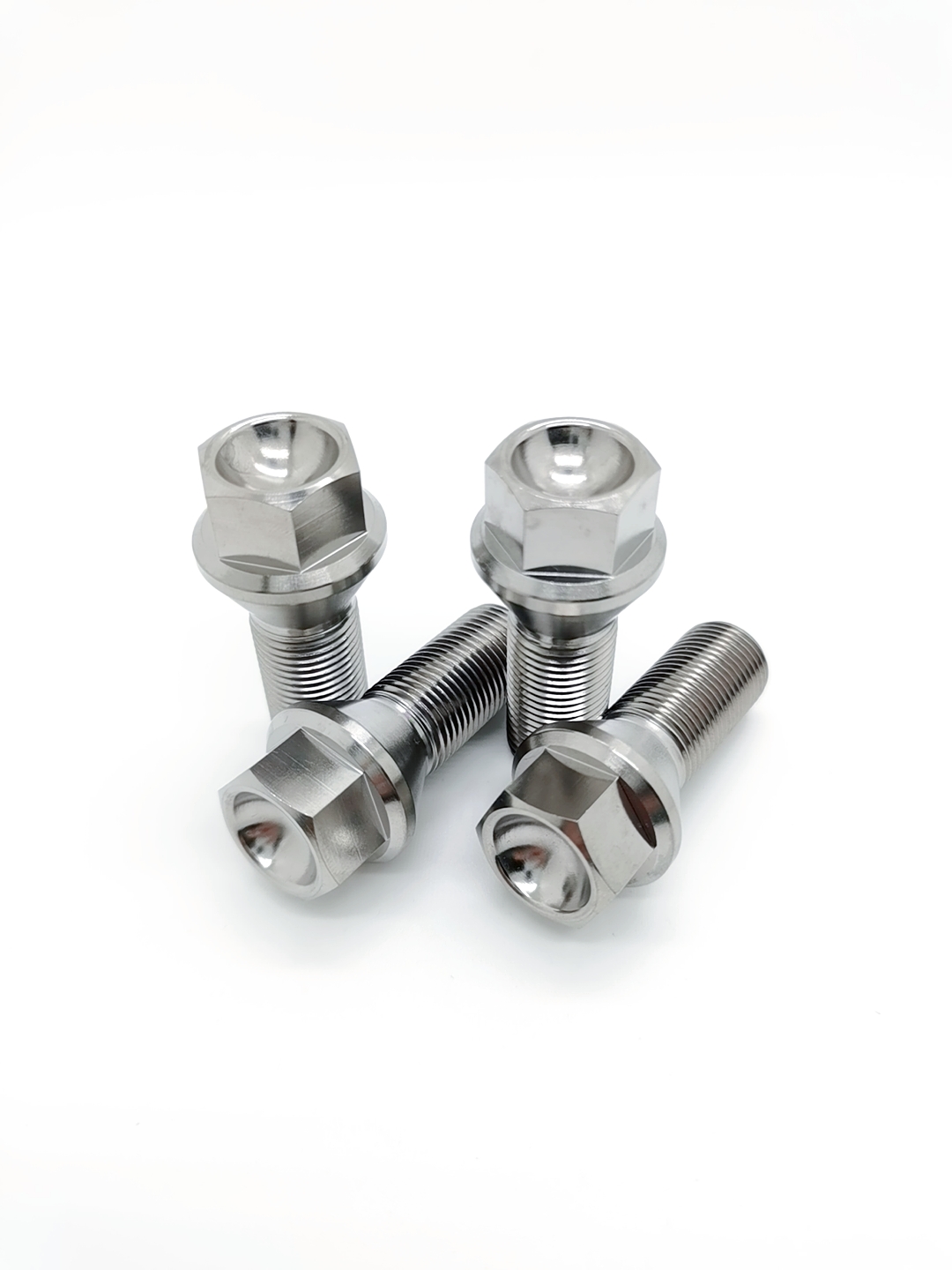
GR5 Titanium Wheel Lug Bolts Lightweight High Strength Flat Head UNC for Custom Wheels
- Thread Pitch: M12×1.25 / M14×1.5 / UNC
- Seat Type: 60° Conical or Ball Seat
- Shear Strength: Over 650 MPa Tested
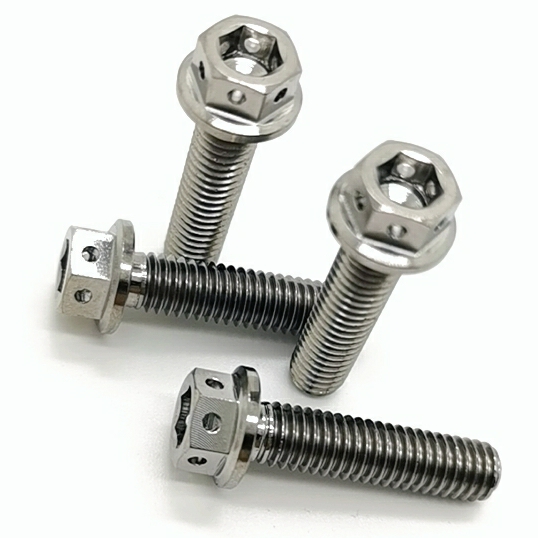
High Quality GR5 Titanium Alloy Socket Head Class 8.8 Corrosion Wear-Resistant CNC Bolts Nuts
- Profile: DIN 912 Allen Socket Head
- Heat Resistance: Stable to 400°C Cont.
- Thread Integrity: Rolled Threads Class 6g
Metallurgical Integrity of Titanium Studs in Tropical Marine Microclimates
Why procurement teams across Atlántida, Honduras are replacing AISI 316 stainless and Grade 8.8 zinc-plated carbon steel studs with cold-worked, roll-threaded titanium alloys.
Passivation & Chloride Immunity
La Ceiba's atmospheric envelope combines high relative humidity (frequently >85%), high ambient heat (average 28–34°C), and aerosolized maritime sodium chloride (NaCl) carried inland by Caribbean trade winds.
In this aggressive microclimate, austenitic stainless steel (such as 304 and 316) suffers from localized breakdown of its chromium oxide film, triggering Chloride Stress Corrosion Cracking (CSCC) and severe crevice pitting under threaded stud washers. Titanium spontaneously forms a dense, self-healing stoichiometric Titanium Dioxide (TiO₂) passive barrier that maintains zero corrosion penetration (0.00 mm/year) even in stagnant warm brine and acidic agricultural runoff.
Fatigue Strength & Rolled Threads
Industrial studs and hub studs in coastal transportation and processing infrastructure endure cyclic axial shock and rotary bending moments. Traditional cut threads interrupt the internal grain structure of bar stock, creating stress concentration notches at the root radius.
Our Baoji manufacturing facility executes thread rolling under cold deformation on ASTM B348 Grade 5 bars. This aligns the uninterrupted alpha-beta crystalline lattice parallel to the thread profile, boosting root fatigue limits by 30% to 45% over turned threads. Fastener pre-load relaxation is virtually eliminated, preventing unscheduled fastener backing in high-vibration equipment.
Mass Optimization & Dynamic Torque
With a density of 4.43 g/cm³ compared to 7.85 g/cm³ for structural alloy steel, titanium studs deliver an instantaneous 44% reduction in reciprocating and rotational unsprung mass. In maritime propulsion shafts and automotive wheel assemblies, lower rotational inertia reduces gyroscopic bearing resistance.
Furthermore, titanium's lower modulus of elasticity (114 GPa versus 210 GPa in steel) allows studs to act as elastic springs under pre-load. They accommodate severe thermal expansion differences without over-yielding the mating aluminum or composite casting during heavy duty cycles.
Fastener Engineering Specification & Performance Matrix
Direct mechanical and corrosion threshold comparison across common industrial fastener materials operating in Atlantic coastal environments.
| Material Specification | Yield Strength (MPa) | Tensile Strength (MPa) | Density (g/cm³) | Marine Crevice Corrosion | Thermal Expansion (µm/m·K) | Preload Elastic Retention |
|---|---|---|---|---|---|---|
| Titanium Gr5 (Ti-6Al-4V Annealed) | 828 – 910 | 895 – 1050 | 4.43 | Complete Immunity (<0.001 mm/a) | 8.6 | Superior (Low E-Modulus) |
| Marine Stainless AISI 316L | 220 – 290 | 520 – 680 | 8.00 | Pitting susceptible (>25°C NaCl) | 16.5 | Moderate (Prone to relaxation) |
| High-Tensile Carbon Steel 8.8 | 640 | 800 – 830 | 7.85 | Rapid failure if zinc layer pits | 11.7 | Poor in wet salinity |
| Commercial Pure Titanium Gr2 | 275 – 350 | 345 – 480 | 4.51 | Complete Immunity (<0.001 mm/a) | 8.6 | High (For static chemical joints) |
Strategic Deployments Across La Ceiba & Northern Honduras
Tailored fastening solutions answering the distinct mechanical and chemical stresses encountered throughout Atlántida's economic infrastructure.
Puerto de Cabotaje & Ferry Systems
La Ceiba functions as the primary mainland logistics terminal and ferry nexus connecting the Bay Islands (Roatán and Utila). High-speed catamarans, charter craft, and commercial trawlers utilize our Gr5 titanium studs for waterjet thruster mounting, rudder post linkages, exhaust manifold flange couplings, and seawater pump impellers where marine stainless studs experience chloride pitting within 6 months.
African Palm Oil Processing (Valle de Sula / Aguán)
Extensive African oil palm (Elaeis guineensis) extraction facilities surrounding La Ceiba subject extraction presses, steam digesters, and centrifuge bowls to hot palm fatty acid distillates (PFAD) and pressurized acidic slurries. Standard Grade 8.8 studs undergo severe stress corrosion failure. Replacing them with titanium flange studs eliminates corrosion-related plant shutdowns.
Citrus, Pineapple & Beverage Plants
In the processing facilities established historically by multinational and local agricultural exporters, citric juices and caustic cleaning chemicals (CIP regimes) cause galvanic degradation around equipment anchor bolts. Grade 2 and Grade 5 titanium studs provide the biological inertness and chemical non-reactivity demanded by international food sanitary standards (HACCP/FDA).
Coastal Highway CA-13 Haulage & Powersports
Heavy trailers hauling palm oil, containerized fruit, and bulk freight along coastal highway CA-13 endure extreme cyclic impact shock on humid, unpaved secondary agricultural arteries. Custom titanium wheel lug studs and suspension link bolts prevent thread galling, reduce hub mass, and prevent catastrophic stud shearing caused by hydrogen embrittlement under coastal road grime.
Procurement Modernization in the Atlantic Honduran Corridor
How the shifting economic dynamics of Atlántida and Cortés are redefining mechanical component specification from short-term expendables to lifecycle-engineered titanium hardware.
Total Cost of Ownership (TCO) Replaces Initial CapEx
Plant managers and fleet mechanics in La Ceiba are transitioning away from buying cheap plated carbon steel fasteners every quarter. While zinc-plated studs cost less initially, the labor expense of extracting rusted, seized bolts—combined with unplanned processing downtime in palm oil mills—exceeds the cost of titanium hardware tenfold.
Grade 5 titanium studs deliver an infinite service lifespan in Caribbean coastal environments, dropping maintenance overhead to near-zero across a 10-year operating horizon.
Streamlined Multimodal Caribbean Freight Routing
Honduran industrial importers traditionally faced long ocean shipping delays. By utilizing direct factory-to-port export consolidation out of our manufacturing facility, shipments move via direct sea containers arriving at Puerto Cortés, followed by immediate bonded highway transit along CA-5 / CA-13 into La Ceiba.
For urgent repair shutdowns in maritime docks or agricultural refineries, air-express consignments (via SAP - Ramón Villeda Morales International Airport or LCE - Golosón International Airport) guarantee 4-to-6 day delivery from our warehouse stock.
Rapid Adoption in High-Performance Fleet Customization
Alongside commercial processing, La Ceiba boasts an expanding community of marine sports, off-road 4x4 recreation, and motorcycle tuning enthusiasts. Upgrading hub studs, caliper bolts, and chassis fasteners to lightweight rainbow or burnt-blue anodized Gr5 titanium is now a recognized benchmark of performance, prestige, and mechanical reliability.
Our OEM custom packaging and laser branding options allow local distributors in Atlántida to market their own branded, certified titanium fastener kits directly to workshops.
Baoji Titanium Valley Manufacturing Infrastructure
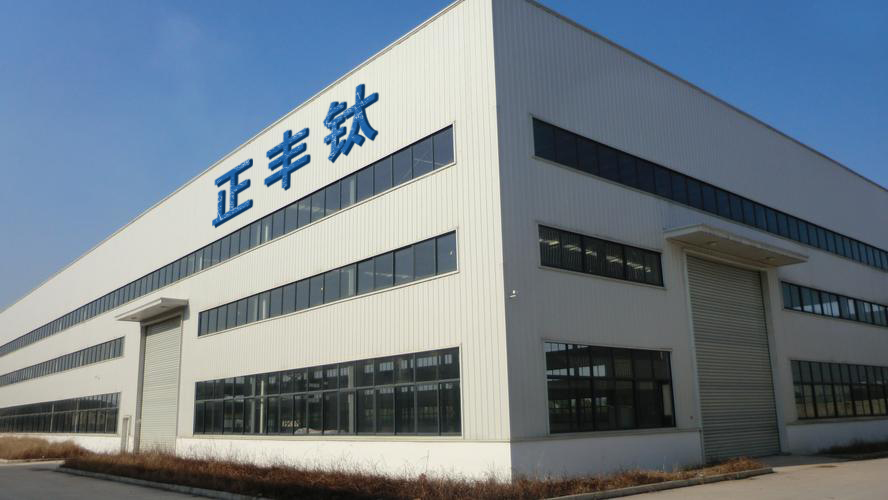
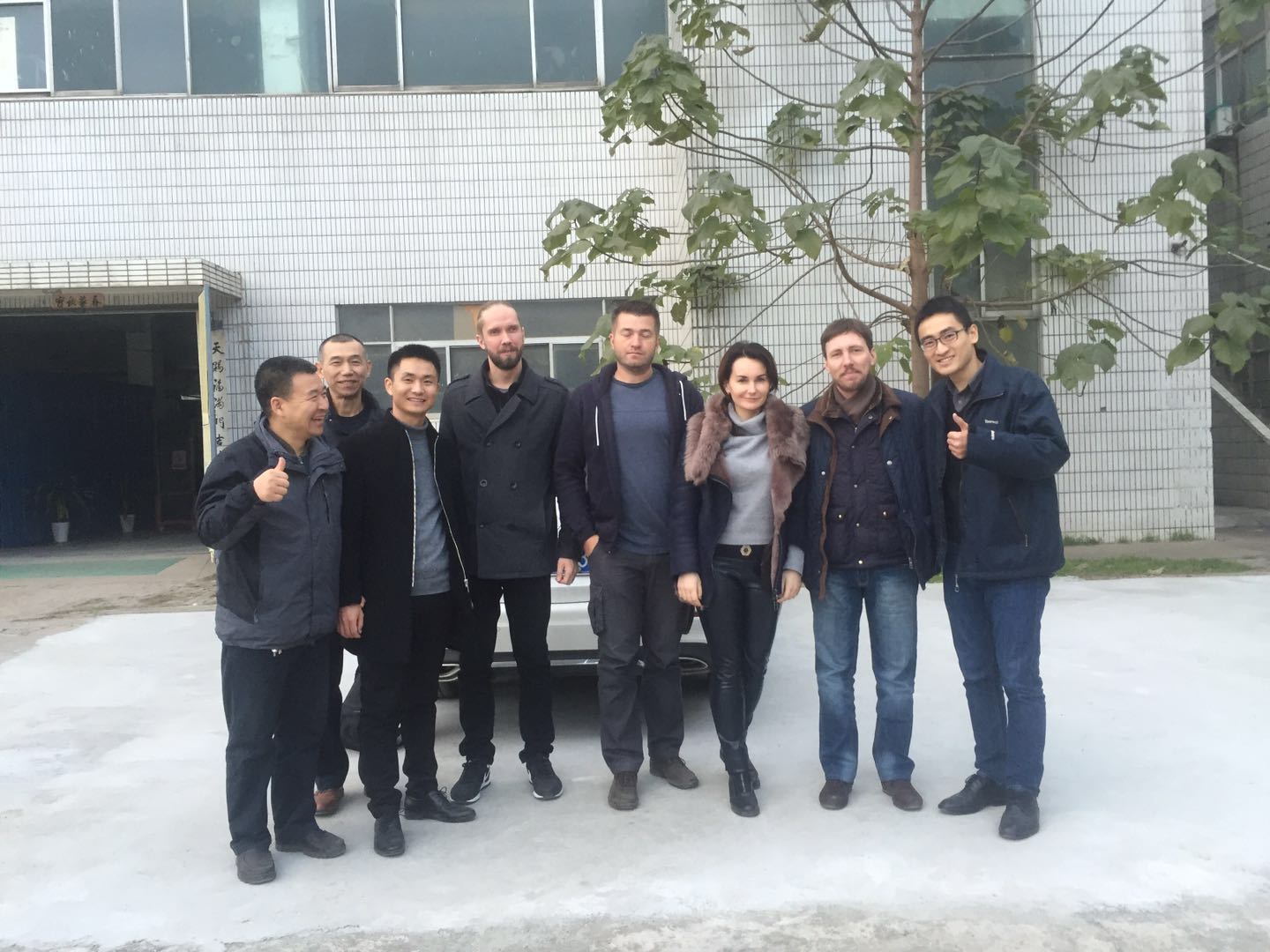
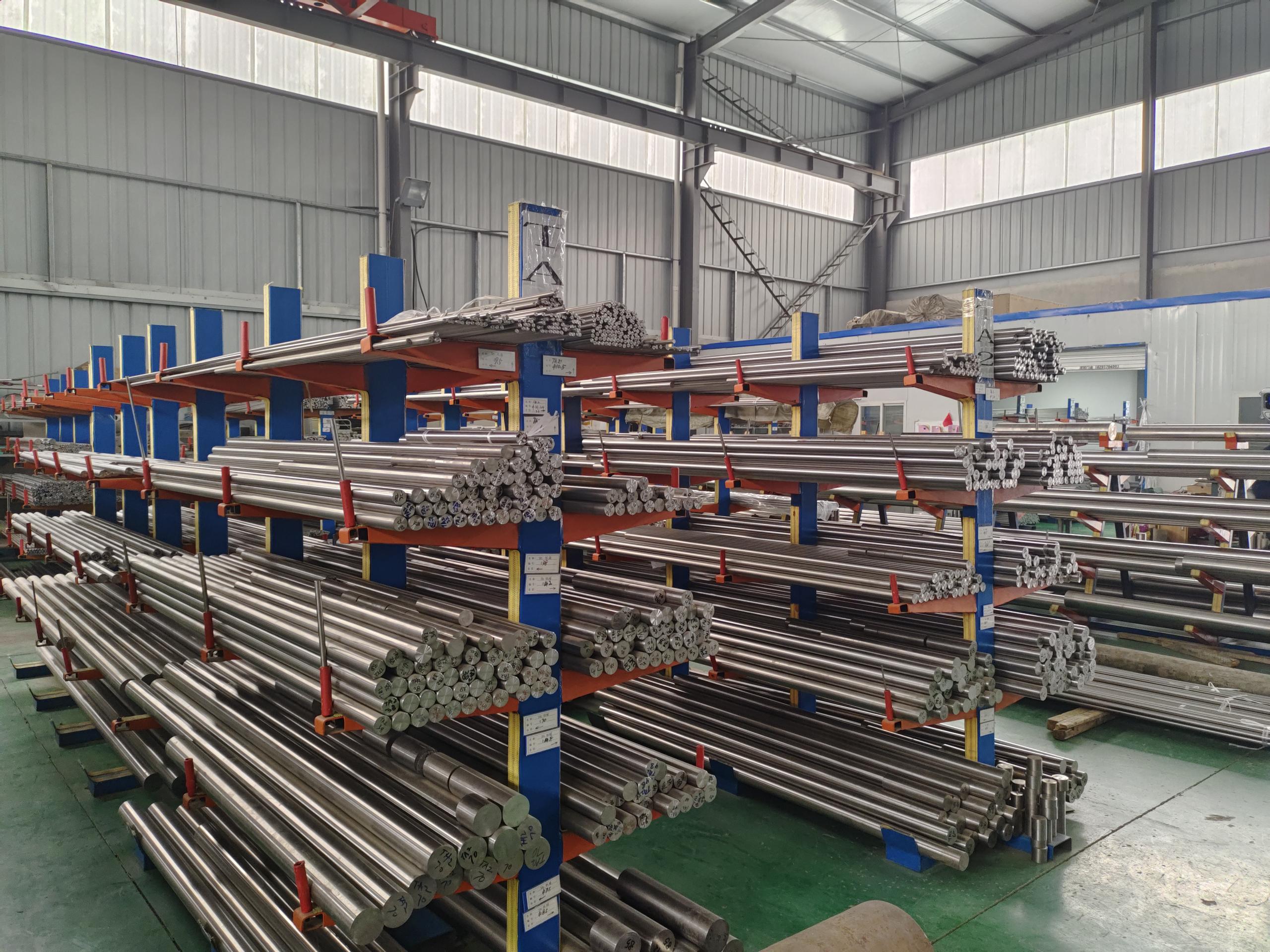
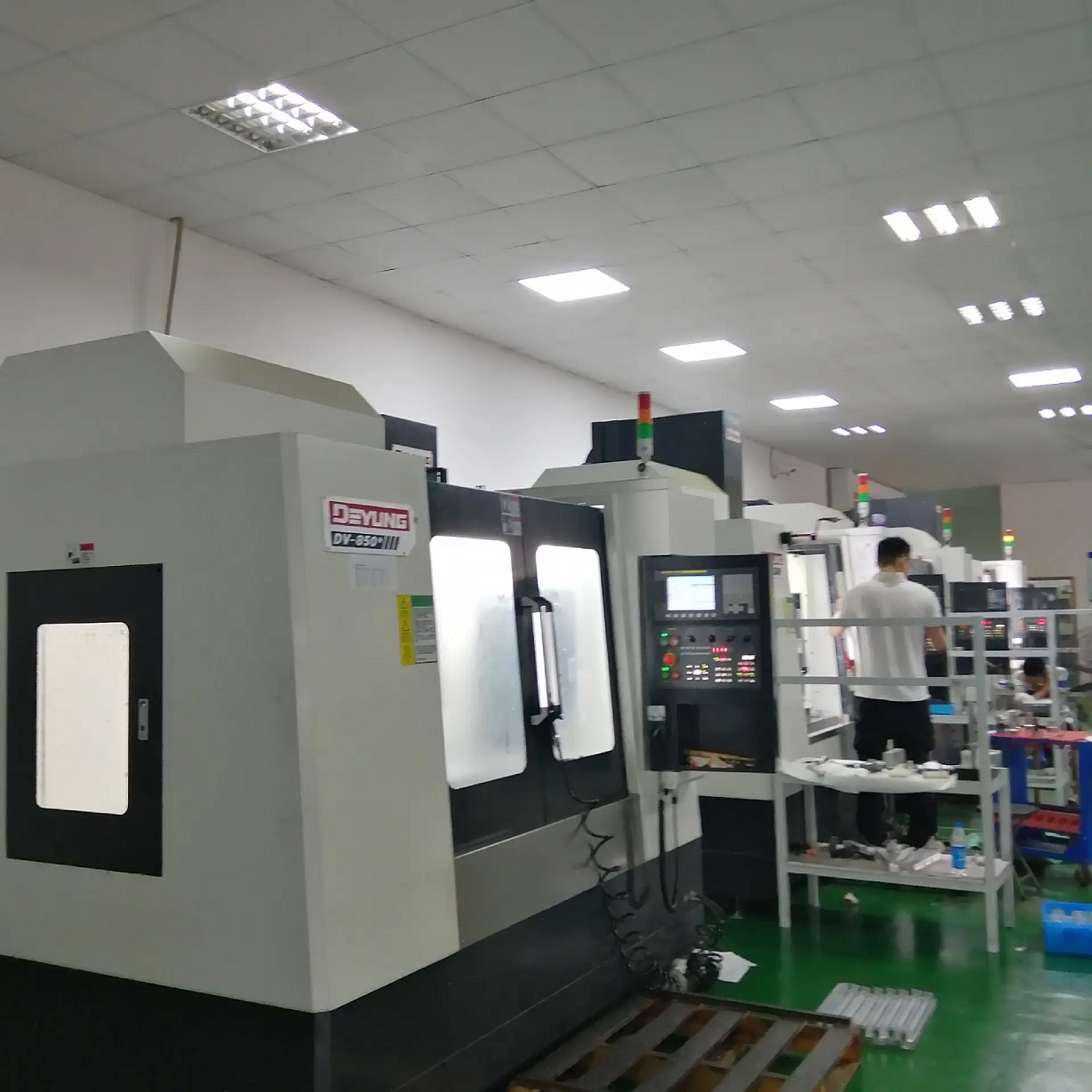
Operating since 2013 from the core of China's Titanium Valley in Baoji, Shaanxi, our integrated casting, forging, and machining facilities bypass export trading intermediaries. By controlling the complete manufacturing loop from certified sponge melting and ASTM B348 bar extrusion to 5-axis CNC turning and vacuum PVD coating, we assure unmatched metallurgical purity.
Every batch of titanium studs supplied to the Honduran market is delivered with a complete Mill Test Certificate (MTC) verifying chemical element composition (conforming to ASTM F136 / B348), mechanical yield thresholds, and 100% thread ring-gauge pass rates.
Frequently Asked Questions by Honduran Industrial Importers
Clear, engineering-backed answers addressing the logistics, installation parameters, and economic viability of sourcing titanium studs for the La Ceiba market.
Q1: How does Grade 5 Titanium prevent seizing and galling during installation in humid marine conditions?
Titanium alloys, like stainless steels, possess a reactive oxide film that can experience microscopic friction welding (galling) when torqued dry under high mechanical loads. To prevent galling in coastal Atlantic environments, always use a high-temperature, anti-seize paste containing copper, nickel, or molybdenum disulfide (MoS₂). For production lines, we provide specialized micro-thin PVD anti-friction coatings and burnished thread treatments that maintain uniform friction coefficients (µ ≈ 0.12–0.15) even after multiple torque cycles.
Q2: Can titanium studs be safely paired with aluminum alloy marine engine blocks without galvanic corrosion?
Yes, provided correct galvanic isolation rules are applied. Titanium is noble (electrochemically positive), while aluminum is active. In direct electrical contact immersed in seawater, the aluminum acts as a sacrificial anode. To eliminate this potential in La Ceiba marine propulsion or chassis assemblies, our engineers recommend utilizing non-conductive dielectric washers (PTFE/Delrin), aerospace-grade passivated zinc-free barrier compounds, or anodized titanium components whose hard oxide shell significantly inhibits electron transmission.
Q3: What are the standard shipping routes, lead times, and customs documentation for deliveries to La Ceiba?
Standard ocean consignments are routed from Chinese ports directly to Puerto Cortés (Honduras' premier deepwater container port), requiring an average transit time of 28 to 35 days. From Puerto Cortés, customs-cleared cargo reaches La Ceiba via highway CA-13 within 4 to 6 hours. For emergency repairs or prototype sampling, we ship via DHL/FedEx/UPS directly to Golosón International Airport or corporate offices in La Ceiba in 4 to 6 business days. Full export documentation includes Commercial Invoices, Packing Lists, Certificates of Origin, and Mill Test Reports (EN 10204 3.1).
Q4: How does the tightening torque for a Gr5 titanium stud compare to an SAE Grade 8 or Class 10.9 steel bolt?
Because Grade 5 Titanium (Ti-6Al-4V) has a tensile yield strength of 828–910 MPa, it closely matches the mechanical proof strength of Class 8.8 and 10.9 fasteners. However, because its modulus of elasticity (114 GPa) is roughly half that of steel (210 GPa), titanium undergoes twice the elastic stretch at the same applied load. When properly lubricated with anti-seize paste, titanium studs generally utilize approximately 80% to 85% of the torque value recommended for dry alloy steel of equivalent thread pitch to achieve identical clamping preload.
Q5: What is the Minimum Order Quantity (MOQ) for custom-machined industrial and wheel studs?
For standard catalog sizes of hex, flange, and socket titanium fasteners (M4 to M16), our MOQ is as low as 10 to 30 pieces to support local maintenance sampling and specialty fleet retrofits. For custom drawing-based studs, dual-threaded stepped studs, or non-standard thread pitches (such as metric/UNF hybrids for specialized agricultural machinery), the MOQ is typically 100 to 200 units, dependent on raw bar diameter and machining complexity.
Q6: Do custom anodized color finishes (burnt blue, gold, purple) degrade when exposed to tropical UV and salt spray?
No. Unlike aluminum anodizing—which relies on organic or inorganic chemical dyes embedded in porous oxide layers that bleach under tropical Caribbean UV sunlight—titanium anodizing is an electro-chemical optical interference effect. The process precisely thickens the clear, non-porous titanium dioxide (TiO₂) layer. The perceived color is produced by light refraction, ensuring that salt spray, diesel exhaust, agricultural acids, and intense tropical solar radiation will never fade or peel the finish.
Ready to Engineer Failure-Proof Connections in La Ceiba?
Connect directly with our Baoji metallurgy and fastener engineering team. Submit your 2D/3D CAD drawings (STEP, DWG, PDF) or standard DIN/ISO/UNC requirements for immediate factory pricing, certified mill analysis, and rapid Caribbean freight solutions.