Featured Industrial Titanium Stud Bolts & CNC Fastening Systems
Manufactured to ISO, DIN, and ASTM specifications with mill-certified titanium bar stock. Built for structural integrity, zero-galling tolerance, and extreme chloride immunity in harsh Scottish industrial marine environments.
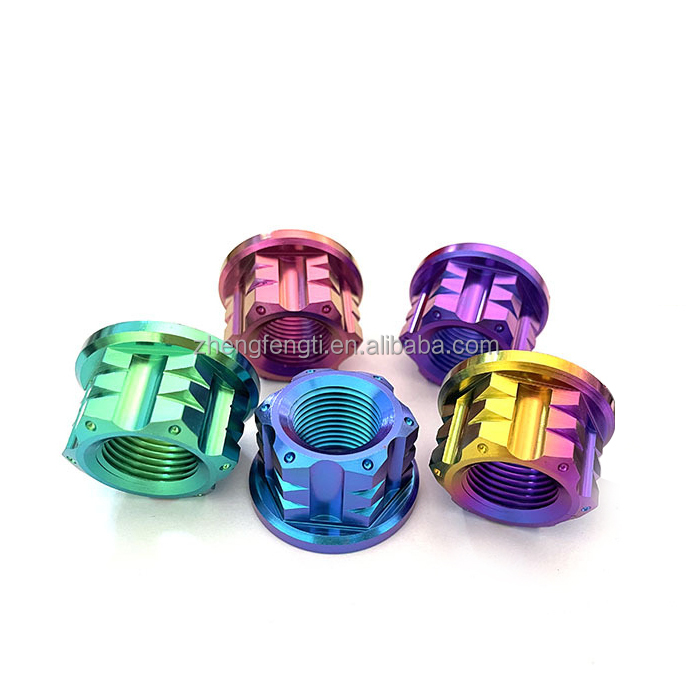
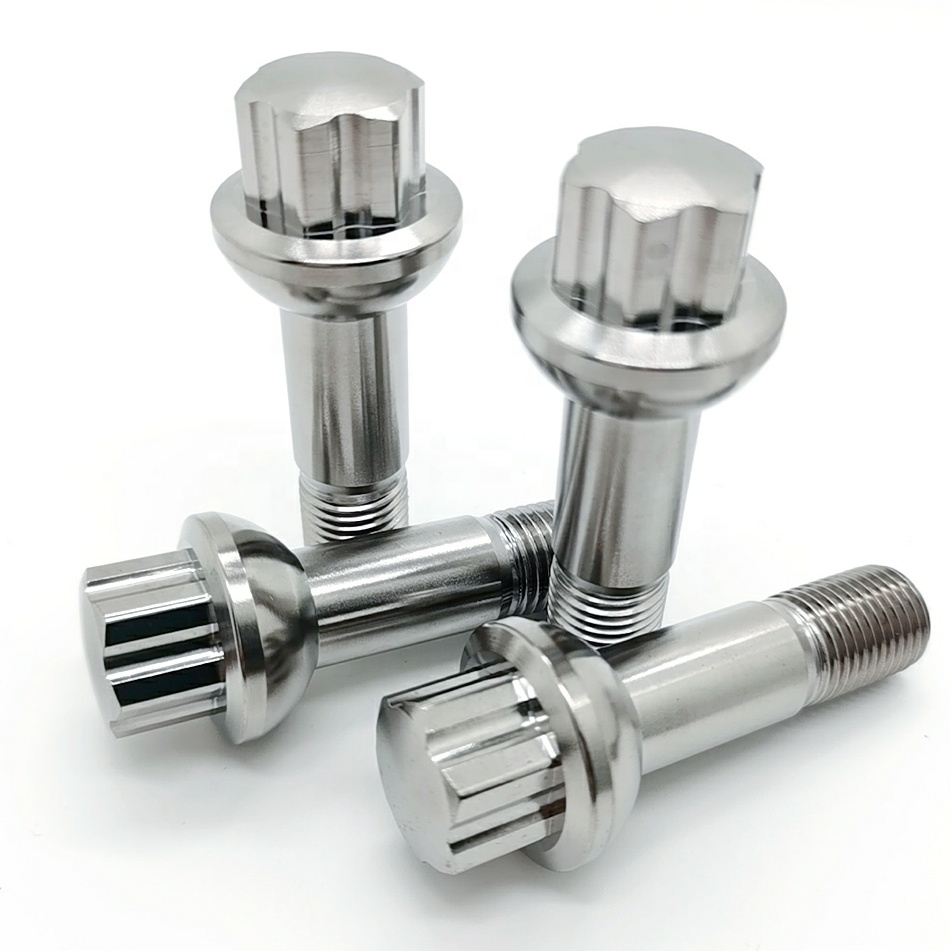
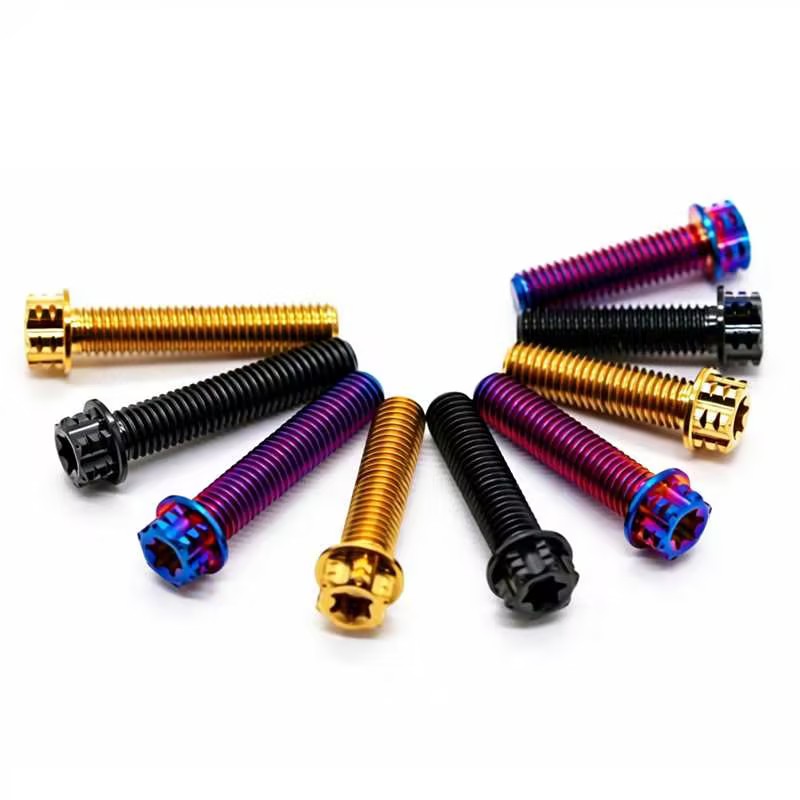
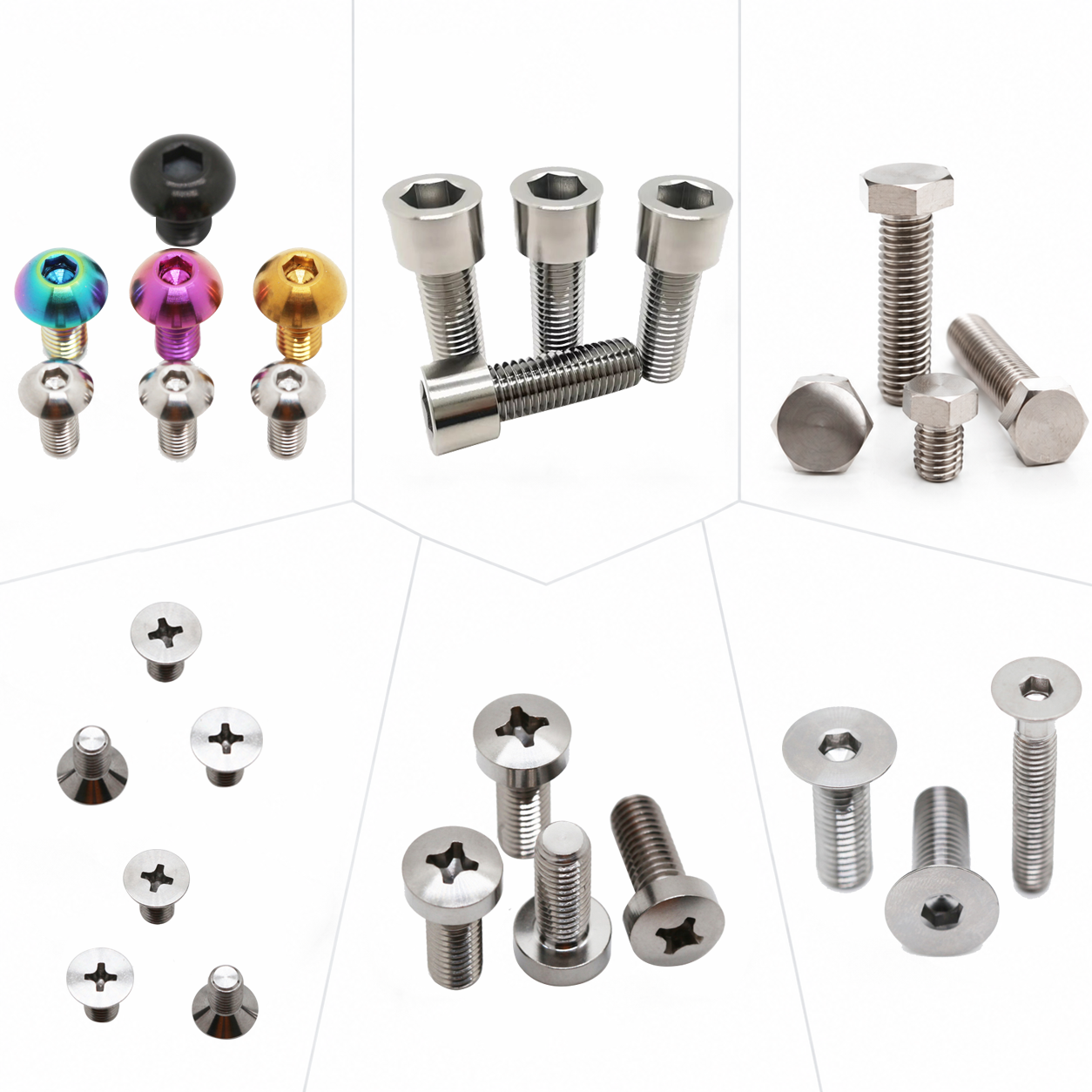
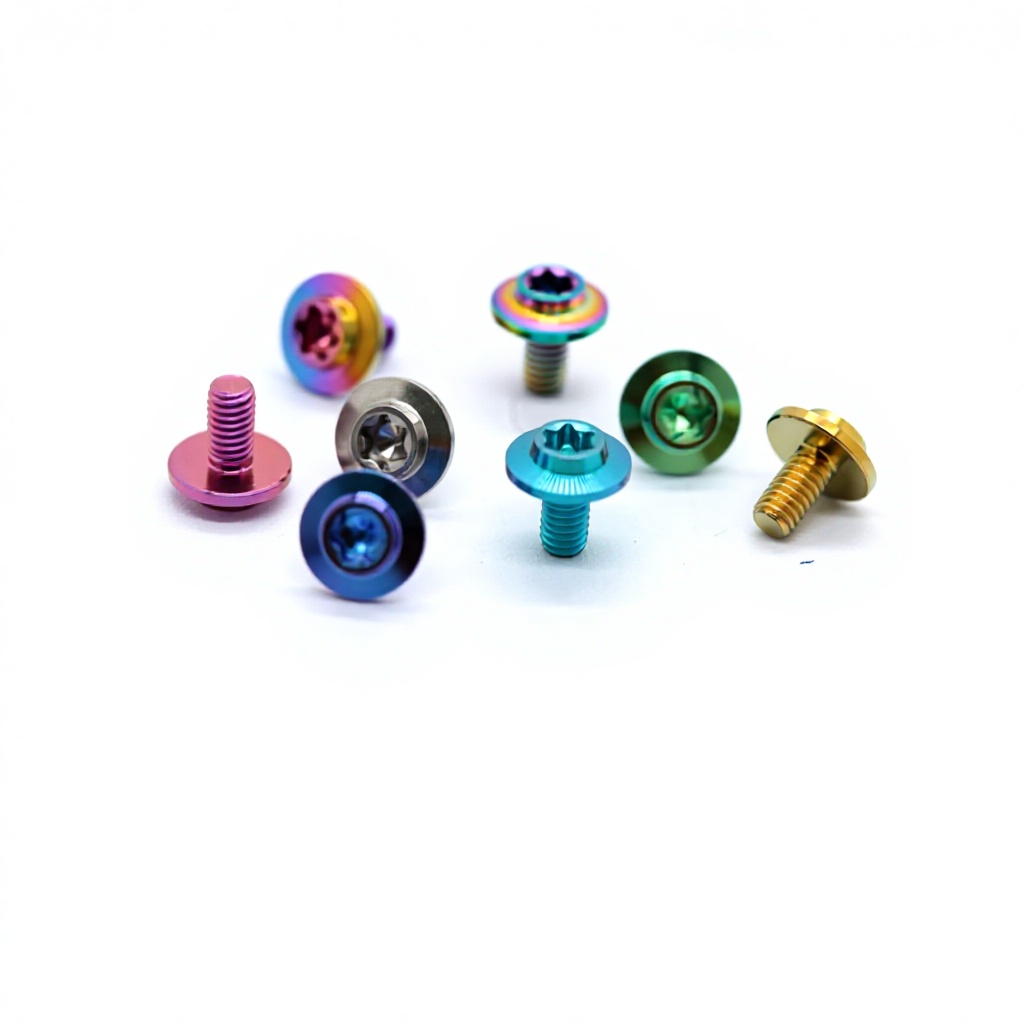
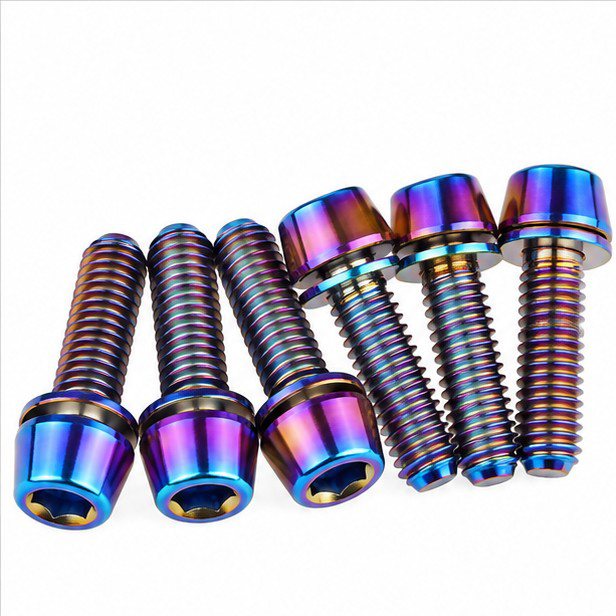
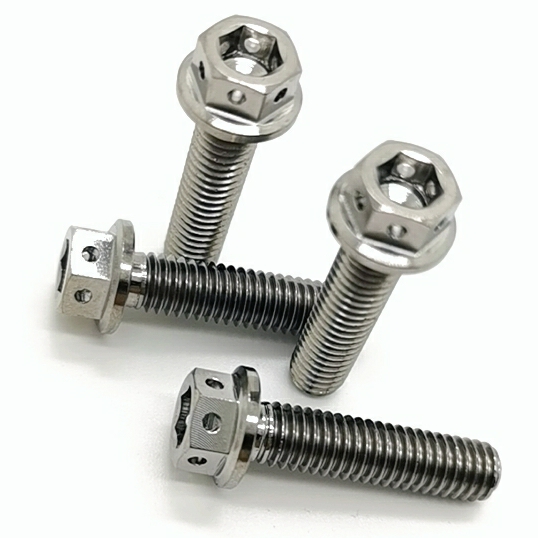
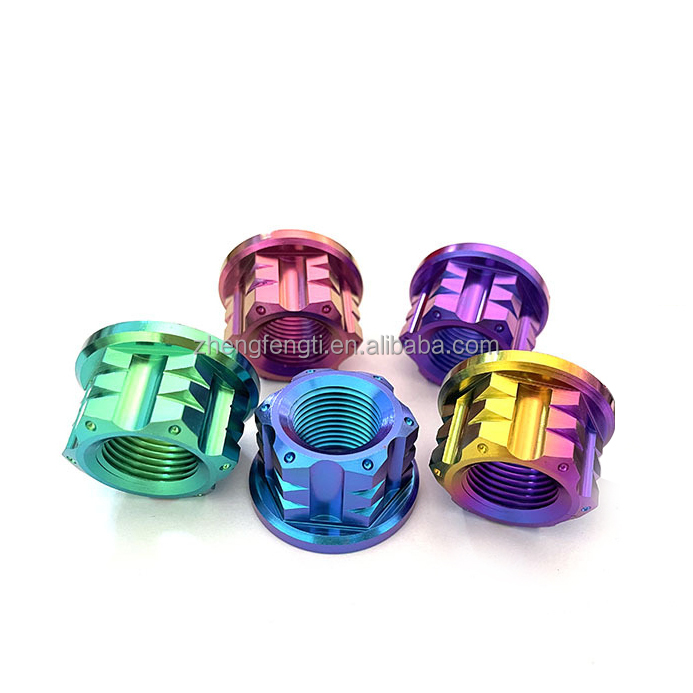
Engineering Integrity of Titanium Stud Fastening Systems
Understanding why Scottish heavy mechanical, subsea, and offshore engineering operations are shifting from austenitic 316L and duplex stainless steels to Grade 5 Ti-6Al-4V stud bolts.
In structural bolting and pipe flange assemblies across Glasgow's maritime corridor, selecting stud bolting materials is a complex negotiation between tensile strength, fatigue cycle survival, stress corrosion cracking (SCC) immunity, and mass optimization. Traditional carbon steels (such as ASTM A193 B7) provide high structural yield strength but degrade rapidly when exposed to the high chloride, humid salt fog characteristic of the Firth of Clyde and North Sea installations. Even super duplex alloys (UNS S32750), while resistant, present high mass penalties and can suffer hydrogen-induced stress cracking under cathodic over-protection.
Titanium stud bolts—specifically dual-certified ASTM B348 / ASTM F136 Grade 5 (Ti-6Al-4V) and commercially pure Grade 2—eliminate these failure modes. Titanium forms an instantaneous, tenacious, self-healing rutile (TiO₂) passive oxide film upon surface exposure to oxygen or moisture. This stable passive layer renders titanium studs virtually impervious to ambient aqueous chlorides, seawater cavitation, and microbiologically influenced corrosion (MIC) up to temperatures exceeding 260°C.
Key Technical Note on Galvanic Isolation in Marine Environments
While Grade 5 titanium behaves as a noble cathode in the galvanic series, connecting titanium studs directly to carbon steel or cast iron flanges in wet marine environments can accelerate anode dissolution of the host base metal. When deploying titanium stud bolts in Glasgow marine engineering projects, Yevzo recommends pairing with Grade 5 titanium backing nuts, isolating PTFE/G-10 sleeves, and application of molybdenum-disulfide or nickel-based anti-seize paste to eliminate thread galling during high pre-load torque cycling.
| Mechanical / Physical Property | Gr5 Titanium (Ti-6Al-4V Annealed) | Gr2 Titanium (Commercially Pure) | 316L Stainless Steel (A4-80) | Alloy Steel (ASTM A193 B7) |
|---|---|---|---|---|
| Ultimate Tensile Strength (UTS) | 895 – 1000 MPa | 345 – 450 MPa | 800 MPa | 860 – 1050 MPa |
| 0.2% Yield Strength | 828 MPa (Min) | 275 MPa (Min) | 600 MPa (Min) | 725 MPa (Min) |
| Density (g/cm³) | 4.43 g/cm³ | 4.51 g/cm³ | 8.00 g/cm³ | 7.85 g/cm³ |
| Elastic Modulus (Young's E) | 114 GPa | 105 GPa | 193 GPa | 207 GPa |
| Strength-to-Weight Ratio (kNm/kg) | 202 | 76 | 100 | 110 |
| Seawater Corrosion Rate (mm/year) | < 0.0001 (Impervious) | < 0.0001 (Impervious) | Pitting & Crevice Risk | Rapid Degradation |
| Thread Manufacturing Process | CNC Machined / Cold Rolled | Precision Turning | Cold Formed | Rolled / Cut |
Localized Application Scenarios Across Greater Glasgow & The Clyde
Strategic fastening applications where our Grade 2 and Grade 5 stud bolts deliver critical reliability to heavy industry, marine vessels, and process infrastructures across west-central Scotland.
Clyde Naval Shipbuilding & Marine Defense
The River Clyde remains the historic beating heart of British naval architecture. From naval vessel assembly yards at Govan and Scotstoun to specialized commercial ship refits at Greenock, titanium stud bolts are critical for high-shock exhaust ducting, sonobuoy transducer housings, seawater cooling ballast loops, and radar mast fasteners where magnetic invisibility and high modulus compliance prevent acoustic signatures and premature salt-spray failure.
Subsea Offshore Wind & Tidal Systems
As offshore wind farms expand across the Outer Firth of Clyde, Ayrshire coast, and deeper North Sea waters, maintenance mobilization costs dominate operational expenditure. Conventional studs corrode in splash zones, causing seized threads and flange downtime. Grade 5 titanium stud bolts provide 25+ years of zero-maintenance lifespan on subsea cabling clamp assemblies, floating foundation hinges, and nacelle sensor anchors, drastically slashing lifecycle OPEX for Scottish energy operators.
Chemical Processing & Distilleries
Greater Glasgow hosts advanced pharmaceutical batch reactors, municipal water treatment facilities along the Clyde Basin, and historic Scottish single malt wash and distilling complexes. Grade 2 titanium continuous-thread studs are deployed in condensing coils, hot wort heat exchangers, and chlorine chemical dosing pipelines where organic esters, acetic acids, and industrial sanitizers leach heavy ions from standard 304/316 stainless alloys.
Scottish Aerospace & Defense Clusters
Operating near Glasgow Airport's Advanced Manufacturing Innovation District Scotland (AMIDS) and Prestwick's aerospace aerospace hub, precision engineering subcontractors require lightweight titanium stud bolts and captive fasteners conforming to AS9100/ASTM F136 requirements. Titanium’s high yield-to-density ratio lowers total structural tare in aerostructures, wing fuel-cell access panels, and UAV launch structures.
Central Belt Motorsport & Track Engineering
Glasgow sits within easy reach of Scotland's top racing and track-tuning facilities, including Knockhill Racing Circuit. For track-car fabricators, motorcycle endurance squads, and bespoke performance garages, un-sprung mass at the hub carrier is the enemy of cornering dynamics. Our custom CNC Grade 5 wheel lug studs, hub stud conversion kits, and titanium caliper bolts decrease rotating inertia by over 40% while preserving crucial 10.9-equivalent shear capacities.
Hydrogen & Clean Fuel Distribution Corridors
With Scotland pioneering green hydrogen pilot plants in the Central Belt and deep-water terminal hubs at Hunterston, material selection for high-pressure cryogenic hydrogen transport lines must avoid severe hydrogen embrittlement. Certified low-interstitial Grade 5 ELI (ASTM F136) stud bolts provide exceptional fracture toughness (KIC > 70 MPa√m) even at extreme cryogenic ranges down to -196°C.
Industrial Transition & Fastener Procurement Trends in Glasgow
How regulatory pressures, Net Zero mandates, and global supply chain reconfigurations are reshaping engineering fastener procurement throughout the West of Scotland.
The industrial ecosystem surrounding Greater Glasgow and the broader Strathclyde basin is undergoing a historic structural transformation. Historically known as the heavy-forging workshop of the British Empire, Glasgow has pivoted into a high-technology powerhouse centering around advanced naval systems, satellite engineering, clean-tech marine propulsion, and renewable offshore infrastructure. This pivot has triggered a fundamental reassessment of mechanical fastener procurement criteria across Scottish supply chain managers.
Three primary micro-economic drivers are accelerating the demand for titanium stud bolts within the regional Scottish engineering network:
1. The ScotWind & INTOG Supply Chain Mandate
With the award of over 25 GW of floating and fixed-bottom offshore wind seabed rights through Crown Estate Scotland, EPC contractors are legally bound to maximize Scottish and UK supply chain resilience. Traditional offshore structures required frequent diver intervention or ROV hot-stabbing to replace rusted flange bolting. To satisfy stringent 30-year design life mandates without component replacement, tier-1 engineering consortia in Glasgow are writing Grade 5 titanium stud requirements directly into subsea balance-of-plant (BOP) procurement specifications.
2. Decarbonization via Structural Light-Weighting
Scotland’s aggressive target of Net Zero by 2045 has catalyzed weight-critical naval architecture and marine transport initiatives. Fast ferries, hydrogen-fuel-cell catamarans, and topside offshore substations fabricated across the Clyde must reduce structural deadweight to enhance payload or range. Replacing thousands of structural M16–M24 alloy steel stud assemblies with Ti-6Al-4V achieves immediate weight reductions of approximately 44% with zero loss in clamping tension.
3. Direct Mill Sourcing to Mitigate UK Fastener Inflation
Following post-Brexit customs restructuring and volatility in European specialty steel stocks, Scottish buyers face steep distribution markups from regional fastener stockholders. Glasgow OEMs are increasingly adopting a "Direct Factory-to-Clyde" procurement model—partnering directly with integrated manufacturers like Yevzo in Baoji's Titanium Valley to secure heat-lot traceable fasteners under clear DDP/DAP Incoterms with third-party testing guarantees.
Why Glasgow Engineering Firms Partner with Yevzo Titanium
Bridging the world's primary titanium sponge hub directly to Scottish docks, shipyards, and precision machine shops.
Baoji "Titanium Valley" Source
Headquartered in Baoji, China's premier non-ferrous metal capital. Direct access to high-purity sponge, raw vacuum-arc remelt (VAR) ingots, and ASTM B348 bar stock ensures competitive base material pricing, eliminating intermediary margins.
100+ High-Precision CNC Units
Our workshop houses high-speed Swiss-type lathes, 3-axis and multi-spindle turning centers, and planetary thread rolling machines capable of maintaining Class 6g/6H tolerances for smooth, gall-free thread engagement.
EN 10204 Type 3.1 Traceability
Every single consignment bound for the UK includes detailed Mill Test Certificates (MTC) outlining optical emission spectrometry chemical breakdowns, room-temperature tensile/yield data, and ultrasonic internal soundness verifications.
Custom Drawing & OEM Flexibility
From M3 micro-screws up to heavy M36 subsea stud bolts, continuous double-end tap studs, reduced-shank anti-fatigue designs, or custom PVD burnt-blue/gold anodizing, we produce precisely to your CAD, STEP, or PDF drawings.
Frequently Asked Questions by Scottish Engineering Buyers
Addressing metallurgical validation, customs delivery to the UK, galvanic mitigation, and custom threading requirements.
How do Grade 5 titanium stud bolts perform against British marine salt-spray conditions compared to 316L (A4) stainless steel?
What test certification and documentation accompany shipments destined for Glasgow and UK engineering projects?
How should engineering teams in Glasgow prevent thread galling during installation of titanium studs?
What Incoterms and air/sea logistics options are available for delivery directly to Glasgow, Renfrewshire, or Edinburgh?
Can you manufacture stud bolts with custom British Standard (BSW / BSF) or American Unified (UNC / UNF) threads?
What is the Minimum Order Quantity (MOQ) for custom-machined titanium studs or non-standard flange nuts?
Request Engineering Pricing & Specification Sheets
Planning a marine refit along the Clyde, developing an offshore renewable structure, or outfitting a high-performance automotive build in Glasgow? Consult with our titanium metallurgy engineers today for heat-lot certified pricing and rapid dispatch schedules.