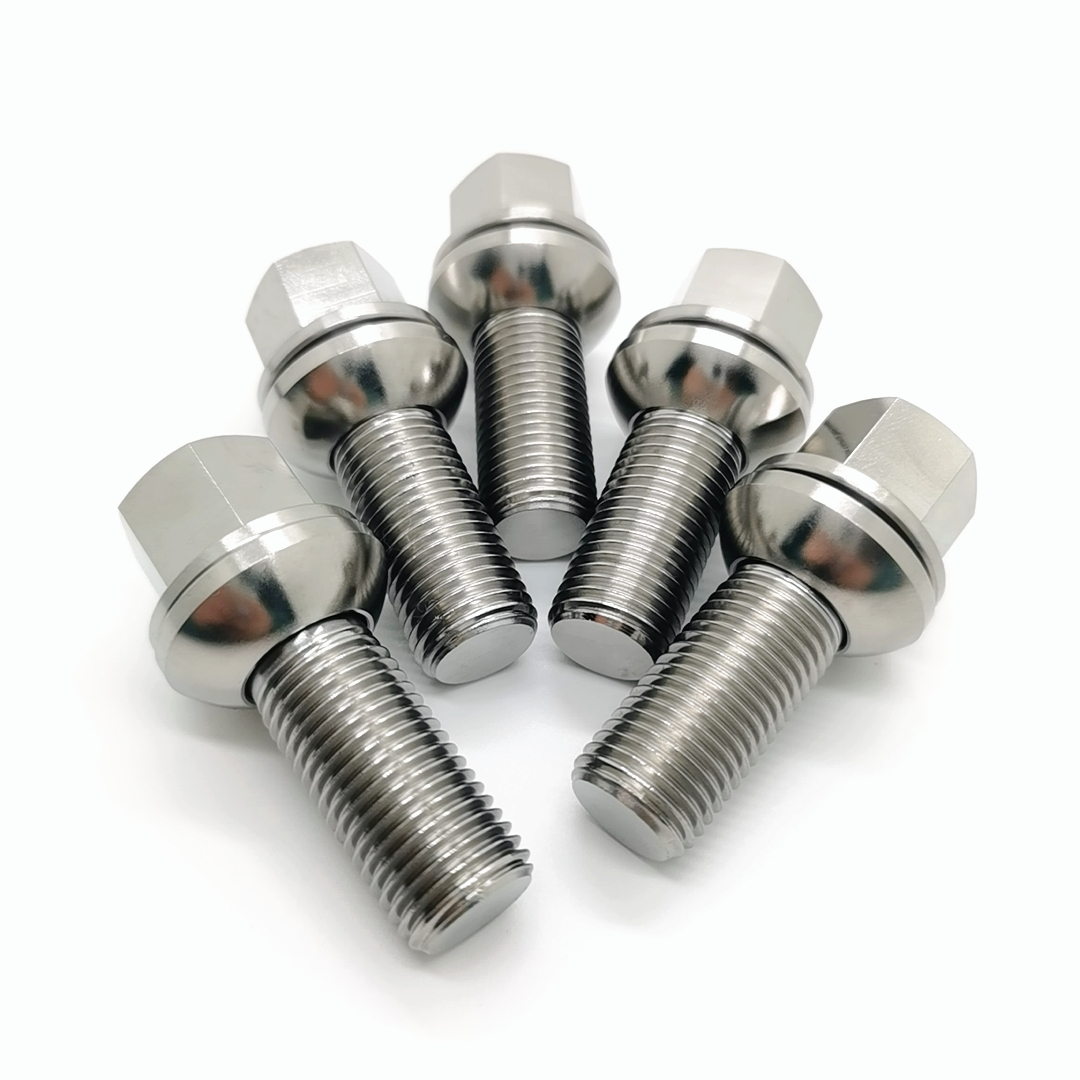
Export Inventory & Production Matrix
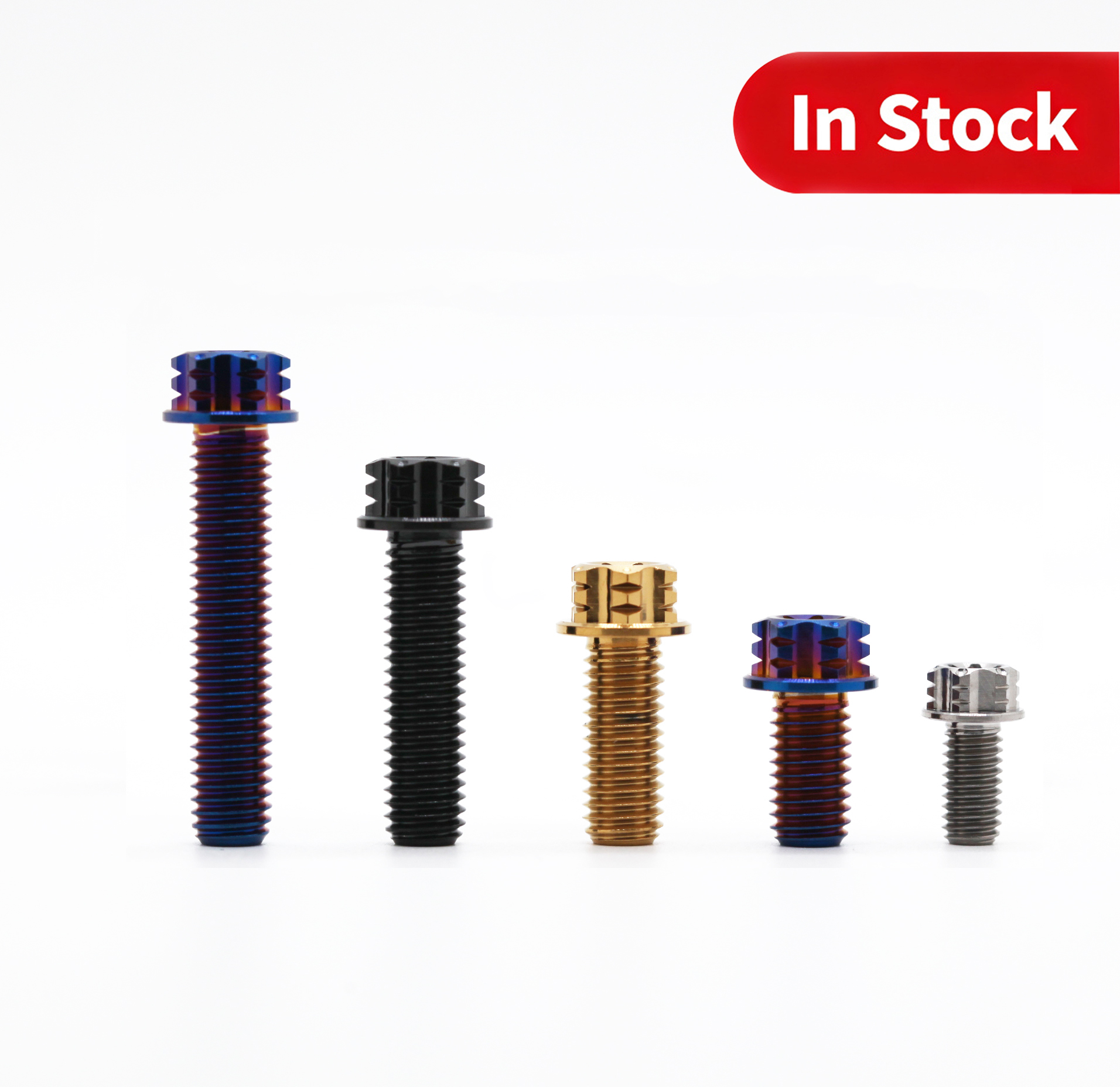
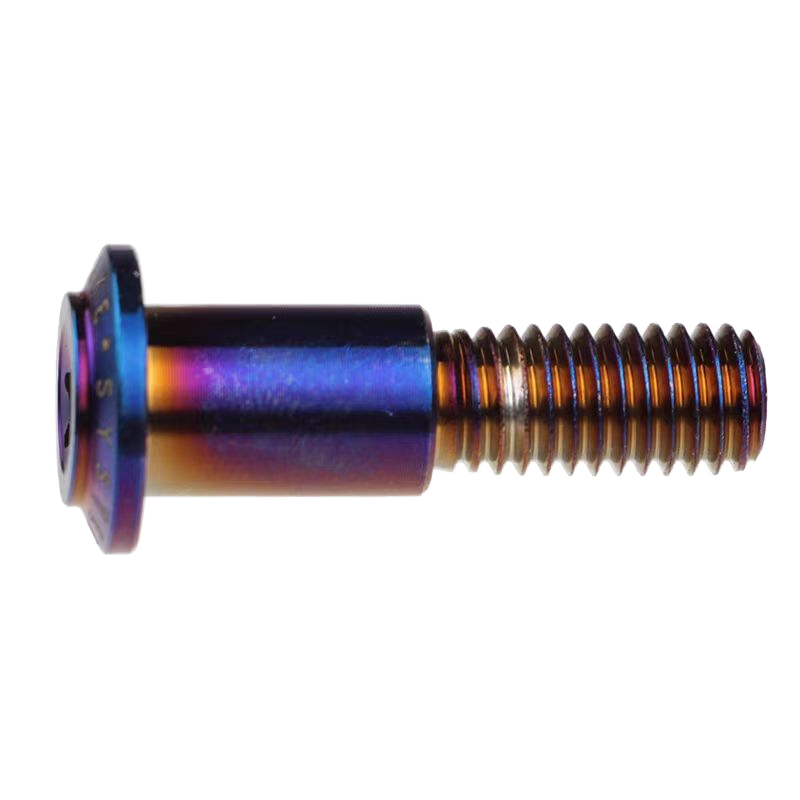
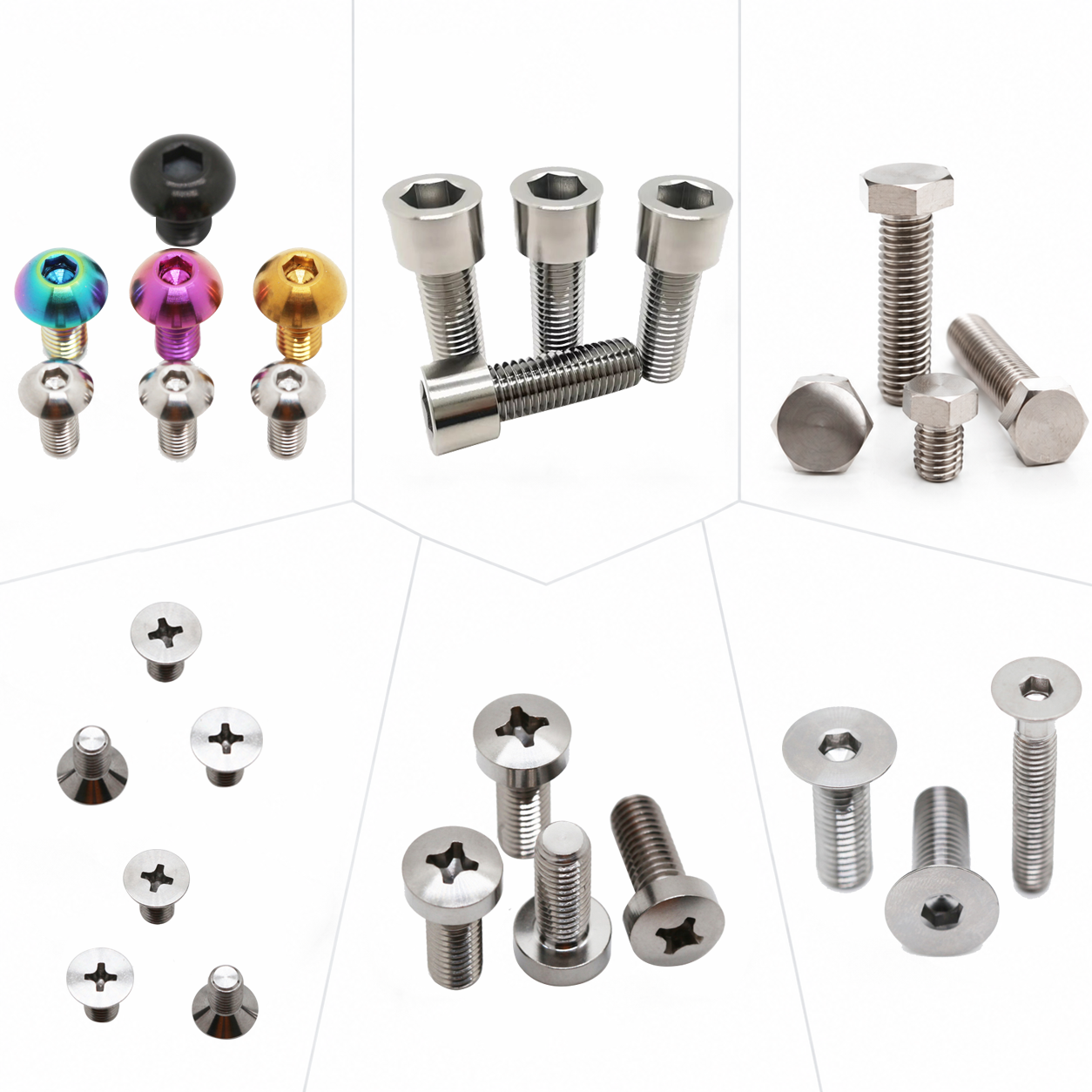
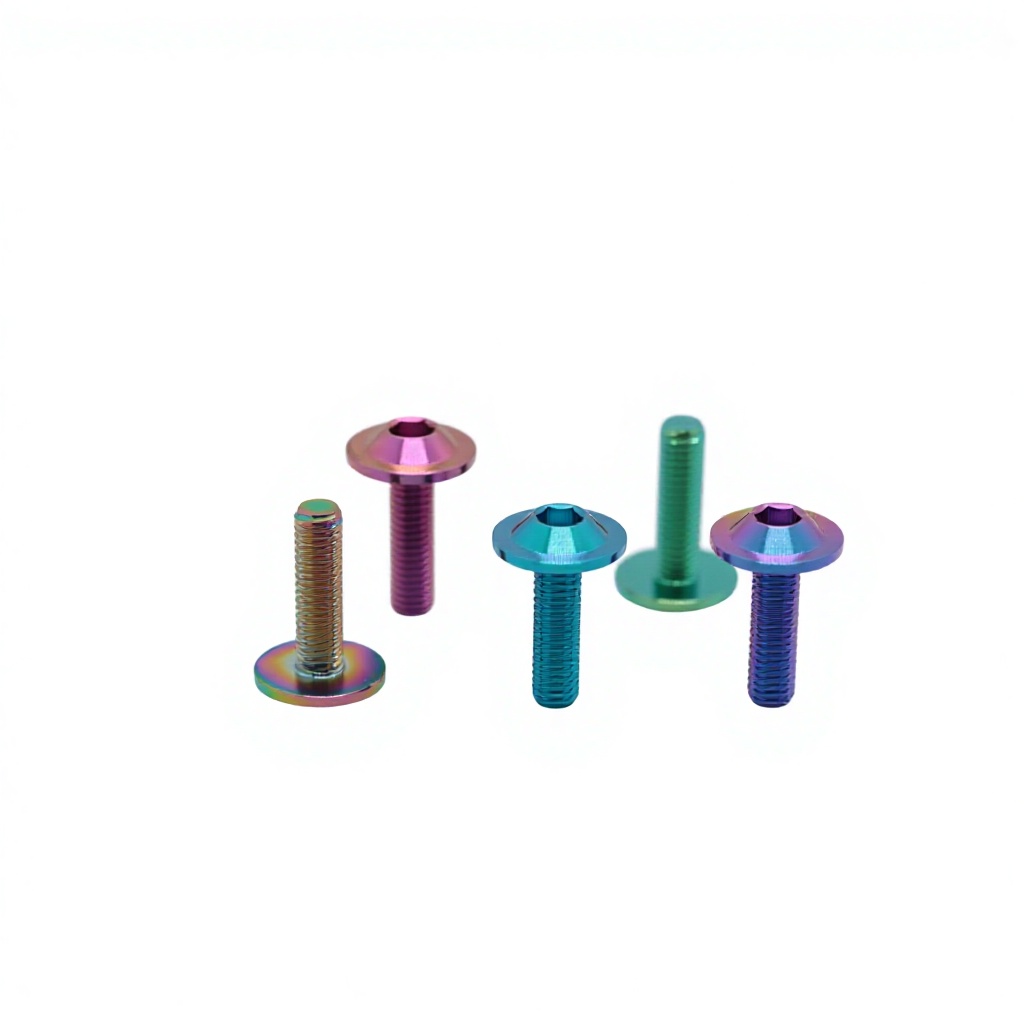
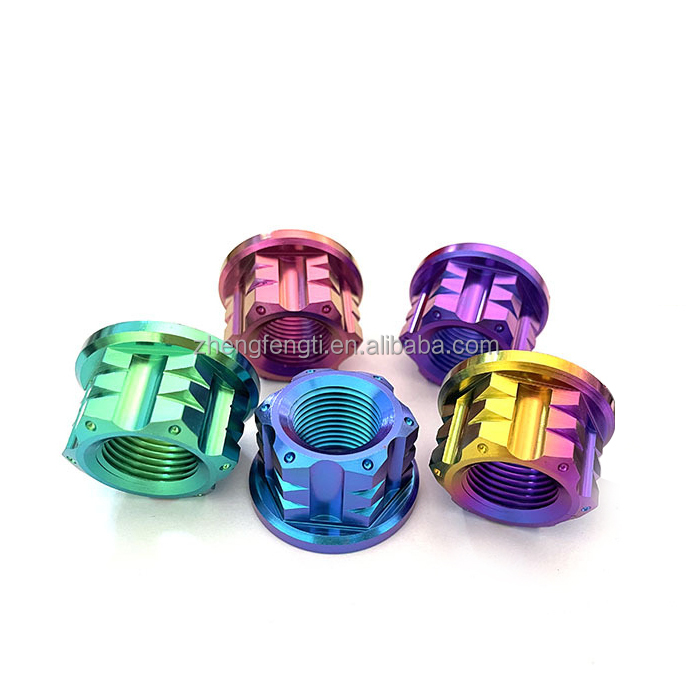
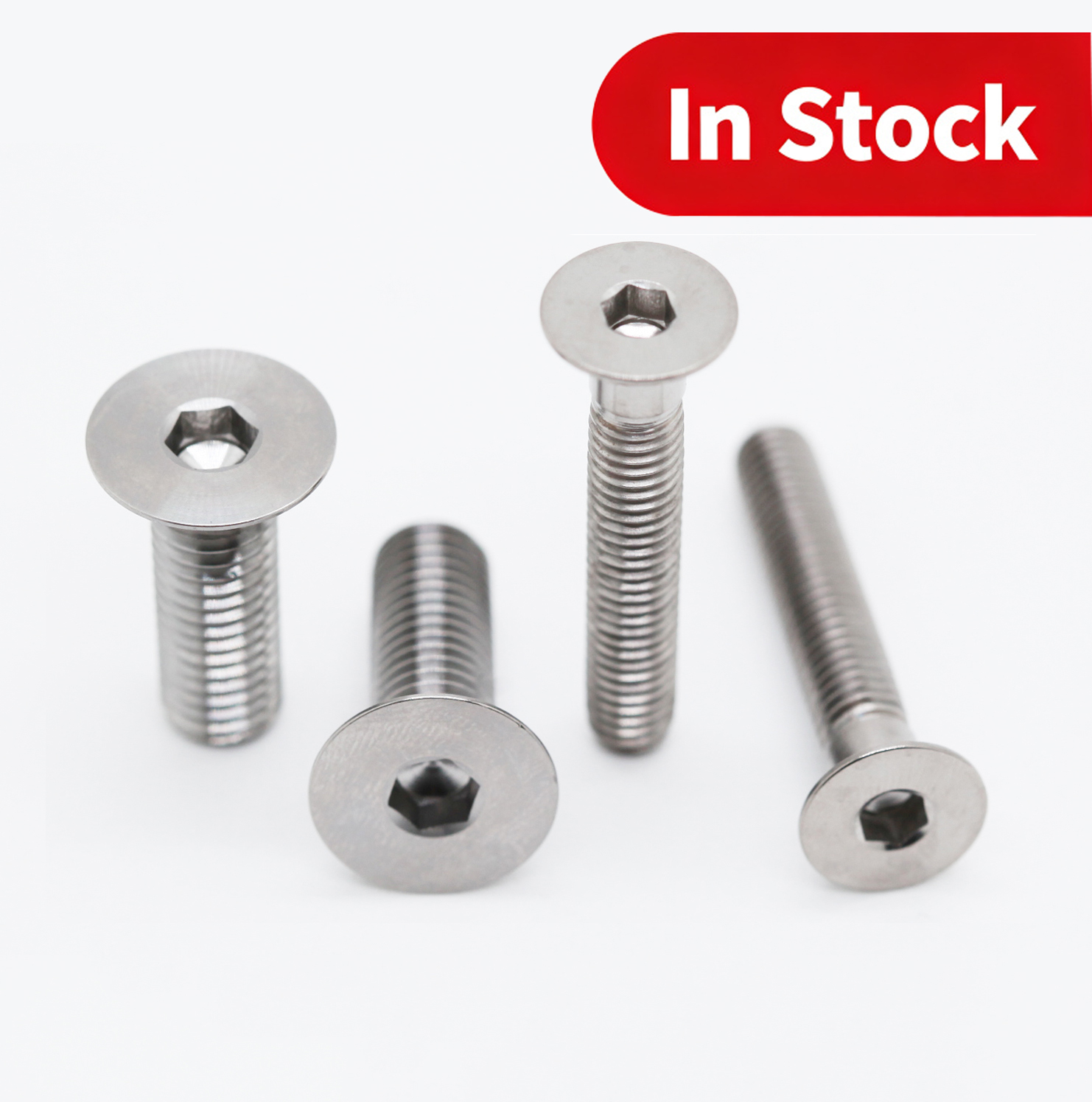
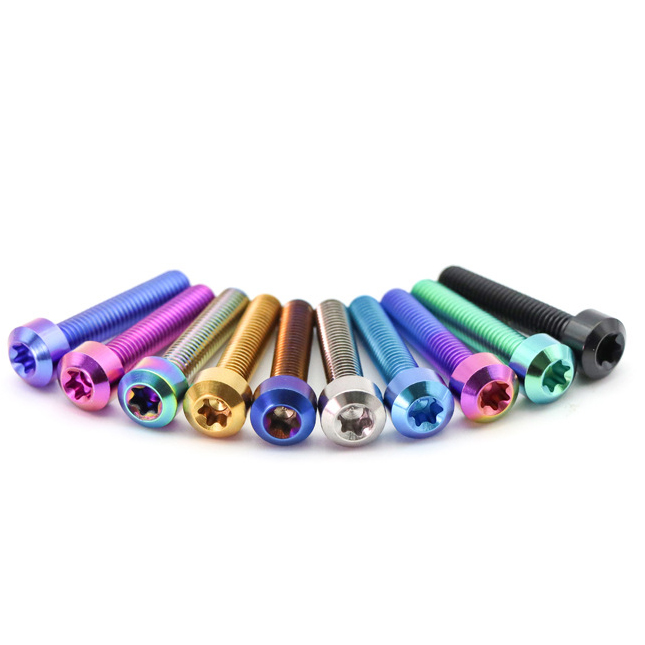
Precision Titanium Fasteners & Square Nuts Portfolio
Engineered directly in Baoji's Titanium Valley to strict ISO 9001 quality criteria, serving mechanical engineers, automation developers, and precision assembly lines throughout Zurich and Canton Zurich.
Technical Whitepaper & Metallurgy Insights
Engineering Titanium Square Nuts for Swiss Precision Requirements
A comprehensive examination of shear performance, channel locking properties, surface passivation, and CNC fabrication tolerances serving Zurich's industrial ecosystem.
In modern mechanical assemblies, the square nut remains a critical fastener geometry, particularly when utilized within aluminum framing profiles, machine tool T-slots, busbar enclosures, and blind-assembly slide tracks. In the Greater Zurich Area—renowned globally as an epicentre for robotics, precision instrumentation (Mess- und Regeltechnik), aerospace sub-systems, and laboratory automation—standard structural steel or bronze square nuts increasingly fail to meet multi-variable operational demands. When components encounter aggressive environmental factors, extreme thermal cycling, or strict inertia-to-mass quotas, titanium square nuts fabricated from commercially pure Grade 2 (UNS R50400) or alpha-beta Grade 5 (Ti-6Al-4V / UNS R56400) provide unparalleled mechanical reliability.
The physical geometry of a square nut (conforming generally to DIN 557, DIN 562, or ASME B18.2.2 standards) provides a substantially higher contact surface area across two planar sides compared to conventional hexagonal fasteners. In channeled tracks and structural extrusion profiles commonly deployed across Zurich's cleanroom and semiconductor tooling clusters, square nuts distribute reactive torque across an extended bearing face. This planar locking prevents rotation during high-torque tightening cycles, eliminating internal gouging within soft extruded aluminum channels. When machined from Grade 5 titanium, these fasteners deliver a yield strength exceeding 828 MPa, surpassing Grade 8.8 medium-carbon steel while reducing joint assembly weight by over 43%.
| Mechanical & Physical Property | Grade 2 Titanium (CP-Ti) | Grade 5 Titanium (Ti-6Al-4V) | Austenitic A2-70 (AISI 304) | Carbon Steel Class 8.8 |
|---|---|---|---|---|
| Density (g/cm³) | 4.51 | 4.43 | 7.90 | 7.85 |
| Tensile Strength Rm (MPa) | ≥ 345 | ≥ 895 | ≥ 700 | ≥ 800 |
| Yield Strength Rp0.2 (MPa) | ≥ 275 | ≥ 828 | ≥ 450 | ≥ 640 |
| Modulus of Elasticity (GPa) | 105 | 114 | 193 | 210 |
| Magnetic Permeability (μr) | 1.00005 (Non-magnetic) | 1.00005 (Non-magnetic) | 1.005 – 1.05 (Slightly work-hardened) | Ferromagnetic (> 100) |
| Chloride Corrosion Resistance | Immune (Ambient) | Immune (Ambient) | Susceptible to Pitting / SCC | Requires Zinc Plating |
For precision optical benches, analytical spectrometers, and cryostats operating within top-tier educational and corporate research labs in Zurich (such as ETH Zurich and regional science parks in Dübendorf), relative magnetic permeability (μr) is a deterministic purchasing metric. Standard austenitic stainless steels (such as 1.4301 or 1.4401) exhibit measurable residual ferromagnetism when cold-headed or sheared, skewing sensor calibrations in high-field electromagnetic or electron-beam chambers. In contrast, fully CNC-machined titanium fasteners maintain a constant non-magnetic profile, allowing pristine integration into sensitive sensor housings and nuclear magnetic resonance (NMR) apparatus.
Precision Regional Integration
High-Performance Applications Across Canton Zurich
Targeted mechanical deployments where weight optimization, chemical inertness, and non-magnetic stability govern Swiss engineering standards.
Laboratory Automation & Diagnostics
Zurich serves as a nucleus for life science engineering and clinical diagnostic instrumentation. Titanium square nuts provide corrosion immunity against enzymatic washes, saline solutions, and sanitizing reagents inside robotic pipetting stages, centrifuge containment drums, and spectrophotometer framing, preventing particulate contamination.
Aerospace Systems & Space Research
Collaborating with aerospace suppliers and university-incubated microsatellite groups across Greater Zurich, our Grade 5 titanium square nuts serve in launch payload brackets and deployable antenna slides, providing critical strength-to-weight advantages, high fatigue thresholds, and cryogenic structural resistance down to -196°C.
High-Vacuum (UHV) & Sensor Optics
Within particle analysis stages and vacuum coating equipment, components must operate without outgassing or volatile embrittlement. CNC-machined titanium square nuts provide stable bake-out performance up to 400°C, zero zinc or cadmium contamination, and complete geometric stability inside optical mounting tracks.
Strategic Macro Shifts
Zurich's Industrial Trends Shaping Fastener Selection
How the Swiss MEM (Machinery, Electrical, and Metal) sector is modernizing joint design to address decarbonization, miniaturization, and lifecycle endurance.
Advanced Lightweighting in Robotics
Zurich's autonomous drone manufacturers and collaborative robot (cobot) designers actively swap zinc-plated steel square track nuts for Gr5 titanium. Reducing kinetic mass on articulate joints by 40% immediately lowers motor amperage, reduces inertia during rapid accelerations, and extends battery cycle life.
Lifecycle Economics & Maintenance Prevention
Swiss asset managers calculate procurement costs based on Total Cost of Ownership (TCO). In rail signaling infrastructure, hydro-electric monitoring, and outdoor telemetry around Lake Zurich, titanium fasteners eliminate secondary maintenance runs, zinc repainting, and seized-fastener drillouts caused by road salt and moisture.
Traceability & EN 10204 3.1 Mandates
Swiss buyers increasingly reject untraceable, generic fastener batches. Sourcing requirements in the Zurich industrial corridor require verified chemical composition analysis and mechanical test certifications linked directly to the melt ingot, assuring strict compliance with REACH and RoHS standards.
Direct Factory Authority
Why Zurich Sourcing Teams Partner With Yevzo
Combining primary titanium material control in Baoji Titanium Valley with multi-axis CNC repeatability to satisfy stringent European engineering criteria.
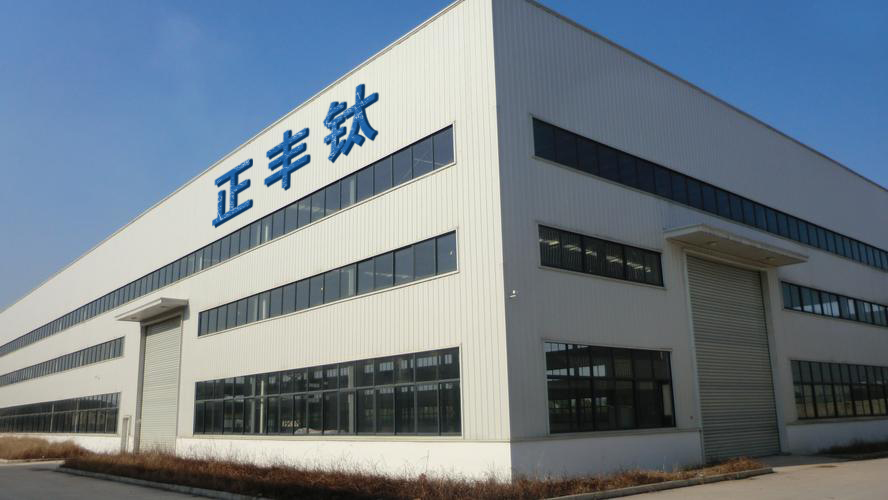
Baoji CNC Production Line
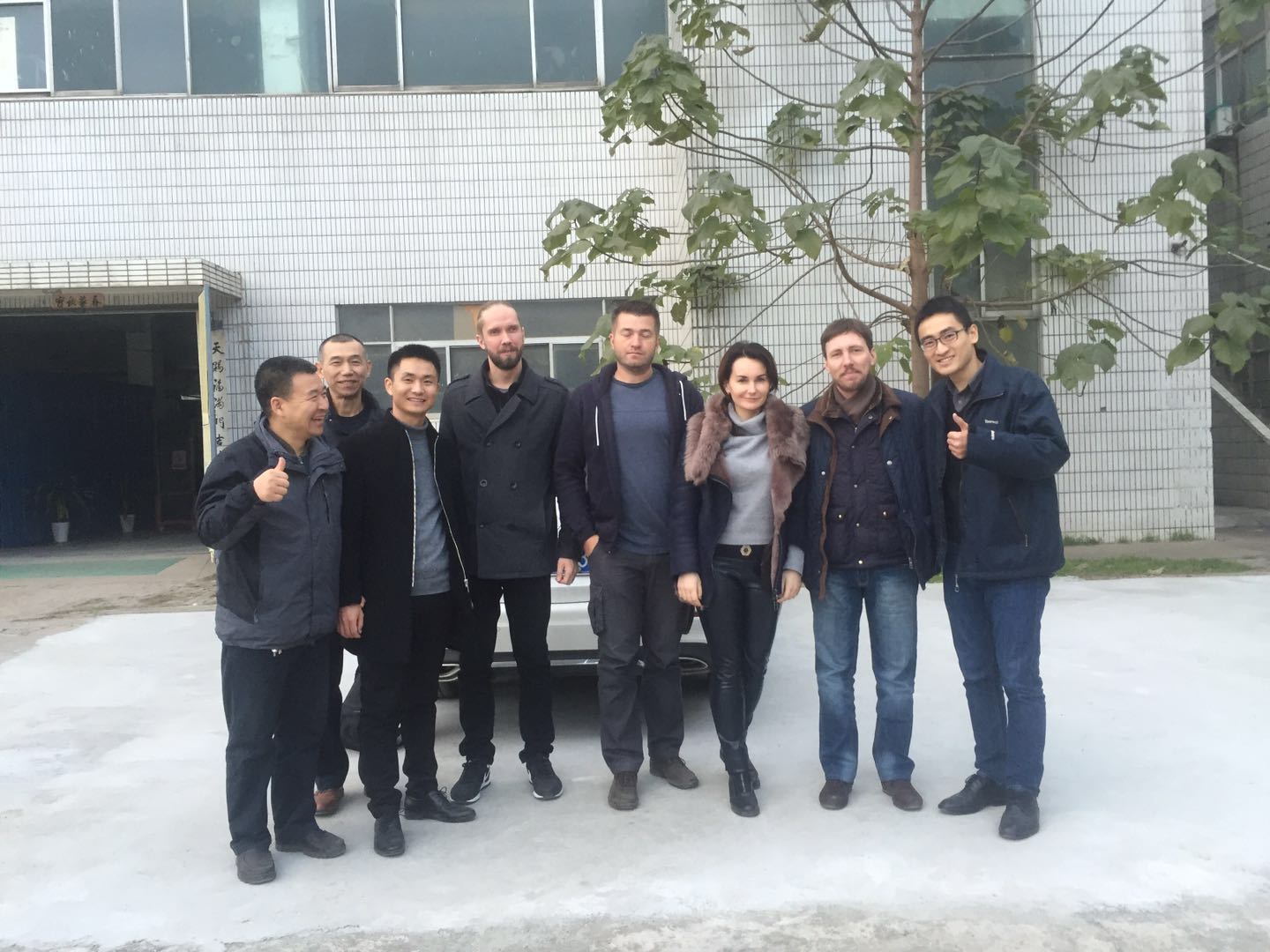
High-Precision CNC Centers
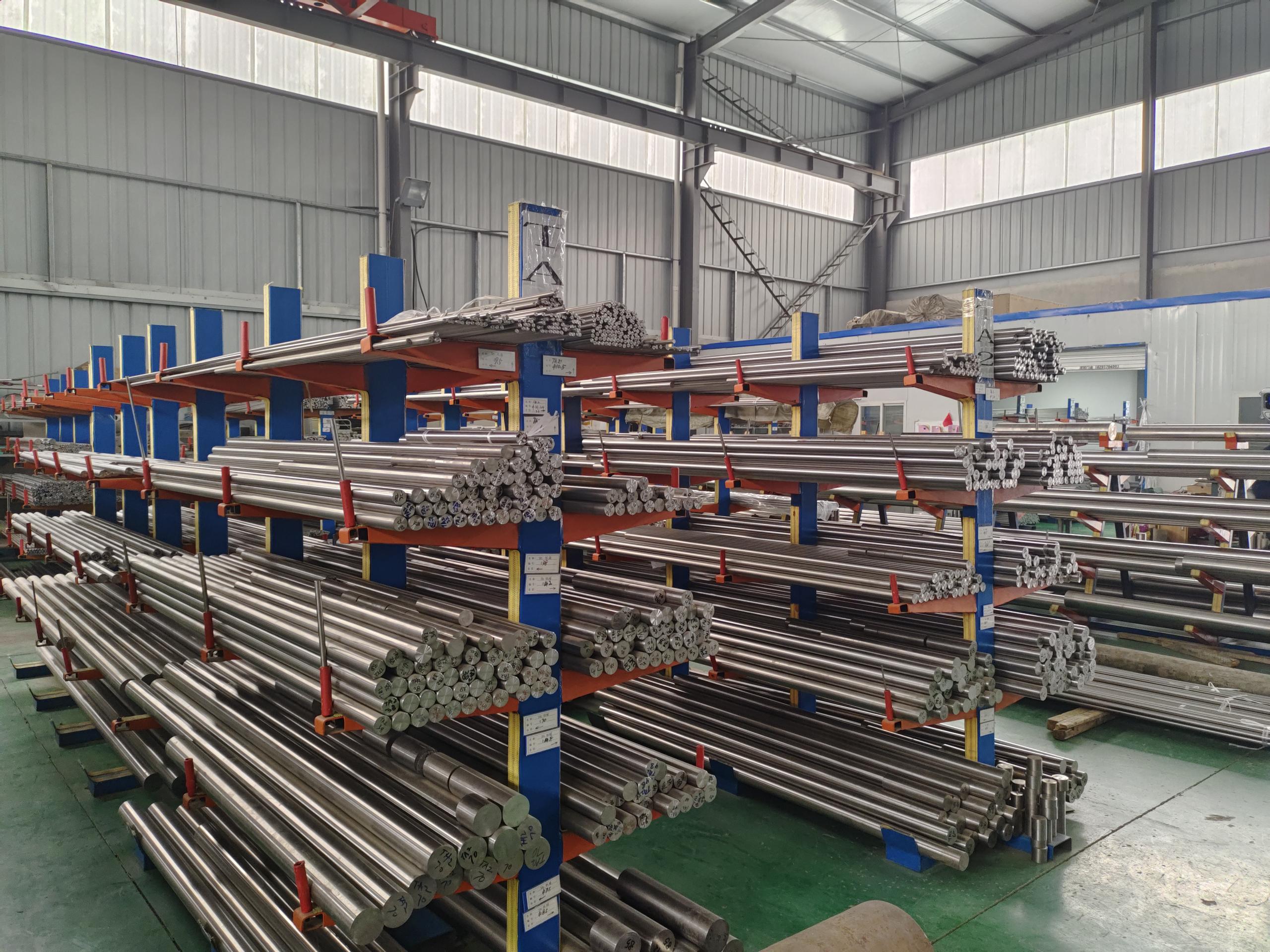
ASTM B348 Certified Bar Stock
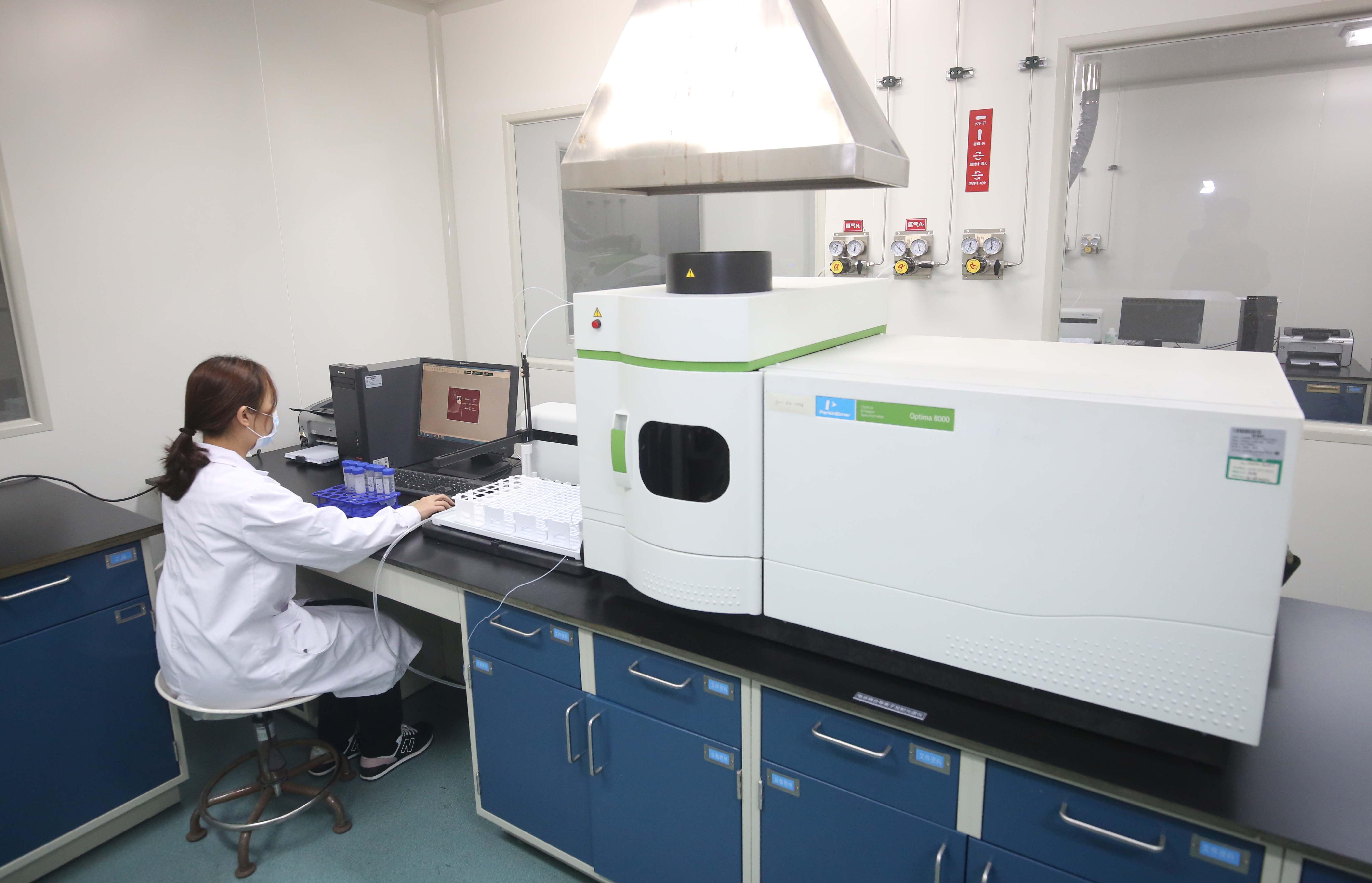
Optical Metrology & Quality Control
Titanium Valley Origin
Operating directly in Baoji, Shaanxi since 2013, our production infrastructure accesses primary titanium sponge and certified bar stock at origin, ensuring immediate raw material availability and complete heat-lot purity.
100+ Machining Centers
Equipped with multi-axis CNC turning centers and automated tap/thread milling capabilities, we reliably hold square nut exterior profile tolerances within ±0.03 mm and ISO 965-2 6H internal thread limits.
Onsite-Verified Quality
Our plant facilities, financial integrity, and manufacturing standards are independently verified onsite by global assessment bodies. Complete 3.1 Material Certificates and optical thread logs accompany export dispatches.
Seamless Swiss Logistics
Offering flexible global trade conditions including DAP, DDP Zurich Airport (ZRH), CIF, and express courier (DHL/FedEx), backed by multiple payment gateways and settlement in CHF, EUR, or USD.
Procurement Intelligence
Frequently Asked Questions by Zurich Buyers
Clear, engineering-driven answers covering standards, galling mitigation, customs documentation, and bespoke prototyping.
Which DIN / ISO dimensional standards do you support for titanium square nuts?
We manufacture regular square nuts conforming to DIN 557 (with collar/chamfer), thin square nuts per DIN 562, and customized sliding track square nuts configured to specific extrusion T-slot dimensions (such as Bosch Rexroth, Item, or MiniTec profiles). Imperial variants according to ASME B18.2.2 are also actively produced. Custom drawings in STEP, DWG, or PDF formats can be machined to proprietary external dimensions.
How can engineers prevent galling (cold welding) during titanium-on-titanium assembly?
Like stainless steel, titanium relies on an oxide film (TiO2) that can break down under high friction, causing adhesive wear or galling. To prevent this in mechanical slide tracks and high-torque bolted joints, we recommend: (1) applying an anti-seize paste formulated with molybdenum disulfide (MoS2) or a dedicated titanium-compatible ceramic lubricant; (2) using micro-arc oxidation (MAO) or specialized anodization on nut threads to increase surface hardness; or (3) mating a Grade 5 titanium bolt with a commercially pure Grade 2 titanium square nut to introduce a slight hardness differential.
What are the minimum order quantities (MOQ) and lead times for shipments to Zurich?
For standard catalog metric threads (M3, M4, M5, M6, M8) in plain CNC finish, our minimum order quantity starts as low as 50 to 100 pieces for standard evaluation. Custom-dimensioned square nuts machined to drawing typically carry an MOQ of 200 to 500 pieces depending on bar cross-section. Prototype batches can be delivered via express air courier (DHL/FedEx) to Zurich within 5 to 8 business days after dispatch.
Do shipments include EN 10204 Type 3.1 Inspection Certificates?
Yes. Every production run is matched to a specific heat number of ASTM B348 or AMS 4928 certified raw titanium stock. On request, we provide EN 10204 Type 3.1 inspection documentation detailing chemical composition (O, N, H, C, Fe, Al, V, balance Ti) and mechanical tensile properties, as well as dimensional inspection protocols conducted using optical profile projectors and calibrated thread plug gauges.
How do titanium square nuts interact electrochemically when installed into aluminum extrusions?
Titanium has a relatively noble galvanic potential compared to aluminum alloys (e.g., 6060, 6082). In dry, climate-controlled laboratory or indoor cleanroom environments, galvanic corrosion is negligible due to the absence of an electrolyte. For outdoor, humid, or washdown industrial applications across Switzerland, we recommend applying an insulating anodized layer or utilizing non-conductive boundary washers to maintain electrical isolation between the aluminum channel and the titanium nut.
Connect with our Engineering & Export Team
Need technical consultation on Gr2 vs. Gr5 selection, custom T-slot geometries, or volume supply contracts for your Zurich facilities? Send your CAD drawings or required metric specifications today.
Get Catalog