Featured Titanium Fastening Solutions & Assemblies
Tested down to the micro-radian for torque retention, fatigue isolation, and extreme environmental durability.
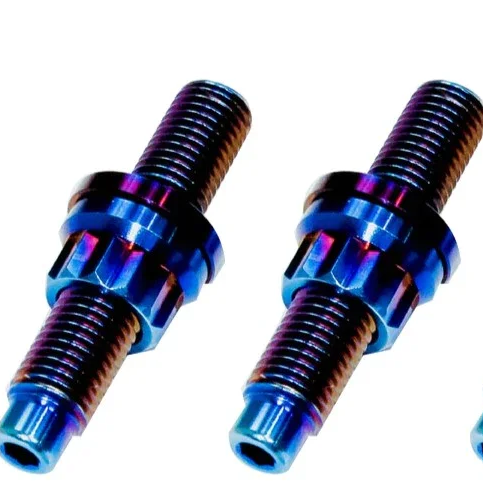
Silver Color M8 M10 Car Exhaust Pipe GR5 Sets Bolt Ti-6Al-4V
Explore Manifold Studs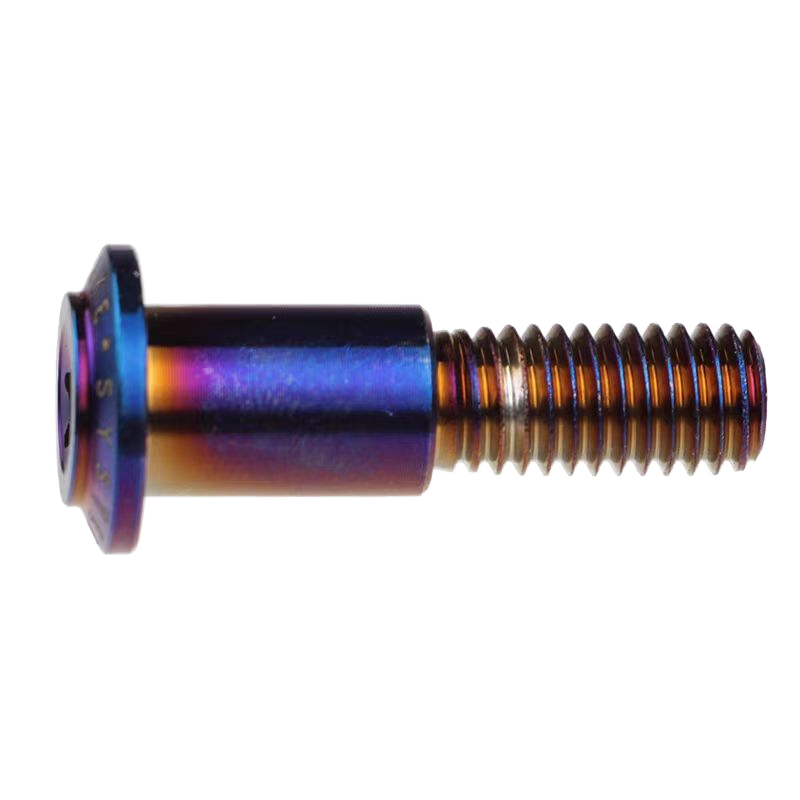
Bike Motorcycle Titanium Bolts Hexagonal Step Flat Head
Explore Disc Bolts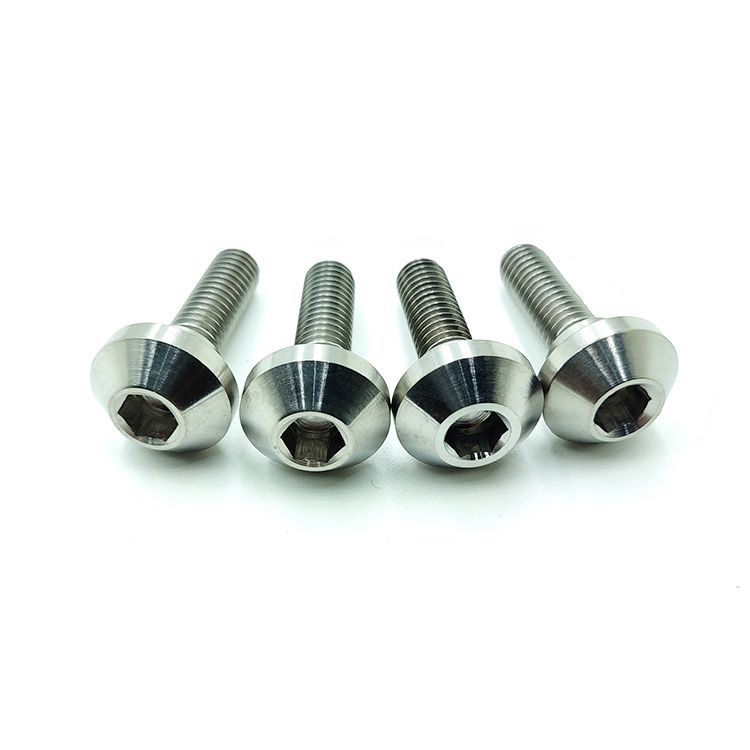
GR5 Titanium Alloy Anodized High-Class Brake Fasteners
Explore Brake Hardware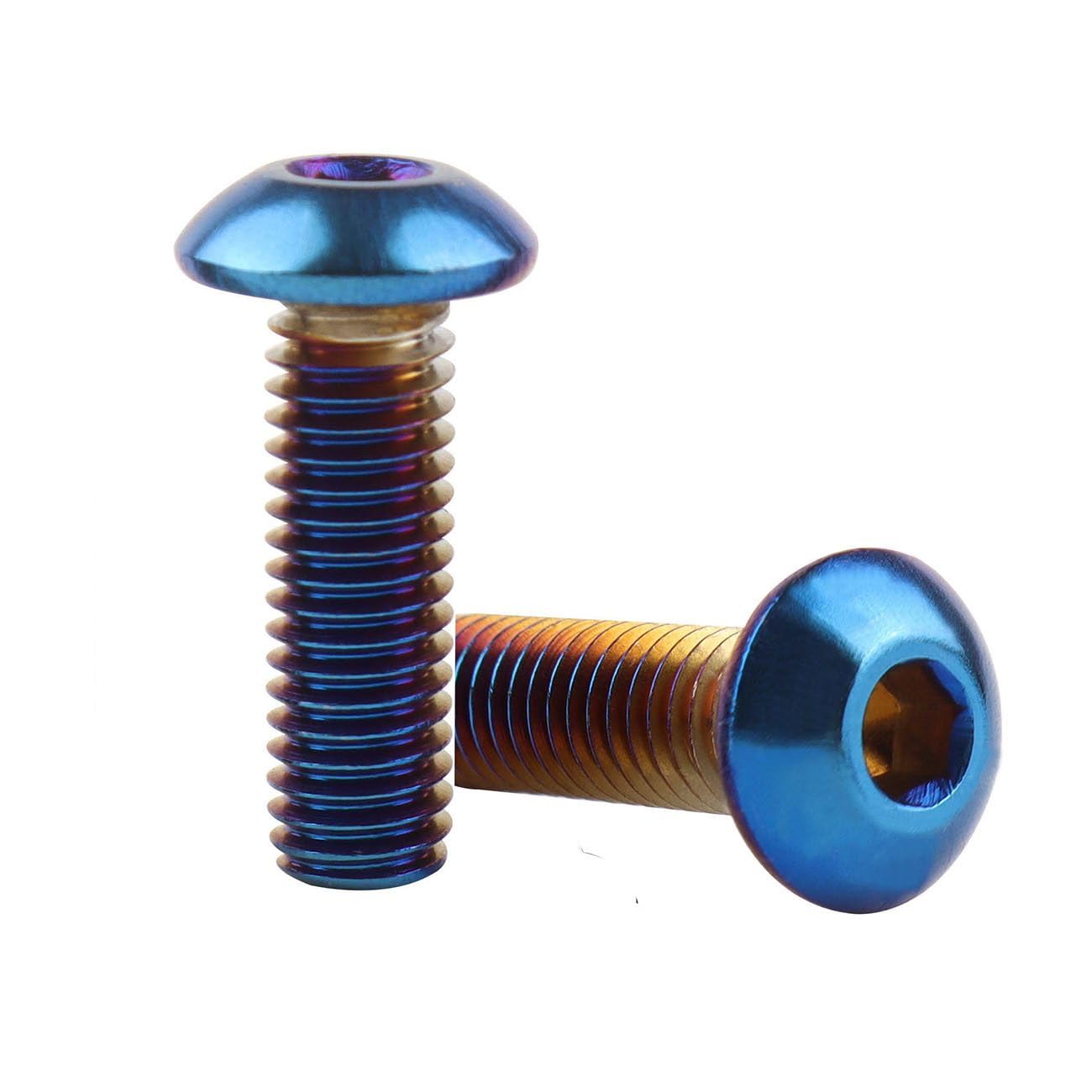
Burnt Blue Performance Titanium Multi-Length Hardware
Explore Multi-Use Screws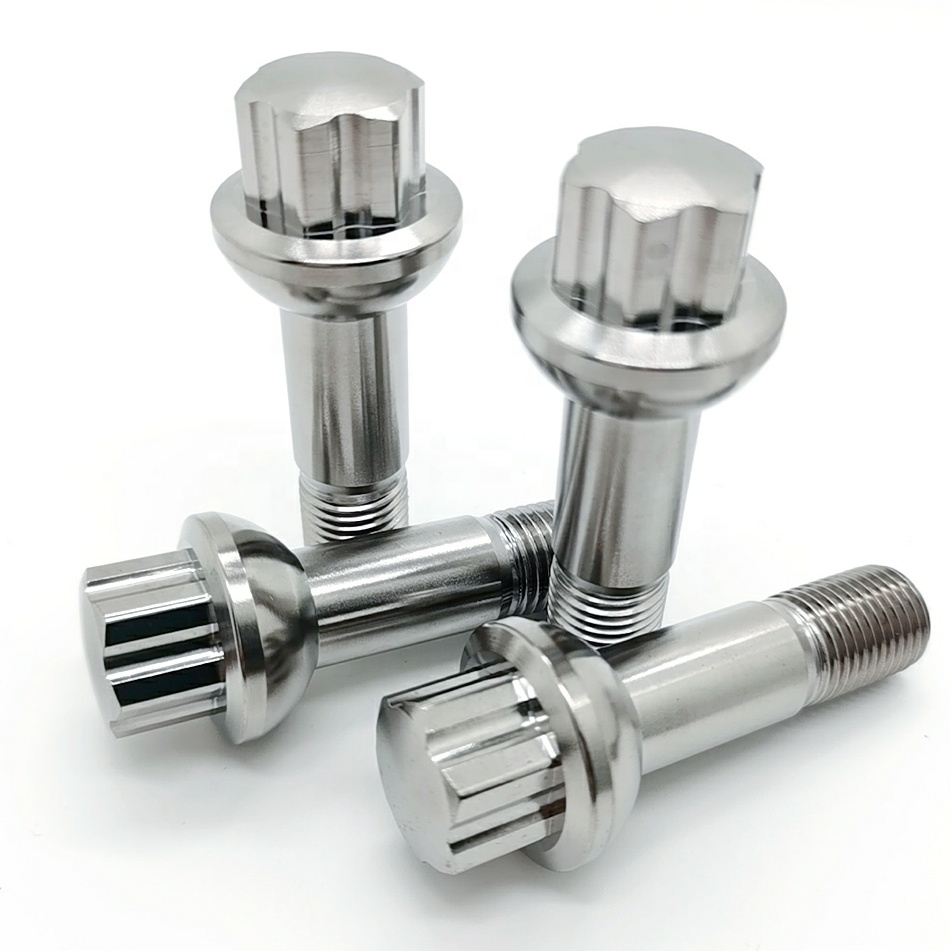
Track-Ready Surface Titanium Lug Wheel Bolts M14x1.5
Explore Lug Hardware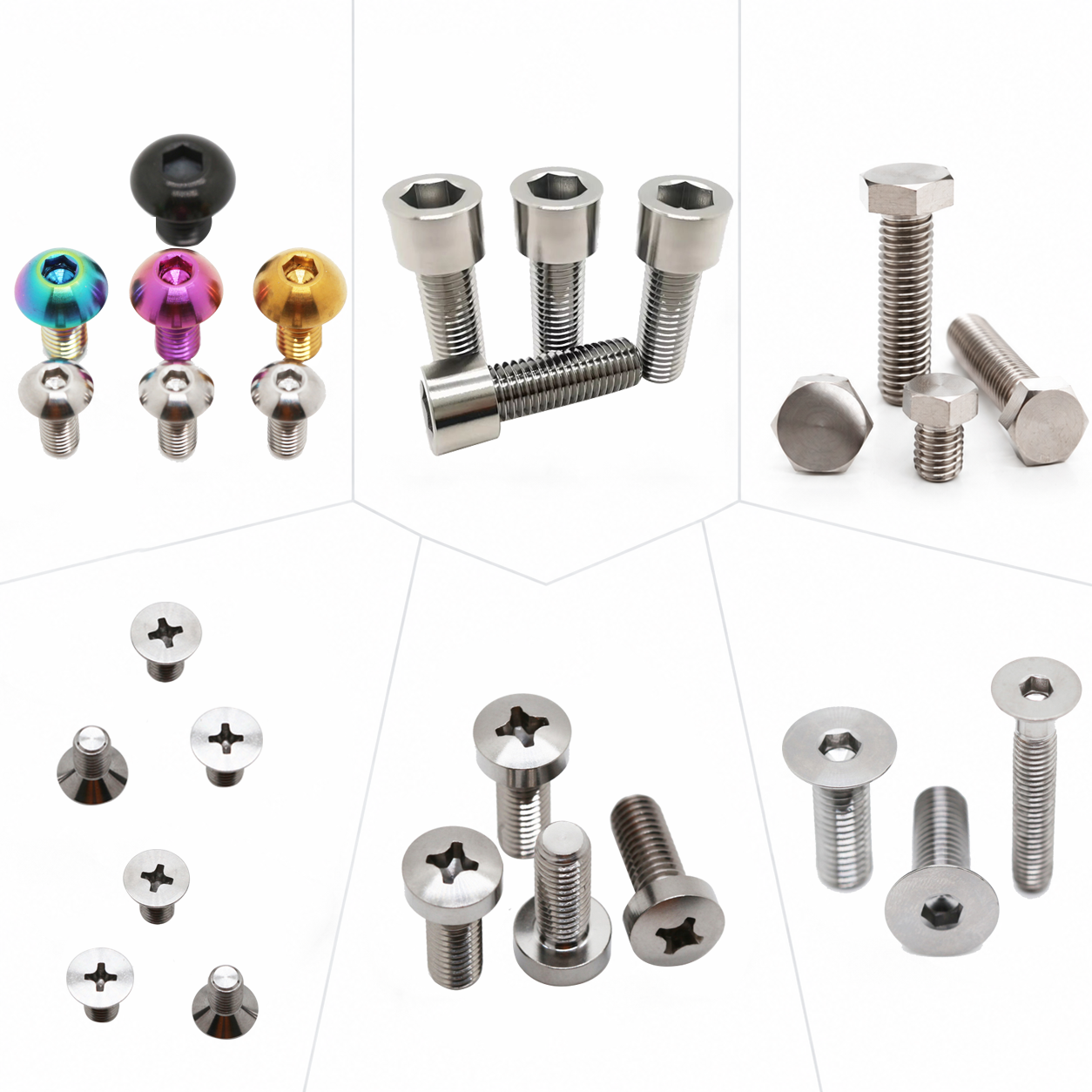
Warehouse Stocked GR5 Titanium High-Purity Fasteners
Explore Wholesale Inventory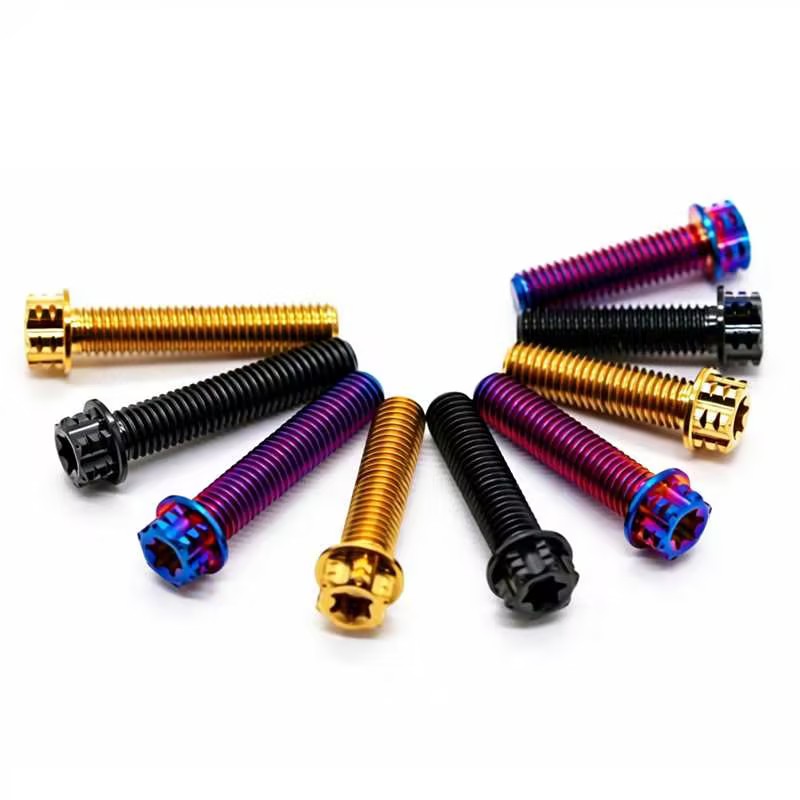
PVD Coated CNC Star Titanium Torx Structural Fasteners
Explore Star Torx Screws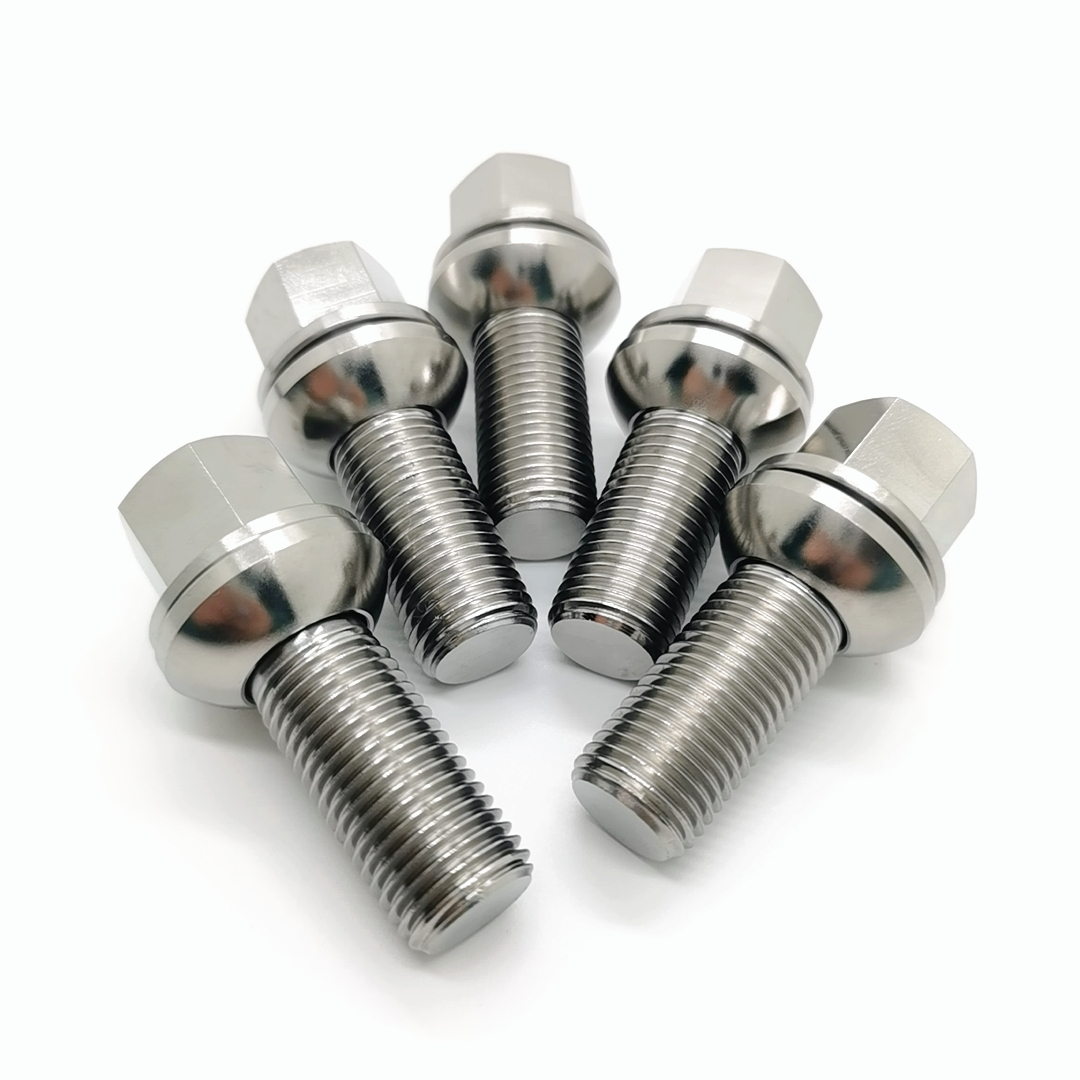
Class 8.8 High Strength Gr5 Plain Finish Hex Lug Bolts
Explore Hex Lug ScrewsEngineering Monograph: Titanium Split Washers in Motor City Mobility Systems
A comprehensive analysis of DIN 127B / ASME B18.21.1 helical spring locks machined from alpha-beta phase titanium alloys for Tier-1 Detroit automotive programs.
For more than a century, metro Detroit—encompassing Dearborn, Warren, Auburn Hills, and the broader southeast Michigan industrial corridor—has stood as the command center for North American vehicle engineering. However, as the region aggressively shifts design capital from traditional internal combustion to dual-motor electric architectures, hydrogen platforms, and hybrid supercars, mechanical joint integrity faces an existential inflection point. In traditional automotive chassis assemblies, high-tensile carbon steel or standard 304/316 stainless helical split spring washers were long deemed adequate. Today, the concurrent pressures of high-frequency road vibration, electrochemical exposure to winter de-icing salts, and the rapid influx of high-voltage battery enclosures render conventional metallurgy problematic. Titanium split washers manufactured from Grade 5 (Ti-6Al-4V) and Grade 2 commercial purity alloys provide the high-damping, corrosion-immune, and non-magnetic spring preload needed for next-generation vehicle packaging.
Vibration Dynamics, Elastic Preload, and Helical Deflection Mechanics
The primary functional objective of a helical split spring lock washer is to store mechanical energy under compressive clamp torque and counter the initial settling rate (creep relaxation) that occurs within bolted interfaces. Under high-frequency cyclic loading—such as that produced by an electric drive unit (EDU) operating between 12,000 and 20,000 RPM—micro-slip along joint interface surfaces leads to trans-axial loosening. Standard steel spring washers exhibit rapid fatigue notches along the shear-cut break edges when exposed to continuous harmonic resonance. In contrast, Yevzo’s Grade 5 titanium split washers utilize an alloy with an elastic modulus of approximately 110–114 GPa, roughly half that of structural steel (205 GPa).
This distinct lower elastic modulus provides an engineering advantage: across an identical compression stroke, the titanium spring element yields wider elastic travel and greater dynamic compliance. It continues to impart an axial spring force on the bolt head or nut assembly even through micro-deformations induced by severe chassis torsion along rough Michigan road test tracks. Additionally, precision edge radiusing along the split gap prevents the aggressive localized galling or gouging typically observed when hard carbon steel bite points chew into softer aluminum motor housings or composite battery crossbars.
Elastic Yield Mechanics
Minimum yield strength of 828 MPa guarantees robust elastic recovery without premature coil setting under rated SAE or ISO clamp preloads.
Chemical Inertness
Instantaneous passivation forms an adherent TiO₂ dioxide barrier resistant to high concentrations of calcium chloride, road salt, and harsh coolants.
Non-Magnetic EMI Safety
Nearly complete absence of magnetic permeability prevents localized eddy currents and stray electromagnetic induction near inverter busbars.
Material Metallurgy: CP Grade 2 vs. Alloyed Grade 5 (Ti-6Al-4V)
Specifying the proper metallurgical grade is essential for automotive engineering teams across Metro Detroit. Yevzo Titanium Metal Co., Ltd. manufactures spring split washers utilizing certified raw bar stock directly traceable to Baoji’s Titanium Valley melt reserves. For non-structural, purely chemically defensive applications—such as battery coolant line manifolds, wastewater recycling test stands, or marine exhaust ducting—commercially pure Grade 2 titanium split washers supply exceptional malleability and total immunity to localized pitting corrosion. However, for critical powertrain mounts, suspension link pivots, and turbocharger downpipe retention where clamping tensions exceed standard torque envelopes, Grade 5 (Ti-6Al-4V) is the mandated material standard.
| Characteristic / Property | Ti Grade 5 (Ti-6Al-4V) | Ti Grade 2 (CP Titanium) | AISI 316 Stainless Steel | AISI 1065 Spring Steel |
|---|---|---|---|---|
| Ultimate Tensile Strength | 895–1,000 MPa | 345–480 MPa | 515–620 MPa | 850–1,100 MPa |
| Yield Strength (0.2% Offset) | 828–910 MPa | 275–380 MPa | 205–310 MPa | 600–750 MPa |
| Modulus of Elasticity (E) | 114 GPa | 105 GPa | 193 GPa | 210 GPa |
| Mass Density (g/cm³) | 4.43 | 4.51 | 8.00 | 7.85 |
| Salt Fog Tolerance (ASTM B117) | > 5,000 Hours (Immune) | > 5,000 Hours (Immune) | 500–1,000 Hours (Pitting Risk) | < 96 Hours (Coated) |
| Relative Weight Saving | -44% vs. Steel | -43% vs. Steel | Baseline Reference | Baseline Reference |
Mitigating Galvanic Coupling in Mixed-Material Assemblies
A prevalent challenge facing structural designers in Warren and Auburn Hills is the pairing of titanium fasteners with structural automotive grade aluminum (such as 6061-T6 or cast A380). Titanium occupies a very noble position in the galvanic voltage series (+0.05 to +0.20 V in sea water). When fastened against electrochemically active aluminum alloys (-0.75 to -0.90 V) without proper joint configuration, galvanic acceleration of the aluminum host substrate can occur in the presence of conductive moisture electrolytes. To counter this, Yevzo offers precision-engineered assembly solutions: our custom anodizing surface treatments, molybdenum disulfide (MoS₂) dry-film lubricant coatings, or high-purity insulating flat shims effectively isolate the electrical circuit while retaining full mechanical split preload. This comprehensive engineering approach ensures long-term joint integrity over 10- to 15-year vehicle operational design targets.
Engineered for Detroit’s Advanced Automotive & Defense Ecosystem
Precision-matched to the demanding test environments of Southeast Michigan proving grounds and production lines.
1. High-Voltage EV Inverter and Battery Busbar Connections
Electrification clusters along the I-75 automotive technology corridor demand fasteners free from residual magnetic hysteresis. Our Grade 5 split washers maintain active axial tension on busbar copper terminal blocks under continuous thermal shock (-40°C to +125°C) without generating inductive heating or interfering with adjacent sensory arrays.
2. Downriver Exhaust, Turbocharger & Hot-End Assemblies
Combustion performance tuning and commercial diesel testing centers in the Downriver and Livonia sectors regularly face bolted-joint thermal relaxation. Because our titanium retainers retain mechanical spring tension up to 400°C without oxidization, exhaust downpipe studs and split washers avoid the seized-thread failures typical of carbon steel.
3. Lightweight Prototyping & Motorsport Engineering
From privateer racing clubs at M1 Concourse in Pontiac to high-performance skunkworks operations across Oakland County, every gram of unsprung rotational mass counts. Titanium split washers reduce suspension hardware mass by over 40%, increasing wheel control response and overall damper velocity fidelity.
4. Military Ground Vehicles & Tactical Equipment (Macomb County Defense Sector)
Contractors working under US Army Ground Vehicle Systems Center (GVSC) specifications in Warren require materials immune to chemical decontamination washdowns, extreme off-road shock spectrums, and harsh environmental salt fog. Our ASTM-certified titanium locking hardware provides proven durability in line with mission-critical defense procurement standards.
Procurement Trends Shaping the Southeast Michigan Fastener Landscape
Strategic movements driving the migration from standard steel fasteners to specialty non-ferrous alloys across OEM and Tier-1 engineering centers.
The manufacturing ecosystem across Detroit, Sterling Heights, and Dearborn is navigating a major technological transformation. Historically dominated by massive automated stamping lines, high-volume carbon-steel bolt production, and standard zinc plating facilities, procurement managers are now experiencing a paradigm shift driven by three core industrial dynamics:
1. Strict Lightweighting Mandates for EV Battery Range Optimization: With the automotive industry balancing massive battery curb weights against customer-demanded EPA driving ranges, every assembly component is subject to strict mass auditing. Substituting carbon steel bolts, studs, and split washers for Grade 5 titanium components yields a systemic 44% mass reduction across major powertrain and suspension anchor nodes, assisting engineering groups in meeting vehicle weight targets.
2. Extended Warranty Windows & Resistance to Aggressive De-Icing Chemicals: Michigan winters are notoriously severe, involving heavy seasonal applications of calcium chloride, rock salt, and synthetic chemical liquid de-icers. When standard galvanized or plated steel washers experience micro-abrasion along their split cutting edge, baseline steel is exposed, triggering galvanic corrosion that compromises entire bolt joints. The Detroit automotive sector’s transition toward 10-year, 150,000-mile complete chassis corrosion warranties has made titanium’s self-repairing passive titanium dioxide barrier an attractive, life-cycle cost-effective solution.
3. Resilience Against Inverter Interference in Connected & Autonomous Fleets: The modern vehicle architecture developed in Southeast Michigan is effectively an interconnected, high-density sensor suite featuring high-voltage electrical networks, LiDAR, radar, and precision telematics. Titanium's exceptionally low magnetic permeability prevents secondary parasitic electromagnetic interference (EMI) near high-amperage junction housings, providing an engineering safeguard standard magnetic lock washers cannot match.
Why Detroit Procurement Managers Partner with Yevzo Titanium
Direct supply access to Baoji’s world-renowned Titanium Valley, backed by end-to-end CNC production and strict quality control.
Direct Mill Sourcing in Baoji
Operating since 2013 from China's Titanium Valley, we source certified titanium sponge and ASTM B348 bar stock directly from verified primary mills, eliminating intermediate trader markups and securing stable baseline raw material pricing.
Rigorous CNC Multi-Axis Precision
Rather than relying on basic die-stamping that can induce micro-fractures along the spring's inner ring, our split washers are precision coiled, profiled, and CNC-cut to deliver clean split interfaces, true flat seats, and predictable spring rates.
Heat-Lot Traceability & Inspection
Every shipment is accompanied by complete 3.1 Material Test Reports (MTR) covering chemical composition, tensile validation, and dimensional inspection. We maintain full traceability from the initial melt lot to the packaged carton.
Surface Finishing & Anodizing
We provide in-house physical vapor deposition (PVD) and electrochemical anodizing in gold, blue, purple, black, and burnt rainbow hues. Our surface finishes preserve dimensional tolerances and do not compromise thread clearance or spring elasticity.
Rapid Global Logistics via Air & Ocean
We routinely manage express air and consolidated freight shipping directly to Detroit Metropolitan Wayne County Airport (DTW) and Midwest distribution hubs under transparent DDP, CIF, and FOB terms, ensuring reliable delivery schedules.
Frequently Asked Procurement Questions
Practical answers to the common technical and transactional questions posed by North American automotive engineers and sourcing agents.
What is the difference between Grade 2 and Grade 5 titanium split washers for automotive use?
Grade 2 is commercially pure titanium offering a yield strength around 275–380 MPa and exceptional formability, making it ideal for non-structural, chemically harsh environments such as exhaust fluid plumbing or battery coolant manifolds. Grade 5 (Ti-6Al-4V) is an alpha-beta structural alloy heat-treated to an ultimate tensile strength of 895–1,000 MPa and a yield strength exceeding 828 MPa. Grade 5 is mandatory for load-bearing spring applications, suspension links, powertrain components, and high-vibration automotive assemblies where continuous dynamic spring back is required.
How do titanium split washers prevent galling when tightened against titanium bolts?
Titanium-on-titanium interfaces can be susceptible to galling under high localized frictional loads due to the material's surface friction characteristics. To prevent thread or washer-face seizing, we recommend applying a dedicated high-pressure molybdenum disulfide (MoS₂) or nickel-based anti-seize paste during assembly. In addition, Yevzo offers micro-polished seating faces, PVD treatments, and specialized dry-film lubrication that lower the coefficient of friction and ensure predictable clamp load torque values.
Can Yevzo manufacture split washers according to specific imperial standard sizes (ASME B18.21.1)?
Yes. While we maintain extensive inventory in standard metric sizes (DIN 127B, DIN 7980 from M3 to M24), we regularly manufacture imperial-dimension spring washers matching ASME B18.21.1 across nominal sizes ranging from #4 through 1-inch bolt diameters. Custom cross-sections, reduced outside diameters (OD) for confined counterbores, and specialized thickness profiles are easily quoted from your technical 2D/3D CAD drawings.
What are the minimum order quantities (MOQ) and lead times for Detroit prototype and production runs?
For standard catalogue split washer sizes in stock, our minimum order quantity starts as low as 50 to 100 pieces to assist engineering teams during their initial prototyping and testing phases. Custom CNC-machined batches generally begin at 200 to 500 pieces depending on geometry. Air freight shipments to the greater Detroit area via DHL/FedEx Express typically clear customs and deliver within 4 to 7 business days, while volume sea shipments to Midwest container yards take approximately 25 to 35 days.
What international trade terms and payment options are supported?
We support a broad range of Incoterms including DDP (Delivered Duty Paid—delivering directly to your warehouse facility with all import tariffs cleared), FOB, CIF, EXW, and FCA. Payments can be settled securely via wire transfer (T/T), Letter of Credit (L/C), PayPal, or credit card, denominated in USD, CAD, EUR, or GBP to integrate smoothly with your corporate accounting workflows.
Ready to Upgrade Your Fastening Assemblies?
Submit your component dimensions, 2D/3D part drawings, required titanium grade, and estimated batch sizes. Our senior metallurgists and quotation engineers will provide a formal engineering proposal and production schedule within 24 hours.
Contact Us