Featured Titanium Socket Screws & Fastener Assemblies
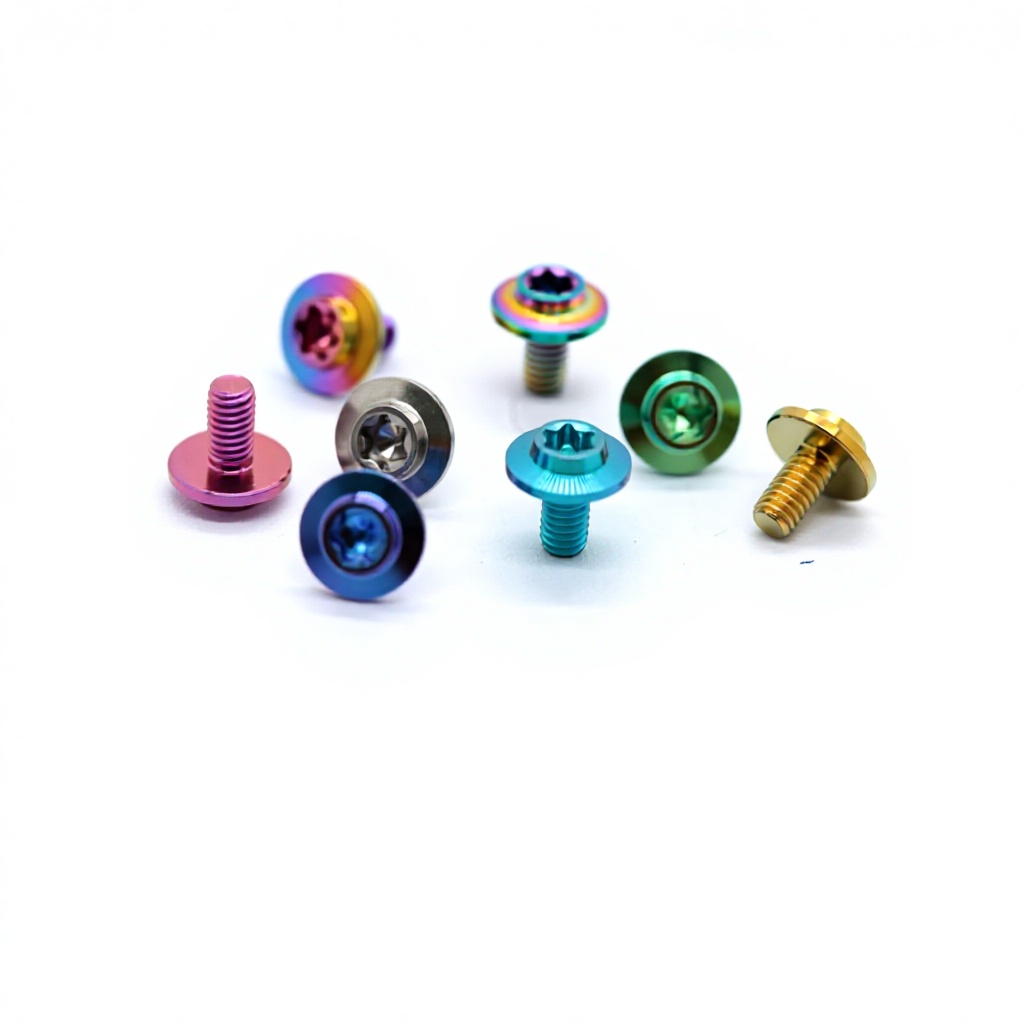
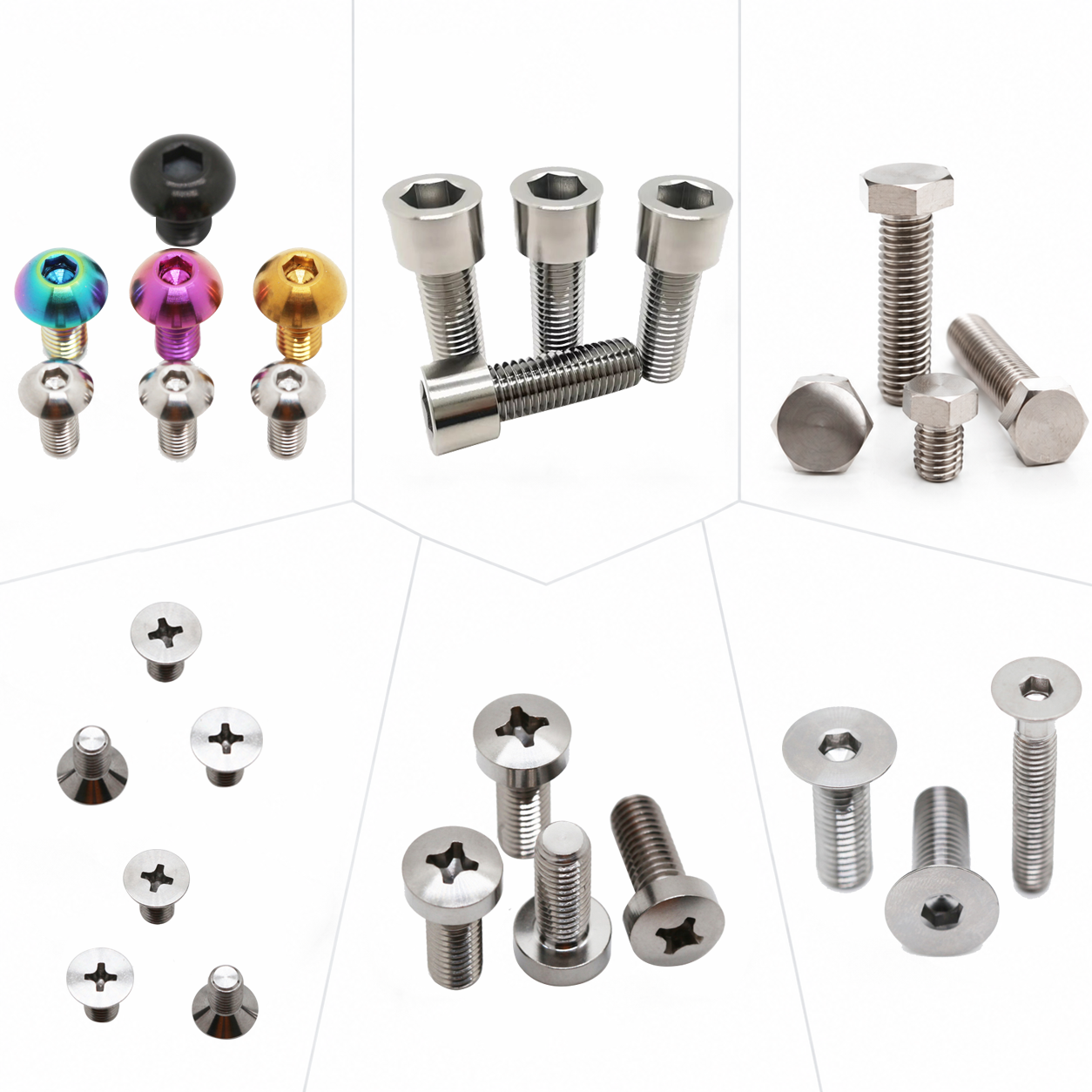
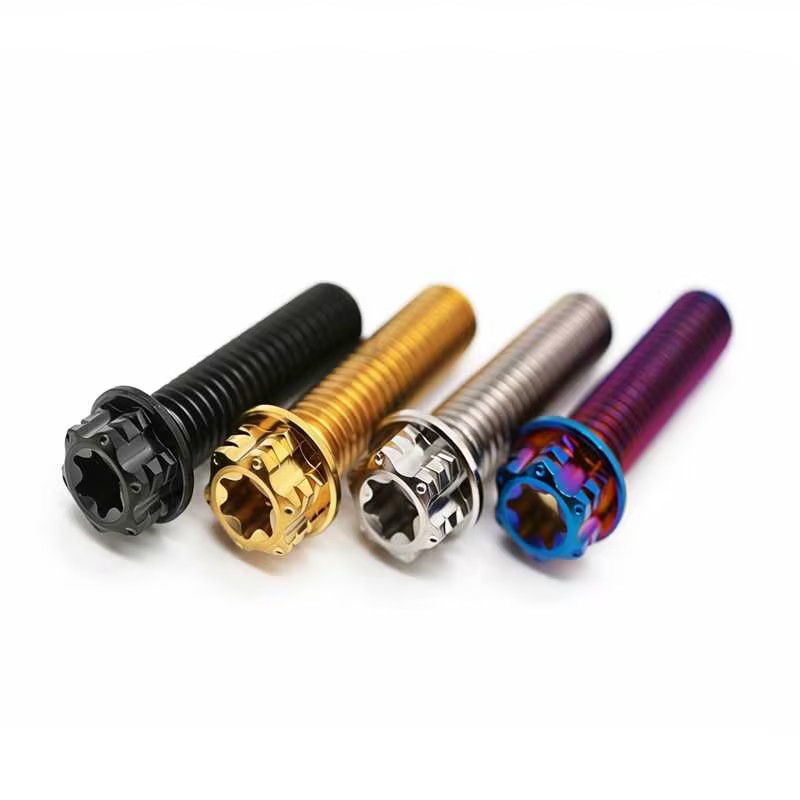
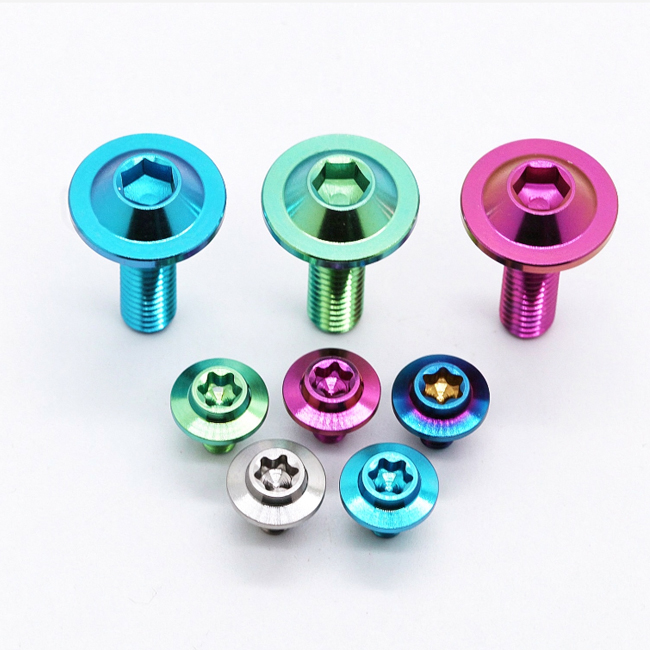
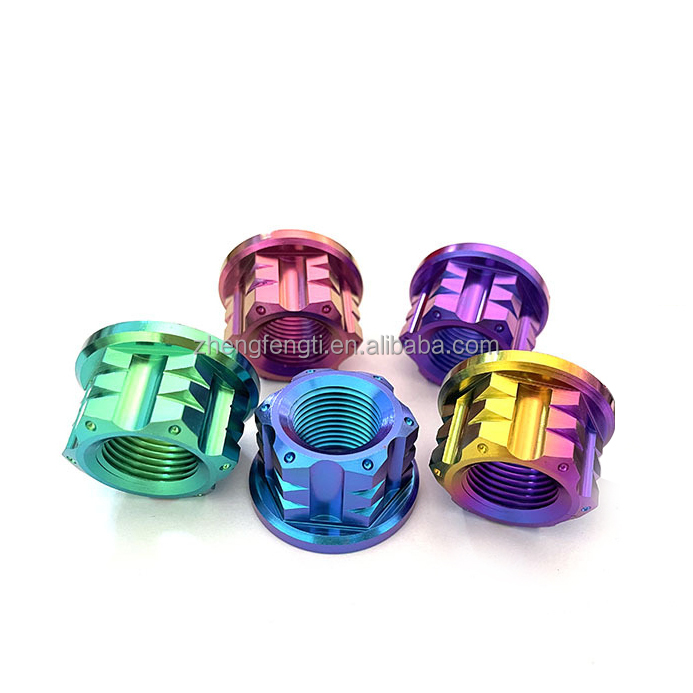
Direct manufacturer supply from Baoji Titanium Valley. Mill-certified stock available in metric and imperial UNF threads with custom PVD anodized coatings.
High-Performance Titanium Socket Fasteners: A Specification Guide for Ottawa Industry
A comprehensive examination of titanium metallurgy, DIN 912 / ISO 4762 socket cap geometries, load-bearing capacities, and non-magnetic cryogenic performance in Eastern Ontario’s tech sectors.
Ti-6Al-4V (Grade 5) Alpha-Beta Metallurgy
Grade 5 titanium (UNS R56400 / ASTM B348) represents the pinnacle of fastener engineering, alloying pure titanium with 6% aluminum to stabilize the alpha phase and 4% vanadium to stabilize the beta phase. This metallurgical structure delivers minimum ultimate tensile strengths exceeding 895 to 930 MPa, surpassing standard ISO 898-1 Class 8.8 medium-carbon steel bolts while offering a 44% mass reduction (density of 4.43 g/cm³ versus 7.85 g/cm³ for steel).
For research labs along the Ottawa River and prototyping centers across Kanata North, this high strength-to-weight ratio diminishes rotational inertia in high-speed rotary assemblies, reduces dynamic loading in robotic actuators, and provides high fatigue endurance under cyclical stresses exceeding 10^7 cycles.
Sub-Zero Toughness & Cryogenic Stability
Eastern Ontario experiences severe winter temperature fluctuations dropping below -30°C. Ferritic and standard carbon alloy fastener steels undergo a distinct ductile-to-brittle transition temperature (DBTT), making them vulnerable to catastrophic shear failure when subjected to shock impact loading under freezing ambient conditions.
Conversely, Ti-6Al-4V and Ti-6Al-4V ELI (Grade 23) retain exceptional Charpy impact energy absorption, fracture toughness, and elongation down to liquid nitrogen (-196°C) and liquid helium temperatures. Whether installed on exterior communication arrays, autonomous navigation sensor clusters, or unmanned aerial platforms operating in sub-zero Canadian flight zones, our titanium socket screws eliminate cold embrittlement risks.
Precision Socket Broaching & Thread Rolling
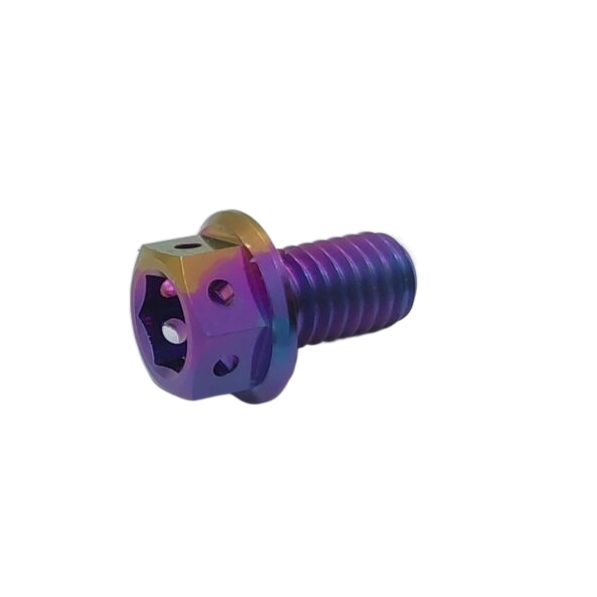
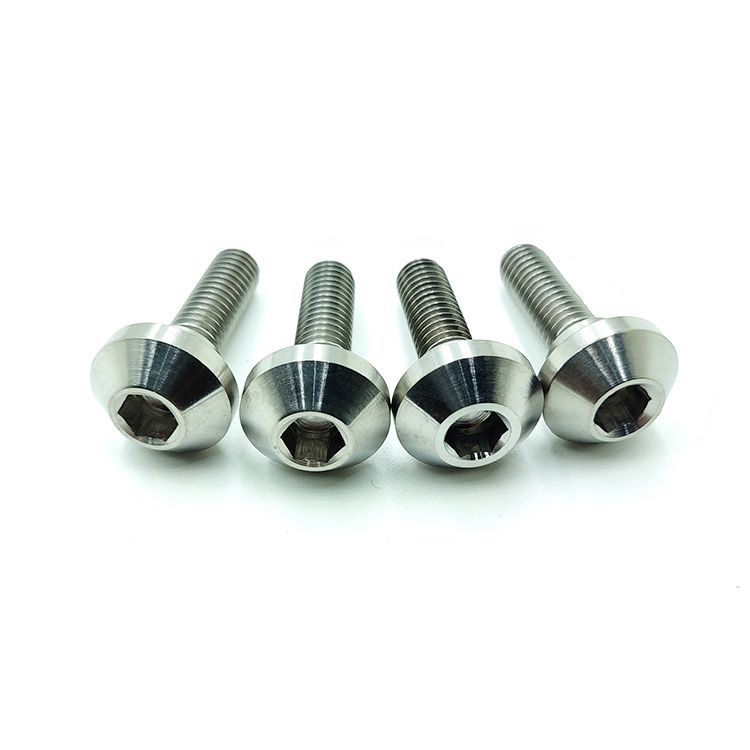
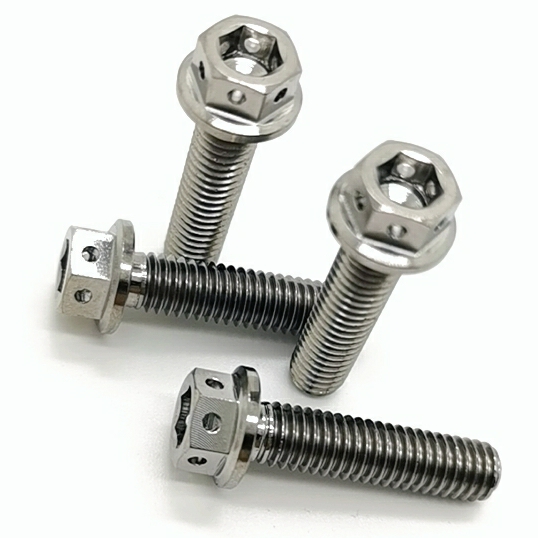
Standard socket head cap screws often suffer socket stripping when high pre-load torque is applied. Yevzo utilizes high-speed internal CNC rotary broaching and precision sinker EDM tooling to produce hex (Allen) and Torx (six-lobe star) recesses compliant with DIN 912 and ISO 10664 standards. Chamfered socket entry points eliminate stress concentrations at inner vertices.
Furthermore, threads are rolled under hydraulic cold-forming processes rather than single-point cut, continuous grain flow lines along the thread profile are preserved. This work-hardens the root radii, dramatically boosting fatigue endurance against cyclical vibration and micro-fretting.
| Mechanical & Physical Property | CP Grade 2 Titanium | Ti-6Al-4V (Grade 5) Fastener | AISI 316 Stainless Steel | Grade 12.9 Alloy Steel |
|---|---|---|---|---|
| Yield Strength (Rp 0.2, MPa) | 275 – 350 | 828 – 910 | 240 – 300 | 1,100 |
| Ultimate Tensile Strength (Rm, MPa) | 345 – 450 | 895 – 1,000 | 550 – 700 | 1,220 |
| Material Density (g/cm³) | 4.51 | 4.43 | 8.00 | 7.85 |
| Strength-to-Weight Ratio (kN·m/kg) | 76.5 | 202.0 | 68.8 | 155.4 |
| Magnetic Permeability (µr) | 1.00005 (Non-Magnetic) | 1.00005 (Non-Magnetic) | 1.020 – 1.050 (Work hardens) | Ferromagnetic (>100) |
| Road Salt / Chloride Pit Resistance | Immune (PREN > 40 eq.) | Virtually Inert | Susceptible to Crevice Pitting | Rapid Severe Oxidation |
| Thermal Expansion (20°C–100°C, 10⁻⁶/K) | 8.6 | 8.6 | 16.0 | 11.5 |
Mission-Critical Deployments in Ottawa’s Innovation Ecosystem
Engineered to solve real thermal, electromagnetic, and chemical challenges faced by federal research laboratories, defense contractors, and high-tech manufacturers.
Kanata North Autonomous Driving & Robotics
Kanata North represents Canada's largest technology park, serving as an international epicenter for autonomous vehicle (AV) software, LiDAR systems, radar arrays, and mobile robotics. Autonomous platforms deployed in Ottawa undergo road trials in extreme snow, freezing rain, and high chloride environments.
Yevzo’s Grade 5 socket screws are utilized in exterior sensor housings, gimbal mounts, and chassis subframes. Because titanium has a low thermal expansion rate (8.6 × 10⁻⁶/K) closely matching that of optical glass housings and carbon fiber composites, it avoids the thermal expansion mismatch and stress-induced optical misalignment common with aluminum or stainless steel fasteners.
National Research Council (NRC) & Defense
Ottawa hosts major defense research installations, including the National Research Council Canada (NRC) facilities on Montreal Road and defense contractor campuses. Advanced defense communications, radar jamming pods, and night-vision targeting modules require non-magnetic construction.
With magnetic permeability virtually identical to air (µr = 1.00005), Grade 5 titanium socket head bolts generate zero magnetic distortion or RF signal interference. They remain undetectable to sensitive magnetometer equipment, making them ideal for naval mine-countermeasure electronics, drone airframes, and sensitive laser optical breadboards.
Clean-Tech, Water Treatment & Cleantech R&D
Eastern Ontario’s cleantech and municipal infrastructure sectors demand fasteners capable of handling harsh aqueous chemistries. Chlorine gas injection, brine electrolysis, ozone sanitization, and acidic chemical processing rapidly pit 304 and 316 stainless steels.
CP Grade 2 and Gr5 titanium instantly generate a coherent, self-healing rutile (TiO₂) passive oxide film upon exposure to oxygen or moisture. This oxide film provides total resistance to wet chlorine, chlorides, hypochlorites, and organic acids, preventing stress corrosion cracking in Ottawa’s wastewater analysis instruments and industrial process piping.
Emerging Procurement & Manufacturing Trends in the Ottawa Valley
Strategic insights into lightweighting, electrification, advanced additive integration, and sustainable supply-chain sourcing.
Electrification & Unsprung Mass Optimization
With Ontario expanding EV supply chains and commercial fleet electrification, engineers are scrutinizing every gram of unsprung rotational mass. Switching from Class 10.9 steel lug bolts and caliper mounting socket hardware to forged Grade 5 titanium strips up to 1.8 kg of rotating un-sprung weight per vehicle corner. This transition noticeably enhances suspension damping response, preserves battery range in sub-zero winter temperatures, and provides permanent rust immunity against Ontario highway salt.
Hybrid Carbon-Composite Fastening
High-end aerospace prototypes and motorsports operations across the Ottawa-Gatineau corridor increasingly combine carbon-fiber reinforced polymers (CFRP) with metallic hardware. When steel or aluminum fasteners contact carbon fiber in damp conditions, a galvanic couple is formed, causing rapid galvanic oxidation of aluminum or iron. Titanium possesses an electrode potential close to carbon (+0.2V to +0.3V vs SHE), eliminating galvanic corrosion without requiring thick non-conductive primer films or sleeves.
Direct Factory Sourcing & Traceability Compliance
Canadian procurement managers are transitioning away from high-markup intermediate distributors toward direct-from-factory partnerships that guarantee raw material lineage. With tight federal defense audits and NRC research accountability, every batch requires authentic EN 10204 Type 3.1 chemical analysis certificates and physical tensile testing verification directly traceable back to sponge titanium melting melts.
Why Tier-1 Engineers & Ottawa Machine Shops Partner With Yevzo
Rooted in Baoji’s world-renowned Titanium Valley since 2013, our integrated manufacturing infrastructure eliminates intermediate costs while maintaining rigorous dimensional control.
Raw Material Source Direct
Direct supply contracts with certified regional sponge titanium smelters in Shaanxi allow us to bypass third-party raw stock distributors, ensuring uniform alloy composition and rapid billet availability for quick turnarounds.
Over 100 CNC Units
Equipped with 3-axis, 4-axis, and multi-axis Swiss-type turning centers, our machining workshops operate 24/7 to hold micrometer tolerances on socket depth, pitch diameter, concentricity, and flank angles.
Rigid ISO Quality Protocol
Every heat batch undergoes optical thread comparators, Mitutoyo digital pitch micrometers, and Go/No-Go thread plug gauges. Full material test reports (MTR) detailing chemical and mechanical properties accompany all shipments.
Door-to-Door Ottawa Logistics
We provide full DDP (Delivered Duty Paid) shipping to Ottawa, Kanata, Nepean, and Gatineau, handling Canada Border Services Agency (CBSA) customs clearance, GST documentation, and expedited express delivery directly to your facility dock.
Frequently Asked Questions by Ottawa Engineers & Buyers
Clear, direct engineering answers to help you navigate alloy selection, torque specs, galling prevention, and Canadian customs import procedures.
How do we prevent thread galling when installing titanium socket screws into aluminum or titanium tapped holes?
Titanium alloys form a tenacious microscopic oxide film that, under extreme localized thread friction and high contact pressures, can micro-weld (gall) with adjacent metals. When installing titanium socket cap screws into aluminum blocks or titanium tapped holes, always apply a high-nickel, copper, or molybdenum disulfide (MoS₂) anti-seize paste. For aerospace or cleanroom environments in Kanata where liquid pastes are prohibited, we supply titanium fasteners with dry-film lubes or specialized TiN/PVD protective coatings that provide inherent lubricity.
Can we replace Grade 12.9 alloy steel socket cap screws with Grade 5 Titanium in structural joints?
Grade 12.9 steel features a minimum tensile strength of 1,220 MPa, while Ti-6Al-4V Grade 5 offers 895–1,000 MPa (equivalent to Class 8.8 and approaching Class 10.9). If your structural joint operates near the ultimate tensile limit of Class 12.9 steel, you cannot perform a direct 1:1 diameter substitution without recalculating safety margins. In such critical designs, we recommend increasing the bolt diameter by one nominal increment (e.g., from an M6 steel bolt to an M8 titanium socket screw) or requesting our specialized cold-worked, heat-treated high-tensile titanium fasteners.
What is the recommended tightening torque for titanium socket head cap screws?
Because Grade 5 titanium has an elastic modulus of approximately 110–114 GPa (roughly half that of carbon steel's 210 GPa), titanium stretches more under pre-load. As a rule of thumb, torque values for unlubricated Grade 5 titanium screws should be approximately 15% to 20% lower than standard Class 8.8 steel values. When using an anti-seize compound, friction coefficients drop from approximately μ=0.25 down to μ=0.10–0.12, necessitating a further torque reduction to prevent over-stretching the fastener shank. Detailed torque tables are provided with each lot order.
How does PVD anodizing affect the thread tolerances of socket screws?
Unlike heavy electroplating, paint, or thick powder coating, titanium anodizing is an electrochemical process that modifies the naturally occurring titanium dioxide surface layer. The resulting film thickness is measured in nanometers (100–300 nm) and does not introduce significant dimensional buildup. Thread pitch diameters remain strictly within ISO 965 6g metric or ANSI 2A/3A tolerances, ensuring smooth engagement in tapped holes without the binding commonly experienced with plated steel hardware.
What import procedures, tariffs, and transit times apply for shipments delivering to Ottawa?
Shipments bound for Ontario clear customs under Canadian Harmonized System Tariff Code 8108.90 (articles of titanium) or 7318 (fasteners). Under our DDP (Delivered Duty Paid) shipping services, Yevzo coordinates all import documentation, customs clearance brokerages, and local GST assessments. Air freight express delivery via DHL, FedEx, or UPS to Ottawa Macdonald-Cartier International Airport (YOW) and regional corporate addresses typically arrives within 5 to 7 business days from factory dispatch.
What is the minimum order quantity (MOQ) for custom CAD-engineered titanium fasteners?
For standard catalogue sizes in metric (DIN 912, DIN 7991, ISO 7380) or imperial threads, our minimum order quantities start at just 20 to 50 pieces, ideal for engineering prototypes, testing trials, and bespoke builds. For custom drawing-based fasteners requiring specialized CNC tooling setup, our MOQ generally ranges from 100 to 200 units, with custom pre-production samples provided for testing and evaluation prior to mass production runs.
Connect With Our Senior Titanium Engineering Team
Whether you require standard DIN 912 socket screws in volume, bespoke lightweight fasteners machined to CAD drawings, or material certificates for aerospace compliance in Ottawa, our engineering team provides rapid evaluations and quotes within 24 hours.