Factory Direct Since 2013 [email protected] Baoji, Shaanxi, China
Engineering Whitepaper & Regional Sourcing Directory

Titanium Shoulder Bolts Manufacturers & Suppliers in the Lithuania Market

Precision-ground Grade 5 (Ti-6Al-4V) shoulder bolts, stripper bolts, and dynamic pivot hardware tailored for Lithuania's high-tech laser, photonics, biotechnology, and precision engineering sectors.

Direct Factory Production & Stock Availability

High-Precision Titanium Fasteners & Shoulder Bolt Components

Manufactured from mill-certified Baoji Grade 5 (Ti-6Al-4V) and Grade 2 titanium bars. Fully compliant with DIN 912, DIN 7379, ISO 7380, and customized kinematic specifications.
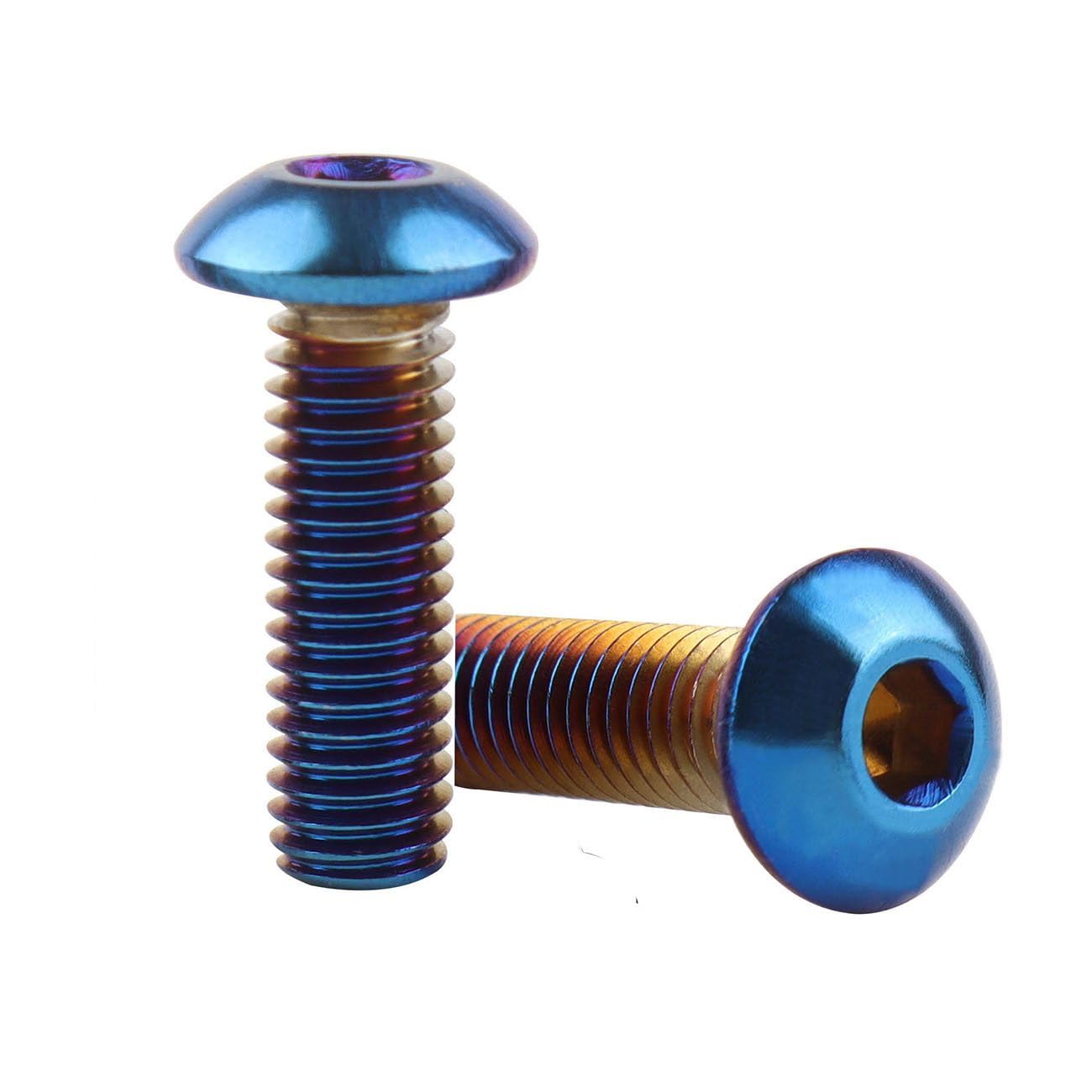
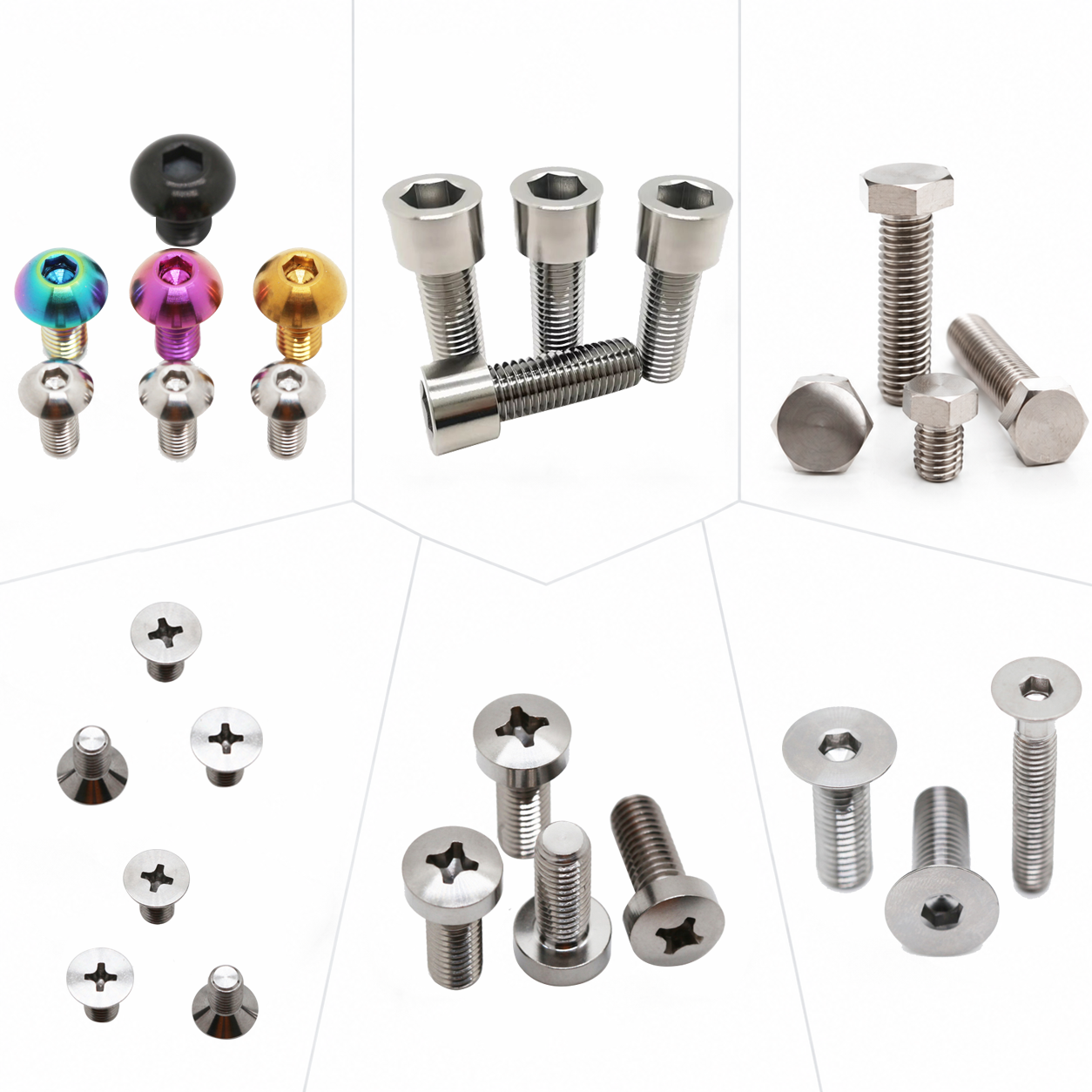
GR5 Titanium Alloy Standard Bolts in Stock

GR5 Titanium Alloy Standard Bolts Ready to Ship

  • Grade: Grade 5 (Ti-6Al-4V)
  • Tensile Strength: ≥ 895 MPa
  • Execution: ISO 9001 CNC Turned
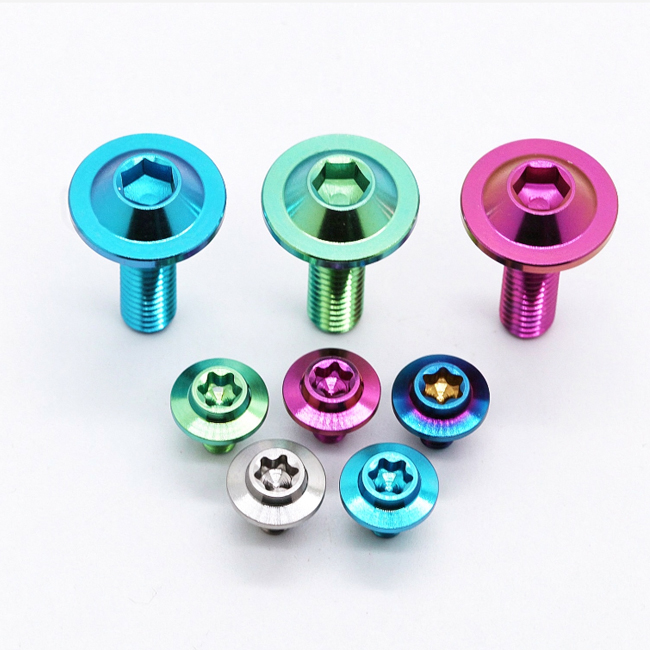
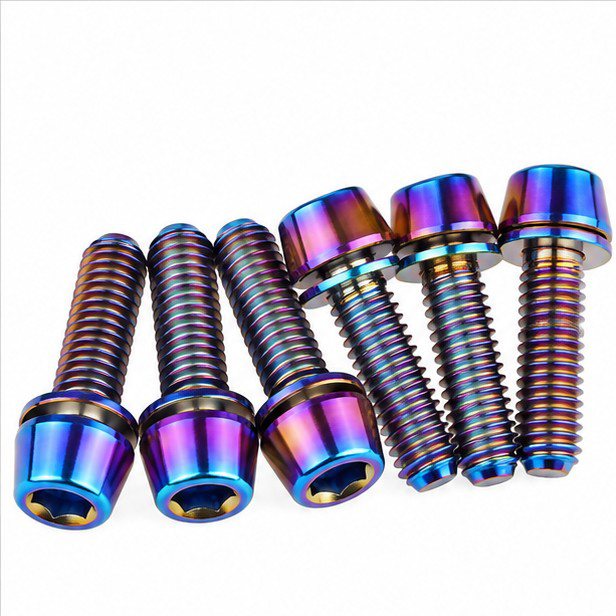
Titanium M5 Bolt with Washer Stem Screw

Titanium M5 Bolt with Integrated Captive Washer

  • Size: M5 × 16mm Standard
  • Surface: Burnt Blue Anodized
  • Tolerance: h7 Precision Ground
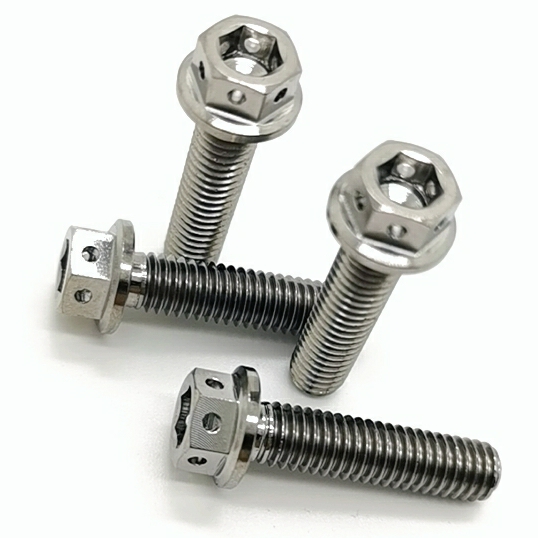
ZFTI High Strength GR5 Titanium Flange Bolt

ZFTI High Strength GR5 Plain Finish Flange Bolt

  • Dimensions: M4 to M10 Available
  • Certifications: ISO 9001 / Mill Cert
  • Property Class: Class 8.8 Equivalent+
Anodized Rainbow GR5 Titanium Flange Head Allen Bolt

Rainbow GR5 Titanium Flange Head Allen Bolt

  • Drive Type: Hex Socket Allen
  • Weight Saving: 44% vs Carbon Steel
  • Application: Kinematic Modification
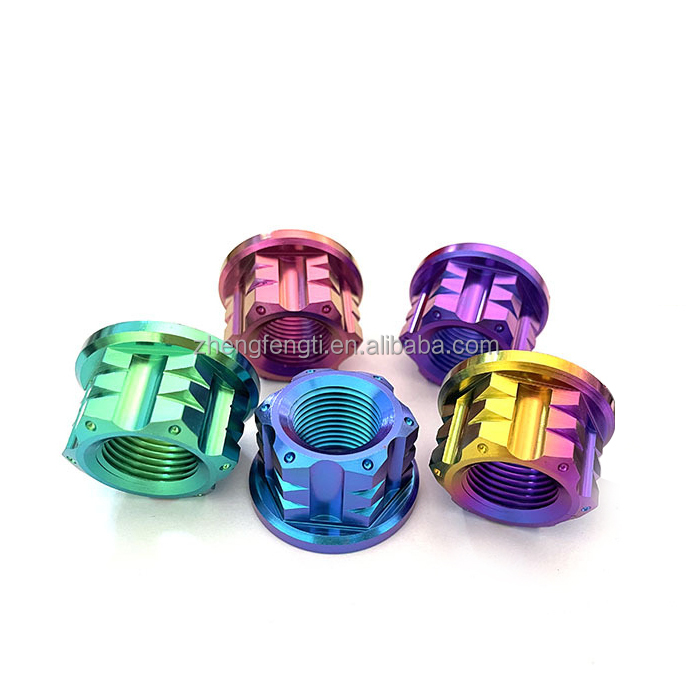
Titanium Flange Hex Nut M4-M10

CNC Titanium Flange Hex Nut DIN 6923 / DIN 933

  • Diameter: M4, M5, M6, M8, M10
  • Property: Non-Magnetic, Anti-Corrosive
  • Machining: Full CNC Thread Milling
High Quality GR5 Titanium Alloy Socket Head

GR5 Titanium Socket Head Wear-Resistant Fastener

  • Hardness: 30 to 34 HRC
  • Finish: Ultrasonic Degreased Plain
  • Thread Fit: ISO 965-2 Class 6g
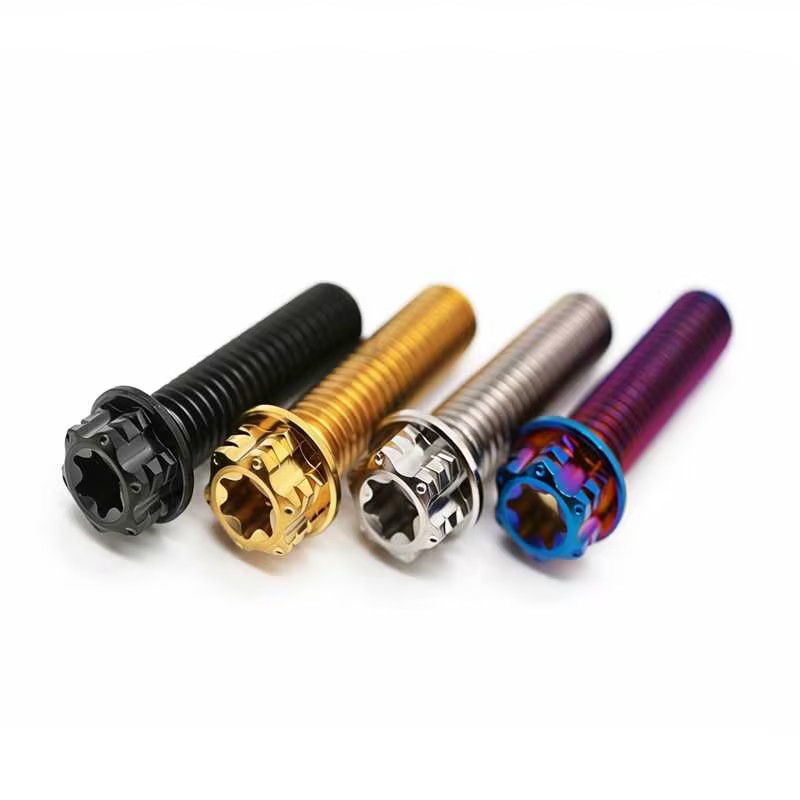
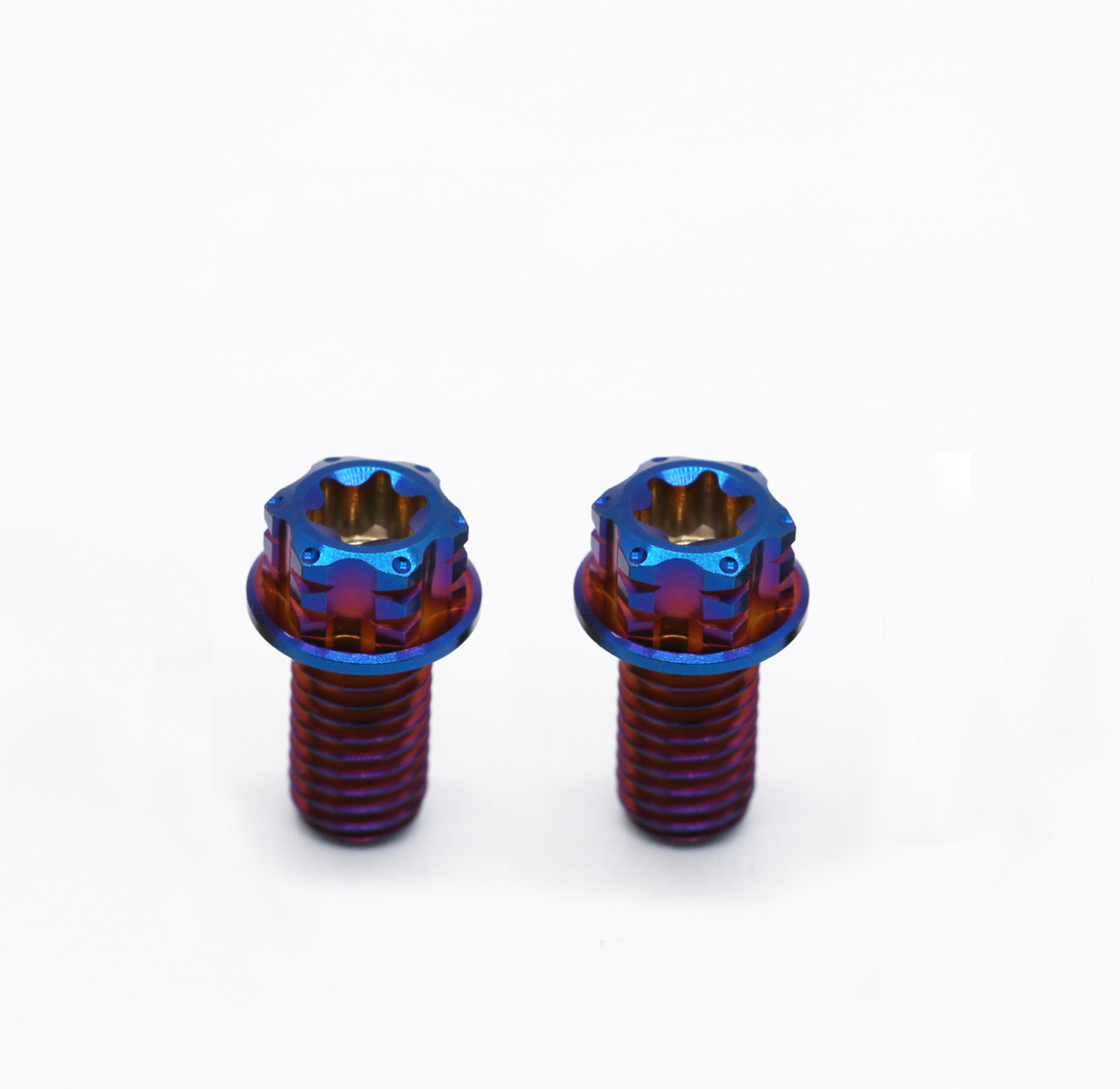
M8 Titanium Torx Head Bolt Gr5

M8 Titanium Torx Star Precision Hardware Bolt

  • Socket: Torx T40 / T45 Star
  • Treatment: PVD Vacuum Coating
  • Yield Strength: ≥ 828 MPa
Titanium Finish Bolt M6

M6 Titanium Custom Shoulder & Calibration Screw

  • Length: 12, 16, 20, 25, 30, 35mm
  • Fatigue Limit: 510 MPa (High Endurance)
  • Process: Thread Rolled post Machining

Technical Deep-Dive: Titanium Shoulder Bolts Engineering for Lithuanian Industry

In modern structural kinematics, tool-making, and high-precision mechanical alignment, shoulder bolts—often referred to globally as stripper bolts or precision bearing stop-pins—perform dual roles that standard fully-threaded fasteners cannot replicate. While standard threaded fasteners exist primarily to create compressive clamping force, shoulder bolts incorporate an unthreaded, centerless ground cylindrical shank (the shoulder) that functions as a structural pivot, linear slide pin, precise dowel locator, or rotating shaft mounting point.

Across Lithuania's engineering landscape, particularly within the industrial innovation corridors of Vilnius, Kaunas, and Klaipėda, mechanical engineers are increasingly phasing out conventional 12.9 high-tensile alloy steels and 316 stainless steels in favor of precision CNC-machined Grade 5 Titanium (Ti-6Al-4V, ASTM B348 / AMS 4928) shoulder bolts. The commercial and technical driver behind this shift lies at the intersection of extreme strength-to-weight optimization, unmatched non-magnetic permeability, zero oxidation in harsh environments, and thermal stability in sensitive optical setups.

1. Kinematic Mechanics and Cylindrical Shank Tolerancing

A shoulder bolt's operational integrity hinges on shank concentricity and strict diametrical tolerance. Our specialized CNC multi-axis turning and precision cylindrical grinding cells manufacture Grade 5 titanium shoulder bolts adhering to ISO 7379 standards, holding shank diametrical tolerances within f9, h8, and ultra-critical h7 specifications (+0.000 / -0.015 mm). When dynamic fixtures or optical assemblies undergo thousands of reciprocations per hour, runout or shoulder taper causes severe mechanical lash, angular displacement, and premature joint failure.

Unlike mass-produced carbon steel hardware produced purely via cold heading, our titanium shoulder screws utilize precision CNC machining of the head and shank followed by rolled threads. Cold thread rolling preserves the uninterrupted metallurgical grain lines across the root diameter, boosting the shear and dynamic fatigue threshold by up to 35% compared to cut threads—a critical metric when dampening harmonic vibration in high-RPM dynamic applications.

Material Specification Yield Strength (MPa) Density (g/cm³) Thermal Expansion (×10⁻⁶/K) Magnetic Permeability (μ) Corrosion Resistance (C5 Marine)
Gr5 Titanium (Ti-6Al-4V) 828 – 895 4.43 8.6 1.00005 (Non-magnetic) Immune (Self-healing TiO₂)
Structural Steel Class 12.9 1100 7.85 11.5 Ferromagnetic (> 100) Poor (Requires zinc/cadmium plating)
Austenitic Stainless (A4-80 / 316) 600 8.00 16.0 1.005 – 1.02 (Weakly magnetic) Moderate (Pitting in chloride solutions)

2. Localized Industrial Application Scenarios in Lithuania

Lithuania has solidified its international reputation not through heavy primary smelting, but via high-value-add, ultra-precise niche engineering. Sourcing Grade 5 titanium fasteners has transitioned from an exotic alternative to a baseline technical requirement across several thriving Lithuanian industries:

Laser & Photonics Clusters (Vilnius)

Lithuania supplies over 10% of the world’s scientific picosecond and femtosecond lasers. In these sub-micron optical benches, harmonic drift caused by thermal variation must be eliminated. The low coefficient of thermal expansion of Ti-6Al-4V (8.6 × 10⁻⁶/K vs. 16.0 × 10⁻⁶/K in 316 steel), paired with strictly non-magnetic behavior, protects sensitive optical resonators and laser diode positioning stages from electromagnetic interference and thermal deflections.

Biotechnology & MedTech (Vilnius & Kaunas)

With major biotechnology campuses producing diagnostic equipment, fluidic analytical centrifuges, and sterile packaging systems, bio-inertness is critical. Titanium Grade 5 spontaneously forms a passivation oxide layer (TiO₂) when exposed to oxygen, rendering it impervious to autoclaving sterilization, enzymatic clean-down reagents, alcohol disinfectants, and biochemical corrosive agents.

Maritime Instrumentation & Port Automation (Klaipėda)

Operating along the Baltic Sea exposes automated crane sensors, marine subsea inspection rovers, and coastal environmental monitors to accelerated brackish galvanic corrosion. Steel bolts quickly seize and rust. Grade 5 and Grade 2 titanium shoulder bolts resist marine pitting, chloride crevice attack, and splash-zone degradation without requiring sacrificial electroplated coatings.

3. Macro Sourcing Trends in the Baltic Region

Lithuanian procurement officers and design engineers are operating under tightened EU industrial regulations (RoHS, REACH compliance, and the European Green Deal). Three dominant procurement dynamics currently define the market for titanium shoulder screws across the Baltic region:

  • Near-Zero Tolerance for Galvanic Leaching: In semiconductor manufacturing and high-vacuum sputtering systems built around Kaunas, zinc or nickel-plated steel fasteners release volatile condensable materials under ultra-high vacuum (UHV). Plain-machined or ultrasonic-cleaned titanium shoulder hardware delivers completely clean, outgas-free performance.
  • Weight Reduction in Collaborative Robotics (Cobots): Lithuanian automated manufacturing lines are deploying rapid pick-and-place end-effectors. Reducing cantilevered mass at the articulated wrist of a robotic arm directly correlates with decreased servo motor inertia, higher acceleration curves, and lower energy usage. Substituting steel shoulder pins with Grade 5 titanium trims unyielding rotating mass by 44%.
  • Supply Chain Resilience Away from Intermediaries: Baltic hardware distributors have historically relied on multiple secondary trading layers throughout Central Europe, bloating pricing and muddying raw material trace heat certificates. Engineering procurement teams now connect directly with origin factories in Baoji, China (Titanium Valley) to verify raw material EN 10204 3.1 chemical and mechanical inspection documents.
2013 Factory Founded
100+ CNC & Machining Units
±0.005mm Grinding Precision
100% Mill Lot Traceable

Enterprise Manufacturing Capabilities & OEM Advantages

Based directly in the Honeycomb Industrial Park within the High-Tech Development Zone of Baoji, Yevzo Titanium Metal Co., Ltd. combines native access to high-purity titanium sponge and melting facilities with advanced export capabilities to Europe. Sourcing your precision shoulder bolts and hardware directly from our facility guarantees verifiable engineering value:

Raw Material Purity & ASTM B348 Compliance

Every production batch starts with certified Grade 5 (Ti-6Al-4V) or commercially pure Grade 2 bars. We verify tensile yield thresholds (≥ 828 MPa) and microstructural alpha-beta grain morphology prior to the first turning operation, completely preventing brittle internal interstitial inclusions.

High-Precision Multi-Axis CNC Grinding

Shoulder bolts require strict concentricity between the threaded thread runout, the bearing shoulder cylinder, and the socket head. Our multi-axis CNC Swiss-lathes and centerless grinders consistently hit tight runout tolerances (≤ 0.01 mm) with smooth surface finishes down to Ra 0.4 μm.

Full Traceability & EU Logistics Readiness

We supply EN 10204 3.1 mill test certificates, dimensional inspection records, and surface roughness documentation with every shipment. Supporting DDP, CIF, and express air freight to Vilnius and Kaunas, we handle all export documentation seamlessly.

Mitigating Thread Galling in Dynamic Titanium Shoulder Bolt Assemblies

While titanium excels in fatigue life and corrosion resistance, mechanical designers must address its distinct tribological characteristics: titanium has a higher friction coefficient compared to carbon steel and can experience galling under high-load thread engagement without proper assembly controls. For Lithuanian mechanical designers installing titanium shoulder hardware into matching titanium female threads or aluminum chassis blocks, our metallurgists enforce these assembly procedures:

  1. Anti-Seize Lubrication: Always specify a molybdenum disulfide (MoS₂), nickel-based, or synthetic PTFE anti-seize paste prior to torquing. This prevents dry cold-welding of micro-asperities under radial friction.
  2. Calibrated Torque Values: Due to titanium's lower modulus of elasticity (approximately 114 GPa for Grade 5 vs. 210 GPa for structural steel), torque calculations must be specifically engineered rather than inherited from standard steel lookup charts. Under-torquing leads to vibrational back-out; over-torquing risks yielding the neck shoulder transition.
  3. Galvanic Isolation in Mixed Metals: When fastening into magnesium or raw non-anodized aluminum blocks exposed to outdoor Baltic humidity, integrate passivation washers (such as delrin or passivated titanium washers) to eliminate electrical potential differentials and prevent galvanic exchange.
Buyer Knowledge Base

Frequently Asked Questions: Sourcing Titanium Fasteners in Lithuania

Real-world technical, logistical, and commercial inquiries answered by our application engineers and export division.

Why choose Grade 5 (Ti-6Al-4V) over Grade 2 for shoulder bolts?
Grade 2 is commercially pure (unalloyed) titanium with a nominal tensile strength of roughly 345 to 450 MPa. While it provides outstanding chemical corrosion resistance, it lacks the shear endurance and hardness needed for a shoulder bolt's cylindrical shank. Grade 5 is an alpha-beta alloy heat-treatable to a minimum tensile strength of 895 MPa and yield strength of 828 MPa. This makes Gr5 the industry standard for mechanical bearing surfaces, pivot pins, and load-bearing dynamic mechanisms.
What diametrical tolerances can you achieve on precision ground shanks?
Standard catalogue orders conform to ISO 7379 / DIN 7379 with f9 and h8 shank limits. For precision optical benches, laser instrumentation, and semiconductor automation, our precision CNC centerless grinding line achieves h7 and custom tolerances down to +0.000 / -0.008 mm, paired with surface roughness ratings down to Ra 0.4 μm.
How do you manage shipping, import tariffs, and customs clearance into Lithuania?
We regularly ship to buyers across Vilnius, Kaunas, and Klaipėda using established air express couriers (DHL, FedEx, UPS) and freight forwarders. We accommodate EXW, FOB, CIF, and full DDP (Delivered Duty Paid) Incoterms, providing commercial invoices with matching TARIC / HS codes (typically 8108.90 for fabricated titanium components) to ensure hassle-free clearance through Lithuanian Customs (Lietuvos muitinė).
Can you manufacture custom-length shoulder bolts from CAD drawings?
Yes. Custom CNC machining from client drawings represents more than 40% of our production volume. We accept STEP, IGES, DWG, and PDF formats. Whether you require non-standard shoulder lengths, stepped shanks, undercut relief grooves, thread vents for ultra-high vacuum (UHV) systems, or specialized Torx/spline drive sockets, we evaluate your drawing within 24 business hours.
What testing documentation is delivered with the parts?
Every shipment includes an EN 10204 Type 3.1 Inspection Certificate verifying chemical composition (spectrographic testing) and mechanical strength (tensile, yield, elongation). Additional dimensional CMM reports, optical thread gauge pass sheets, and coating thickness records for anodized finishes are provided on request.
What is your Minimum Order Quantity (MOQ) for prototypes versus production?
For catalogued standard sizes that we carry in stock, the MOQ begins at just 10 to 20 pieces. For custom CNC shoulder bolts produced to unique CAD blueprints, prototype batches generally start at 50 to 100 units. Scaled manufacturing runs can run into thousands of units with volume price tiers.

Need Precision Titanium Shoulder Screws for Your Next Project?

Send your custom specifications, CAD files, or standard DIN/ISO requirements directly to our engineering desk. We provide prompt feasibility reviews, full material traceability, and competitive direct-factory pricing for Lithuanian industrial enterprises.