Featured Precision Titanium Bolts & CNC Components
Direct factory exports manufactured in Baoji Titanium Valley with certified chemical composition, strict ISO metric thread limits, and custom surface passivation designed for European industrial standards.
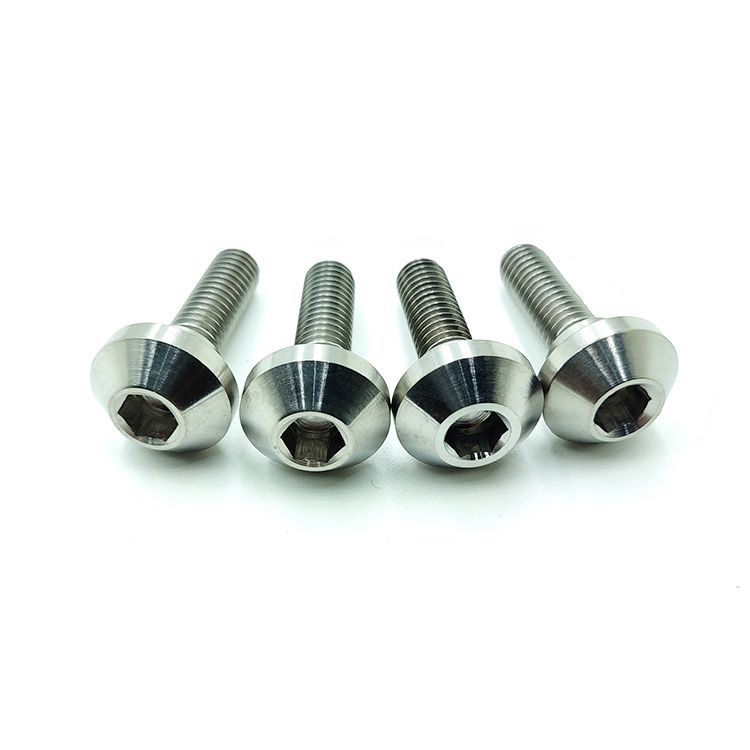
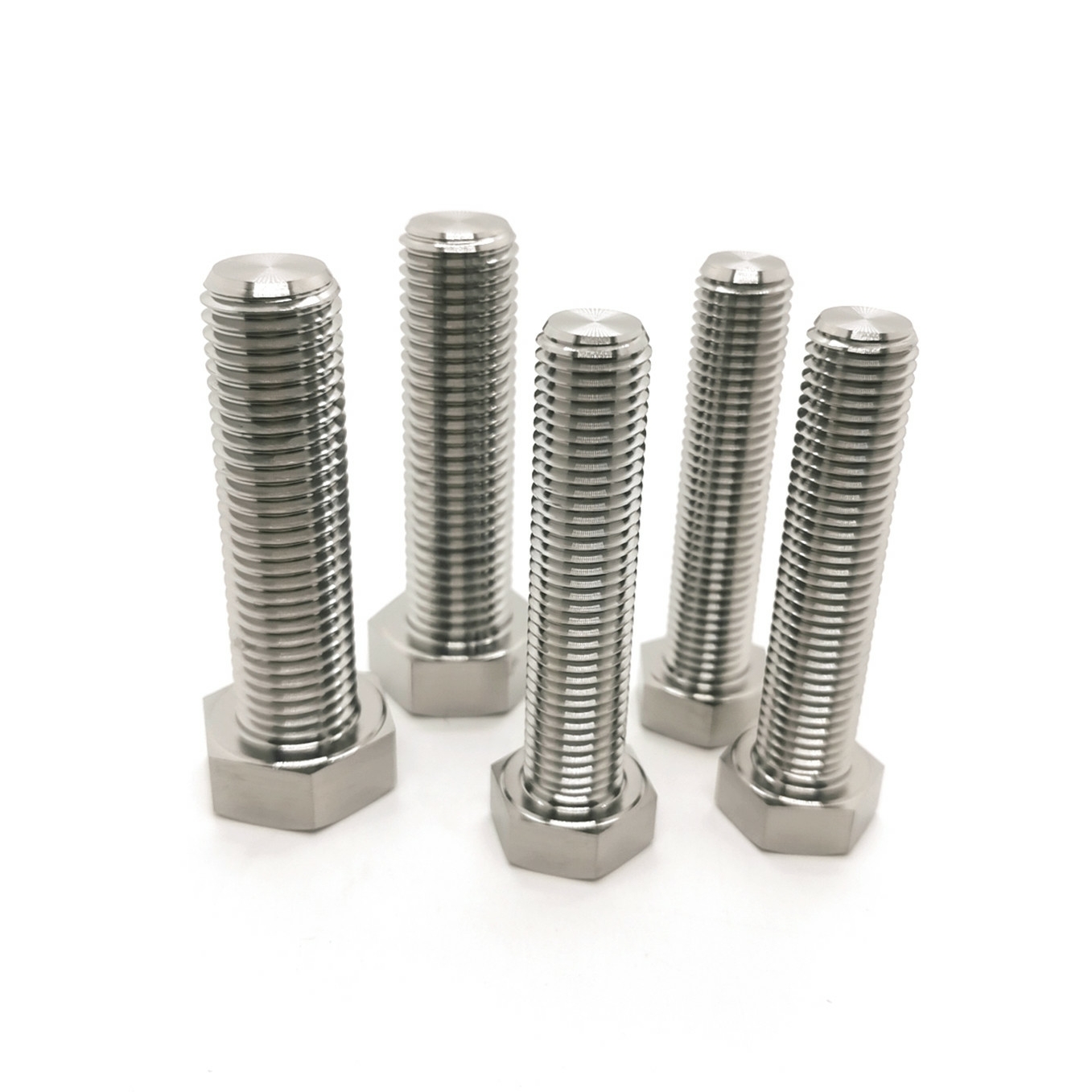
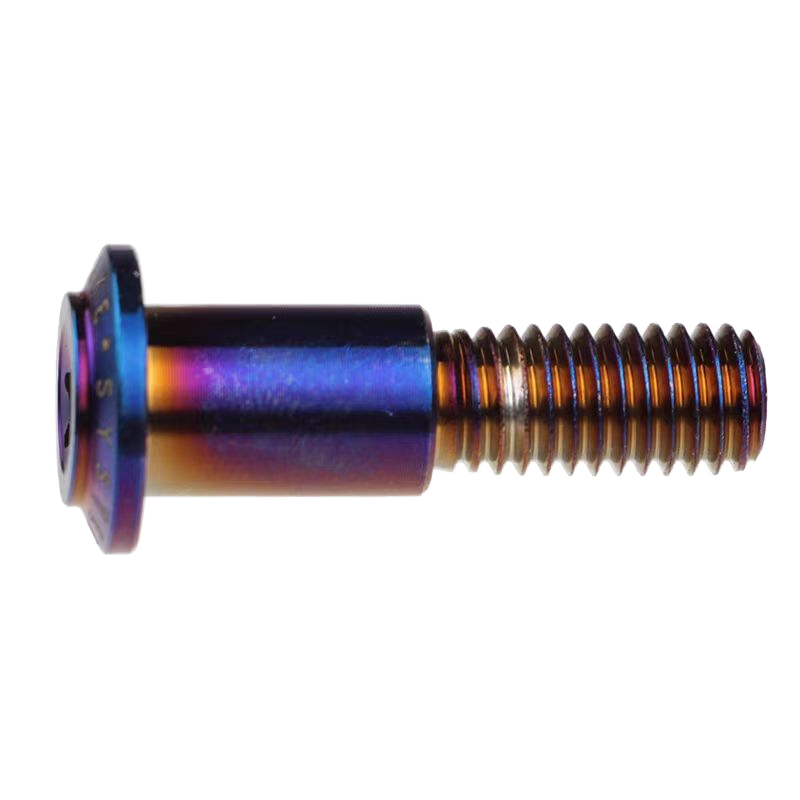
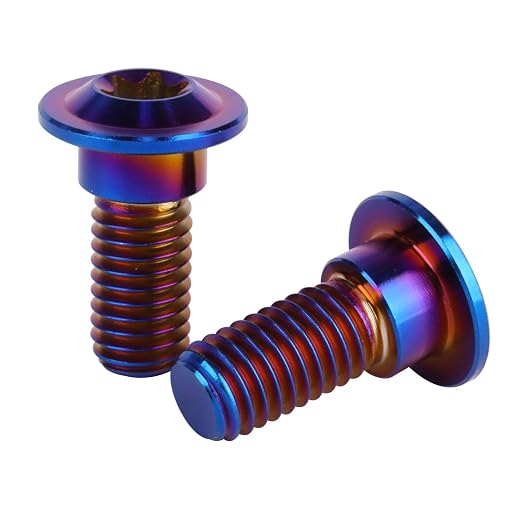
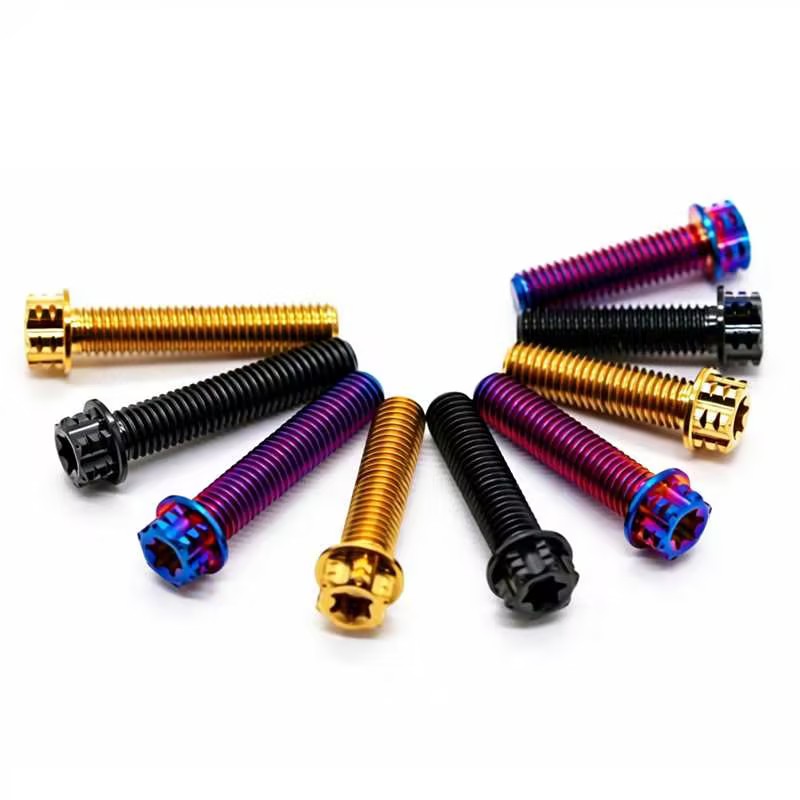
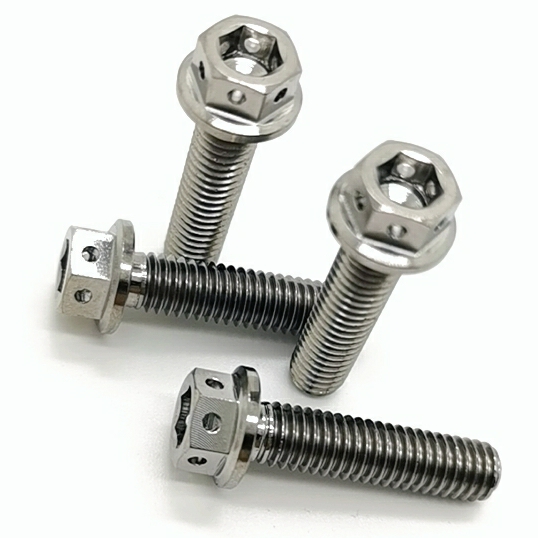
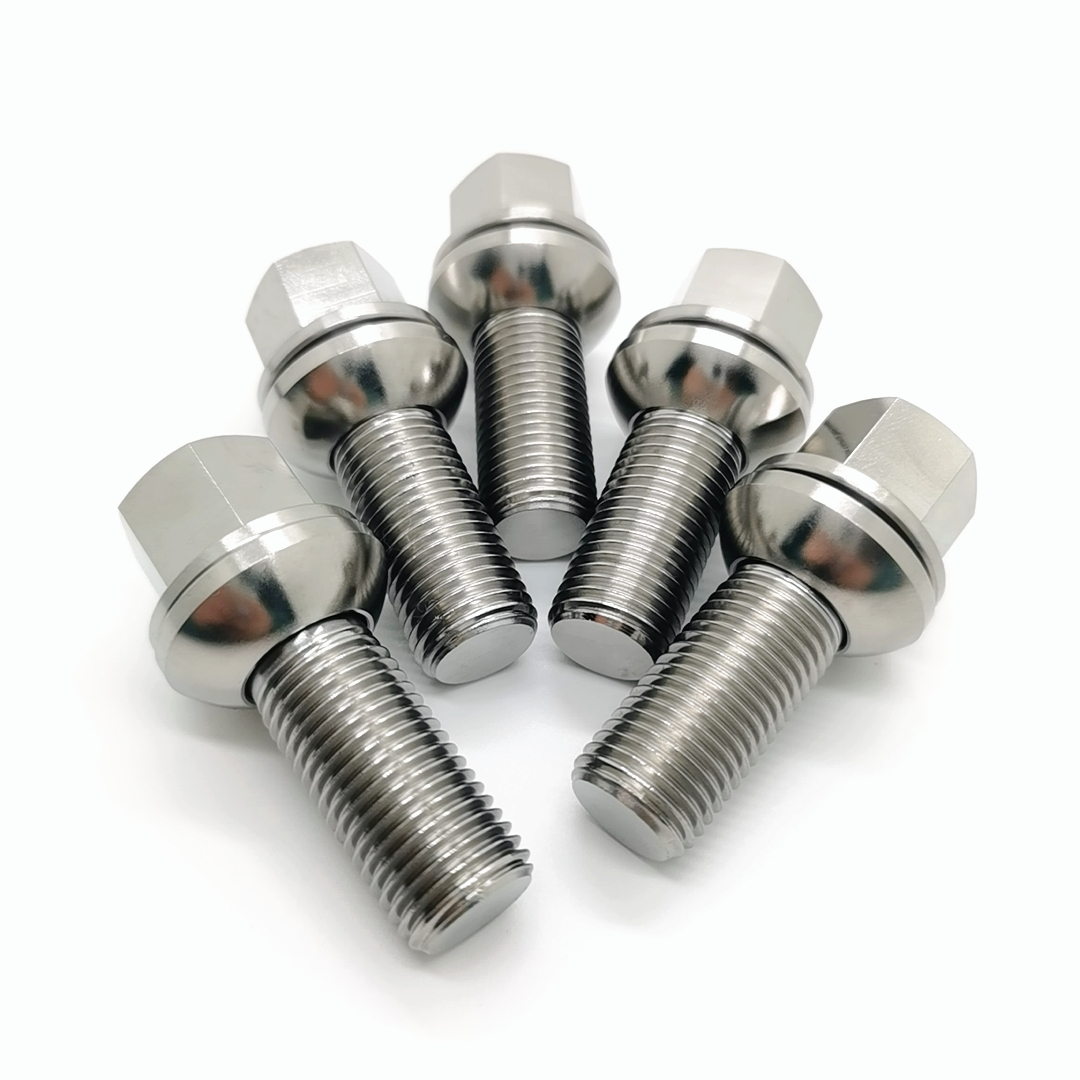
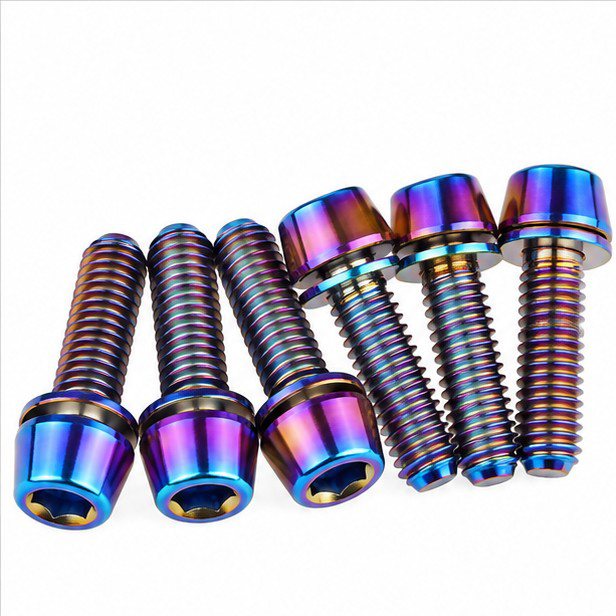
10+
Years Fastener Excellence100+
Advanced Multi-Axis CNCs±0.005mm
Shoulder Diameter Precision100%
Spectrometric TraceabilityStrategic Value of Precision Titanium Shoulder Bolts (Stripper Bolts)
Shoulder bolts, often referred to within mechanical engineering as stripper bolts or precision stop pins, are specialized unthreaded-shank mechanical fasteners. Unlike conventional full-thread hex or cap screws engineered primarily for clamping tension, a titanium shoulder bolt features an unthreaded cylindrical shank (the shoulder) that acts as an accurate dowel pin, axle, pivot arbor, or linear bearing guide. In modern machinery operating in dynamic environments, the dimensional tolerance of this shoulder—typically ground to h7, h8, or f9 specifications—governs the precise movement of linkages, springs, rocker arms, and sliding assemblies.
When manufactured from Ti-6Al-4V (Grade 5 Titanium), these bolts deliver an unprecedented strength-to-weight ratio combined with absolute immunity to chloride-induced pitting and atmospheric galvanic rust. While carbon or alloy steels require electroplating or zinc flaking—coatings that wear down or alter dimensional tolerances over prolonged service—Grade 5 titanium spontaneously regenerates an inert, tenacious titanium dioxide (TiO2) ceramic passive film across the bearing face. For procurement directors and design engineers sourcing components for Western European projects, deploying high-grade titanium shoulder bolts resolves longstanding dilemmas regarding thermal cycle fatigue, rotational drag, unsprung rotational mass, and chemical decomposition.
Localized Industrial Applications in the Amsterdam Ecosystem
The Amsterdam metropolitan area, extending into North Holland and the greater Randstad delta, represents a uniquely demanding cross-section of maritime innovation, high-tech semiconductor engineering, and eco-mobility design.
Canal Automation & Maritime Locks
Amsterdam’s historic water management network and modern North Sea Canal ports demand mechanical linkages impervious to continuous brackish water submersion. Grade 5 titanium shoulder bolts serve as pivot pins in automated sluice gates, water-monitoring buoys, and commercial yacht deck gear, completely mitigating the risk of chloride pitting and eliminating seized pivot joints.
Advanced Cargo & E-Bike Engineering
As the undisputed cycling capital of the world, Amsterdam leads the development of heavy-duty electric cargo bikes (bakfietsen) and performance road cycles. Stepped titanium shoulder bolts are integrated into front steering linkages, dual-suspension pivot points, and disc caliper mountings, reducing structural curb weight while withstanding millions of severe dynamic load cycles across uneven canal cobbles.
Semiconductor Cleanrooms & Tech Corridors
In close proximity to the Brainport and North Holland lithography and vacuum tooling clusters, our shoulder bolts fulfill critical roles as non-magnetic, ultra-low-outgassing locating fasteners. Grade 5 titanium exhibits no ferromagnetic interference, making it an indispensable alloy in precision electron optics, lithography staging arms, and high-vacuum pick-and-place robotics.
Offshore Wind Subsea Sensor Fixtures
With massive wind development taking place off the coast of IJmuiden and the Wadden Sea, submerged telemetry sensors and variable blade pitch sensors require unyielding reliability. Titanium shoulder bolts function as sliding stops and articulating joints that resist turbulent North Sea salinity, microbial corrosion, and extreme wave load fluctuations.
Engineering Specification & Mechanical Comparison Guide
| Property Parameter | Ti-6Al-4V (Grade 5 Titanium) | Commercially Pure Ti (Grade 2) | Marine Stainless (AISI 316) | High Tensile Steel (Class 10.9) |
|---|---|---|---|---|
| Ultimate Tensile Strength | 895 – 1050 MPa | 345 – 450 MPa | 550 – 700 MPa | 1000 – 1040 MPa |
| Yield Strength (0.2% Offset) | 828 MPa Min | 275 MPa Min | 240 MPa Min | 900 MPa Min |
| Density (Specific Mass) | 4.43 g/cm³ | 4.51 g/cm³ | 8.00 g/cm³ | 7.85 g/cm³ |
| Weight Differential vs Steel | ~44% Lighter | ~43% Lighter | Baseline Reference | Baseline Reference |
| Shoulder Run-Out Tolerance | ISO h7 / h8 Ground (±0.005 mm) | ISO h9 Turned | ISO h8 / h9 Turned | ISO h7 Ground |
| Chloride (Cl-) Pitting Resistance | Immune (PREN Not Applicable) | Immune | Susceptible to Crevice Attack | Rapid Oxidation / Rusting |
| Magnetic Permeability (μ) | 1.00005 (Non-Magnetic) | 1.00005 (Non-Magnetic) | 1.008 (Slight Cold-Work Mag) | Ferromagnetic Core |
Procurement & Development Trends in the Amsterdam Market
Key structural shifts defining titanium fastener acquisition across the Netherlands, Western Europe, and Baltic trade paths.
The Shift Toward Circular Lifecycles
In alignment with the City of Amsterdam’s Circular Economy Strategy 2020–2025, industrial manufacturers are actively phasing out zinc-coated and cadmium-plated fasteners that demand frequent replacements. Engineers prioritize titanium shoulder bolts because their non-degrading nature enables multiple refurbishment cycles, substantially lowering the total cost of ownership (TCO) across urban infrastructure.
Electrification and Lightweighting Mandates
The rapid expansion of electric light commercial vehicles (e-LCVs) and high-speed electric commuter boats running along the IJ waterfront has placed unsparing emphasis on mass reduction. Every kilogram removed directly improves battery range. Substituting structural steel shoulder pins with Grade 5 titanium offers an immediate 44% weight reduction on articulating suspension links and deck joints without compromising tensile security.
Direct Factory Sourcing Bypassing Intermediaries
Dutch industrial supply chains increasingly avoid multi-tier European trade intermediaries. Procurement teams are establishing verified direct agreements with origin manufacturers located in Baoji Titanium Valley. Direct mill relationships protect bottom-line margins, guarantee uncompromised EN 10204 3.1 chemical lot traceability, and facilitate rapid turnarounds for customized shoulder tolerances.
PVD Functional Color Passivation
In both the boutique Dutch urban mobility market and commercial equipment manufacturing, physical vapor deposition (PVD) titanium coatings have gained vast traction. Beyond offering custom aesthetic finishes (burnt blue, gold, deep obsidian black), thin-film titanium nitride (TiN) or diamond-like carbon (DLC) coatings lower surface friction on sliding shoulder bearings while boosting external surface hardness to over 2000 HV.
Why Dutch & European Engineers Partner with Our Baoji Facility
Since 2013, our production center in Honeycomb Industrial Park, Baoji, has served as a benchmark for precision titanium manufacturing, combining proximity to sponge resources with world-class multi-axis machining.
Direct China Titanium Valley Source
Operating directly in Baoji, Shaanxi, we process bar stock sourced from certified premium melts. By controlling the entire manufacturing pipeline—from certified ASTM B348 billets to hot forging and precision turning—we eliminate brokerage markups and enforce end-to-end heat-lot traceability for international audit compliance.
Micron-Scale CNC Machinery Center
With more than 100 sets of multi-axis CNC lathes, cold-heading headers, and precision centerless cylindrical grinders, we execute challenging shoulder tolerances down to ±0.005mm. Concentricity between shoulder diameter and thread axis is rigorously held to minimize eccentric wear in precision machinery.
Multi-Stage Quality Verification
Every production batch passes strict optical comparator scanning, Go/No-Go thread gauge checking, tensile yield proof-loading, and spectroscopic material analysis. Onsite verification by third-party inspectors guarantees that our products meet exact European procurement criteria without compromise.
Frictionless Trade & DDP Logistics
We provide full export flexibility tailored for Dutch importers, including FOB, CIF, and Delivered Duty Paid (DDP Amsterdam / Port of Rotterdam). Supporting payments across EUR, USD, and GBP via T/T, L/C, or escrow mechanisms, we handle EU customs documentation, clearance, and courier deliveries smoothly.
Frequently Asked Sourcing & Engineering Questions
Detailed answers regarding technical specifications, galling mitigation, customs entry into the Netherlands, and custom production runs.
Why choose Grade 5 (Ti-6Al-4V) over Grade 2 for shoulder bolts?
Grade 2 is commercially pure titanium offering exceptional corrosion resistance but a modest tensile strength (~345 MPa). Shoulder bolts function primarily as load-bearing arbors, shear pins, or pivot shafts requiring resistance against bending moments and shearing forces. Grade 5 titanium is an alpha-beta alloy delivering tensile strengths surpassing 895–1000 MPa, easily matching Class 10.9 steel specifications at almost half the mass.
How should engineers prevent thread galling during installation?
Due to titanium’s rapid self-passivating oxide film, mating threads can experience micro-friction galling if torqued dry at high RPM. We strictly advise applying an anti-seize paste formulated with molybdenum disulfide (MoS2), copper paste, or high-purity nickel grease. In dynamic assemblies, specifying our PVD-coated finishes significantly reduces friction coefficients and protects thread integrity.
What are the standard lead times for delivery into Amsterdam?
Standard catalog items (e.g., M5–M12 ISO 7379 or DIN 912 derivatives) usually ship out within 5 to 10 working days. Custom CNC orders engineered to print (PDF/STEP/DWG files) average 2 to 4 weeks depending on batch volume. Shipments moving through DHL, FedEx Express, or Air Cargo land at Amsterdam Airport Schiphol (AMS) within 3 to 6 transit days.
How is galvanic corrosion avoided when pairing with Dutch aluminum structures?
In wet or saline environments like the North Sea Canal, coupling noble titanium with less noble aluminum alloys can induce galvanic action on the aluminum. To prevent this, we recommend non-conductive isolation washers (such as PTFE or PEEK), ceramic-fluoropolymer barrier layers, or hard anodization on the aluminum mating surface to effectively break electrical contact.
What are the minimum order quantities (MOQs) for custom parts?
For catalog sizes held in stock, our minimum order quantity starts at just 20 to 50 pieces, facilitating low-risk prototyping for start-ups and testing programs. Custom shoulder diameters, specialized thread pitches (UNF/metric fine), or bespoke head geometries quoted to CAD models generally start at 100 to 200 pieces.
Do you provide full mill test reports (MTR) with shipments?
Yes. Every dispatch is accompanied by an EN 10204 3.1 inspection certificate recording full chemical composition (including Ti, Al, V, Fe, C, N, and interstitial O₂ content) and mechanical tensile testing values. Independent third-party inspection sign-offs (SGS/TUV) can also be arranged upon buyer request.
Connect Directly with Our Titanium Fastener Engineers
Have an active technical drawing, specific shoulder tolerance requirement, or project BOM? Submit your project parameters to receive formal engineering feedback, material verification, and factory pricing within 24 business hours.