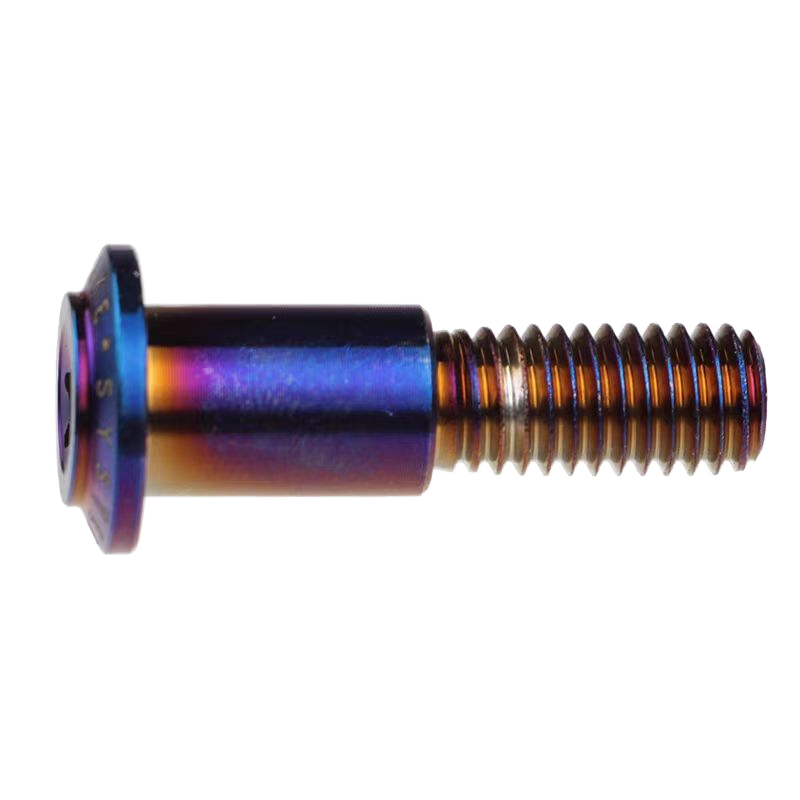
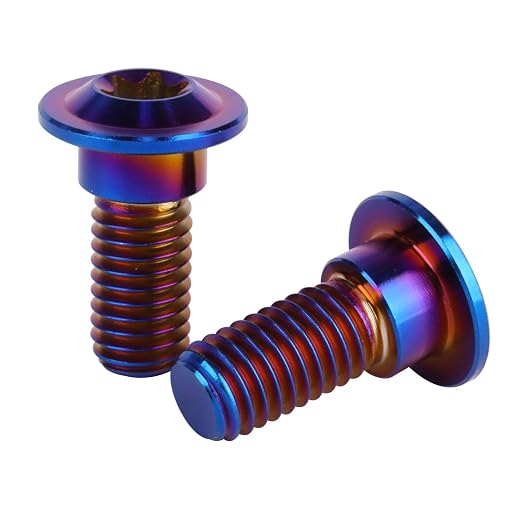
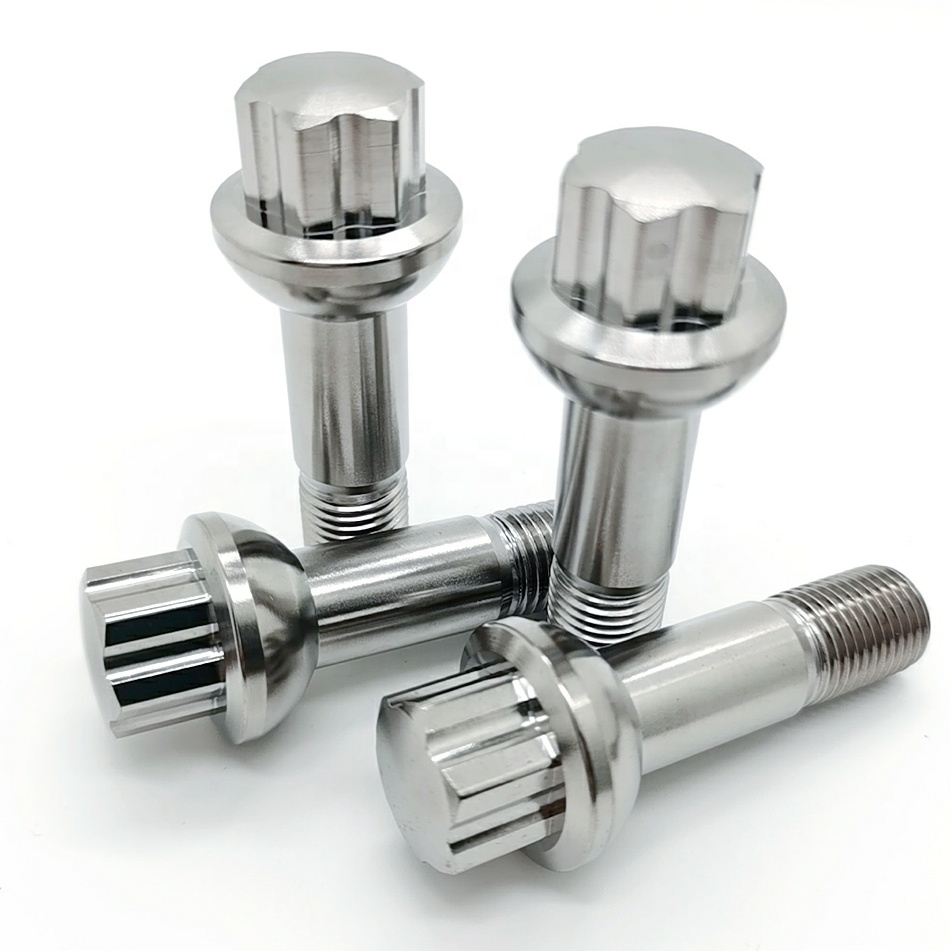
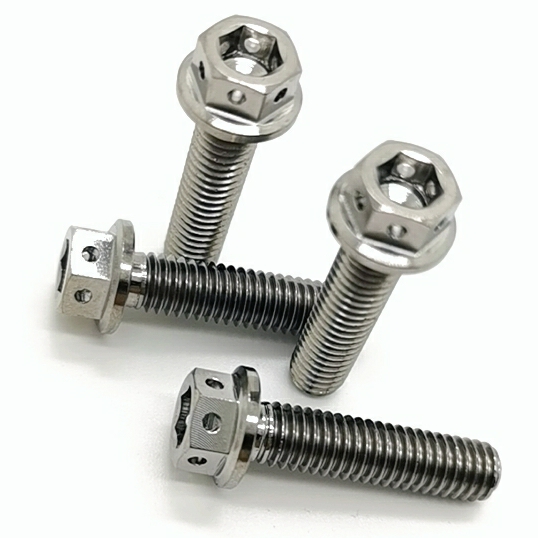
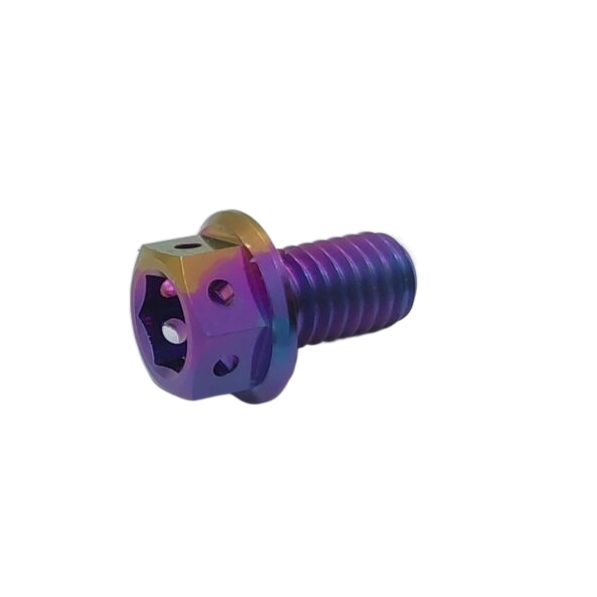
Bike Motorcycle Titanium Bolts Hexagonal Step Flat Head Zinc Finish Teeth Disc Brake
- StandardDIN / Custom ISO
- MaterialGrade 5 Ti-6Al-4V
- DriveHex Stepped Flat
Factory-direct Grade 5 (Ti-6Al-4V) and Grade 2 titanium fasteners engineered to prevent galling, endure galvanic contact, and resist extreme cyclical shear in automotive and electronics assemblies.
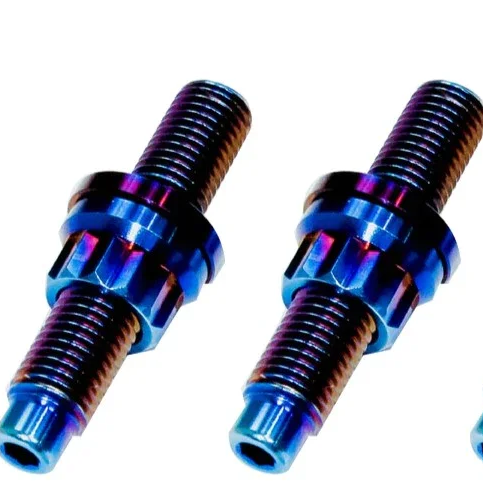
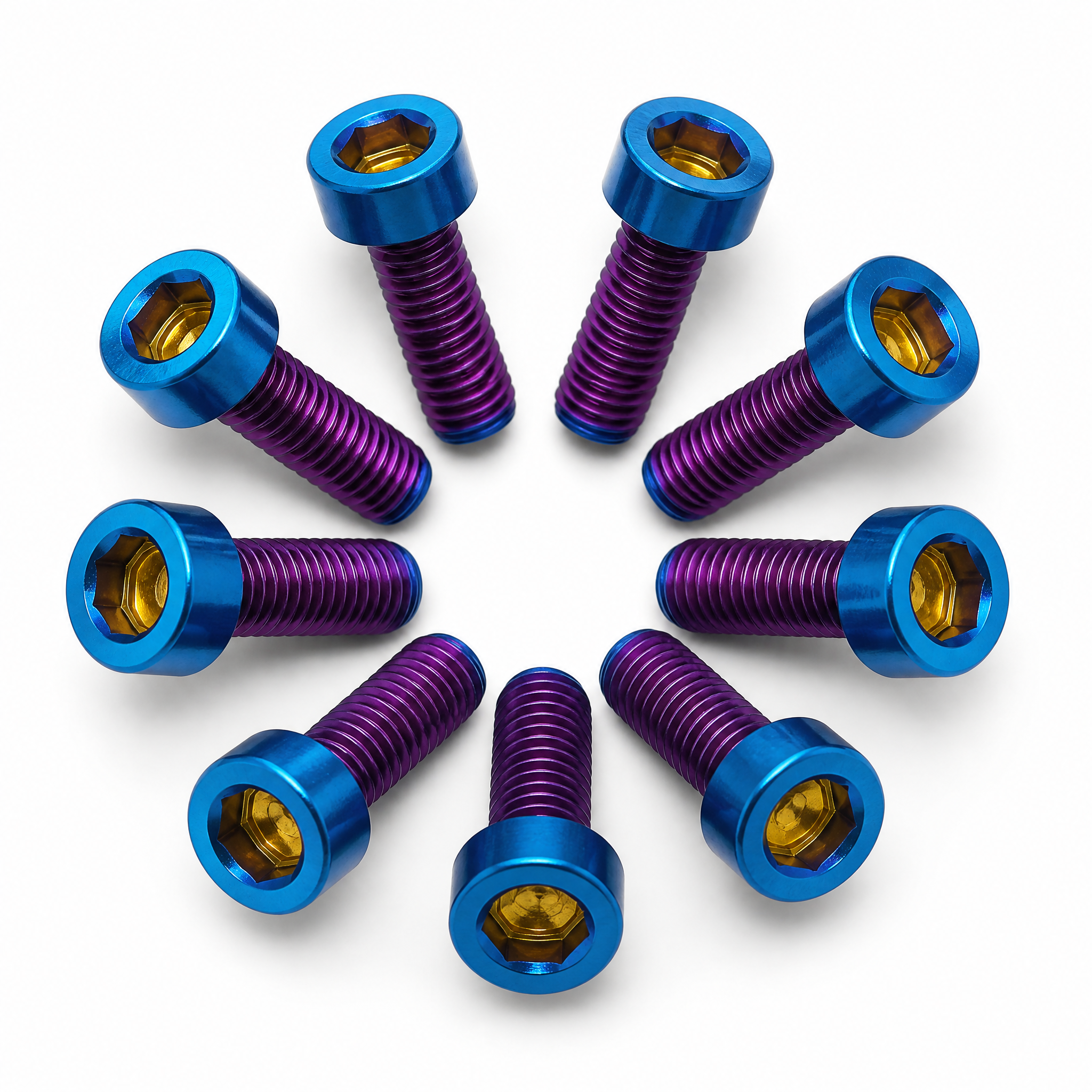
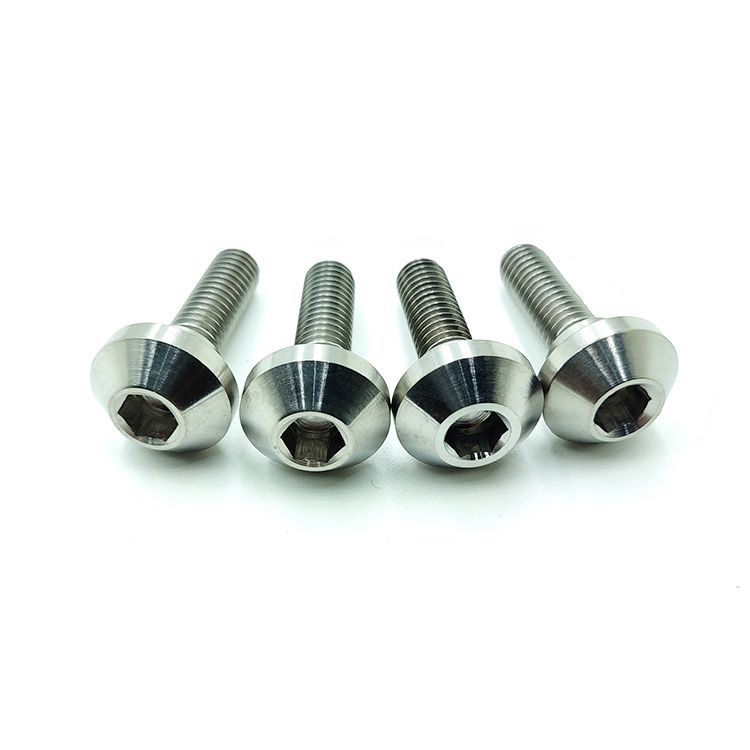
Self-tapping fasteners operating in advanced substrates must satisfy conflicting mechanical constraints: extreme hardness at the thread-forming crest combined with core ductility to prevent catastrophic fatigue failure under multi-axis dynamic vibration.
Grade 5 (Ti-6Al-4V, UNS R56400) features an alpha-beta dual-phase microstructure annealed to deliver over 895 MPa tensile strength and 828 MPa yield stress. For thread-rolling and tapping into ductile matrixes (such as automotive 6000-series aluminum profiles, magnesium battery casings, and carbon-fiber reinforced polyamides), Grade 5 prevents crest flattening. In contrasting sub-assemblies where severe electrochemical exposure takes precedence over shear tension, Commercially Pure Grade 2 (UNS R50400) provides exceptional surface passivation due to its spontaneous TiO₂ boundary layer formation.
Yevzo manufactures both thread-forming (Type AB, Type F) and thread-cutting (Type 1, Type 23) geometries tailored for Gwangju’s robotic assembly fixtures. Thread-forming configurations utilize precision tri-lobular (Plastite®/Taptite® compatible) profiles that cold-flow target polymers or non-ferrous metals, resulting in zero-debris cleanrooms necessary for photonics and clean battery cell installations. Thread-cutting screws incorporate relief chip cavities to cleanly tap high-durometer composite resin casings without exerting excessive radial burst stresses.
Because titanium possesses a high coefficient of dry friction, unpassivated threads engaging metal substrates are prone to micro-welding and thread galling during rapid pneumatic assembly. Yevzo mitigates this challenge via vacuum Physical Vapor Deposition (PVD) titanium carbo-nitride (TiCN), diamond-like carbon (DLC), or specialized molybdenum disulfide (MoS₂) bonded lubricants. These coatings stabilize installation torque coefficients (k-factor = 0.12–0.15), ensuring repeatability without relying on wet anti-seize pastes that could contaminate optical sensors.
As South Korea’s designated smart mobility cluster and photonics capital, Gwangju Metropolitan City represents specialized fastener procurement ecosystems across Bitgreen, Hanam, and Pyeongdong industrial zones.
In Gwangju’s high-density electric vehicle battery clusters, Yevzo’s Gr5 titanium self-tapping screws are integrated into battery management system (BMS) sub-modules, liquid-cooling manifold retainers, and die-cast aluminum power distribution enclosures. Their 4.43 g/cm³ density reduces overall curb mass while eliminating the galvanic corrosion typically observed between carbon-steel fasteners and aluminum frames exposed to winter road-salt aerosols.
Supplying Tier-1 chassis fabricators linked to Gwangju Global Motors (GGM) and adjacent micro-mobility production centers. Our precision Torx-drive self-tapping screws secure structural composite door cassettes, lightweight bumper reinforcements, and telemetry brackets. The high yield strength (828 MPa) exceeds Class 8.8 and rivals Class 10.9 structural steels, safeguarding structural integrity against cyclic fatigue and continuous road impact shock loads.
Collaborating with optical component developers centered around the Korea Photonics Technology Institute (KOPTI). Non-magnetic Grade 2 and micro-spec Grade 5 thread-forming screws (M1.6 to M3.0) mount sensitive LiDAR transceivers, infrared cameras, and telecommunication switch arrays. Titanium’s magnetic permeability (μr ≈ 1.00005) ensures zero electromagnetic interference with high-frequency laser signals and PCB RF traces.
Meeting the cleanliness specifications of Gwangju’s specialized dental, orthopedic research, and surgical robotics hubs. Grade 5 titanium self-tapping fasteners exhibit total cytotoxicity tolerance under ISO 10993 parameters. Used widely to assemble surgical sterilizer trays, robotic arm shell housings, and laboratory diagnostic devices demanding repeated autoclaving and harsh enzyme-detergent washdowns without surface degradation.
Operating along the Honam KTX logistics axis, Gwangju demands outdoor signaling and track monitoring hardware designed for 25-year service lifetimes. Yevzo fasteners provide impervious resistance to industrial sulfur dioxide emissions, airborne particulate matter, and humidity cycles, drastically lowering trackside inspection and fastener maintenance costs for outdoor wayside electronics.
Gwangju’s transition toward next-generation mobility and renewable microgrids has transformed industrial hardware procurement from low-cost commodities to mission-critical, lifecycle-optimized components.
With South Korea’s ambitious carbon-neutral mobility goals, reducing vehicle curb weight by single-digit kilograms directly translates into battery range extensions. Shifting from zinc-plated alloy steels to titanium hardware yields an immediate 43% to 45% mass reduction at every joint location. In multi-cell battery packs requiring hundreds of retaining fasteners, this substitution yields significant mass optimization without sacrificing structural retention.
Gwangju’s assembly lines increasingly utilize mixed-material matrices, binding carbon-fiber composites directly to cast aluminum alloys. Standard fasteners induce galvanic corrosion couples when exposed to electrolyte spray. Titanium's open-circuit potential (+0.05V vs. SHE) closely matches noble carbon matrices, preventing interfacial degradation and preserving the structural integrity of composite chassis sections.
Traditional nut-and-bolt or tapped-hole configurations require threading fluids, manual backing nuts, and cleaning stages that introduce particulate risks in cleanroom optical assembly. The integration of high-precision titanium self-tapping screws streamlines production cycles, allowing high-speed automated feed systems to execute direct thread engagement in sub-second cycles without metallic dust generation.
Quantitative property metrics demonstrating why Yevzo Grade 5 Titanium outperforms high-tensile carbon steel and austenitic stainless steel in high-stress vibrational applications.
| Mechanical Metric | Gr5 (Ti-6Al-4V) Fastener | Gr2 Commercially Pure Ti | AISI 304 (A2-70) Stainless | Class 10.9 Alloy Steel |
|---|---|---|---|---|
| Tensile Strength (Rm, MPa) | 895 – 1,050 | 345 – 480 | 700 – 800 | 1,000 – 1,040 |
| Yield Strength (Rp0.2, MPa) | 828 – 950 | 275 – 350 | 450 | 900 – 940 |
| Density (g/cm³) | 4.43 | 4.51 | 7.93 | 7.85 |
| Strength-to-Weight (kN·m/kg) | 214 | 88 | 94 | 130 |
| Modulus of Elasticity (GPa) | 114 | 103 | 193 | 210 |
| Corrosion in Salt Spray (Hours) | > 5,000 (Zero Rust) | > 5,000 (Zero Rust) | 500 – 1,000 (Pitting Risk) | 96 – 240 (Plating Dependent) |
| Magnetic Permeability (μr) | 1.00005 (Non-Magnetic) | 1.00005 (Non-Magnetic) | 1.008 (Slightly Magnetic after work) | Ferromagnetic |
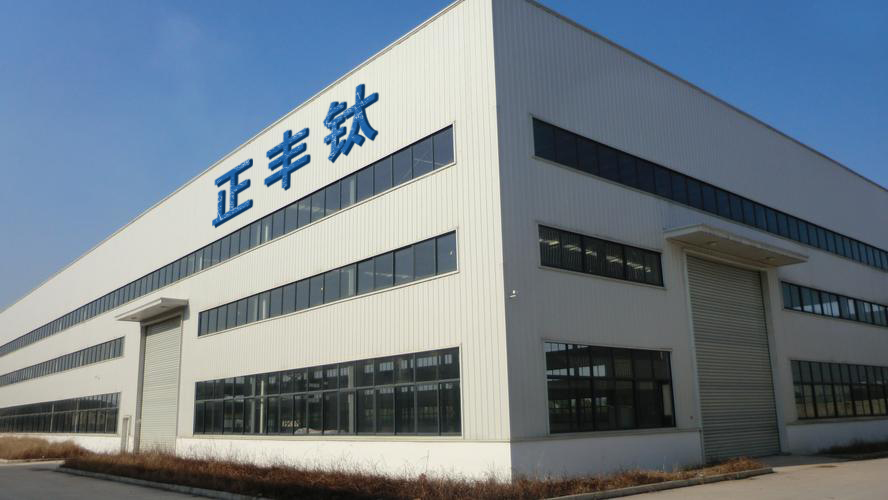
Yevzo Titanium Metal Co., Ltd. has specialized in non-ferrous metal fastening engineering since 2013. Situated in the High-Tech Development Zone of Baoji, Shaanxi—globally recognized as "China’s Titanium Valley"—our facility operates adjacent to primary titanium sponge smelting and vacuum arc remelting (VAR) infrastructure.
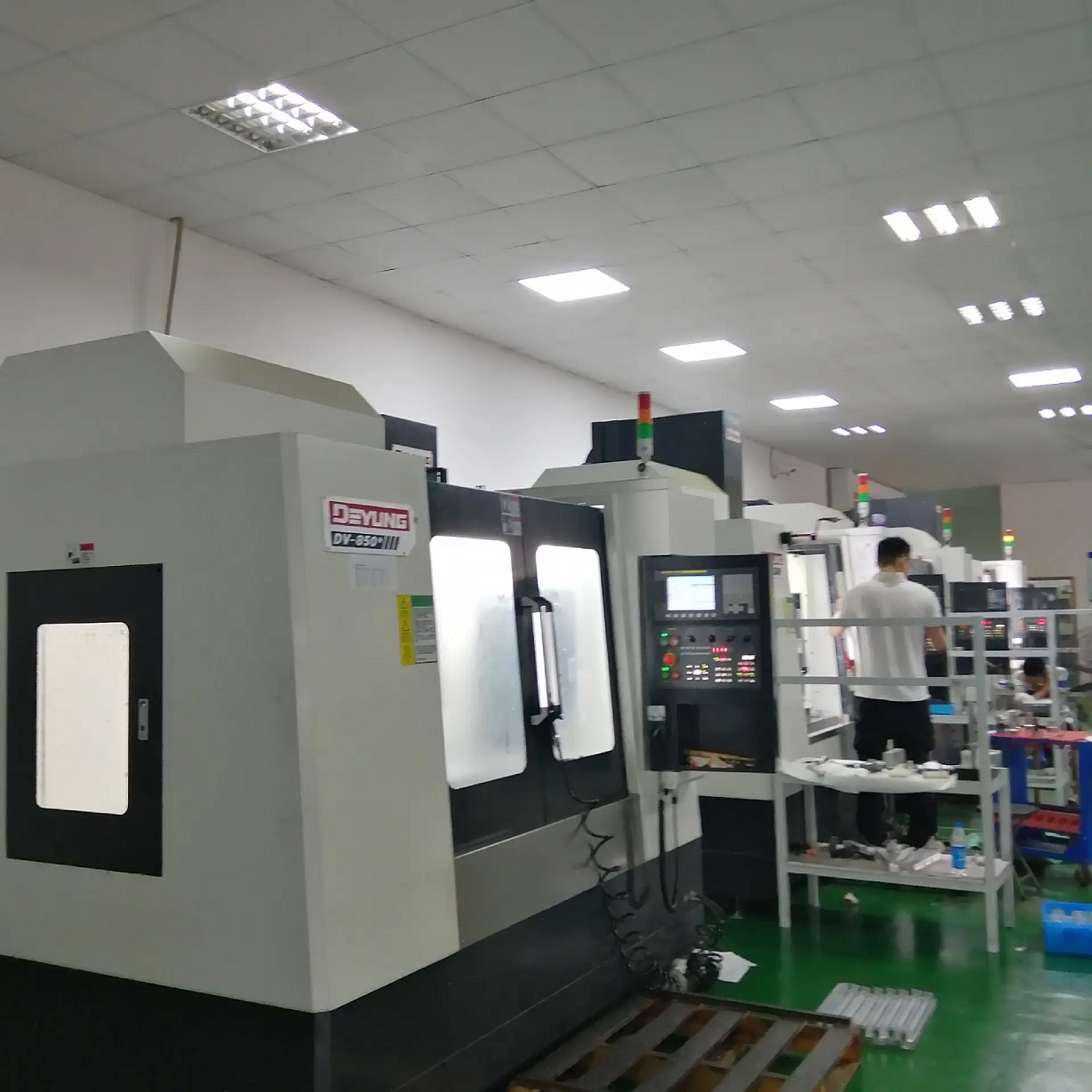
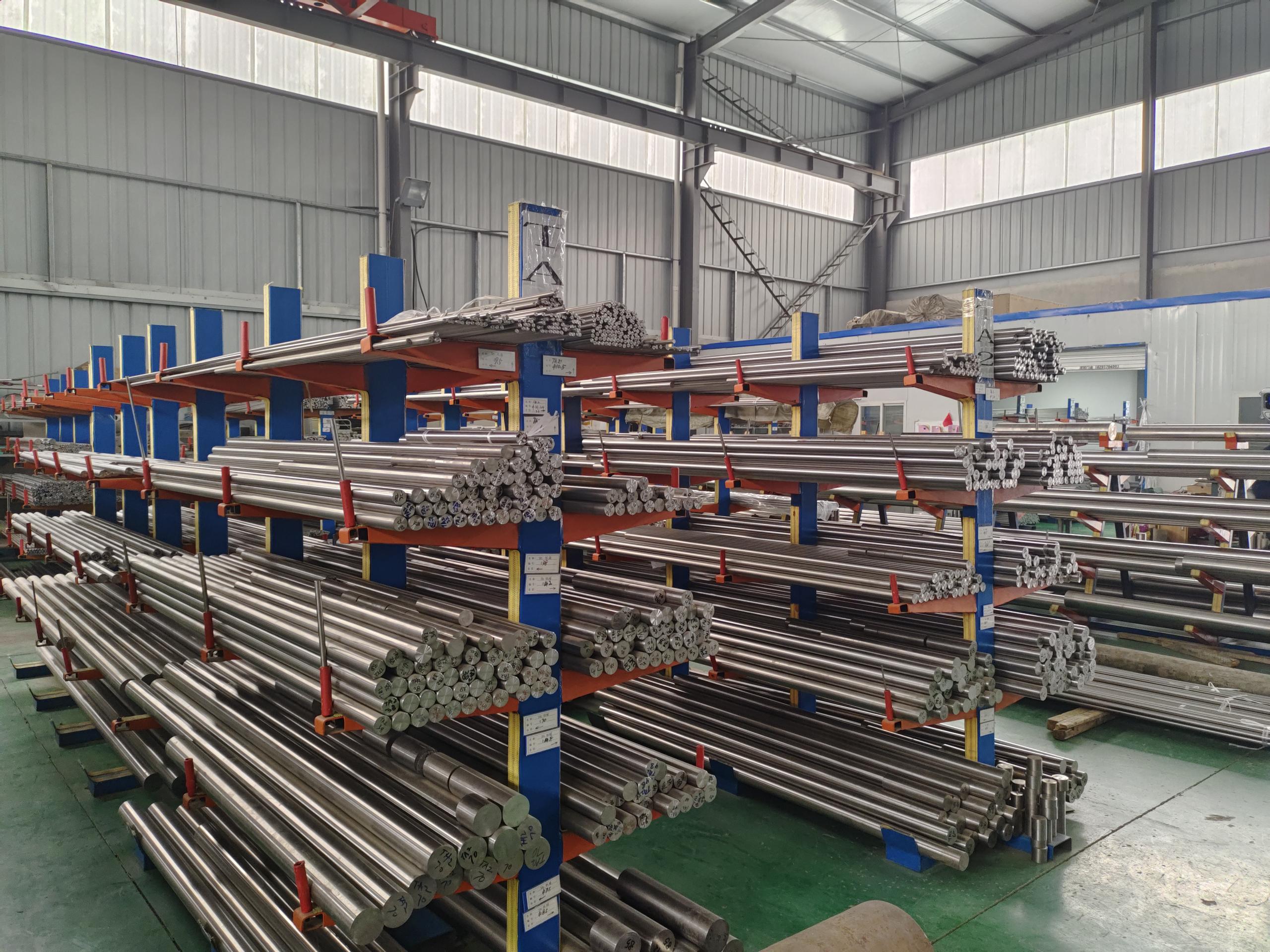
This geographic location ensures direct traceability back to primary ingot melt heats (accompanied by certified EN 10204 3.1 chemical composition and tensile mill test reports). With over 100 sets of advanced 3-axis, 4-axis, and 5-axis CNC machining centers, high-speed thread rolling units, and specialized optical sensor screening equipment, Yevzo executes complex OEM/ODM production runs with strict dimensional repeatability.
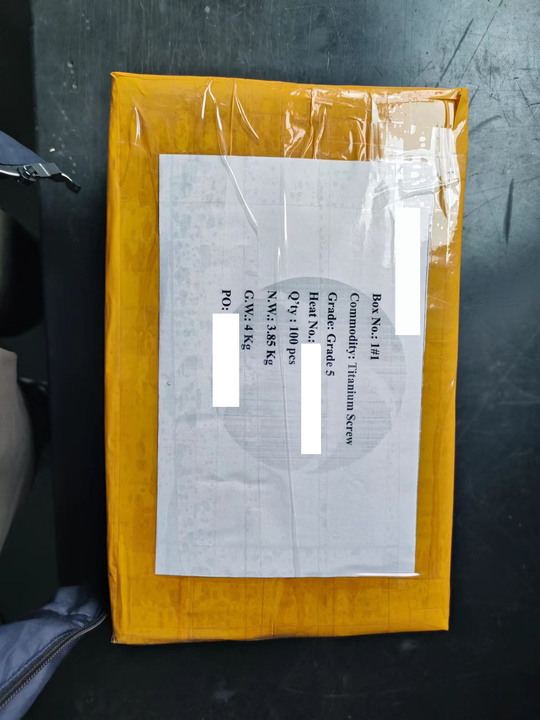
Every shipment bound for Gwangju, Incheon, or Busan undergoes strict inspection: optical sorting machines verify thread profile pitch diameter, while eddy-current and ultrasonic testers guarantee raw material integrity without internal voids.
Technical guidance addressing import clearance, dimensional standards, torque specs, and metallurgical selection for Gwangju procurement teams.