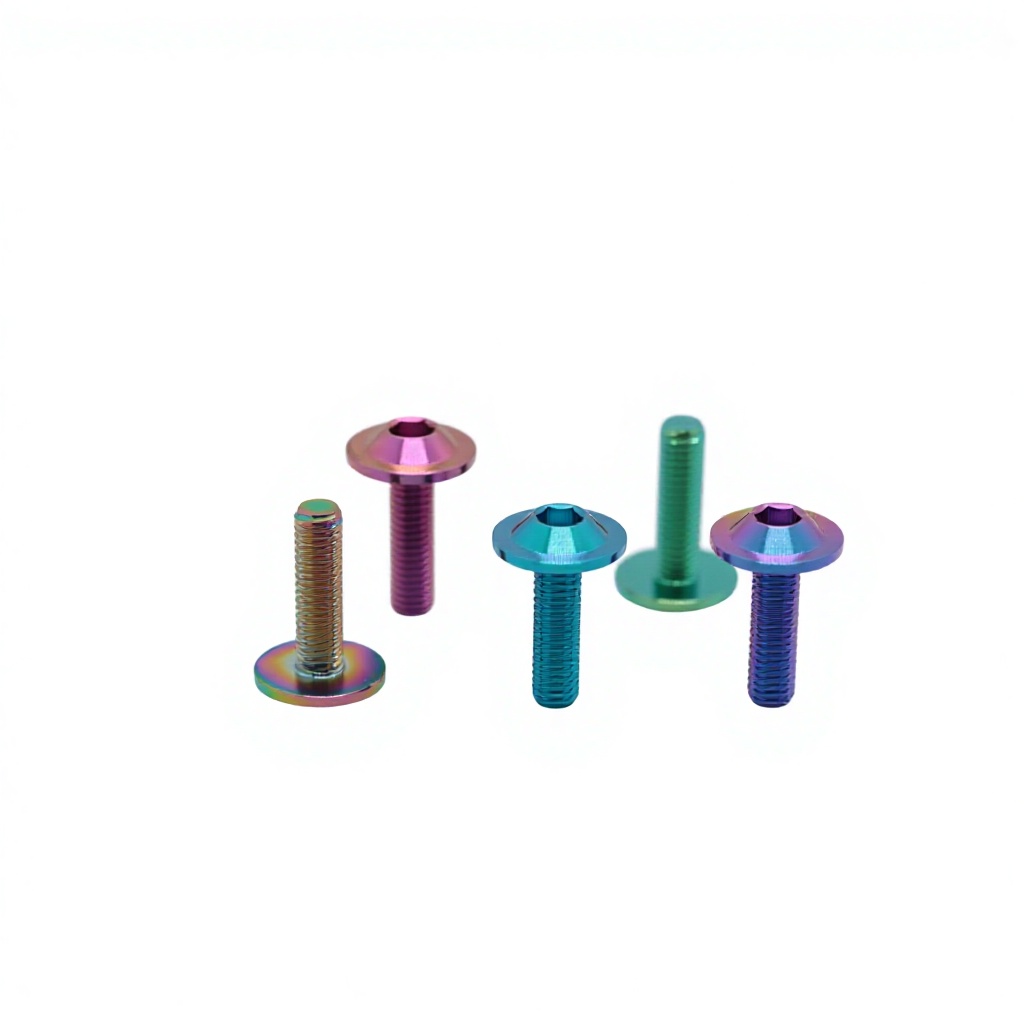
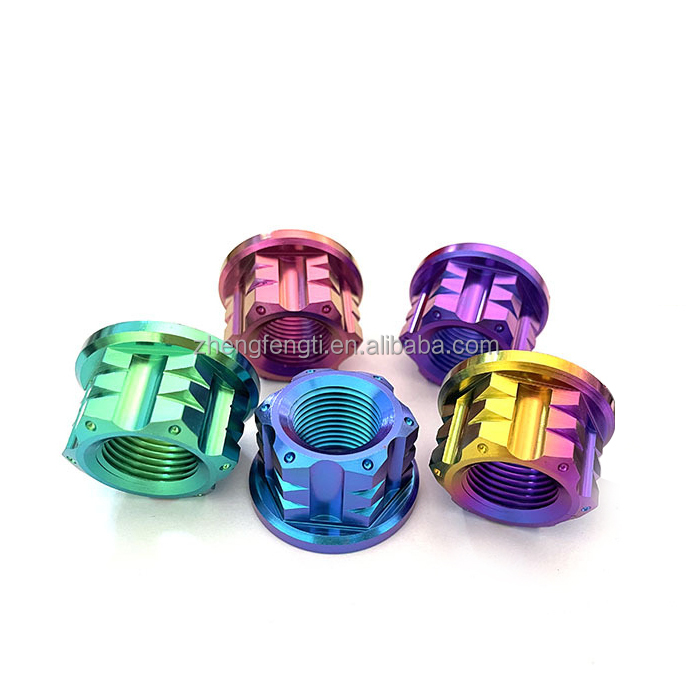
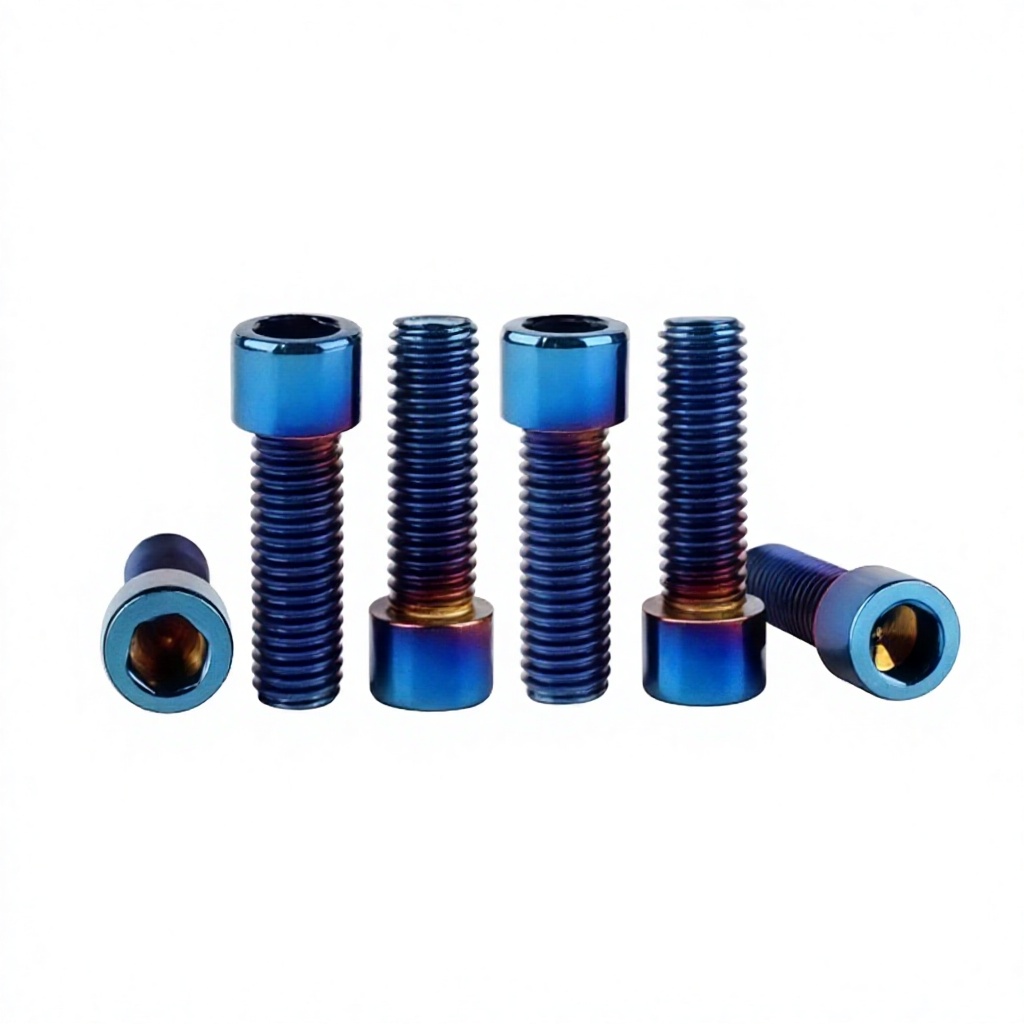
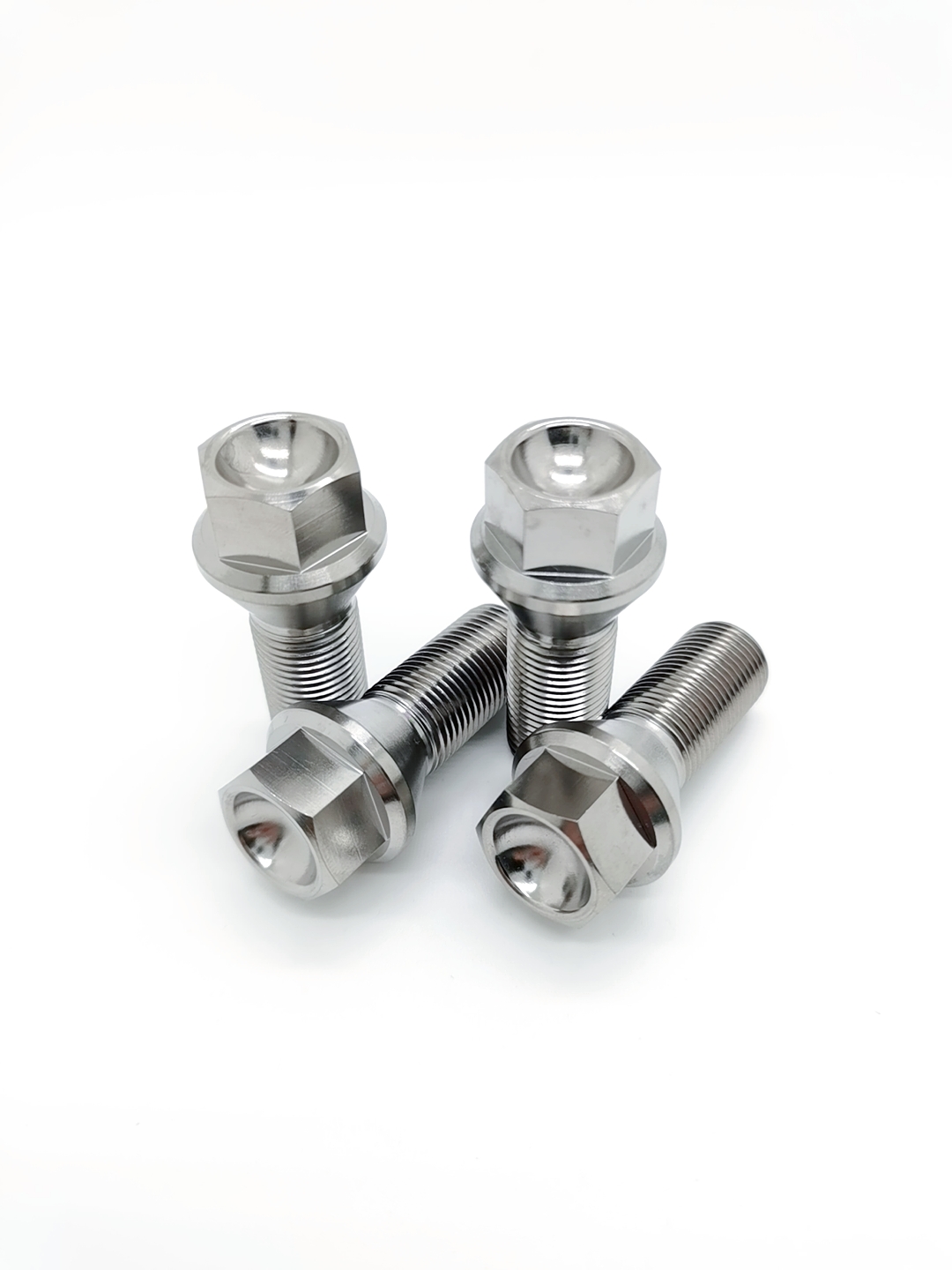
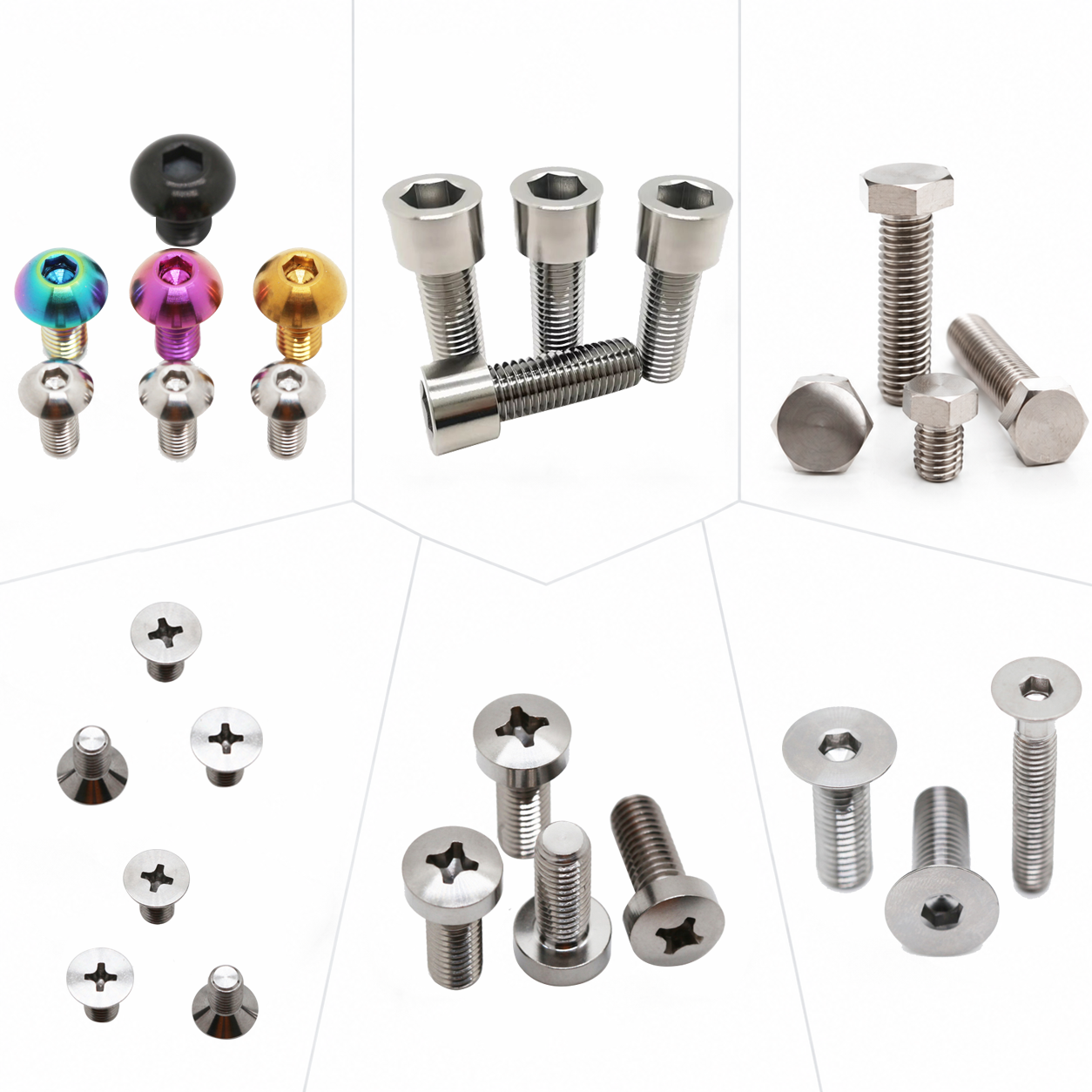
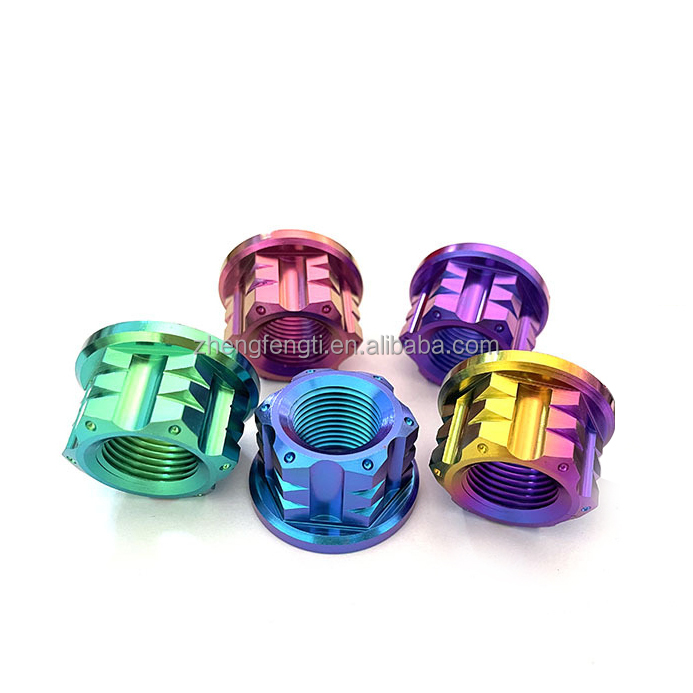
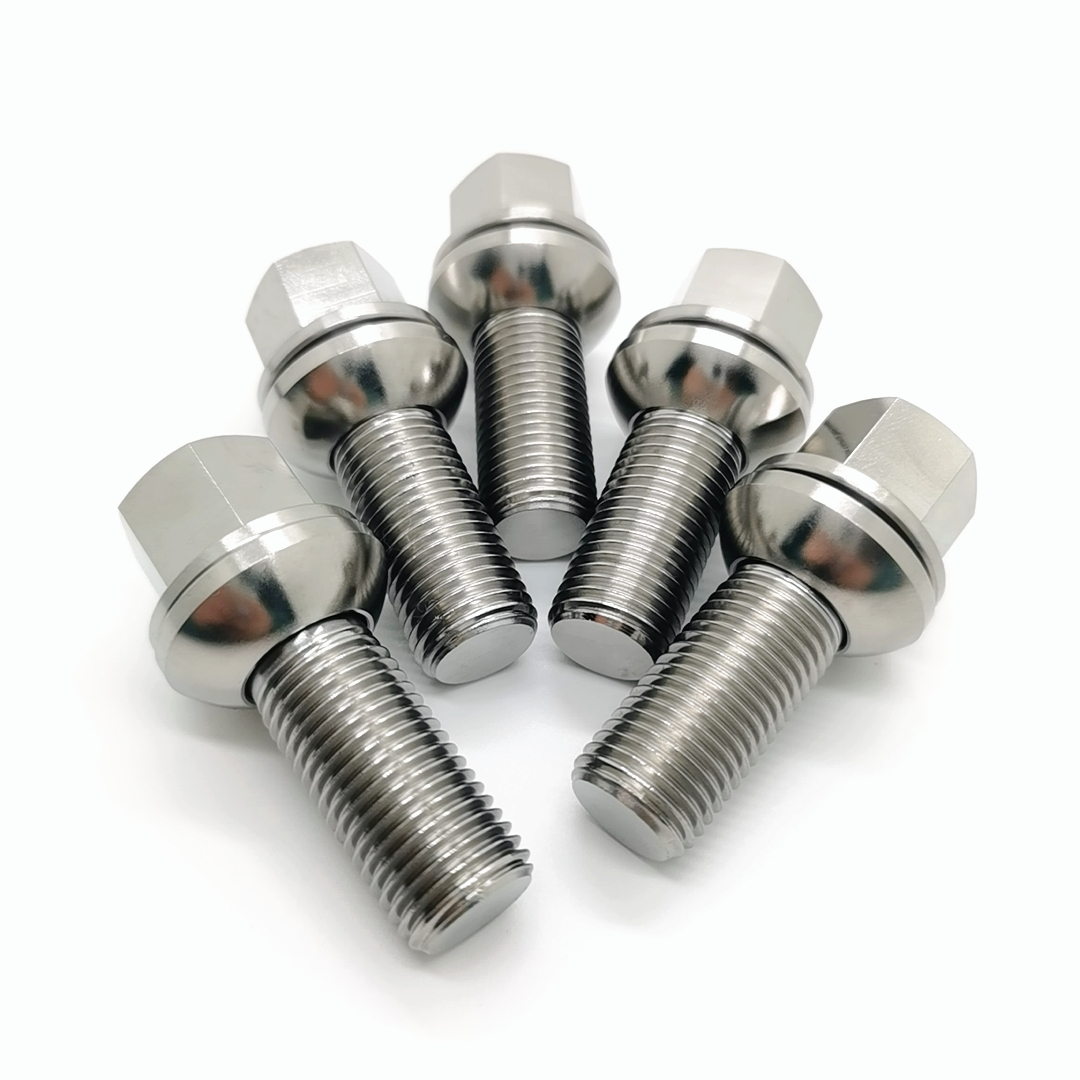
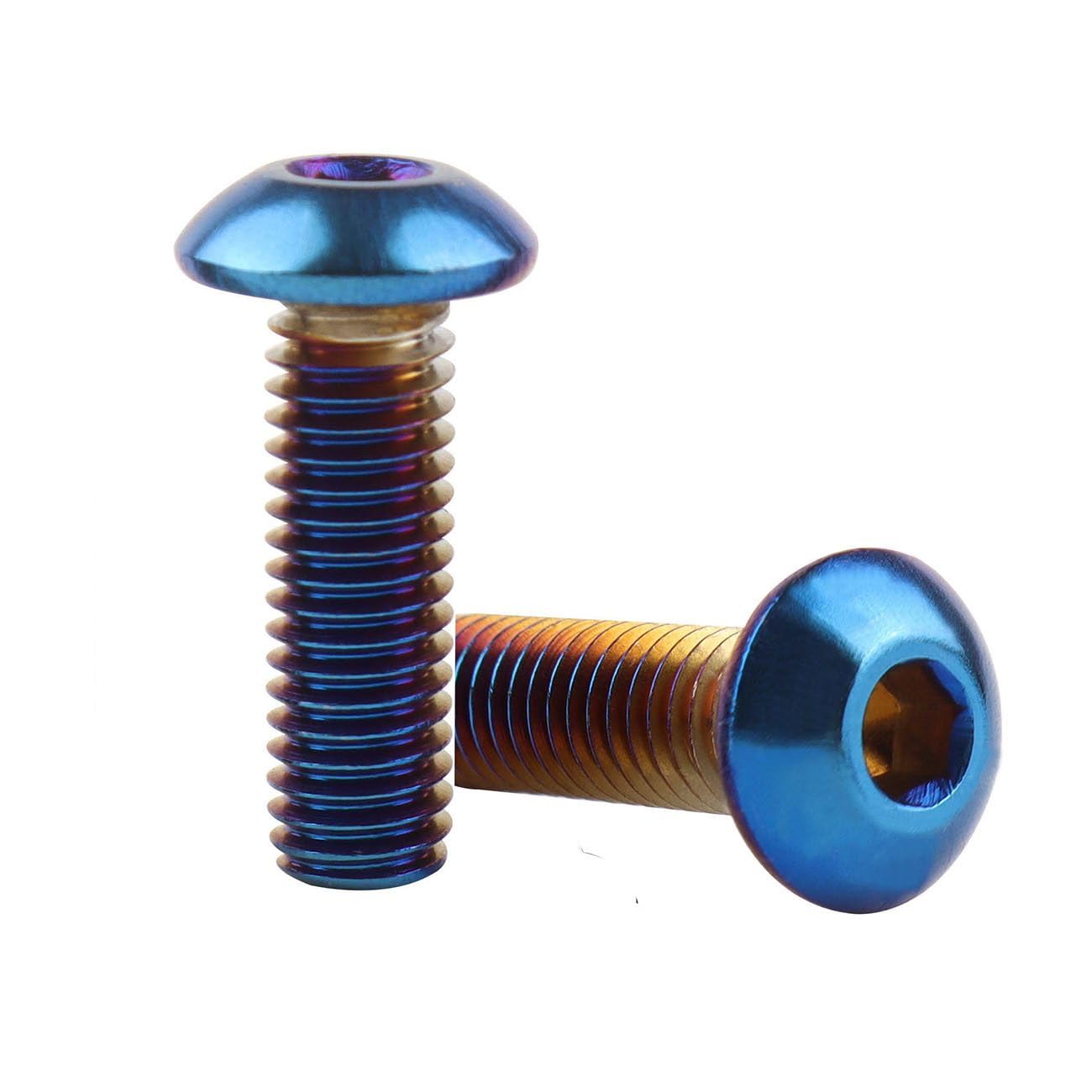
Direct from Baoji's Titanium Valley to Kyoto, Uji, and Keihanna industrial clusters. Standard metric DIN/ISO dimensions with specialized tamper-resistant heads available on demand.
Precision Tamper-Proof Fastening in the Kyoto Ecosystem
Balancing extreme environmental resilience, non-magnetic properties, and proprietary tamper-resistance for Western Japan’s most demanding industries.
Kyoto represents a uniquely sophisticated market for advanced metallurgy. Unlike heavy manufacturing regions dominated solely by bulk steel, Kyoto’s economy is defined by high-value-density sectors: world-leading analytical equipment, academic robotics initiatives springing from Kyoto University and the Keihanna Science City, hyper-precise electronics packaging, and an unmatched imperative to safeguard ancient cultural heritage architecture against environmental decay and vandalism. In each of these operational environments, standard commercial hardware fails. Structural carbon steels corrode, non-ferrous soft alloys lack torsional shear strength, and common 304/316 stainless steels introduce unacceptable magnetic permeability or galvanic deterioration over extended lifespans.
Cultural Heritage & Shrine Restoration
Kyoto’s traditional wooden structures, Buddhist temples, and designated National Treasures face stringent aesthetic and anti-tamper mandates. Titanium security fasteners provide permanent resistance to atmospheric sulfides and moisture without releasing the rust streaks characteristic of ferrous fasteners. Specialized security heads (e.g., asymmetrical triangular or custom pin drives) prevent unauthorized disassembly of exterior temple artifacts, copper roof brackets, and reliquary vitrines.
Semiconductor & Analytical Lab Hardware
Kyoto hosts global titans in spectrometer engineering, semiconductor metrology, and optical devices (such as Shimadzu, HORIBA, and Kyocera research campuses). In high-flux electromagnetic environments or ultra-high vacuum (UHV) chambers, the practically zero magnetic susceptibility (μ ≈ 1.00005) of Grade 5 titanium eliminates flux interference, while low outgassing rates maintain ultra-clean chamber conditions.
High-Performance Kansai EV & Robotics
The Kansai automotive tuning corridor and regional electric mobility research consortia require relentless mass optimization. Titanium security wheel bolts and motor mount studs reduce unsprung mass by roughly 44% compared to Grade 8.8 and 10.9 steel hardware, drastically reducing angular momentum during rapid acceleration without sacrificing yield strength under high shear loads.
Comparative Metallurgical Data
Engineering Evaluation: Grade 5 Titanium vs. Conventional Fastener Alloys
Data-driven selection benchmarks according to ASTM B348, ISO 898-1, and ISO 3506 standards.
Alloy Specification
Material Class
Tensile Strength (Min. MPa)
Yield Strength (0.2% Offset, MPa)
Density (g/cm³)
Magnetic Permeability (μ)
Seawater / Sulfide Corrosion
Ti-6Al-4V (Grade 5)
Titanium Alloy
895 – 1000
828
4.43
1.00005 (Non-magnetic)
Immune (Spontaneous TiO₂ Layer)
Commercially Pure (Grade 2)
CP Titanium
345 – 450
275
4.51
1.00005 (Non-magnetic)
Immune across broad pH ranges
A4-80 (AISI 316 Stainless)
Austenitic Stainless
800
600
8.00
1.005–1.015 (Mild cold-work mag)
Moderate (Prone to crevice attack)
Alloy Steel Grade 10.9
Quenched & Tempered
1040
940
7.85
Ferromagnetic (> 100)
Severe (Requires galvanic plating)
7075-T6 Aerospace Aluminum
Aluminum Alloy
570
505
2.81
1.00002
Poor (Galvanic coupling risk)
Note: All torque calculations for titanium security fasteners must utilize thread anti-seize lubricants with a calibrated friction coefficient (μ = 0.10–0.12) to counteract galling tendencies inherent to titanium-on-titanium interfaces.
Market Trajectory
Emerging Trends Driving Titanium Hardware Adoption in Kyoto
Why precision procurers in Western Japan are transitioning from stainless steel to cold-headed and CNC-machined titanium fasteners.
1. Decarbonization & Lightweight Robotics
Under Japan’s Green Transformation (GX) initiative, Kyoto automation manufacturers are intensely focused on reducing payload weights in multi-axis robotic arms. Replacing M4–M8 structural steel bolts with titanium saves critical grams at end-effectors, lowering motor thermal loads and decreasing power draw over millions of repetitive duty cycles.
2. Zero-Tolerance Asset Theft Prevention
Public sensor stations, automated environmental tracking buoys across Lake Biwa and the Katsura River, and remote IoT telecommunication hubs require anti-theft security heads. Pin-Torx, Snake-Eye, and Tri-Wing drives formed in titanium resist tampering tools while defying weathering in open montane climates.
3. JIS and RoHS3 Stringency
Japanese procurement demands complete chemical traceability. The integration of 100% certified titanium bars conforming to ASTM B348 / AMS 4928 with accompanying EN 10204 3.1 inspection protocols guarantees compliance with Japan's rigorous RoHS3 hazardous substances and conflict mineral mandates.
Factory Direct Manufacturing
Why Kyoto Engineers Source from Yevzo Titanium (Baoji)
Combining primary supply-chain upstream dominance in China's Titanium Valley with Swiss CNC turning precision and streamlined Kansai logistics.
Baoji Raw Material Hub
Operating since 2013 in the Fenghuang High-Tech Industrial Zone, our direct access to premium titanium sponge avoids distributor markups and guarantees heat-lot chemical integrity from raw billet to rolled thread.
Multi-Axis CNC Precision
Over 100 machining units, including Japanese-engineered Tsugami and Star Swiss-type lathes, holding thread pitch, concentricity, and head tolerance consistently within ±0.005mm.
Custom Security Drive Tooling
We manufacture custom security tooling (five-lobe with pin, anti-tamper hex, oval heads, and shear bolts) to preserve design exclusivity for your proprietary equipment enclosures.
Expedited Kansai Delivery
Direct export airfreight routes to Kansai International Airport (KIX) and consolidated sea freight to Kobe and Osaka ports ensure typical customs turnaround and arrival within 3 to 7 working days.
Procurement Intelligence
Frequently Asked Questions by Kyoto Engineering Buyers
Practical guidance addressing mechanical properties, surface coatings, anti-galling protocols, and import documentation for the Japanese market.
How do Grade 5 (Ti-6Al-4V) security screws compare to SUS304 and SUS316 in corrosive outdoor Kyoto environments?
Grade 5 titanium creates an instantaneous, self-healing titanium dioxide (TiO₂) passivation layer upon exposure to oxygen. Unlike SUS304 and SUS316 stainless steels, which are susceptible to chloride pitting, crevice corrosion, and stress corrosion cracking in humid environments subjected to urban smog, acid rain, or industrial sulfides, titanium remains completely immune to atmospheric attack. Furthermore, titanium avoids the unsightly brown staining ("tea staining") common with stainless steel fasteners installed near wet stone, timber, or tile structures in Kyoto.
What specific measures prevent galling (thread seizure) during installation?
Titanium has a relatively low thermal conductivity and a high coefficient of friction, which creates a tendency toward galling if driven dry under high preload. We recommend three preventative practices: (1) using precision-machined rolled threads with micro-burnished root radii, (2) applying an anti-seize compound containing molybdenum disulfide (MoS₂), nickel, or copper paste during assembly, and (3) utilizing hard PVD coatings (such as Titanium Nitride - TiN, or Diamond-Like Carbon - DLC) which significantly lower friction coefficients on high-stress contact surfaces.
Can you manufacture custom tamper-proof security drive designs from 2D/3D CAD drawings?
Yes. We regularly produce OEM custom drives—including tamper-proof Torx with central security pin, 5-sided Penta-plus heads, triangular drives, slotted spanners, and break-off shear head screws. Our engineering department accepts STEP, IGES, DXF, and PDF drawings, and can reverse-engineer mating drive bits to supply a matched fastener-and-driver ecosystem exclusively for your assembly line.
What is the minimum order quantity (MOQ) and sample lead time for custom fasteners to Kyoto?
For catalog items (standard M3–M16 hex, socket, or flange bolts), MOQs start at 10 to 30 pieces. Standard hex nuts and minor dress-up hardware begin at 100 to 200 pieces. For custom drawing-based CNC parts, we support initial rapid prototyping batches of 5 to 20 pieces with sample production completed within 7 to 10 working days. Production volumes are shipped under standard FOB, CIF, or door-to-door DDP Kyoto delivery terms.
Do you provide Mill Test Certificates (MTC) conforming to Japanese inspection standards?
Every shipment is provided with an EN 10204 Type 3.1 Inspection Certificate detailing chemical composition (O, N, C, H, Fe, Al, V, and balance Ti) and mechanical properties (tensile strength, yield strength, elongation, and reduction of area) derived from the raw billet melt test. Dimensional inspection records, optical comparator reports, and thread gauge certifications using calibrated go/no-go gauges are archived per batch.
How does the thermal expansion of titanium impact assemblies designed with aluminum or carbon fiber?
Titanium has a coefficient of thermal expansion (CTE) of approximately 8.6 × 10⁻⁶ /K, which is markedly lower than aluminum (approx. 23 × 10⁻⁶ /K) and structurally closer to carbon-fiber-reinforced polymers (CFRP). In cycling frames, high-end automotive monocoques, and precision optics mounts, titanium fasteners induce significantly lower thermal mismatch stress during temperature swings than steel or aluminum fasteners, preventing joint loosening or localized delamination.
Can color anodizing on titanium fasteners withstand outdoor UV exposure in Kyoto summers?
Unlike aluminum anodizing, which relies on organic dyes that fade under ultraviolet radiation, titanium anodizing is an electrochemical process that varies the thickness of the transparent titanium oxide (TiO₂) film. The resulting color is structural—generated by optical light interference (wave refraction)—and contains zero organic pigments. It will not fade, flake, or degrade under direct sunlight or extreme thermal cycling.
Ready to Secure Your High-Precision Engineering Project?
Consult with our metallurgists and fastener design team today. Obtain technical cad files, certified material reports, and wholesale manufacturing pricing delivered directly to your desk in Kyoto.