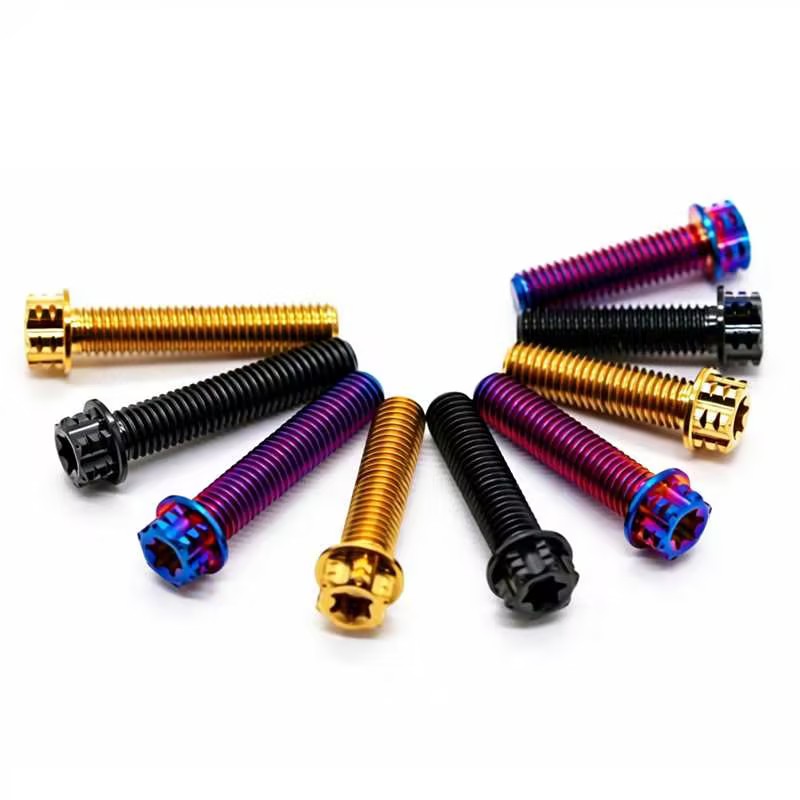
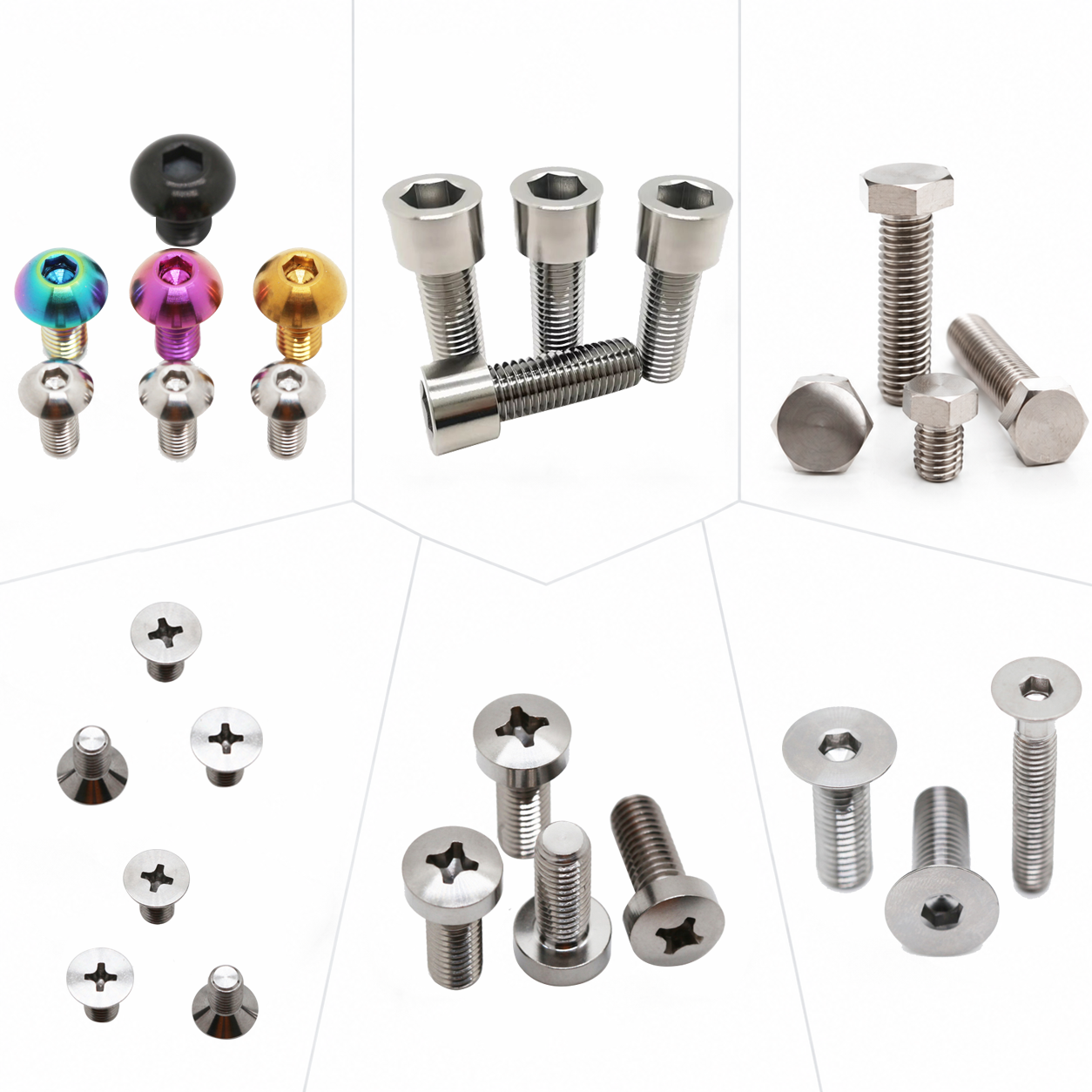
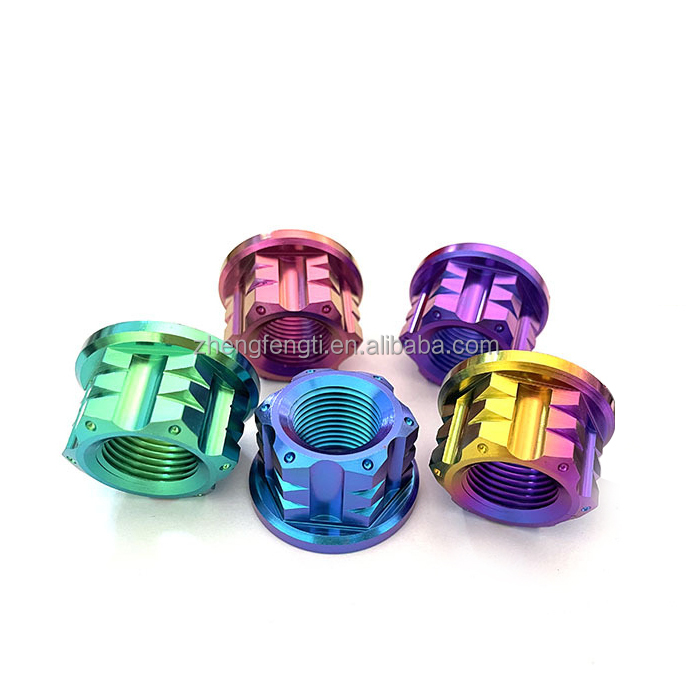
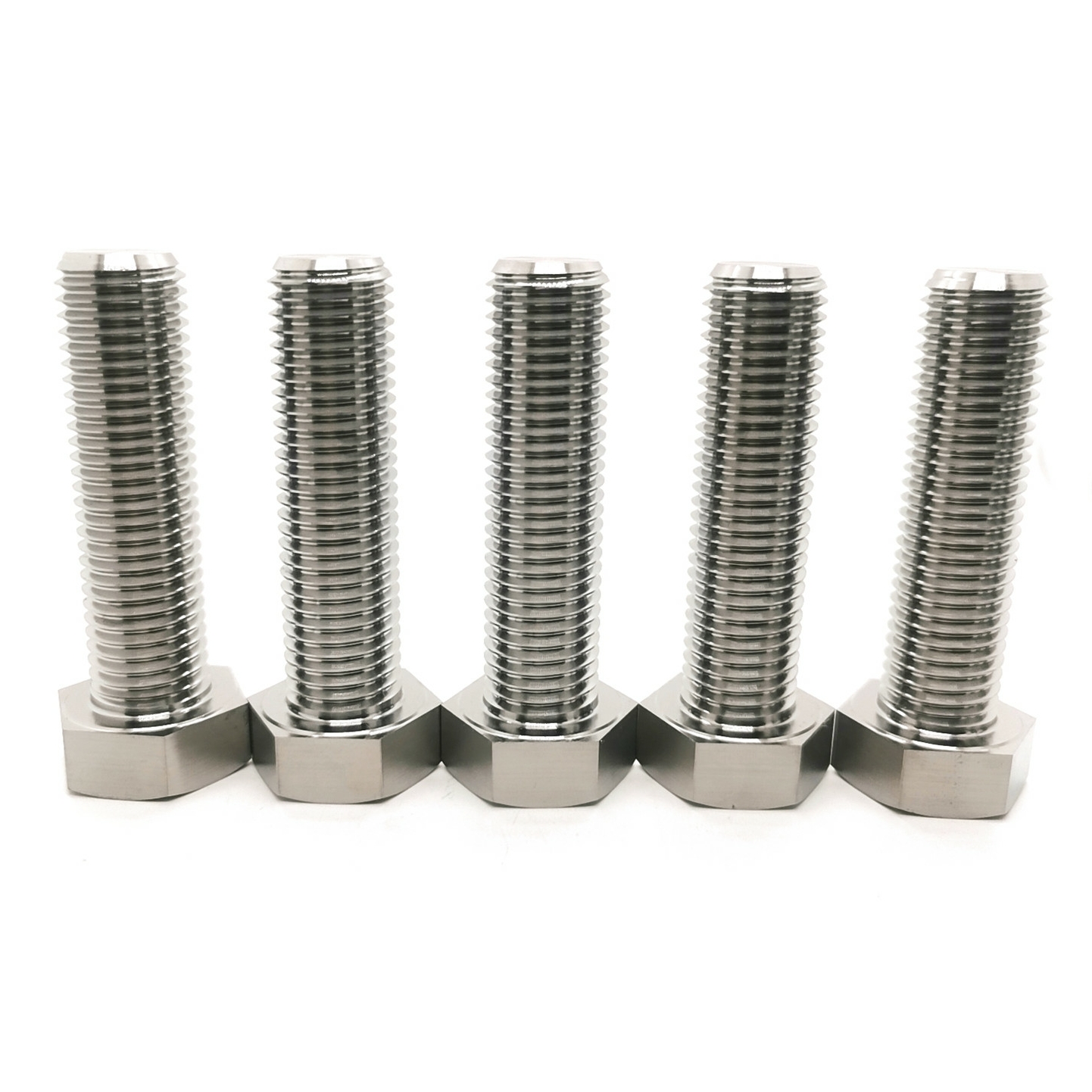
High-Tensile Grade 5 (Ti-6Al-4V) Brake Disc Hardware & Precision CNC Fasteners Engineered for South Estonian Motorsport, High-Performance Cycling, and Harsh Sub-Zero Baltic Operating Environments.
Precision Catalog
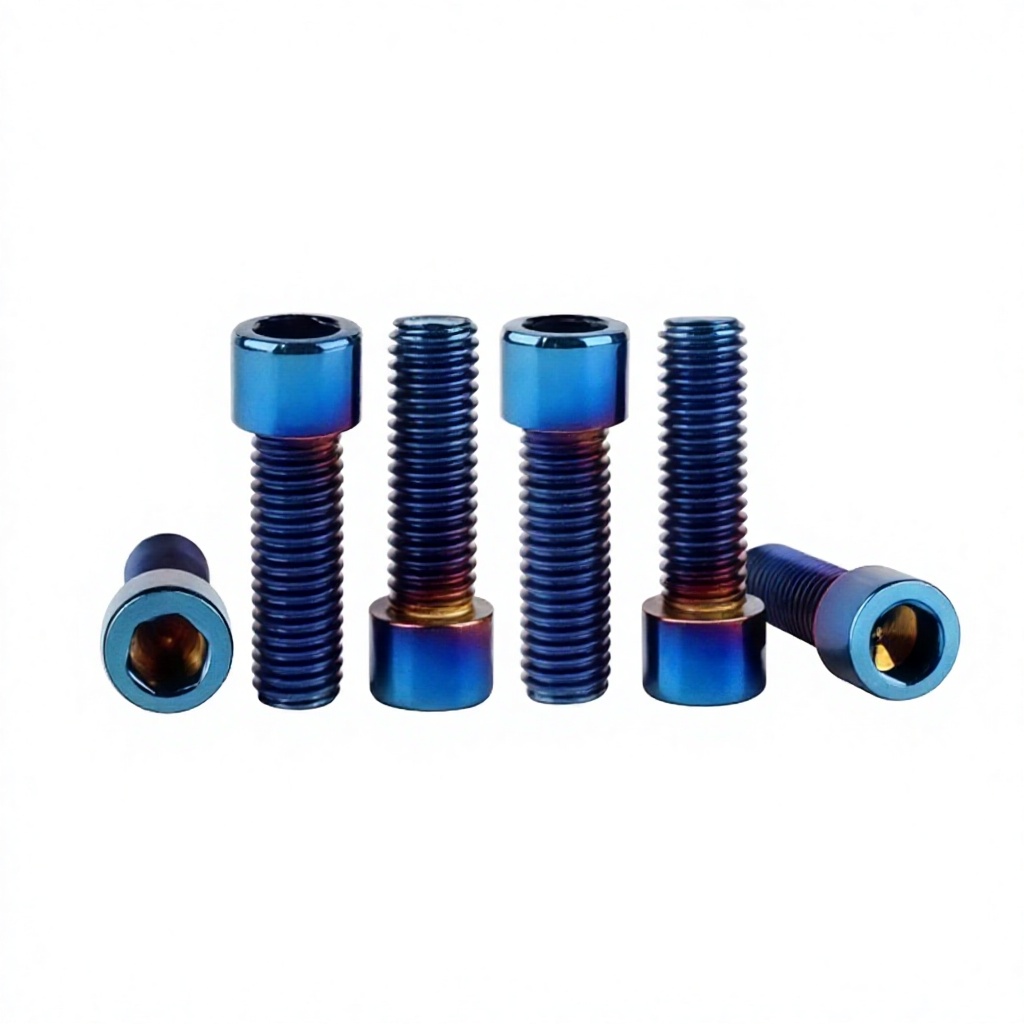
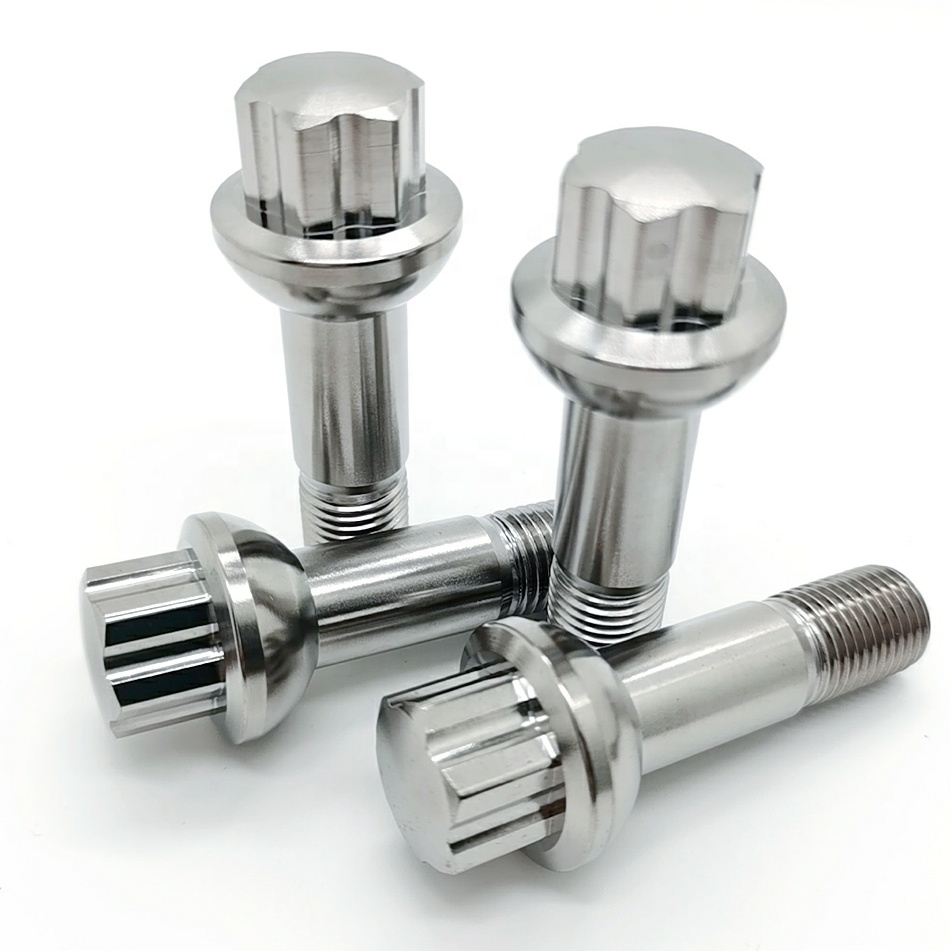
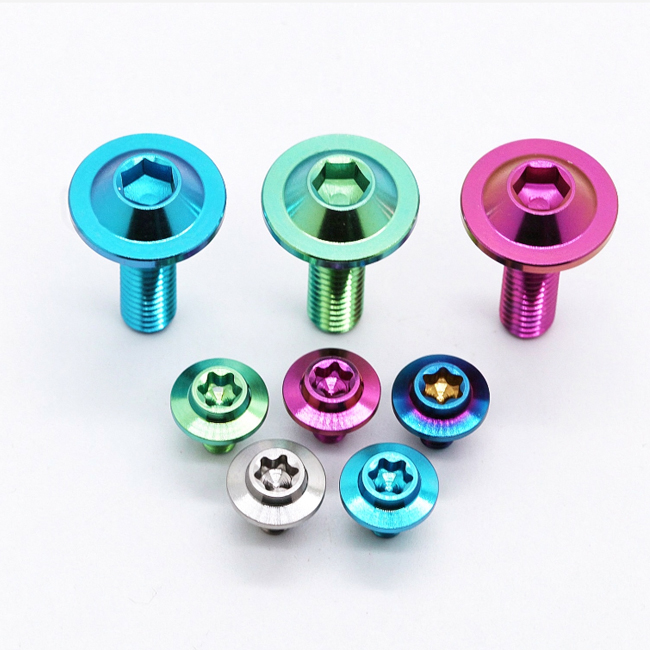
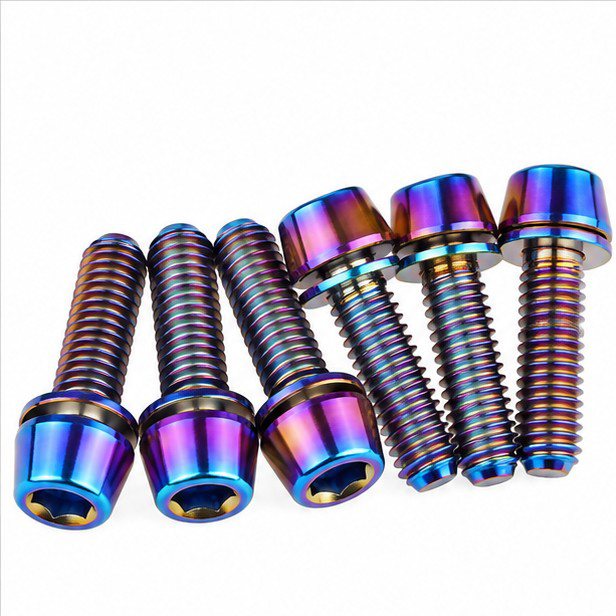
Featured Titanium Rotor Bolts & Fasteners Available for Tartu
Factory-direct delivery to Tartu workshops, race divisions, and cycling teams from Baoji Titanium Valley with heat-lot material mill certifications (MTR) according to ASTM B348 and ISO 4014/DIN 912 standards.
Engineering Whitepaper: Metallurgical Dynamics of Titanium Rotor Fastening Systems
In high-performance braking mechanisms, the disc brake rotor fastener represents one of the most critical structural nodes. Unlike common chassis screws, a titanium rotor bolt operates under severe cyclical thermomechanical stress. During intense kinetic dissipation on rally circuits or steep descents, braking friction elevates local disc surface temperatures to upwards of 650°C. Conduction into the rotor carrier hub generates acute thermal gradients across the fastener shank, inducing micro-strain through disparate thermal expansion rates.
For engineering departments, motorsports fabricators, and custom builders throughout Tartu and South Estonia, selecting fastener metallurgy requires balancing high yield resistance against catastrophic failure modes like hydrogen embrittlement and thermal fatigue. Standard commercial Grade 8.8 and 10.9 zinc-plated carbon steel bolts, while inexpensive, suffer from rapid surface pitting when exposed to harsh Nordic road de-icing agents (calcium chloride and sodium chloride slurries common across Estonian winters). Once the thin galvanization breaches, micro-corrosion weakens the bolt root, provoking catastrophic shear failure during emergency decelerations.
Grade 5 Titanium (Ti-6Al-4V, Werkstoff 3.7165, UNS R56400) provides the definitive engineering answer. As an alpha-beta alloy containing 6% aluminium for interstitial strength and 4% vanadium for ductile grain stabilization, Gr5 delivers an ultimate tensile strength exceeding 895–1050 MPa, outperforming Grade 8.8 steel while slashing mass by nearly 44% (4.43 g/cm³ vs 7.85 g/cm³). In rotational applications, this drop in rotating unsprung inertia yields immediate improvements in suspension responsiveness and steering directional change.
Rolled Threads vs. Cut
Our factory utilizes precision continuous cold-forming thread rollers rather than single-point cutting. Thread rolling maintains continuous longitudinal grain lines throughout the root diameter, eliminating micro-notch stress concentrations and increasing fatigue life by 300% under cyclic braking torque.
Low-Profile Torx Driving
We machine high-torque T25 and T30 Torx internal recesses. Unlike hexagonal sockets that deform (cam-out) under repeated high-torque pneumatic servicing, Torx geometry provides 100% radial drive contact, ensuring safe torque transfer up to full tightening specification.
Passivated PVD Barrier
Our PVD (Physical Vapor Deposition) and Type II anodizing coatings generate a micro-thin titanium oxide/nitride barrier (0.5–2.5 µm) that physically isolates the titanium core from aluminium hub hubs, permanently preventing dielectric galvanic corrosion even in saltwater slush.
To assist Tartu structural designers and mechanical procurement teams in making validated calculations, the table below compiles standardized physical properties across contemporary fastener materials.
Fastener Grade
Density (g/cm³)
Tensile Strength (MPa)
Yield Strength (MPa)
Shear Strength (MPa)
Chloride Salt Resistance
Thermal Conduct. (W/m·K)
Titanium Gr5 (Ti-6Al-4V)
4.43
895 – 1050
≥ 828
≈ 580
Immune (No Rust)
6.7 (Thermal Buffer)
Carbon Steel Class 8.8
7.85
800 – 830
640
≈ 480
Prone to Pitting
46.0
Carbon Steel Class 10.9
7.85
1000 – 1040
900
≈ 600
Rapid Rusting
44.0
Stainless Steel A2-70 (304)
7.90
700
450
≈ 420
Crevice Attack Risk
15.0
Aluminium 7075-T6
2.81
572
503
≈ 330
Unsafe for Rotors
130.0
Localization Analysis: South Estonian Applications & Emerging Engineering Demands
Tartu holds an esteemed position as the intellectual, technological, and research center of Estonia. From the advanced laboratories affiliated with the University of Tartu (Institute of Physics and Institute of Technology) to the vibrant tech incubation spaces inside Tartu Science Park (Tartu Teaduspark) and the Raadi industrial zone, the demand for high-integrity, weight-critical fasteners has grown exponentially over the past five years.
1. High-Performance Motorsport & Rally Dynamics in South Estonia
South Estonia is world-renowned for its high-speed gravel stages and challenging forest rally tracks, culminating annually in premier events like Rally Estonia. In rally cross, autocross, and drifting setups based in Tartumaa, brake rotors are subjected to violent shock loading over rough, undulating crests. When rally cars hit compression ruts while scrubbing speed into a sharp hairpin, the brake rotor carrier experiences enormous torsional and shear vectors. Traditional steel rotor bolts add rotating inertia that dulls suspension dampeners over consecutive washboard surfaces. Installing Gr5 CNC machined titanium rotor bolts provides an unmatched high strength-to-weight ratio, allowing hubs to absorb continuous lateral shock loads without thread shearing or back-out failure.
Known throughout the Baltic states as the cycling capital of Estonia, Tartu hosts the historic Tartu Rattamaraton (one of Europe's largest mountain bike events) and the Tartu Rattaralli. Regional cyclists tackle severe conditions ranging from fine limestone dust and muddy gravel in autumn to sub-zero slush and salted asphalt throughout winter. For gravel racers and mountain bikers navigating Tartu's Emajõgi river trails, standard disc brake screws corrode and seize into aluminium hub threads within single seasons. Our Titanium M5x10mm and M5x16mm Torx rotor screws with rolled threads and PVD protective coatings eliminate seizing, ensuring quick rotor disc replacement during race pit maintenance without the terror of stripped socket heads.
3. Light Electric Mobility (LEV), Drones & Robotics Prototypes
Driven by Estonia's pioneering autonomous delivery systems and green municipal mobility initiatives in Tartu, local start-ups are engineering next-generation cargo e-bikes, autonomous agricultural rovers, and heavy-payload inspection UAVs. In these electric drivetrains, every gram trimmed from the rolling assemblies translates directly to battery range extension and heightened payload capacity. Titanium rotor hardware ensures that regenerative and hydraulic disc braking units maintain thermal structural integrity without subjecting lightweight carbon-composite chassis frames to excessive parasitic deadweight.
Factory-Direct Architecture: Rooted in China's Titanium Valley, Serving Tartu
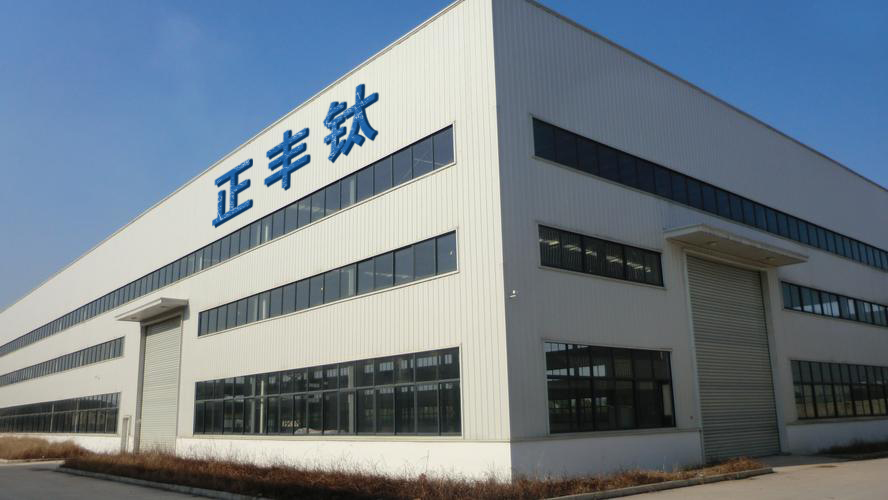
Operating continuously since 2013, our production facility is located in the Fenghuang High-Tech Development Zone of Baoji, Shaanxi—internationally recognized as China's Titanium Valley. Baoji processes over 60% of China's total titanium ingot and titanium bar stock, positioning our engineering team directly at the heart of the global raw material supply chain.
By controlling the manufacturing lifecycle from ASTM B348 certified ingot melting and hot extrusion down to 5-axis CNC high-speed turning, thread cold-rolling, and automated optical sorting, we eliminate intermediate distributors. This direct supply connection gives Tartu engineering firms, racing workshops, and bicycle component distributors access to Tier-1 aerospace-grade hardware at transparent, scalable wholesale pricing.
Rigorous 5-Stage Verification Protocol
Every single batch of titanium rotor hardware dispatched to Estonia is tracked via an unbroken digital heat-lot number. Our ISO 9001-certified quality control cycle incorporates:
• Spectrometric Material Assay: Verification of Chemical Purity (Al 5.5-6.75%, V 3.5-4.5%, Fe ≤ 0.40%, O ≤ 0.20%, H ≤ 0.015%).
• High-Precision Optical Thread Gauging: 100% laser micrometer verification of pitch diameter, root radius, and ISO 6H tolerance classes.
• Salt Spray & Micro-Crack Inspection: Ultrasonic immersion scanning to detect subsurface fissures before final surface polishing.
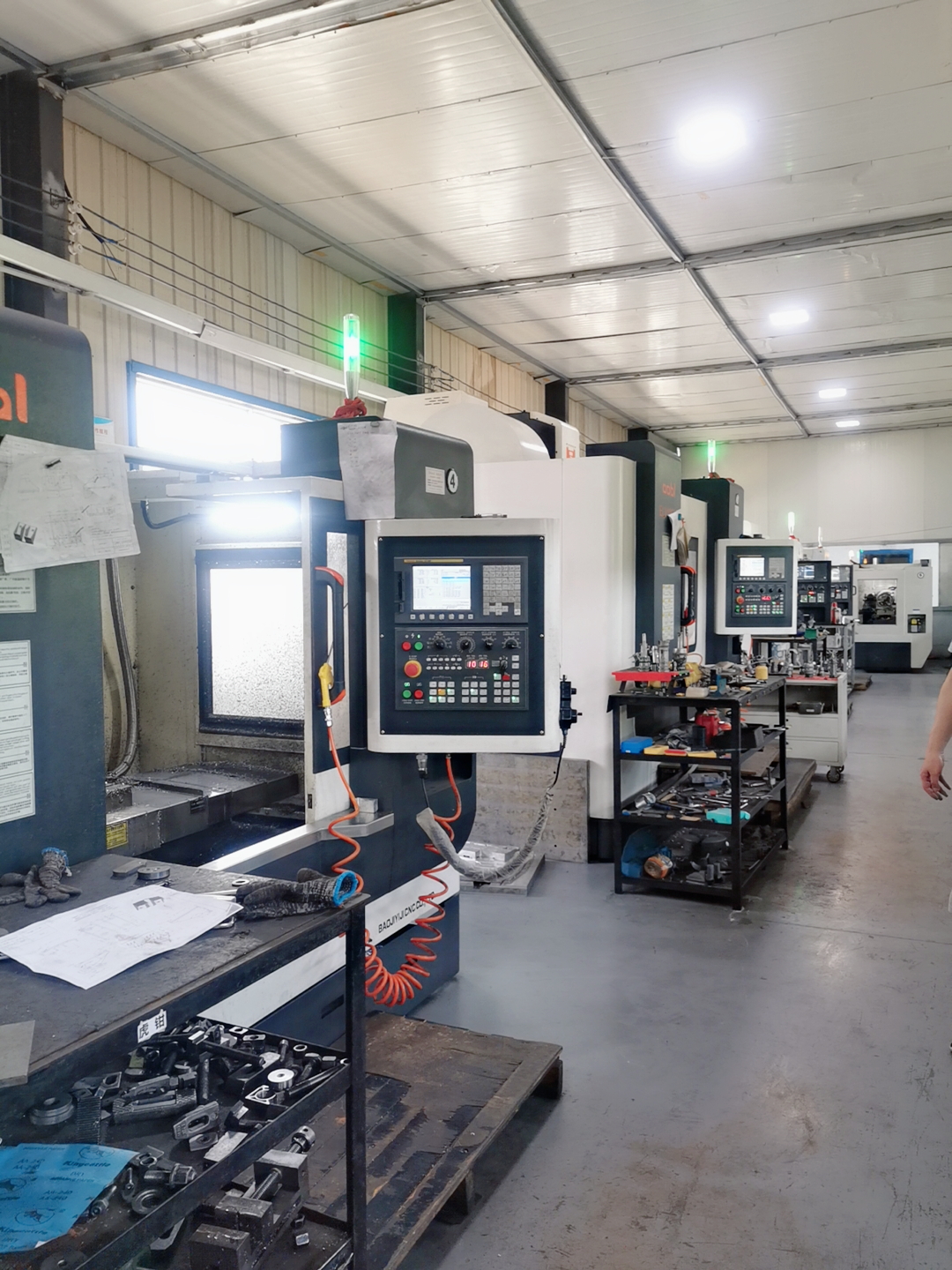
Baoji CNC Production Line
5-Axis High Precision Turning
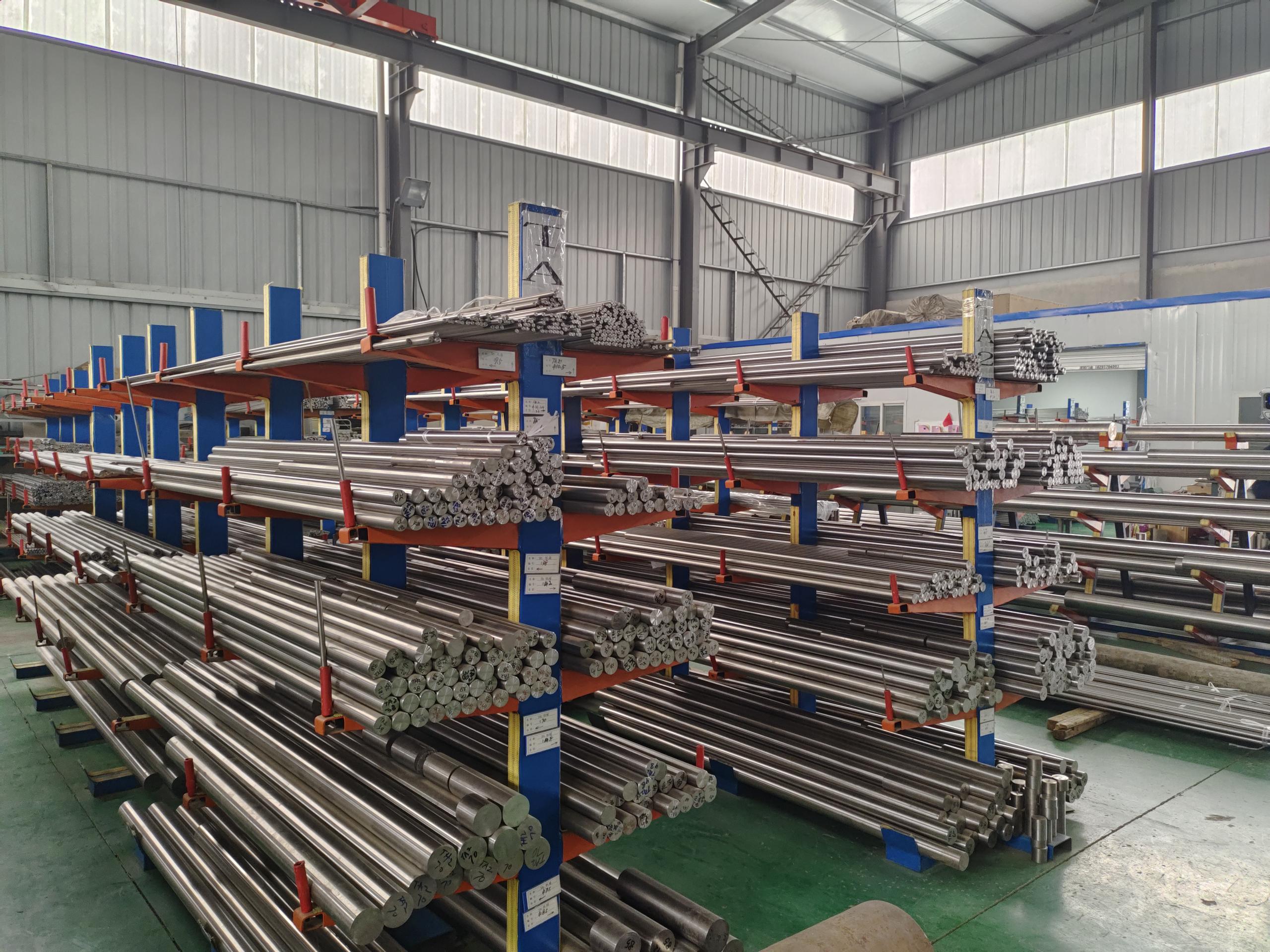
Certified ASTM B348 Titanium Bar
Laser Dimensional Verification
Tartu Fastener Procurement & Engineering FAQ
Straightforward, technical answers addressing the real questions asked by mechanical engineers, workshop managers, and cycle race mechanics across Tartu and the wider Baltic region.
Why is Grade 5 (Ti-6Al-4V) mandatory for disc rotor bolts instead of commercially pure Grade 2 titanium?
Commercially pure Grade 2 titanium possesses an ultimate tensile strength of approximately 345–450 MPa, making it excellent for chemical exhaust pipes or non-structural marine hardware. However, brake rotors experience violent shear forces and high preload requirements. Grade 5 titanium offers a minimum tensile strength of 895 MPa and yield strength of 828 MPa, which matches or exceeds ISO Class 8.8 and 10.9 steel. Installing Grade 2 bolts on brake rotors creates an extreme hazard of plastic elongation or instantaneous shear under emergency braking.
How do we prevent galvanic corrosion when mating titanium rotor bolts into aluminium wheel hubs in snowy Estonian conditions?
Galvanic corrosion occurs when two electrochemically dissimilar metals make physical contact in the presence of an electrolyte (such as winter slush laden with road salt). To insulate the joint: 1) Always coat the threads with a high-grade copper or nickel anti-seize paste, or select our medium-strength threadlocking patch with micro-encapsulated polymers; 2) Utilize our PVD coated (burnt blue, gold, or black) or Type II anodized bolts, where the inert surface oxide barrier creates a micro-dielectric shield between the titanium bolt shank and the female aluminium threads.
What tightening torque values should be applied to titanium rotor bolts compared to stock OEM steel hardware?
Titanium has a lower modulus of elasticity than carbon steel (≈ 114 GPa vs 210 GPa), meaning it elongates slightly more under the same preload. For standard bicycle rotor screws (M5 thread with T25 drive), the standard tightening torque is 5.0–6.2 Nm applied using an accurate calibrated torque wrench in a cross-star pattern. For motorsport M6 or M8 disc rotor bobbins, we supply specific bolt-yield torque charts based on your thread pitch and lubricated/dry installation state. Never exceed specified torque without anti-seize lubrication.
Can you provide custom rotor bolts according to technical CAD drawings (STEP, DWG) for custom prototypes in Tartu?
Yes. Beyond standard catalog DIN 912, DIN 6921, and ISO 7380 configurations, our engineering team regularly supports bespoke prototyping. Simply supply your 2D PDF and 3D STEP files. We can machine custom under-head radii, drilled safety-wire holes for FIM/FIA competition compliance, non-standard shoulder lengths, and captive floating washers with quick turnaround sampling.
What are the minimum order quantities (MOQ), customs handling, and shipping lead times to Tartu, Estonia?
For standard catalog items in stock (such as M5x10mm rotor bolts or M14x1.5 lug fasteners), MOQs start at just 20–50 pieces to accommodate testing and racing teams. For full custom CNC production runs, MOQs are typically 200–500 pieces depending on geometry. We support fast air express delivery (DHL, FedEx, UPS) directly to your Tartu premises within 4–7 business days with transparent DDP (Delivered Duty Paid) terms, handling all EU customs clearance and VAT compliance seamlessly.
Engineer Your Assembly With Factory-Direct Titanium
Whether you require race-proven M5 brake rotor screws for a South Estonian cycling fleet, custom Class 10.9-equivalent wheel bolts for rally vehicles, or custom-machined titanium hardware for robotics prototypes in Tartu Science Park, our Baoji engineering team is standing by to deliver verified metallurgical precision.
ASTM B348 Certified Bar Stock
Full Batch MTR Material Traceability
Rolled Fatigue-Resistant Threads
Direct Door-to-Door DDP Delivery to Tartu
Connect immediately with our technical fastener engineers to discuss sizing, shear calculations, or wholesale supply schedules.