High-Performance Titanium Racing Fasteners
Manufactured from aerospace-grade bar stock according to ASTM B348, ISO 4014/4017, and DIN 912 standards. Custom CNC turning, broaching, and thread rolling ready for dispatch.
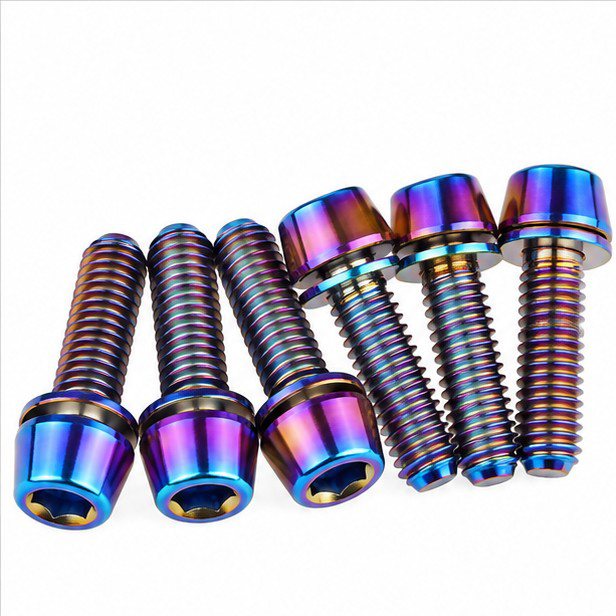
- Material: Gr5 Ti-6Al-4V
- Tensile: ≥ 895 MPa
- Treatment: Anodized Thermal PVD
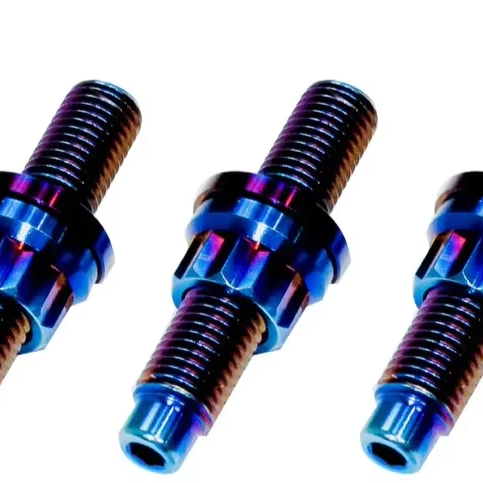
- Design: DIN 933 / ISO 4017
- Finish: Bright Polished
- Tolerance: ISO 6g Precision
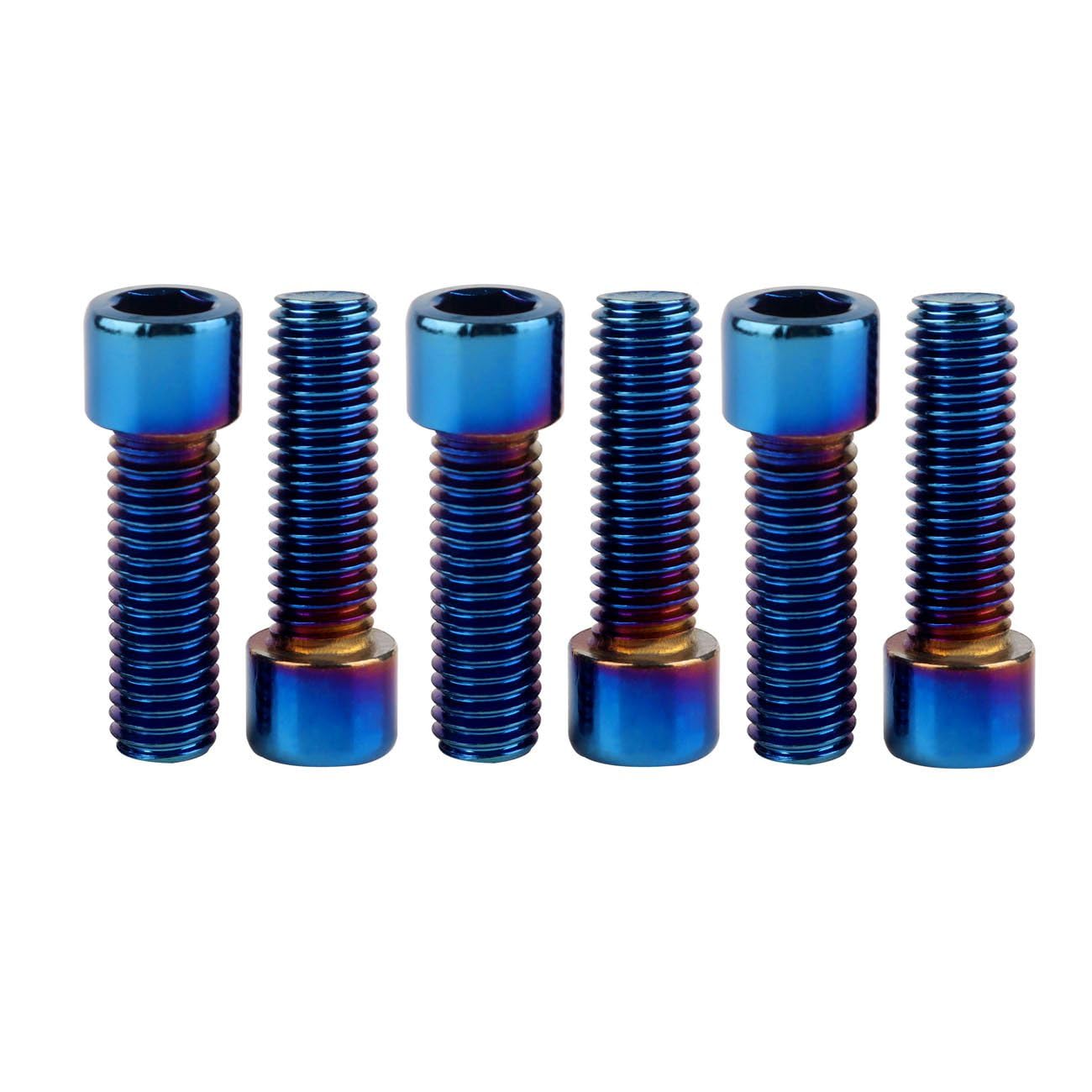
- Standard: DIN 912 Hex Socket
- Shear Strength: 510 MPa
- Application: EBike & Moto Mount
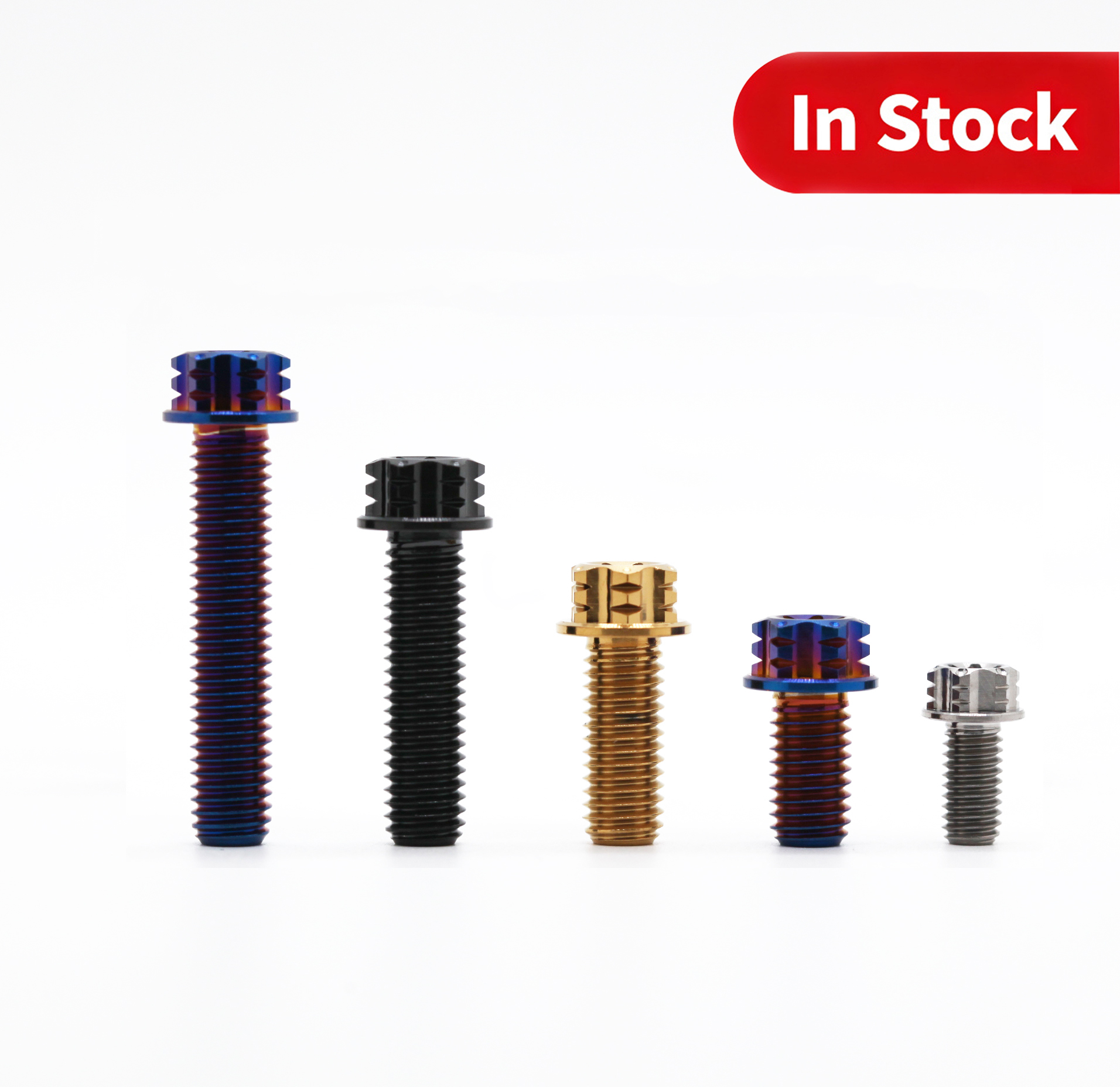
- Head Type: Integral Hex Flange
- Coating: Electrolytic Anodize
- Yield: ≥ 828 MPa
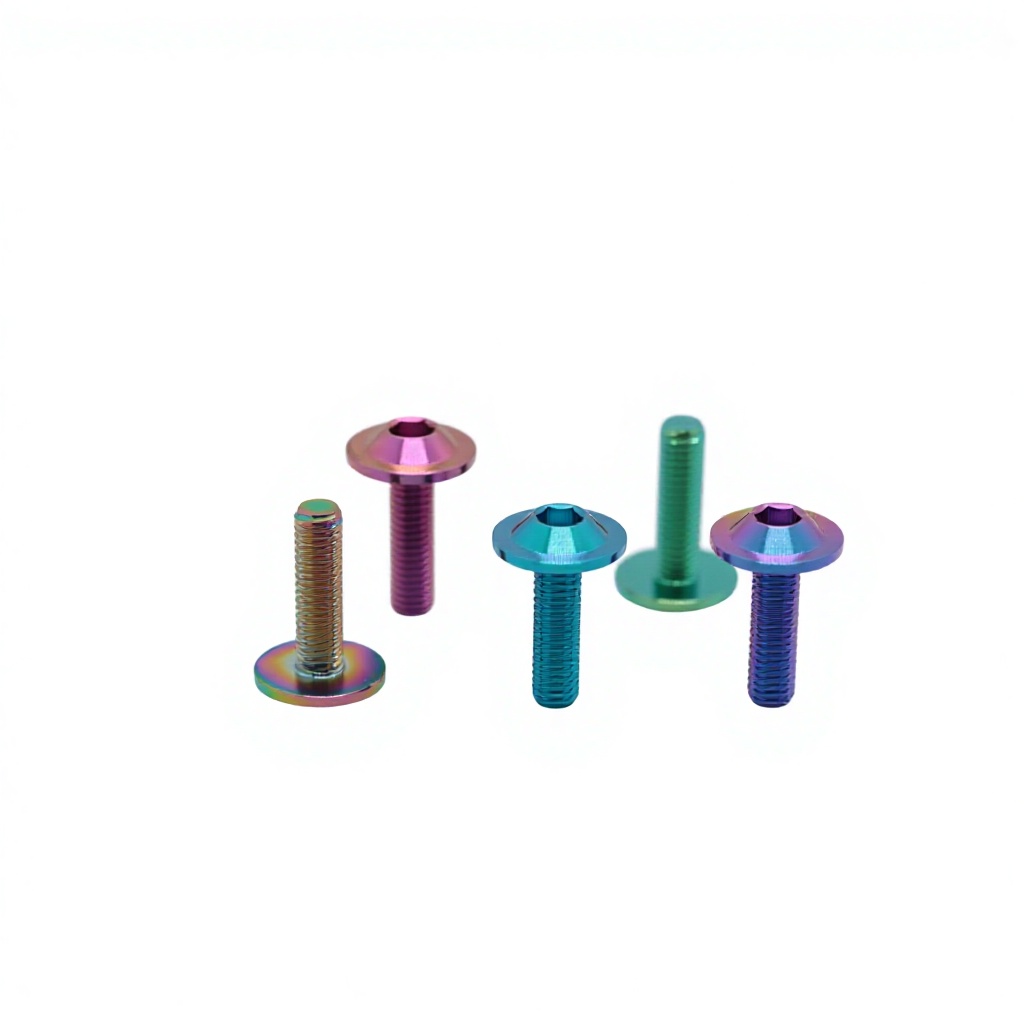
- Head Form: Low-Profile Wide Cap
- Torque Limit: Class 10.9 Equivalent
- Weight: 4.43 g/cm³ Density
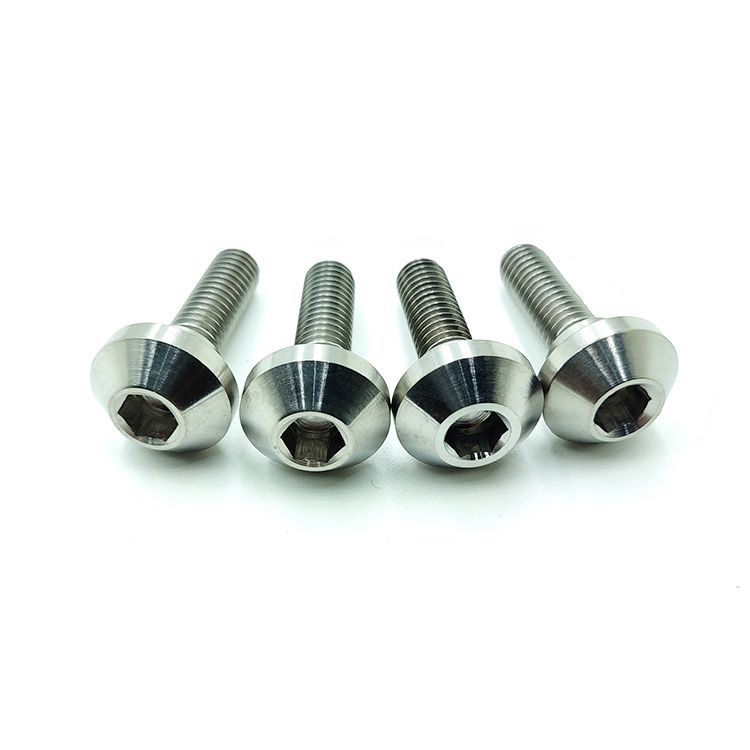
- Yield Load: 950-1050 MPa Range
- Anti-Fatigue: Rolled Threads
- Application: Brake Caliper Radial
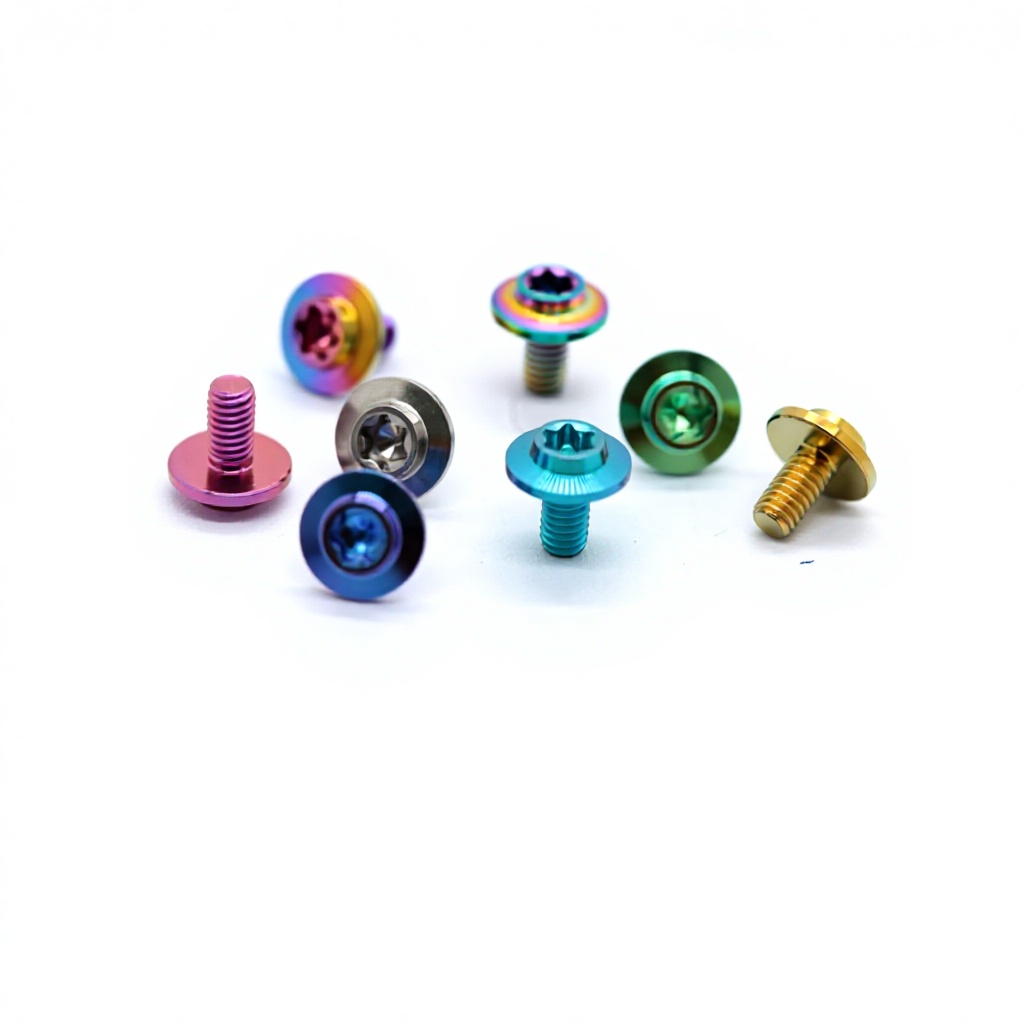
- Profile: Broad Load Distribution
- Hardness: HRC 32-38
- Vibration: High Resonance Damping
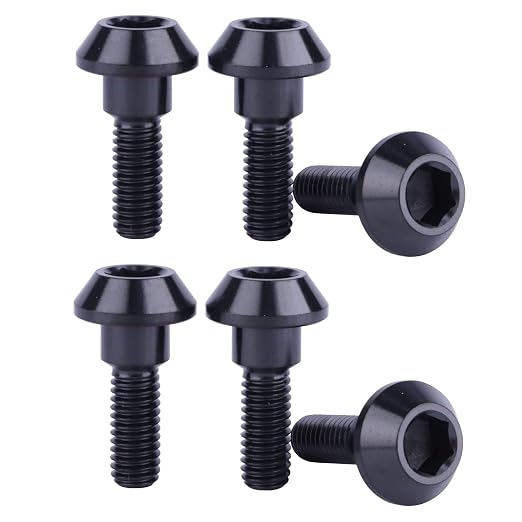
- Drive: Torx T30 / Tamper-Resist
- Thread: Class 6g Cold Formed
- Corrosion: 0.00 mm/year Chloride
Engineering White Paper: Metallurgical Superiority of Cold-Worked Ti-6Al-4V in High-G Race Dynamics
In professional motorsports, unmitigated unsprung weight directly penalizes vehicular kinematics, braking response curves, and mechanical grip. As a direct-from-facility manufacturing group serving motorsport operations and defense innovators throughout the Washington DC, Maryland, and Virginia (DMV) Corridor, we configure our structural fasteners from vacuum-arc remelted (VAR) Grade 5 titanium (UNS R56400). Unlike generic aftermarket dress-up hardware machined from low-purity bar stock or free-cutting titanium varieties, each race-series fastener incorporates rolled root radii and strict control over interstitial elements.
The primary point of fatigue vulnerability in high-rpm powertrains and high-shear hub fixtures is the root geometry of standard cut threads. Our factory enforces cold thread rolling post-machining. This process deforms the alpha-beta grain flow across the continuous helical profile rather than severing microstructural continuity. Consequently, the mean endurance limit rises over 30% compared to traditionally machined threads, preventing catastrophic fatigue failures under severe vibrational loading.
| Performance Metric | Certified Grade 5 Titanium (Ti-6Al-4V) | High-Tensile Carbon Steel 10.9 | Marine Grade 316 Stainless |
|---|---|---|---|
| Density (ρ) | 4.43 g/cm³ (-44%) | 7.85 g/cm³ | 8.00 g/cm³ |
| Tensile Strength (UTS) | ≥ 950 MPa | 1040 MPa | 580 MPa |
| Yield Strength (0.2% Offset) | ≥ 880 MPa | 940 MPa | 290 MPa |
| Strength-to-Weight Ratio | 214 kN·m/kg (Dominant) | 132 kN·m/kg | 72.5 kN·m/kg |
| Dynamic Chloride Stress Crack Resistance | Immune (Passivated TiO&sub2;) | Severe Pitting Vulnerability | Susceptible to Crevice Pitting |
| Thermal Stability Limit | 400 °C Continuous | 250 °C Oxidation Limit | 350 °C |
For applications where brake discs experience repeated thermal cycles exceeding 380°C, thermal expansion matching between titanium rotor hardware and lightweight aluminum carrier hubs suppresses localized thermal stresses. The thermal expansion coefficient of Grade 5 titanium (8.6 × 10⁻⁶ /°C) bridges the gap between high-carbon iron friction rings and forged billet aluminum bells, eliminating hardware distortion and pad taper across high-speed circuits.
Localized Mission Profiles in Washington DC & DMV Hubs
How aerospace institutions, regional private tracks, and maritime test facilities utilize our Grade 5 racing fasteners across the Capital District.
Summit Point & VIR Circuit Prep
Motorsport teams tuning GT, Trans-Am, and formula-spec platforms in Northern Virginia and nearby tracks leverage our M8-M14 caliper, hub, and suspension bolts to reduce rotating assembly mass and accelerate transient damper response over curbing.
Defense & Aerospace Prototyping
Positioned along the Dulles Technology Corridor and adjacent to federal testing facilities, engineering laboratories source our precision-machined titanium hardware for drone airframes, autonomous ground vehicle chassis, and maritime sensors requiring zero magnetic signatures.
Potomac Maritime Endurance
Vessels deployed in the brackish waterways of the Chesapeake and Potomac estuarine systems use our titanium fasteners to eliminate galvanic rot. Grade 5 hardware resists galvanic decomposition under cyclic immersion, salt spray, and extreme hydrodynamic drag.
Trends Shaping Advanced Fastener Procurement in the Greater Mid-Atlantic
The Washington DC procurement matrix has experienced a shift driven by two primary industrial factors: the rapid transition to electric powertrains (EVs) in fleet testing programs and stringent operational requirements set by federal infrastructure projects. As performance battery enclosures add dead weight to competition and utility vehicles, motorsport engineers are mandated to extract weight out of secondary subsystems.
Replacing traditional steel fastener sets with Grade 5 Titanium Hex Flange and Umbrella Head Bolts extracts 8 to 18 kilograms of weight from an electrified touring chassis, lowering the center of gravity without compromising structural safety. Concurrently, environmental regulations across Maryland and Virginia waterways have raised demand for non-leaching, non-plating fasteners. Because our titanium relies entirely on an inert, self-repairing titanium dioxide (TiO&sub2;) layer rather than sacrificial zinc, cadmium, or nickel plating, our fasteners deliver cleaner environmental performance alongside race-proven strength.
Direct-from-Source Industrial Capacity
Operating from the heart of Baoji's Titanium Valley since 2013, our integrated manufacturing lines deliver end-to-end traceability and direct tier-one value.
Baoji Raw Material Sourcing
Direct supply partnerships with titanium sponge and mill processors guarantee certified melt heats, complete ASTM B348 compliance, and zero structural porosity.
100+ Turn-Mill Machining Units
Equipped with high-precision 3-axis, 4-axis, and multi-spindle Swiss lathes to deliver tight geometric concentricity and thread flank tolerances down to ±0.005mm.
Cold-Rolled Thread Dynamics
Thread profiles are rolled under controlled tonnage to maintain uninterrupted crystal grain lines, maximizing shear yield and cyclic fatigue endurance.
Documented Lot Traceability
Every shipment is backed by chemical spectrometer analysis, mechanical pull-test validation, and dimensional CMM inspection reports provided on release.
Frequently Asked Questions by Mid-Atlantic Buyers
Practical engineering and logistics guidance for race mechanics, procurement officers, and structural designers.
Request an Engineering Quote or Technical Proposal
Whether you require standard race series fasteners, high-volume production runs, or precision-machined bespoke prints for dynamic validation in the Washington DC region, our metallurgical and manufacturing specialists are ready to review your project tolerances.
Contact Us