Factory-Engineered Titanium Racing Fasteners
Precision-machined from certified aerospace-grade Ti-6Al-4V (Grade 5). Engineered for extreme stress dissipation, unsprung rotating mass reduction, and zero corrosive oxidation in harsh racing environments.
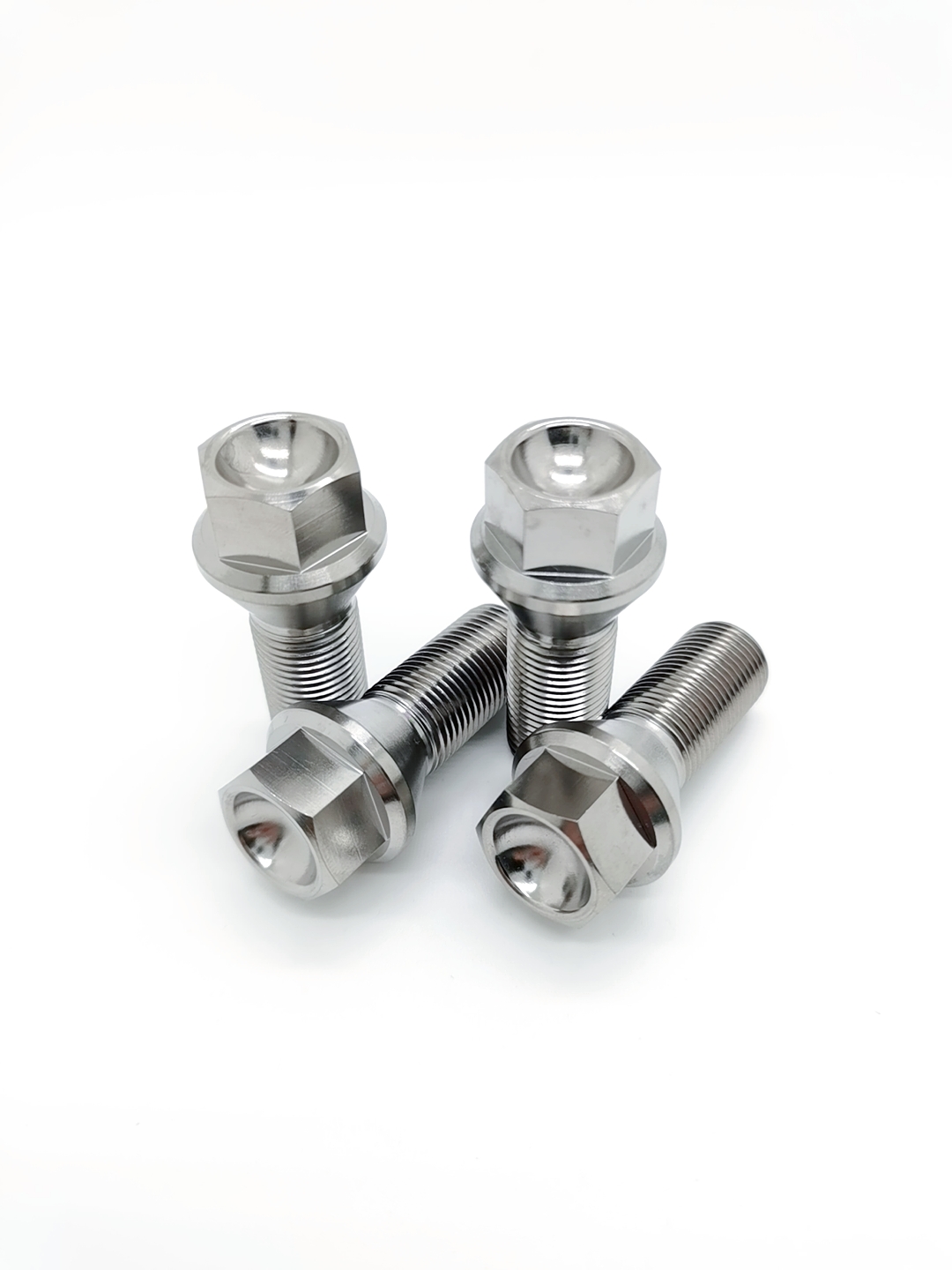
GR5 Titanium Wheel Lug Bolts Lightweight High Strength Flat Head UNC for Custom Wheels
- Grade: Ti-6Al-4V (Grade 5)
- Tensile Strength: 950–1050 MPa
- Thread: Rolled UNC / Metric
- Weight Reduction: ≈ 45% vs. Steel
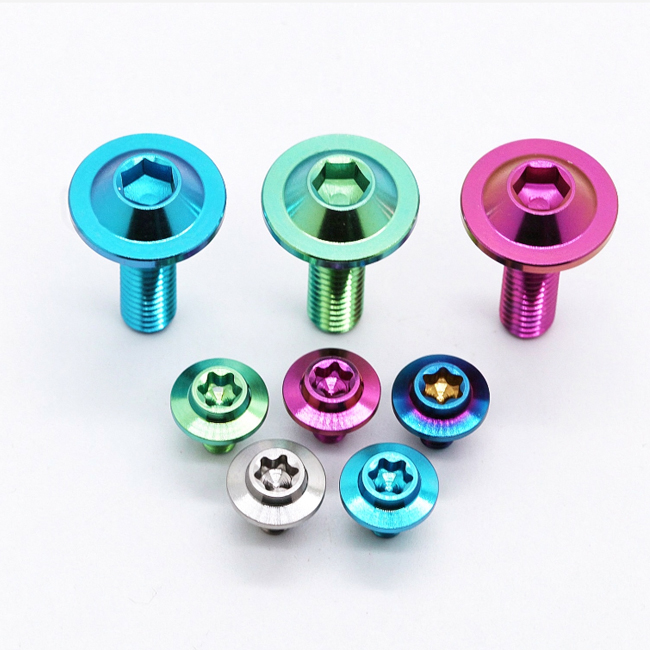
Anodized Rainbow GR5 Titanium Flange Head Allen Bolt Lightweight Titanium Screw for Motorcycle Bike Modification
- Head Design: Integrated Flange Allen
- Surface Finish: Thermal Rainbow Anodized
- Application: Chassis / Moto Tuning
- Shear Strength: 550 MPa Min.
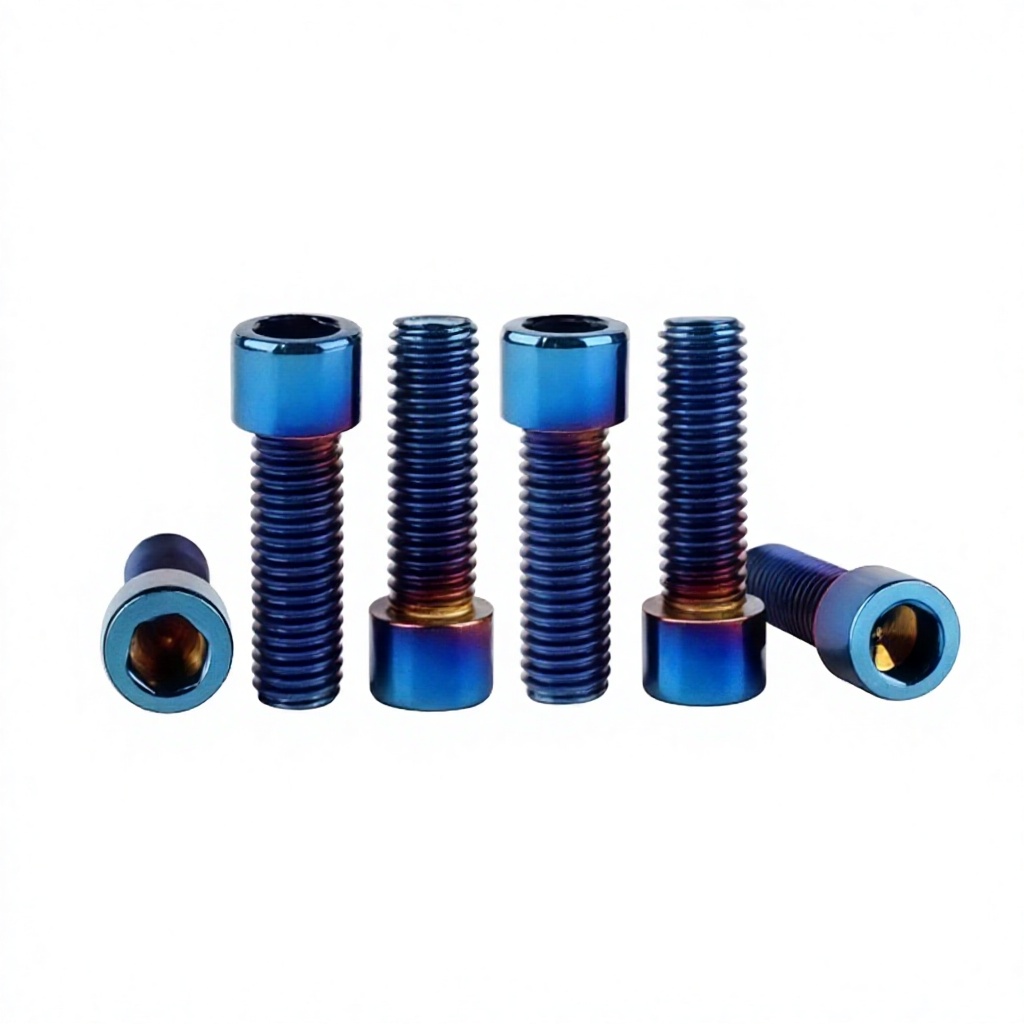
Titanium Bolts with Flat Head Screws Zinc Finish M1.6 Thread Industrial Grade for Motorcycle and Bicycle
- Sizing: M1.6 Micro-Fastener
- Design: Countersunk Flat Head
- Field: ECU Modules & Derailleurs
- Corrosion Resistance: ASTM B117 > 1000h
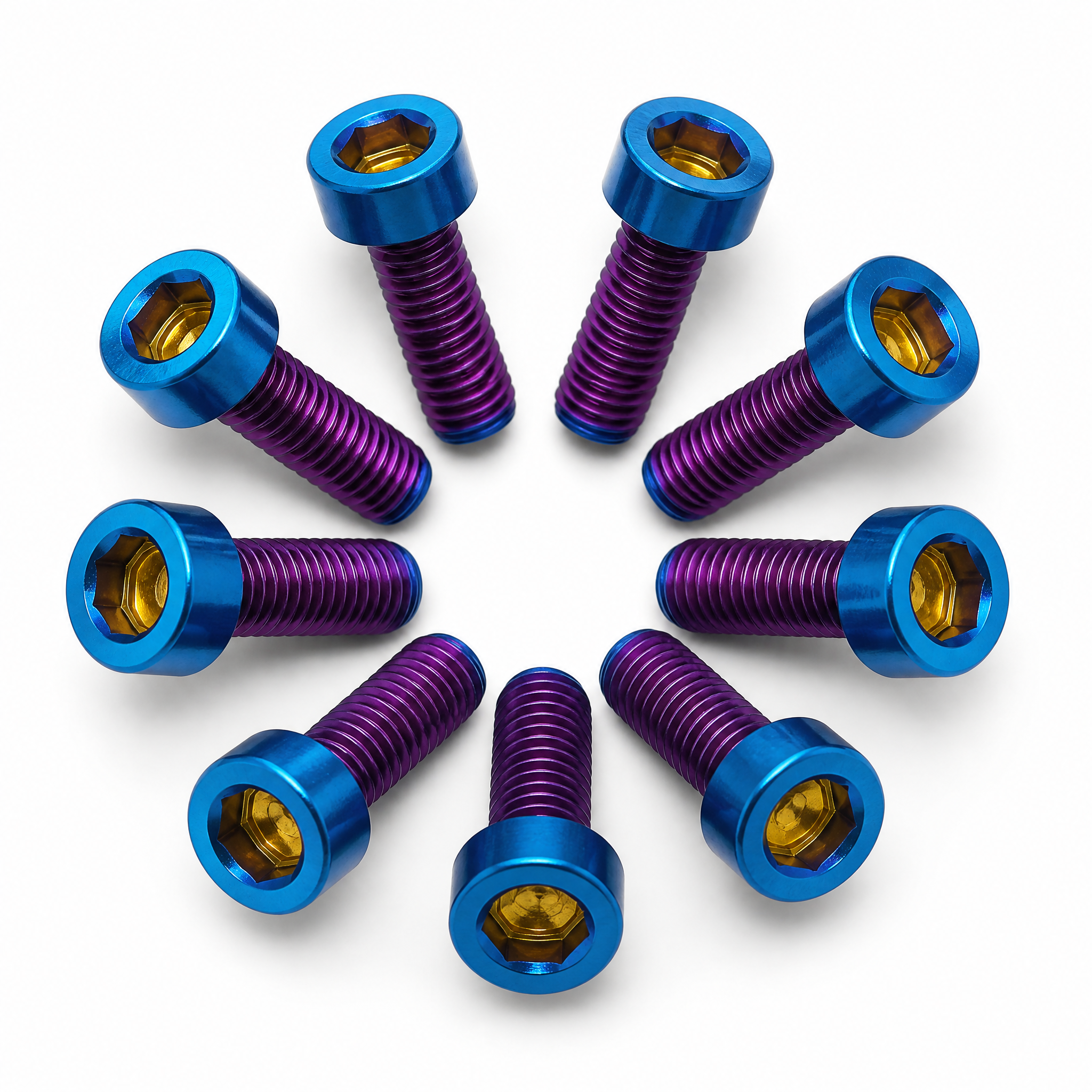
Titanium Alloy Bolts Gr5 Anodized Colored Torx Bolts M4 M5 M6*15 Motorcycle Modified Car Shell Titanium Screws
- Drive Profile: High-Torque Torx T25/T30
- Dimensions: M4 / M5 / M6 Options
- Finish: Electrolytic Color Passivation
- Tolerance: ISO 4762 / 6g Gauge
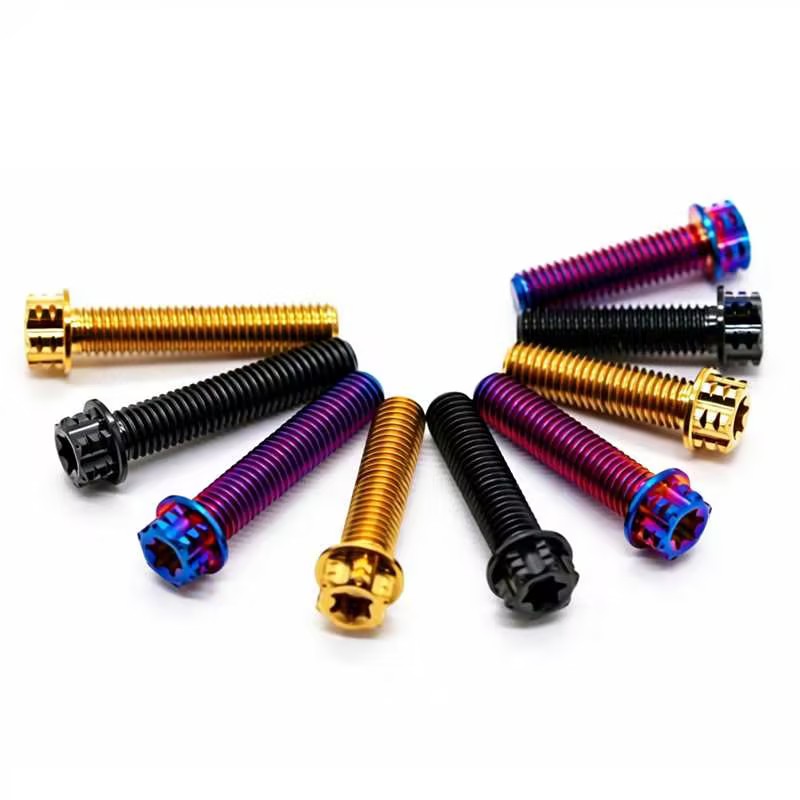
Titanium Torx Head Motorcycle Bolt Class 8.8 Gr5 PVD Coated CNC Star Screw for Bike Modification OEM Manufacturer
- Standard: Class 8.8 / 10.9 Structural
- Coating: PVD Titanium Nitride (TiN)
- Machining: 5-Axis CNC Precision Turned
- Service Life: Permanent Non-Seizing
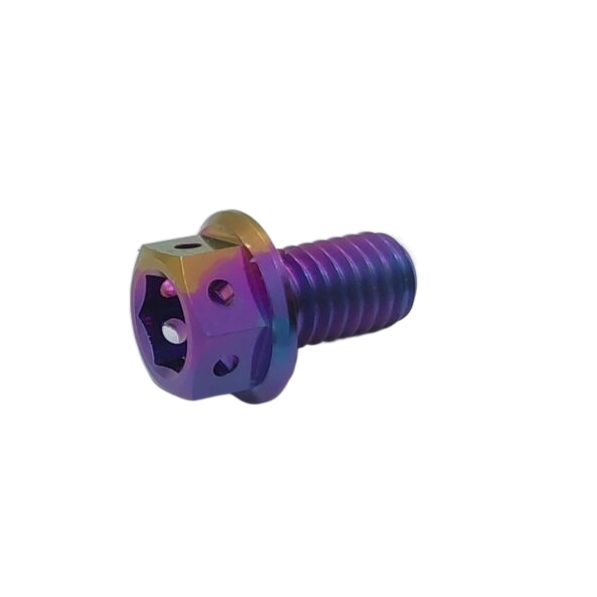
ZFTI Class 8.8 Gr5 Titanium Flange Bolt Anodized PVD Hex Head UNF Thread CNC Machined Motorcycle Custom Manufacturer
- Flange Spec: DIN 6921 Integral Washer
- Thread Profile: UNF Fine Thread Option
- Surface Hardness: > 350 HV Vickers
- Load Capacity: Braking & Suspension Calipers
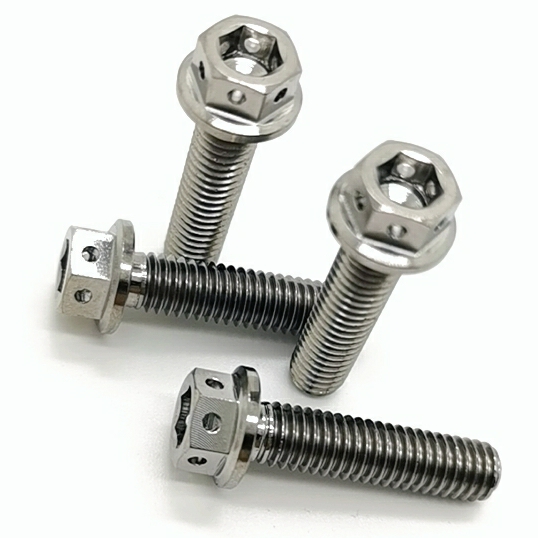
High Quality GR5 Titanium Alloy Socket Head Class 8.8 Corrosion-Resistant Wear-Resistant CNC Machined Plain Finish Bolts Nuts
- Drive: Hexagonal Internal Socket
- Fatigue Resistance: DIN 912 / ISO 4762 Specs
- Yield Point: 880 MPa Nominal
- Environmental: Total Hydrocarbon/Salt Resistance
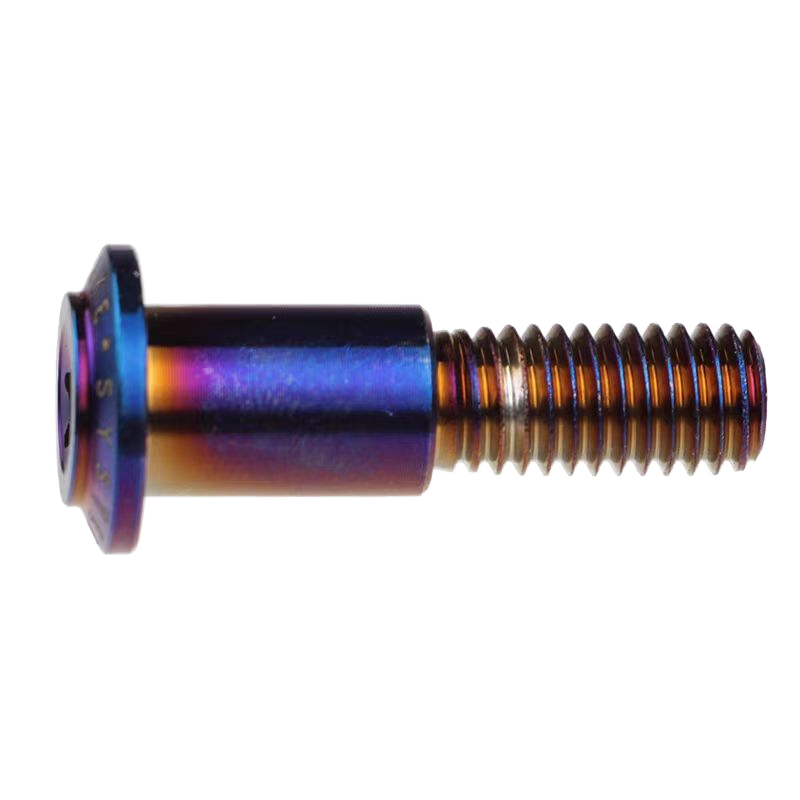
Bike Motorcycle Titanium Bolts Hexagonal Step Flat Head Zinc Finish Teeth Disc Brake
- Configuration: Shoulder Step Alignment
- Critical Use: Disc Brake Rotor Fastening
- Thermal Stability: Up to 450°C Friction Cycles
- Vibration Damping: Superior Elastic Modulus
Cambodia’s Emerging Precision Hardware Hub & Titanium Racing Ecosystem
Southeast Asia has rapidly transitioned from an assembly-only frontier into a critical corridor for advanced light engineering, electric two-wheelers, and high-performance racing components. Cambodia, anchored by Special Economic Zones (SEZs) in Phnom Penh, Sihanoukville, Bavet, and Poipet, offers international motorsports teams, tier-1 custom bike builders, and bicycle OEMs unprecedented procurement efficiency under duty-optimized trade agreements such as RCEP, ASEAN ATIGA, and EU GSP status.
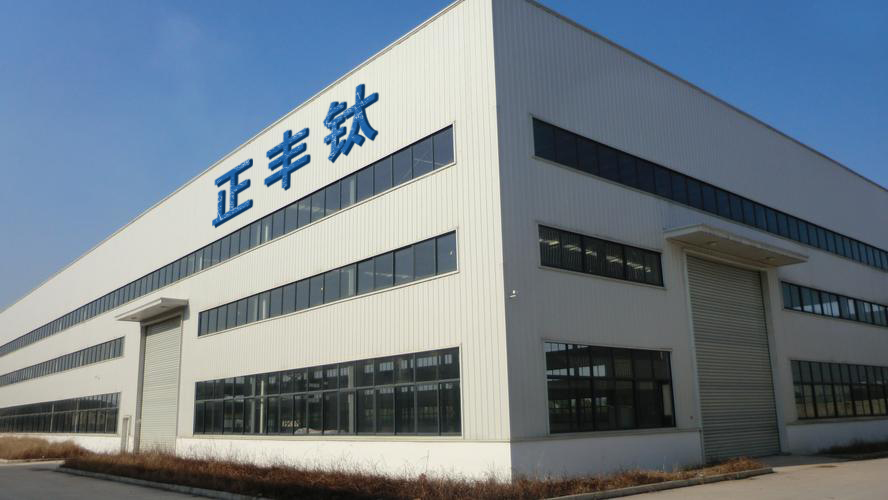
Our manufacturing model blends raw material excellence with regional logistical agility. Pure titanium sponge and aerospace-certified Grade 5 titanium bars (conforming to ASTM B348 and AMS 4928 standards) are melted, hot-forged, and centerless ground at our parent metallurgical facilities in Baoji—known worldwide as "China's Titanium Valley"—then directed to regional CNC precision finishing cells and bonded warehouses in Cambodia. This hybrid supply model ensures that race teams, bespoke tuning houses, and cross-border motorcycle fabricators receive precision-turned Grade 5 bolts with full chemical traceability, avoiding intermediary markups and steep tariff barriers.
- Direct access to Sihanoukville Autonomous Port (PAS) deep-water shipping lanes for swift regional and intercontinental dispatch.
- Complete exemption from import tariffs on specialized alloy tooling and raw billets within designated Qualified Investment Projects (QIP).
- Stringent EN 10204 3.1 chemical analysis and mechanical certification verified per melt heat batch.
Engineering Fundamentals: Why Ti-6Al-4V Dominates Modern Motorsport Screws
In high-rpm racing engines, extreme cornering load transfers, and wet coastal racing environments, fastener failure is catastrophic. Here is how Grade 5 titanium alters racing physics.
Unsprung & Rotational Mass Physics
Every gram shaved from wheel hubs, brake rotor bobbins, and swingarm pivot assemblies directly reduces unsprung inertia. Ti-6Al-4V possesses a density of approximately 4.43 g/cm³, representing a 44% weight reduction compared to standard 8.8 and 10.9 structural steels (7.85 g/cm³). Lower unsprung weight allows suspension dampers to track track irregularities faster, enhancing tire mechanical grip through transient corners.
Fatigue Strength & High-Cycle Endurance
Unlike pure aluminum fasteners which lack an endurance limit and degrade prematurely under cyclic vibration, Grade 5 titanium demonstrates an exceptionally high fatigue limit (around 510 MPa under reversed bending). It resists notch sensitivity and crack propagation, making it the ideal fastener material for disc brake rotor bobbins and sprocket carrier nuts exposed to alternating braking and acceleration torsional cycles.
Passive Oxide Layer & Anti-Corrosion
Cambodia and Southeast Asian tracks suffer from intense humidity, monsoonal rains, and airborne salinity. Titanium naturally precipitates a tenacious, chemically passive titanium dioxide (TiO₂) ceramic film instantaneously upon oxygen contact. This makes our titanium screws completely impervious to chloride pitting, road salt, glycol brake fluid, and high-octane synthetic race fuels.
Localized Application Scenarios Across Cambodia & Regional Circuits
From high-displacement road racing at Chang International Circuit and Sepang to urban custom bike workshops in Phnom Penh, our titanium hardware fulfills critical structural roles.
1. Brake Caliper Mounts & Floating Rotor Screws
Braking systems convert kinetic energy directly into thermal spikes exceeding 400°C. Steel bolts can embrittle or transfer heat uncontrollably into fork stanchions. Our step-shoulder disc brake bolts and radial caliper flange screws provide lower thermal conductivity than steel while maintaining strict clamping torque without thread relaxation under extreme heat cycles.
2. Competition Wheel Lug Bolts & Hub Fasteners
For custom alloy race rims and open-wheel hillclimb machines, rotating wheel studs endure massive lateral shear during cornering. Our cold-forged and CNC-turned Grade 5 lug bolts with conical or ball seats deliver shear strength exceeding 550 MPa, eliminating risk of stud stretching while delivering lightning-quick pitstop wheel changes.
3. Light Electric Mobility & Carbon Frame Fastening
Cambodia's Bavet and Svay Rieng export zones host major global bicycle and e-bike assembly facilities. Pairing our titanium flat head screws and internal Torx bolts with carbon fiber composites prevents galvanic corrosion, which typically occurs when carbon sheets make direct electrical contact with unprotected carbon steel screws.
Engineering Spec Matrix: Grade 5 Titanium vs. Conventional Race Steels
| Mechanical Property | Ti-6Al-4V (Grade 5 Titanium) | High-Tensile Steel (Class 10.9) | Stainless Steel (A2 / A4-80) | Aerospace Aluminum (7075-T6) |
|---|---|---|---|---|
| Density (g/cm³) | 4.43 | 7.85 | 7.95 | 2.81 |
| Tensile Strength (MPa) | 950 – 1050 | 1000 – 1040 | 800 | 570 |
| Yield Strength (MPa) | 880 | 900 – 940 | 600 | 505 |
| Modulus of Elasticity (GPa) | 114 | 210 | 193 | 72 |
| Fatigue Limit (10⁷ cycles) | 510 MPa | 480 MPa | 290 MPa | 160 MPa |
| Corrosion Resistance in Brine | Immune (Zero Rust) | Requires Zinc/Cadmium Plating | Good (Pitting Risk at Welds) | Susceptible to Intergranular |
| Weight Ratio vs. Steel | -44% Mass Reduction | Baseline Reference | +1% Heavy | -64% (Lacks Tensile Load) |
*Note: Data derived from ASTM B348, ISO 898-1, and certified tensile tests conducted on MTS universal testing machines. Torque values must be calculated using recommended anti-seize friction coefficients.
Why Tier-1 Racing Teams Partner with Our Factory
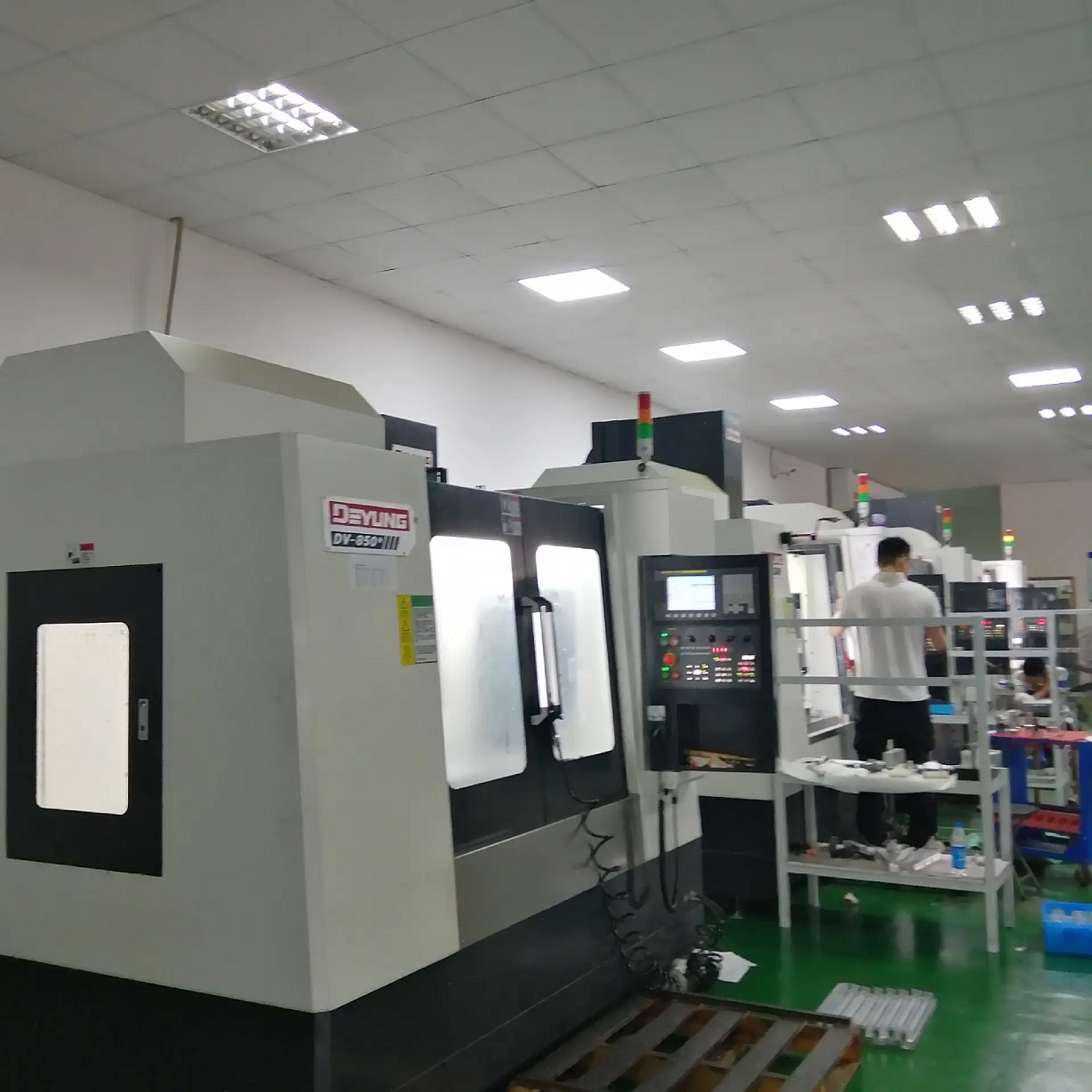
Founded in 2013 in the heart of the Baoji Titanium Valley with extended fulfillment infrastructure strategically scaled into Cambodia and ASEAN corridors, we combine upstream raw ingot processing with Swiss-style multi-axis CNC micro-machining.
Unlike small workshops that machine fasteners from random bar stock, our fasteners are crafted using thread-rolling technology whenever maximum fatigue resistance is required. Thread rolling realigns the titanium alloy crystal grains along the contour of the crests and roots rather than interrupting them, delivering up to 30% higher cyclic fatigue life compared to cut threads.
- 100+ Advanced CNC Machining Centers: 3-axis, 4-axis, and 5-axis turning and milling cells holding tolerances within ±0.005mm.
- Vacuum PVD & Anodizing Cleanrooms: Custom racing aesthetics including Burnt Rainbow, Titanium Nitride Gold, Carbon DLC Black, and Electric Anodized Blue.
- Multi-Stage Optical Sorting: 100% automated optical inspection sorting tables checking thread pitch, pitch diameter, concentricity, and head squareness.
Trends Shaping Cambodia's Light Engineering & Racing Fastener Market
Understanding shifting procurement methodologies, trade corridors, and engineering demands across ASEAN manufacturing hubs.
Nearshoring & Cross-Border Supply Security
Global motorsport enterprises and Tier-1 component importers are actively diversifying their supply networks beyond single-origin hubs. Cambodia’s open foreign direct investment (FDI) policies, 100% foreign enterprise ownership provisions, and seamless integration with Thai and Vietnamese automotive clusters make it a powerhouse for sub-assembly and rapid regional fulfillment of precision titanium fasteners.
The Rise of Track-Day Culture & Two-Wheel Customizing
Throughout Phnom Penh, Siem Reap, and neighboring Southeast Asian metropolises, high-end motorcycle culture is exploding. Enthusiasts upgrading Yamaha, Honda, Ducati, and BMW superbikes demand genuine Grade 5 structural hardware for brake calipers, triple trees, and engine case dress-ups, replacing mild steel screws that oxidize under tropical monsoons.
Strict Environmental Compliance & Non-Hazardous Plating
Traditional electroplated zinc screws face strict international RoHS and REACH sanctions due to hazardous hexavalent chromium baths. Our titanium screws achieve brilliant rainbow, gold, and stealth-black finishes through clean electrolytic passivation and Physical Vapor Deposition (PVD), yielding zero chemical waste runoff and zero peeling risks.
Frequently Asked Questions: Sourcing Titanium Racing Screws
Key technical, logistical, and commercial inquiries addressed by our senior metallurgy and export logistics staff.