Automotive / Marine
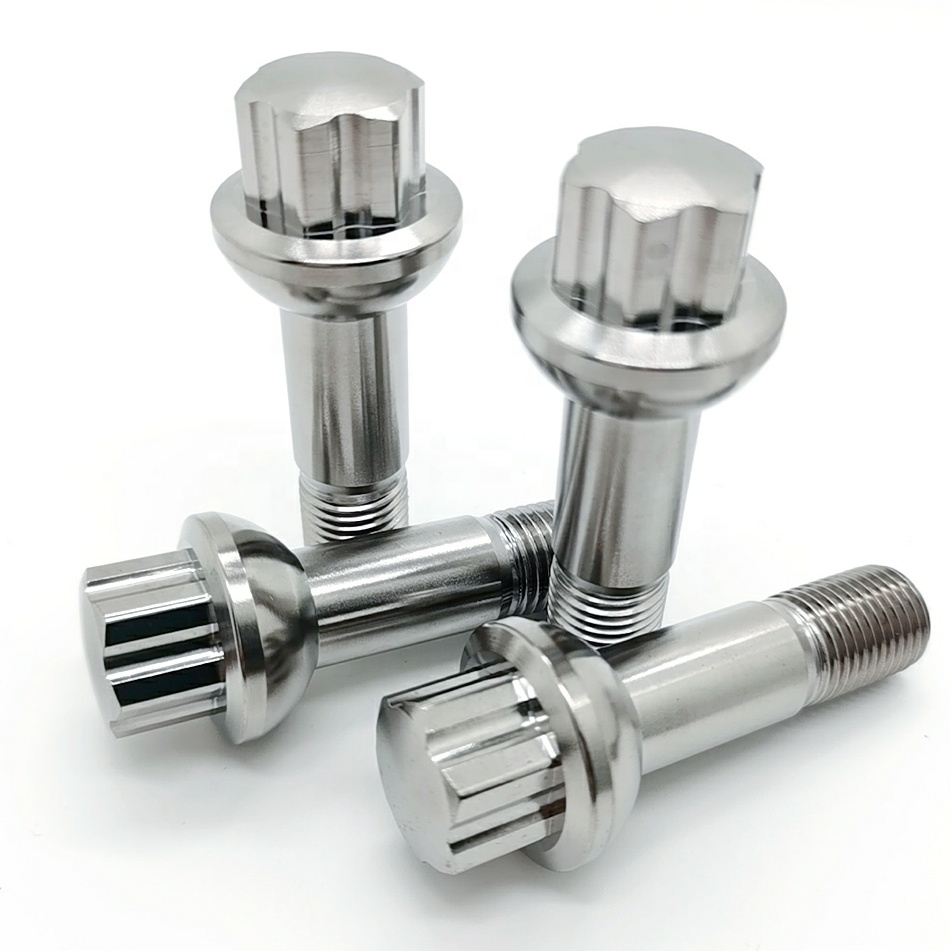
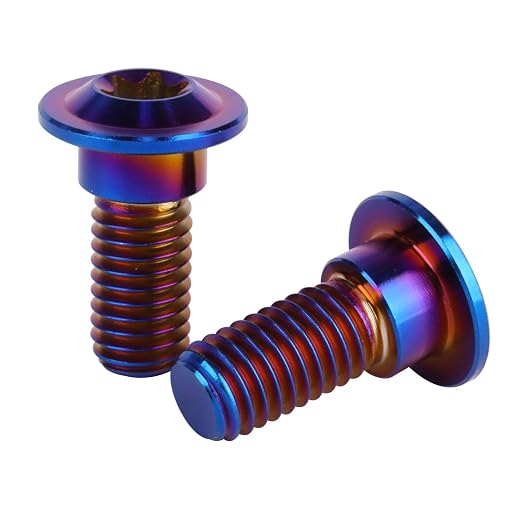
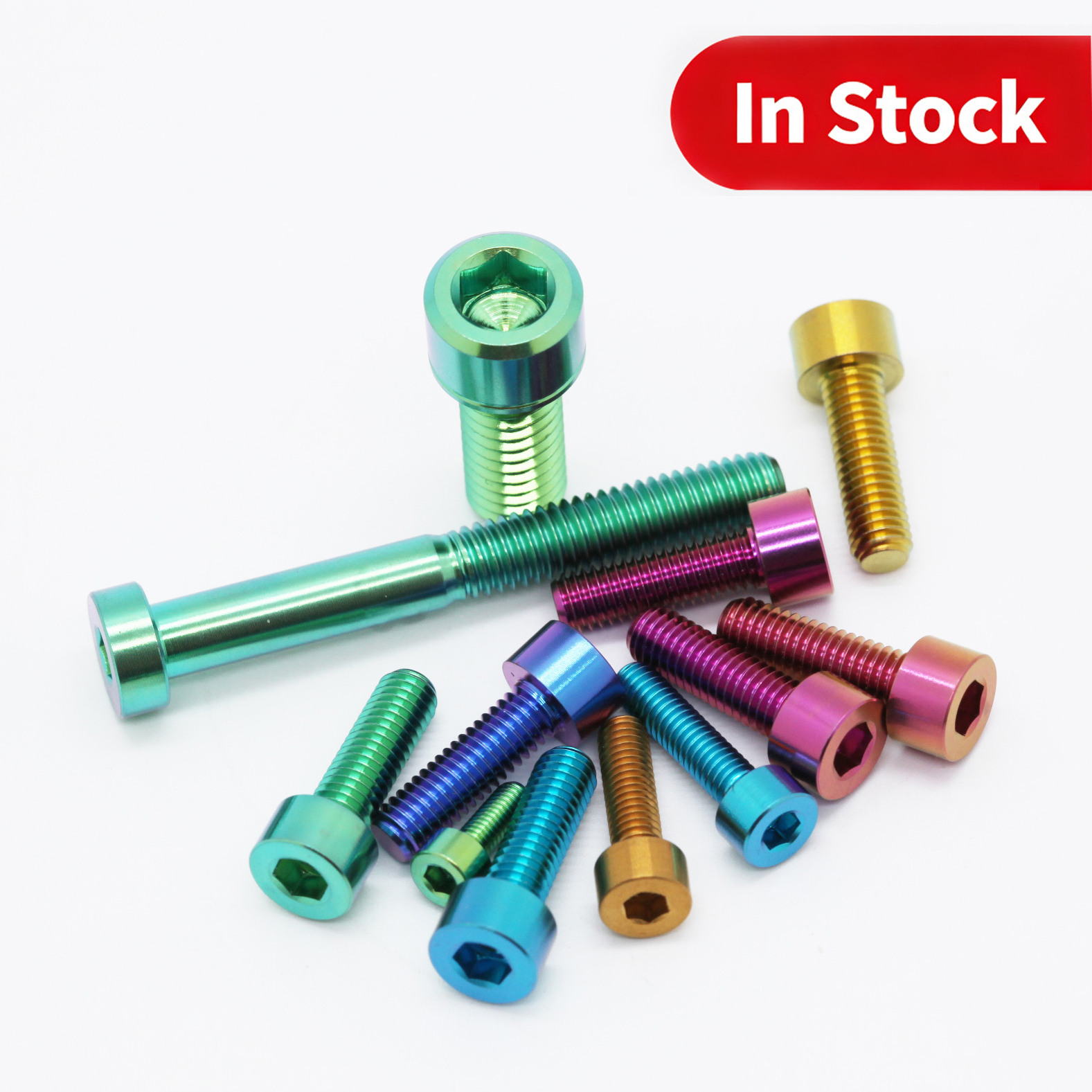
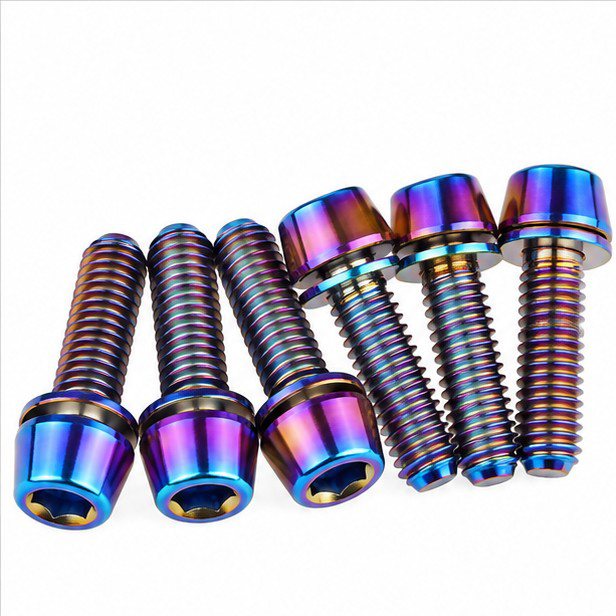
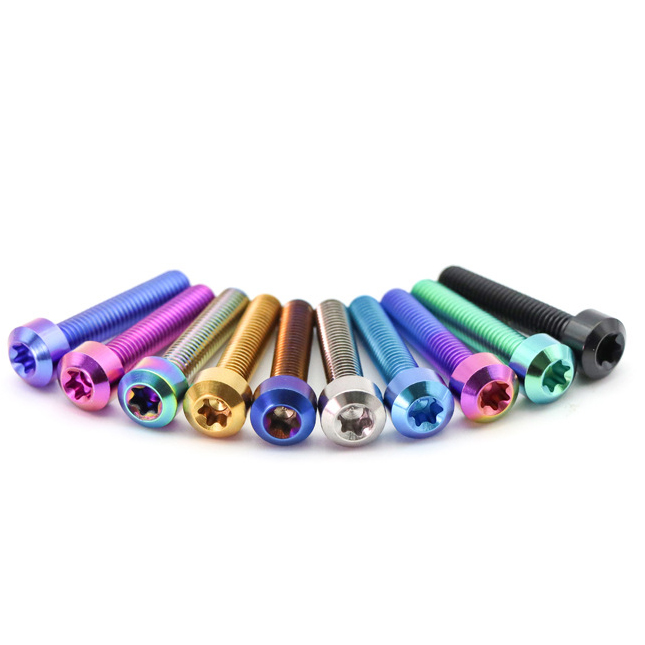
Titanium Lug Wheel Bolts M14x1.5 / M12 1.25 Racing Hardware
- Grade: Grade 5 Ti-6Al-4V
- Tensile: ≥ 895 - 1050 MPa
- Surface: Micro-Polished / PVD
Engineered to aerospace and DIN/ISO standards. Guaranteed anti-galling performance, non-magnetic properties, and superior strength-to-weight ratios for North Sea maritime and European high-tech markets.
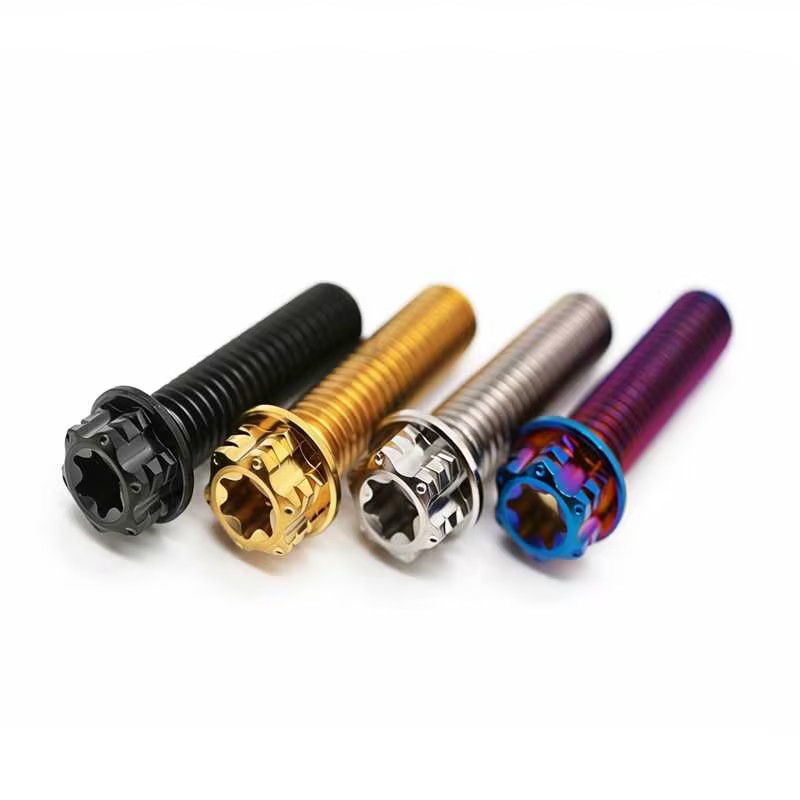
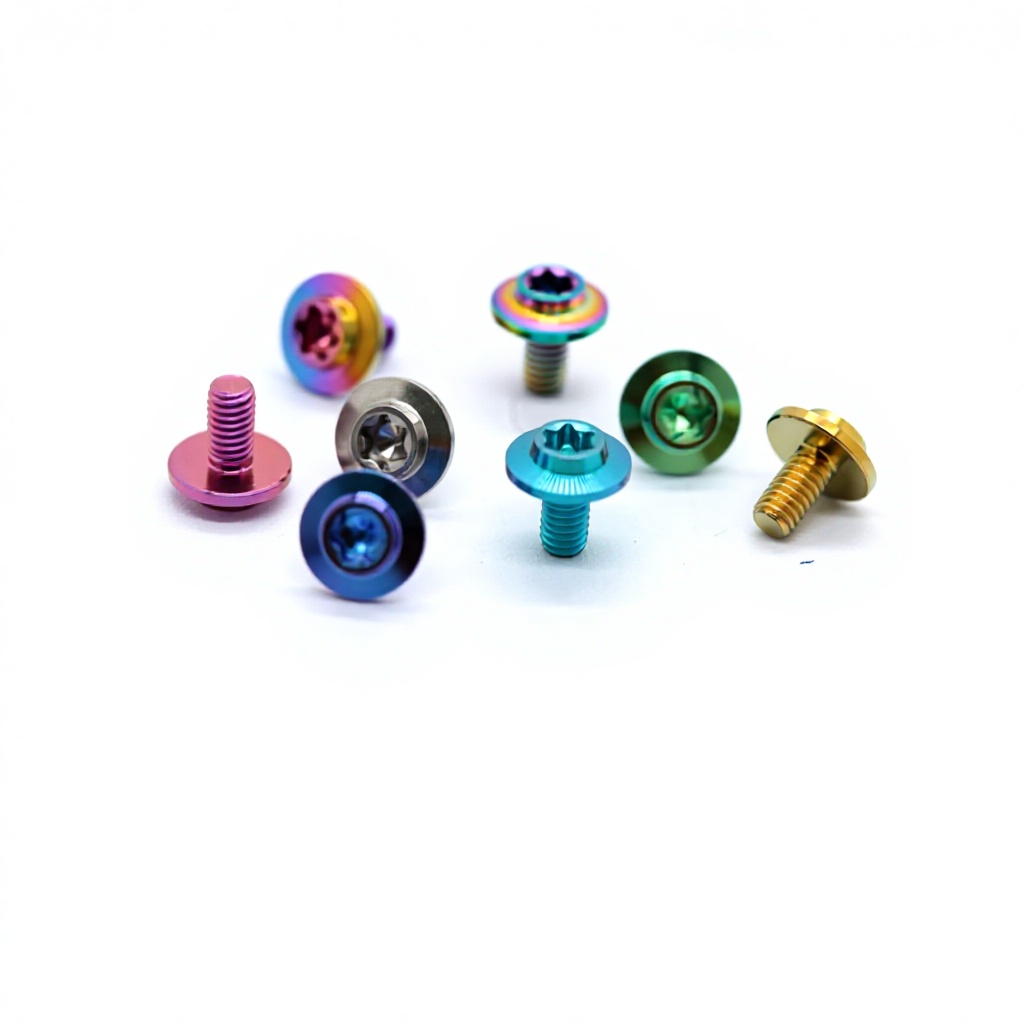
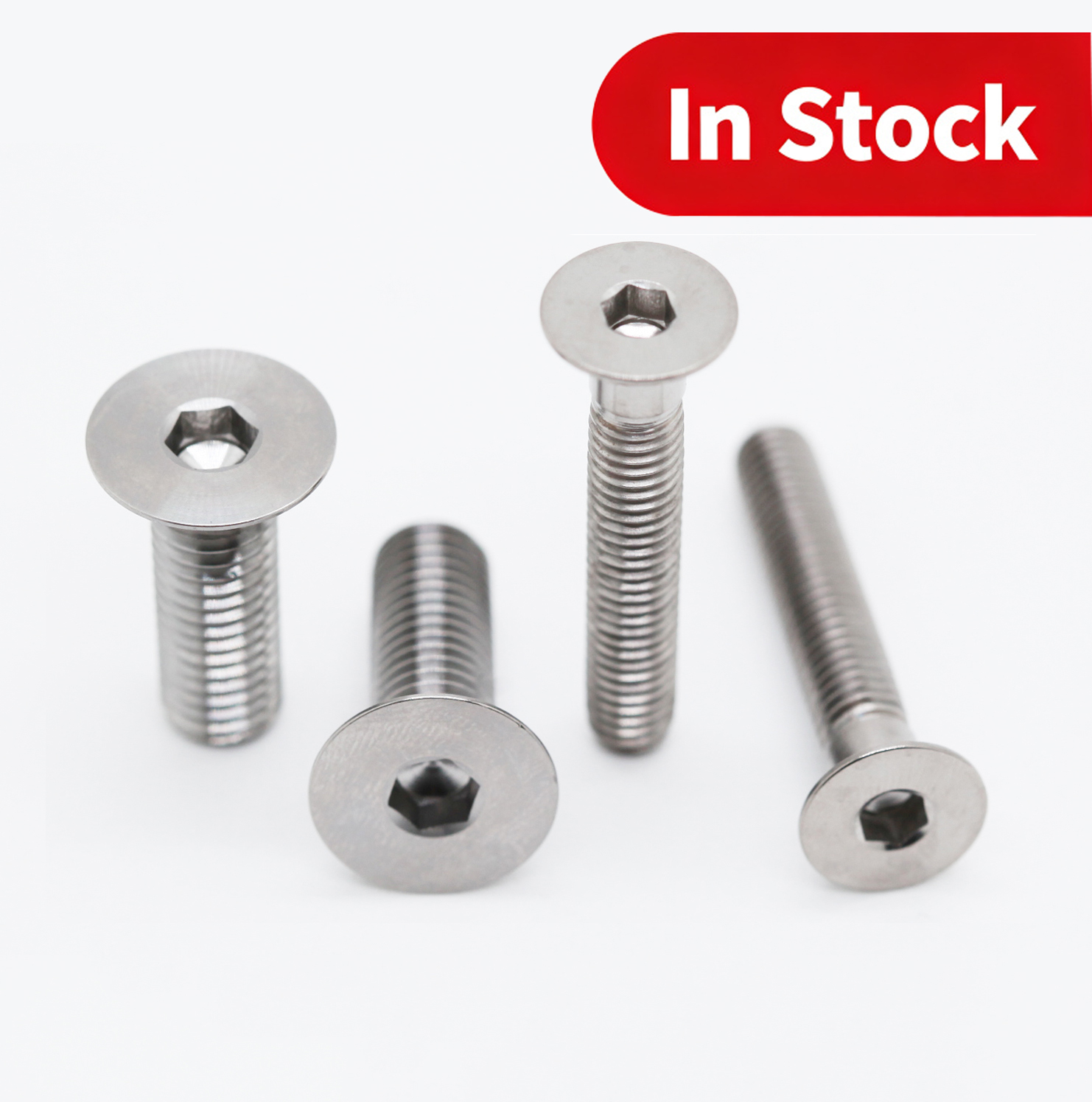
Prevailing-torque type hexagon nuts with non-metallic locking inserts—commonly referred to in mechanical engineering as Nyloc Nuts—represent one of the most critical passive locking mechanisms in structural joints subjected to harmonic vibration and dynamic cyclic stress. When manufactured from certified aerospace-grade Grade 5 Titanium (Ti-6Al-4V / UNS R56400) or commercially pure Grade 2 Titanium (UNS R50400), these fasteners establish a superior operational threshold unattainable by standard austenitic stainless steels (A2-70, A4-80) or zinc-plated carbon steels.
The operational premise of the titanium nyloc nut relies on an elastic polyhexamethylene adipamide (Nylon 6.6) collar situated within a precisely machined annular retaining groove above the primary tapped thread. When a mating male thread passes through the nylon insert, the unthreaded polymer bore undergoes radial viscoelastic deformation rather than cutting. This deformation generates a substantial normal force perpendicular to the bolt axis, forcing the flanks of the male thread into sustained frictional contact with the load-bearing flanks of the titanium internal thread. The resulting prevailing torque prevents unintentional rotational loosening even under extreme transverse vibrational spectra matching DIN 65151 (Junkers Test) conditions.
Unlike plated steels that degrade via crevice corrosion or pitting when exposed to North Sea salinity, Grade 5 and Grade 2 titanium spontaneously develop an amorphous, self-healing titanium dioxide (TiO2) passive layer, exhibiting near-zero pitting susceptibility across marine chloride splash zones.
With an elemental density of 4.43 g/cm³ compared to 7.85 g/cm³ for medium-carbon structural alloy steel, Ti-6Al-4V reduces fastened assembly mass by approximately 44% without sacrificing clamping yield strength, drastically lowering unsprung mass and dynamic inertia.
Machined from precision vacuum-arc remelted (VAR) bars, our threads are finished with proprietary anti-friction low-shear surface treatments or molybdenum disulfide solid-film coatings, preventing thread seizing and micro-welding during dynamic torque-down operations.
| Mechanical / Physical Property | Gr5 Titanium (Ti-6Al-4V) | Gr2 Pure Titanium | Stainless A4-80 (AISI 316) | High Tensile Steel 10.9 |
|---|---|---|---|---|
| Ultimate Tensile Strength (Rm, min) | 895 - 1050 MPa | 345 MPa | 800 MPa | 1000 MPa |
| Yield Strength (Rp 0.2, min) | 828 MPa | 275 MPa | 600 MPa | 900 MPa |
| Density (ρ) | 4.43 g/cm³ | 4.51 g/cm³ | 8.00 g/cm³ | 7.85 g/cm³ |
| PREN (Pitting Resistance Equivalent) | Immune (>50 Equiv.) | Immune | 23 - 25 (Pitting risk in splash) | <10 (Rapid rust) |
| Magnetic Permeability (μr) | 1.00005 (Non-Magnetic) | 1.00005 | ~1.005 - 1.015 (Cold worked) | Ferromagnetic |
| Locking Temperature Limit (Insert) | -50°C to +120°C (Polyamide) | -50°C to +120°C | -50°C to +120°C | -50°C to +120°C |
The Hague, known natively as Den Haag, serves not merely as the international seat of justice and European diplomacy, but as a crucial nerve center within the Randstad industrial metropolitan zone. Bordered immediately by Europe's largest maritime port (Rotterdam-The Hague Port Metropolitan Hub) to the south, the European Space Research and Technology Centre (ESTEC) in Noordwijk to the north, and Delft's advanced engineering cluster to the east, The Hague market represents an unusually demanding demographic for exotic alloy hardware.
Procurement teams and mechanical systems architects throughout The Hague, Scheveningen, Rijswijk, and the Westland region require fasteners capable of withstanding acute operational stress profiles unique to this low-lying, coastal, highly industrialized biome.
The Hague's North Sea coastline at Scheveningen and surrounding offshore wind arrays (such as Luchterduinen and Hollandse Kust Zuid) subject structural instrumentation to dense saline fog, high wave action, and non-stop cyclical vibration. Titanium nyloc nuts secure anemometer masts, lidar sensing arrays, telemetry enclosures, and underwater sensor brackets without the galvanic corrosion vulnerabilities of zinc-coated fasteners.
Situated within minutes of The Hague's northern corridor in Noordwijk, ESA's technical testing nexus (ESTEC) demands fasteners that comply with strict outgassing, weight reduction, and non-magnetic parameters. Our Grade 5 Ti-6Al-4V nyloc nuts provide the requisite secondary locking redundancy required for airborne prototypes, satellite test fixtures, and ground-support aerospace equipment.
Bridging The Hague's green energy initiatives and the Rotterdam port infrastructure, emerging projects in green hydrogen production, cryogenic handling skids, and automated guided vehicles (AGVs) rely heavily on titanium fasteners. Non-sparking, chemically inert titanium hardware ensures long-term process safety in explosive gas handling zones and high-throughput intermodal logistics systems.
The industrial landscape in the Netherlands is undergoing a profound transformation driven by European Union climate targets, digital supply chain integration, and the Dutch National Hydrogen Programme. In The Hague and across the wider South Holland industrial corridor, procurement managers are reassessing total cost of ownership (TCO) models, replacing recurring maintenance cycles with lifecycle-extended exotic alloys.
Dutch coastal infrastructure engineers have historically encountered chronic micro-cracking and stress corrosion cracking (SCC) in marine 316L stainless steel hardware deployed along the North Sea littoral barrier. As municipal budgets prioritize 30- to 50-year unmaintained design lives for coastal environmental monitoring sensors and tidal barrier robotics, the procurement trend in The Hague has decisively favored Grade 5 and Grade 2 titanium fasteners. The initial material cost delta is entirely amortized within 3 to 5 years by eliminating the labor expenses associated with routine replacement in aggressive marine environments.
With the European Union's Carbon Border Adjustment Mechanism (CBAM) entering full administrative enforcement alongside the Corporate Sustainability Due Diligence Directive (CSDDD), industrial purchasers in South Holland require verifiable, factory-direct material origins. Buyers are abandoning opaque multi-tier distributor intermediaries in favor of vertically integrated manufacturers capable of delivering EN 10204 3.1 material test certificates (MTRs) directly from the raw ingot melting stage in Baoji to the delivery dock in The Hague.
The vibrant startup and spin-off ecosystem originating from TU Delft and regional incubators around The Hague has created an escalating demand for specialized thread geometries, non-standard metric fine pitches, and custom captive-washer nyloc nuts. Standard off-the-shelf distributor inventories cannot support this dynamic engineering iteration, driving direct factory collaboration with precision CNC machine shops capable of handling custom 2D/3D CAD tolerances down to ±0.005mm.
Operating since 2013 from the epicentre of China's "Titanium Valley" in Baoji, Shaanxi, Yevzo Titanium Metal Co., Ltd. combines sovereign raw-material access with comprehensive in-house CNC machining and global logistics integration.
Direct proximity to prime titanium sponge, ingot melting, and bar rolling mills guarantees zero raw material contamination and complete heat-lot traceability.
Equipped with high-precision 3-axis, 4-axis, and multi-spindle Swiss turning lathes capable of sustaining ISO 965 tolerance grades on micro and macro threads.
Every shipment is supported by comprehensive optical emission spectroscopy, ultrasonic defect scans, tensile yield curves, and dimensional inspection reports.
Seamless customs clearance and doorstep delivery across the Netherlands via Rotterdam Port freight consolidation, air freight via Schiphol, or express courier.
Detailed technical, metallurgical, and commercial responses addressing real-world purchasing inquiries for titanium nyloc nuts and associated fasteners.
Whether you require standard DIN 985 Grade 5 Titanium Nyloc Nuts, custom metric fine fasteners, or full production run validation under EN 10204 3.1, our engineering team in Baoji is prepared to review your 2D/3D CAD drawings and deliver quotation parameters within 24 hours.