Corrosion Proof
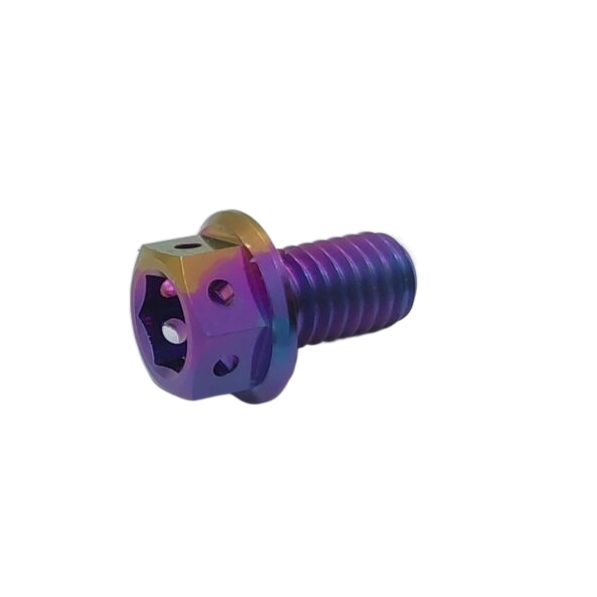
ZFTI Class 8.8 Gr5 Titanium Flange Bolt Anodized PVD Hex Head UNF Thread
- Standard: Custom / DIN 6921
- Material: Ti-6Al-4V Grade 5
- Surface: PVD Anodized Multi-Color
- Tensile: ≥ 895 MPa
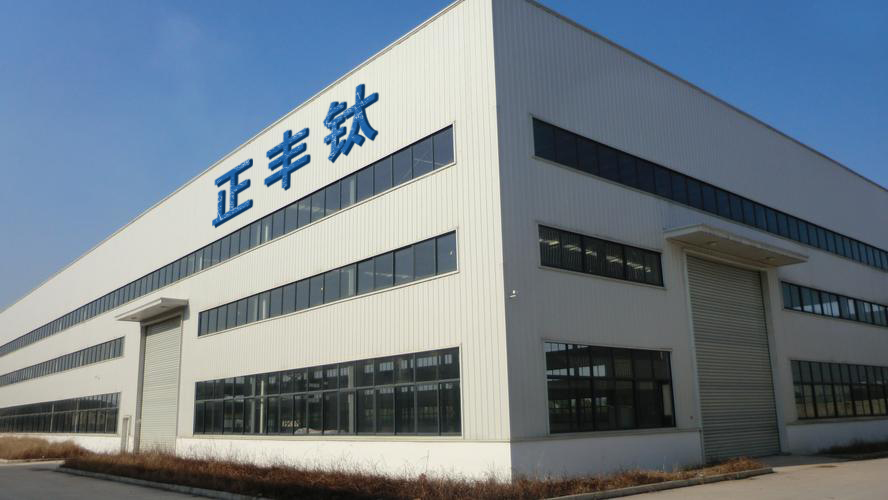
Direct manufacturer supply from Baoji Titanium Valley. Fully certified Class 8.8 and high-tensile Grade 5 fasteners designed for weight reduction, fatigue resistance, and uncompromised safety in wet coastal environments.
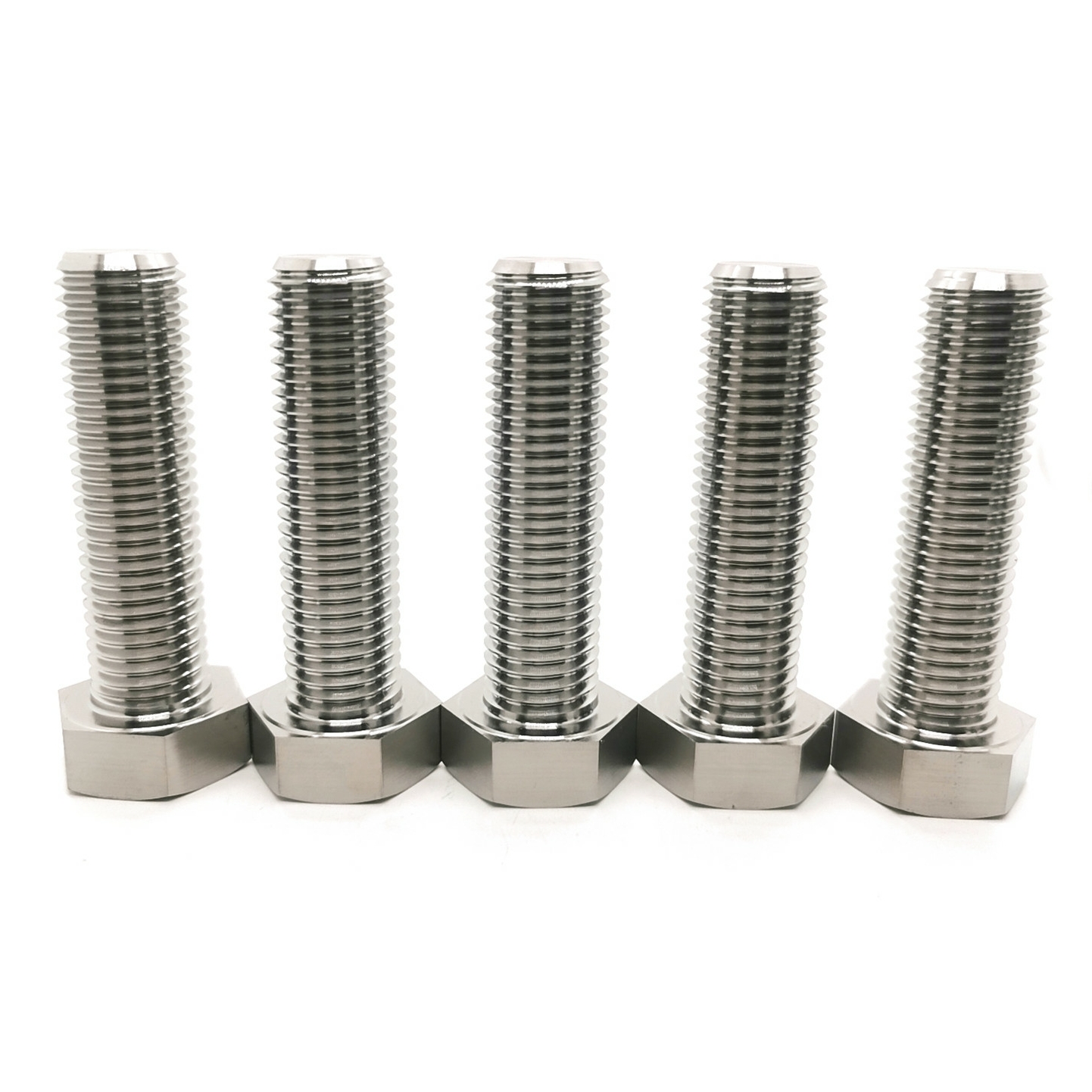
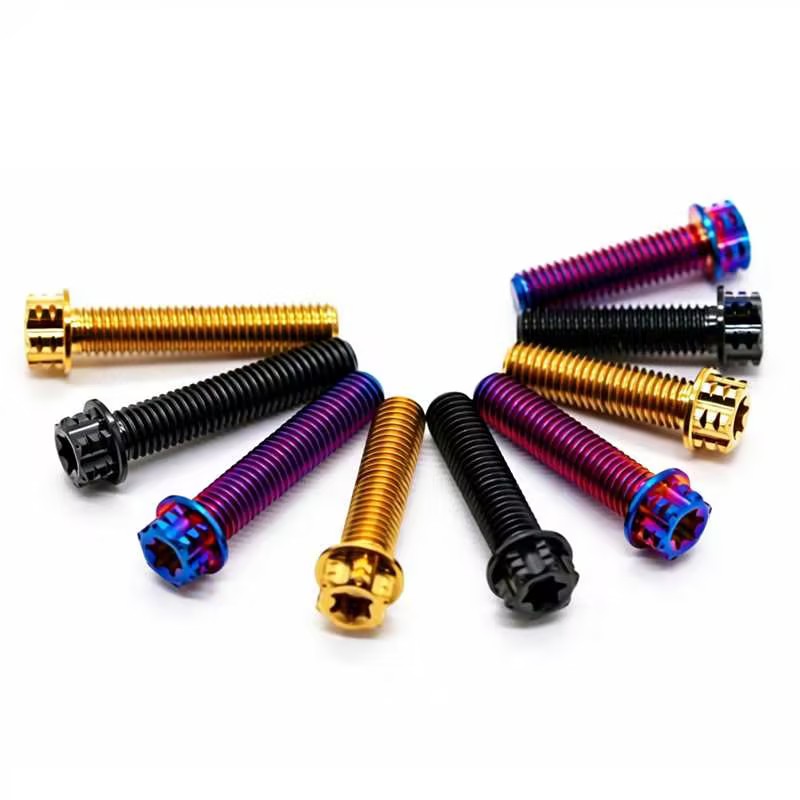
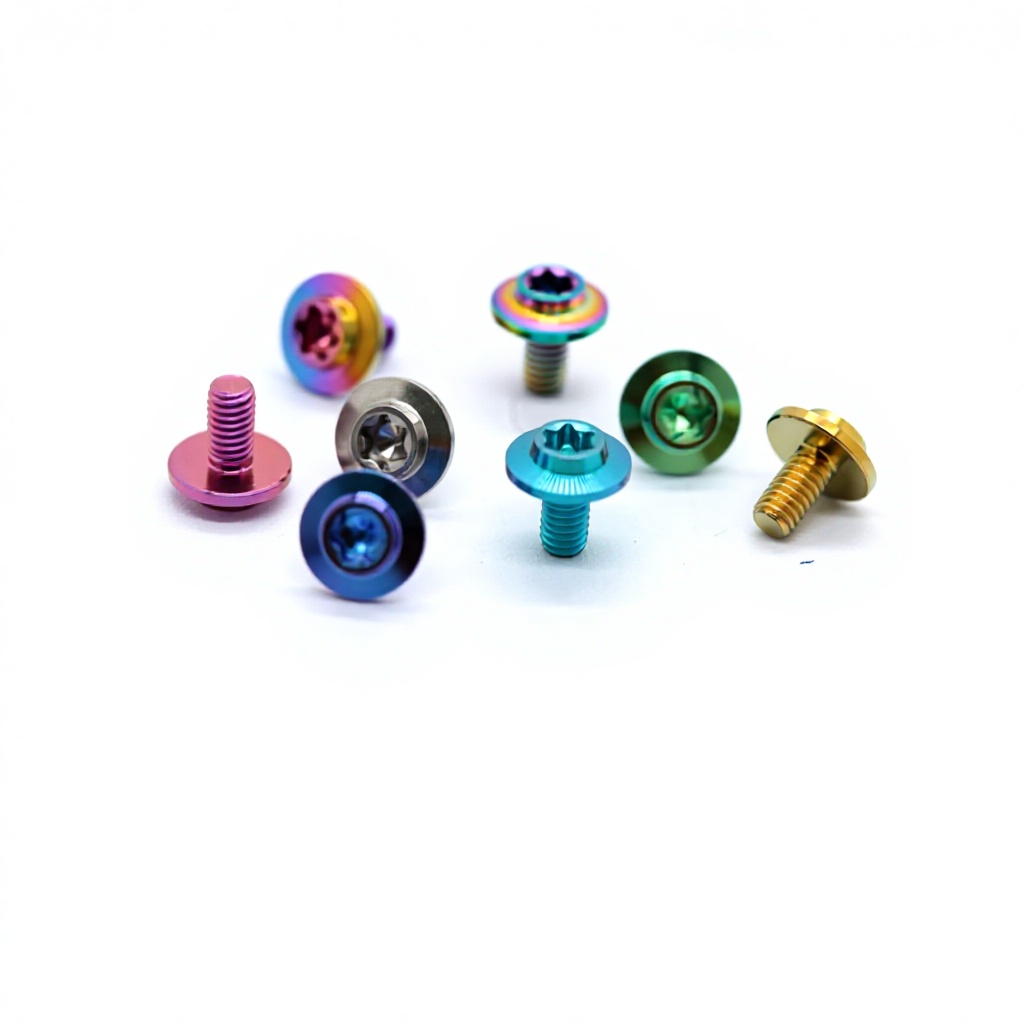
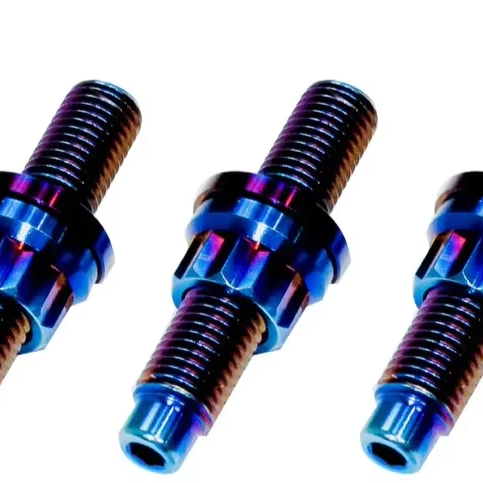
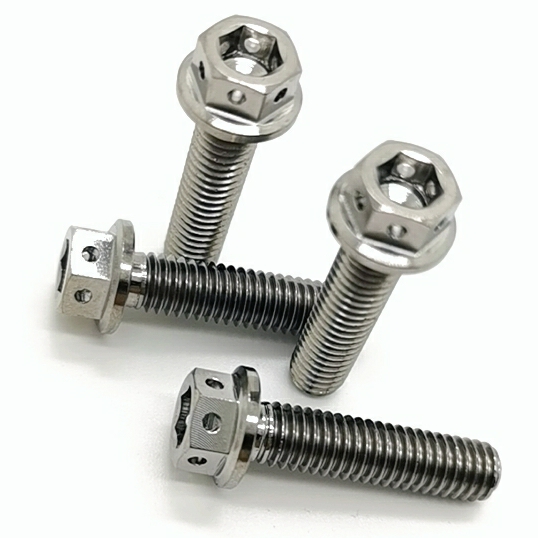
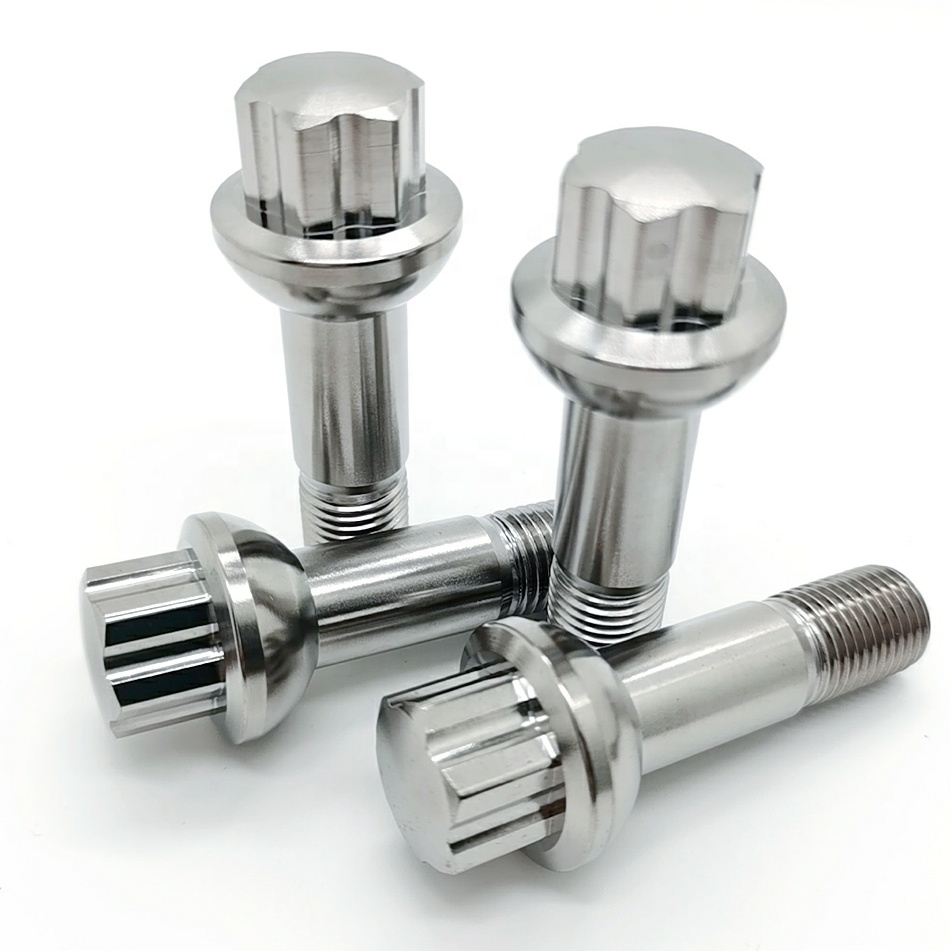
Motorcycle fleet operators, custom builders in Ballard and Georgetown, and track day racers at Pacific Raceways encounter extreme mechanical and environmental conditions unmatched elsewhere in North America.
Motorcyclists across the Seattle metropolitan area—from the waterfront highways along Elliott Bay to the damp, winding passes of the Cascade Mountains (Snoqualmie and Stevens Pass)—face continuous precipitation and saltwater aerosols. Conventional zinc-plated carbon steel screws degrade within a single Pacific Northwest winter, triggering galvanic freeze within aluminum swingarms, magnesium engine covers, and Brembo caliper mounts.
Yevzo's Grade 5 (Ti-6Al-4V) Titanium Motorcycle Fasteners deliver a naturally reforming titanium dioxide (TiO₂) passivation layer that exhibits total immunity to chloride attack, de-icing brine (calcium chloride applied on Washington State Route 520 and I-90), and acidic rainwater runoff. Our fasteners prevent catastrophic seizing and thread shearing in aluminum engine crankcases.
Furthermore, custom performance workshops throughout King, Pierce, and Snohomish counties demand precise unsprung mass reduction. Transitioning brake caliper bolts, axle pin bolts, and disc rotor hardware to Grade 5 titanium instantly trims 44% of rotational unsprung weight compared to OEM factory bolts, noticeably sharpening turn-in responsiveness along the twisting routes of Chuckanut Drive.
Daily commuters along the I-5 corridor endure nine months of relentless moisture. Grade 5 titanium eliminates surface pitting, thread freezing, and rust stains across fairing mounts and suspension links.
For superbike racers competing in WMRRA events, our rolled-thread titanium caliper bolts and wheel axle nuts reduce gyroscope precession, enabling crisper apex transitions at high lean angles.
Baoji's metallurgical lineage integrates ASTM B348 aerospace bar manufacturing standards. Every bolt batch aligns seamlessly with the exacting aerospace quality baseline established by Seattle's dominant aviation economy.
Direct laboratory data comparing mechanical yield properties, tensile integrity, and physical mass density between certified Baoji Grade 5 titanium and standard automotive metric class fasteners.
| Mechanical & Physical Property | Yevzo Gr5 Titanium (Ti-6Al-4V) | Standard Grade 2 Pure Ti | OEM Class 8.8 Carbon Steel | Race-Spec Class 10.9 Alloy Steel |
|---|---|---|---|---|
| Ultimate Tensile Strength (Rm) | ≥ 895 – 1050 MPa | ≥ 345 – 450 MPa | 800 MPa | 1040 MPa |
| Yield Proof Strength (Rp0.2) | ≥ 828 – 950 MPa | ≥ 275 MPa | 640 MPa | 940 MPa |
| Volumetric Mass Density | 4.43 g/cm³ (−44% Weight) | 4.51 g/cm³ | 7.85 g/cm³ | 7.85 g/cm³ |
| Modulus of Elasticity (Young's) | 110 GPa (Dampens Vibration) | 105 GPa | 205 GPa | 210 GPa |
| Salt Spray Corrosion Test (ASTM B117) | > 2,500 Hours (Zero Rust) | > 2,500 Hours (Zero Rust) | Red rust after 48 hrs | Red rust after 72 hrs |
| Thermal Expansion Coeff. (20-100°C) | 8.6 × 10⁻⁶ / K (Thermal Stable) | 8.6 × 10⁻⁶ / K | 11.7 × 10⁻⁶ / K | 12.2 × 10⁻⁶ / K |
From aerospace-certified titanium round bar inventory to finished thread rolling, our Baoji facility implements five rigorous checkpoints to verify fatigue thresholds before Seattle container or air shipments.
Every ASTM B348 Grade 5 rod undergo ultrasonic flaw testing and chemical spectrometer verification for precise Ti-6Al-4V chemical stoichiometry.
Bolt heads are multi-stage forged for unified grain alignment, followed by multi-axis CNC lathe turning for precision head concentricity.
Threads are rolled cold rather than cut, ensuring unbroken continuous grain lines that dramatically amplify dynamic tensile fatigue life.
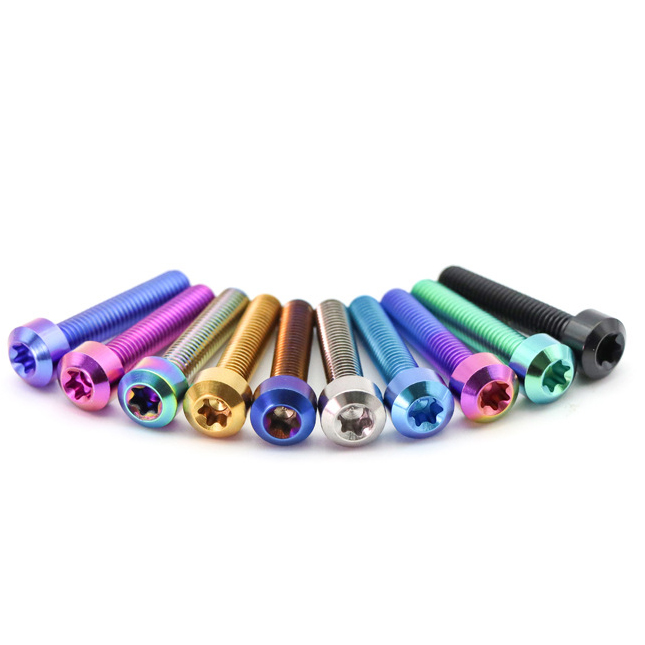
Physical Vapor Deposition (PVD) applies a micro-thin, wear-resistant coating in Burnt Blue, Gold, Jet Black, or Raw Mirror Polish.
Thread pitch diameters pass optical digital comparators and Go/No-Go thread gauge testing. Packaged with heat-lot tracking numbers.
Actionable guidance on anti-seize protocols, galvanic insulation, customs dispatch to the Port of Seattle (NWSA), and wholesale order logistics.
While titanium is chemically inert, pairing noble titanium with an electronegative aluminum crankcase in the presence of Seattle rainwater or road salt creates an electrolytic couple. To prevent galvanic reactions and galling during installation:
For urgent shop builds, custom racing teams, and prototyping distributors, we offer Express Air Freight (FedEx/DHL/UPS) directly to Seattle-Tacoma International Airport (SEA) within 4 to 7 business days. For bulk production orders, containerized marine shipping enters through the Northwest Seaport Alliance (Port of Seattle / Port of Tacoma) within 18 to 24 calendar days. We support full DDP (Delivered Duty Paid) Incoterms, managing US Customs clearance, tariffs, and inland transport directly to your facility.
Yes. Custom bike fabricators, vintage restoration specialists, and aftermarket suppliers can provide PDF blueprints, STEP, DWG, or IGES files. Our engineering department verifies load parameters, thread pitch compliance (Metric, UNC, UNF, and BSW), and suggests head knurling or lightening pocket details. Sample prototypes can be turned, inspected, and shipped within 10 business days.
Commercially Pure Grade 2 titanium possesses an ultimate tensile strength of around 345–450 MPa, suitable only for non-structural cosmetic parts like license plate holders or gauge brackets. Brake caliper mounts, triple-tree pinch bolts, rear sprocket studs, and wheel axles experience violent shear stress and cyclic fatigue loads. Grade 5 is an engineered alpha-beta alloy yielding over 828 MPa, ensuring the mechanical integrity needed to withstand the emergency braking and torque inputs of 1000cc+ motorcycles.
Our PVD (Physical Vapor Deposition) Titanium Nitride and Carbonitride coatings offer 0.00 mm/year degradation in salt-fog tests. Unlike conventional anodized aluminum—which rapidly fades, chips, and corrodes when exposed to magnesium chloride de-icers used by WSDOT—PVD-bonded titanium provides superior surface hardness (exceeding 2200 HV) and permanent color fastness against UV rays, brake fluid, and road grit.
Connect with our technical sales division to download the complete technical catalog, request mill material test reports (MTR), or submit custom CAD models for prompt wholesale quotes.