Hex Standard
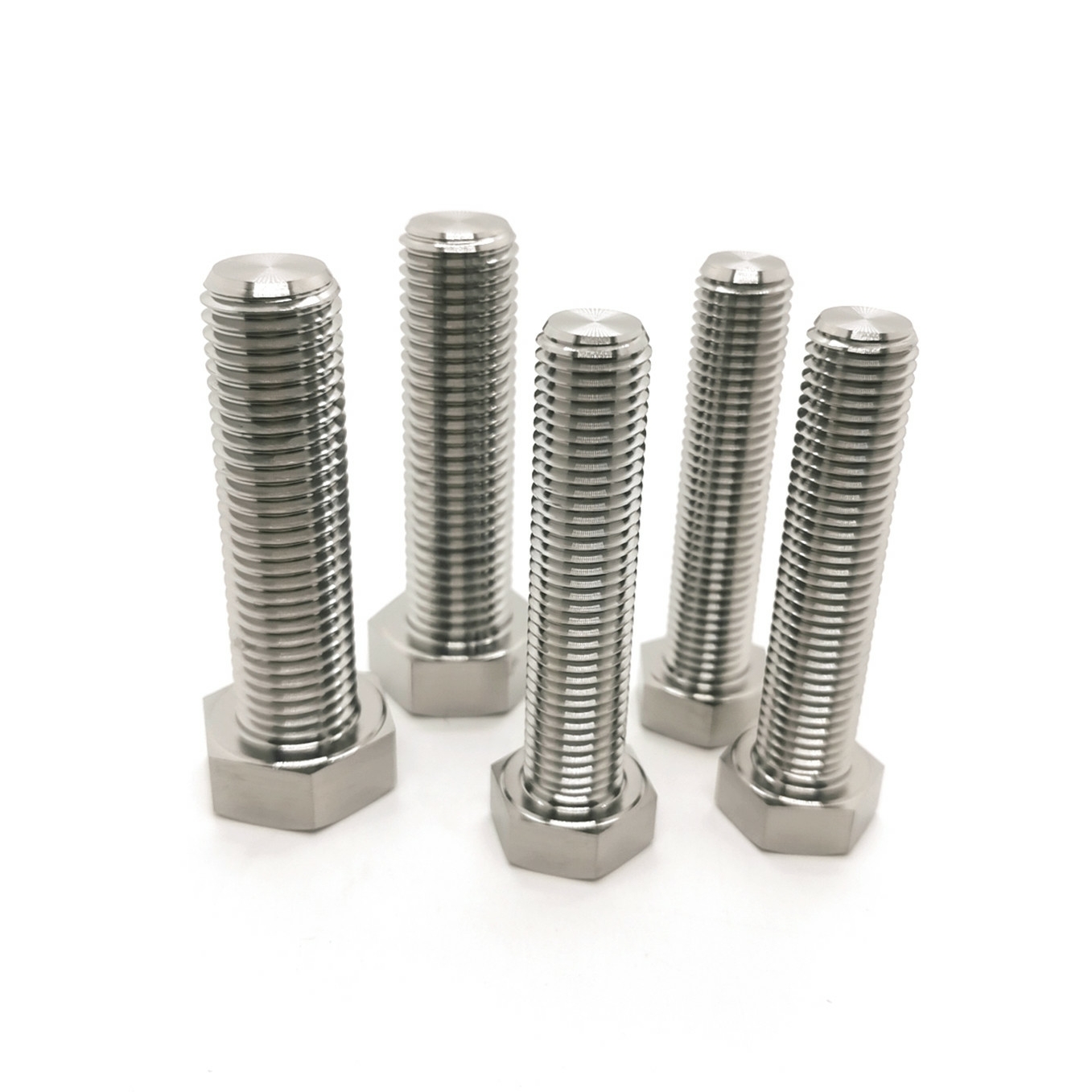
Explore our core ISO 4018, Torx, Flange, and Specialized Lug Bolt product lines produced directly at our Baoji machining center. Fully customizable down to micro-miniature configurations for San Antonio OEMs.
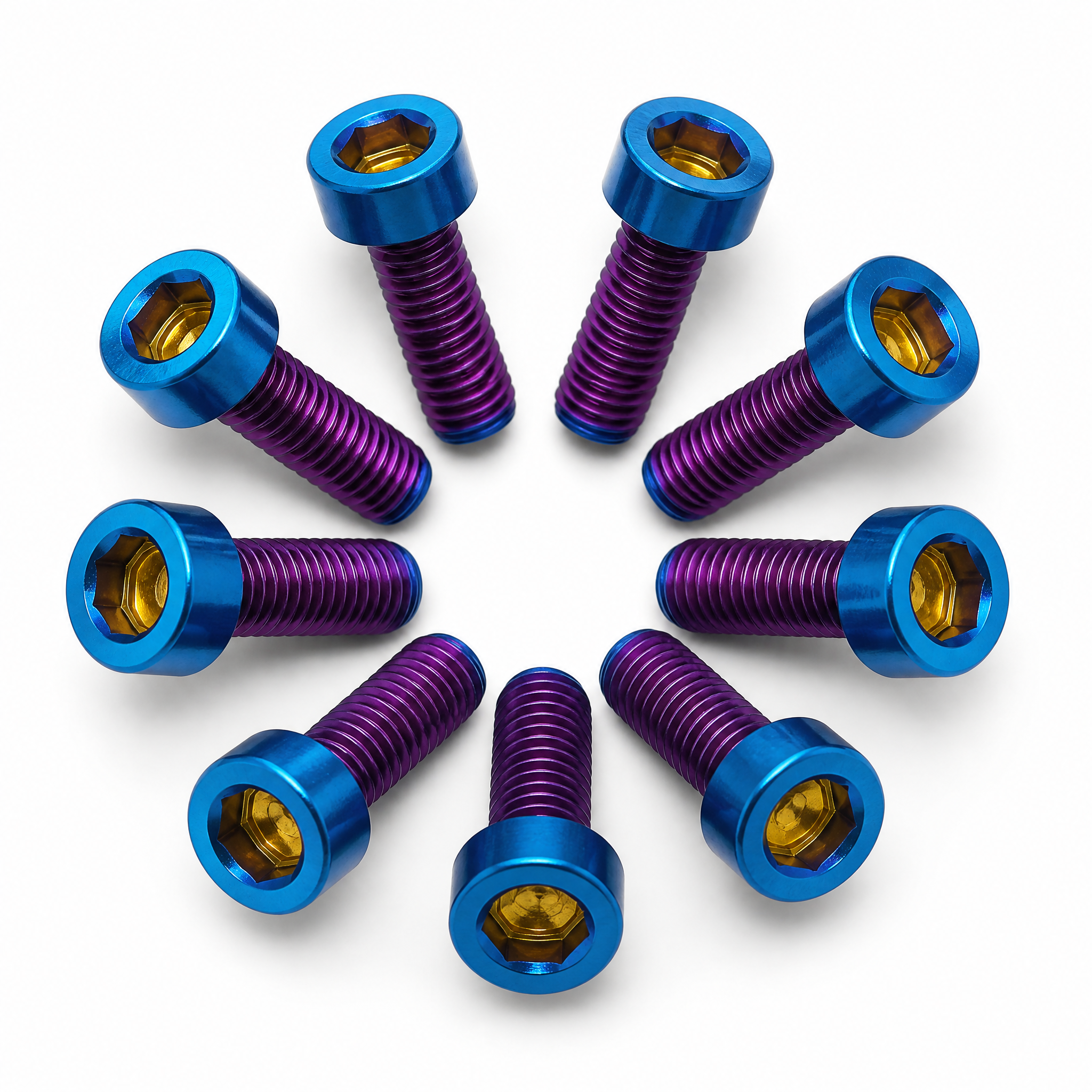
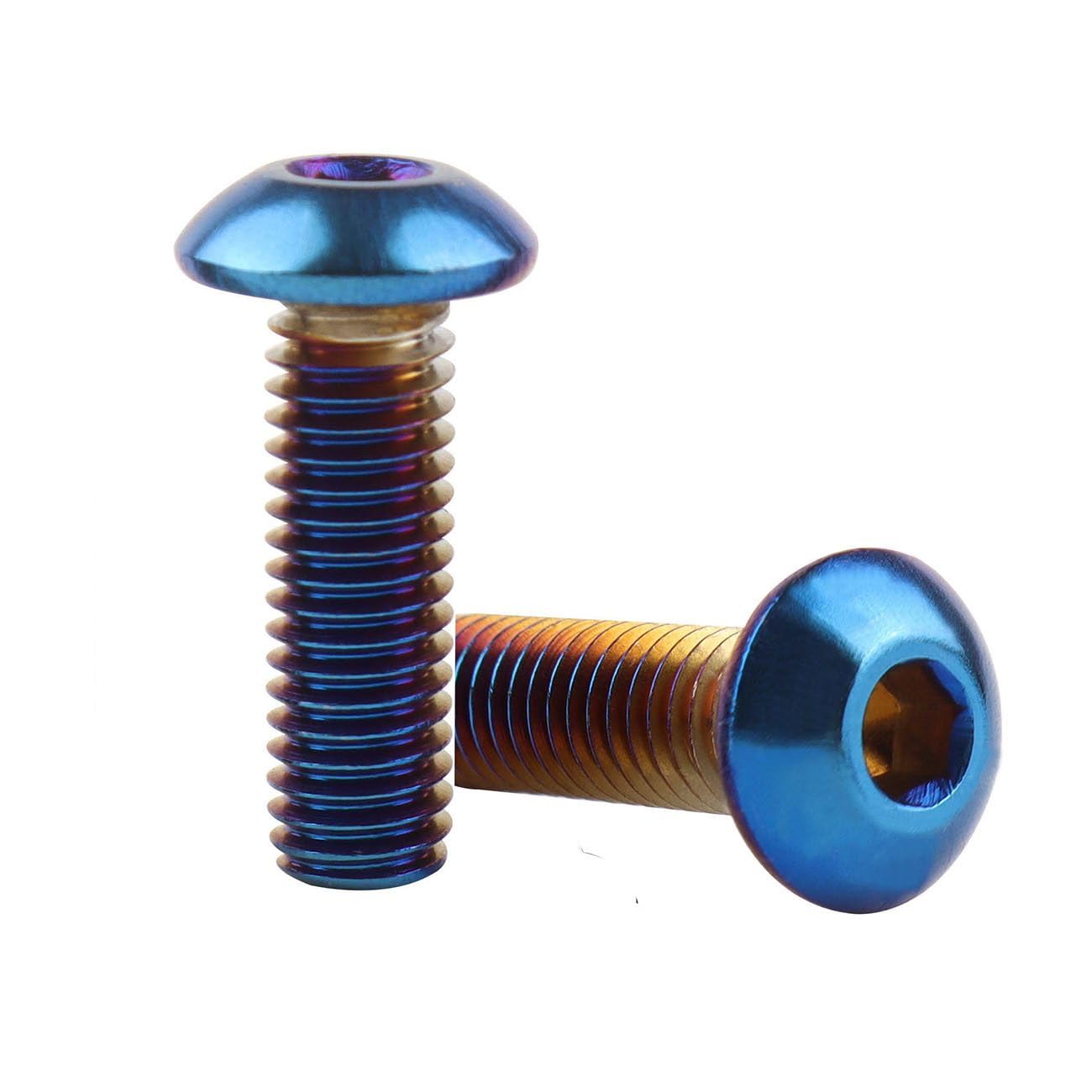
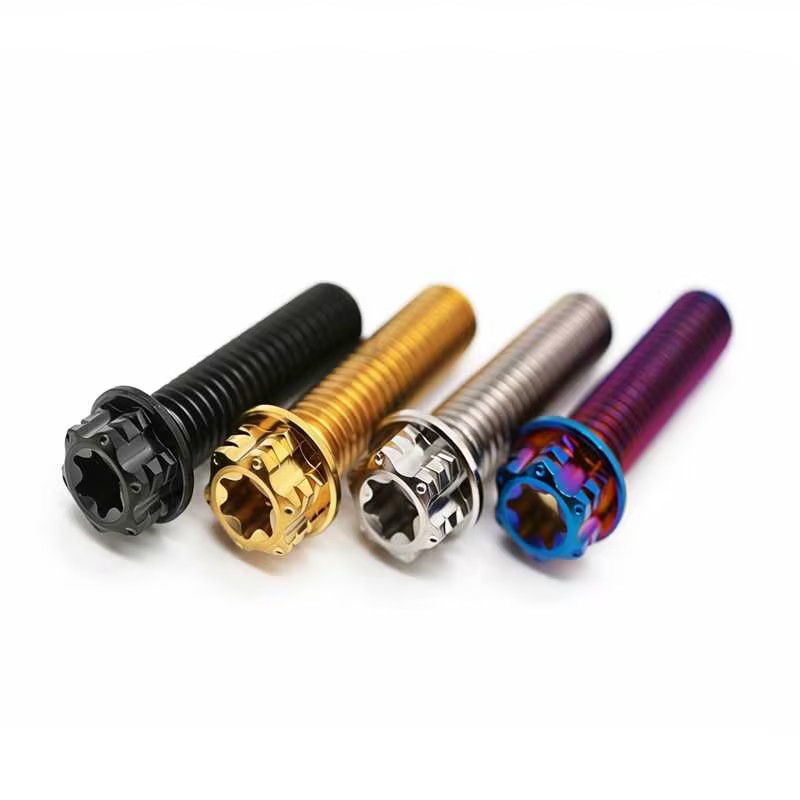
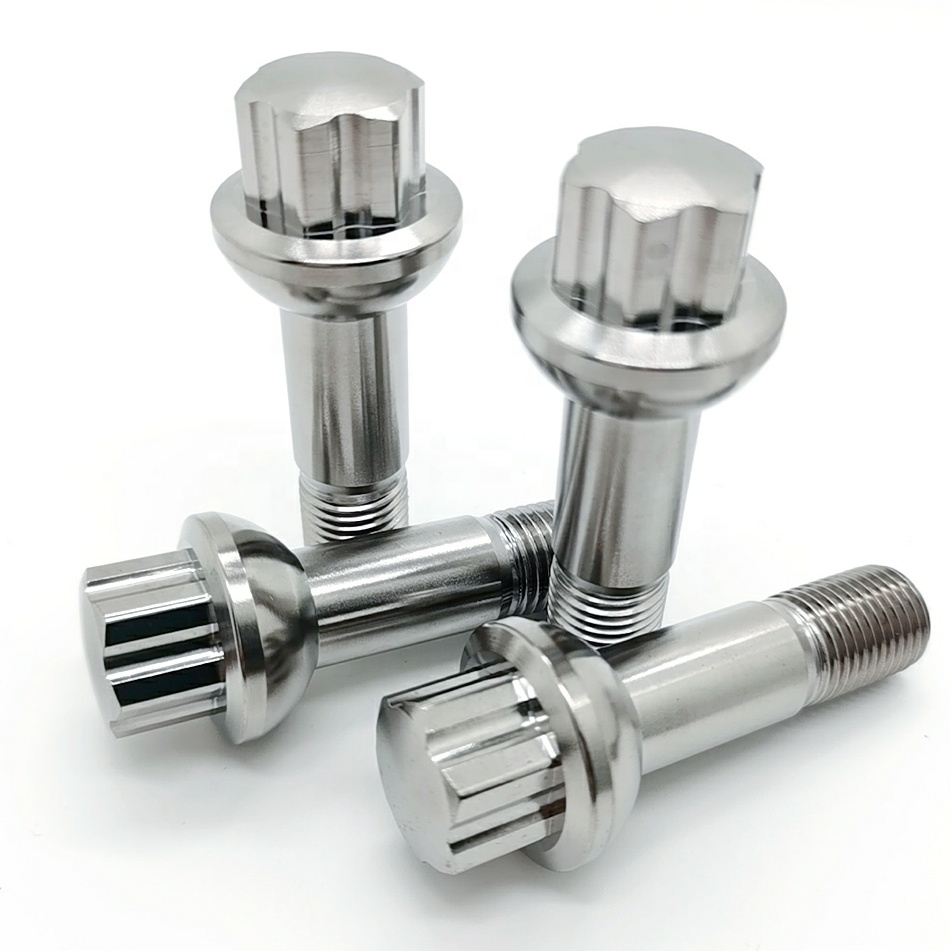
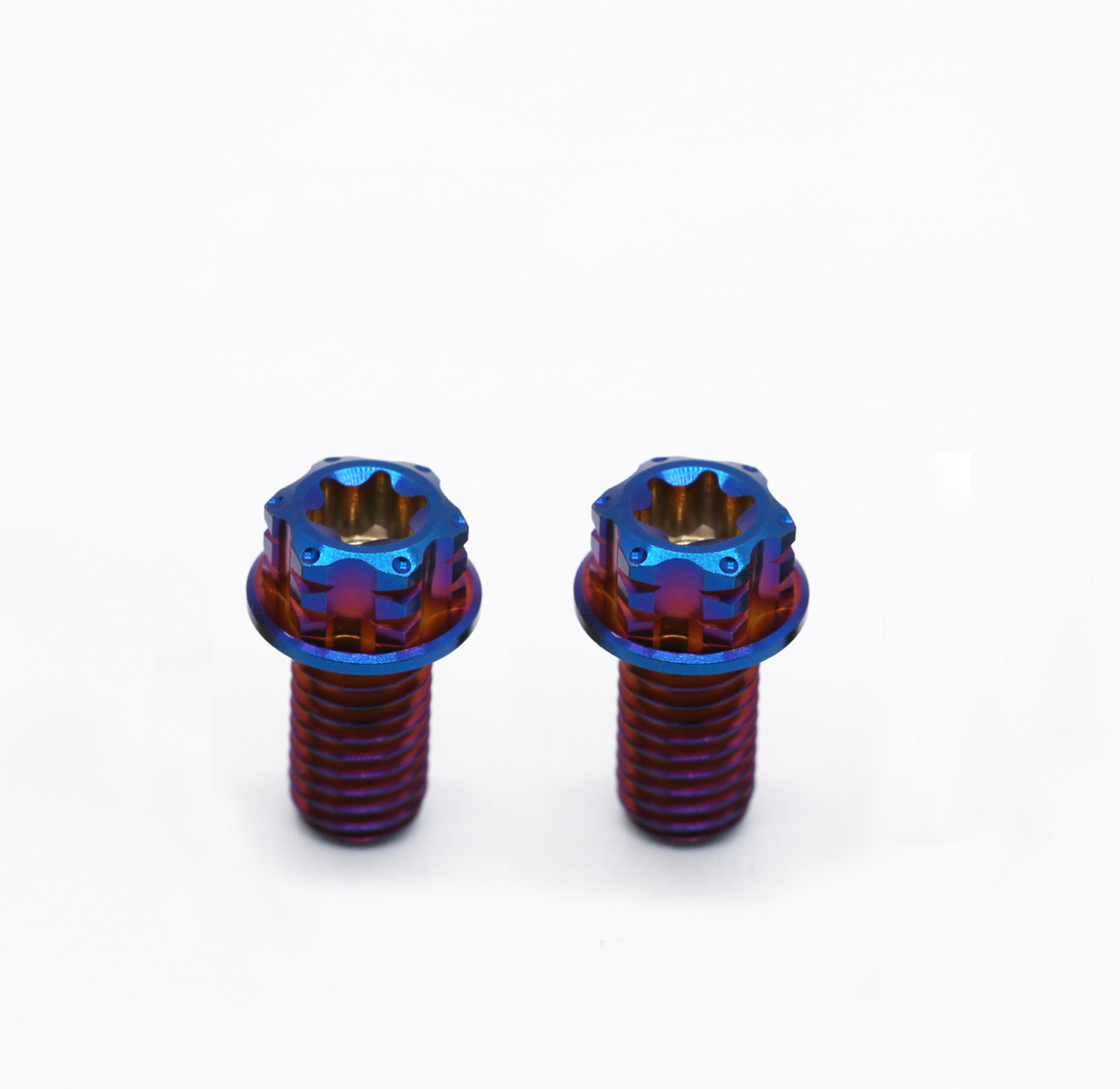
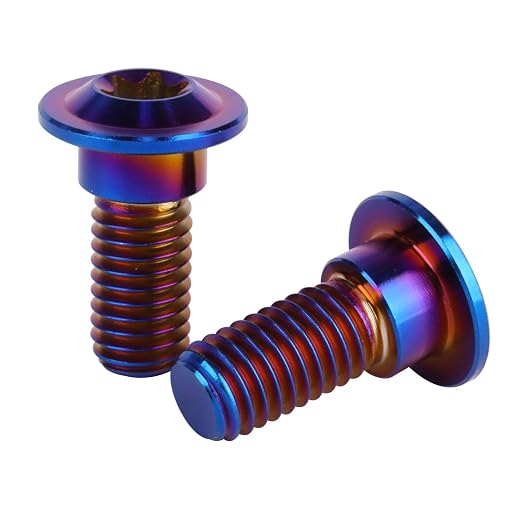
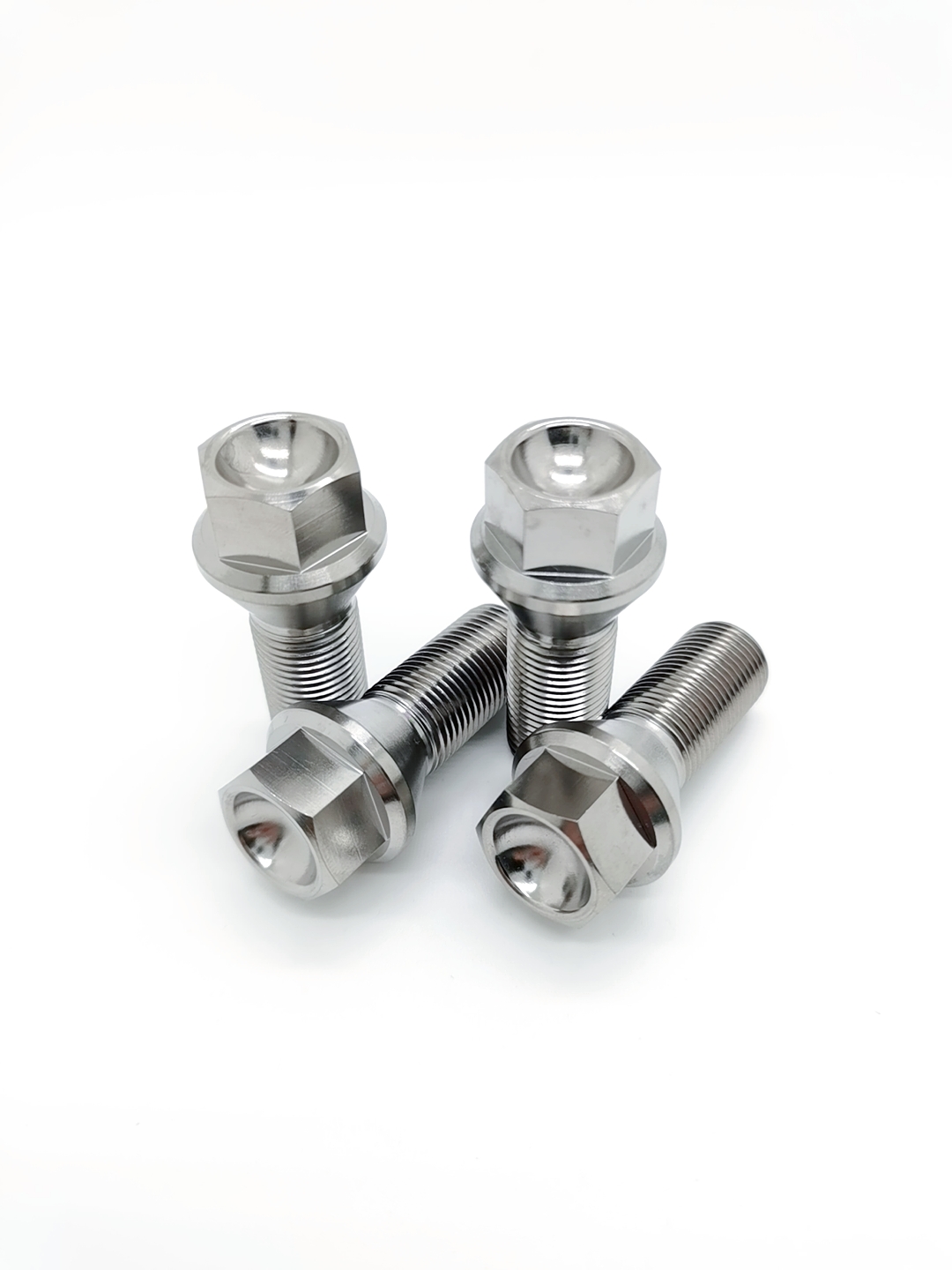
A comprehensive technical evaluation of Grade 5 (Ti-6Al-4V) and Grade 2 micro-screws (M0.6 to M3.0) engineered to withstand severe vibrational, biomedical, and corrosive environments.
Micro-screws fabricated from alpha-beta alloy Grade 5 Ti-6Al-4V deliver a tensile strength exceeding 895 MPa while having a density of only 4.43 g/cm³. This is approximately 45% lighter than structural 316L stainless steel and structural 8.8-grade alloy steels. In micro-electromechanical assemblies (MEMS), missile telemetry guidance clusters, and aerospace sensor pods, this mass delta directly prevents inertial screw loosening under extreme G-force acceleration curves.
Unlike standard fasteners cut with conventional dies that sever internal grain lines, our micro-fasteners utilize cold-rolled thread geometry down to 0.2mm pitch. Thread rolling creates continuous compressive residual stress across the thread root, enhancing shear endurance and mitigating the micro-notch sensitivity inherent to titanium alloys. For biomedical micro-screws down to M0.8, thread crest profiles are optical-comparator verified to ISO 965-1 Class 4h6h limits.
Titanium instantly forms a self-healing native titanium dioxide (TiO₂) dielectric passivation layer. In implantable clinical devices and marine-exposed avionic connectors, this passive layer resists pitting corrosion, galvanic oxidation, and physiological saline degradation. When specified for human contact or hermetic electronics, parts undergo ultrasonic solvent degreasing and ASTM F86 chemical passivation to eliminate tramp free-iron contamination.
| Property Parameter | Ti-6Al-4V Gr5 (Annealed) | Ti-6Al-4V ELI (ASTM F136) | Commercial Pure Gr2 | 316L Stainless Steel | 7075-T6 Aluminium |
|---|---|---|---|---|---|
| Ultimate Tensile Strength (UTS) | ≥ 895 MPa (130 ksi) | ≥ 860 MPa (125 ksi) | ≥ 345 MPa (50 ksi) | 485–620 MPa | 572 MPa |
| Yield Strength (0.2% Offset) | ≥ 828 MPa (120 ksi) | ≥ 795 MPa (115 ksi) | ≥ 275 MPa (40 ksi) | ≥ 205 MPa | ≥ 503 MPa |
| Density | 4.43 g/cm³ | 4.43 g/cm³ | 4.51 g/cm³ | 8.00 g/cm³ | 2.81 g/cm³ |
| Modulus of Elasticity (GPa) | 114 GPa | 110 GPa | 103 GPa | 193 GPa | 71.7 GPa |
| Biocompatibility / Tissue Inertia | Good (Industrial / Aero) | Superior (Surgical / Implant) | Exceptional (Medical/Chemical) | Moderate (Nickel sensitivity) | Poor (Not implantable) |
| Corrosion Resistance (Chloride/Saline) | Immune to pitting <300°C | Immune (Bio-safe) | Virtually complete immunity | Susceptible to crevice pitting | Rapid stress-corrosion risk |
From Kelly Field aerospace maintenance facilities to South Texas Medical Center laboratories, our titanium micro-fasteners solve high-consequence mechanical assembly challenges.
San Antonio is one of the premier aviation overhaul, defense logistics, and military MRO epicenters in the United States, anchored by Port San Antonio and Joint Base San Antonio (JBSA-Lackland/Randolph). Avionics systems, radar guidance housings, turbine instrumentation brackets, and tactical flight computers require micro-fasteners that maintain zero dimensional drift across thermal cycles from -55°C to +180°C. Our M1.0 to M3.0 titanium micro-screws provide structural security without magnetic field interference for sensitive navigational compass modules.
The South Texas Medical Center complex in San Antonio generates billions in biomedical innovation, encompassing spinal implants, maxillofacial plating systems, micro-endoscopy cameras, and neurological sensors. Our titanium micro-screws, manufactured to ASTM F136 ELI (Extra Low Interstitial) specifications, provide uncompromised biocompatibility, human osteointegration capabilities, and full MRI safety compliance (non-ferromagnetic). Screws down to M0.8 diameter feature precision-machined cruciform and hexalobular drives designed for smooth surgical engagement without stripping.
Along the San Antonio-to-Austin advanced manufacturing spine and supporting the regional automotive manufacturing ecosystem (including Toyota Motor Manufacturing Texas - TMMTX tier suppliers), robotics, automated guided vehicles (AGVs), and battery module assemblies require lightweight fasteners that resist severe vibration. Grade 5 micro-fasteners secure circuit-level busbar monitors, optical LiDAR housings, and robotic end-effector micro-grippers with maximum payload preservation and zero rust under harsh assembly-floor duty cycles.
How San Antonio supply chain managers, defense contractors, and engineering procurement teams are modernizing titanium hardware acquisition strategies.
For decades, Texas aerospace and medical manufacturers relied on multi-tiered domestic distributors who added 200% to 400% markups on imported micro-machined hardware while obscuring original mill traceability. With the expansion of advanced research at Southwest Research Institute (SwRI) and defense electronics prototyping at Port San Antonio, regional engineering teams increasingly demand factory-direct supplier engagement. Direct engineering interaction allows San Antonio purchasers to review raw material certificates (EN 10204 3.1), specify exact custom thread chamfers, and customize drive broaching to eliminate assembly-line failure rates.
San Antonio's industrial climate features substantial temperature swings and humidity typical of South-Central Texas. When titanium fasteners interface with aluminum aerospace airframes (e.g., 6061-T6, 7075-T6) or carbon fiber composite mounts, galvanic potential differences must be engineered out. Local procurement trends prioritize titanium micro-screws pre-treated with proprietary micro-anodizing, PVD anti-friction coatings, or paired with dielectric washers. By sourcing directly from a mill-integrated Chinese factory equipped with in-house anodization, Texas OEMs receive fully certified assemblies ready for instant bin-stocking without post-processing delays.
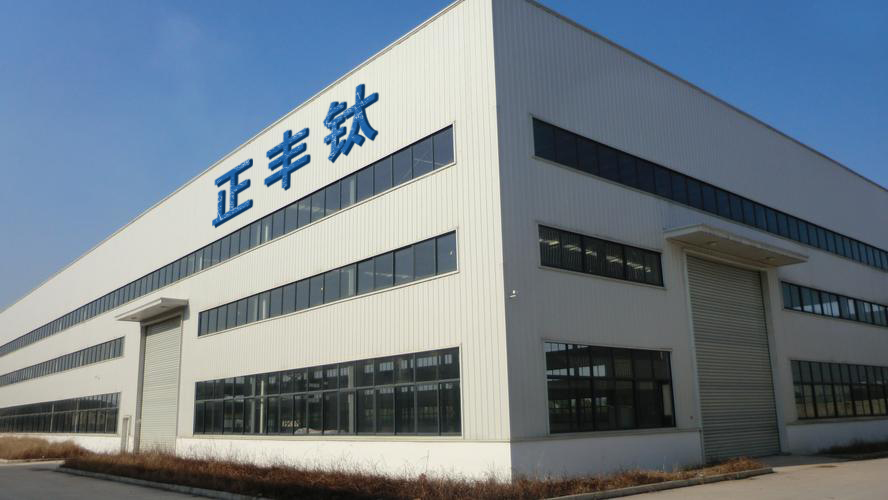
Operating since 2013 in Baoji—known globally as "China Titanium Valley"—we control the complete metallurgical journey from sponge ingot sourcing to 5-axis micro-turning.
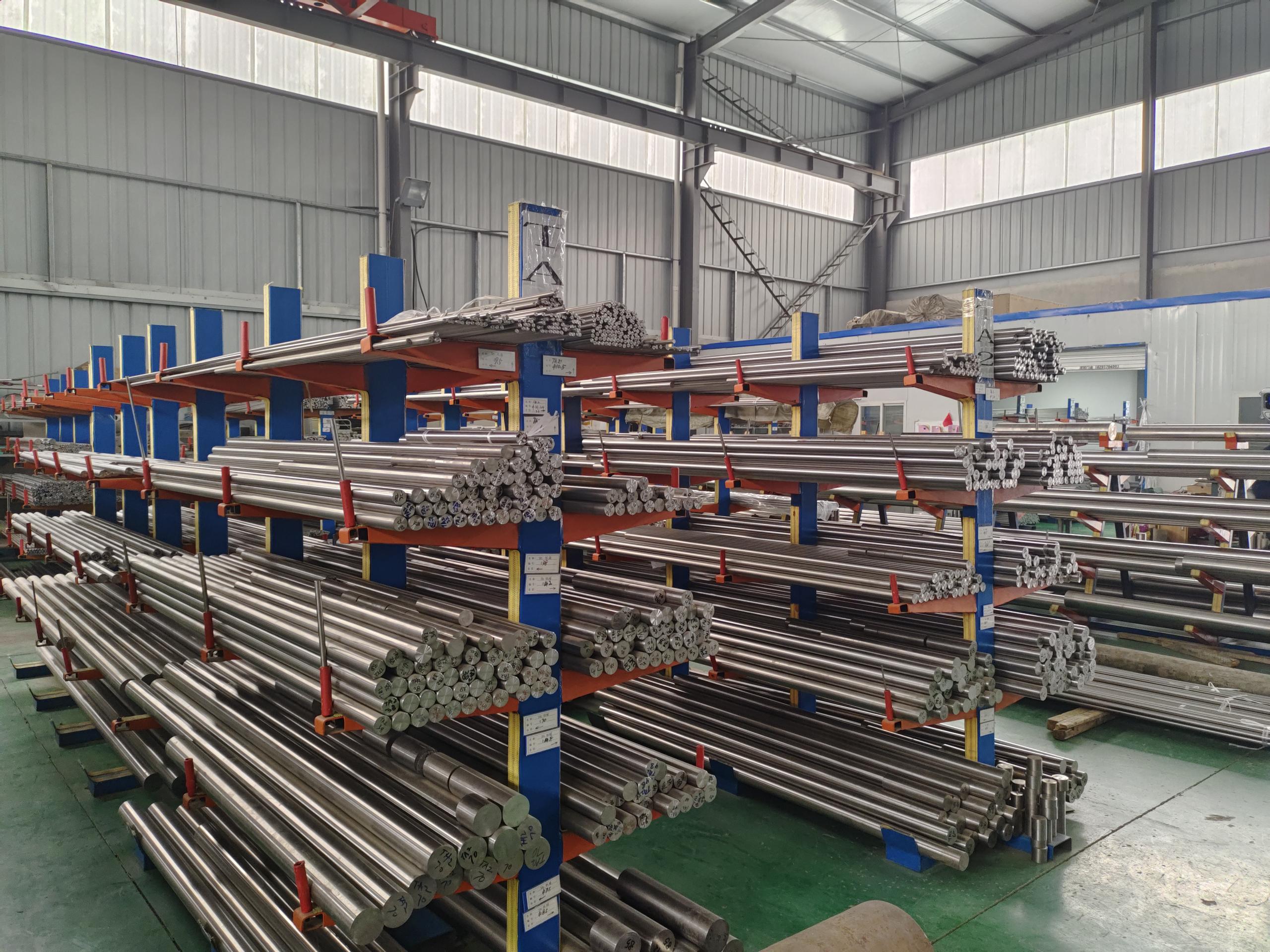
Our industrial production facilities are situated in the Honeycomb Industrial Park, Fenghuang 3rd Road, High-Tech Development Zone, Baoji, Shaanxi. Over 60% of China's titanium refining, smelting, and processing infrastructure is clustered in this single basin. Because we source certified ASTM B348 Grade 5 bars directly from upstream mills, our raw metal costs are 25% lower than non-hub machine shops, and heat-lot traceability is never compromised.
Specific, authoritative guidance addressing material standards, customs logistics into Texas, quality certifications, and mechanical design considerations.
Grade 2 is commercially pure (CP) titanium featuring minimum tensile strength of 345 MPa. It has exceptional ductility, supreme corrosion resistance in chemical/seawater reagents, and is ideal for non-structural housings, medical enclosures, and sensor covers. Grade 5 (Ti-6Al-4V), an alpha-beta alloy, is heat-treatable and provides high tensile strength (minimum 895 MPa / 130 ksi) with a yield point above 828 MPa. Grade 5 is standard for load-bearing aerospace joints, automotive tuning, rotor assemblies, and surgical bone fixation micro-plates where high shear strength is mandatory.
Yes. We stock medical-grade Ti-6Al-4V ELI (Extra Low Interstitial) conforming to ASTM F136 and ISO 5832-3. This grade limits interstitial elements (carbon, oxygen, nitrogen, and iron) to extremely low levels, providing superior fracture toughness and bio-inert performance for permanent orthopedic implants, maxillofacial reconstruction plates, and surgical tools. Every medical-grade batch is accompanied by EN 10204 Type 3.1 material certificates verifying chemical breakdown and mechanical tensile data.
Because titanium forms a rapid oxide skin that can friction-weld against other metals (especially other titanium, aluminum, or stainless components) during high-speed torque driving, we recommend three proven design strategies: First, specify precision-rolled threads rather than cut threads to maintain uniform microscopic thread flanks; second, utilize specialized PVD coatings (such as DLC or TiN) or hard-anodizing (Type II / Type III) to alter surface hardness; third, specify the application of an approved dry-film or fluoropolymer anti-seize paste during installation. Our technical team can advise on optimal seating torque calculations for your thread dimensions.
For high-value micro-screws and custom CNC parts, standard fulfillment is handled via express air freight (DHL, FedEx International Priority, UPS) with transit times to San Antonio International Airport (SAT) or direct facility delivery taking just 3 to 5 business days from dispatch. We support all recognized Incoterms: EXW, FOB (Shanghai/Shenzhen), CIF, and particularly DDP (Delivered Duty Paid), where our logistics network handles US Customs clearance, HTS code classifications, import tariffs, and inland Texas transport directly to your manufacturing floor.
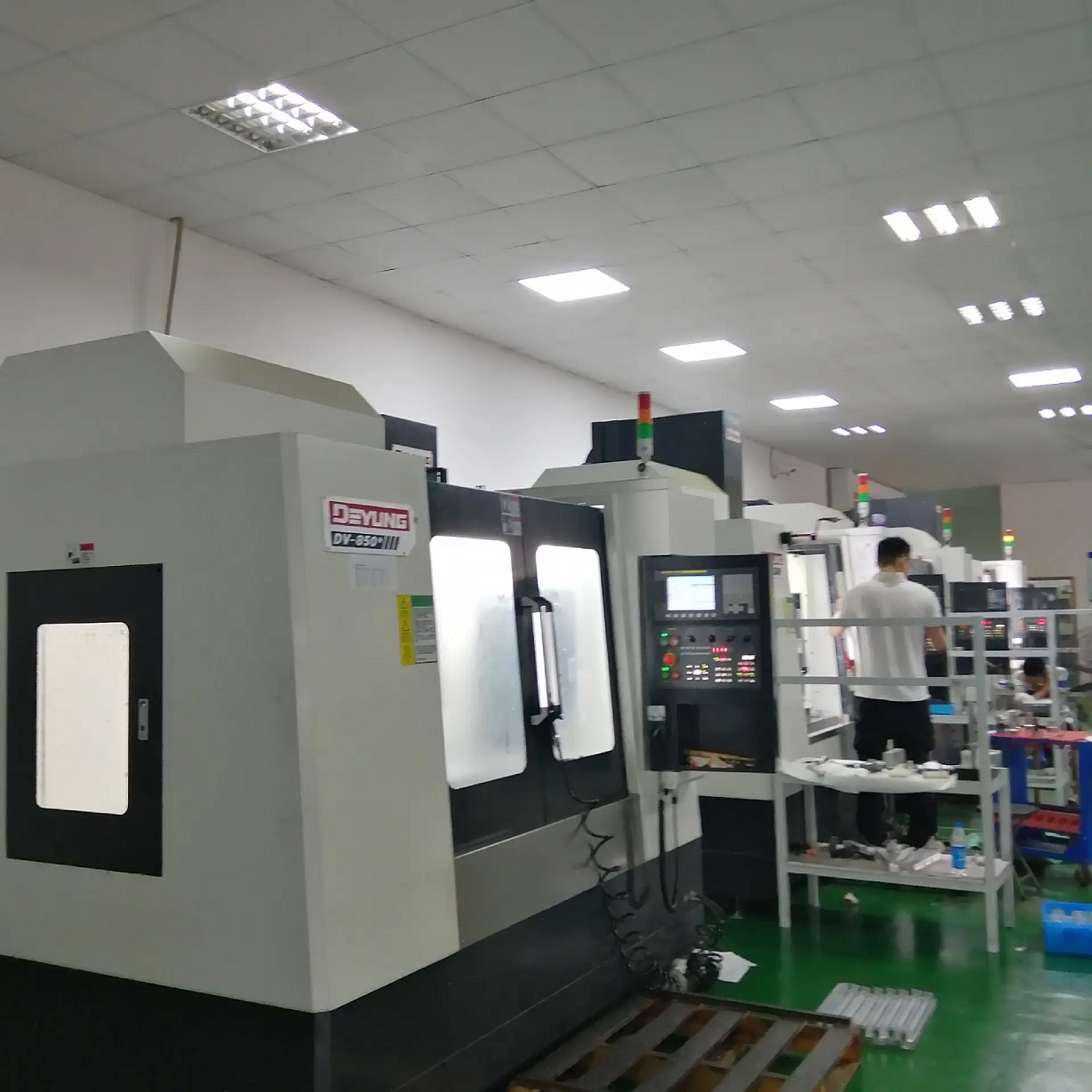
Absolutely. Our Swiss-type CNC micro-machining centers easily cut and roll both Metric fine threads (ISO 965 M0.8x0.2, M1.0x0.25, M1.2x0.25, M1.6x0.35, M2.0x0.4) and American Unified thread profiles (UNC, UNF, UNEF from #00-90, #0-80, #1-72, up to 1/4"-28). We can also machine proprietary thread tapers and step-shoulder diameters based on your confidential 2D (PDF/DWG) or 3D (STEP/IGES) CAD models.
For catalogue items and standard hex/Torx screws where raw bar stock is already staged, our MOQ starts as low as 20 to 50 pieces, allowing San Antonio R&D teams to conduct fit checks and prototyping without massive initial capital outlays. For fully customized micro-screws requiring dedicated CNC tool setups and specialized thread roll dies, MOQs typically range from 200 to 500 pieces, with generous volume price breaks for continuous scheduled delivery contracts.
Standard color titanium anodizing is an electrochemical process that thickens the native surface titanium oxide (TiO₂) film through light interference rather than adding a heavy physical deposit like paint or electroplating. The thickness growth is measured in nanometers (10 to 200 nm), which does not affect thread pitch, pitch diameter, or Class 4h6h tolerance limits. However, if specifying Type II heavy-wear gray anodizing or micro-arc oxidation, our engineering team adjusts the pre-machining pitch offset to account for microscopic growth.
Every raw material heat lot is quarantined upon arrival in our Baoji facility and tested via chemical analysis before bar sawing. During CNC manufacturing, parts undergo first-article inspection, automated vision sorting, and periodic batch gauging every 50 pieces. Finished screws are cleaned via ultrasonic degassing, packed in anti-static, moisture-sealed micro-compartment packaging to prevent thread contact bruising during international transport, and shipped with complete inspection reports and material certificates.
Accelerate your next aerospace avionics, medical device, or industrial engineering project. Send your CAD drawings, required titanium grade (Gr2, Gr5, ASTM F136), dimensional specifications, and target quantities for an authoritative factory-direct quotation within 24 hours.
As industrial manufacturing along the Interstate 35 and Interstate 10 corridors accelerates, companies operating throughout San Antonio, New Braunfels, San Marcos, and Austin are reassessing traditional single-source fastener arrangements. Escalating supply bottlenecks and the requirement for precision-engineered micro-mechanics have created high demand for direct relationships with technical manufacturers who possess deep metallurgical competence.
By maintaining our production base in Baoji, China's designated titanium metal innovation zone, Yevzo Titanium Metal Co., Ltd. eliminates redundant distribution steps while offering San Antonio enterprise buyers true ISO-certified quality, certified EN 10204 3.1 mill pedigree, transparent pricing structures, and responsive engineering collaboration. Contact our engineering team today to review your application specifications or request test samples for your laboratory validation.