Engineering Overview: Titanium Machine Screws for Houston Industry
As the undisputed Energy Capital of the World and an expanding international nexus for aerospace, offshore energy, and performance mechanical engineering, Houston presents operating environments that quickly expose the limits of standard austenitic stainless steels (AISI 304, 316L) and coated alloy steels. Whether deployed along the corrosive saltwater channels of the Houston Ship Channel, exposed to downhole hydrogen sulfide in Gulf Coast reserves, or installed in vibration-heavy turbocharger components, fastening integrity is paramount. Yevzo Titanium Metal Co., Ltd. serves as an overseas manufacturing partner and direct exporter of Grade 2 (unalloyed CP-Ti) and Grade 5 (Ti-6Al-4V) titanium machine screws directly to stocking distributors, procurement contractors, and OEM machine shops across Harris County and the wider Texas Gulf Coast region.
Machine screws differ critically from large structural studs and bolts in terms of profile, pitch precision, and shear distribution. When engineers specify machine screws—typically ranging from sub-miniature diameters (M1.6 to M3) up to primary mechanical sizes (M4 through M12)—thread accuracy, concentricity, and galling resistance govern operational life. Operating from Baoji, Shaanxi (China's renowned "Titanium Valley"), Yevzo manages a fully integrated production line ranging from certified ASTM B348 bar peeling to automated high-speed multi-axis CNC Swiss turning. Our direct trade pipelines to Port Houston and George Bush Intercontinental Airport (IAH) ensure that procurement heads receive factory-direct wholesale pricing backed by verified mill test reports (EN 10204 3.1) and zero distributor markups.
Material Selection: Commercially Pure Grade 2 vs. Alpha-Beta Grade 5 (Ti-6Al-4V)
A frequent point of inquiry from Houston mechanical engineers involves selecting between commercially pure Grade 2 and dual-phase Grade 5 titanium for machine screw fastenings. The mechanical and chemical properties between these two grades dictate their functional deployment:
| Property Parameter | Titanium Grade 2 (ASTM B348) | Titanium Grade 5 (Ti-6Al-4V) | 316L Stainless Steel | Alloy Steel 8.8 Class |
|---|---|---|---|---|
| Density (g/cm³) | 4.51 | 4.43 | 8.00 | 7.85 |
| Minimum Tensile Strength | 345 MPa (50 ksi) | 895 MPa (130 ksi) | 485 MPa (70 ksi) | 800 MPa (116 ksi) |
| Minimum Yield Strength (0.2%) | 275 MPa (40 ksi) | 828 MPa (120 ksi) | 205 MPa (30 ksi) | 640 MPa (93 ksi) |
| Elongation at Break (%) | ≥ 20% | ≥ 10% | ≥ 40% | ≥ 12% |
| Modulus of Elasticity | 105 GPa | 114 GPa | 193 GPa | 205 GPa |
| Chloride Pitting Resistance | Immune (<100°C) | Immune (<315°C) | Moderate / Pitting Susceptible | Very Poor (Corrodes) |
Grade 2 machine screws are predominantly specified by Houston's chemical processing facilities and environmental sampling equipment manufacturers because of pure titanium's unyielding resistance to oxidizing acids, sour gas (H2S), and warm seawater. Conversely, Grade 5 (Ti-6Al-4V)—an alloy balanced with 6% Aluminum and 4% Vanadium—undergoes rigorous solution treatment and aging to achieve tensile thresholds matching or exceeding hardened grade 8.8 and metric 10.9 steel bolts. For downhole telemetry pods, drone avionics, and high-performance racing components fabricated around Greater Houston, Grade 5 represents the definitive gold standard.
Houston-Centric Industrial Application Scenarios
Gulf Coast Subsea & Offshore
Marine sensor enclosures, Remotely Operated Vehicles (ROVs), subsea Christmas trees, and underwater ultrasonic flowmeters operating in the Gulf of Mexico require fasteners impervious to crevice corrosion under prolonged hydrostatic exposure. Grade 2 and Grade 5 titanium screws avoid galvanic destruction in saline spray environments.
Petrochemical & Refining Columns
Within the refining belts of Baytown, Pasadena, and Deer Park, chlorine wash units, nitric acid columns, and polymer synthesis lines require machine hardware that resists embrittlement. Titanium machine screws resist degradation in aggressive oxidizing environments, eliminating unscheduled shutdowns.
Commercial Space & Defense Systems
With major aerospace corridors surrounding NASA Johnson Space Center, Ellington Field, and regional commercial rocket launch providers, mass optimization is non-negotiable. Our custom CNC-turned countersunk and socket screws shed gram-level payload mass without sacrificing thermal stability.
Emerging Localization Trends Across the Texas Gulf Coast
Procurement dynamics within Greater Houston are shifting toward proactive risk mitigation and long-term Lifecycle Cost Analysis (LCCA). Historically, oil & gas engineers selected 316 stainless screws for low-load instrumentation manifolds due to lower upfront piece costs. However, rapid micro-pitting caused by salt spray along the Ship Channel led to high maintenance costs, stuck fasteners, and galling that forced expensive drill-out operations during shutdowns. Forward-thinking maintenance directors are adopting Grade 5 titanium fasteners as standard drop-in replacements across offshore platforms and coastal processing plants.
Simultaneously, the explosive growth of electric vehicle (EV) battery manufacturing, battery pack testing facilities, and cryogenic liquid natural gas (LNG) export terminals in Freeport and Sabine Pass has generated surging demand for non-magnetic, cryogenic-tolerant hardware. Unlike ferritic steels that transition into brittle behavior below freezing, Grade 5 titanium retains excellent notch toughness and tensile ductility at cryogenic scales down to -196°C (-320°F), making our machine screws the preferred choice for LNG manifold valving, sensor brackets, and cryogenic instrumentation blocks.
Factory Manufacturing Competencies & Quality Architecture
Founded in 2013, Yevzo Titanium Metal Co., Ltd. operates across the Honeycomb Industrial Park within Baoji's High-Tech Development Zone. Our facilities house over 100 dedicated machining units, combining precision Swiss-type lathes, 5-axis CNC machining centers, high-speed thread rolling machines, and in-house anodizing lines. Unlike generalist traders or brokers, we control the entire lifecycle of our non-ferrous fasteners:
Baoji Raw Material
Direct supply agreements with primary titanium sponge melters assure 100% heat-lot traceability, ultrasonic flaw detection, and strict ASTM B348 compliance.
Precision Thread Rolling
For critical load applications, our rolled threads ensure uninterrupted grain flow lines, improving cycle-to-failure fatigue limits compared to basic cut threads.
Advanced Surface Engineering
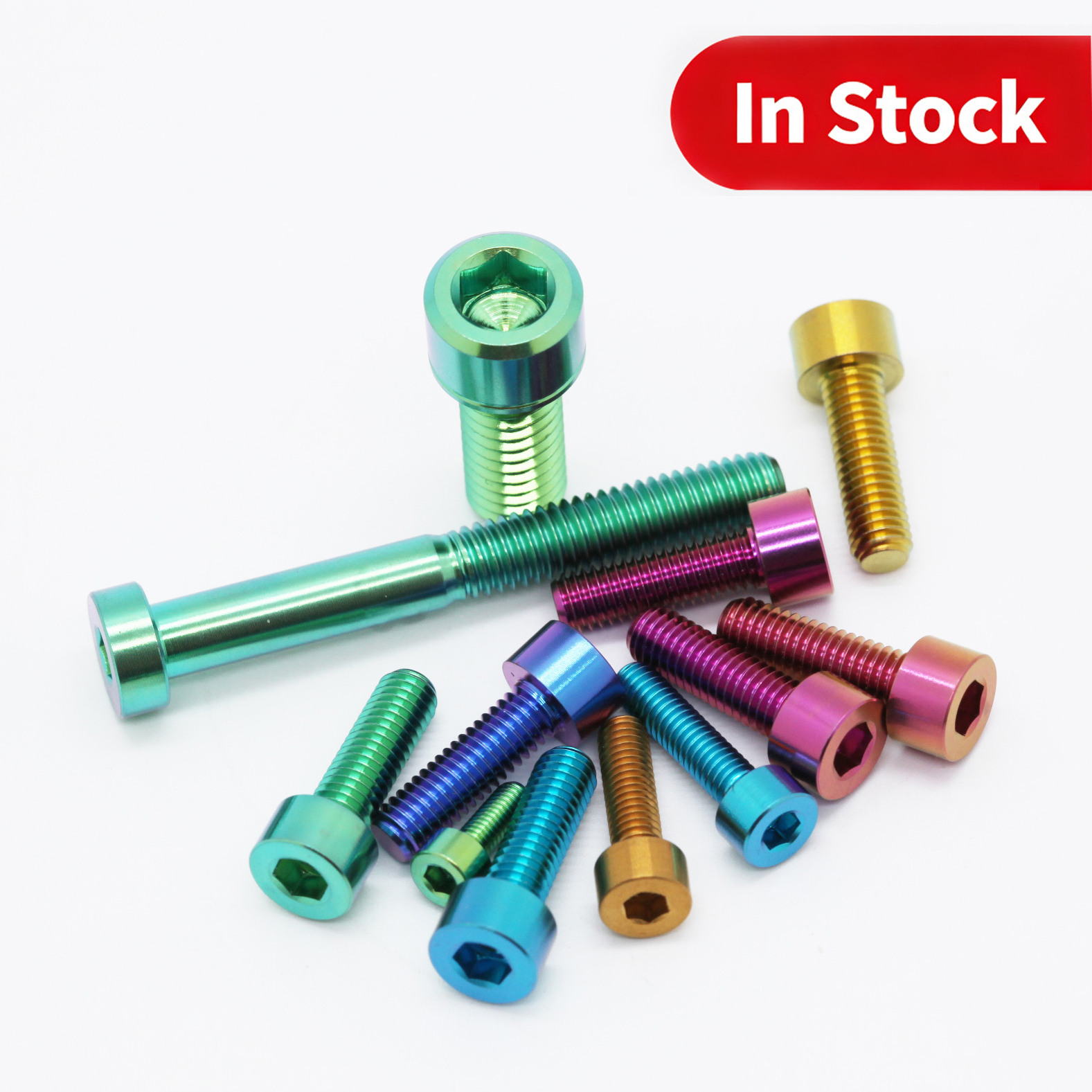
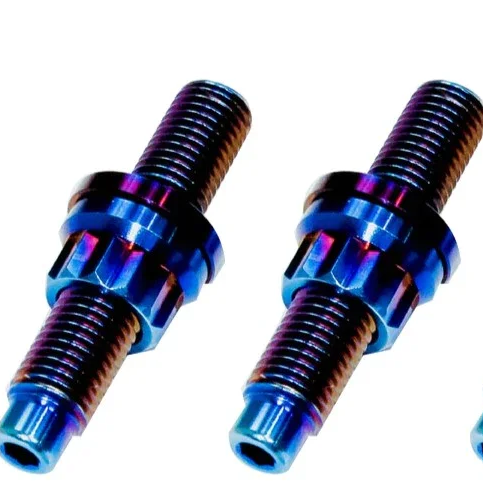
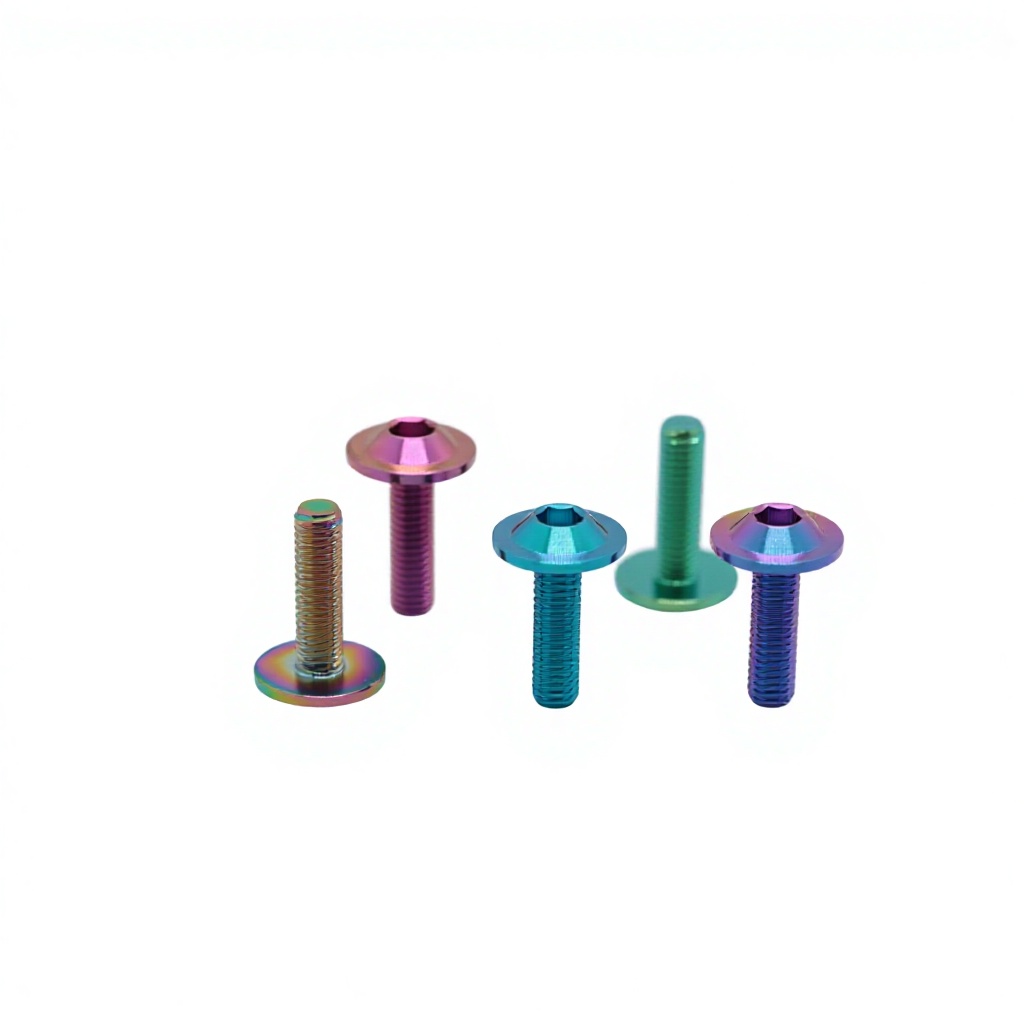
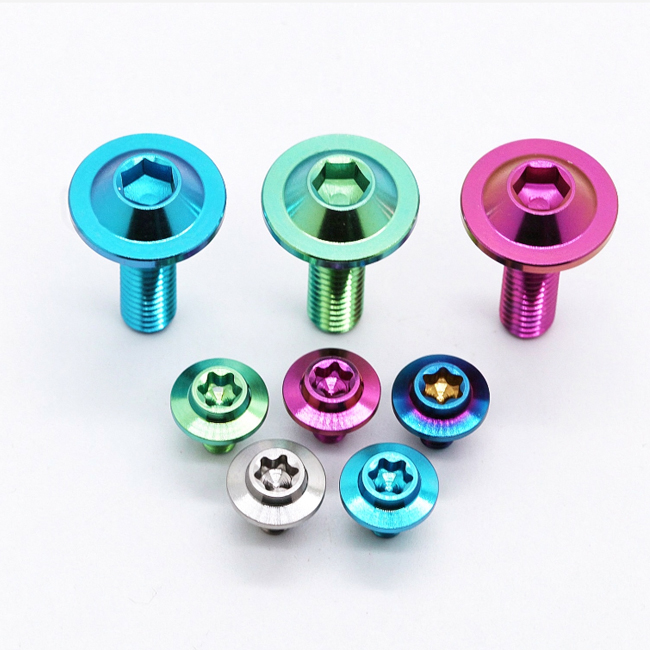
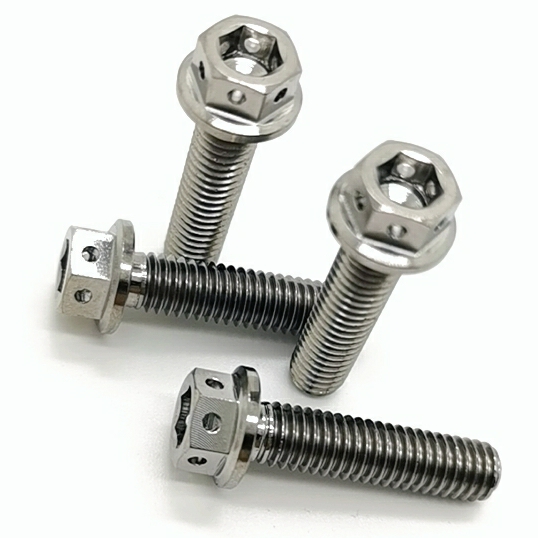
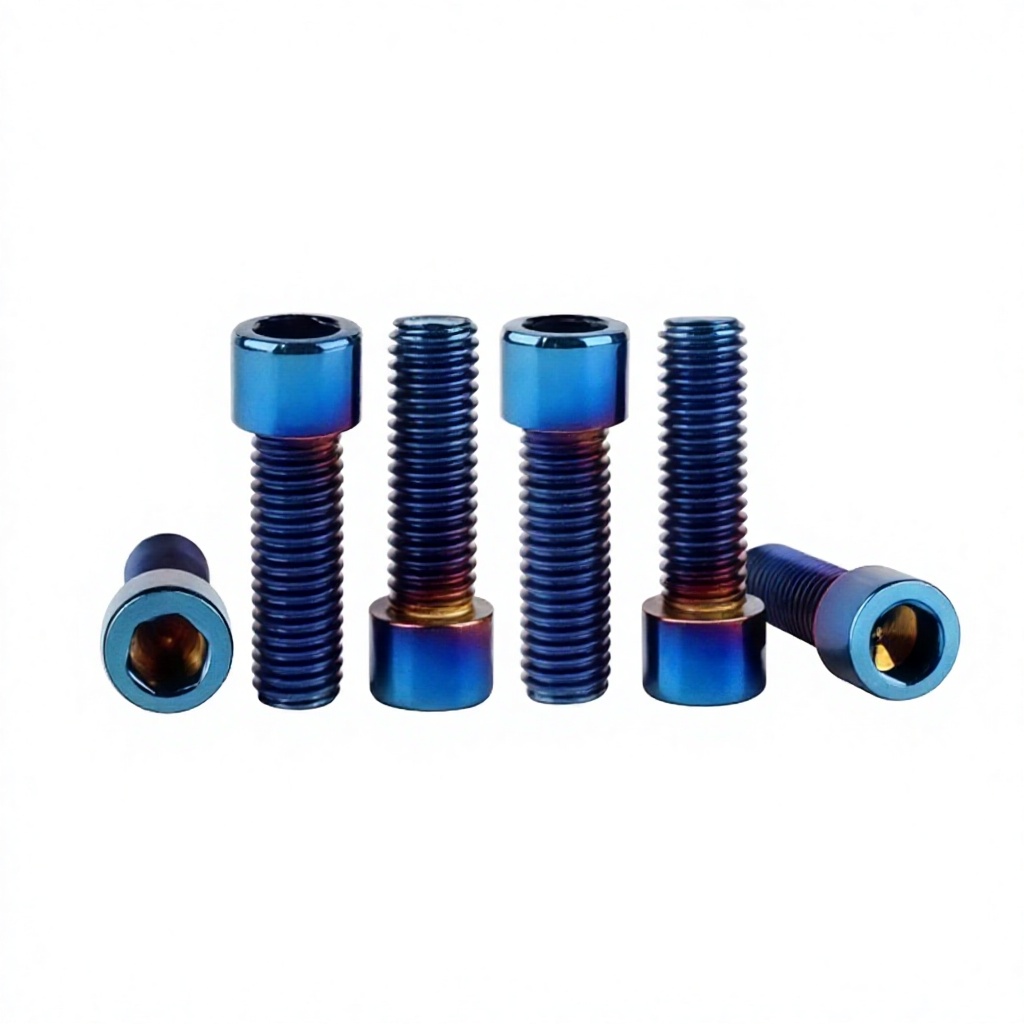
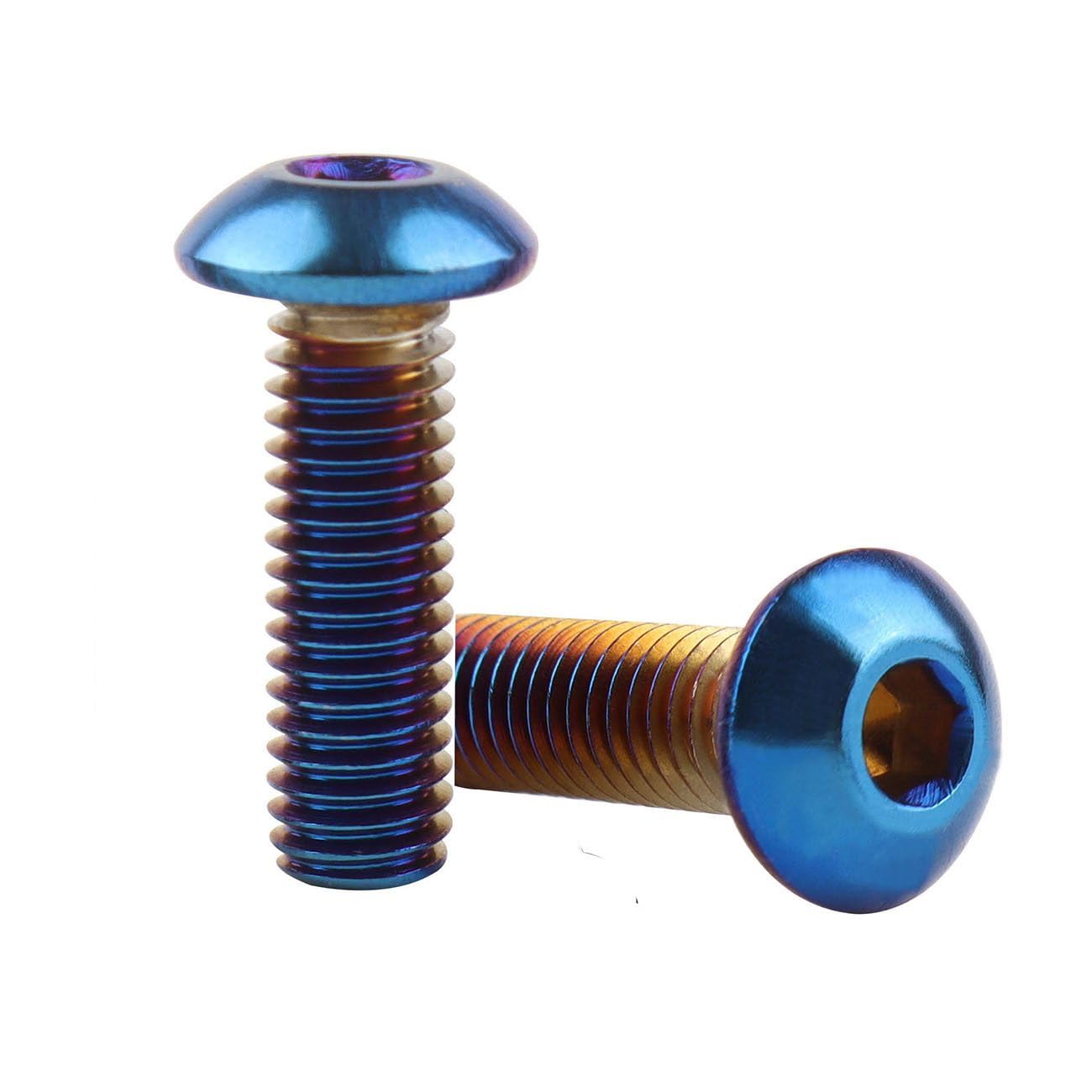
We supply plain degreased, mirror-polished, micro-bead blasted, and anodized finishes (Gold, Burnt Blue, Purple, Black PVD) to meet visual and protective specs.
Certified Verification
Every shipment is subjected to coordinate measuring machine (CMM) dimensional checks, optical thread pitch verification, and optical emission spectroscopy.
We support Houston engineering teams with responsive design services, converting CAD models, STEP files, or PDF shop drawings into production batches with standard turnarounds of 15 to 25 business days. Through consolidated sea freight to Port Houston or express air delivery to IAH, Yevzo provides competitive supply options tailored for both low-volume prototyping and continuous plant replenishment.
Procurement Best Practices: Galling Prevention & Torque Guidelines
Titanium fasteners develop a self-healing titanium oxide (TiO2) passivation film that delivers industry-leading corrosion protection. However, this same thin oxide layer can lead to thread galling or cold welding if machine screws are driven into unlubricated tapped holes at excessive speeds. For procurement professionals and plant mechanics in Houston, we emphasize three core installation principles:
- Use Anti-Seize Compounds: Always coat titanium male threads with a molybdenum disulfide (MoS2), nickel-based, or synthetic anti-seize lubricant formulated for titanium hardware prior to joint torquing.
- Observe Titanium-Specific Torque Values: Titanium's modulus of elasticity is approximately half that of carbon steel (114 GPa vs. 205 GPa). Tightening a Grade 5 titanium machine screw to standard steel torque charts can over-stretch the fastener. Calibrated torque values matched to titanium must be utilized.
- Prevent Galvanic Coupling with Aluminum: In high-humidity coastal settings along the Texas coast, pairing raw titanium directly against structural aluminum creates a minor galvanic cell. To avert sacrificial aluminum oxidation, incorporate non-conductive PTFE washers, ceramic coatings, or our factory-anodized barrier fasteners.