Class 12.9
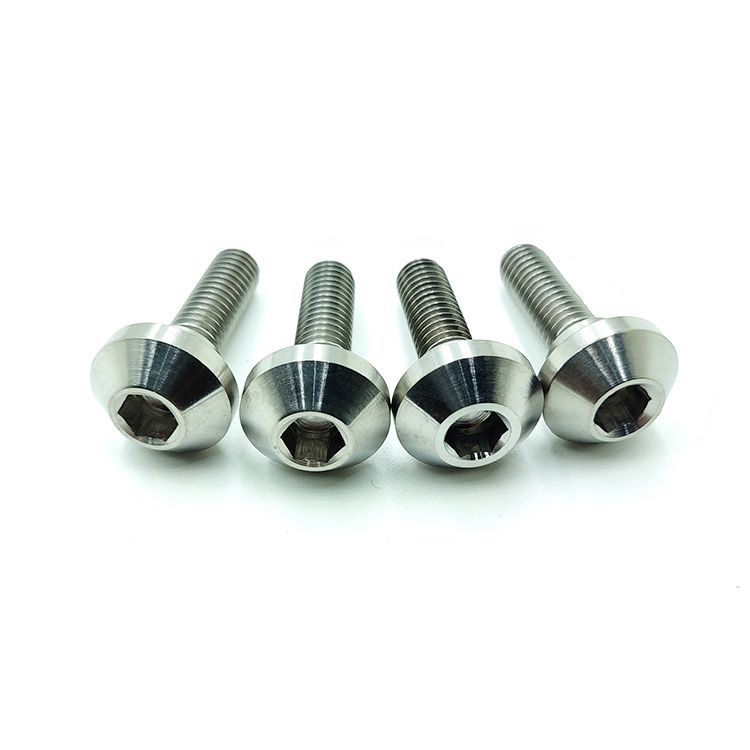
GR5 Titanium Alloy Anodized Brake Bolts for Motorcycle Modified High Performance Class 10.9 & 12.9
- GradeTi-6Al-4V (Gr5)
- Tensile Strength≥ 895 - 1100 MPa
- SurfacePVD Anodized / Burnt
Precision-engineered Grade 5 (Ti-6Al-4V) hardware meeting rigorous Class 10.9 and Class 12.9 mechanical thresholds, developed specifically for demanding industrial and performance automotive assemblies.
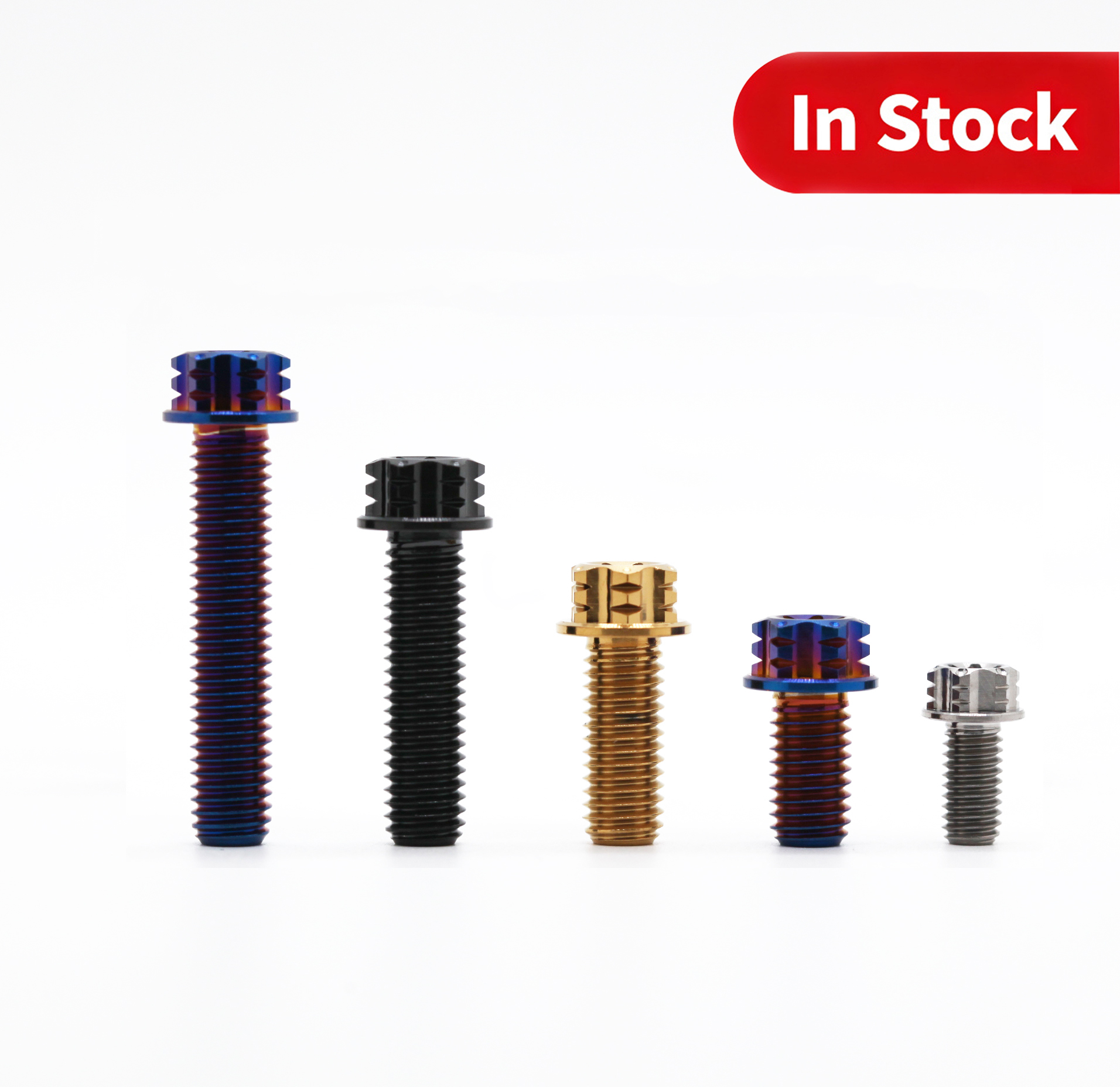
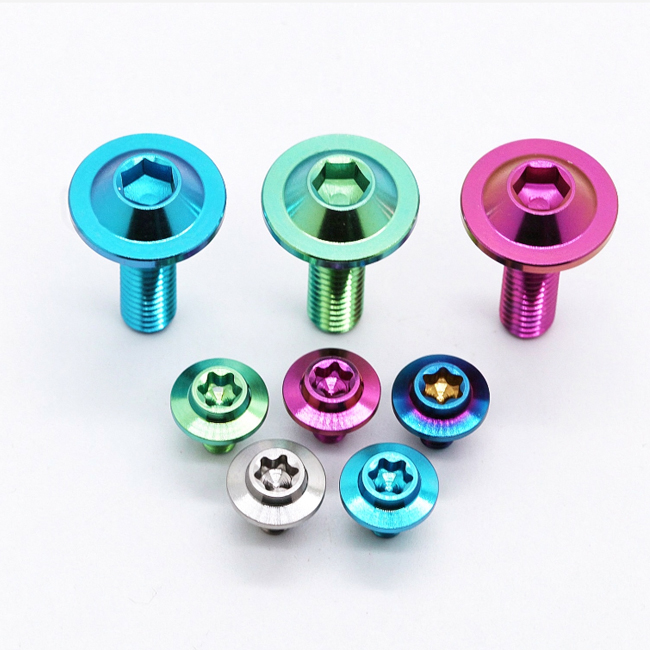
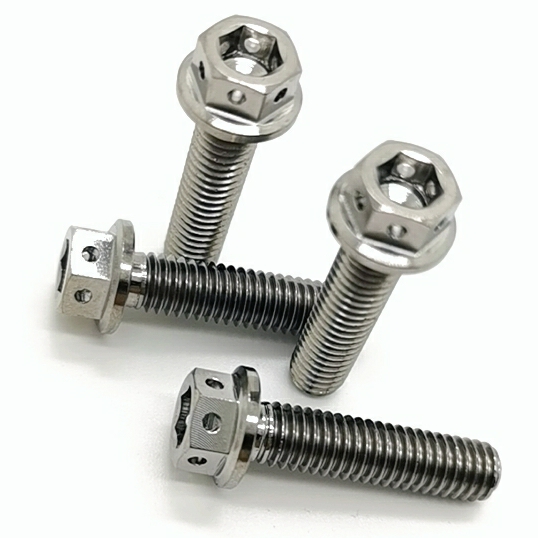
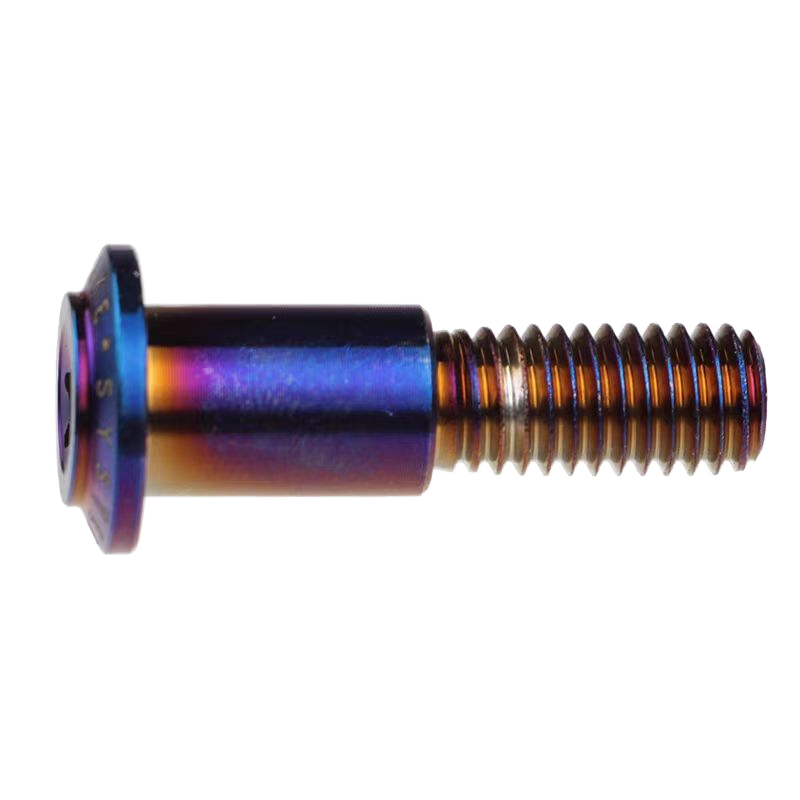
The industrial corridor of Kawasaki (Kanagawa Prefecture, Japan), positioned at the strategic center of the Keihin Industrial Area along Tokyo Bay, represents one of the world's most dense concentrations of heavy machinery, precision automotive prototyping, advanced petrochemical plants, and marine logistics infrastructure. In this intensely corrosive maritime climate paired with high cyclical mechanical stresses, conventional structural fasteners—specifically zinc-plated carbon steel (Class 8.8 and 10.9) and standard austenitic 304/316 stainless steels—encounter critical operational limits. Accelerated surface pitting, galvanic degradation, and stress-corrosion cracking (SCC) induce significant downtime and maintenance overhead.
As Kawasaki-based tier-1 engineering suppliers, specialized race workshops, and coastal marine operators pursue aggressive operational reliability, Grade 5 (Ti-6Al-4V) titanium wheel lug nuts, lug bolts, and powertrain fasteners have transitioned from an exotic racing novelty to an indispensable metallurgical standard. Engineered from an alpha-beta alloy comprising 6% aluminum and 4% vanadium, Gr5 titanium exhibits a specific strength-to-weight ratio that exceeds chrome-molybdenum steels, delivering a tensile threshold above 895 to 1050 MPa while slashing rotating mass by 44% (density: 4.43 g/cm³ vs. steel's 7.85 g/cm³).
| Alloy Specification | Yield Strength (MPa) | Tensile Strength (MPa) | Density (g/cm³) | Thermal Expansion (×10⁻⁶/K) | Marine Salt-Fog Resistance |
|---|---|---|---|---|---|
| Gr5 Titanium (Ti-6Al-4V Annealed) | 828 min. | 895 - 1100 | 4.43 | 8.6 | Immune (TiO₂ Passivation Layer) |
| Gr2 Commercial Pure Titanium | 275 min. | 345 min. | 4.51 | 8.6 | Exceptional (Non-Structural) |
| SCM435 Structural Alloy Steel (10.9) | 940 min. | 1040 - 1220 | 7.85 | 11.7 | Poor (Requires Galvanization/Flake) |
| 316 Austenitic Stainless Steel | 220 min. | 520 - 680 | 8.00 | 16.0 | Moderate (Prone to Crevice Attack) |
| 7075-T6 Forged Aluminum | 503 min. | 572 min. | 2.81 | 23.4 | Moderate (Susceptible to Stress Corrosion) |
The geographic and industrial deployment of titanium wheel lug nuts and specialized bolts across Kawasaki spans three vital sectors:
1. Motorsport Engineering & High-End Automotive Tuning (Tama & Nakahara Districts): In high-performance chassis dynamics, minimizing unsprung rotational mass is the most direct method to enhance suspension rebound frequency, shock damping responsiveness, and rotational inertia. Replacing heavy OEM steel wheel lugs with precision-machined Ti-6Al-4V lug nuts sheds approximately 0.5 to 0.8 kg of rotational mass across four wheel hubs. This reduction noticeably refines cornering turn-in response on technical circuits like Fuji Speedway or specialized test courses throughout Kanagawa, while eliminating thread seizure caused by extreme brake caliper heat radiant loads (>600°C).
2. Industrial Automation & Coastal Port Handling (Kawasaki Port & Ukishima District): Automated guided vehicles (AGVs), heavy container gantries, and automated yard cranes operating along Tokyo Bay face continuous exposure to salt-laden sea air, sulfurous industrial particulates, and dynamic torque cycles. While carbon steel wheel hardware suffers galvanic oxidation and seizing, Gr5 titanium spontaneously forms a ceramic-like, self-healing Titanium Dioxide (TiO₂) passive barrier that stops atmospheric oxidation entirely, ensuring rapid, safe wheel-hub disassembly without shearing fastener heads.
3. Electric Vehicle (EV) Powertrain & Battery Modular Packaging: As regional Japanese automotive manufacturers accelerate next-generation commercial EV platforms, curb weight reduction directly translates to range extension and battery load efficiency. Titanium lug nuts, hub studs, and chassis bolts provide critical weight optimization without sacrificing the rigorous load-bearing safety margins mandated by Japanese road safety legislation.
Operating continuously since 2013, Yevzo Titanium Metal Co., Ltd. bridges raw metallurgical dominance with micron-level Japanese manufacturing tolerances.
Sourcing directly from the origin in Baoji, China's "Titanium Valley", ensures every titanium ingot and forged rod has certified 100% heat-lot traceability, ASTM B348 compliance, and zero structural inclusions.
Equipped with high-precision 3-axis, 4-axis, and multi-spindle turn-mill CNC centers. Thread pitch, runout, and 60-degree cone seating angles are machined within ultra-tight ±0.01 mm dimensional tolerances.
Unlike budget machine shops that cut threads (severing the grain flow), all Yevzo critical-load lug nuts and studs feature cold-rolled threads. This retains unbroken longitudinal grain structure, boosting fatigue life by 300%.
Every shipment is accompanied by comprehensive EN 10204 3.1 Mill Test Reports, covering spectrophotometric chemical composition, tensile yield curves, elongation percentages, and optical thread inspection records.
The procurement ecosystem for non-ferrous hardware in Kanagawa Prefecture is witnessing distinct structural shifts. Historically dominated by conventional bulk imports of standard Japanese Industrial Standard (JIS) fasteners, local industrial engineers and performance specialists are redesigning their supplier matrices in response to three major market vectors:
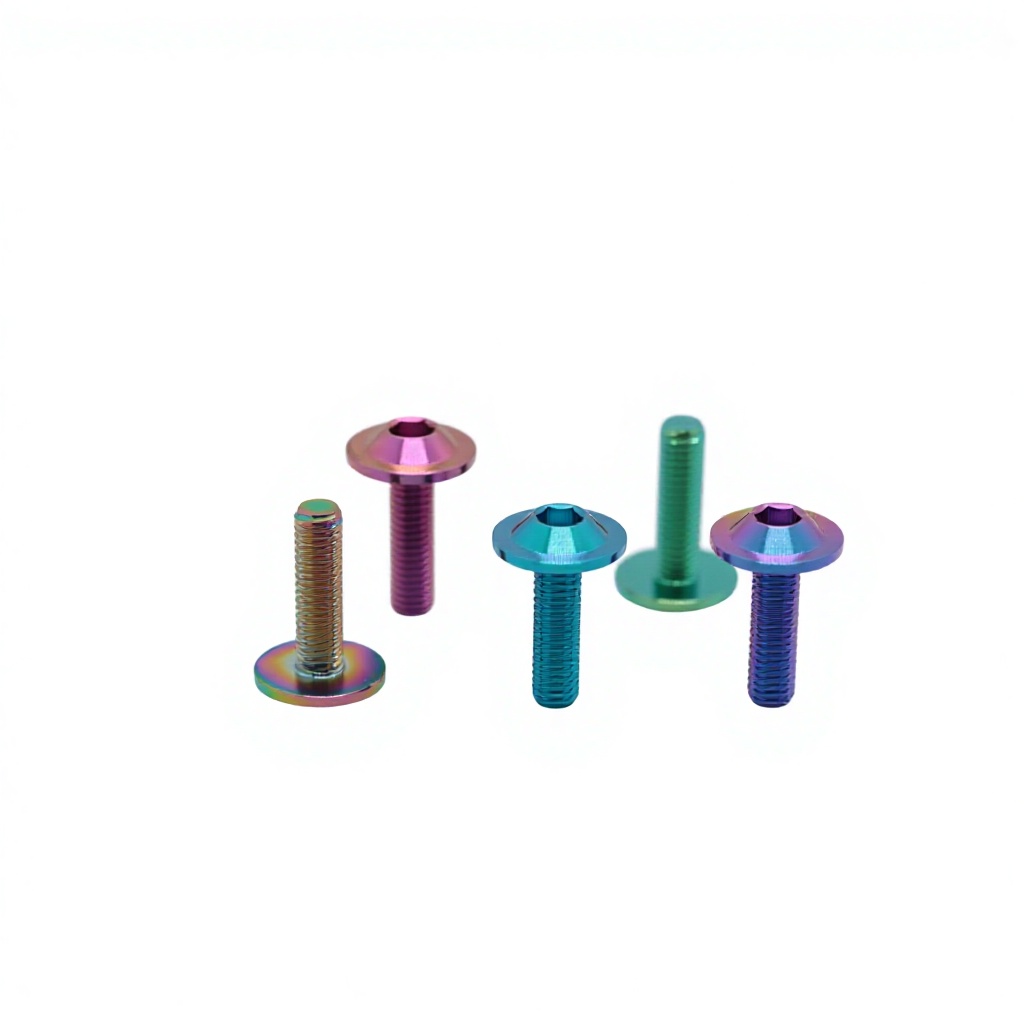
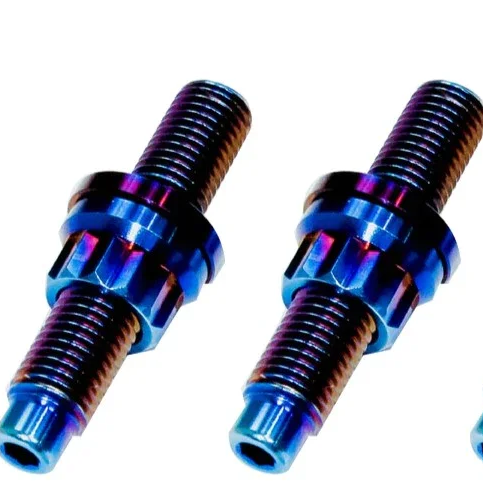
While electrochemical anodizing produces vibrant interference colors (gold, purple, burnt-rainbow), it relies on an expanded surface oxide layer which can wear during high-torque pneumatic impact wrench applications. Kawasaki race workshops and tuning facilities now specify PVD (Physical Vapor Deposition) Titanium Nitride (TiN) or Diamond-Like Carbon (DLC) coatings. PVD creates an ultra-hard surface layer (hardness >2500 HV) that resists abrasive chipping and thread wear across hundreds of high-speed wheel change cycles.
When tightening a monolithic lug nut onto an aftermarket forged magnesium or aluminum wheel, rotational friction between the nut seat and the wheel seat can score the softer wheel pocket, yielding uneven clamping forces and inaccurate torque readings. Kawasaki automotive builders increasingly procure two-piece floating seat titanium lug nuts (conical 60° or ball seat). The independent floating washer remains static against the wheel while the nut body rotates smoothly, eliminating galling and maximizing axial clamping load retention.
With Kawasaki being an international port hub, local distributors are phasing out domestic third-party brokers. By leveraging direct factory integration with manufacturers like Yevzo, engineering teams can configure custom wheel lug dimensions—such as lengthened M12×1.25, M12×1.5, M14×1.25, or M14×1.5 threads with internal torx or knurled open-ended barrels—in small production runs (MOQ 20–100 pieces) delivered directly via DDP express routes into Kanagawa within short cycle windows.
Addressing core metallurgical, assembly, torque specification, and international logistics concerns for procurement managers across Japan.
Looking for certified Gr5 titanium wheel lug nuts, custom motorcycle bolts, or structural CNC components delivered straight to the Kawasaki market? Consult with our Baoji engineering direct desk today.