Certified Fastener & Hardware Assemblies Ready for Export
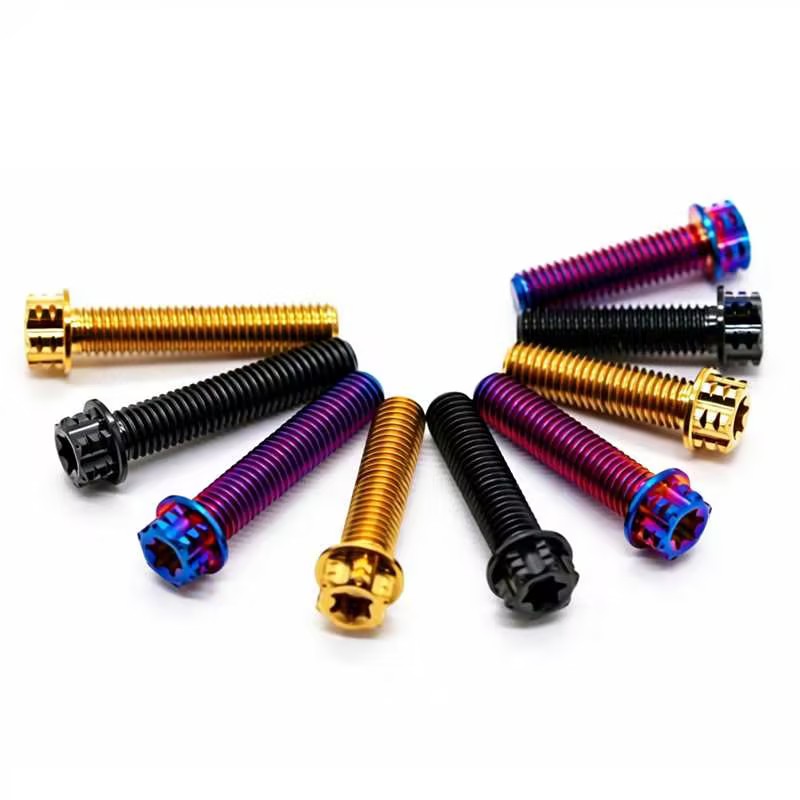
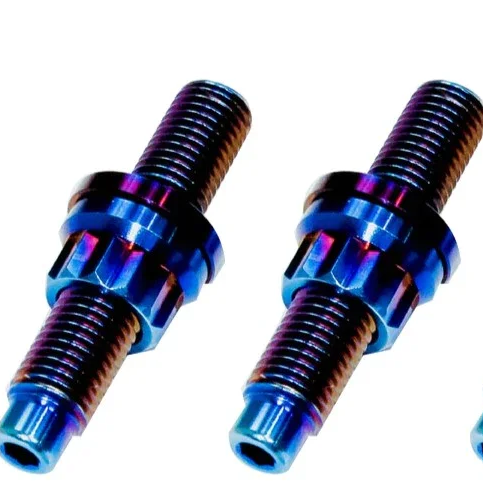
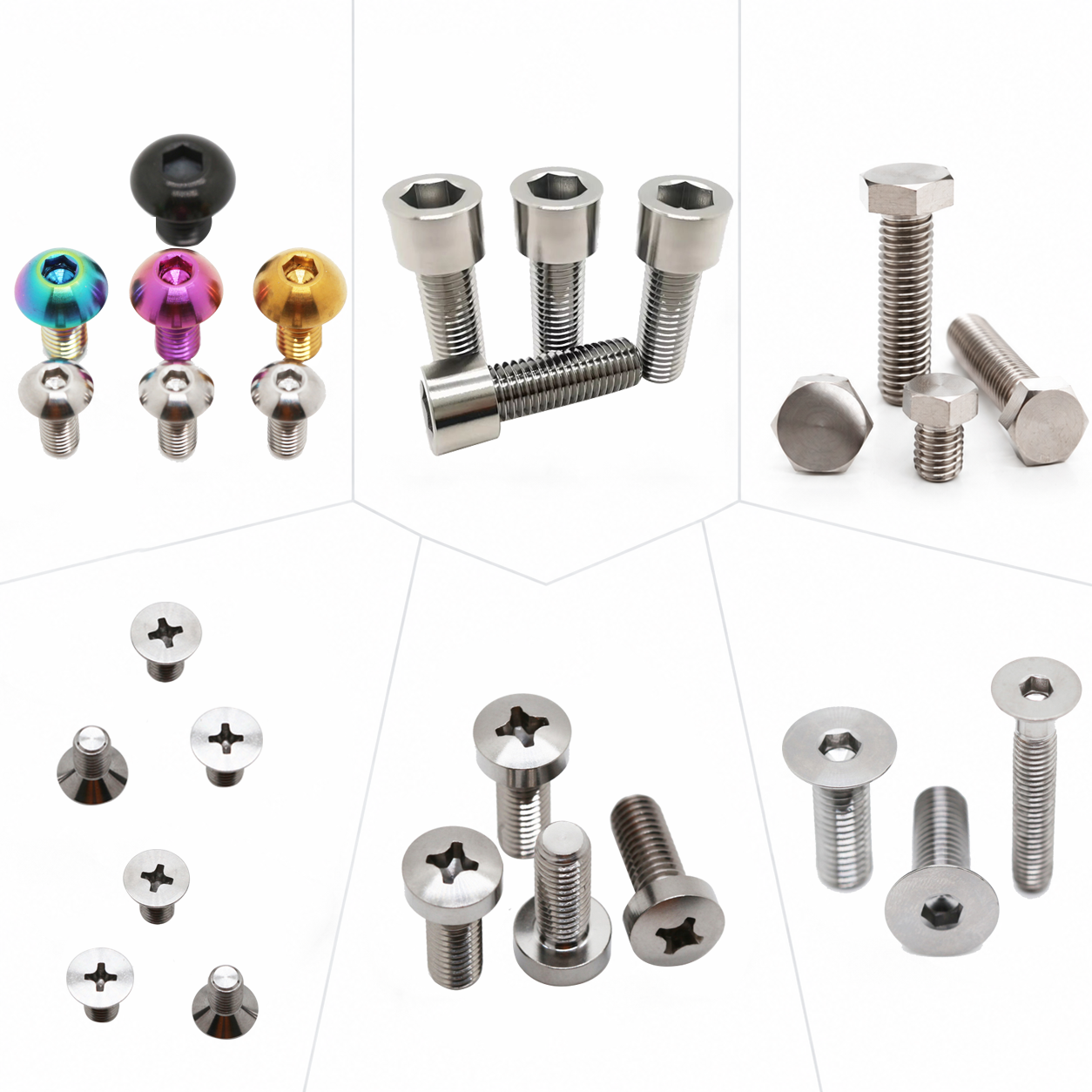
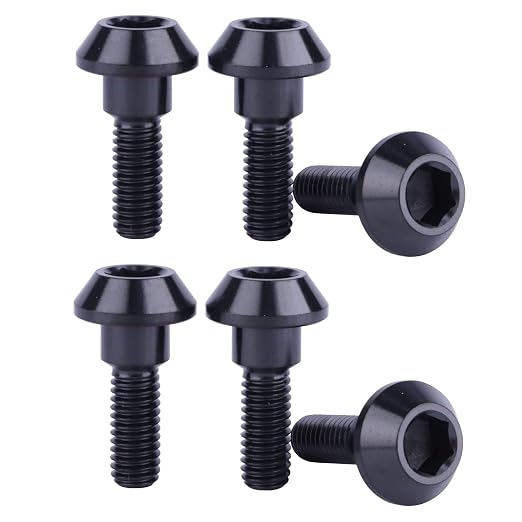
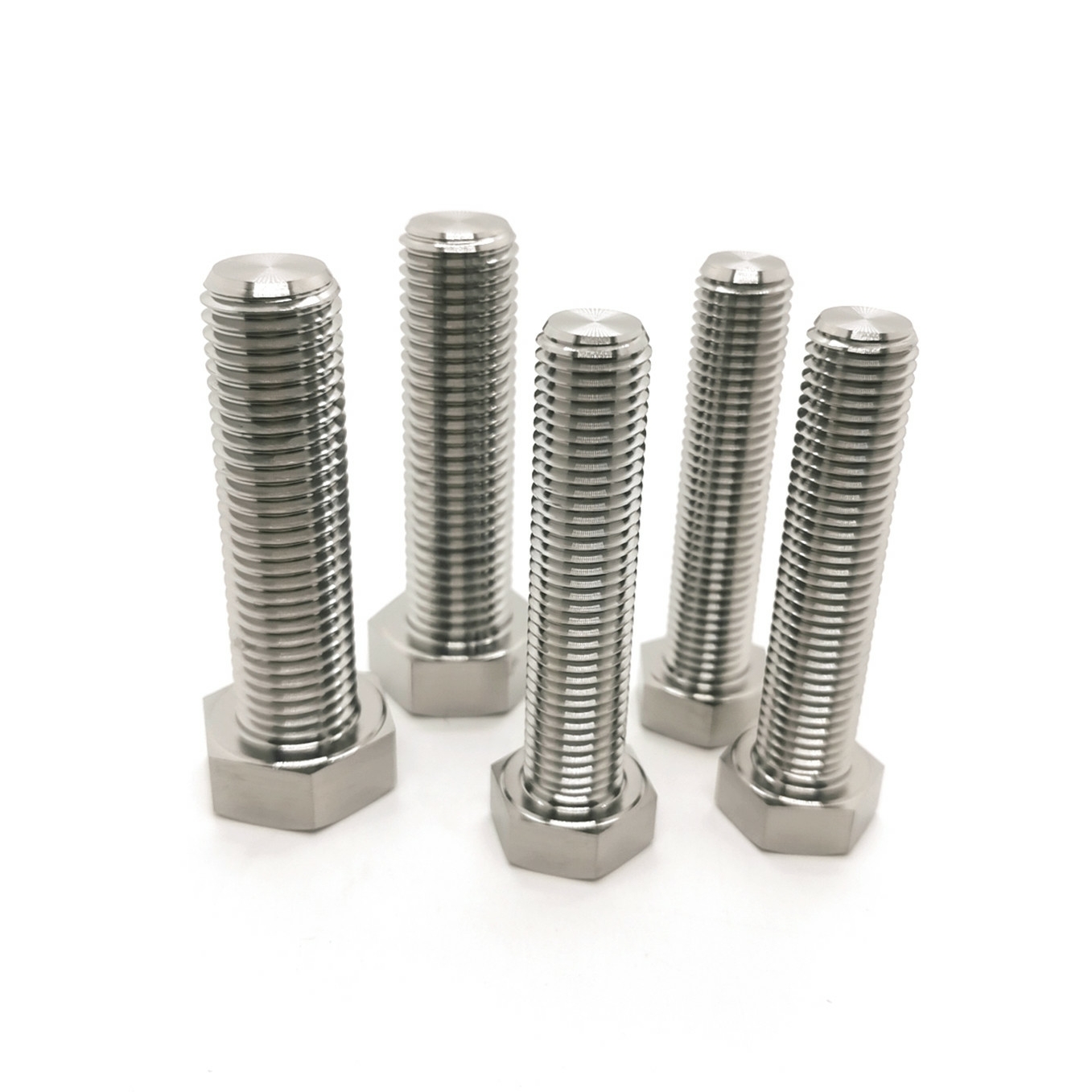
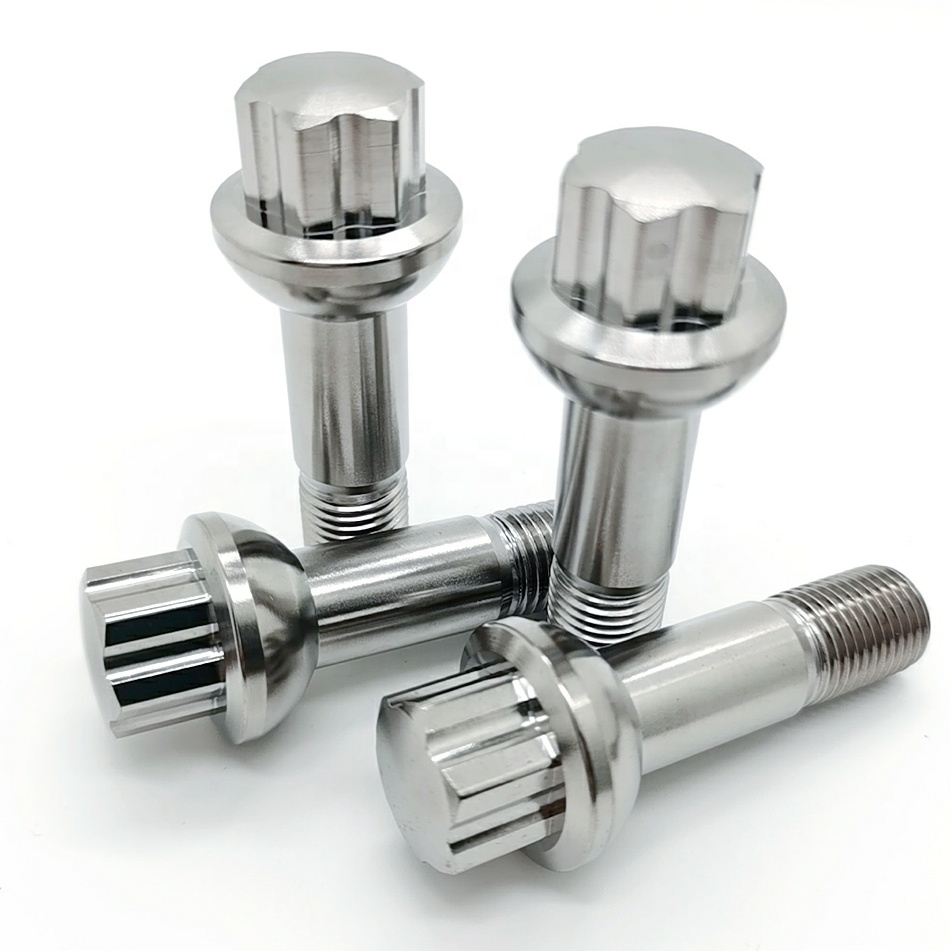
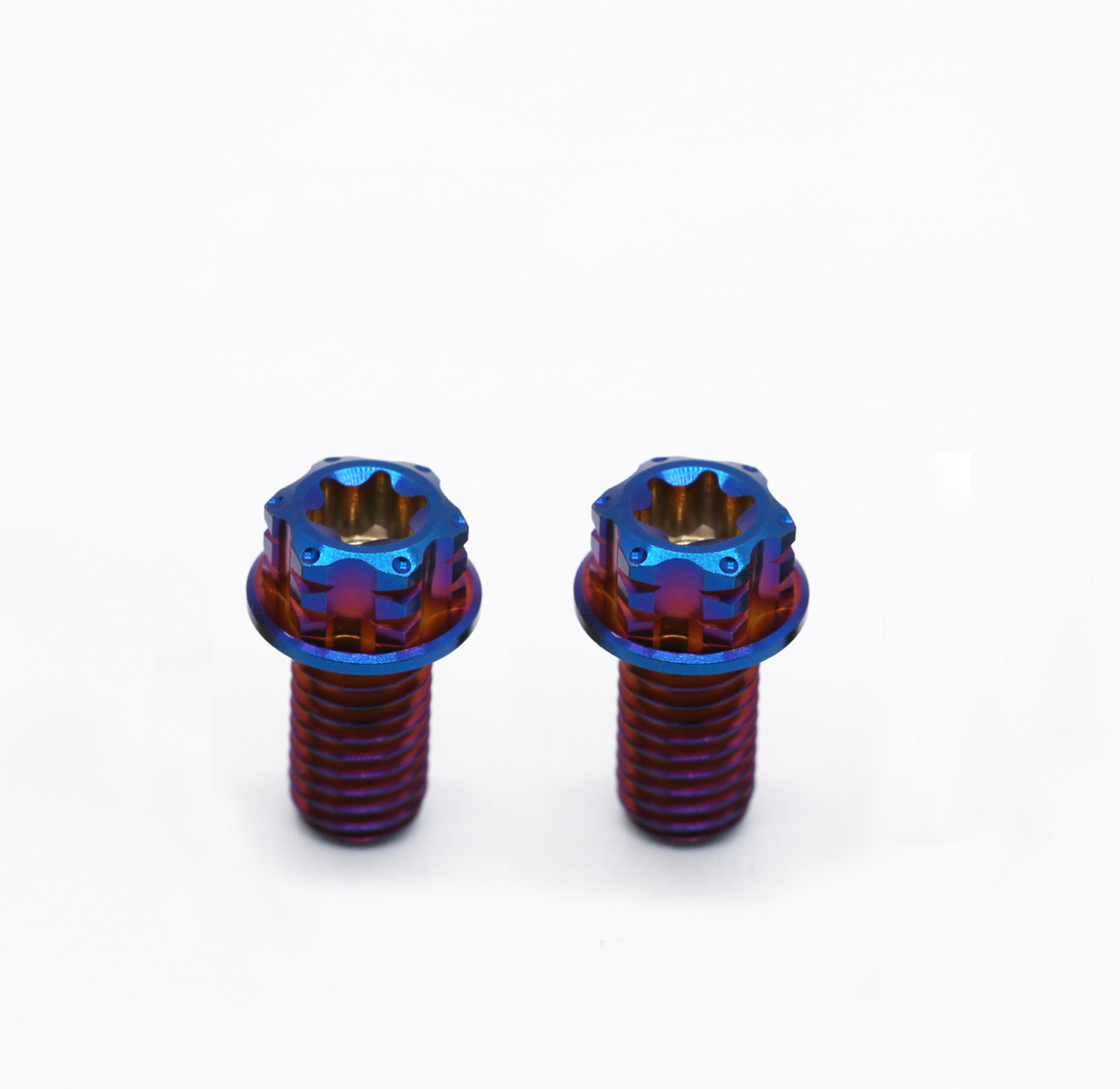
Directly manufactured in our Baoji facility to ISO, DIN, and ASTM specifications. Each product is engineered to integrate seamlessly with titanium lock washer sets to ensure non-galling, high-preload dynamic joint integrity.
Engineering Anti-Loosening Mechanics: The Strategic Imperative for Drammen's Maritime & Industrial Sector
In modern structural, subsea, and transport engineering, bolted connections are inherently vulnerable to dynamic transverse shock, thermal expansion differentials, and cyclic harmonic resonance. For the industrial ecosystem centered in Drammen, Norway—stretching from the intermodal freight quays of Drammen Havn (Holmen) to the offshore engineering clusters across the Viken and Vestfold corridors—fastening failure represents unacceptable downtime, maintenance expenditure, and safety liabilities. As an established direct manufacturing and exporting authority originating from Baoji ("China's Titanium Valley"), Yevzo supplies specialized titanium lock washers engineered specifically to neutralize bolt self-loosening in aggressive brackish-marine and sub-zero Arctic environments.
Traditional austenitic stainless steels such as AISI 304 or 316 (A2 and A4 marine grades) have long served the Nordic maritime equipment sector. However, their mechanical limitations—notably low yield strength ($R_{p0.2} \approx 205\text{--}300\text{ MPa}$), susceptibility to chloride-induced crevice corrosion under clamped flange faces, and high risk of thread galling—consistently lead to loss of clamp load (preload decay). By contrast, our cold-formed and precision-machined Grade 5 (Ti-6Al-4V, UNS R56400) and Grade 2 (Commercially Pure Ti, UNS R50400) lock washers provide a yield strength surpassing $828\text{ MPa}$, an exceptional fatigue endurance limit, and a passive rutile ($\text{TiO}_2$) stoichiometric oxide barrier impervious to cold North Sea seawater and road de-icing salts.
Specialized Titanium Lock Washer Geometries & Engineering Recommendations
Every bolted assembly in Drammen's diverse industrial landscape requires a tailored approach to mechanical resistance against loosening. Depending on whether the dominant failure mode is rotational back-off (vibration) or non-rotational settlement (thermal contraction, gasket creep), we manufacture and recommend the following configurations:
Dual-Wedge Cam Lock Washers (DIN 25201 Compatible)
Engineered in pairs with mating cam ramps on the inner faces and radial serrations on the outer surfaces. The cam angle ($\alpha$) is manufactured larger than the bolt thread pitch angle ($\beta$). Under heavy vibration, movement occurs exclusively across the cam faces, generating an instant wedge-locking tension increase that completely prevents rotational self-loosening.
Belleville Conical Spring Washers (DIN 2093 / DIN 6796)
Specifically engineered for high-preload preservation in systems subject to extreme thermal cycling. The conical geometry delivers substantial spring deflection under load, counteracting the settlement of gaskets, coating relaxation, and differential thermal expansion coefficients between titanium bolts and aluminium or carbon-steel housings.
Helical Spring Split Lock Washers (DIN 127B / DIN 7980)
Manufactured from high-ductility, heat-treated titanium bar stock. When compressed, the split helical design provides continuous spring reactive tension while the sharp trapezoidal edges bite into both the nut/bolt head and mating substrate, restricting reverse rotational displacement under low-to-medium vibration.
Localized Application Scenarios Across the Drammen & Greater Viken Economic Region
Drammen's geographic location at the mouth of the Drammenselva and the head of the Drammensfjorden creates a uniquely challenging industrial environment. Bolted assemblies are exposed simultaneously to brackish tidal river waters, high-humidity marine air, intensive winter de-icing operations, and heavy logistics vibration. Our titanium lock washers are actively specified across four primary localized sectors:
1. Port Infrastructure, Intermodal Cargo & Automotive Import Terminals
Drammen is Norway's largest automotive import hub, processing the vast majority of electric vehicles (EVs) entering the country, alongside substantial roll-on/roll-off (Ro-Ro) container logistics. The portal cranes, dockside cargo manipulators, rail-freight bogie transition clamps, and hydraulic ramps at Holmen Terminal operate under unyielding dynamic shock. Using Grade 5 titanium wedge-lock washers on gantry tie-downs, motor mountings, and hydraulic flange assemblies eliminates unexpected joint loosening caused by cyclic crane braking and heavy vehicle traversing, while preventing rust stains and corrosive seizure common with standard zinc-coated fasteners.
2. Drammensfjorden Subsea Telemetry, ROVs & Offshore Support Vessels (OSV)
Adjacent to the Kongsberg subsea and marine engineering cluster, engineering contractors in Drammen construct and service Remotely Operated Vehicles (ROVs), ocean-floor sensor arrays, and offshore winching equipment. At depths where hydrostatic pressure exceeds hundreds of bars, crevice corrosion under washer contact surfaces can initiate catastrophic fastener shearing. Grade 2 and Grade 5 titanium lock washers are completely immune to localized pitting ($PREN > 40\text{ equivalent safety}$) and microbial-induced corrosion (MIC), maintaining bolt clamp load indefinitely on subsea manifolds, sensor brackets, and thruster mountings.
3. Electric Heavy Transport, Rail Rolling Stock & EV Bus Fleet Retrofit
The municipality of Drammen and Buskerud county are pioneers in electrifying public transit and commercial logistics corridors along the E18 and E134 motorways. High-torque electric propulsion generates unique harmonic vibration profiles that induce rapid self-loosening in chassis subframes, inverter mounts, and battery enclosure brackets. In addition, road slush laden with magnesium chloride ($\text{MgCl}_2$) de-icers accelerates galvanic reactions between steel fasteners and lightweight aluminium body structures. Titanium lock washers provide both weight reduction (44% lighter than steel) and galvanic compatibility when coupled with passivated coatings or non-conductive isolators.
4. Hydroelectric Turbines & River Flow Telemetry on the Drammenselva
The Drammenselva is one of Norway's most critical river systems, hosting multiple run-of-river hydroelectric stations and environmental flow-control weirs. Submerged mechanical components—such as guide vanes, turbine housing access hatches, and acoustic telemetry stations—experience continuous cavitation shocks and fluid-induced turbulence. Titanium lock washers withstand cavitation erosion significantly better than bronze or standard stainless alloys, guaranteeing zero bolt back-off during continuous, unmanned power generation.
Localized Development Trends Influencing Fastener Selection in Eastern Norway
The procurement landscape in Drammen is evolving rapidly under national sustainability mandates, maritime decarbonization initiatives, and rigorous life-cycle cost (LCC) auditing frameworks:
- The Shift from Upfront CAPEX to Full Lifecycle OPEX: Municipal and corporate procurement guidelines in Norway now enforce Total Cost of Ownership evaluations. While stainless steel A4-80 or galvanized 10.9 washers have a lower initial purchasing cost, their maintenance cycle—requiring regular retorquing, ultrasound non-destructive testing (NDT), and frequent replacement due to salt-spray corrosion—results in a lifecycle cost 3 to 5 times higher than titanium. A titanium joint is essentially "fit and forget" for the multi-decade lifespan of the infrastructure.
- Green Maritime Transition & Port Electrification: Drammen Port’s ongoing environmental modernization involves shore-power supply installations, hydrogen bunkering trials, and zero-emission electric cargo barges. In high-power electrical distribution, non-magnetic fasteners are essential to prevent eddy-current losses and localized hysteresis heating. Grade 2 and Grade 5 titanium lock washers exhibit zero magnetic permeability ($\mu_r \approx 1.00005$), ensuring safe, high-amperage terminal clamping without thermal degradation.
- Arctic & Sub-Zero Impact Toughness: In Drammen’s mid-winter conditions, ambient temperatures routinely drop below −20°C. Structural carbon steels undergo a sharp ductile-to-brittle transition temperature (DBTT), making standard split washers brittle and prone to snapping under sudden impact loads. Titanium alloys, particularly Ti-6Al-4V ELI (Extra Low Interstitials), maintain exceptional Charpy impact toughness and elongation down to cryogenic levels (−196°C), eliminating cold-weather fracture risks.
Comprehensive Metallurgical Comparison: Titanium vs Traditional Marine Alloys
To assist procurement directors and chief mechanical engineers in Drammen in making data-driven sourcing decisions, the following matrix benchmarks our Grade 5 and Grade 2 titanium lock washers against conventional marine and structural engineering materials:
| Material Designation | Yield Strength ($R_{p0.2}$, MPa) | Tensile Strength ($R_m$, MPa) | Density ($\text{g/cm}^3$) | Modulus of Elasticity ($E$, GPa) | Marine Atmospheric Corrosion | Sub-Zero Impact Ductility |
|---|---|---|---|---|---|---|
| Titanium Grade 5 (Ti-6Al-4V) | 828 – 910 | 895 – 1000 | 4.43 | 110 – 114 | Immune (Zero Pitting) | Superior (No DBTT) |
| Titanium Grade 2 (CP Ti) | 275 – 350 | 345 – 450 | 4.51 | 103 – 107 | Immune (Zero Pitting) | Excellent |
| Marine Stainless 316L (A4-70) | 200 – 450 | 500 – 700 | 8.00 | 193 – 200 | Moderate (Crevice Risk) | Good |
| Super Duplex (2507 / 1.4410) | 550 – 650 | 750 – 900 | 7.80 | 200 | High Resistance | Moderate (Subject to embrittlement) |
| High-Tensile Steel (Class 10.9) | 900 – 940 | 1000 – 1040 | 7.85 | 210 | Severe (Requires Coating) | Poor (< −20°C DBTT risk) |
| Inconel 625 (Nickel Alloy) | 415 – 600 | 830 – 950 | 8.44 | 205 | Immune | Excellent (High Cost Penalty) |
*Note: Titanium’s lower modulus of elasticity ($E \approx 110\text{ GPa}$) is a distinct mechanical advantage for lock washers; it allows twice the elastic deformation for a given clamp load compared to steel, maintaining active preload even under significant thermal contraction or joint settling.
Factory Direct Capabilities: The Baoji Advantage for Drammen Importers
Operating out of the Honeycomb Industrial Park in Baoji’s High-Tech Development Zone, Yevzo Titanium Metal Co., Ltd. combines raw ingot melting oversight, precision hot forging, cold stamping, and multi-axis CNC Swiss machining under one single roof. When Drammen engineering firms source from us, they bypass intermediate European distributor markups while securing uncompromising quality assurance:
Raw Material Purity & Heat Trace
Direct access to premium Grade 0 sponge titanium. Complete heat-batch chemical composition and mechanical tensile reports provided per EN 10204 3.1 standards with every shipment.
100+ Advanced Machining Units
Equipped with 3-axis, 4-axis, and 5-axis CNC machining centers, high-speed progressive stamping presses, and optical laser sorting machines ensuring 100% dimensional tolerance control within ±0.01 mm.
Dedicated OEM / ODM Customization
Rapid tooling for non-standard washer outer diameters, specialized Belleville stacking arrangements, micro-arc oxidation (MAO) hard anodizing, and anti-galling PVD coatings engineered to customer drawings.
Frequently Asked Questions for Buyers in Drammen & Norway
Everything technical managers and procurement specialists need to know regarding material compliance, galvanic protection, import procedures, and lead times.
Our titanium products are manufactured from certified titanium bar stock meeting ASTM B348 and ASTM F136 requirements. In offshore and marine applications governed by NORSOK standards, Grade 5 and Grade 2 titanium are fully recognized as exempt from seawater pitting and stress corrosion cracking (SCC) limits up to at least 80°C. We routinely issue EN 10204 Type 3.1 inspection certificates documenting positive material identification (PMI), chemical analysis, and mechanical tensile/hardness tests matching Norwegian offshore project quality requirements.
Titanium is electrochemically noble ($+0.05\text{ V}$ to −0.05 V vs SCE). When clamped directly against carbon steel or active marine-grade aluminium alloys (e.g., 5083, 6082) in a conductive electrolyte like the brackish Drammensfjord water, the non-titanium component can act as a sacrificial anode. To prevent galvanic corrosion, our engineering team recommends using dielectric isolating sleeves and non-conductive glass-reinforced epoxy (GRE / G10) backing discs, or applying a barrier anti-seize paste with PTFE or MoS2. Where titanium is bolted to austenitic stainless steel (316L) or Super Duplex, galvanic potential difference is negligible.
We operate flexible trade channels under Incoterms 2020 including FOB Baoji/Shanghai, CIF Drammen Port, and door-to-door DDP (Delivered Duty Paid) via express air courier or combined sea-rail routes. For urgent maintenance or prototyping, air freight parcels typically arrive at Oslo Airport (OSL Gardermoen) within 4 to 7 business days, clearing Norwegian customs (Tollvesenet) smoothly with our complete commercial invoices, packing lists, and HS code classifications (7318.21 / 8108.90). Bulk maritime container shipments are routed directly through Drammen Havn or the Port of Oslo within 28 to 35 calendar days.
Titanium alloys possess high friction coefficients ($\mu \approx 0.35\text{--}0.45$ dry), which can lead to galling under elevated clamping forces. To completely prevent this during tightening, we offer factory-applied surface solutions, including Micro-Arc Oxidation (MAO) hard ceramic layer formation, physical vapor deposition (PVD) titanium nitride or diamond-like carbon (DLC) coatings, and dry-film molybdenum disulfide ($\text{MoS}_2$) lubricants. When installing uncoated titanium lock washers, our assembly manuals specify high-purity nickel-free or copper-based anti-seize lubricants torqued strictly according to our calibrated torque-tension charts.
Yes. Beyond standard catalog sizes spanning M3 through M36, a significant portion of our manufacturing is customized according to client 2D blueprints (PDF/DWG) and 3D CAD files (STEP/IGES). We produce specialized oversized outer-diameter load-spreading washers for composite materials, deep-subsea stepped sealing lock washers, and multi-wave spring washers with precise spring constant ($k$) tolerances. Tooling and prototype lead times for custom CNC or wire-EDM profiled titanium washers generally range from 7 to 12 working days.
For standard stock sizes of Grade 5 DIN 127B split washers, DIN 25201 wedge lock sets, and DIN 6796 conical washers, our minimum order quantity starts as low as 50 to 100 pieces to facilitate engineering qualification and bench testing. For bespoke CNC-turned or custom-stamped geometries, trial evaluation batches can be supplied with initial production inspection reports (PPAP Level 3 available on request). Payments can be handled seamlessly in EUR, USD, or NOK via secure international T/T, Letter of Credit (L/C), or digital escrow.