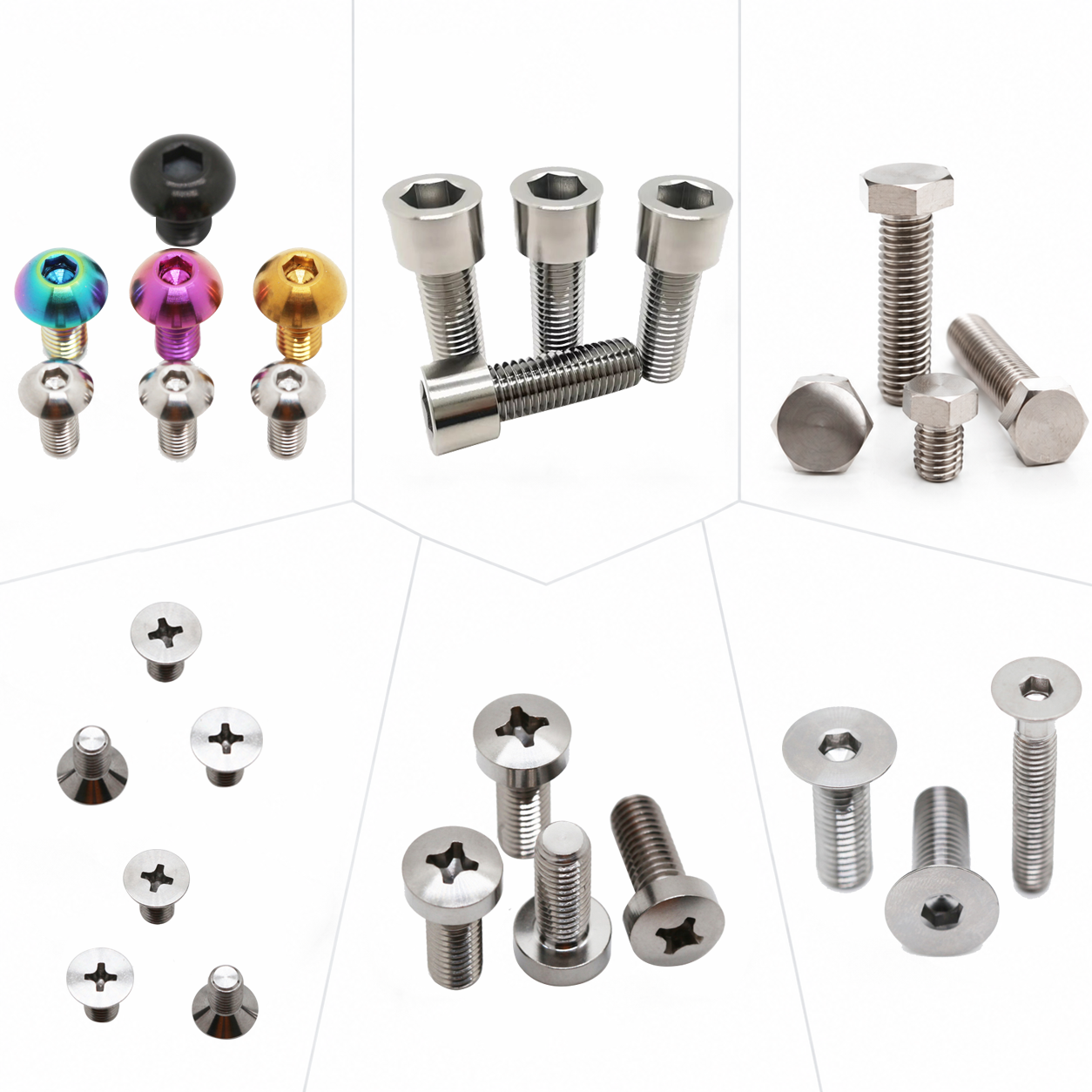
GR5 Titanium Alloy Standard Bolts in Stock Factory Wholesale Price Ready to Ship Titanium Fastener Bolts and Nuts
Ti-6Al-4V
Tensile ≥ 895 MPa
ISO 4017/4032
Direct from our integrated Baoji production facilities to Tokyo, Osaka, Nagoya, and Kanagawa industrial clusters. Fully compliant with metric ISO, DIN, and Japanese JIS thread standards.
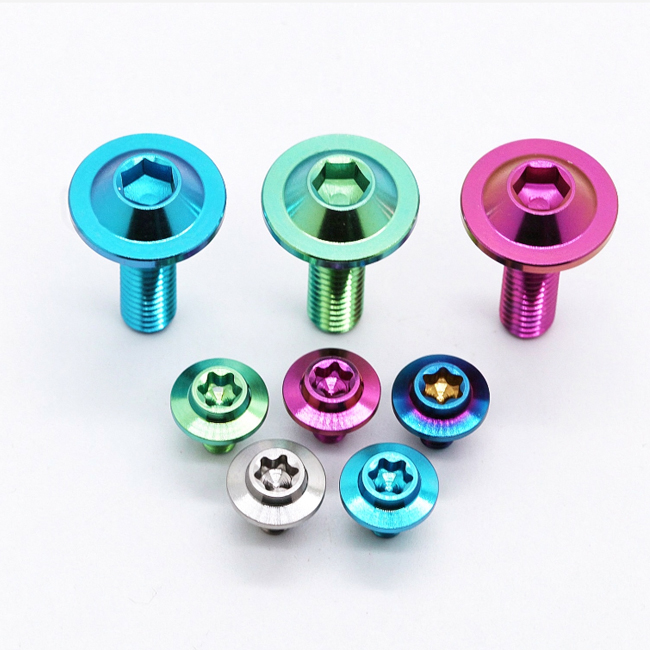
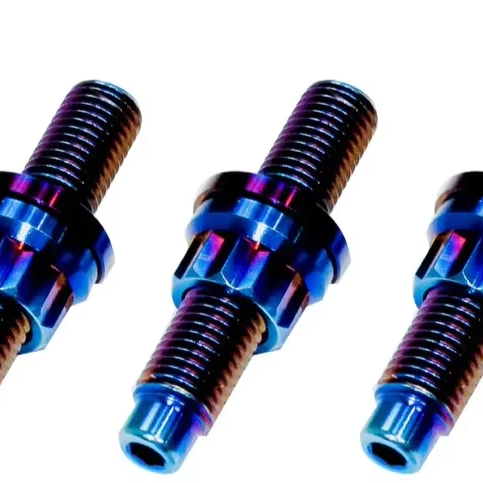
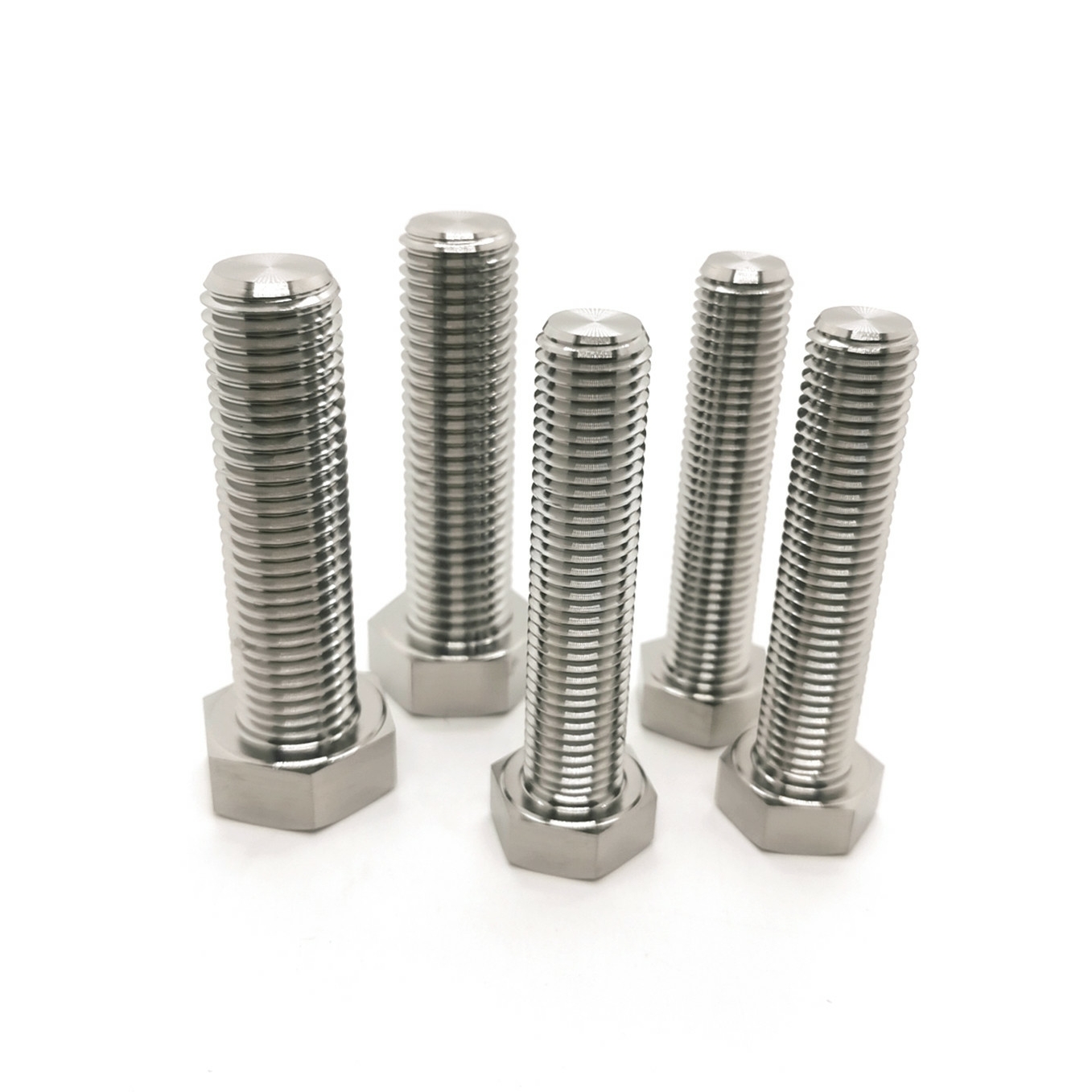
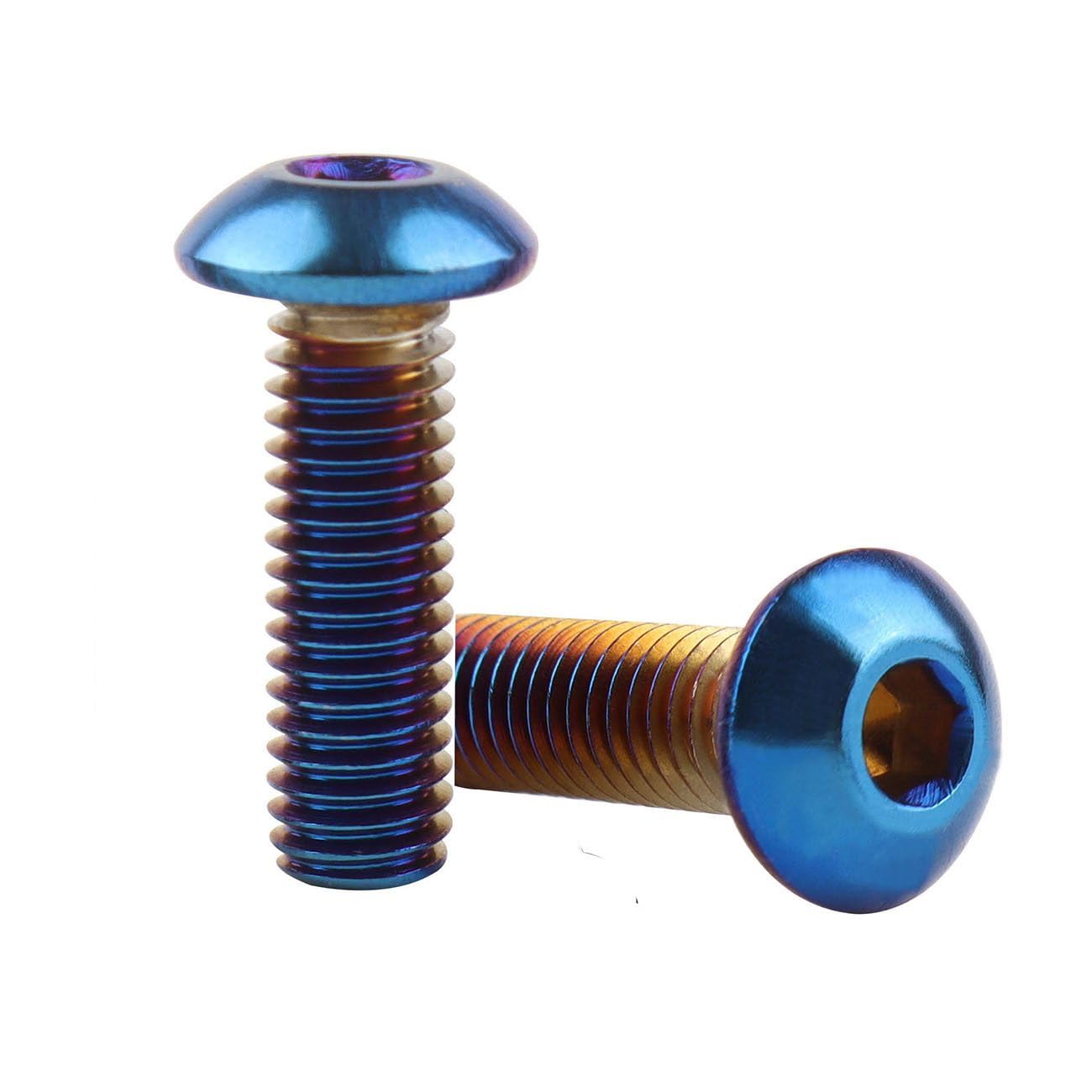
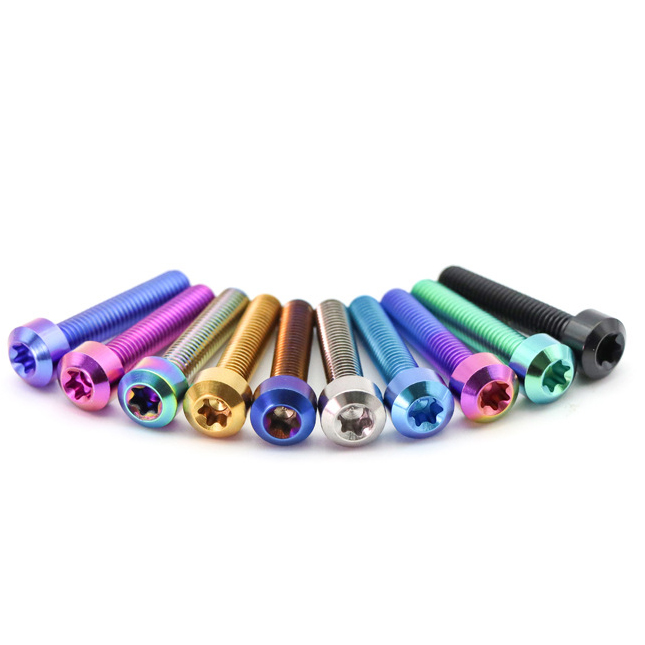
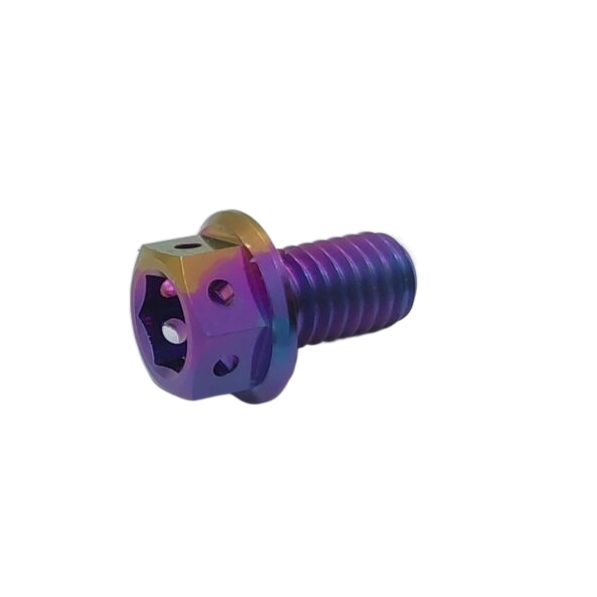
Japan’s high-precision manufacturing sector—historically renowned under the philosophy of Monozukuri (物作り)—demands fastener components with zero-defect tolerances, exceptional strength-to-weight ratios, and unmatched resistance against corrosive degradation. Titanium hex nuts, covering standard ISO 4032, JIS B 1181, and DIN 6923 flange patterns, serve as mission-critical hardware across Tokyo, Kanagawa, Aichi, and Osaka industrial belts. As industries push past the physical limitations of austenitic stainless steel (SUS304, SUS316L) and high-tensile alloy steels, titanium emerges as the definitive engineering material.
From cleanroom semiconductor wafer handlers to deep-sea oceanic monitoring systems in the Kuroshio Current, titanium nuts provide mechanical equilibrium. Their innate passive oxide layer (TiO2) provides virtually indefinite service lives even in hyper-saline, chlorinated, or nitric acid environments. For Japanese OEM procurement officers, sourcing factory-direct titanium fasteners from China's "Titanium Valley" in Baoji resolves the acute domestic bottleneck of high localized processing costs and lengthy smelting cycles without compromising strict JIS mechanical benchmarks.
Information Gain Insight: Unlike standard steel fasteners that rely on electroplating or hot-dip galvanizing—processes prone to hydrogen embrittlement and coating breakdown—titanium fasteners regenerate their self-passivating oxide skin instantaneously in the presence of oxygen or moisture, rendering them impervious to pitting corrosion and micro-crevice oxidation.
Accurate grade selection is critical when engineering threaded assemblies in high-stress Japanese machinery. The two dominant alloy families utilized for titanium hex nuts and flanged locking nuts are commercially pure Grade 2 (CP-Ti) and the alpha-beta alloy Grade 5 (Ti-6Al-4V, UNS R56400, corresponding to JIS Class 60 / ASTM B348).
| Property Parameter | Grade 2 (CP Titanium) | Grade 5 (Ti-6Al-4V / JIS 60) | SUS316L Stainless (JIS Ref) | SCM435 Alloy Steel (Class 10.9) |
|---|---|---|---|---|
| Ultimate Tensile Strength | ≥ 345 MPa (50 ksi) | ≥ 895 - 1000 MPa (130-145 ksi) | ≥ 485 MPa (70 ksi) | ≥ 1040 MPa (150 ksi) |
| 0.2% Yield Strength | ≥ 275 MPa (40 ksi) | ≥ 828 MPa (120 ksi) | ≥ 170 MPa (25 ksi) | ≥ 940 MPa (136 ksi) |
| Density (ρ) | 4.51 g/cm³ | 4.43 g/cm³ | 7.98 g/cm³ | 7.85 g/cm³ |
| Weight Reduction vs. Steel | -42.5% | -43.6% | Baseline | Baseline |
| Thermal Expansion Coeff. | 8.6 × 10⁻⁶ / K | 8.8 × 10⁻⁶ / K | 16.0 × 10⁻⁶ / K | 12.2 × 10⁻⁶ / K |
| Magnetic Permeability (μ) | 1.00005 (Non-magnetic) | 1.00005 (Non-magnetic) | < 1.02 (Slightly work-hardenable) | Ferromagnetic |
| Primary Target Application | Chemical, Marine, Flue Desulfurization | Aerospace, Robotics, Automotive Tuning | Food & General Chemical | Heavy Mechanical Fixtures |
While Grade 2 provides peak chemical ductility and ease of passive anodization, Grade 5 delivers a tensile strength comparable to quenched and tempered structural alloy bolts while shedding over 43% of the component mass. In high-frequency cyclic loading environments—such as high-speed automated pick-and-place robots manufactured in Osaka—the diminished inertial mass of Grade 5 fasteners reduces motor wear and servo overshoot.
Japanese manufacturing clusters feature unique operating conditions that dictate specific thread tolerances, locking designs, and surface treatment regimes for titanium nuts:
Silicon wafer fabrication, ion etching, and wet chemical benches require fasteners that emit zero ferromagnetic interference and do not shed particulate flakes. Titanium hex nuts with electropolished surfaces (Ra ≤ 0.2 μm) resist hydrochloric and sulfuric chemical vapors while preventing process contamination inside vacuum chambers.
Multi-axis articulated robotic arms accelerate and decelerate at extreme cycle rates. Utilizing Grade 5 DIN 6923 serrated flange hex nuts at arm joints cuts rotational moment of inertia. The broader load-bearing flange eliminates separate washers, resisting vibrational loosening without galling when coupled with specialized dry-film lubricants.
Japan's motorsport culture and performance EV developers demand unsprung weight minimization. Grade 5 titanium wheel lug nuts, hub fasteners, and suspension mount hex locknuts resist brake disc heat soak up to 400°C without yield distortion, ensuring precise wheel retention under race-track lateral G-forces.
Coastal and maritime installations continuously battle the aggressive splash zone corrosion of the Pacific Ocean. Grade 2 pure titanium hex nuts coupled with CP-Ti threaded rod installations survive decades of continuous seawater immersion without micro-pitting, crevice decay, or the galvanic shedding typical of bronze or duplex steel.
Tier-1 aerospace aerostructure assemblies rely on strict AS9100 / JIS Q 9100 protocols. Our custom aerospace-grade Ti-6Al-4V self-locking hex nuts feature controlled thread root radii (UNJF / MJ metric profiles) to minimize stress concentrations and deliver extended fatigue lifespans under multi-axis aerodynamic buffeting.
As Japan executes its National Hydrogen Strategy, cryogenic valve stations require materials resistant to low-temperature hydrogen embrittlement. Grade 5 ELI (Extra Low Interstitial, ASTM F136) hex nuts maintain impact toughness at -196°C, guaranteeing leak-free flange seals across liquid hydrogen transport manifolds.
One of the most persistent technical hurdles experienced by design engineers working with titanium fasteners is galling (cold welding). Titanium has a high coefficient of friction under sliding contact pressure. When a titanium hex nut is driven onto a titanium or stainless steel stud without appropriate lubrication or surface passivation, the instantaneous frictional heat ruptures the microscopically thin oxide film, allowing direct metal-to-metal shear and rapid seizure.
To eradicate thread galling on Japanese automated assembly lines, we incorporate three proven manufacturing countermeasures:
Historically, Japanese small-to-medium enterprises (SMEs) and Tier-2 automotive contractors procured non-ferrous fasteners through multi-tiered domestic trading conglomerates (Sogo Shosha). However, mounting raw material expenses and intense competitive pressure from global EV manufacturers have accelerated direct supply partnerships with primary Chinese manufacturers.
Key market drivers currently shaping Japanese titanium procurement include:
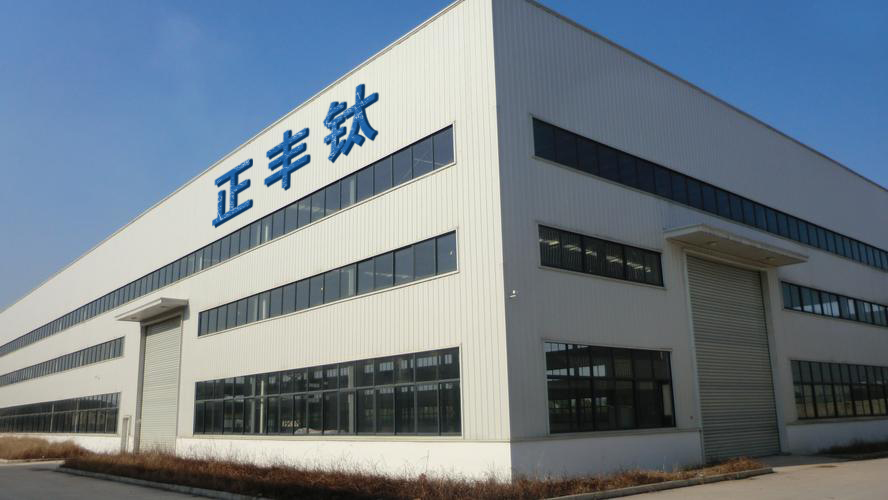
Established in 2013 in the High-Tech Development Zone of Baoji, Shaanxi, Yevzo Titanium Metal Co., Ltd. combines raw-material origin leverage with advanced multi-axis CNC manufacturing. We engineer and export titanium fasteners that satisfy the exactitudes of Japanese inspection protocols:
Immediate access to vacuum arc remelted (VAR) Grade 2 and Grade 5 round bar ensures total metallurgical homogeneity, zero internal porosity, and heat-lot traceability backed by EN 10204 3.1 Mill Test Certificates.
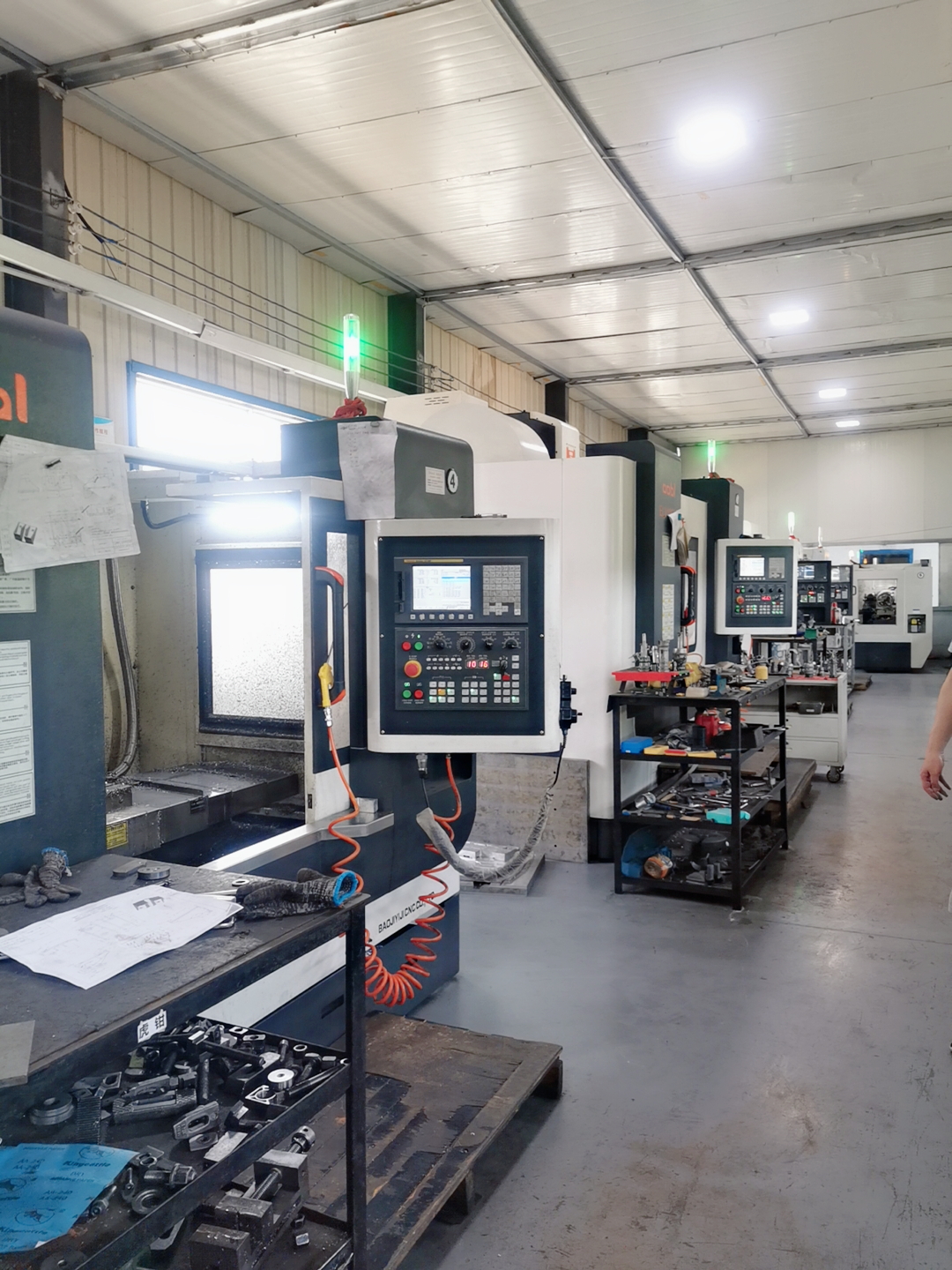
Equipped with imported multi-axis Swiss-type lathes, automated thread rollers, and CNC tapping centers. We consistently achieve internal thread tolerances within 4H/6H and surface finishes down to Ra 0.4 μm.
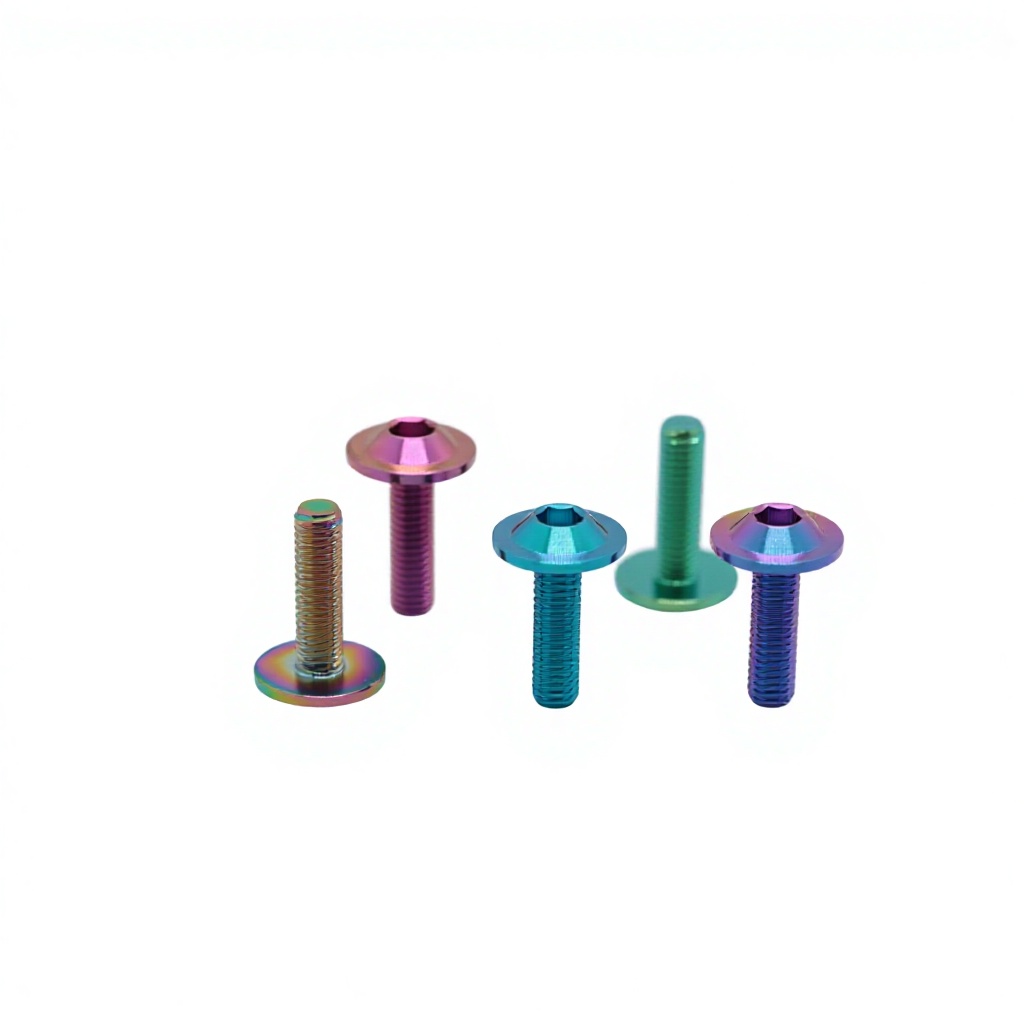
Full in-house secondary processing including electrochemical micro-anodizing, PVD vacuum coating (Rainbow, Burnt Blue, Gold, DLC), micro-arc oxidation, chemical polishing, and ultrasonic degreasing.
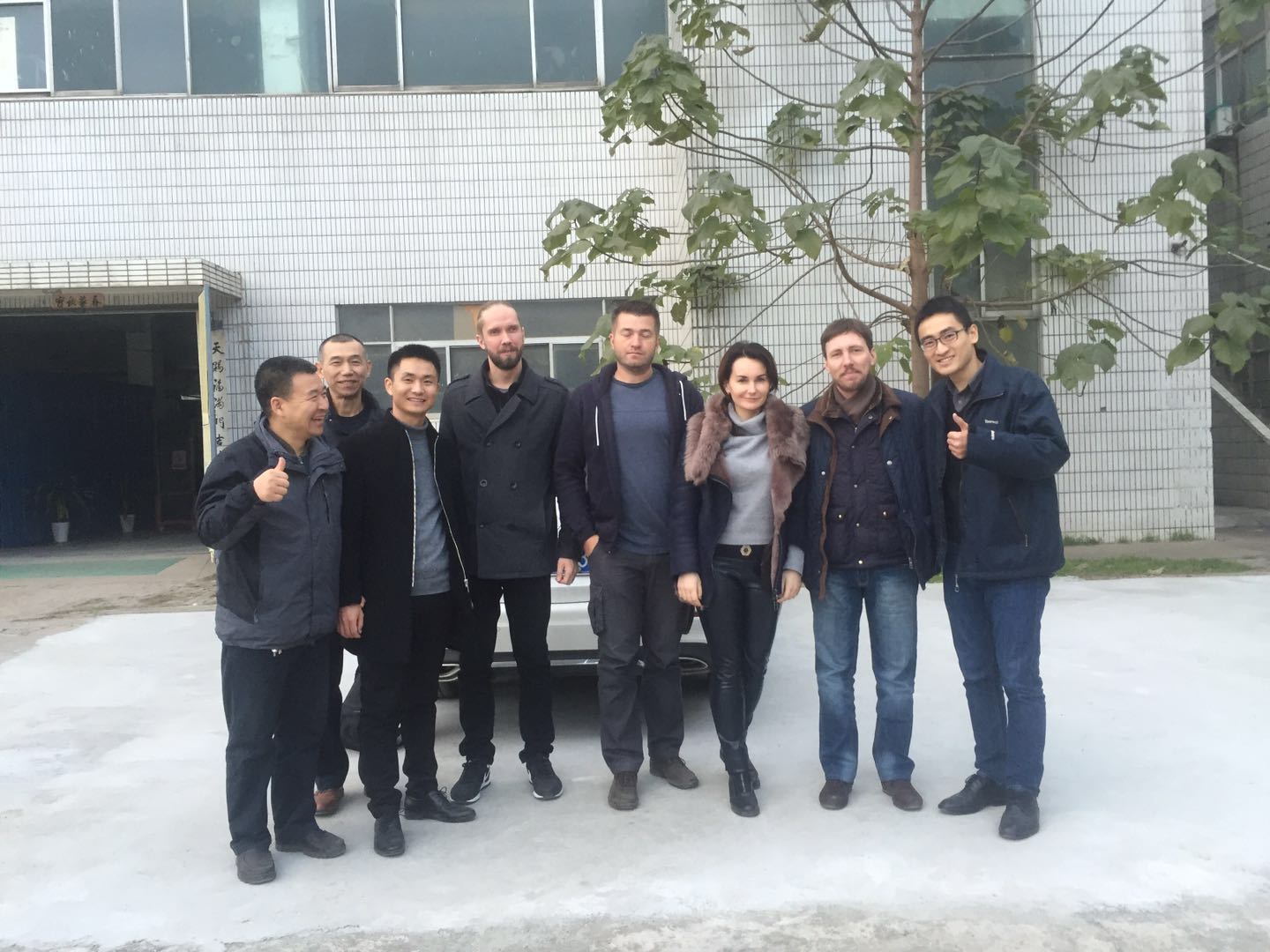
Our operations, physical production workshops, and trade legitimacy undergo recurring onsite validation by international inspection authorities, ensuring full risk mitigation for overseas import audits.
Stock catalog fasteners ship within 48–72 hours with low minimums (10–50 pcs). Custom drawing-based orders (STEP, DWG, PDF) convert from CAD design to validated prototype within 7 business days.
Offering versatile Incoterms (FOB, CIF Tokyo/Yokohama/Kobe, DDP door-to-door). Multi-currency financial settlement in JPY, USD, or EUR through transparent T/T, L/C, or verified escrow.
Direct responses addressing standard compliance, documentation, inspection rigor, and shipping logistics.
Send our engineering team your thread requirements, JIS/ISO standards, finish specifications, or custom drawings. Receive an actionable DFM review and factory-direct quotation within 24 hours.