Featured Fastening Solutions Ready for European & Italian Dispatch
All components are cold-headed or multi-axis CNC machined from certified ASTM B348 titanium bars. Certified dimensional stability conforming to DIN 934, DIN 6923, ISO 4032, and custom OEM engineering prints.
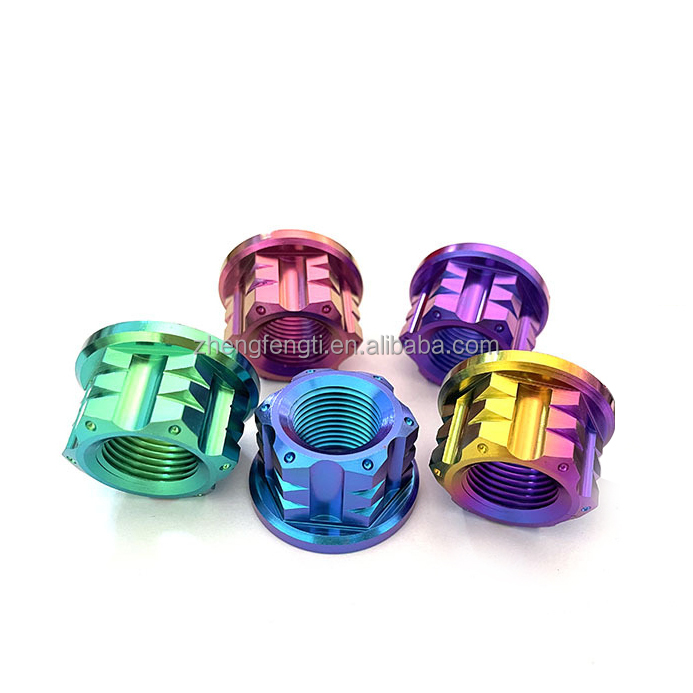
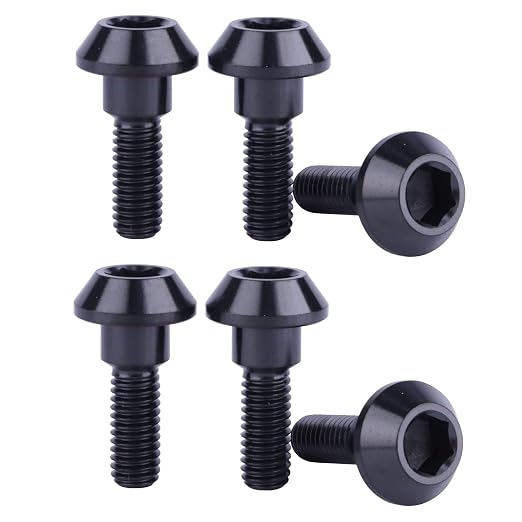
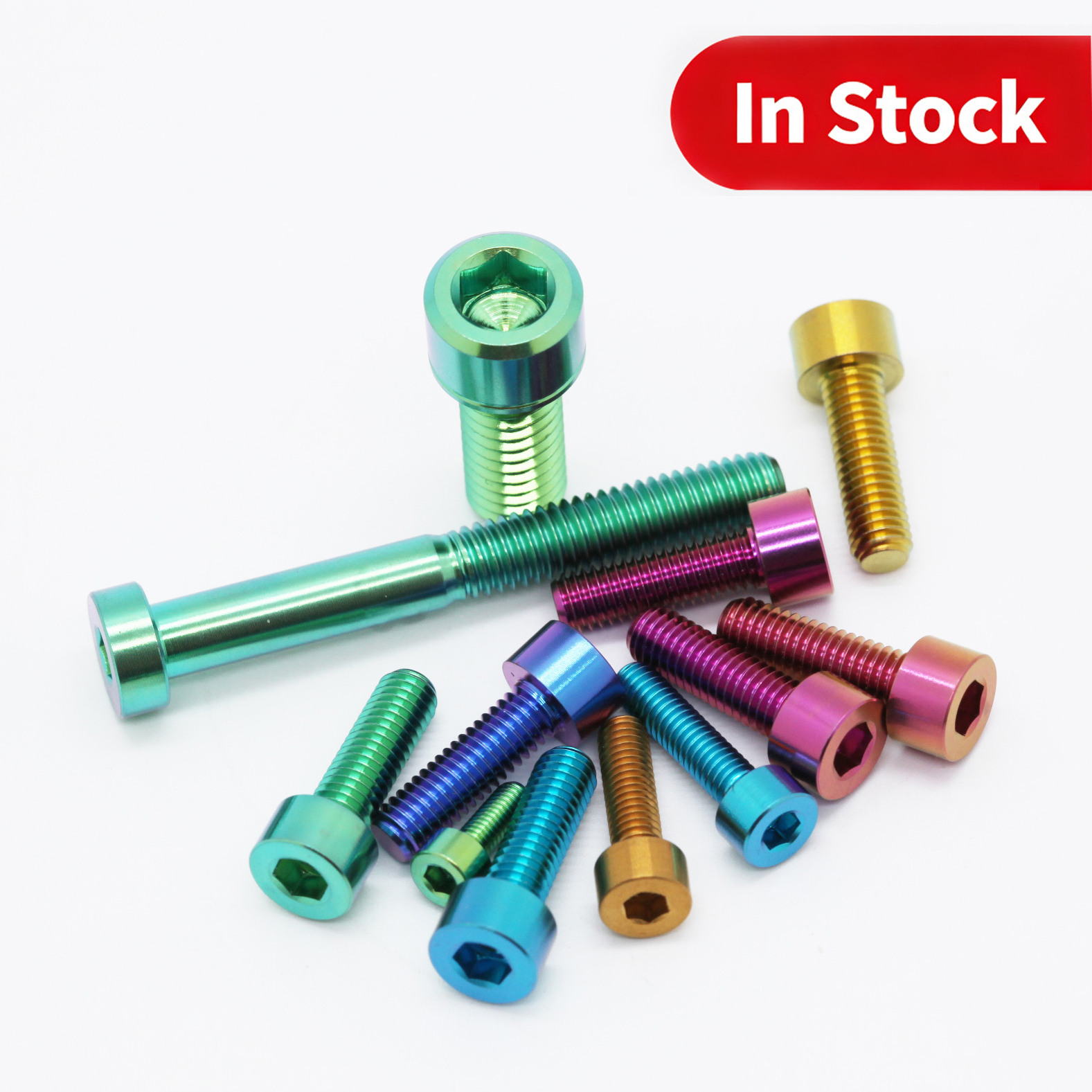
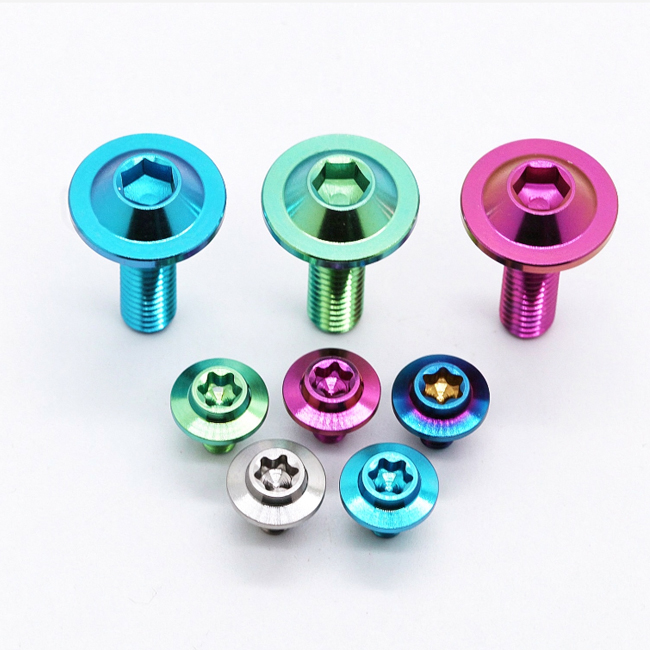
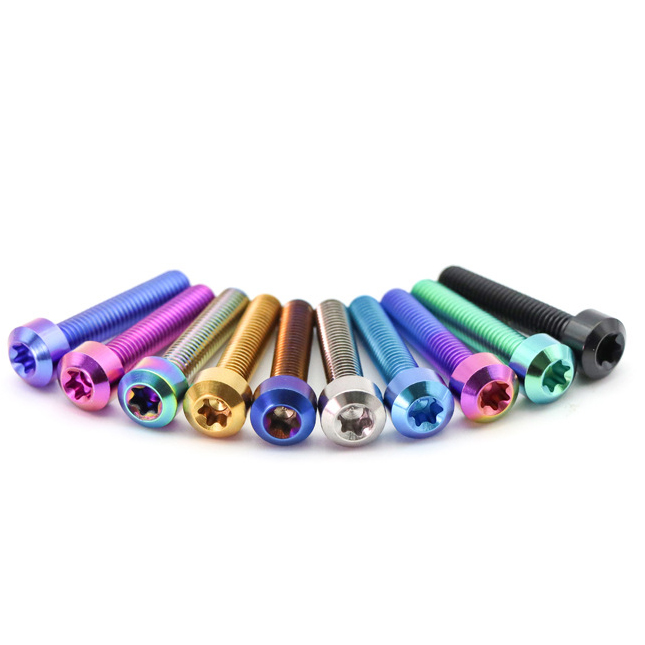
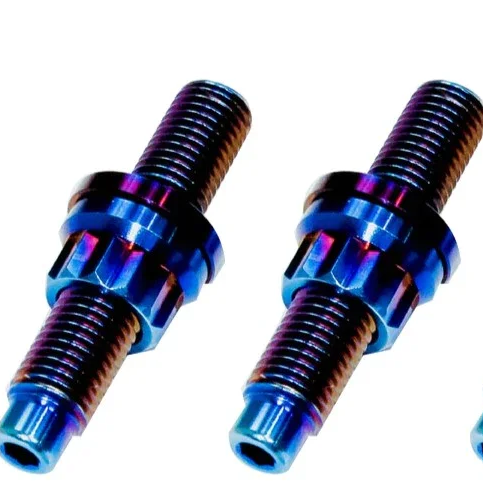
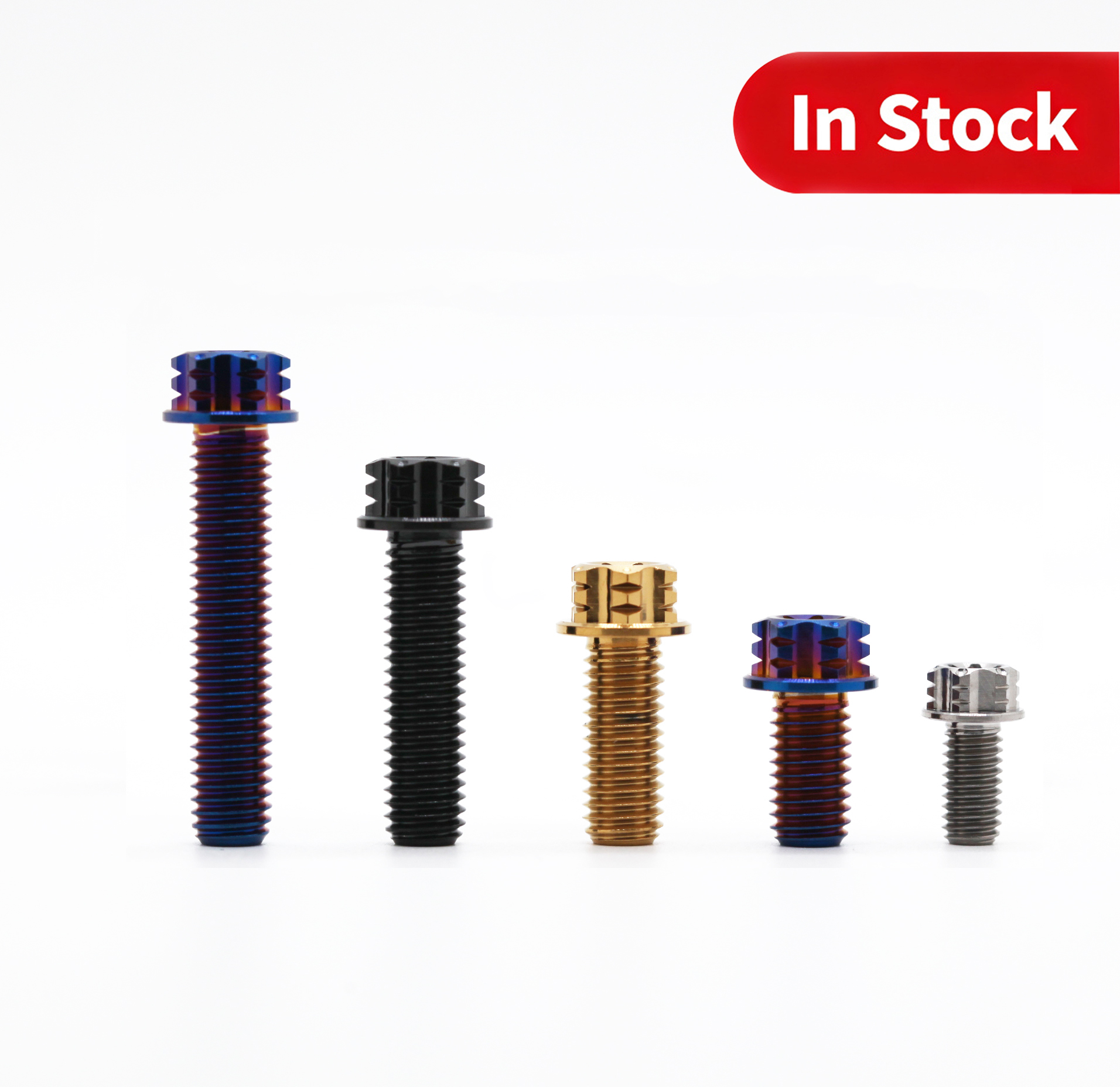
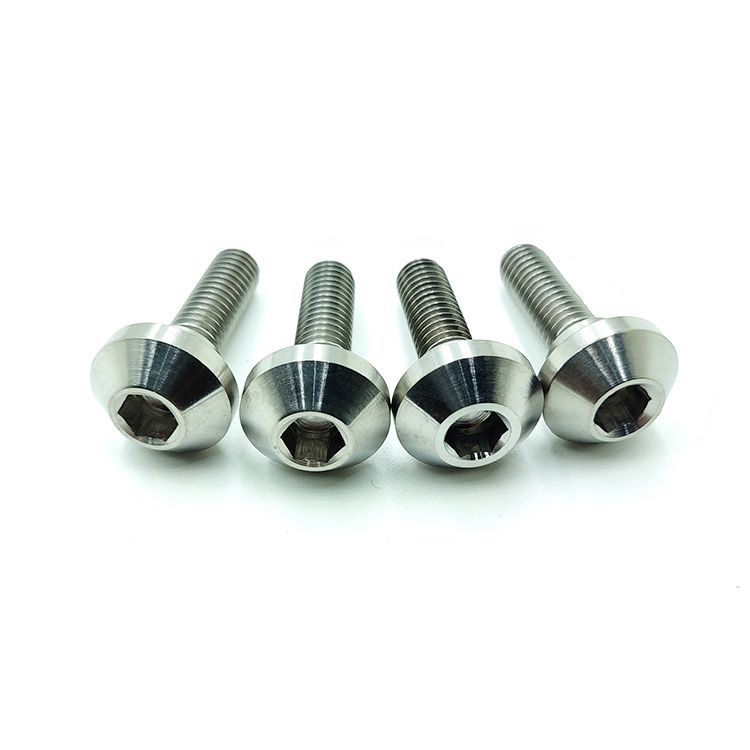
Engineering Titanium Hex Nuts for High-Stress Mechanical Joints
A comprehensive evaluation of Grade 2 commercially pure titanium versus Grade 5 alpha-beta alloy in structural, marine, and aerospace joints throughout the Lazio metropolitan territory.
Microstructure & Load Mechanics
In structural bolting assemblies, a hexagonal nut does not merely secure a mating bolt—it acts as a dynamic force distributor transferring longitudinal bolt preload into compressive clamping pressure across structural flanges. For engineering firms operating around Rome, specifying between Commercially Pure Grade 2 (UNS R50400) and Alpha-Beta Titanium Grade 5 (Ti-6Al-4V / UNS R56400) dictates joint survival.
Grade 2 possesses an all-alpha hexagonal close-packed (HCP) lattice, offering remarkable cold-forming ductility and an elongation of over 20%. While its minimum tensile strength of 345 MPa makes it exceptional for low-load chemical transport and marine cooling manifolds, it cannot support high cyclic preloads without experiencing plastic thread stripping. Conversely, Grade 5 integrates 6% aluminum (an alpha stabilizer) and 4% vanadium (a beta phase isomorphic stabilizer). Through controlled hot forging and subsequent annealing, Grade 5 yields a two-phase microstructural matrix exhibiting a yield strength exceeding 828 MPa and tensile strength surpassing 895 MPa, matching the clamping capacity of quenched and tempered ISO 898-1 Class 8.8 and Class 10.9 steel nuts at a 44% mass reduction.
Tribology & Thread Galling Mitigation
A primary failure mechanism encountered by mechanical technicians in Italian manufacturing when dry-torquing titanium hex nuts onto titanium studs is adhesive wear (cold galling). Titanium’s tenacious surface oxide film ($TiO_2$) is microscopic (3-10 nm) and possesses high interfacial friction coefficients ($\mu \approx 0.35 - 0.50$ unlubricated). When exposed to high flank contact pressures during tightening, micro-asperities on the male and female thread flanks weld instantly, resulting in tearing and seized assemblies.
At Yevzo Titanium, our production process implements multi-tiered tribological solutions to resolve this challenge for Roman precision fabricators:
- Controlled Surface Anodization: Type II micro-arc and sulfuric acid anodizing produces a dense, lubricious titanium oxide conversion layer exceeding 2.5 μm thickness, substantially decreasing friction co-efficient.
- Micro-Burnishing Thread Finishing: CNC single-point thread turning combined with diamond-tooled roller burnishing leaves flank roughness below $Ra\ 0.4\ \mu m$, eliminating micro-crevices.
- Tribological Coating Formulations: Molybdenum disulfide ($MoS_2$) dry-film lubes or high-nickel/copper-free anti-seize paste compatibility guarantees stable torque-tension relationships ($k$-factor between 0.11 and 0.14).
| Mechanical & Physical Property | Titanium Gr2 (CP Alpha) | Titanium Gr5 (Ti-6Al-4V) | Marine Stainless (AISI 316L) | Structural Steel (Class 10.9) |
|---|---|---|---|---|
| Tensile Strength, Ultimate ($R_m$) | ≥ 345 MPa | ≥ 895 - 1050 MPa | 480 - 620 MPa | 1000 - 1040 MPa |
| Yield Strength, 0.2% Offset ($R_{p0.2}$) | ≥ 275 MPa | ≥ 828 MPa | ≥ 220 MPa | ≥ 900 MPa |
| Specific Density ($\rho$) | 4.51 g/cm³ | 4.43 g/cm³ | 8.00 g/cm³ | 7.85 g/cm³ |
| Strength-to-Weight Ratio ($kN\cdot m/kg$) | 76.5 | 202.0 (Superior) | 60.0 | 127.3 |
| Modulus of Elasticity ($E$) | 105 GPa | 114 GPa | 193 GPa | 210 GPa |
| Pitting Resistance Equivalent (PREN) | Immune in Seawater | Immune in Seawater | 23 - 25 (Pitting Risk) | Rusts Immediately |
| Magnetic Permeability ($\mu_r$) | 1.00005 (Non-magnetic) | 1.00005 (Non-magnetic) | 1.005 - 1.015 (Slightly work-hardened) | Ferromagnetic |
| Service Temperature Limit | 315 °C | 425 °C | 450 °C | 300 °C |
Localized Application Scenarios in Greater Rome's Advanced Industries
From Colleferro's space launch systems to Civitavecchia's superyacht docks and Vallelunga's racing circuits, our titanium fasteners meet strict local technical demands.
Colleferro & Rome Aerospace Hub
The southern metropolitan area of Rome—concentrated around Colleferro, Pomezia, and the Roman technology parks—hosts critical aerospace primes and subcontractors manufacturing propulsion stages, satellites, and avionics brackets. Every gram launched into orbit incurs exponential fuel expenditure.
Our Grade 5 Titanium Hex Nuts (DIN 934 / ISO 4032) and self-locking 12-point flange nuts deliver a 44.5% direct reduction in fastener parasitic mass compared to legacy cadmium-plated or high-strength steel nuts. With an elastic modulus of 114 GPa, titanium fasteners provide remarkable structural damping against acoustic launch vibrations and pyrotechnic stage separation shocks without fastener backing-off or thread stripping under low-cycle high-amplitude stresses.
Civitavecchia & Fiumicino Marine Sector
The port infrastructure of Civitavecchia, together with the nautical refit yards stretching along the Tiber mouth in Fiumicino and Ostia, manages luxury mega-yachts, patrol boats, and offshore subsea robotics. The Tyrrhenian Sea's warm, high-salinity waters trigger rapid chloride pitting, stress corrosion cracking (SCC), and crevice corrosion in standard AISI 304 and even 316L stainless steel fasteners within submerged or splash-zone assemblies.
Grade 2 and Grade 5 titanium hex nuts develop an impenetrable, auto-regenerative titanium dioxide passive barrier that exhibits complete, absolute immunity to ambient Tyrrhenian saltwater pitting. Used in underwater exhaust manifolds, bronze rudder through-hull assemblies, and high-tensile deck winches, our nuts eliminate cathodic galvanic degradation and ensure zero maintenance over decades of service.
Vallelunga Circuit & Lazio Motorsport
Surrounding the iconic Autodromo Vallelunga Piero Taruffi, north of Rome, resides an elite network of prototype race shops, GT cup engineering teams, and high-performance superbike modifiers. In competition setups, unsprung rotating mass at the wheel hub, rotor carrier, and swingarm assembly severely compromises handling, gyro stability, and suspension damper responsiveness.
By outfitting disc rotors, brake calipers, and exhaust headers with our hot-forged and precision-turned Ti-6Al-4V Metric Hex Nuts and Flange Nuts, racing teams reduce unsprung mass while preserving high clamping preloads matching Class 10.9 ratings. Furthermore, in engine exhaust collectors where temperatures fluctuate rapidly between ambient and 400°C, titanium’s low coefficient of thermal expansion ($8.6 \times 10^{-6} /K$) prevents stud thermal stretch and subsequent exhaust gas blow-by.
Historic Rome Architectural Preservation
The historic center of Rome (Centro Storico) contains ancient stone monuments, marble façades, and seismic retrofits overseen by strict architectural superintendencies (Soprintendenza Archeologia, Belle Arti e Paesaggio). Conventional carbon and low-grade stainless fasteners cause irreversible masonry destruction via "oxide rust-jacking"—the volumetric expansion of corroding iron that fractures delicate Travertine marble and Roman tuff.
Our Grade 2 Commercial Pure Titanium Hex Nuts, threaded tie-rods, and anchor plates deliver zero volumetric rust expansion, complete chemical inertia against mortar alkalines, and a magnetic permeability of $\mu_r \approx 1.00005$, ensuring absolute compatibility with non-destructive ground-penetrating radar (GPR) and historic preservation guidelines.
Latina & Pomezia Chemical Processing
The industrial spine stretching through Latina and Pomezia houses leading chemical formulation facilities, wastewater distillation stations, and electrochemical processing plants. These environments circulate wet chlorine gas, sodium hypochlorite bleaching solutions, nitric acid streams, and industrial organic acids that dissolve standard nickel-chrome alloys.
Yevzo’s Grade 2 hex nuts maintain continuous passivity in oxidizing acid environments and high-concentration brine solutions, providing industrial plant operators with zero-leak pipe flange joints, heat exchanger baffle fastenings, and pump casing security, dramatically curtailing hazardous plant shutdowns.
Biomedical & Analytical Instrumentation
Rome's biomedical research complexes, university research hospitals (such as Gemelli and Campus Bio-Medico), and regional laboratory equipment fabricators rely on analytical equipment incorporating high-field magnetic resonance imaging (MRI) and proton beam radiotherapy systems.
Ferrous hardware introduced into intense magnetic flux fields experiences extreme magnetic attraction, induction heating, and signal distortion artifacts. Our non-magnetic Grade 5 and Grade 2 titanium nuts and bolts deliver structurally dependable framing that guarantees uncompromised magnetic flux uniformity and absolute patient safety.
Macro Trends Shaping Titanium Procurement Across Rome and Italy
European industrial procurement has evolved beyond unit piece-rate pricing. Navigating regulatory compliance, supply resilience, and sustainability defines Italian purchasing success.
EU REACH, RoHS & EN 9100 Traceability
Procurement directors throughout Lazio are bound by strict European Union regulations prohibiting hazardous surface passivations. Legacy hex nut hardware frequently employed hexavalent chromium ($Cr^{6+}$) or cadmium coatings for salt-spray defense. Under EU REACH (EC 1907/2006) and RoHS directives, these substances face comprehensive restrictions.
Yevzo Titanium supplies raw metal and finished hardware that is inherently 100% heavy-metal and carcinogen-free. Because titanium naturally develops a corrosion barrier without synthetic toxic chemical platings, it fulfills all ecological guidelines out of the crate. Furthermore, aerospace suppliers operating under EN 9100 / AS9100 receive complete mill cert documentation linking every batch of hex nuts to its original titanium sponge vacuum arc remelt (VAR) heat number.
CBAM Decarbonization & Critical Raw Materials Act
With the gradual implementation of the European Carbon Border Adjustment Mechanism (CBAM) and the EU Critical Raw Materials Act, Roman supply chain leaders face heightened accountability regarding supply disruptions and embedded carbon intensity. The reliance on secondary trading brokers often obscures alloy origins and inflates customs compliance overhead.
By establishing a direct mill-to-factory relationship with our primary production base in Baoji, Shaanxi ("China Titanium Valley"), Rome importers bypass intermediate handling layers. Our manufacturing infrastructure employs energy-efficient induction bar heating, precision cold forming with minimal swarf scrap, and internal titanium recycling, delivering full digital documentation that streamlines Italian customs clearance via Leonardo da Vinci-Fiumicino (FCO) freight terminals.
Frequently Asked Questions by Rome Sourcing Specialists
Concrete engineering and commercial guidance address cross-border procurement, installation torque, and metallurgic validation.
What specific logistics and customs routing are utilized for expedited orders entering Rome?
What documentation is provided to satisfy Italian Quality Audits and EN 10204 3.1 standards?
How should torque values be calculated when substituting steel Class 8.8 nuts with Grade 5 Titanium hex nuts?
How can Roman marine fabricators prevent galvanic corrosion when mating titanium nuts to aluminum alloys?
Can Yevzo produce specialized non-standard thread pitches (e.g., metric fine M10x1.0, M12x1.25) or custom flange geometries?
Why European Engineers Partner with Yevzo Titanium
Direct manufacturing superiority anchored in the heart of the world's most concentrated titanium production cluster.
China Titanium Valley Strategic Hub
Located in the High-Tech Development Zone of Baoji, Shaanxi, Yevzo is embedded directly within the epicenter of global titanium metallurgical processing. Being adjacent to national sponge refining facilities, vacuum induction melting furnaces, and heavy rolling mills provides unhindered access to top-tier, aerospace-grade certified raw bar stock. This close geographic proximity eliminates secondary distributor markups and guarantees consistent ingot-to-fastener traceability.
Advanced Multi-Axis CNC & Cold Heading
Our 100+ precision machinery infrastructure combines multi-station high-speed cold heading nut formers with state-of-the-art Japanese Citizen and Tsugami multi-axis CNC Swiss-type turning centers. This allows us to offer both high-volume standardized hex nuts produced with zero material grain interruption, as well as ultra-complex, small-batch bespoke racing fasteners holding micron-level flank tolerances (±0.01mm) with flawless 6H thread fit.
Surface Finishing & Custom Aesthetics
To satisfy both rigorous functional engineering demands and aesthetic show-car requirements, Yevzo houses fully integrated in-house surface treatment cells. Our capabilities span ultra-clean chemical ultrasonic degreasing, micro-bead blasting, mirror optical polishing, hard Type II wear-resistant anodizing, and multi-color physical vapor deposition (PVD) coating delivering burnt blue, titanium gold, vibrant purple, and diamond-like black (DLC) finishes.
Consult an Application Engineer for Your Rome Operations
Whether you require standard DIN 934 Grade 2 hex nuts for chemical infrastructure, DIN 6923 flanged Grade 5 nuts for motorcycle platforms, or customized titanium aerospace components manufactured to precision 2D/3D CAD prints, our technical engineering team delivers quotes, material certifications, and lead-time proposals within 24 business hours.