Heavy Duty
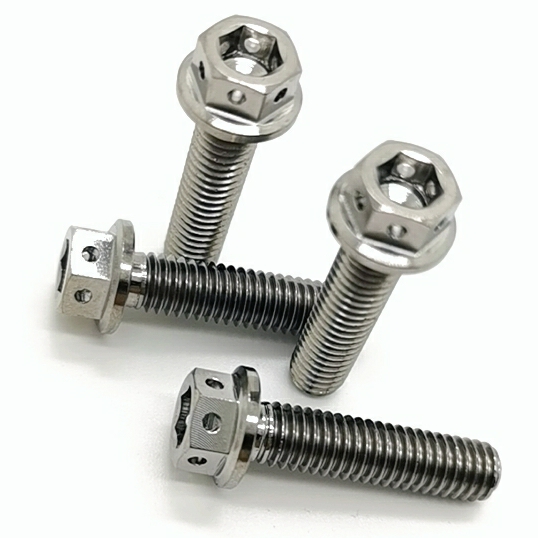
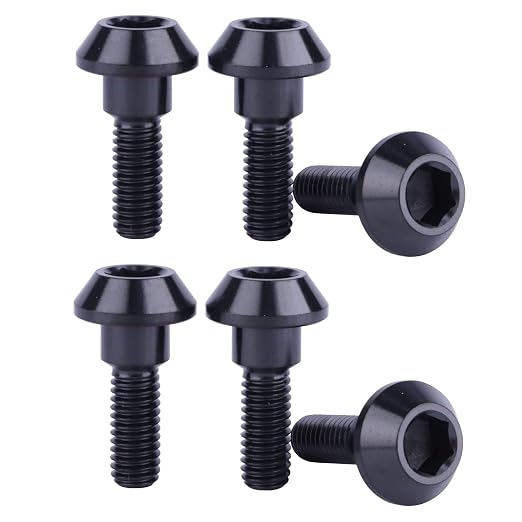
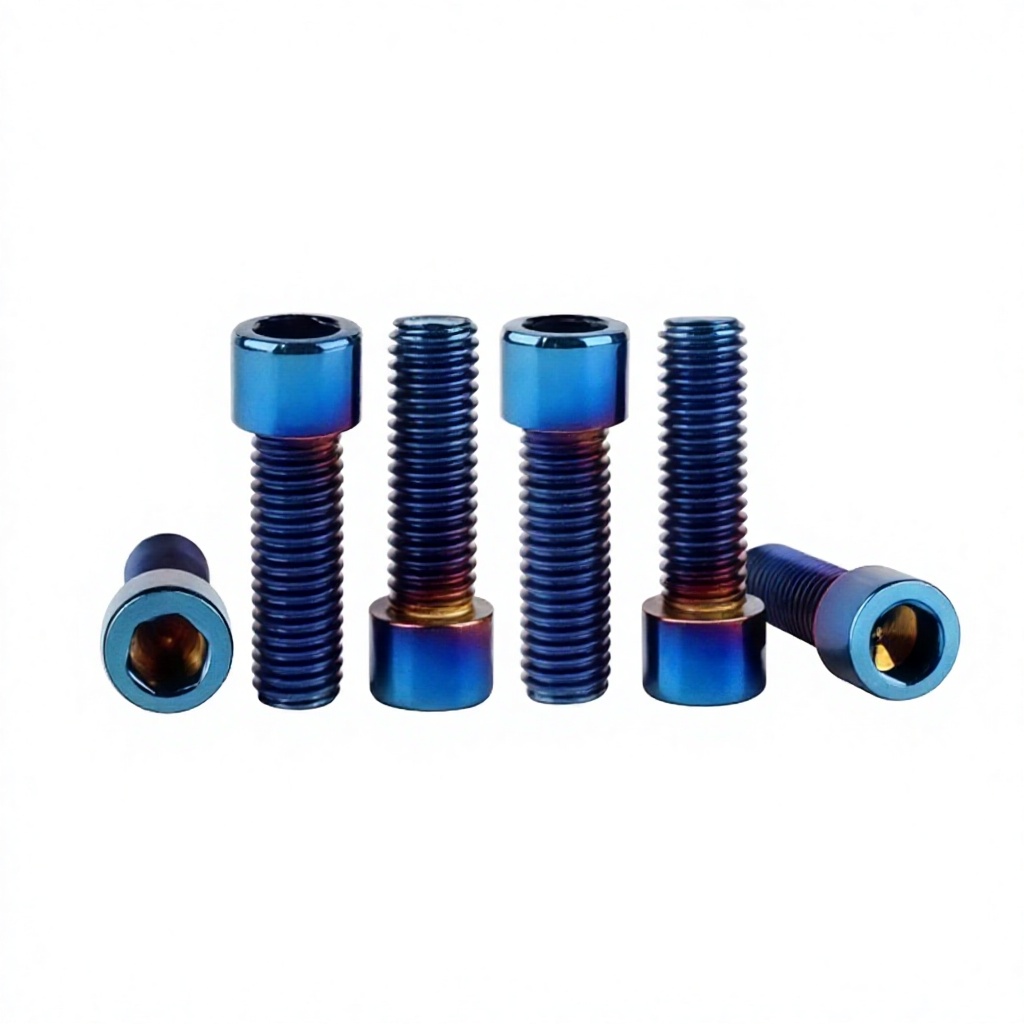
High Quality GR5 Titanium Alloy Socket Head Bolts & Nuts Class 8.8
- Material: Ti-6Al-4V Grade 5
- Tensile: ≥ 895–950 MPa
- Finish: CNC Plain Machined
Manufactured to strict DIN, ISO, and custom JIS standards. Designed to deliver zero-corrosion performance and severe cold-impact toughness for engineering buyers across Sapporo and Hokkaido Prefecture.
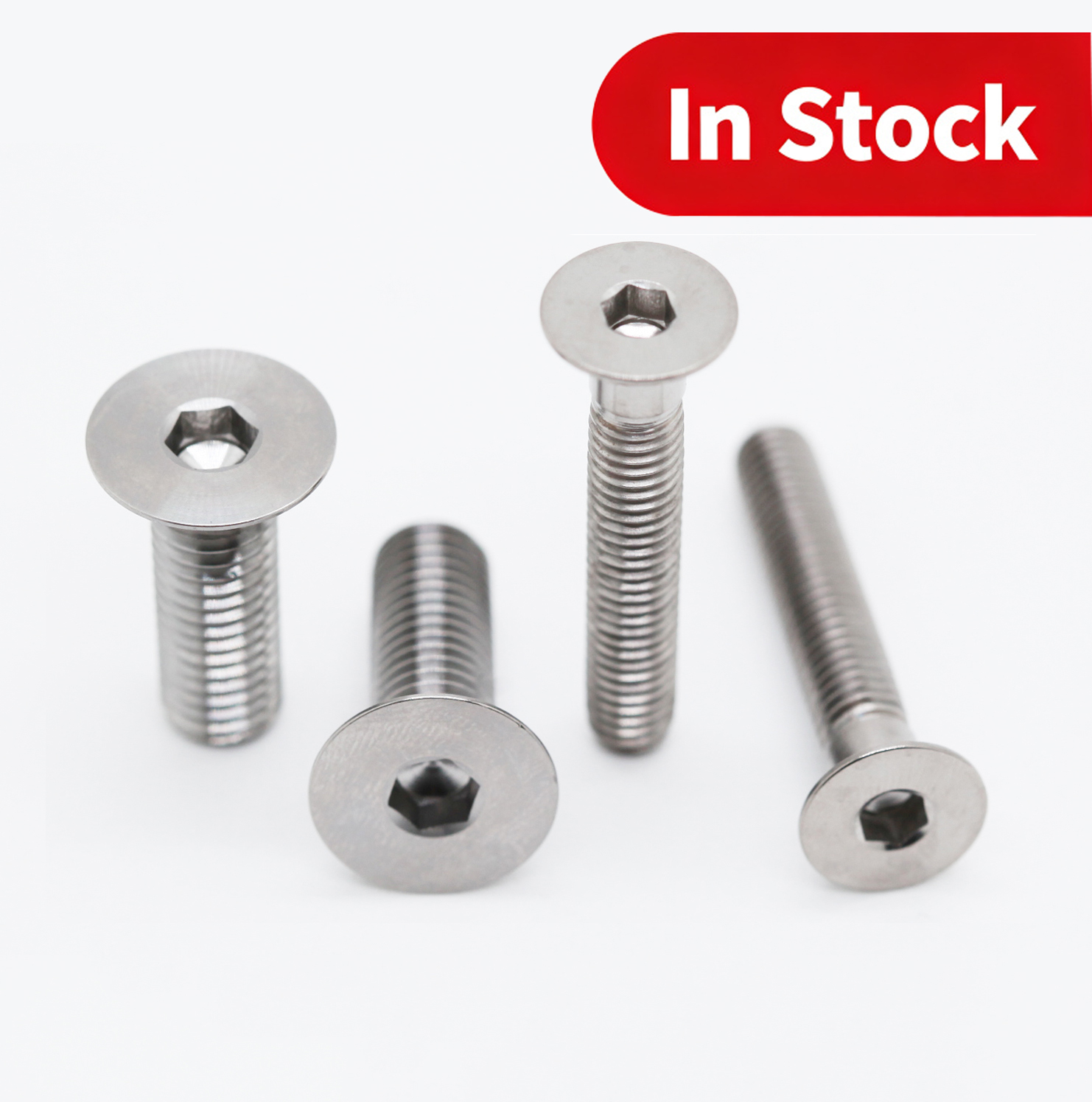
Operating since 2013 from the epicenter of China's "Titanium Valley" in Baoji, Shaanxi, Yevzo Titanium Metal Co., Ltd. eliminates broker intermediaries, delivering fully certified ASTM, DIN, and ISO aerospace-to-industrial grade fastening systems.
Direct integration with Baoji titanium sponge mills guarantees heat-lot chemical verification under ASTM B348. Every batch is certified with tensile, yield, and ultrasonic porosity verification before bar turning.
Heads, shanks, and threads are turned and cut on multi-axis Japanese and German-configured lathes. We maintain tight 6g / 6H thread tolerances, eliminating thread binding and erratic preload under sub-zero thermal cycling.
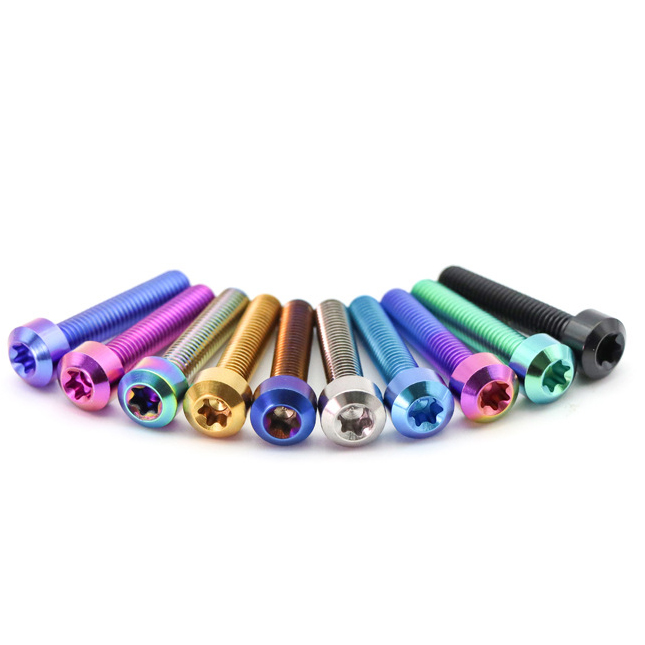
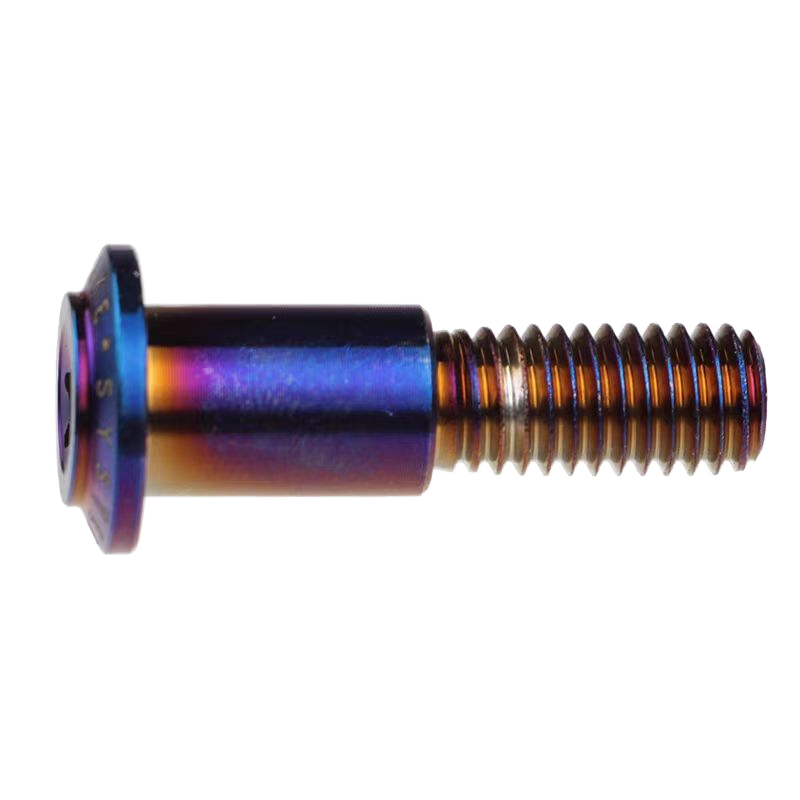
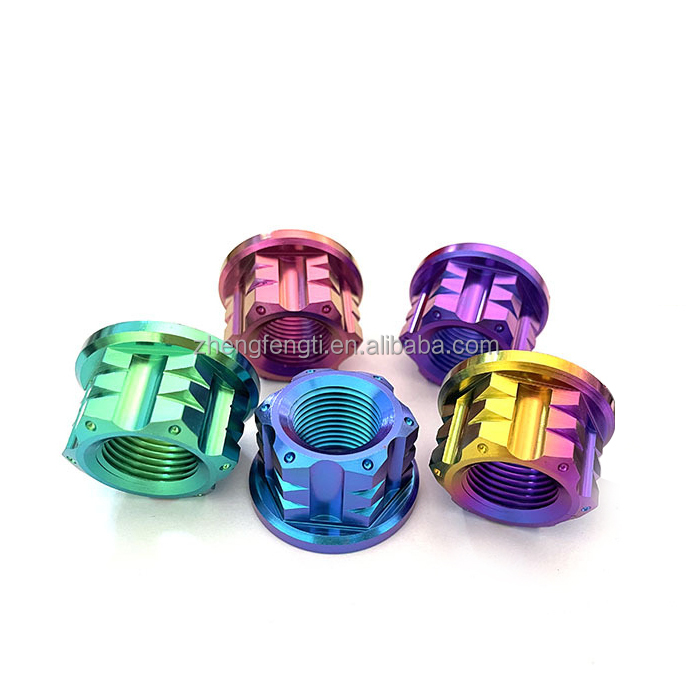
From plain machined natural titanium oxide to electrolytic micro-arc oxidation and vibrant aesthetic anodizing (gold, burned titanium, electric blue), our treatments safeguard thread runout while eliminating micro-fretting.
Complete export qualification across FOB, CIF, DDP, and door-to-door express delivery. Direct shipping routes to New Chitose Airport (CTS) and the Port of Ishikari-Wan-Shinko / Port of Otaru ensure zero logistics latency.
Hokkaido represents one of the world's most demanding operating environments for structural hardware. Combining coastal maritime salinity with continuous winter application of chemical deicing agents (calcium chloride and sodium chloride), standard zinc-plated and carbon steel bolts undergo rapid crevice corrosion and hydrogen embrittlement. Titanium hex bolts provide the ultimate metallurgical antidote.
Sapporo experiences prolonged sub-zero temperatures (dropping well below -10°C) alongside heavy winter salting on expressways like the Sasson and Do-O Expressways. Carbon steel 8.8 and 10.9 bolts frequently freeze, pit, or seize under chloride attack.
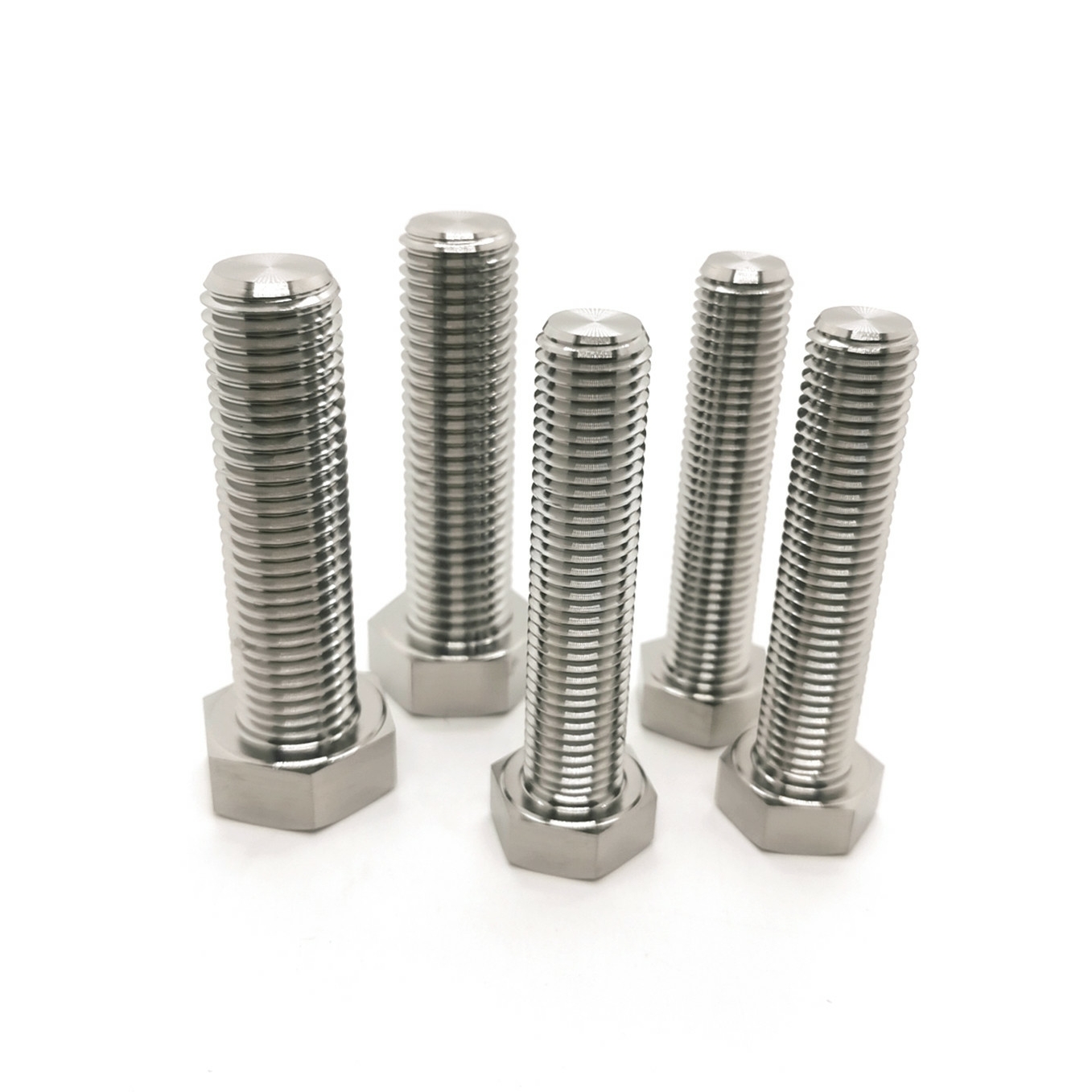
Our Gr5 (Ti-6Al-4V) Hex Head Bolts replace steel fasteners in commercial utility fleets, municipal snowplow mountings, and performance wheel assemblies (M12/M14 lug bolts). They retain ductile toughness at extreme negative temperatures without experiencing ductile-to-brittle transition phenomena.
Along Ishikari Bay, Otaru Harbor, and Hokkaido's seafood processing corridors, machinery is assaulted by raw seawater mist and alkaline processing chemicals. Commercial fisheries rely on automated processing, filleting conveyors, and deep-sea winches.
Gr2 Commercially Pure Titanium Hex Bolts provide an impervious spontaneous titanium dioxide (TiO2) passive boundary layer. Unlike 304 or 316 stainless steels, which suffer pitting and stress corrosion cracking in high-salinity seawater, titanium exhibits virtually 0.000 mm/year penetration rates in maritime spray.
Hokkaido is spearheading Japan's offshore wind expansion and green hydrogen generation initiatives, especially across Ishikari Bay. Offshore nacelle components, sensor cowlings, and cathodic protection arrays demand centuries-scale mechanical reliability.
Yevzo manufactures Class 8.8 Equivalent Ti-6Al-4V Hex Flange and Structural Bolts with yield strengths surpassing 828 MPa. These fasteners maintain clamping force under severe rotational vibration, non-magnetic criteria for electronics, and resistance to coastal bio-fouling.
Selecting fasteners for industrial installations throughout Sapporo requires calculating both lifecycle longevity and structural weight trade-offs. The table below illustrates core mechanical metrics according to ASTM B348 and ISO standards:
| Mechanical / Chemical Property | Grade 2 (CP Titanium) | Grade 5 (Ti-6Al-4V) | SUS316 Marine Stainless | High-Tensile Steel 8.8 |
|---|---|---|---|---|
| Tensile Strength (MPa) | ≥ 345 MPa | ≥ 895–950 MPa | ≥ 580 MPa | ≥ 800 MPa |
| Yield Strength 0.2% (MPa) | ≥ 275 MPa | ≥ 828 MPa | ≥ 220 MPa | ≥ 640 MPa |
| Specific Gravity / Density | 4.51 g/cm³ | 4.43 g/cm³ (−44%) | 7.98 g/cm³ | 7.85 g/cm³ |
| Resistance to CaCl₂ Deicer Salts | Complete Immunity | Complete Immunity | Moderate (Susceptible to Crevice) | High Corrosion Risk |
| Cryogenic Impact Toughness | Superior | High (No DBTT to −50°C) | Good | Subject to Embrittlement |
Hokkaido's 2030 regional modernization plan, paired with Japan's national semiconductor re-shoring and hydrogen economy benchmarks, is directly driving long-term shifts in fastener sourcing.
The construction of state-of-the-art semiconductor fabrication facilities south of Sapporo has spurred demand for ultra-clean, chemical-resistant hardware. Titanium hex bolts and nuts are non-outgassing, resist harsh etch acids, and provide non-magnetic reliability in cleanroom robotics and chemical delivery pipe racks.
Japanese facility operators have historically factored in routine replacement cycles for galvanised hardware. Driven by labor shortages across Hokkaido's engineering sectors, procurement teams are transitioning to "fit-and-forget" titanium fasteners, cutting routine maintenance and unplanned shutdowns caused by corroded, sheared bolts.
Cold-weather battery drain is a prominent hurdle for electric vehicles (EVs) and hybrid delivery vehicles across northern Japan. Shaving unsprung mass from wheel hubs, brake caliper mounts, and structural chassis cradles with Ti-6Al-4V bolts directly mitigates kinetic loss without sacrificing structural safety margins.
Practical engineering, assembly, customs clearance, and logistics answers compiled by our international trade and manufacturing engineering departments.