Precision Titanium Fasteners & Flange Hardware
Directly manufactured in our specialized Baoji production facility and supplied with full DIN / ISO compliance for industrial distributors and OEM original equipment manufacturers in Cologne and North Rhine-Westphalia (NRW).
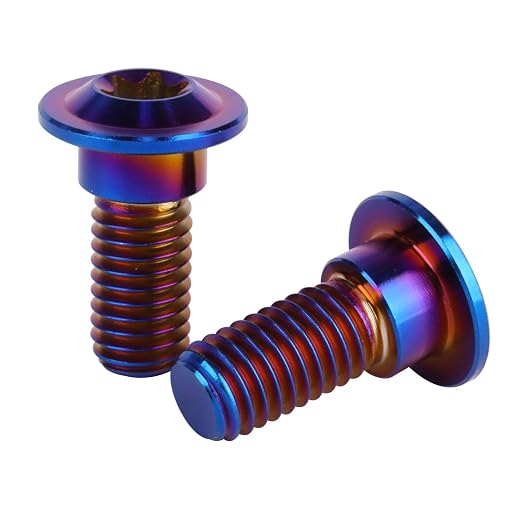
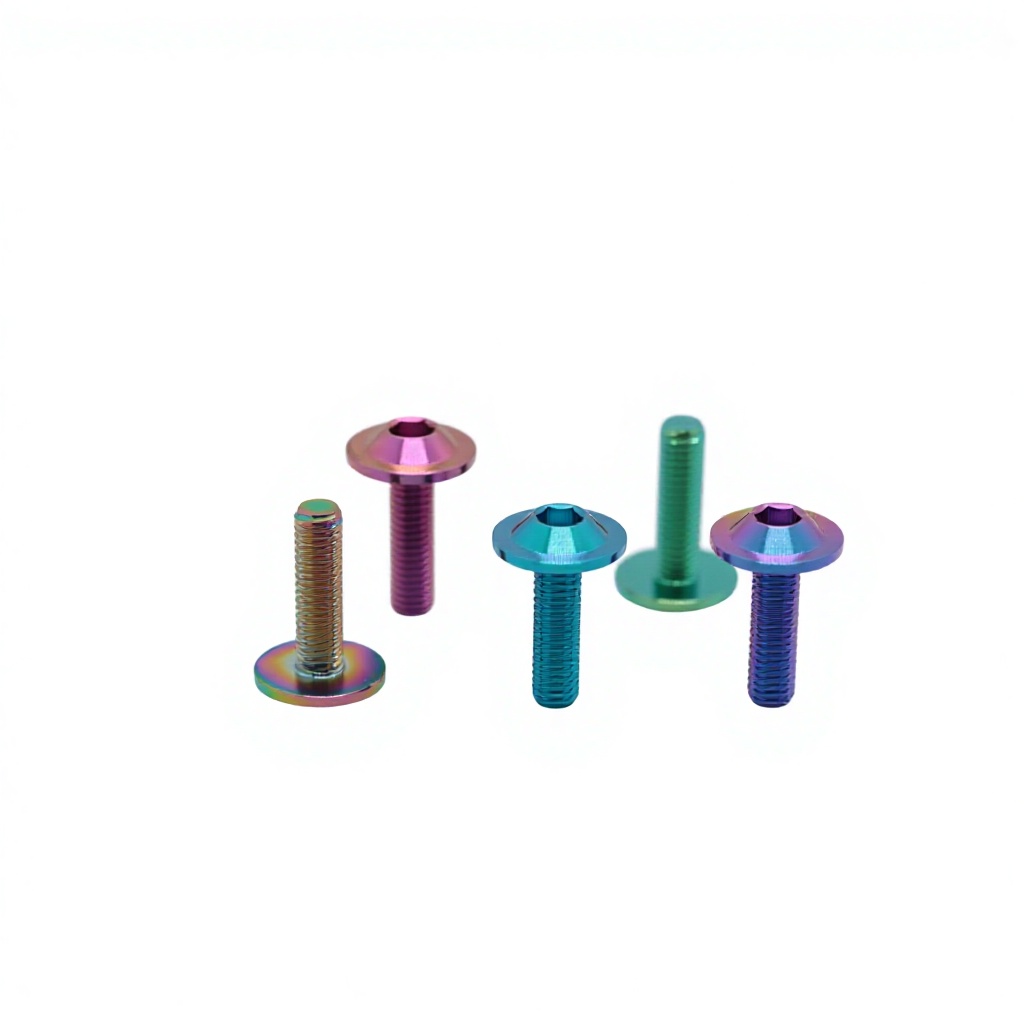
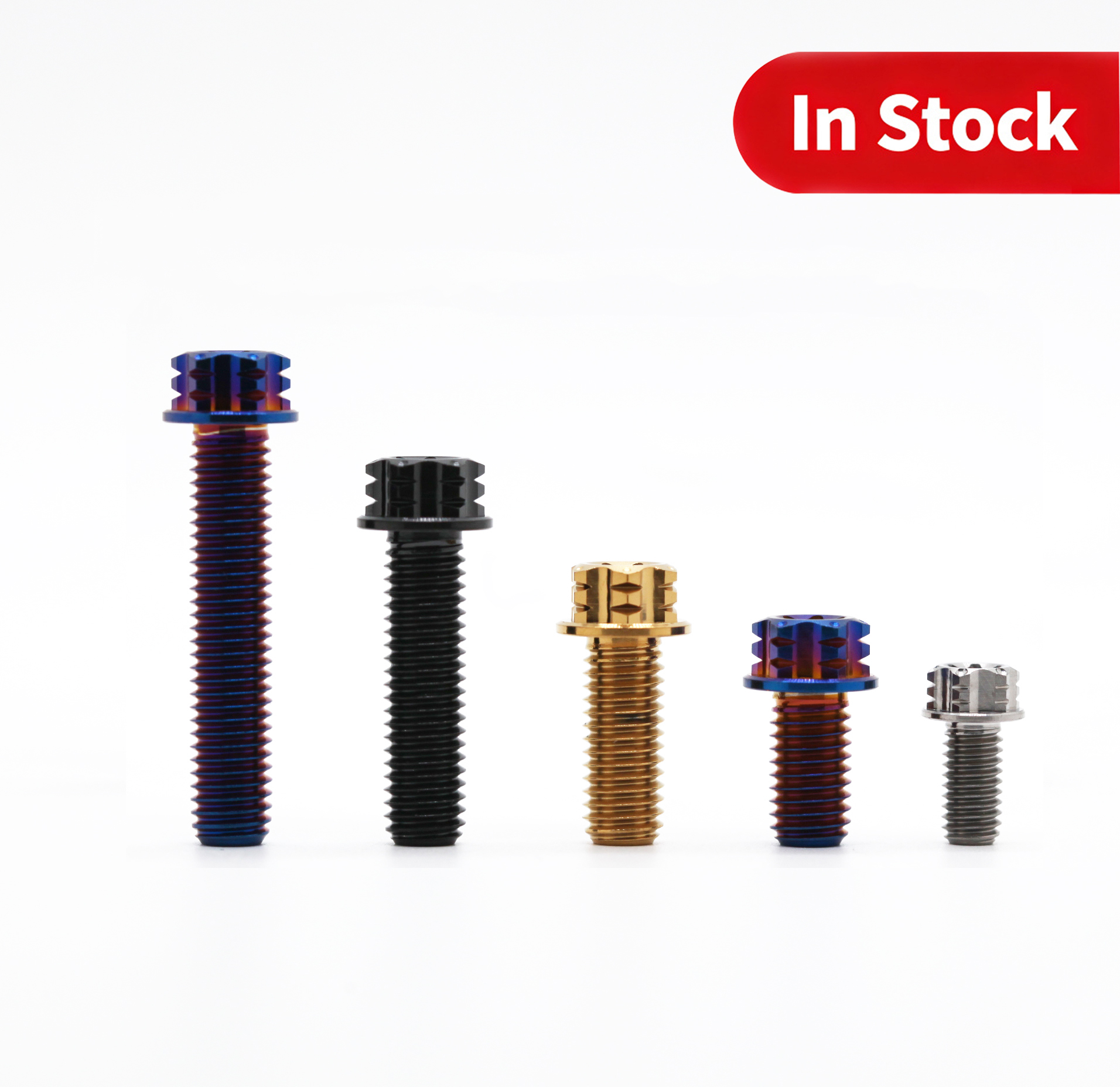
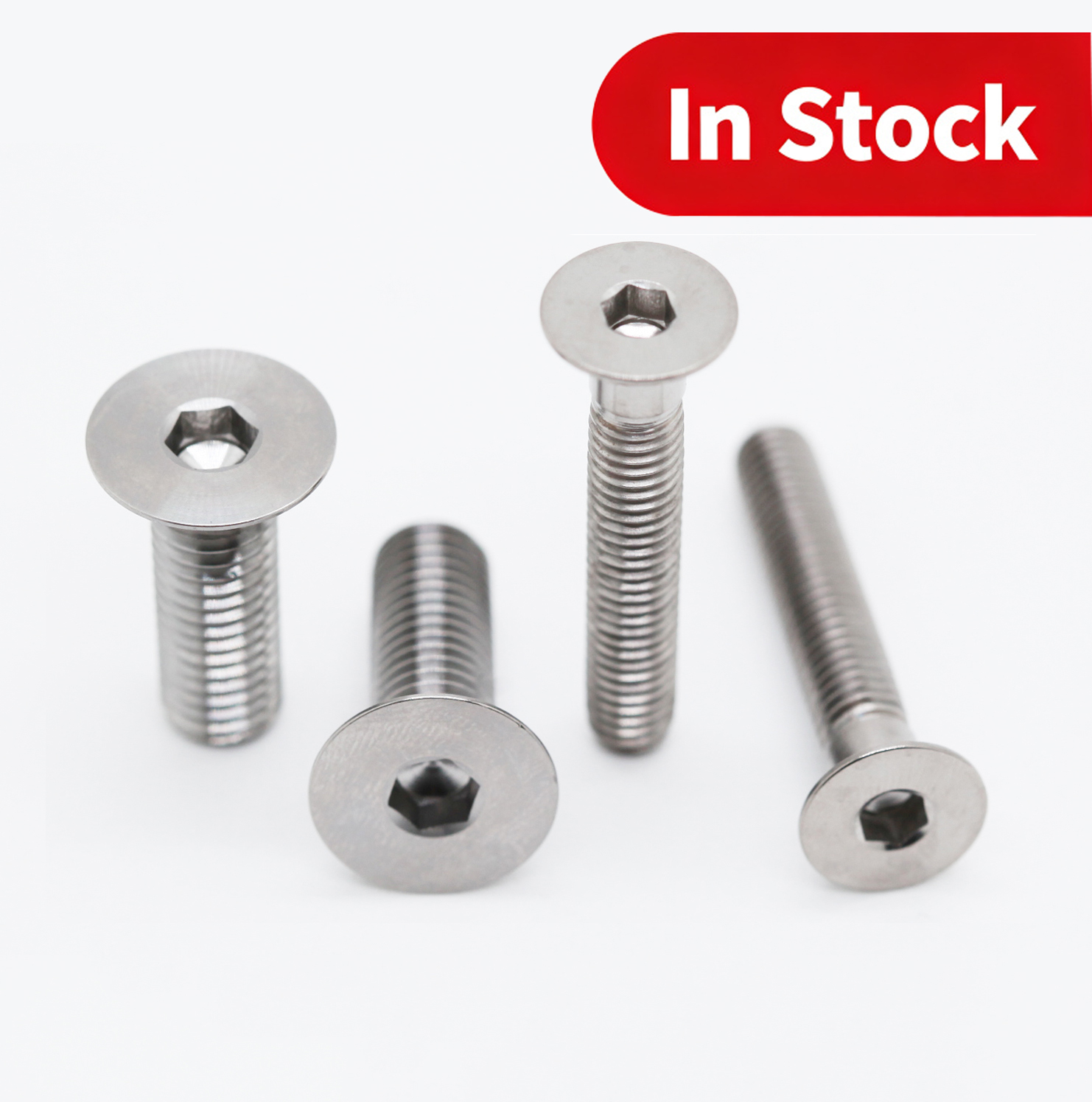
Grade 5 (Ti-6Al-4V) vs. Grade 2 Titanium Flange Nuts: Engineering Analysis
Selecting the ideal structural fastener for heavy industrial, automotive, and chemical infrastructure in Cologne requires an in-depth understanding of material physics, stress distribution, and chemical inertness. At Yevzo Titanium Metal Co., Ltd., our mill-certified titanium flange nuts are cold-forged and precision-CNC machined to meet demanding mechanical tolerances under severe vibration and corrosive loads.
The integrated flange face on a DIN 6923 titanium nut functions as a built-in, load-distributing washer. By spreading the clamping force over a broader surface area, it eliminates the need for loose washers, reduces mechanical creep, and prevents localized surface deformation on soft substrates such as carbon fiber composite matrixes, 7075-T6 aluminum housings, and thin-walled stainless flanges.
| Mechanical & Physical Parameter | Grade 5 Titanium (Ti-6Al-4V) | Grade 2 Titanium (CP-Ti) | Class 10.9 Alloy Steel | 316L Stainless Steel |
|---|---|---|---|---|
| Ultimate Tensile Strength (Rm) | ≥ 895 - 950 MPa | ≥ 345 - 450 MPa | 1040 MPa | 580 MPa |
| Yield Strength (0.2% Offset) | ≥ 828 MPa | ≥ 275 MPa | 940 MPa | 290 MPa |
| Density (g/cm³) | 4.43 g/cm³ | 4.51 g/cm³ | 7.85 g/cm³ | 8.00 g/cm³ |
| Weight Savings vs. Steel | ~ 43.5% Lightening | ~ 42.5% Lightening | Baseline (0%) | - 2% Heavier |
| Corrosion Resistance (Chloride/Salt) | Exceptional (Passivated TiO2) | Maximum (Pure Phase) | Poor (Requires Plating) | Moderate (Pitting Risk) |
| Operating Temperature Limits | -250°C to +400°C | -250°C to +300°C | -50°C to +300°C | -196°C to +600°C |
For load-bearing structural applications in industrial plants around the Rhine, Grade 5 (Ti-6Al-4V) provides an unmatched strength-to-weight ratio. With a tensile strength exceeding 950 MPa, it matches or exceeds standard Class 8.8 and 10.9 carbon steel fasteners while cutting total assembly weight by nearly half. Where extreme chemical resistance to oxidizing acids or wet chlorine is required, Grade 2 Commercially Pure (CP) Titanium provides superior chemical passivation through a self-healing titanium dioxide ($TiO_2$) surface film.
Tailored Fastening Applications in Cologne’s Key Industries
Cologne (Köln) is one of Germany's primary industrial and manufacturing powerhouses. From the chemical processing facilities of the Rhine Megasite corridor to advanced automotive engineering facilities in Niehl and world-class racing operations in the nearby Nürburgring circuit, our titanium flange nuts deliver vital engineering benefits across four primary local sectors:
Automotive & Electric Vehicle Assembly (Ford-Niehl Hub)
Cologne’s automotive engineering sector places a strong emphasis on unsprung mass reduction and thermal stability. Our Grade 5 titanium flange nuts (M6 to M14) are widely utilized in electric powertrain suspensions, battery enclosure frames, and exhaust manifold stud kits. They withstand high thermal cycling without thermal fatigue, thread distortion, or rust-induced seizing.
Rhine Chemical Belt & Process Engineering
Operating in the vicinity of Cologne’s chemical parks (Chempark Leverkusen, Dormagen, and Knapsack), industrial piping systems are continuously exposed to aggressive chloride ions, organic acids, and damp river microclimates. Titanium DIN 6923 flange nuts provide total immunity to stress corrosion cracking (SCC) and pitting corrosion, significantly extending maintenance cycles in heat exchangers and dosing pumps.
Motorsport & Performance Motorcycle Modification
With Cologne serving as a central access hub to the Eifel motorsport region and the iconic Nürburgring, local tuning workshops rely on our CNC-machined serrated flange nuts for brake disc rotors, rear sprocket drives, and fairing assemblies. The integrated serrated flange bites into mating surfaces to prevent loosening under intense harmonic vibration.
Green Hydrogen & Clean Energy Hardware
North Rhine-Westphalia’s aggressive transition toward clean hydrogen power requires non-magnetic, ultra-lightweight structural fasteners for fuel cell stack compression units and water electrolysis systems. Titanium flange nuts eliminate magnetic interference while offering high dielectric neutrality when paired with engineered insulating sleeves.
Industrial Development & Fastening Trends in Cologne
The industrial landscape in Cologne and the greater Rhine-Ruhr metropolis is undergoing a structural shift driven by sustainability directives, digital manufacturing integration, and extreme lightweighting goals:
- Decarbonization of Commercial Transport: Regional fleet operators and public transit equipment manufacturers in Cologne are actively reducing gross vehicle weight (GVW) to maximize battery range in commercial electric buses and light trucks. Converting structural steel nuts to Grade 5 titanium flange nuts saves measurable kilograms across chassis and drive-train mounts.
- Industry 4.0 Standardized Fastening: Modern automated manufacturing assembly lines demand strict dimensional repeatability. Yevzo’s CNC thread-rolling technology guarantees a Class 6H fit tolerance on every titanium nut, preventing thread jam incidents during automated pneumatic torque installation.
- Total Cost of Ownership (TCO) Prioritization: Industrial buyers in North Rhine-Westphalia are moving away from cheap carbon steel fasteners that require frequent corrosion inspections, galvanizing treatments, or replacement. Titanium flange nuts offer a "fit-and-forget" lifecycle profile, eliminating downtime costs in hard-to-access chemical reactors and infrastructure setups.
Why Cologne Procurement Managers Partner with Yevzo
Headquartered in Baoji, China—globally recognized as "Titanium Valley"—Yevzo Titanium Metal Co., Ltd. has been an authority in non-ferrous metal forging, custom CNC precision turning, and technical fastener manufacturing since 2013. We bridge the gap between primary titanium sponge production and high-precision finished components.
Raw Material Traceability
Every batch of titanium round bar (ASTM B348 Grade 2 and Grade 5) undergoes spectral analysis and ultrasonic flaw detection. We provide full EN 10204 3.1 Material Test Certificates with every shipment to Cologne buyers.
State-of-the-Art CNC Machinery
Our facility houses over 100 high-speed multi-axis CNC turning-milling centers, automatic thread-rolling machines, and optical sorting units capable of maintaining tight tolerances within ±0.01mm.
Custom Surface Treatments
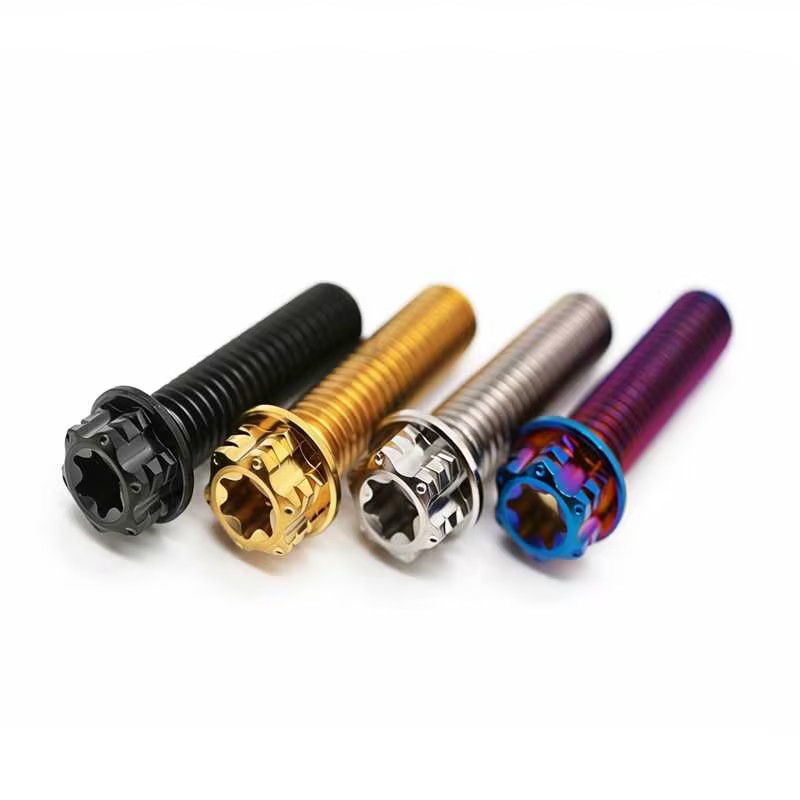
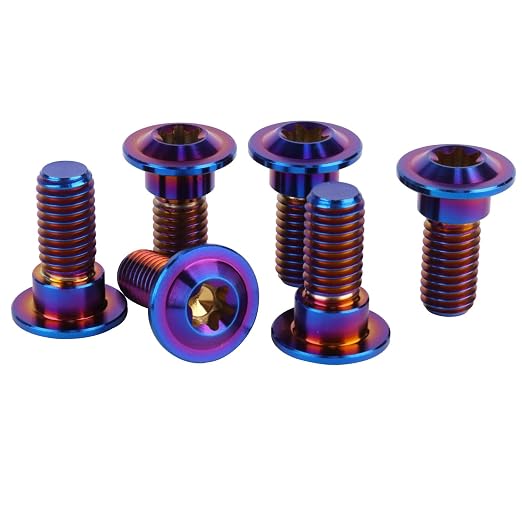
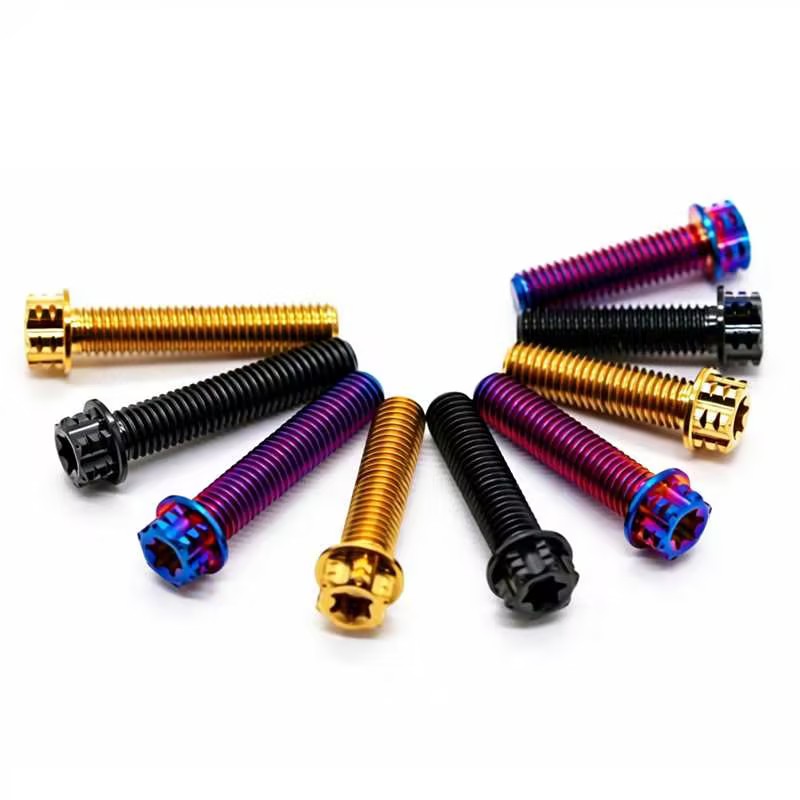
We provide in-house anodic oxidation (PVD anodizing) in custom colors (Burnt Blue, Gold, Rainbow, Black, Purple) as well as micro-arc oxidation (MAO) for enhanced surface hardness and wear resistance.
Need custom technical drawings realized or DIN 6923 flange nut samples dispatched to Cologne?
Cologne Fastener Procurement FAQs
1. How do DIN 6923 Titanium Flange Nuts prevent galling during high-torque installation?
2. Are Yevzo’s titanium flange nuts fully interchangeable with standard steel DIN 6923 nuts?
3. What chemical certificates and quality compliance documentation do you supply to German importers?
4. How does galvanic corrosion affect titanium nuts when paired with aluminum components?
5. What is the typical lead time for custom OEM CNC titanium hardware orders shipping to Cologne?
Request Our Full Titanium Fastener Technical Catalog
Download complete mechanical specification sheets, CAD models, pitch charts, and direct factory wholesale pricing for Cologne industrial buyers.