Heavy Rigging
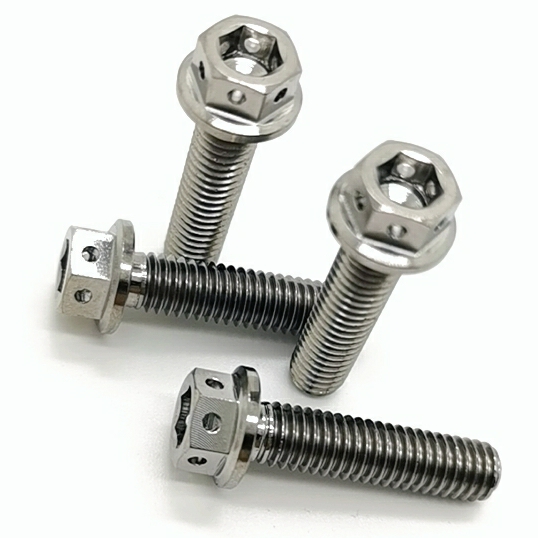
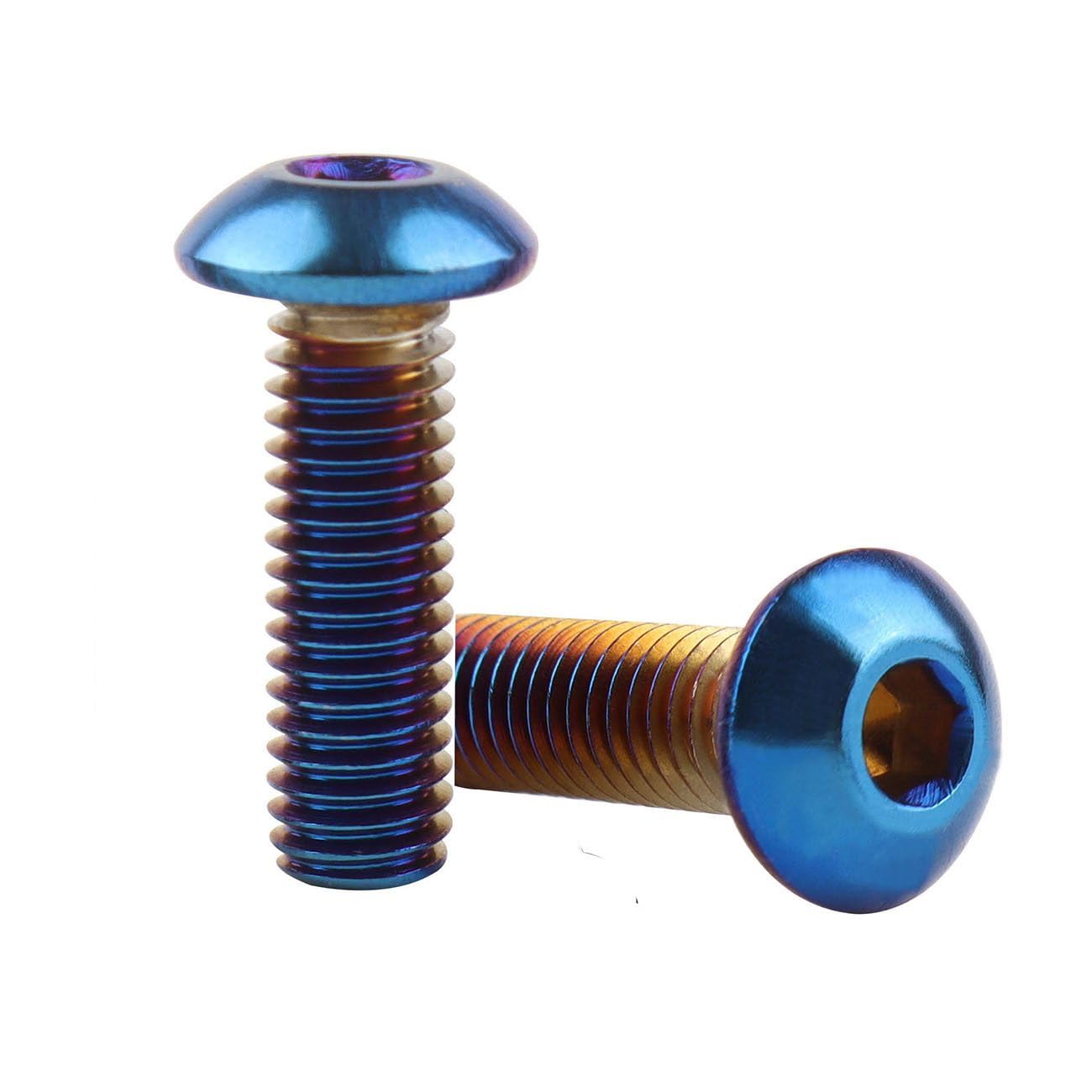
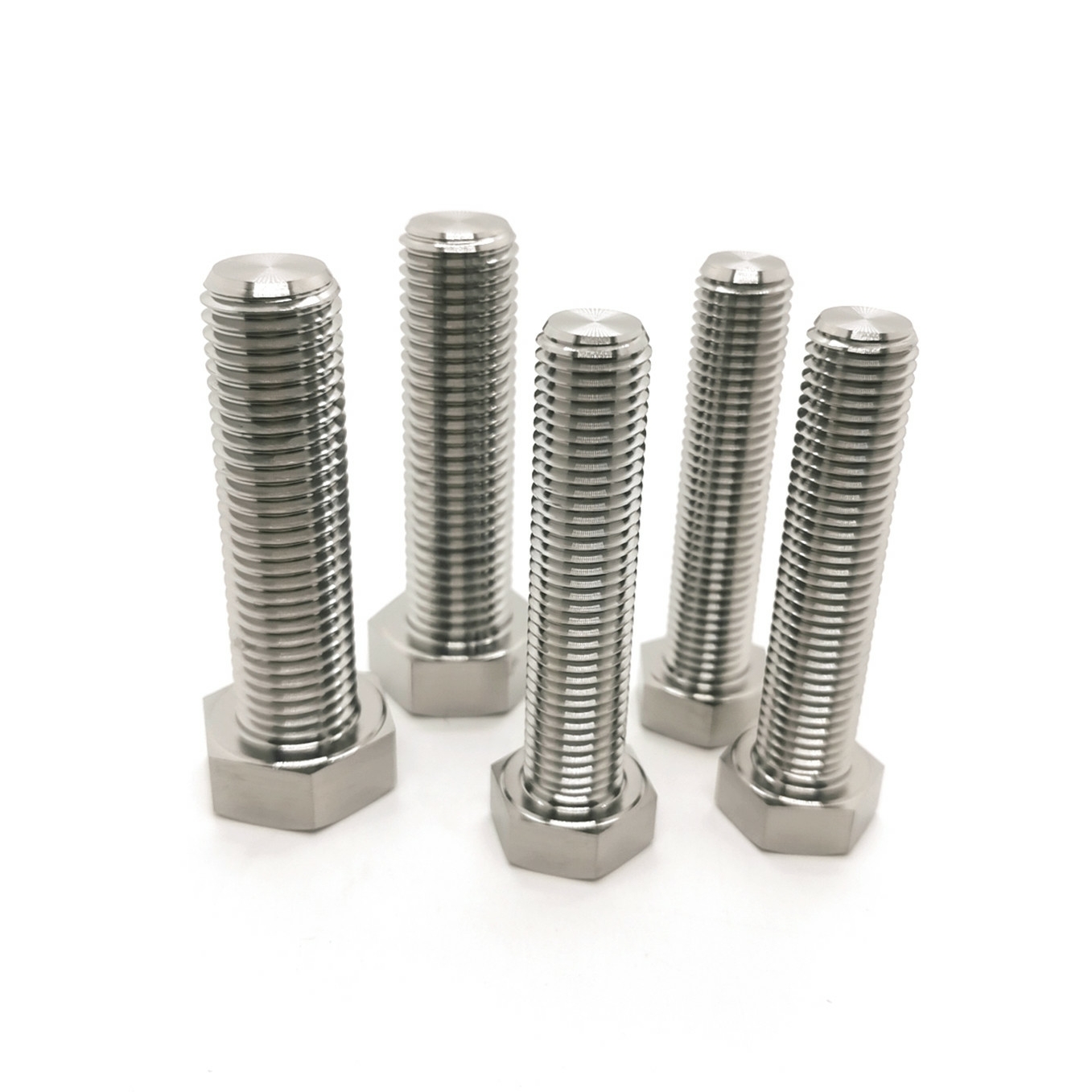
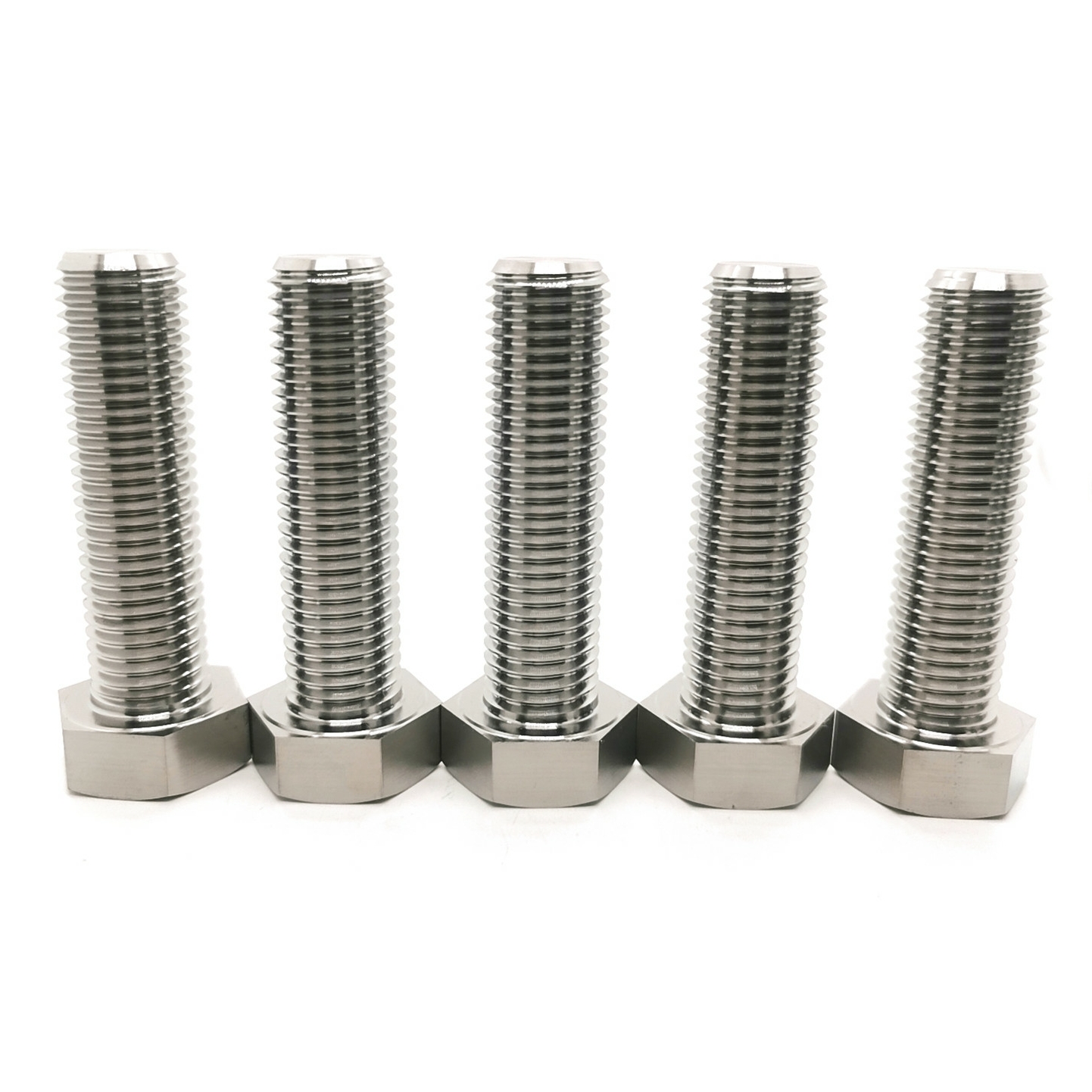
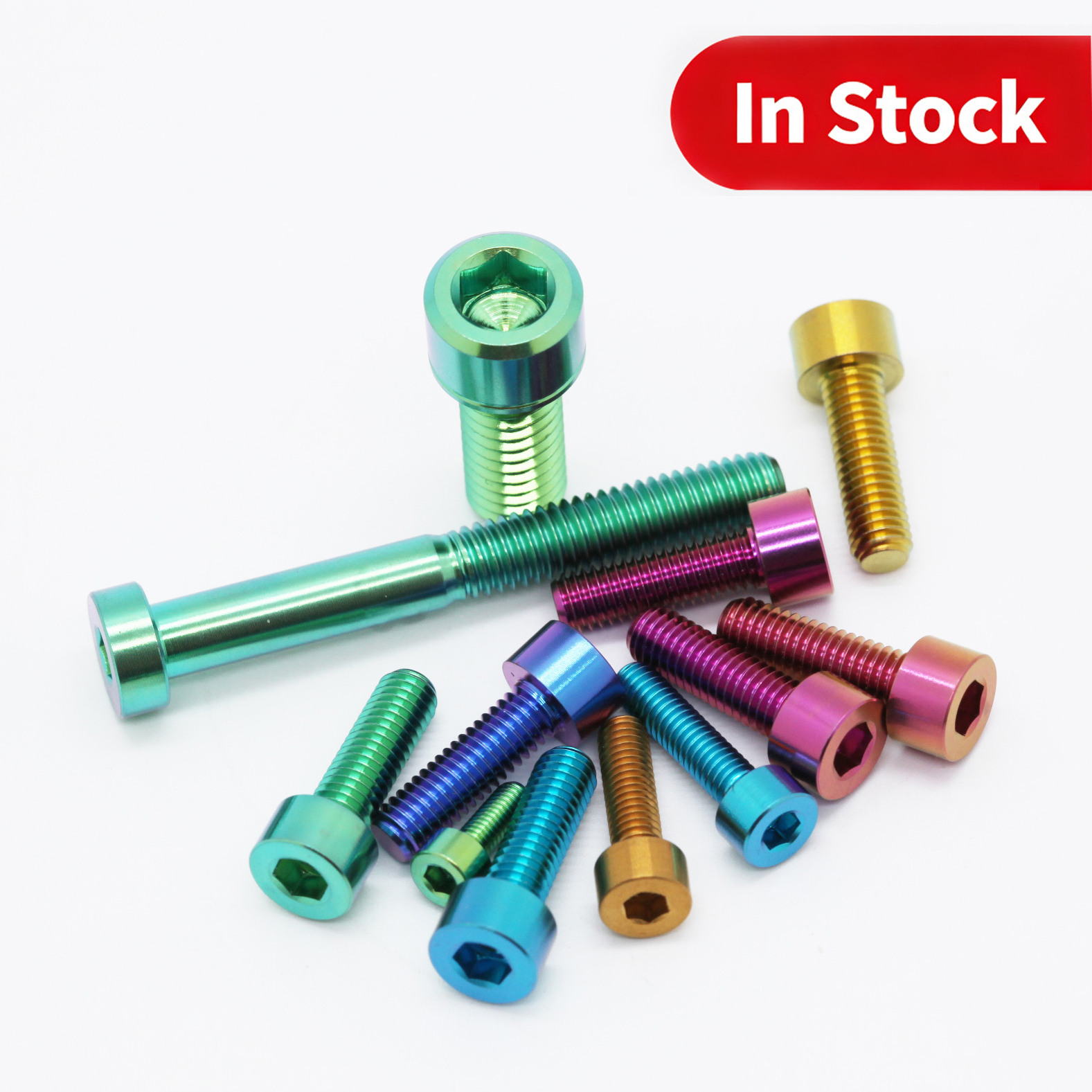
GR5 Titanium Socket Head Class 8.8 Marine Bolts
- Material: Ti-6Al-4V (Grade 5)
- Standard: DIN 912 / ISO 4762
- Tensile Strength: ≥ 895 - 1000 MPa
- Application: Offshore Topside / Subsea
Manufactured under ISO 9001 certified CNC turning workflows, tested for extreme dynamic stress, saline immersion, and cryogenic shock resistance.
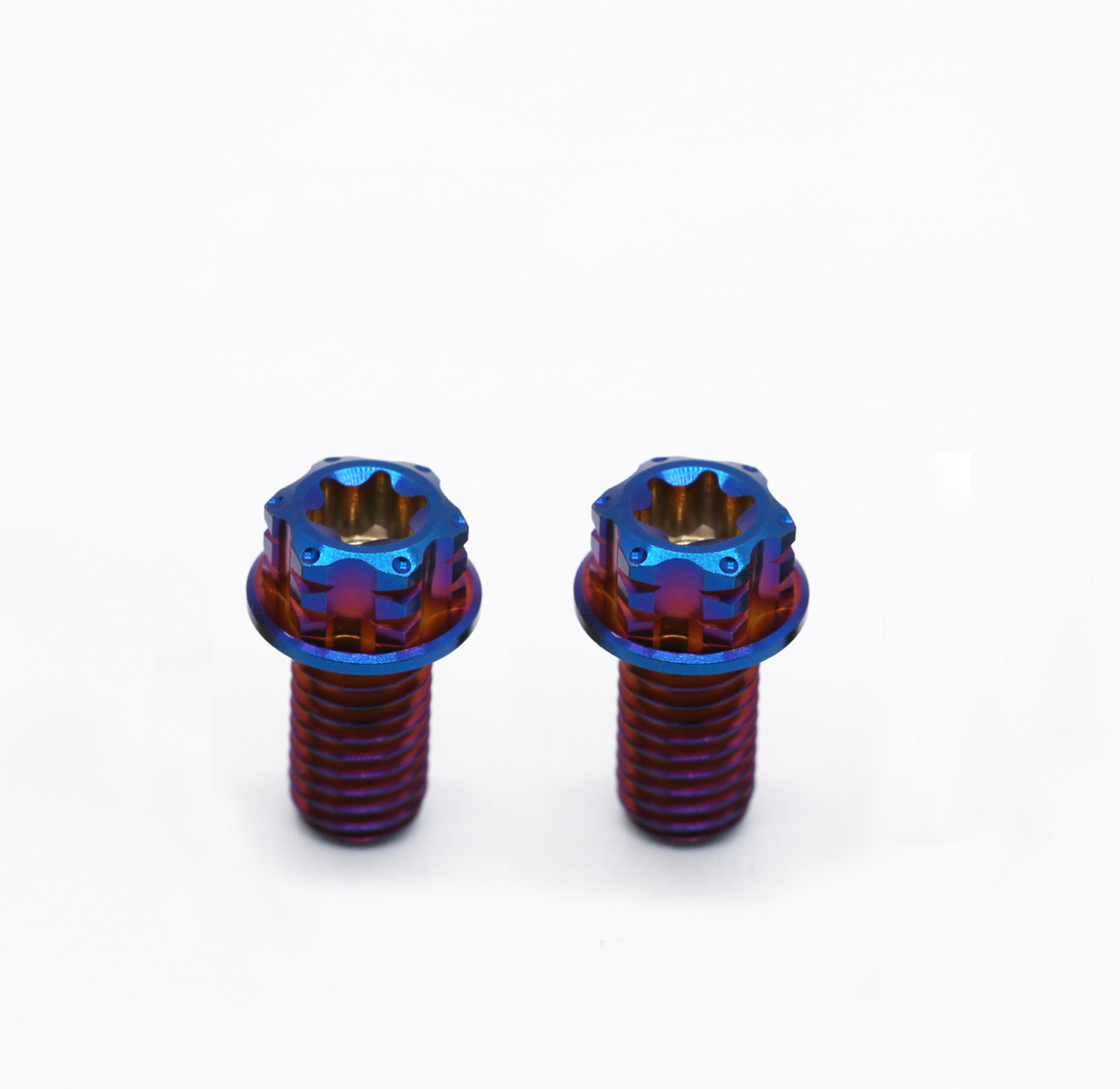
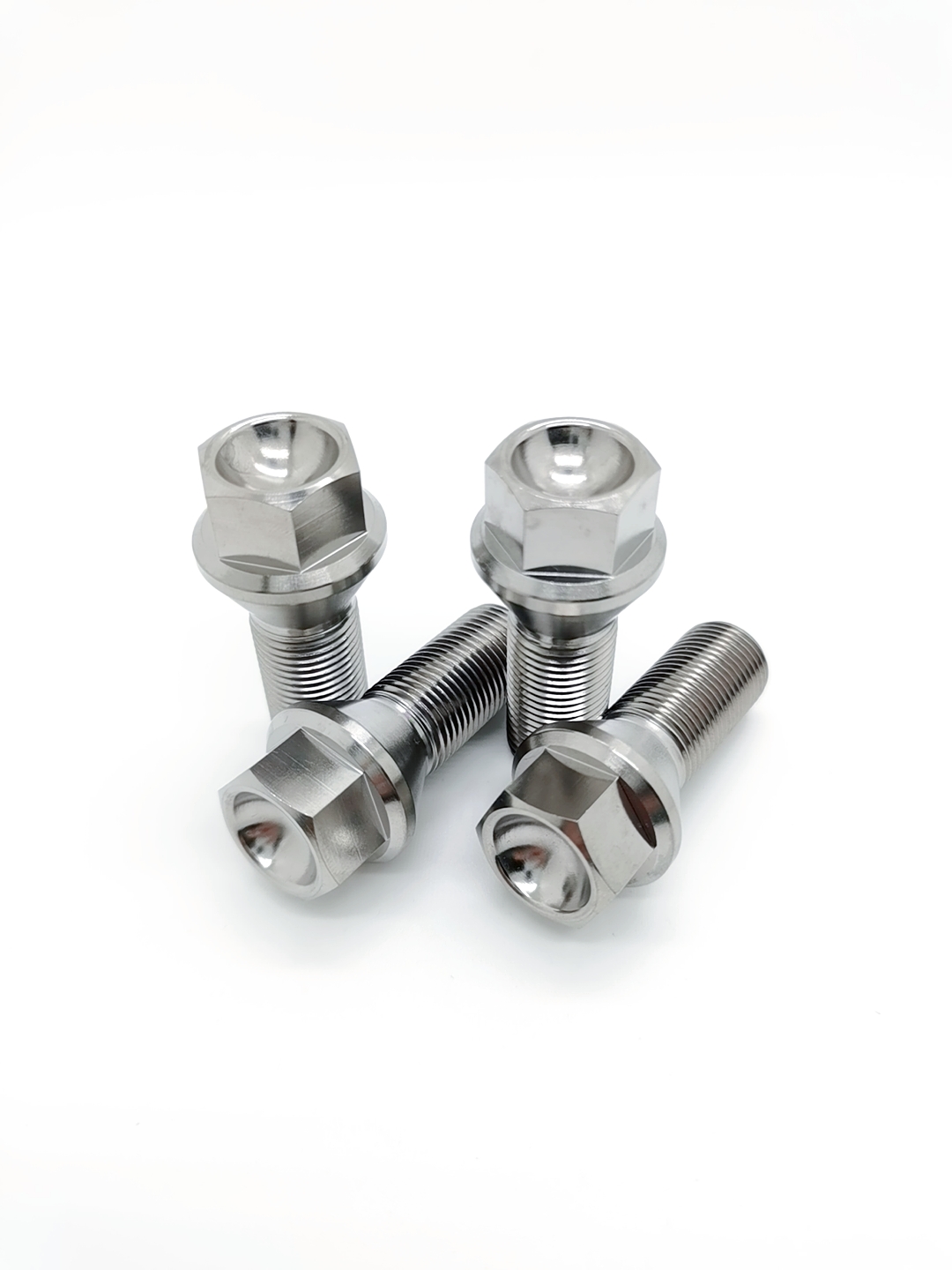
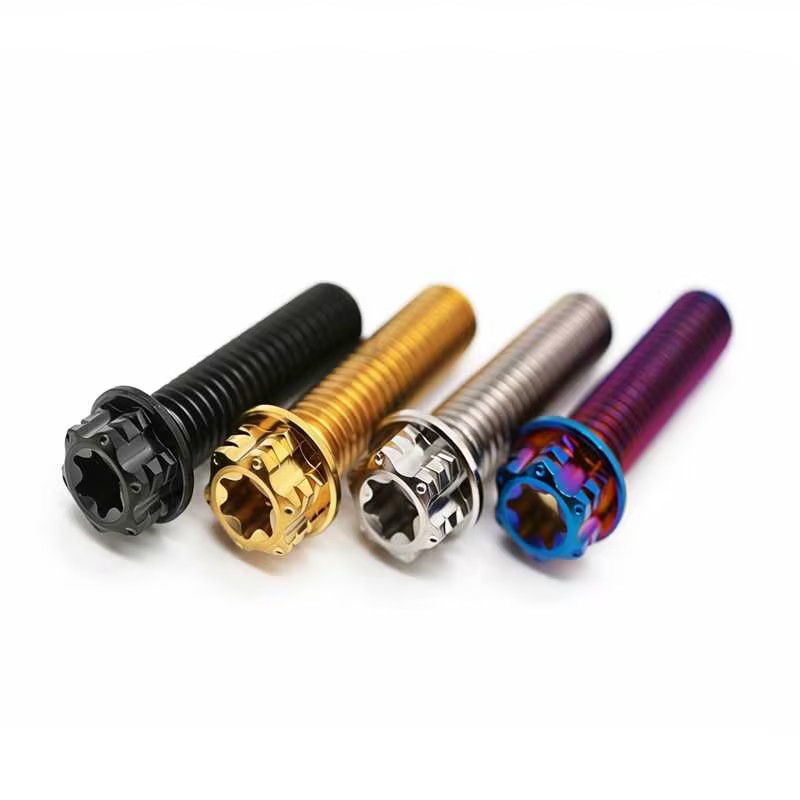
A comprehensive engineering comparison of Grade 5 (Ti-6Al-4V) vs. Grade 2 vs. Austenitic and Super Duplex Stainless Steels under North Sea mechanical and chemical stressors.
In offshore rigging, subsea tie-backs, and heavy marine lifting throughout Western Norway, equipment is exposed to extreme conditions: cyclic hydrodynamic loading, low temperatures, and continuous contact with oxygenated, highly conductive North Sea seawater. Standard austenitic stainless steels (such as AISI 316L) routinely suffer from localized breakdown of their chromium-oxide protective film. This results in severe pitting, crevice attack, and stress corrosion cracking (SCC) beneath rigging collars, washers, and thread roots where stagnant seawater pools.
Yevzo Titanium engineers titanium eye bolts, eye nuts, and hoist rings using commercially pure Grade 2 (UNS R50400) and aerospace/offshore-grade Grade 5 (Ti-6Al-4V, UNS R56400). Titanium's resistance to seawater corrosion comes from its high thermodynamic affinity for oxygen. In air or seawater, titanium spontaneously forms an instantaneous, tenacious, chemisorbed rutile-type titanium dioxide (TiO2) passivation layer. Unlike stainless steels, this layer re-heals in milliseconds if mechanically scuffed during heavy shackle attachment, functioning reliably up to seawater temperatures of 250°C without localized pitting.
| Performance Parameter | Yevzo Ti-6Al-4V (Grade 5) | Commercially Pure Ti (Grade 2) | Super Duplex 2507 (1.4410) | Marine Stainless 316L (1.4404) |
|---|---|---|---|---|
| Density (ρ) | 4.43 g/cm³ (-44% vs steel) | 4.51 g/cm³ | 7.80 g/cm³ | 8.00 g/cm³ |
| Min. Yield Strength (Rp0.2) | 828 - 910 MPa | 275 - 350 MPa | 550 MPa | 220 - 240 MPa |
| Ultimate Tensile (Rm) | ≥ 895 - 1050 MPa | ≥ 345 - 450 MPa | 750 - 1000 MPa | 520 - 620 MPa |
| Strength-to-Weight Ratio | 202 kN·m/kg (High) | 76 kN·m/kg | 96 kN·m/kg | 27 kN·m/kg |
| Pitting Resistance (PREN) | Immune (>50 equiv.) | Immune (TiO2 barrier) | 42 - 45 (Good) | 23 - 25 (Vulnerable) |
| Galvanic Potential in Seawater | +0.05 to -0.05 V (Noble) | -0.05 to -0.10 V | -0.05 to -0.15 V | -0.10 to -0.25 V (Active) |
| Charpy V-Notch Impact (-40°C) | Superior (> 42 J) | High Ductility | Subject to DBTT Transition | Ductile, Low Strength |
For hoisting and tethering operations subject to DNV-ST-E273 or NORSOK M-001 standards, Grade 5 Ti-6Al-4V provides a distinct operational advantage: an ultimate tensile strength exceeding 895 MPa, while maintaining more than 10% elongation at break. This high strength allows subsea ROV tools, crane rigging attachments, and aquaculture tension loops to use smaller bolt diameters without sacrificing required safety factors (typically 4:1 for axial hoisting and 5:1 for angular side-loads).
Titanium displays near-zero corrosion rates (< 0.001 mm/year) in cold seawater. This eliminates micro-crevice oxidation where the eye loop threads into tapped subsea manifolds.
With a density of 4.43 g/cm³, titanium eye bolts help reduce topside payload on floating wind turbines, seismic vessels, and deepwater autonomous underwater vehicles (AUVs).
Thread galling is addressed through rolled thread geometries, PVD anti-friction coatings, specialized molybdenum disulphide, or PTFE barrier dry lubricants.
Engineered lifting hardware configured to meet the operational demands of coastal, fjord, and offshore installations across the Vestland region.
Bergen functions as a major subsea hub for the Norwegian continental shelf. Facilities at Coast Center Base (Ågotnes) handle subsea manifolds, Christmas trees, control modules, and ROV retrieval tools for major operators like Equinor. Traditional steel hoist rings require regular anti-corrosion painting and zinc anode monitoring.
Yevzo Gr5 Titanium Eye Bolts (DIN 580 and custom swivel hoist configurations) are designed for permanent subsea placement down to depths of 3,000 meters. Their high fracture toughness helps protect against brittle failure caused by sub-zero benthic waters and cyclic wave action during installation.
Norway's aquaculture industry is transitioning from sheltered fjords to open-ocean, exposed fish farming sites. High-energy waves, combined with daily chemical sanitization (hydrogen peroxide and acidic descalers), lead to accelerated corrosion in 316L lifting lugs and eye bolts.
Our titanium eye bolts provide high fatigue resistance and chemical passivity against organic acids, fish waste, and oxygenation systems. This supports reliable net-cage anchoring, submersible cage buoyancy controls, and automated feeding platform winches.
Floating foundations off Bergen face severe tension loads and continuous salt-spray splash zones. Grade 5 titanium eye bolts serve as long-life mooring inspection points, nacelle component hoist tethers, and umbilical cable strain relief brackets, helping extend maintenance intervals past 25 years.
Bergen hosts the Institute of Marine Research and the University of Bergen's marine laboratories. Titanium eye bolts offer non-magnetic properties (μr ≈ 1.00005), which helps avoid interference with sensitive underwater magnetometers, hydrophones, and acoustic Doppler current profilers (ADCPs).
Haakonsvern Naval Base operates modern frigates, submarines, and composite fast patrol craft. Our lightweight titanium rigging components provide high shock absorption and a favorable strength-to-weight ratio for davit cranes, zodiac launch tethers, and acoustic dampening assemblies.
How changes in total lifecycle cost models, decarbonization goals, and strict NORSOK standards are shaping fastener procurement in Vestland.
While titanium eye bolts carry a higher initial purchase price than 316L, Norwegian engineering teams factor in the cost of offshore diver intervention and crane vessel charter rates (often exceeding 250,000 NOK/day). Choosing corrosion-proof titanium eliminates replacement cycles over a 25-year design life.
With the electrification of the Norwegian shelf (power from shore), platform retrofits and subsea power distribution skids require reduced deck weights to keep centers of gravity stable. Titanium hardware cuts rigging tare mass by 44% compared to steel.
Suppliers must provide complete heat traceability back to certified titanium ingots, with mechanical yield/tensile validation, chemical composition via optical emission spectrometry, and ultrasonic testing to identify void-free microstructure.
Norwegian contractors now routinely reject unlubricated, raw-turned titanium threads due to cold welding risks under torque. Sourcing mandates now specify pre-coated, precision-rolled threads treated with molybdenum disulphide, copper-free marine paste, or micro-thin PVD films.
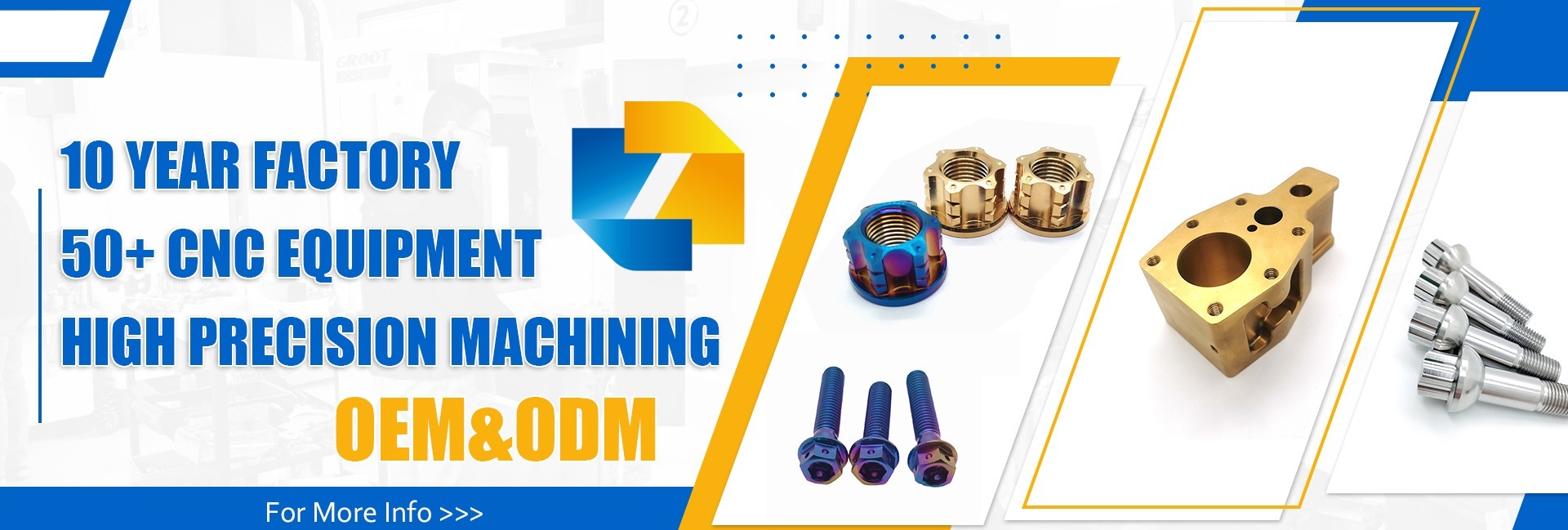
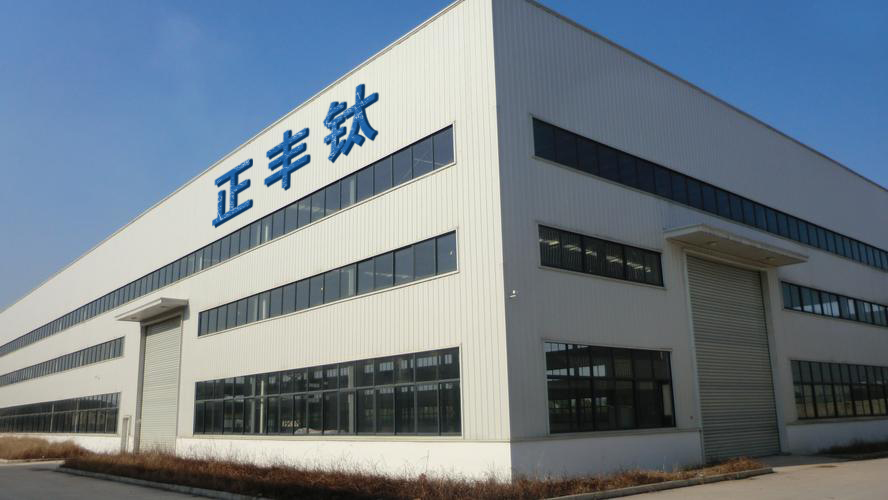
Founded in 2013, Yevzo Titanium Metal Co., Ltd. operates in China's titanium manufacturing center, offering integrated raw material sourcing and custom CNC machining without intermediary markups.
Headquartered in the High-Tech Development Zone of Baoji, Shaanxi, Yevzo Titanium is positioned within the heart of "Titanium Valley"—the source for the majority of the world's commercial titanium sponge and ingots. This proximity provides secure access to certified ASTM B348 Grade 2 and Grade 5 titanium bar stock, with complete melt traceability.
Our multi-axis CNC lathe centers, precision hot-forging presses, thread-rolling machines, and optical profile projectors deliver tolerances down to ±0.01 mm. We machine standard DIN 580/582 lifting eye bolts as well as customized swivel-head, long-shank, shoulder, and tapped lifting configurations built to CAD/STEP files.
Addressing lifting standards, DDP Norwegian customs delivery, anti-galling strategies, and galvanic compatibility.
Connect directly with our engineering and metallurgic sales desk in Baoji. Send your 2D/3D CAD drawings, specified DIN/ISO standards, or load requirements. We will return a comprehensive production proposal, technical data sheet, and DDP Bergen shipping quote within 24 hours.