Engineered Fastening Solutions for Extreme Environments
Manufactured from aerospace-grade bar stock in Baoji and delivered directly to the Skopje capital region and the wider Balkan corridor. Full lot traceability, rolled threads, and custom anodized finishes available on demand.
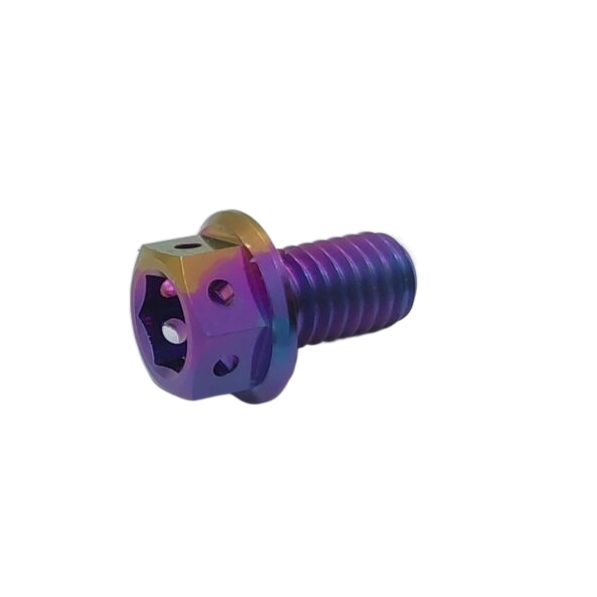
ZFTI Class 8.8 Gr5 Titanium Flange Bolt Anodized PVD Hex Head UNF Thread
- Grade: Ti-6Al-4V (Gr5)
- Tensile: ≥ 895 MPa
- Finish: PVD Coating
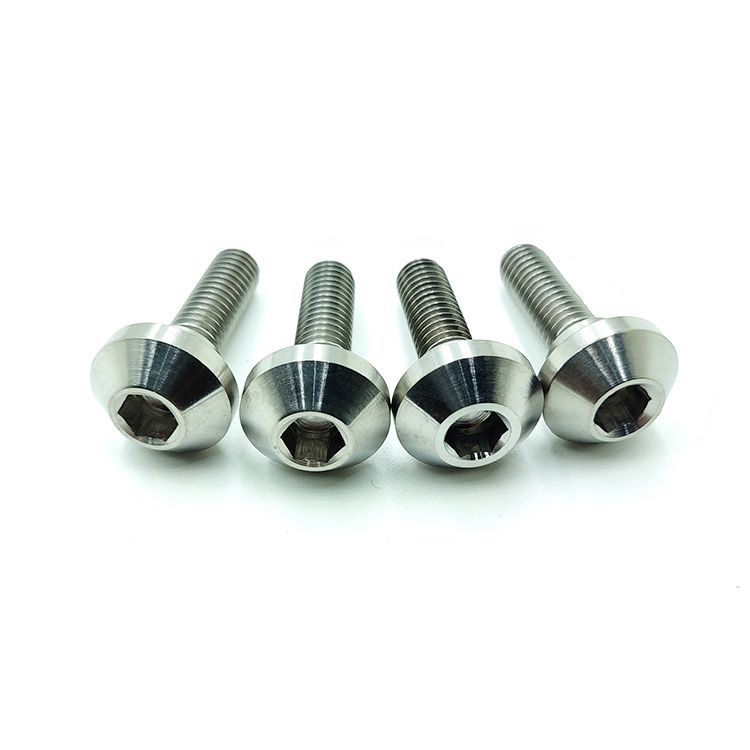
GR5 Titanium Alloy Anodized Caliper & Manifold Bolts Class 10.9 & 12.9
- Grade: Gr5 Aerospace
- Strength: Class 10.9 / 12.9
- Feature: Thermal Stable
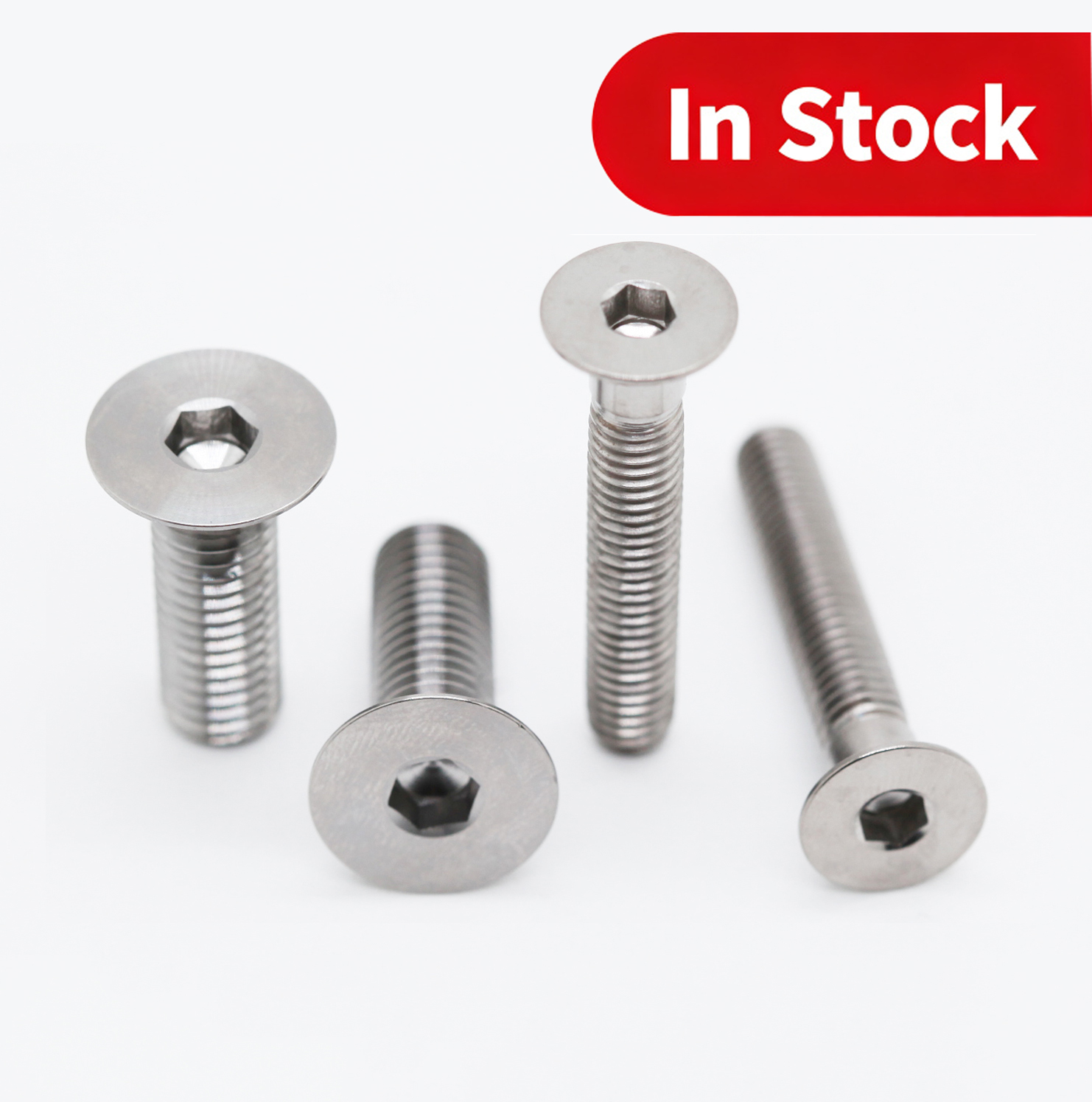
DIN7991 Titanium Countersunk Hexagon Flat Head Hardware M3-M8
- Standard: DIN 7991 Flat
- Alloy: Pure Gr2 / Gr5
- Delivery: Immediate Stock
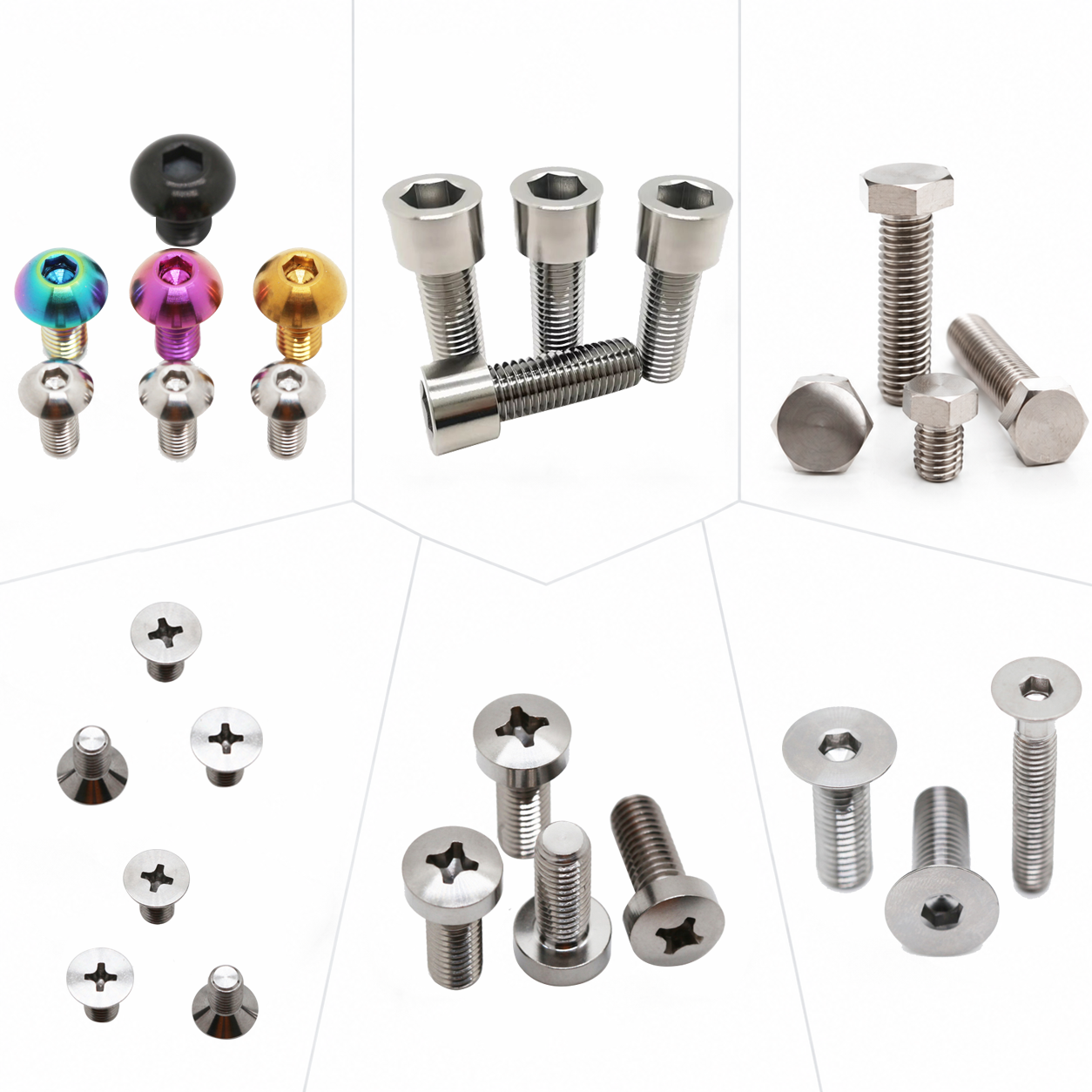
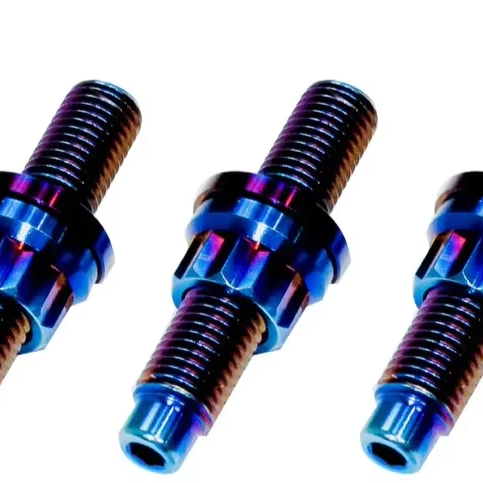
GR5 Titanium Alloy Metric Standard Fastener Studs, Bolts and Nuts Set
- Thread: M8 × 1.25 / M10 × 1.5
- Process: Thread Rolled
- Stock: Wholesale Tier
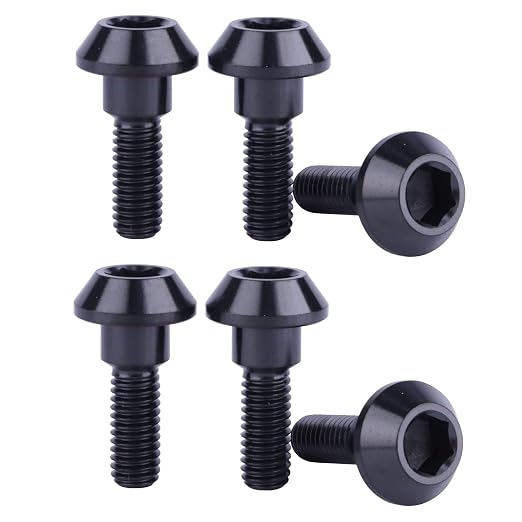
Titanium High-Torque Rotor & Exhaust Flange Stud Screw M6 × 20mm
- Shear: High Dynamic Load
- Hardness: HRC 32-36
- Surface: Micro-Polished
M5 M6 M8 Industrial Bright Finish Titanium Hex Head Assembly Screws
- Metric: ISO 4017 / 4018
- Application: Chassis & Engine
- Coating: Electropolished
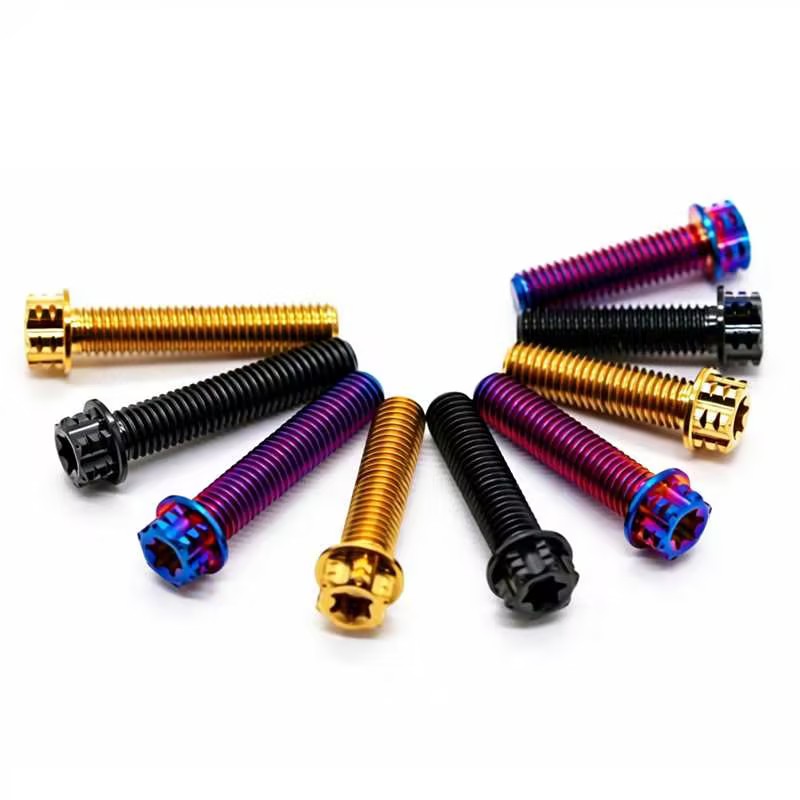
Titanium Torx Star Head High-Temperature Stud Bolt Class 8.8 / 10.9 Gr5
- Drive: Torx T30 / T40
- Feature: Anti-Stripping
- OEM: Custom Logo/Pitch
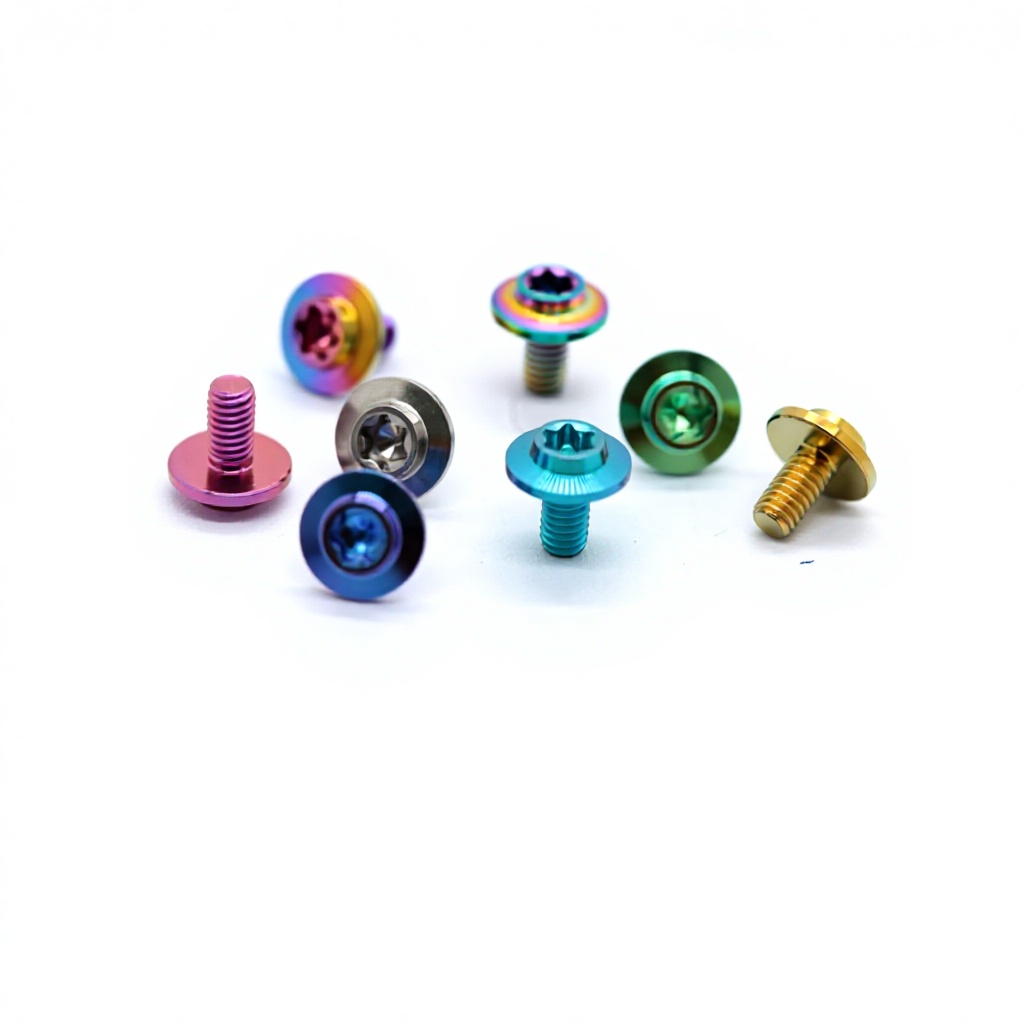
Anodized High Strength GR5 Titanium Umbrella Flange Fasteners M6/M8
- Design: Broad Load Distribution
- Sealing: Gas-Tight Joint
- Corrosion: Zero Salt Pitting
High-Temperature Dynamics of Titanium Fasteners in Skopje’s Industrial Landscape
Why modern performance rebuilders, commercial logistics fleets, and heavy fabrication workshops across the Skopje Valley are migrating away from stainless and carbon steel exhaust hardware toward Ti-6Al-4V metallurgy.
Overcoming Thermal Expansion Shear and Seizure
Exhaust manifold interfaces endure severe operational stress. Combustion cycles repeatedly force temperatures from ambient continental cold (dropping below −10°C in Skopje winters) up to 850°C during maximum turbo boost. In standard installations utilizing Class 8.8 carbon steel or AISI 304/316 stainless steel studs, this dynamic yields two destructive failure modes: thermal galling/seizure and fatigue shearing due to mismatched thermal expansion coefficients.
When high-grade steel studs are torqued into an aluminum alloy cylinder head, aluminum expands at roughly 23 × 10−6 /K, whereas carbon steel expands at 12 × 10−6 /K. The difference places substantial cyclic tensile strain across the shank, frequently stretching bolts beyond their elastic yield limit or stripping internal cylinder threads. Grade 5 Titanium (Ti-6Al-4V) maintains a low thermal expansion coefficient of 8.6 × 10⁻⁶ /K combined with a yield strength above 828 MPa, delivering superior thermal-mechanical elasticity.
Furthermore, titanium forms a tenacious, self-healing rutile (TiO2) passive film. Unlike iron-oxide rust that swells, fuses threads, and snaps studs off flush inside the head during maintenance, titanium remains non-reactive to sulfur dioxide emissions, de-icing salts, and combustion condensates, preserving non-destructive extraction properties throughout the lifecycle of the engine.
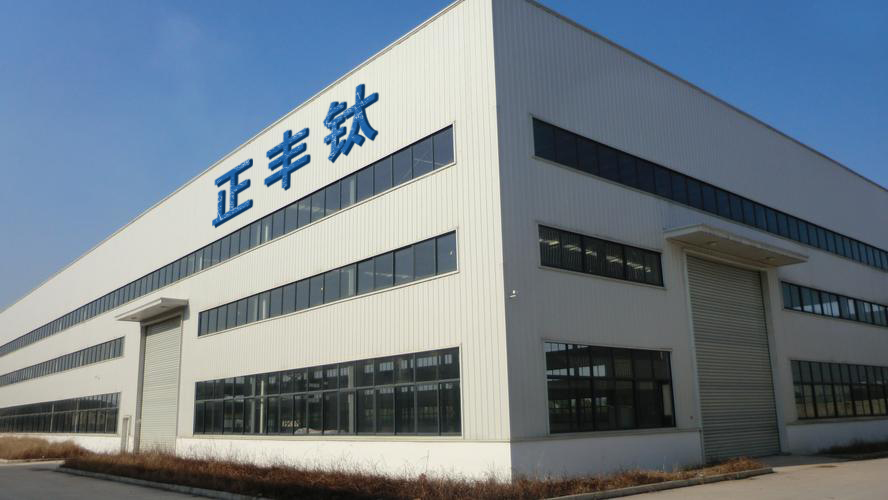
Exhaust Hardware Metallurgy: Physical, Mechanical & Thermal Properties
| Property Criterion | Yevzo Gr5 Titanium (Ti-6Al-4V) | 316 Stainless Steel (A4-80) | Grade 8.8 High-Tensile Steel | Aerospace Inconel 718 |
|---|---|---|---|---|
| Ultimate Tensile Strength (UTS) | ≥ 895 – 1050 MPa | 800 MPa | 800 – 830 MPa | 1240 – 1400 MPa |
| Yield Strength (0.2% Offset) | ≥ 828 MPa | 600 MPa | 640 MPa | 1030 MPa |
| Material Density | 4.43 g/cm³ | 8.00 g/cm³ | 7.85 g/cm³ | 8.19 g/cm³ |
| Weight Reduction Factor | −44% lighter than steel | Reference Baseline | Reference Baseline | +4% heavier than steel |
| Maximum Working Temperature | 450°C Continuous / 700°C Intermittent | 400°C | 350°C (loss of temper) | 700°C Continuous |
| Thermal Expansion (×10−6/K) | 8.6 | 16.0 | 12.0 | 13.0 |
| Seizure & Galling Susceptibility | Near Zero (with PVD / MoS2 anti-seize) | High (requires frequent retorque) | Extreme (seizes due to rust scale) | Low |
| Cost-to-Performance Ratio | High Optimization Value | Moderate | Poor (High replacement downtime) | Excessive cost for non-military |
Key Application Verticals Across North Macedonia's Capital
Deploying titanium hardware across motorsport, industrial manufacturing hubs, municipal transit, and infrastructure developments in the Skopje metropolitan basin.
Motorsport & High-Output Tuning
The tuning community across Skopje, Gazi Baba, and Kisela Voda demands hardware capable of resisting manifold distortion on turbocharged configurations. Yevzo's rolled-thread M8 and M10 titanium studs prevent exhaust gas bypass and exhaust manifold warped ears on high-output builds.
Industrial Metallurgy & Processing
Skopje’s steelworks, metallurgical facilities, and chemical production zones operate high-temperature kilns, scrubbers, and industrial burners. Titanium flange hardware provides complete resistance to wet chloride gases, sulfuric acid fumes, and severe thermal cracking.
Commercial Transport Fleet Maintenance
Municipal buses and interstate cargo haulers operating along North Macedonia's Corridor X (E-75) encounter heavy winter chemical salting. Titanium manifold fasteners prevent costly roadside breakdowns and eliminate sheared-bolt extraction downtime during fleet turbo overhauls.
Emerging Procurement Trends in North Macedonia
North Macedonia's accelerated integration with European manufacturing supply chains—bolstered by expanding automotive component producers inside the Technological Industrial Development Zones (TIDZ Skopje 1 & 2)—has elevated quality requirements for fastening components.
Local purchasing agents and tier-two subcontractors are progressively discarding low-durability galvanized studs in favor of advanced non-ferrous hardware. Key market drivers include:
- Reduced Fleet Total Cost of Ownership (TCO): Eliminating broken stud extractions saves up to four labor hours per engine refurbishment.
- Clean-Emission Sealing Mandates: Tightened environmental checks across the Balkans require exhaust joints to maintain zero leakage; titanium studs sustain required clamping preloads across thousands of thermal cycles.
- Localized Engineering Agility: Procurement teams in Skopje rely on supplier direct manufacturing to bypass intermediaries, obtaining batch runs tailored to precise thread pitches and pitch-diameter clearances.
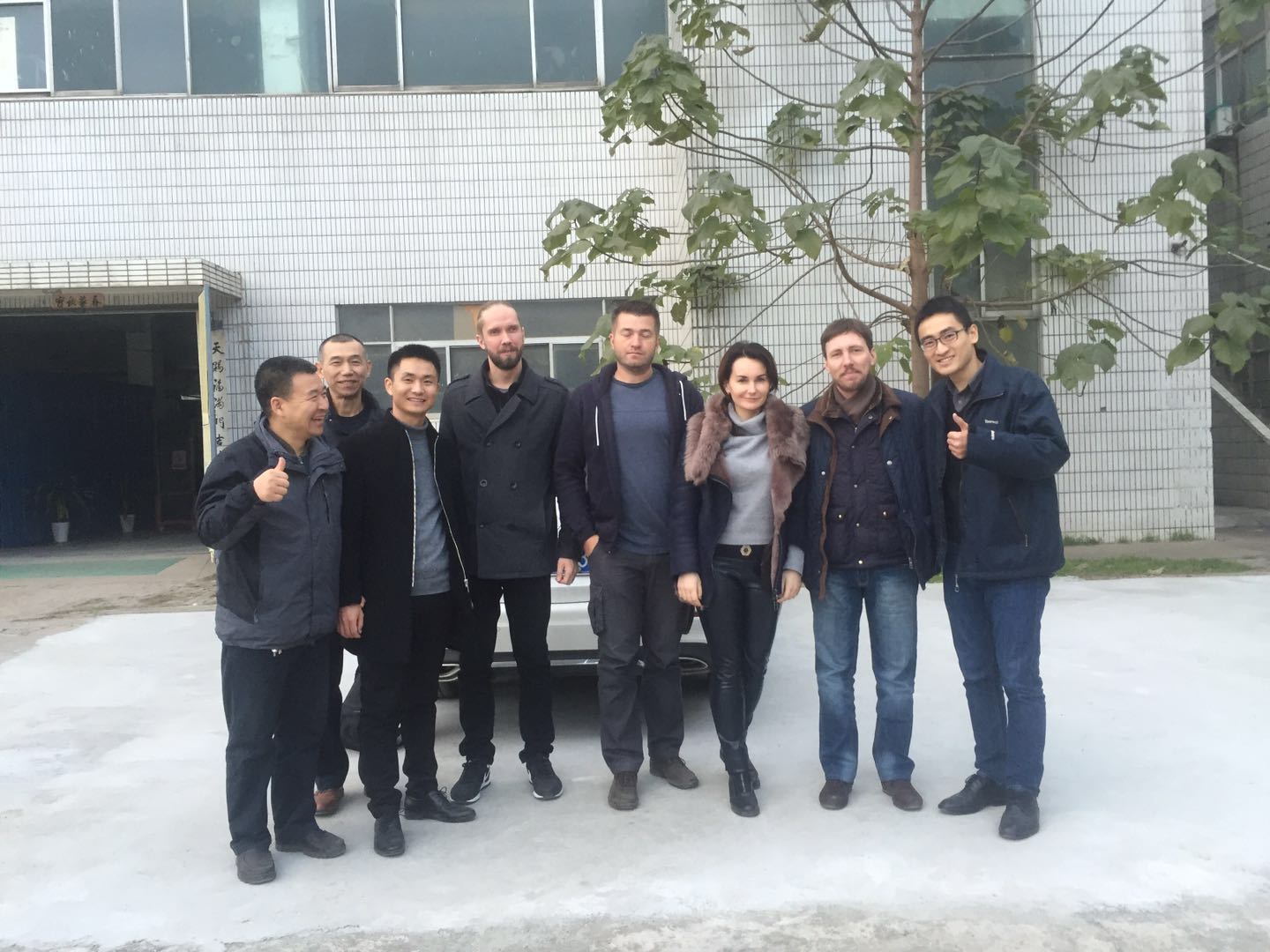
Enterprise Strengths & Engineering Pedigree
Direct from Baoji—China's Titanium Valley—to European engineering corridors. How Yevzo ensures uncompromising fastener reliability for technical buyers.
Primary Raw-Material Source
Situated in the heart of Baoji's High-Tech Development Zone, Yevzo sources prime ASTM B348 Grade 5 ingots and annealed bars directly. Every melt heat number is cataloged with EN 10204 3.1 chemical and mechanical inspection documentation.
Rolled Threads vs. Cut Threads
Unlike budget suppliers who turn threads on a lathe, Yevzo employs precision cold-rolling dies for thread manufacturing. This preserves the uninterrupted grain flow along the root radius, increasing fastener fatigue resistance by over 30%.
In-House PVD & Anodizing
We deliver an extensive selection of functional and dress-up finishes: TiN gold, burnt iridescent, diamond-like black (DLC), and aerospace micro-polishing. Our anodic oxidation preserves tight dimensional thread tolerances without hydrogen embrittlement risks.
Frequently Asked Questions by Skopje Importers & Engineers
Practical guidance addressing metallurgy, customs logistics, torque values, and galvanic boundary conditions.
Why should a workshop in Skopje choose Gr5 Titanium exhaust studs over Class 10.9 steel or 304 stainless?
How do I prevent galvanic corrosion when threading titanium studs into an aluminum engine block?
What are the freight routes, import transit times, and Incoterms for delivery to North Macedonia?
What are the recommended torque values for M8 and M10 titanium exhaust studs?
Can Yevzo manufacture studs with custom thread combinations (e.g., M10 coarse to M8 fine conversion)?
What is your minimum order quantity (MOQ) and payment structure for North Macedonian businesses?
Upgrade Your Fastening Standards in Skopje Today
Whether you require standard M8/M10 turbo hardware or custom-machined industrial grade titanium studs, our engineering department reviews your drawings within 24 hours. Contact our team to request a quotation, material test report, or physical sample pack.
Send an Inquiry