Featured Titanium Fasteners & Structural Components
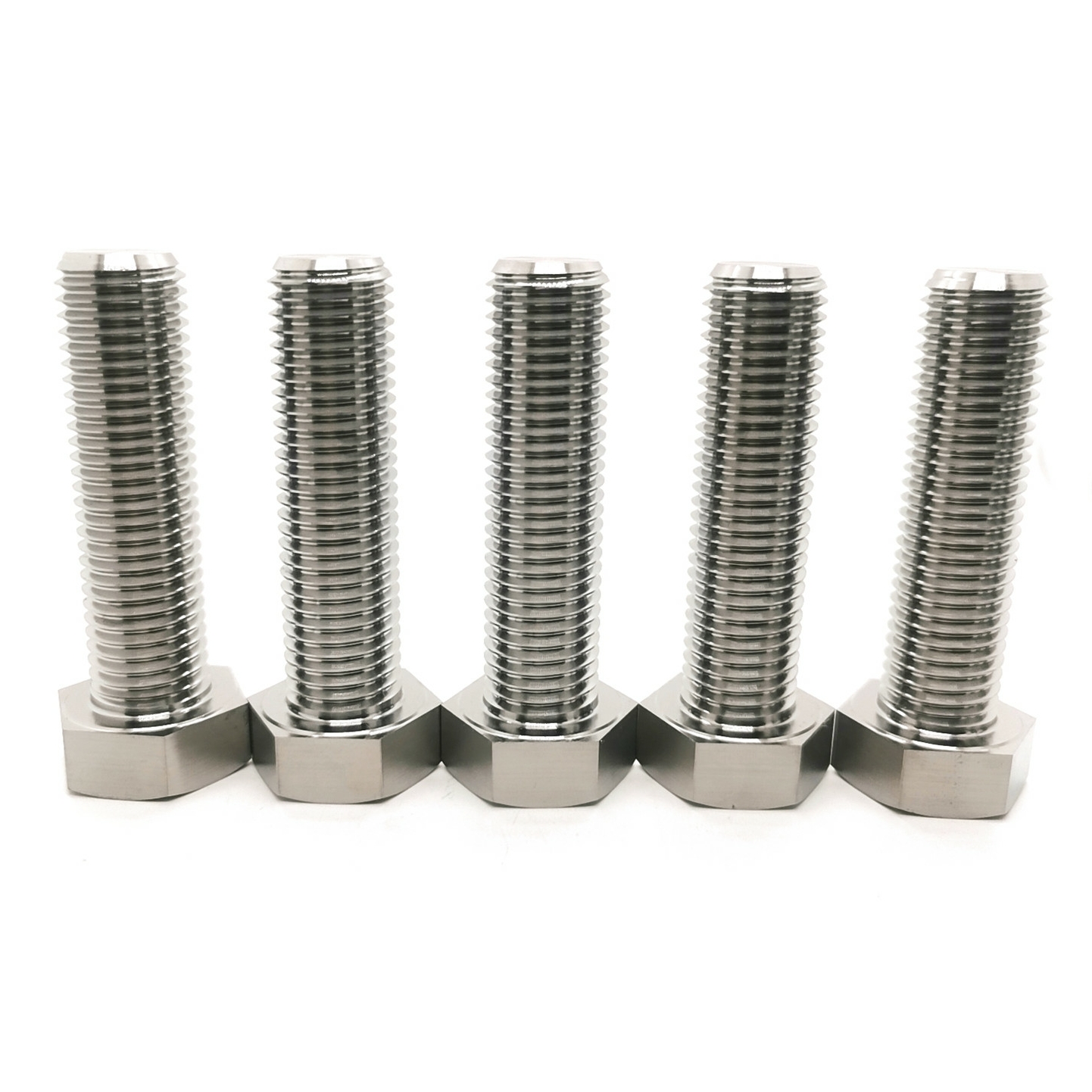
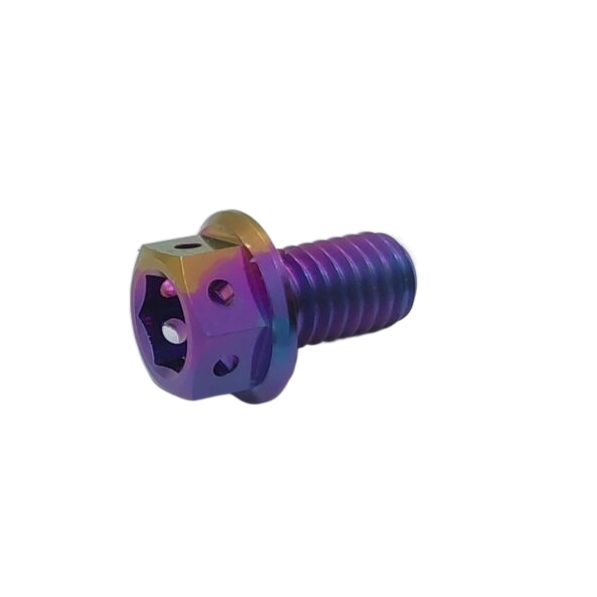
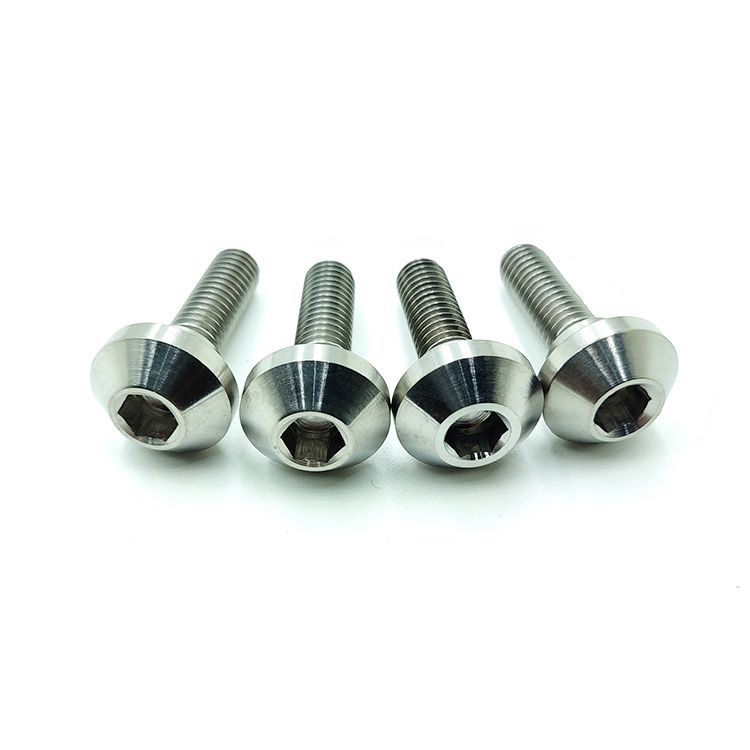
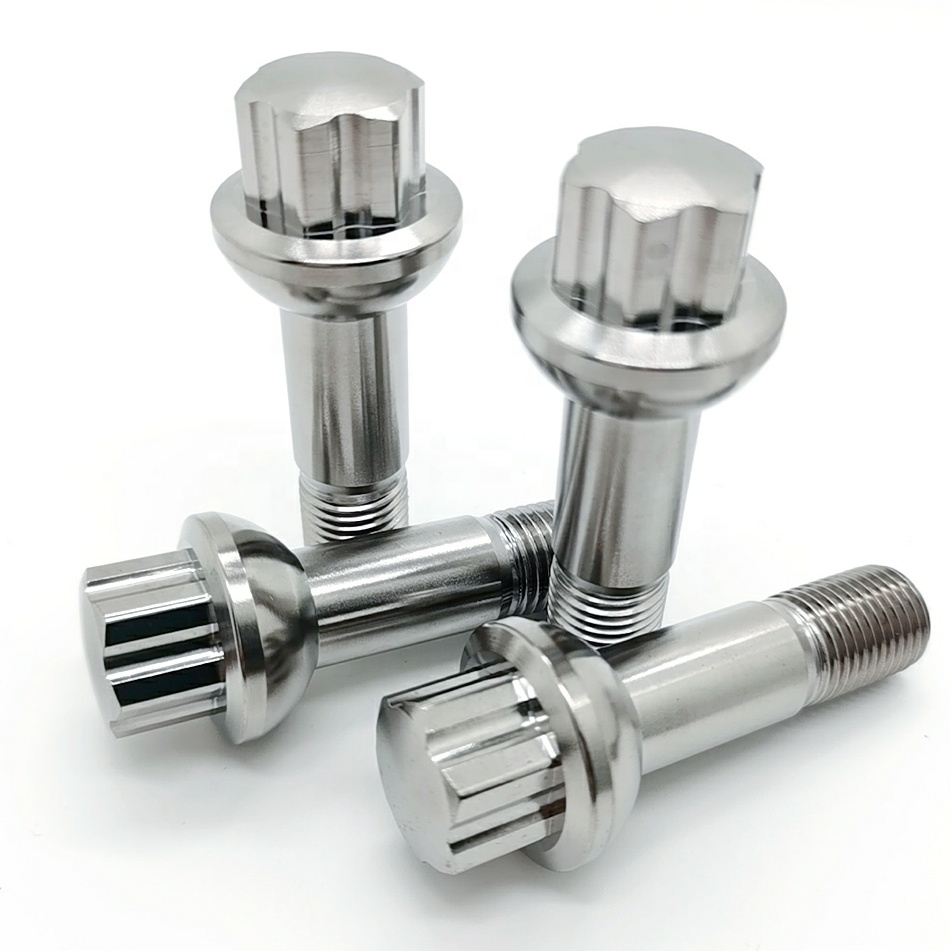
Every fastener is precision CNC turned and thread-rolled from certified ASTM B348 titanium bars, providing non-magnetic stability, zero sea-water pitting, and high strength-to-weight performance.
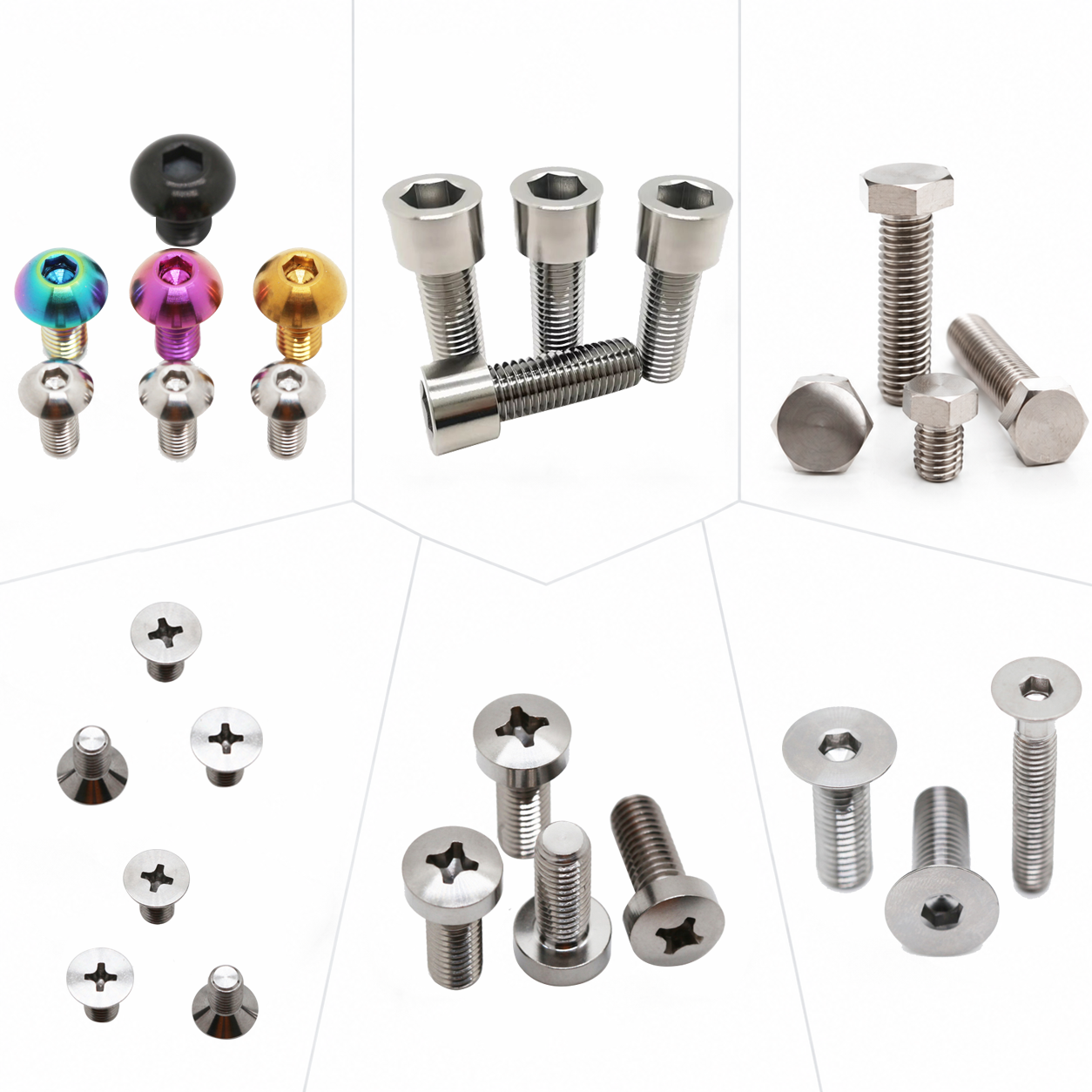
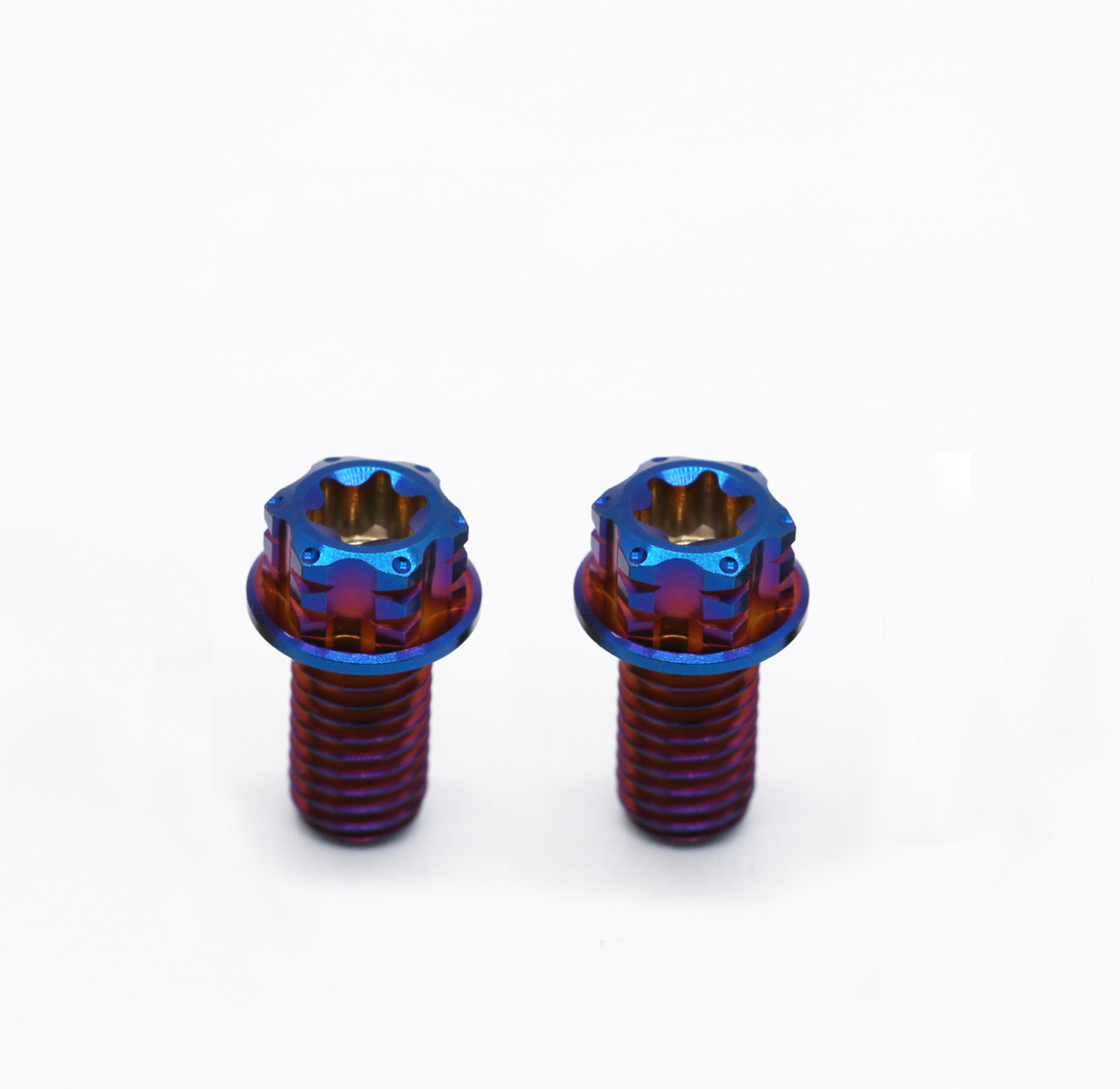
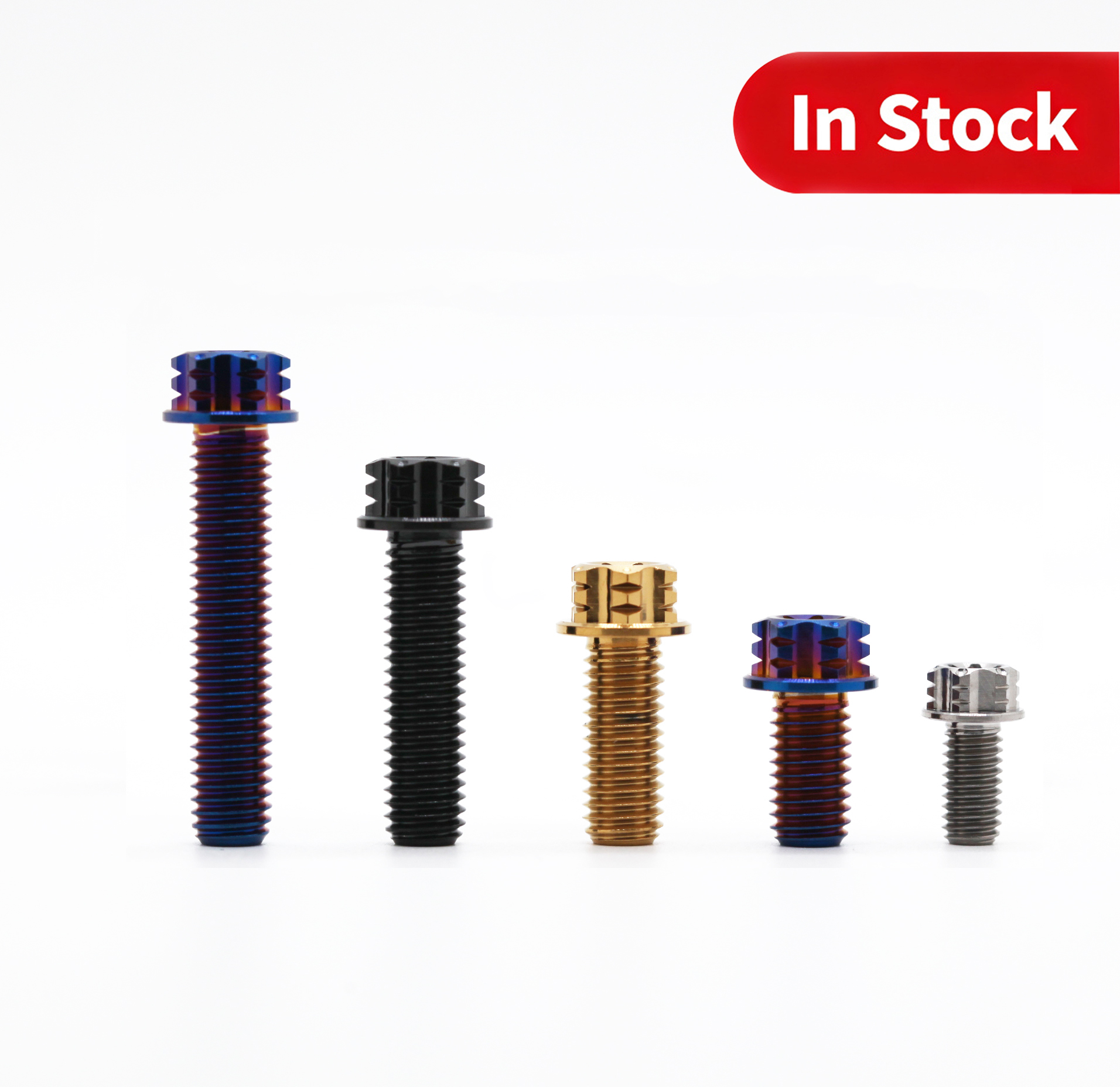
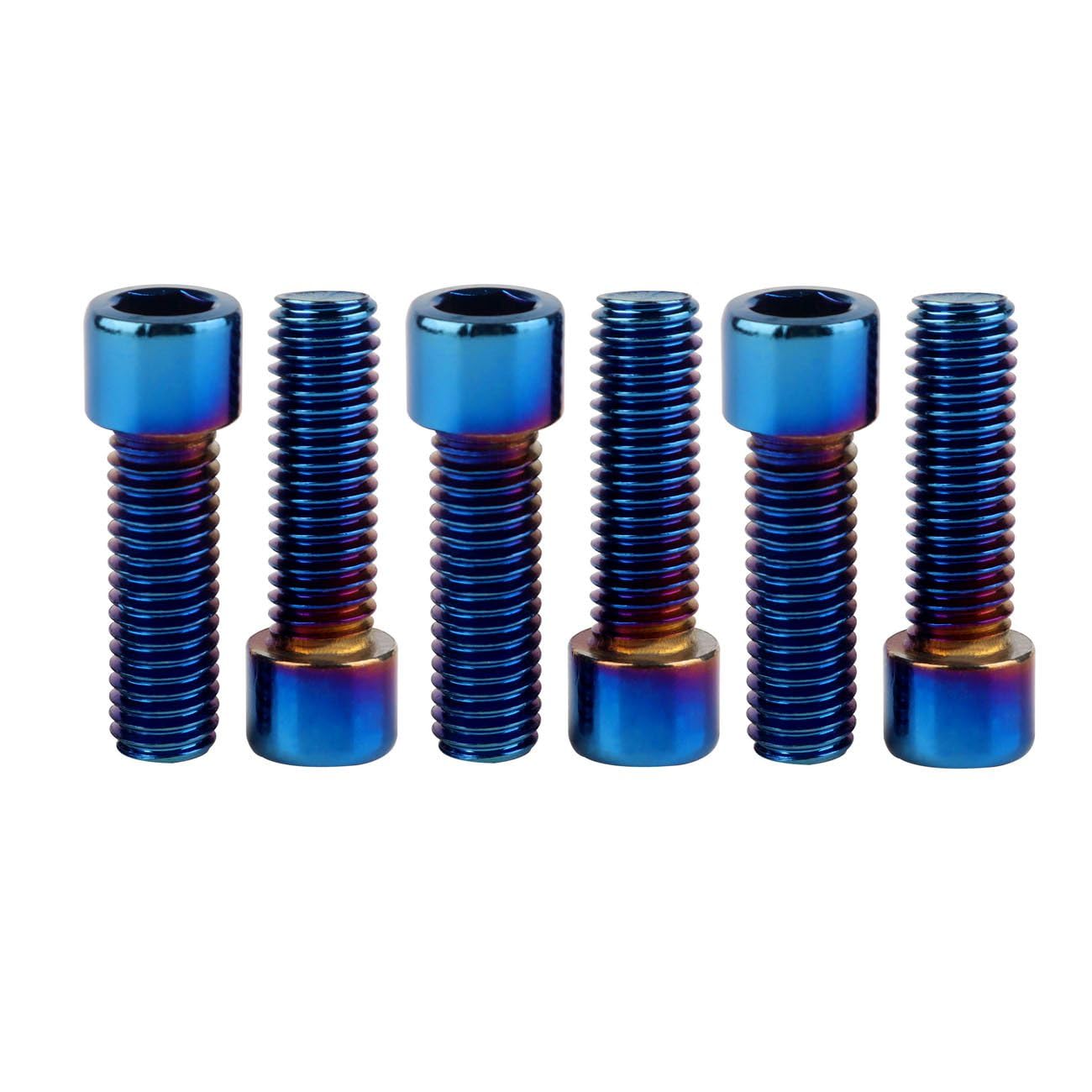
Metallurgical Excellence in Titanium Countersunk (CSK) Fasteners
A rigorous examination of design standards, mechanical behavior, and chemical stability for heavy industrial deployment.
Countersunk fasteners—commonly classified under standard specifications including DIN 7991, ISO 10642, and ASME B18.6.3—are engineered to sit entirely flush with mating assembly surfaces. In industrial structural engineering, flush fastening eliminates mechanical interference with sliding elements, optimizes hydrodynamic and aerodynamic flow boundaries, and mitigates snag hazards across process lines. However, countersunk screws feature a structural geometry wherein head height and internal socket depth inherently lower load-bearing capacity relative to standard cylindrical socket heads (DIN 912). When fabricated from conventional steels, localized notch stresses at the transition radius between the countersunk 90° (or 82° in imperial standards) cone and the screw shank frequently lead to premature shear or fatigue failure under cyclic loading.
By leveraging certified Grade 5 (Ti-6Al-4V / UNS R56400) and Grade 2 (Commercially Pure Titanium / UNS R50400), Yevzo Titanium Metal Co., Ltd. eliminates historical mechanical trade-offs. Grade 5 titanium delivers an ultimate tensile strength exceeding 895 MPa paired with a yield strength above 828 MPa, matching Class 8.8 and approaching Class 10.9 structural steels while reducing rotational and dead-load mass by 44%. More crucially, titanium generates an instantaneous, self-healing oxide passivation layer (primarily TiO₂) that remains fully inert in severe saline environments, marine chloride aerosols, moist industrial sulfur dioxide atmospheres, and aggressive nitric-acid-laden process baths.
Tensile Strength ≥ 895 MPa
Grade 5 alloy ensures unmatched load-carrying capacity with zero mechanical degradation in high-stress mechanical linkages.
44% Mass Reduction
4.43 g/cm³ specific density reduces inertia in high-speed rotary assemblies, centrifuges, and crane hoisting mechanisms.
Zero Marine Pitting
Permanent passivation eliminates crevice corrosion in sea splash zones, ship hulls, and bulk material container linings.
ISO 10642 & DIN 7991
Precision thread rolling creates uninterrupted metal grain lines, yielding superior resistance against cyclical dynamic fatigue.
| Mechanical / Physical Property | Gr5 Titanium (Ti-6Al-4V) Annealed | Gr2 Titanium (Commercially Pure) | Structural Steel Class 8.8 | AISI 316 Stainless Steel |
|---|---|---|---|---|
| Tensile Strength (Rm, MPa) | ≥ 895 – 1000 | ≥ 345 – 480 | 800 – 830 | 500 – 700 |
| Yield Strength (Rp0.2, MPa) | ≥ 828 | ≥ 275 | 640 | 205 – 240 |
| Elongation at Break (A5, %) | ≥ 10 – 14 | ≥ 20 | ≥ 12 | ≥ 40 |
| Specific Density (g/cm³) | 4.43 | 4.51 | 7.85 | 7.98 |
| Modulus of Elasticity (GPa) | 110 – 114 | 103 – 105 | 205 – 210 | 193 |
| Pitting Resistance Equivalent (PREN) | Immune (TiO&sub2; Passivation) | Immune in Cl‾ environments | Poor (< 15) | 23 – 25 (Susceptible to Crevice Cl‾) |
| Magnetic Permeability (μ) | 1.00005 (Non-Magnetic) | 1.00004 (Non-Magnetic) | Ferromagnetic (> 100) | 1.005 – 1.015 (Cold Worked) |
| Fatigue Notch Sensitivity (q) | Low (Precision Thread Rolled) | Very Low | Moderate | Moderate to High |
Localized Engineering Demand across Chongjin's Industrial Sectors
Examining field-tested performance requirements across Chongjin Port, metallurgical complexes, chemical processing, and mining infrastructure.
As the primary industrial powerhouse and deep-water maritime port of North Hamgyong Province, Chongjin operates extensive steel and metallurgical facilities, heavy machine-tool factories, mineral export logistics terminals, and marine cargo handling complexes. Operating in an environment characterized by sub-zero Siberian winter marine winds, heavy coastal salt fog, abrasive iron ore fines, and acidic exhaust fumes places severe demands on mechanical joint integrity. Below is an engineering analysis of titanium countersunk fastener utilization across Chongjin's primary industrial sectors:
Marine Terminals & Port Cranes
Chongjin Port handles continuous coal, bulk mineral, and general cargo traffic. Gantry crane guide rails, dockside winches, bollard fastenings, and hatch covers require flush-mounted DIN 7991 countersunk screws. Exposure to aggressive Sea of Japan saline spray destroys standard galvanized or zinc-plated carbon steel bolts within months through galvanic oxidation and crevice pitting. Gr5 titanium countersunk bolts provide permanent corrosion immunity, preventing rust-welding and thread galling during crane servicing.
Metallurgical & Rolling Mills
Heavy iron and steel manufacturing plants around Chongjin rely on continuous casting beds, rolling stands, and abrasive scrap chutes. Standard protruding bolt heads cause abrasive wear and material hang-up. Countersunk titanium bolts mount completely flush with hardened wear plates and guide aprons. Their high yield strength (≥ 828 MPa) absorbs severe mechanical shock, while high thermal stability prevents fastener relaxation under continuous thermal cycling.
Mining Slurry & Mineral Beneficiation
Mines in the surrounding North Hamgyong region transport abrasive magnetite and non-ferrous ores via slurry pumps, hydrocyclones, and vibrating flotation screens. Fasteners inside these slurry channels experience severe cavitation and high-velocity particle impingement. Flush Gr5 CSK bolts eliminate fluid vortices, drastically minimizing flow turbulence and preventing wash-out erosion that commonly shears conventional steel bolt heads.
Shift to Titanium: Total Cost of Ownership (TCO) in Heavy Machinery
Evaluating initial procurement expenditures versus multi-year maintenance avoidance in severe industrial environments.
Historically, industrial procurement departments across heavy production districts prioritized initial unit procurement costs, specifying standard carbon steel grade 8.8 or commercial zinc-plated bolts for industrial infrastructure. However, engineering reviews from severe maritime and chemical manufacturing facilities indicate that over 68% of unexpected mechanical downtime stems from fastener seizing, head shearing, stress-corrosion cracking, and galvanic pitting. In coastal industrial centers such as Chongjin, where maintenance shutdowns idle high-tonnage blast furnaces, rolling mills, or ship repair drydocks, the cost of disassembling seized fasteners or extracting sheared screws far exceeds initial hardware acquisition expenses.
When switching to precision Grade 5 titanium countersunk bolts, plant managers achieve significant operational and economic advantages:
1. Complete Mitigation of Maintenance Downtime: Because titanium does not oxidize or scale in high-salinity or acidic moisture, joint interfaces can be effortlessly disassembled, inspected, and retorqued during planned outages without torch-cutting or drill-out extraction procedures.
2. Structural Weight Optimization on Dynamic Tooling: In high-speed indexing machinery, robotic handling arms, and vibrating screens, reducing fastener mass by 44% lowers overall rotational and reciprocating inertia. This significantly cuts motor power draw and extends drive-bearing lifespans across 24/7 operating cycles.
3. Non-Magnetic Integrity for Sensitive Control Instrumentation: Chongjin's precision testing laboratories, non-destructive testing rigs, and magnetic mineral separation drums require totally non-magnetic assembly hardware. Titanium's virtually zero magnetic permeability ensures no field distortion during high-precision electromagnetic operations.
Frequently Asked Questions on Titanium Countersunk Bolts
In-depth technical answers addressing engineering standards, torque calculations, galling prevention, and export delivery logistics.
Why should we specify Grade 5 over Grade 2 for countersunk bolts?
How do we prevent thread galling during assembly of titanium fasteners?
What are the recommended tightening torque values for titanium countersunk screws?
Does titanium cause galvanic corrosion when fastened into steel or aluminum structures?
What delivery terms, packaging standards, and export documentation do you support?
Why Heavy Industry Relies on Yevzo Titanium Fasteners
Direct sourcing from China's premier titanium industrial cluster in Baoji, offering complete quality assurance from sponge to certified fastener.
Baoji Titanium Valley Origin
Located in the Fenghuang 3rd Road High-Tech Zone, Baoji, our factory sits at the direct nexus of global titanium metallurgy. We source premier aerospace-grade raw titanium billets with full smelting traceability, securing prime raw material quality at stable factory-direct pricing.
Multi-Axis CNC Precision
Equipped with over 100 high-precision multi-axis CNC turn-mill machining centers, thread-rolling machines, and optical profile projectors, we machine complex countersunk angles, clean socket drives (Torx, Hex, Spline), and tight thread tolerances (6g/6H) without tool burrs.
Rigorous Mechanical Validation
Every heat lot undergoes rigorous tensile loading, proof load verification, Rockwell hardness testing, and microstructural metallographic analysis. We guarantee our fasteners meet or surpass ISO 898-1 and ASTM B348 mechanical criteria prior to export packaging.
Advanced Surface Customization
We provide full in-house surface engineering, including electro-polishing, precision micro-bead blasting, PVD coating (Titanium Nitride Gold, Carbon Black, Rainbow), and uniform anodizing to increase wear resistance, surface lubricity, and aesthetic appeal.
Custom Drawing & OEM Capability
Beyond standard DIN 7991 and ISO 10642 configurations, we manufacture non-standard countersunk fasteners from custom CAD drawings (STEP, DWG, PDF), offering tailored head diameters, extended shank unthreaded shoulders, and specialized thread pitches (Metric & Unified UNC/UNF).
Dedicated Technical Support
Our metallurgy and fastening engineers review joint geometry, clamp load calculations, and environmental corrosion factors alongside your procurement team, providing dedicated guidance to ensure faultless industrial installation.
Request a Precision Quotation for the Chongjin Market
Send your project blueprints, required titanium grades (Gr2, Gr5), standard dimensions (M2–M24 or Imperial UNC/UNF), and desired batch quantities. Our senior engineering team will evaluate your requirements and provide an official quotation within 24 hours.