Factory-Engineered Titanium Fasteners & CNC Components
Directly sourced from our Baoji manufacturing plant, meeting DIN, ISO, and GOST technical equivalents for deployment across Mogilev's industrial infrastructure.
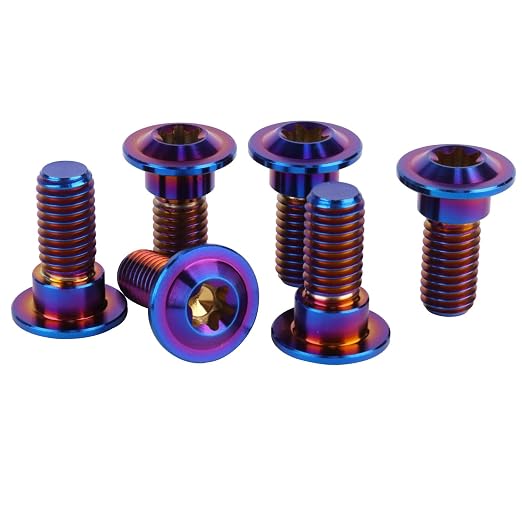
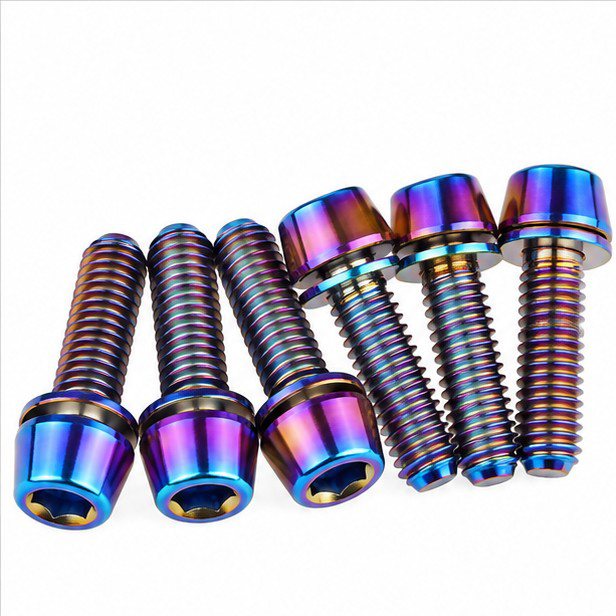
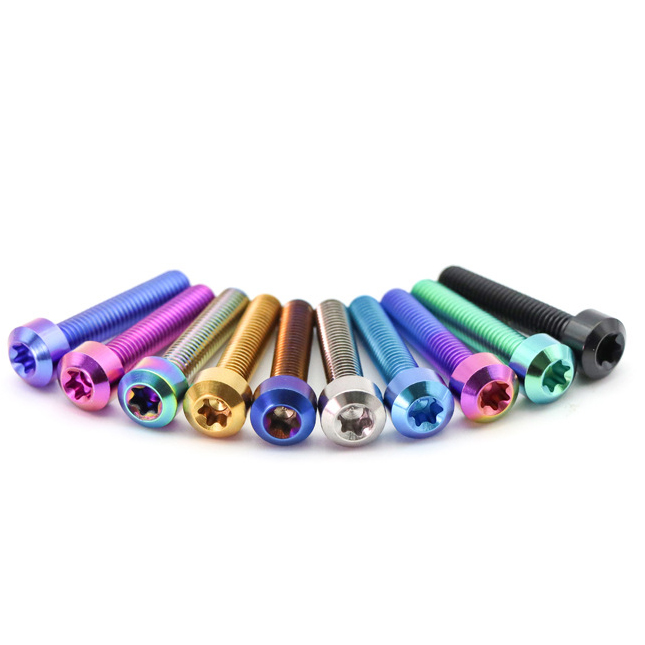
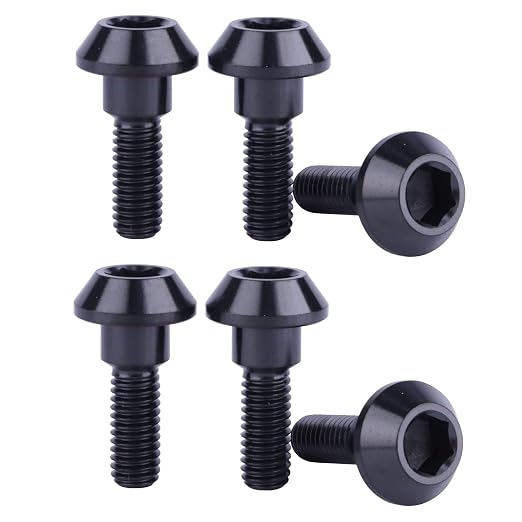
Metallurgical Specification & Engineering Rationale for Titanium Carriage Fasteners in Mogilev
A comprehensive evaluation of DIN 603, ISO 8677, and GOST 7802 mechanical geometries in high-stress, corrosive, and cold-climate operating environments.
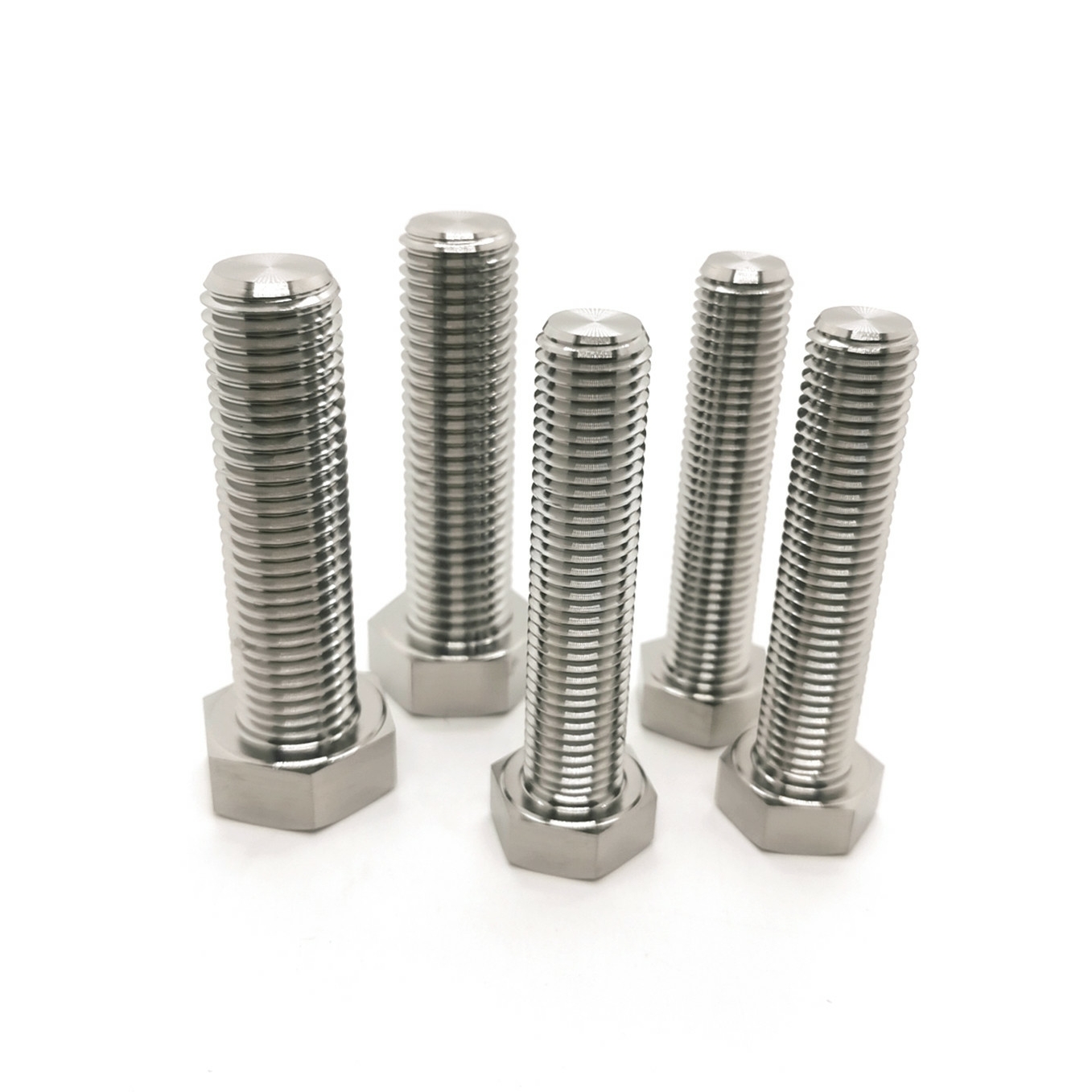
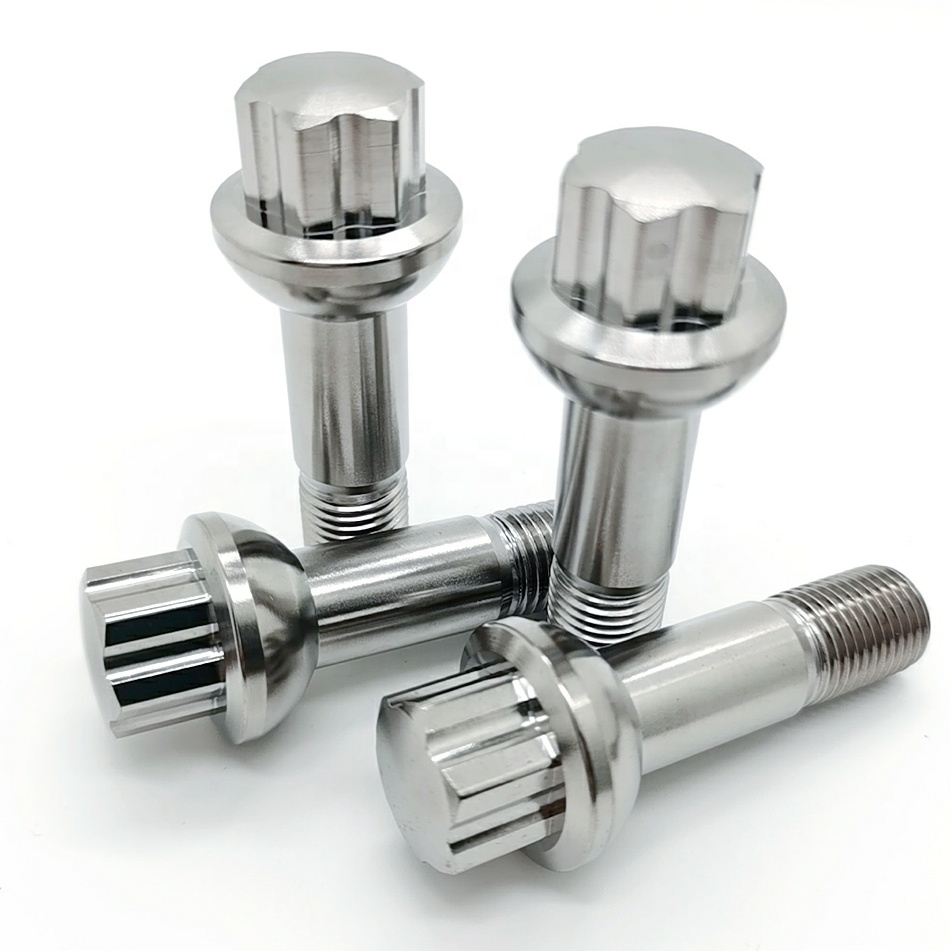
In modern structural and machine engineering across the Mogilev Region (Eastern Belarus), fastening technology faces an intersection of extreme ambient thermal shifts, high dynamic mechanical loads, and aggressive chemical exposure. The classic carriage bolt—defined by standard specifications such as DIN 603, ISO 8677, and GOST 7802-81 (Болт с полукруглой головкой и квадратным подголовком)—features a shallow mushroom dome and an under-head square neck. When driven into pre-slotted timber, composite structures, or laser-cut metallurgical assemblies, the square collar arrests radial torque, enabling single-side assembly with air or impact torque tools while providing an externally flush, tamper-resistant profile.
Historically fabricated from structural zinc-plated low-carbon steels (Classes 4.6 and 8.8) or austenitic stainless steels (A2-70, A4-80), conventional carriage bolts continuously present engineering vulnerabilities in Mogilev's demanding service regimes. Severe continental sub-zero winter temperatures (frequently falling beneath -25°C) induce ductile-to-brittle transitions in standard ferritic-pearlitic steels. Simultaneously, heavy use of chemical de-icing salts on transport routes accelerates crevice corrosion beneath the low-profile dome. In industrial chemical synthesis and synthetic fiber manufacturing facilities, aggressive vapors such as sulfur dioxide, chlorides, and organic esters destroy standard electroplated zinc coatings in months.
Metallurgical Superiority: Grade 5 (Ti-6Al-4V) vs. Grade 2 Commercially Pure Titanium
Yevzo Titanium Metal Co., Ltd. fabricates industrial carriage bolts utilizing two core alloy classifications, precisely matching procurement intent with structural duty cycles:
1. Grade 5 Titanium (Ti-6Al-4V, UNS R56400 / Werkstoff 3.7165): An alpha-beta dual-phase titanium alloy microalloyed with 6% aluminum to stabilize the alpha phase and 4% vanadium to stabilize the beta phase. Per ASTM B348 and ASTM F136 specifications, Grade 5 delivers a minimum tensile strength of 895 to 930 MPa with an elastic yield threshold exceeding 828 MPa. It matches or outperforms Quenched & Tempered Class 8.8 and 10.9 structural steels while maintaining an exceptionally low density of 4.43 g/cm³. Crucially, unlike structural steels, Grade 5 lacks a ductile-to-brittle impact transition point down to cryogenic temperatures (-196°C), entirely eliminating sudden catastrophic brittle shearing under Mogilev's freeze-thaw dynamic shock loads.
2. Grade 2 Titanium (Commercially Pure Ti, UNS R50400 / Werkstoff 3.7035): An unalloyed alpha matrix featuring tightly controlled interstitial oxygen (≤0.25%) and iron (≤0.30%). With a tensile yield of 275–345 MPa and elongation exceeding 20%, Grade 2 provides unmatched chemical passivity. The spontaneous formation of an adherent, self-healing titanium dioxide (TiO₂) rutile film provides total thermodynamic immunity to chlorides, wet chlorine gases, hypochlorites, nitric acid, and organic acids across pH ranges from 2 to 12.
| Property Parameter | Grade 5 Titanium (Ti-6Al-4V) | Grade 2 Titanium (CP-Ti) | Stainless Steel A4-80 (AISI 316) | Alloy Steel 8.8 (Quenched/Tempered) |
|---|---|---|---|---|
| Nominal Tensile Strength (Rm) | ≥ 895 – 1000 MPa | ≥ 345 – 450 MPa | ≥ 800 MPa | ≥ 800 – 830 MPa |
| Offset Yield Strength (Rp0.2) | ≥ 828 MPa | ≥ 275 MPa | ≥ 600 MPa | ≥ 640 MPa |
| Specific Density | 4.43 g/cm³ | 4.51 g/cm³ | 7.98 g/cm³ | 7.85 g/cm³ |
| Strength-to-Weight Ratio (kN·m/kg) | 202 | 76.5 | 100.2 | 101.9 |
| Modulus of Elasticity (Young's E) | 114 GPa (High flexibility) | 103 GPa | 193 GPa | 210 GPa |
| Impact Toughness at -30°C | No transition; High Ductility | Retained Ductility | Moderate | Vulnerable to cold-brittle failure |
| Chloride Pitting Resistance (PREN) | Immune (>300°C limit) | Immune at ambient & boiling | Moderate (PREN ≈ 25) | Very Low (Rapid corrosion) |
| Square Collar Shear Resistance | Extreme (Resists corner stripping) | Medium (Requires matched torque) | Moderate | High (prone to rusting tight) |
Geometric Integrity & Precision CNC Square Neck Tolerances
The square neck immediately under the dome of a carriage bolt is subject to severe triaxial shear stress during installation and operational vibration. Standard cold-heading methods on steel can cause radius variations under the head, preventing uniform seating in precision square punches. Yevzo utilizes high-speed 5-axis and dual-spindle CNC machining centers to process cold-drawn ASTM B348 bar stocks.
Our square collars feature razor-consistent dimensions with controlled fillet radii (R ≤ 0.4mm), preventing stress concentration notches while fitting snuggly into laser-profiled sheet metals or extruded profiles. The transition between the square neck and the round rolled thread shank is monitored via optical comparators to preserve thread lead-in fidelity according to metric coarse pitch 6g tolerances (ISO 965-2), ensuring seamless compatibility with titanium flange nuts (DIN 6923) and self-locking prevailing torque nuts.
Application Scenarios in the Mogilev Industrial Ecosystem
How titanium carriage bolts and structural fasteners solve specific engineering challenges within Mogilev's flagship manufacturing hubs.
Heavy Commercial Vehicles & Transport Platforms
Mogilev is a primary center for heavy semi-trailer and special automotive superstructure engineering (such as Mogilevtransmash / MAZ trailers). Carriage bolts are widely used to secure floor panel assemblies, sidewall side-rails, and protective under-chassis belly guards. Replacing conventional M10 and M12 steel carriage bolts with Grade 5 Titanium slashes un-sprung tare weight by 44% while eradicating the severe corrosion caused by heavy winter road salts (calcium chloride and sodium chloride slurries) that weld steel threads permanently together.
Petrochemical & Synthetic Fiber Synthesis
As home to JSC Mogilevkhimvolokno—one of Europe's largest synthetic fiber industrial complexes—Mogilev houses extensive dimethyl terephthalate (DMT), polyester granulate, and organic acid recovery lines. Grade 2 Titanium carriage bolts provide non-negotiable chemical reliability when securing lining plates, non-sparking inspection hatches, duct housings, and fluid cooling towers exposed to continuous organic acids, acetic aerosols, and aqueous sulfur vapors where 316L stainless steel suffers rapid stress corrosion cracking (SCC).
Elevator & Hoisting Machine Systems
Mogilev is recognized internationally for vertical transport equipment manufacturing (Mogilevliftmash). In modern architectural elevators, carriage bolts provide a smooth, low-profile, and aesthetic dome head inside car frames and counterweight brackets. Titanium Grade 5 bolts offer non-magnetic characteristics, low acoustic resonance, and superior cyclic fatigue limits (>10⁷ cycles at 500 MPa), preventing micro-fretting wear in high-rise high-speed guide rail brackets subjected to relentless acceleration forces.
Specialized Agricultural & Fertilizer Machinery
Agricultural machinery produced and maintained in Mogilev operates in aggressive chemical environments involving ammonium nitrate, potassium chloride, and urea fertilizers. Traditional steel fasteners holding hopper chutes and fertilizer spreader vanes rust rapidly, seizing threads and causing localized structural failures. Titanium cup-head bolts offer an inert mechanical fastener that resists agro-chemical attack, ensuring rapid disassembly and zero chemical scaling during end-of-season washdowns.
Secure Architectural & Municipal Infrastructure
For public transport terminals, exterior bridge sound-dampening walls, and perimeter fences across Mogilev, the rounded mushroom head of a carriage bolt prevents unauthorized disassembly from the exterior. Titanium construction ensures a permanent 50+ year maintenance-free design life without galvanic staining or rust runs along stone, concrete, and composite surfaces, eliminating the need for periodic re-coating cycles.
Technological Upgrades & Procurement Trends in Mogilev (2025–2030)
Navigating technical transformation, lifecycle economics, and supply chain realignments in the Eurasian Economic Space.
The industrial production landscape of Mogilev is undergoing significant modernisation. Enterprisewide mandates across the Belarusian manufacturing sector emphasize extended equipment operational lifespans, reduction of maintenance overhead (OPEX), and compliance with lightweight structural standards to improve mobile energy efficiency. These priorities are reshaping mechanical fastener procurement:
1. Total Lifecycle Costing (LCC) Overtaking Initial Capital Expenditure (CAPEX)
Procurement engineers within Mogilev's chemical plants and heavy machinery works are shifting evaluations from purchase-price parity toward Total Cost of Ownership (TCO). While titanium carriage bolts have a higher initial purchase price compared to zinc-coated carbon steel, the cost equation fundamentally inverts when factoring in scheduled maintenance. In chemical process lines and commercial trailer superstructures, the labor cost, plant downtime, and lost production associated with drilling out seized, rusted steel bolts every 18 to 24 months far exceeds the marginal investment in titanium. A titanium carriage bolt remains structurally sound and easily unthreaded decades into service.
2. Expansion of Eurasian Supply Corridor Direct Sourcing
Geopolitical shifts have restructured supply chains across Belarus and the EAEU. Direct commercial and technical partnerships with Chinese high-tech manufacturers—specifically enterprises stationed in China's Titanium Valley (Baoji, Shaanxi)—have established resilient, streamlined supply lines. By utilizing established rail logistics corridors (the China-Europe railway express reaching the Kolyadichi/Minsk and Mogilev logistics nodes within 12–16 transit days), procurement departments bypass multi-tiered European distributors, capturing direct factory pricing, tailored technical drawings, and mill-certified traceability.
3. Cold-Climate Dynamic Shock Standardization
Engineers in Mogilev are increasingly writing sub-zero impact resistance thresholds into mechanical component blueprints. Standard fasteners frequently fail under brittle cleavage shear when machines endure sudden shock loads at temperatures below -20°C. Titanium's hexagonal close-packed (HCP) alpha crystal structure retains exceptional slip systems and fracture toughness even in sub-polar conditions, positioning titanium as a preferred alloy for exterior municipal transport, crane booms, and outdoor materials handling equipment.
The Yevzo Manufacturing & Supply Advantage
Operating from Baoji, China since 2013, we combine raw sponge titanium integration with high-precision CNC manufacturing.
Direct Source Factory
Headquartered in the epicenter of China's titanium refining cluster. Direct mill access to high-purity ASTM B348 Grade 2 and Grade 5 titanium bars ensures raw material cost stability and full heat-number traceability.
100+ Advanced CNC Units
Equipped with 3-axis, 4-axis, and 5-axis CNC machining centers, automated Swiss-type screw lathes, and precision thread-rolling machinery ensuring high fatigue resistance and 6g/6H thread precision.
Rigorous Quality Verification
Every production run undergoes optical comparator thread inspection, spectral material verification (XRF), and mechanical proof-load testing. EN 10204 3.1 Material Test Certificates (MTC) supplied with every batch.
Tailored OEM/ODM Service
Comprehensive support for DIN 603, ISO 8677, GOST 7802, and non-standard custom carriage bolts based on technical customer drawings (CAD, DWG, STEP) with custom square collars, dome profiles, and anodized finishes.
Frequently Asked Questions for Mogilev Importers
Practical technical and logistical answers for Belarusian engineering teams and procurement specialists.
Are Yevzo titanium carriage bolts interchangeable with GOST 7802-81 standards used in Belarus? +
How can assembly engineers in Mogilev avoid thread galling when installing titanium bolts? +
What are the recommended logistical routes and lead times for shipments into Mogilev? +
What documentation is provided to satisfy Belarusian customs and technical conformity? +
Can titanium carriage bolts be paired safely with aluminum plates without causing galvanic corrosion? +
What is the minimum order quantity (MOQ) for custom-dimension titanium carriage bolts? +
Which payment terms and international currencies are accepted for Mogilev commercial accounts? +
Accelerate Your Engineering Project in Mogilev
Connect directly with Yevzo's titanium application specialists. Submit your 2D drawings, 3D CAD files (STEP/IGES), or technical supply tenders to receive a competitive factory-direct quote and full manufacturing feasibility analysis within 24 hours.