Brake Hardware
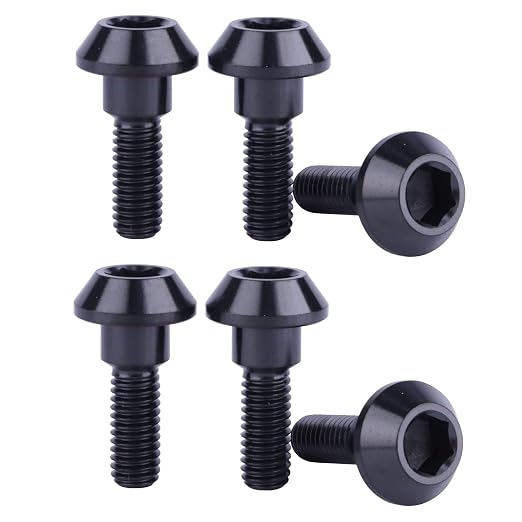
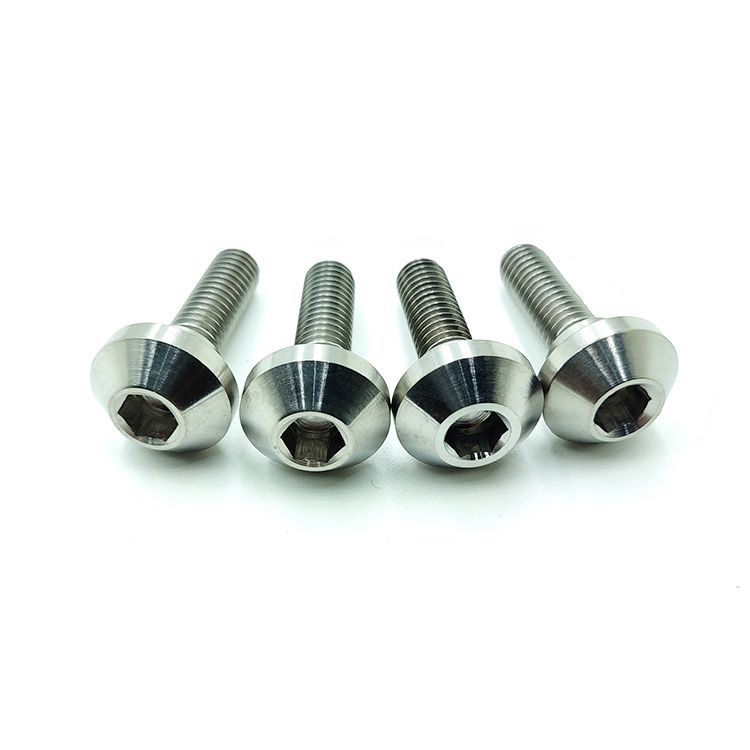
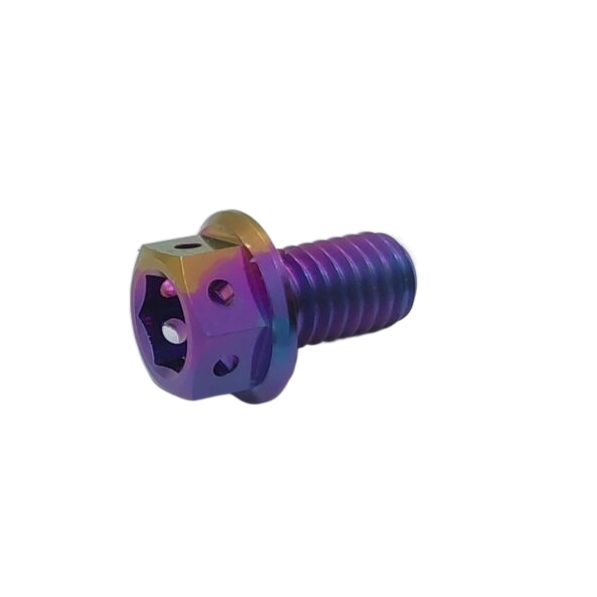
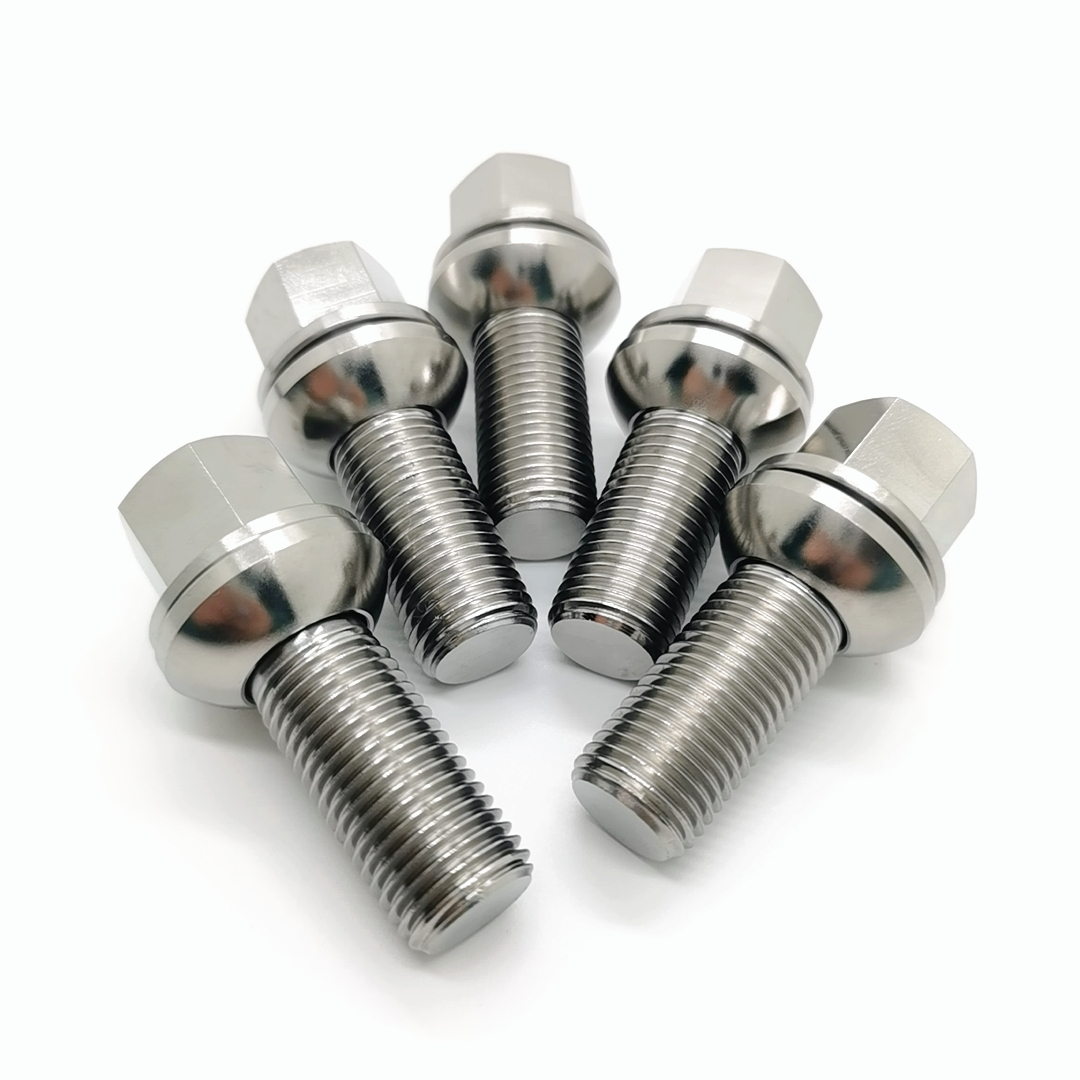
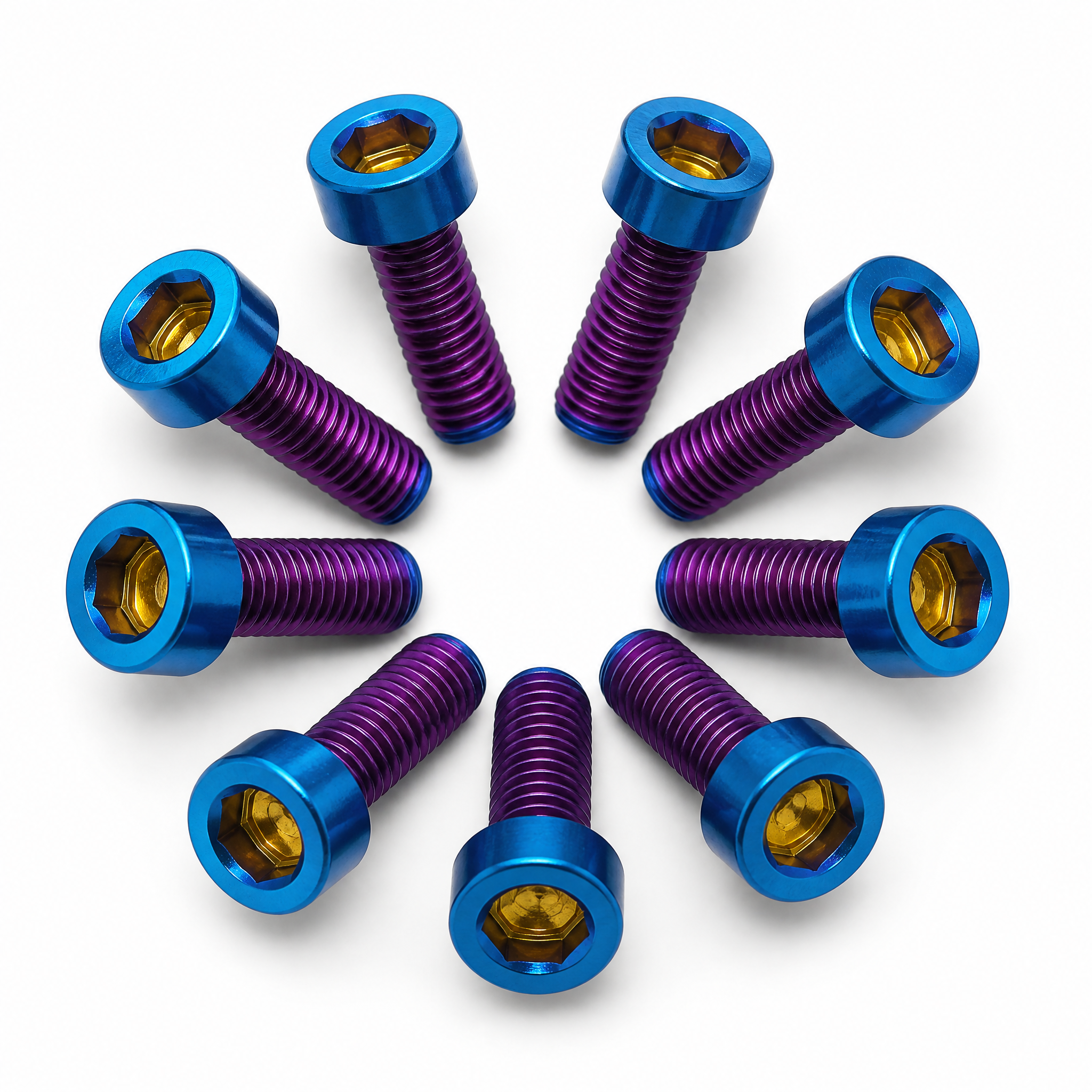
Precision CNC-turned fasteners machined directly from ultrasonic-inspected Grade 5 titanium bar stock. Configured for single, double, bleed-integrated, and custom thread pitches.
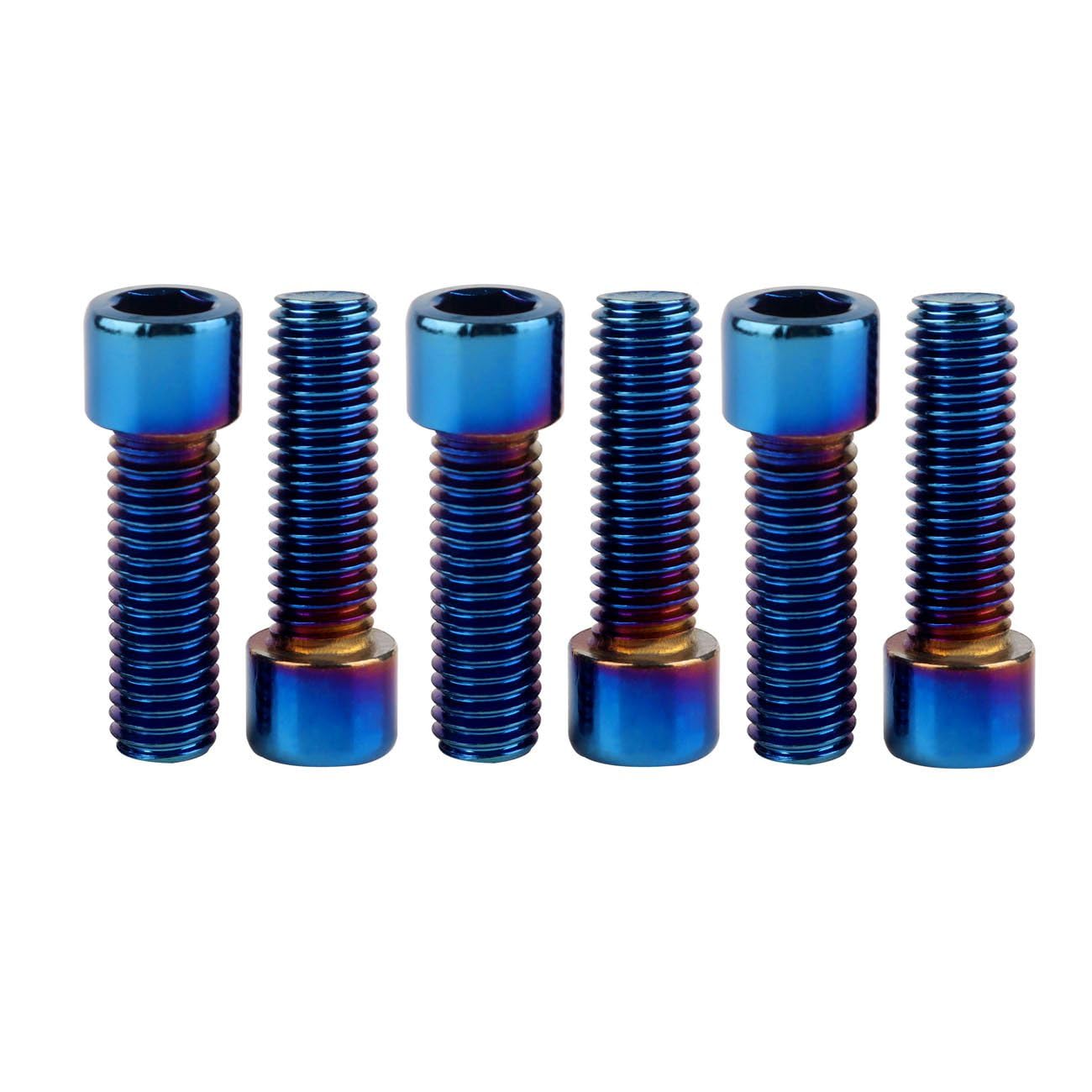
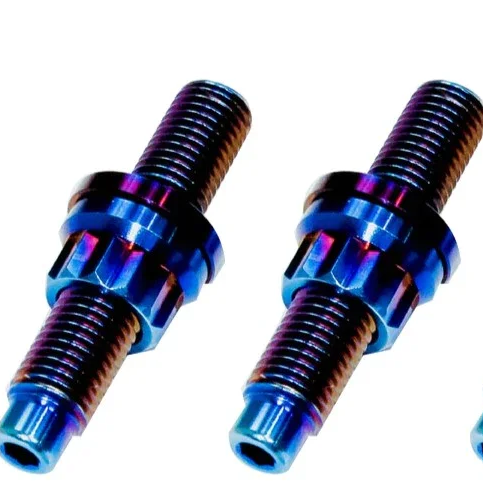
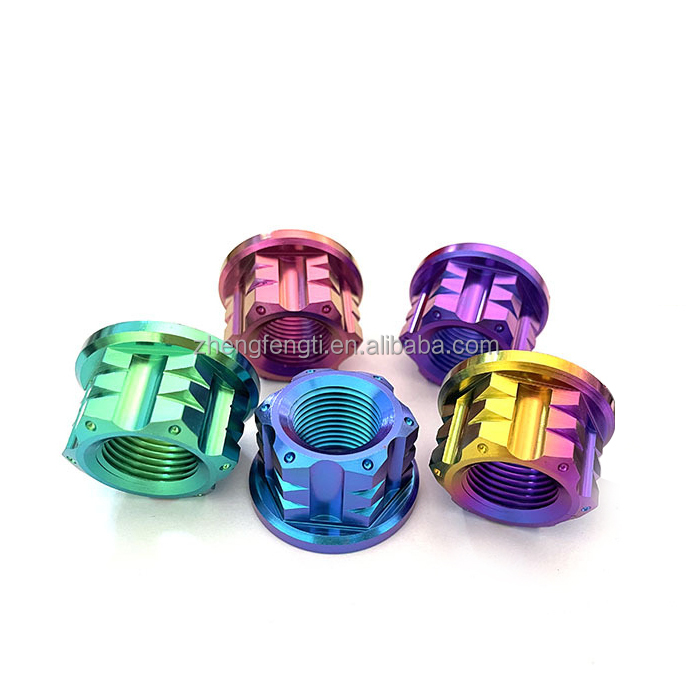
A comprehensive examination of hydraulic integrity, metallurgy, and fastener physics across high-altitude and corrosive operating profiles.
Hydraulic braking and clutch fluid delivery systems depend entirely on the mechanical reliability of hollow union connections, universally known as banjo bolts. In conventional automotive and motorcycle manufacturing, carbon steel or soft extruded brass banjo bolts serve standard duties. However, when hydraulic circuits operate under extreme pressure pulses, significant thermal oscillation, and chemical de-icing assault—typical of high-altitude Alpine routes in Tyrol—conventional materials frequently encounter catastrophic micro-fissuring, accelerated electrolytic pitting, and thread distortion.
A banjo bolt is inherently compromised by its design: a central fluid reservoir hole intersects with one or more transverse cross-drilled feed apertures. This internal drilling significantly reduces the cross-sectional shear plane of the bolt shank. If fabricated using low-grade titanium sponge or substandard multi-axis lathing, severe stress concentrations appear at the internal 90-degree intersection of the fluid ports.
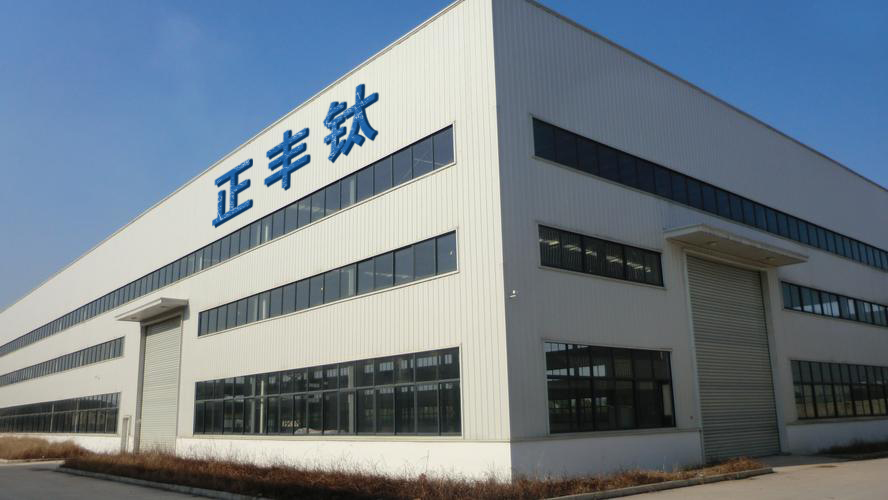
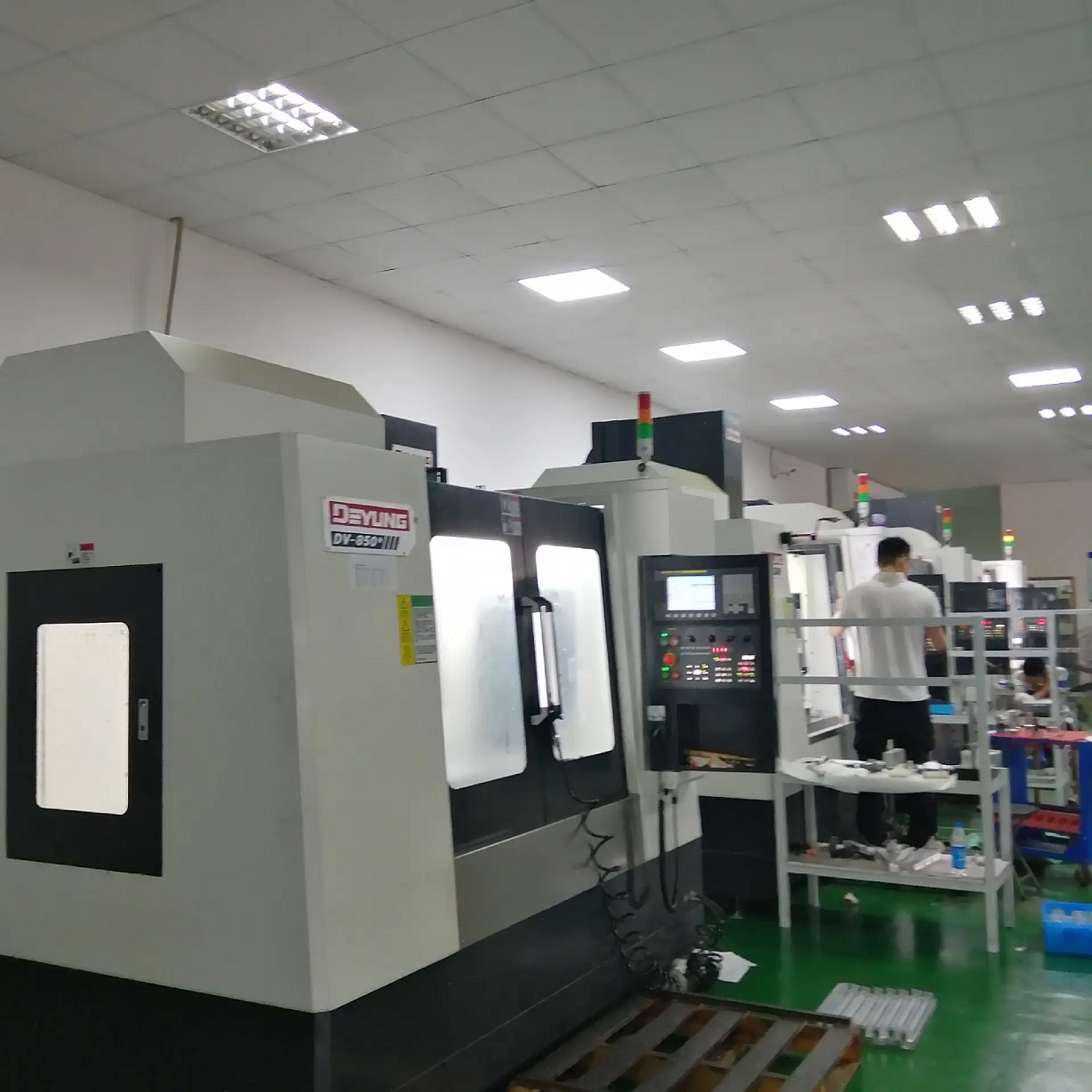
At Yevzo Titanium Metal Co., Ltd., based in China's industrial center of Baoji ("Titanium Valley"), our manufacturing protocol implements single-setup, 5-axis Swiss-lathe turning. We mill smooth internal fluid transition radiuses, eliminating sharp internal edges where hydraulic cavitation and fatigue cracking originate. Furthermore, our external threads are cold-rolled rather than cut, ensuring that the natural grain flow of the Ti-6Al-4V alloy remains intact along the pitch diameters (M10x1.0, M10x1.25, and 3/8-24 UNF standards).
| Engineering Property | Gr5 Titanium (Ti-6Al-4V Annealed) | Standard Zinc-Plated Carbon Steel | A2-70 Stainless Steel | 6061-T6 Aluminum Alloy |
|---|---|---|---|---|
| Density (g/cm³) | 4.43 (44% lighter than steel) | 7.85 | 7.93 | 2.70 |
| Yield Strength (MPa) | 828 – 910 | 640 | 450 | 276 |
| Tensile Strength (MPa) | 895 – 1000 | 800 | 700 | 310 |
| Thermal Expansion (10⁻⁶/K) | 8.6 (High joint stability) | 12.0 | 16.5 | 23.1 |
| Chloride Pitting Resistance | Immune (TiO₂ self-healing layer) | Poor (Rapid flaking under salt) | Moderate (Susceptible to crevice rot) | Low (Severe galvanic pitting) |
Innsbruck and the surrounding Tyrolean alpine districts feature extreme conditions for hydraulic braking hardware. These operating demands govern how specialized local workshops procure replacement and performance fasteners.
Routes such as the Brenner Pass and Zirler Berg subject vehicle calipers and hydraulic connections to sudden thermal excursions from sub-zero mountain ambient air to 650°C pad temperatures. Grade 5 titanium maintains structural yield without loosening crush washers.
Winter maintenance across Austrian highways relies on heavy magnesium and calcium chloride brine solutions. While stainless hardware can develop crevice corrosion under sealing washers, titanium's stable titanium dioxide film provides corrosion immunity.
For custom motorbike fabricators, downhill e-mountain bike (E-MTB) builders, and Alpine rally teams in Western Austria, cutting rotational unsprung mass directly sharpens suspension response across rough Alpine terrain.
The industrial landscape in Tyrol is undergoing a major technological transformation. Precision engineering shops in Innsbruck, Hall in Tirol, and Telfs are increasingly adopting lightweight materials across two primary sectors: high-end e-mobility systems and specialized mountain infrastructure maintenance machinery.
As electric motorcycles and performance downhill e-bikes expand their footprint across the Alps, hydraulic line pressures are climbing. Heavy battery weights place double the load on brake calipers, generating extreme pressures inside master cylinders. Workshop managers are systematically replacing OEM pressed-steel banjo unions with CNC-machined titanium alternatives. Furthermore, regional cable car hydraulic backup winches, piste groomers, and alpine rescue vehicles are transitioning to titanium fluid connectors to eliminate downtime caused by cold-brittleness failures in standard steel.
Key technical details regarding international logistics, thread pitch selection, torque profiles, and electrochemical compatibility.
Whether you require standard M10x1.0 banjo fittings or custom blueprint components for extreme operating environments, our engineering desk in Baoji works directly with your technical team.
Inquiries received from European engineering firms receive a formal manufacturing feasibility review and pricing proposal within 24 hours.
Get Catalog