Ti-6Al-4V
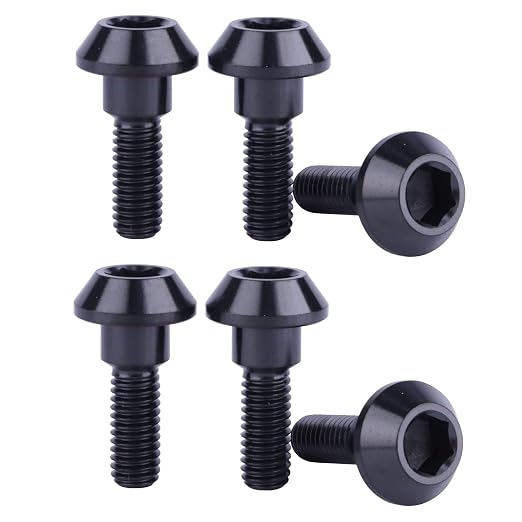
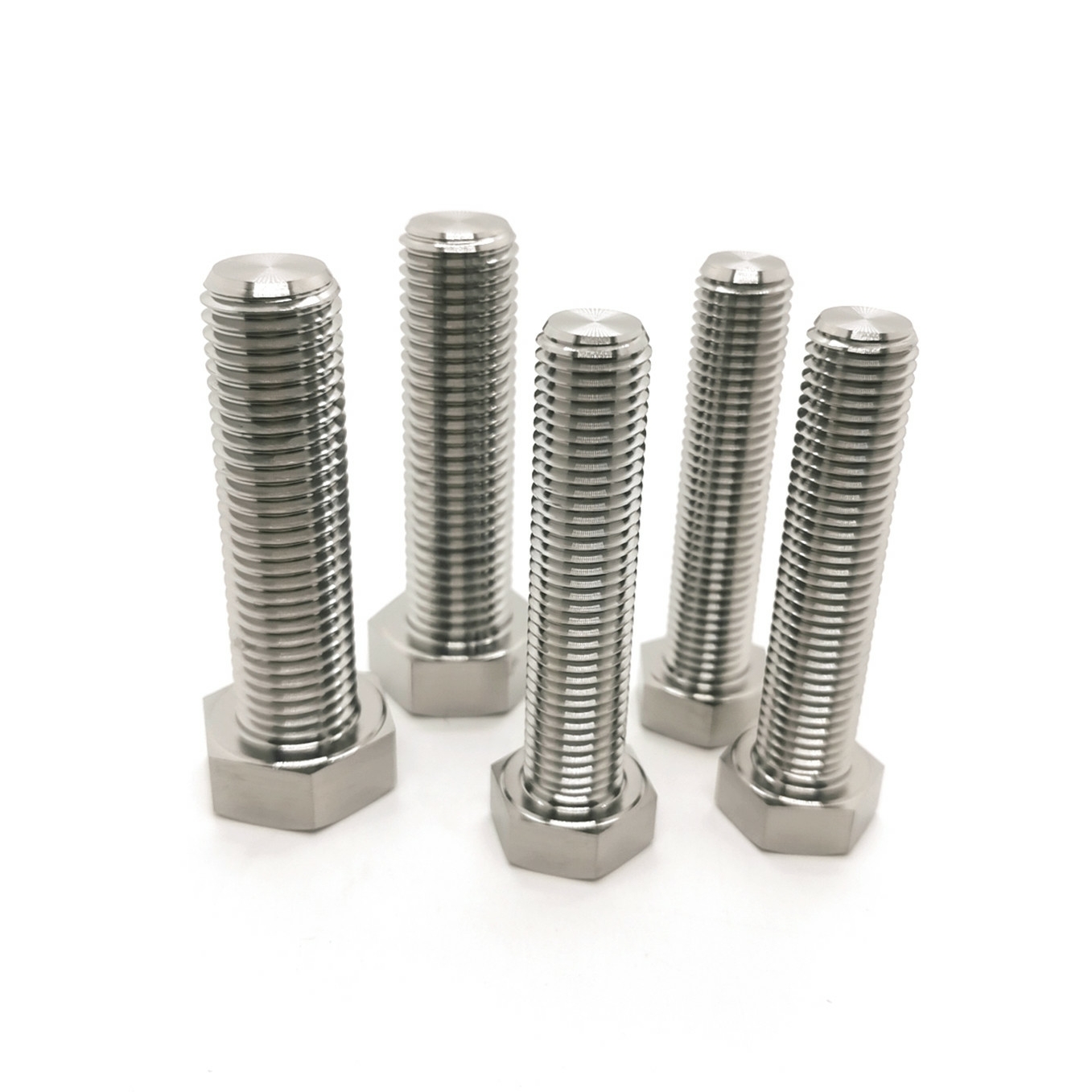
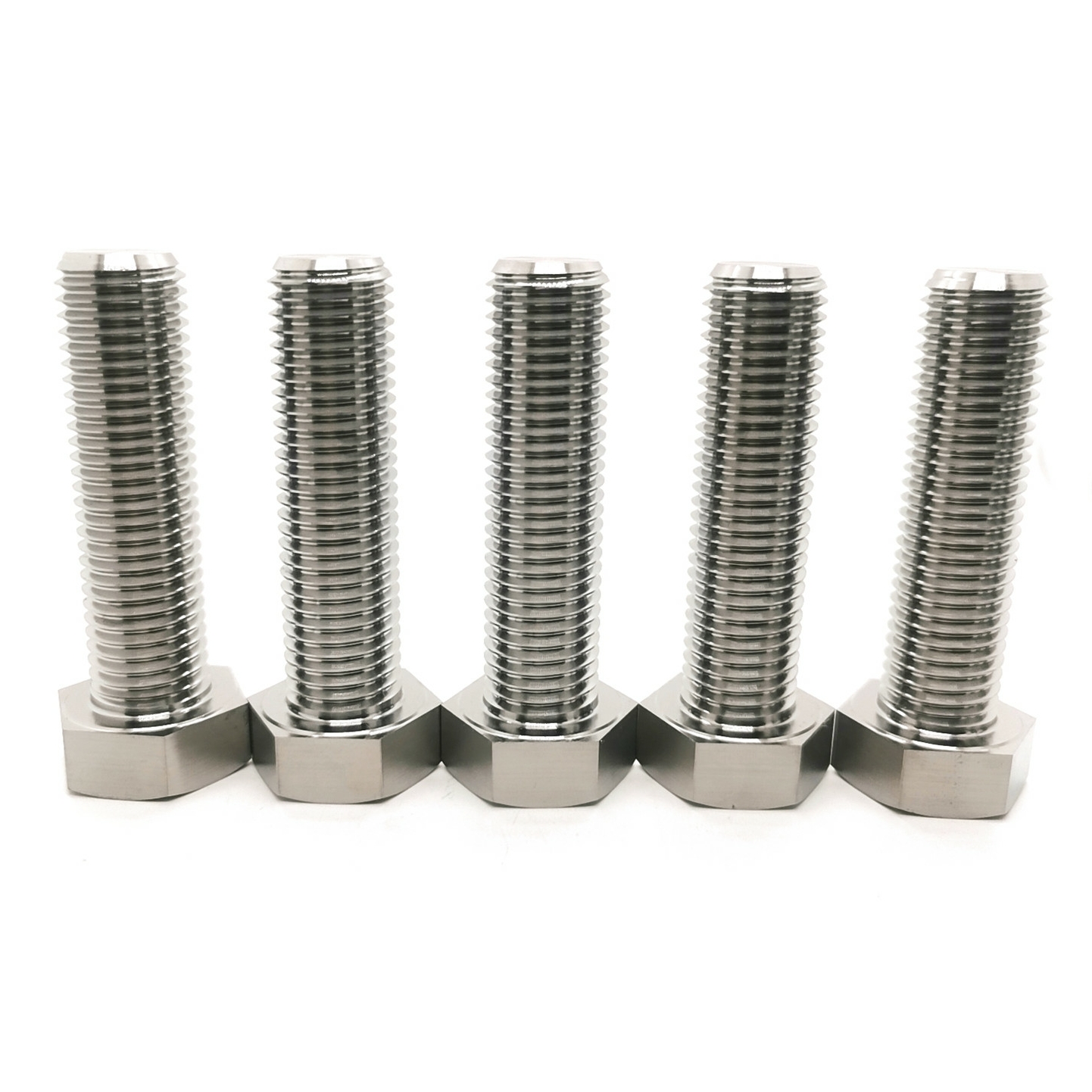
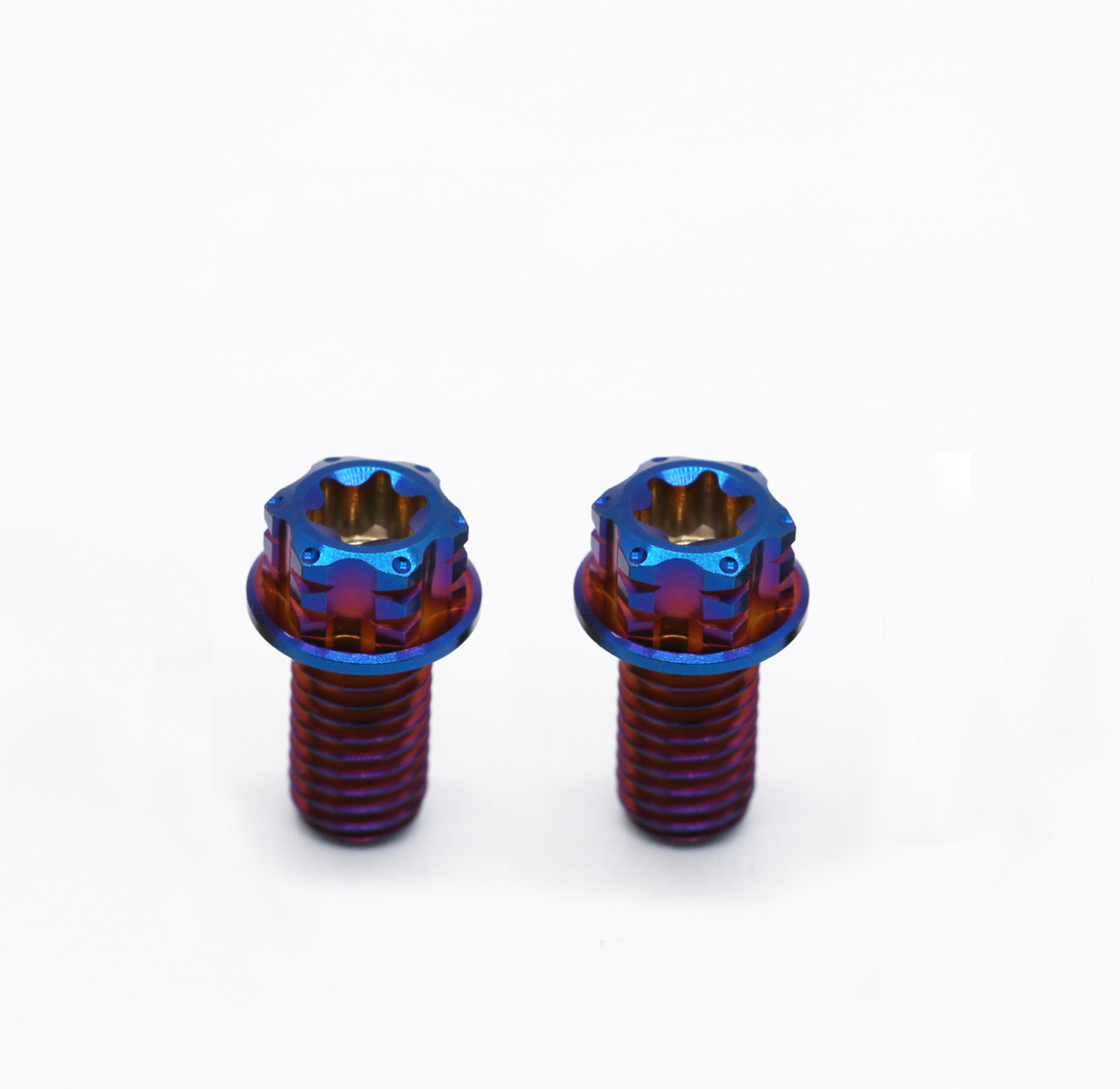
Titanium Bolts Motorcycle Brake Disc Bolt M6 X 20mm
M6 x 20mm
Rolled Threads
Ultra-Light
Manufactured from ultrasonic-inspected ASTM B348 certified titanium bars. Fully compliant with DIN, ISO, and ASME standards with lot-level EN 10204 3.1 chemical and mechanical traceability.
Situated at the confluence of the Scheldt and Leie rivers and functioning as an integral transshipment node within the North Sea Port network, Ghent holds an elite position in Europe’s maritime logistics, green chemical transformation, and advanced heavy manufacturing. Nevertheless, Ghent’s unique operating geography exposes industrial hardware to severe environmental vectors. From aggressive brackish maritime atmospheres across the Ghent-Terneuzen Canal to elevated-temperature hydrochloric gas scrubbing in port-side chemical plants, traditional zinc-plated or 316L stainless steel fasteners continuously succumb to pitting, chloride-induced stress corrosion cracking (SCC), and galvanic degradation. Industrial plant operators face steep recurring MRO (Maintenance, Repair, and Overhaul) budgets, costly downtime, and catastrophic bolt-shear risks.
To eliminate these systemic vulnerabilities, Ghent’s engineering procurement divisions are systematically adopting Grade 5 Titanium (Ti-6Al-4V, UNS R56400 / W.Nr. 3.7165) and Grade 2 Titanium (Commercially Pure, UNS R50400 / W.Nr. 3.7035) fasteners. Titanium develops a spontaneous, insoluble, chemically inert rutile titanium dioxide (TiO2) passivation film upon atmosphere exposure, delivering nearly absolute immunity to chloride ions, sodium hypochlorite, wet chlorine gas, and saline water immersion. For mechanical assemblies subjected to dynamic cyclic vibrations—such as high-speed centrifuge pumps, offshore transfer winches, and automotive electric powertrains along Ghent’s industrial belt—Grade 5 titanium pairs an astonishing tensile yield (≥828 MPa) with an ultra-low density of 4.43 g/cm³, cutting unsprung assembly mass by 44% compared with 8.8/10.9 steel without sacrificing shear endurance.
As a direct mill-integrated manufacturer headquartered in Baoji ("China's Titanium Valley"), Yevzo Titanium supplies procurement teams throughout East Flanders with fully engineered, precision-rolled, and customized titanium fastening solutions. We bridge high-capacity ISO 9001-certified Chinese titanium metallurgy directly with Belgian European standards (DIN, ISO, ASTM, ASME), delivering comprehensive compliance paperwork, rapid air/ocean DDP routing straight to your Ghent warehouse dock, and competitive direct-factory economics.
Tailored bolt geometries, cold-formed threads, and anti-galling coatings specifically calibrated for the environmental rigors of Ghent's primary industrial sectors.
Subsea and splash-zone hardware deployed across quayside bulk handling facilities, dredging vessels, and locks along the Ghent-Terneuzen canal. Titanium Grade 2 and Grade 5 flange bolts eliminate chloride pitting and stress corrosion cracking where galvanizing fails within months.
Processing plants in Rodenhuize and Kluizendok handling corrosive bio-fuels, organic acids, urea synthesis, and chlorinated catalysts. Titanium fasteners provide an imperishable TiO2 barrier, protecting critical pressure vessels, autoclave covers, and heat exchangers.
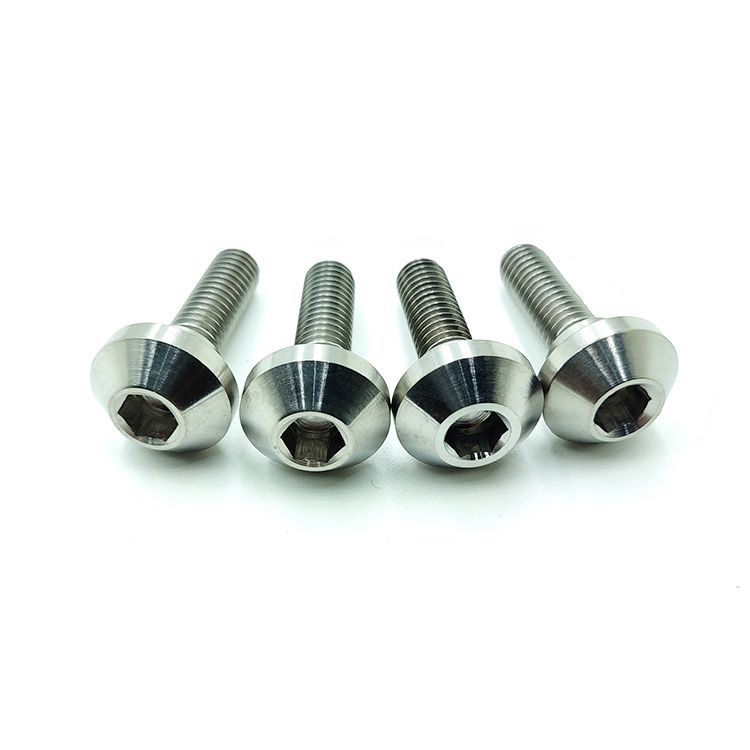
Ghent’s celebrated automotive production footprint demands rapid unsprung weight reduction for next-generation EV platforms, sport suspensions, and racing setups. Titanium wheel lug bolts, brake disc rotor screws, and manifold studs shave critical grams while withstanding extreme thermal cycles.
Quantitative property analysis guiding Ghent structural, chemical, and design engineers to optimize load-to-weight ratios and service lifespans.
| Property Parameter | Grade 5 Titanium (Ti-6Al-4V) | Grade 2 Titanium (CP Ti) | Marine Stainless (AISI 316L) | Structural Steel (Grade 8.8) |
|---|---|---|---|---|
| Tensile Strength (Min) | 895 – 1000 MPa | 345 – 450 MPa | 500 – 700 MPa | 800 MPa |
| Yield Strength 0.2% (Min) | 828 MPa | 275 MPa | 220 MPa | 640 MPa |
| Material Density | 4.43 g/cm³ | 4.51 g/cm³ | 8.00 g/cm³ | 7.85 g/cm³ |
| Weight Reduction Benefit | ~ 44% Lighter than Steel | ~ 43% Lighter than Steel | Baseline Reference | Baseline Reference |
| Chloride Pitting (PREN equivalent) | Immune (TiO2 passivated) | Immune (TiO2 passivated) | Susceptible in stagnant seawater | Rapid oxidization & rust failure |
| Fatigue Endurance Limit | Superior (>510 MPa @ 10⁷ cycles) | Moderate | Moderate | High (Standard) |
| Operating Thermal Window | -250°C to +450°C | -196°C to +300°C | -196°C to +400°C | -40°C to +300°C |
| Best Ghent Application Focus | EV Powertrains, Winches, Rotors | Bio-Chemical Reactors, Tanks | Standard indoor food plants | Dry internal structural framing |
1. Decarbonization and Circular Life-Cycle Engineering (LCA): As Flanders accelerates toward carbon neutrality, the Port of Antwerp-Bruges and North Sea Port (Ghent) have established stringent environmental procurement benchmarks. Traditional fasteners necessitate toxic cadmium plating, zinc galvanizing baths, or repeated paint coatings that leach chemicals into maritime waters. Titanium’s passive oxide skin requires no toxic chemical coatings. Its multi-decade operating lifecycle completely circumvents premature bolt scrappage, aligning squarely with the European Union's circular economy mandates.
2. Offshore Wind and Hydrogen Energy Infrastructure: With Ghent serving as a primary marshalling and maintenance base for North Sea offshore wind farms and nascent green hydrogen electrolysis plants, fastening hardware is exposed to hyper-aggressive salt spray and nascent hydrogen embrittlement. Standard high-strength carbon steels (Class 10.9/12.9) are intrinsically vulnerable to hydrogen-assisted micro-cracking. In contrast, cold-worked Grade 5 titanium bolts deliver extraordinary resistance to hydrogen diffusion, securing critical offshore turbine pitch systems, turbine yaw drives, and hydrogen compressor valves.
3. Transition from Metric Stainless Steel to Direct CNC Titanium Replacement: Ghent mechanical design firms are moving away from bulk over-engineering. Previously, engineers selected M16 stainless bolts merely to counteract corrosion allowances. By converting to precision-turned M12 Grade 5 titanium, mechanical packages retain higher tensile capacity (≥895 MPa vs. 500 MPa for 304/316) while slashing connector weight by over 60%, permitting lighter housings, smaller motor mounts, and reduced overall carbon freight overhead.
From the raw sponge mills of Baoji directly to the ports and assembly workshops of Ghent: zero middleman markups, verified quality metrics, and full OEM engineering support.
Headquartered in China's "Titanium Valley" since 2013, our production ecosystem spans over 100 CNC machining units. Direct raw bar allocation guarantees uncompromised heat traceability and stable, ultra-competitive mill pricing for European partners.
We utilize cold thread-rolling for dynamic load-bearing fasteners (DIN 912, flange bolts, manifold studs). Continuous grain flow improves shear fatigue life by 35% compared to cut threads, fully meeting Class 10.9 & 12.9 equivalents.
Onsite-verified operations with comprehensive laboratory verification: PMI optical emission spectrometers, coordinate measuring machines (CMM), thread go/no-go ring gauges, and tensile strain benches. Full 3.1 MTRs accompany every shipment.
Experienced in shipping under FOB, CIF, CPT, and comprehensive DDP (Delivered Duty Paid) terms into Antwerp and Ghent. We handle EU customs documentation, import duties, and value-added tax routing seamlessly, ensuring prompt factory-to-door arrival.
Practical answers addressing metallurgical selection, assembly best practices, minimum order volumes, and European import customs.
Titanium possesses a high coefficient of friction, rendering bare titanium-to-titanium threads vulnerable to cold welding or thread seizure under high-speed pneumatic tightening. We resolve this by providing anti-galling specialized molybdenum disulfide (MoS2) coatings, micro-arc oxidation, dry-film lubricants, or specific PVD thin films. For manual assembly, applying a nickel-free anti-seize paste (such as copper-graphite or ceramic paste) is standard protocol.
Because titanium sits at a highly noble electrical potential (+0.05V vs SCE) relative to aluminium (-0.75V) or structural steel (-0.45V), direct coupling in the presence of Ghent's brackish waters can induce sacrificial galvanic erosion of the aluminium. To prevent this, our engineering team supplies passivated non-conductive PTFE/phenolic insulating washers, nylon sleeves, or custom Dacromet-compatible coatings that completely isolate joint metallurgy.
Standard DIN/ISO fasteners (DIN 912, DIN 6921, DIN 6923, ISO 4018) in standard M4–M20 diameters are stocked in quantity with a low MOQ of 20 to 100 pieces per specification. Custom CNC machined components according to 2D/3D customer blueprints (STEP, DWG, PDF) require 15–20 working days for volume manufacturing. Express courier batches reach Ghent via DHL/FedEx in 4–6 business days, while volume sea shipments to Port of Antwerp arrive in 28–32 days.
Every dispatch comes with a complete EN 10204 3.1 Inspection Certificate documenting optical emission spectrometry chemical breakdown (Ti, Al, V, Fe, C, N, H, O content) and mechanical tensile testing (Rm, Rp0.2, elongation percentage, reduction of area). Ultrasonic non-destructive examination (NDE) records and dimensional inspection sheets are fully archived and cross-referenced with heat numbers stamped on physical box packaging.
Although Grade 5 titanium demonstrates tensile equivalence to Class 10.9 steel (>895 MPa vs 1000 MPa), titanium's modulus of elasticity is approximately 114 GPa—roughly half that of carbon steel (210 GPa). Consequently, titanium fasteners yield greater elastic stretch under equal load. Recommended tightening torque for lubricated titanium threads is typically 20% to 25% lower than dry steel to achieve identical clamp load without over-stretching the fastener root.
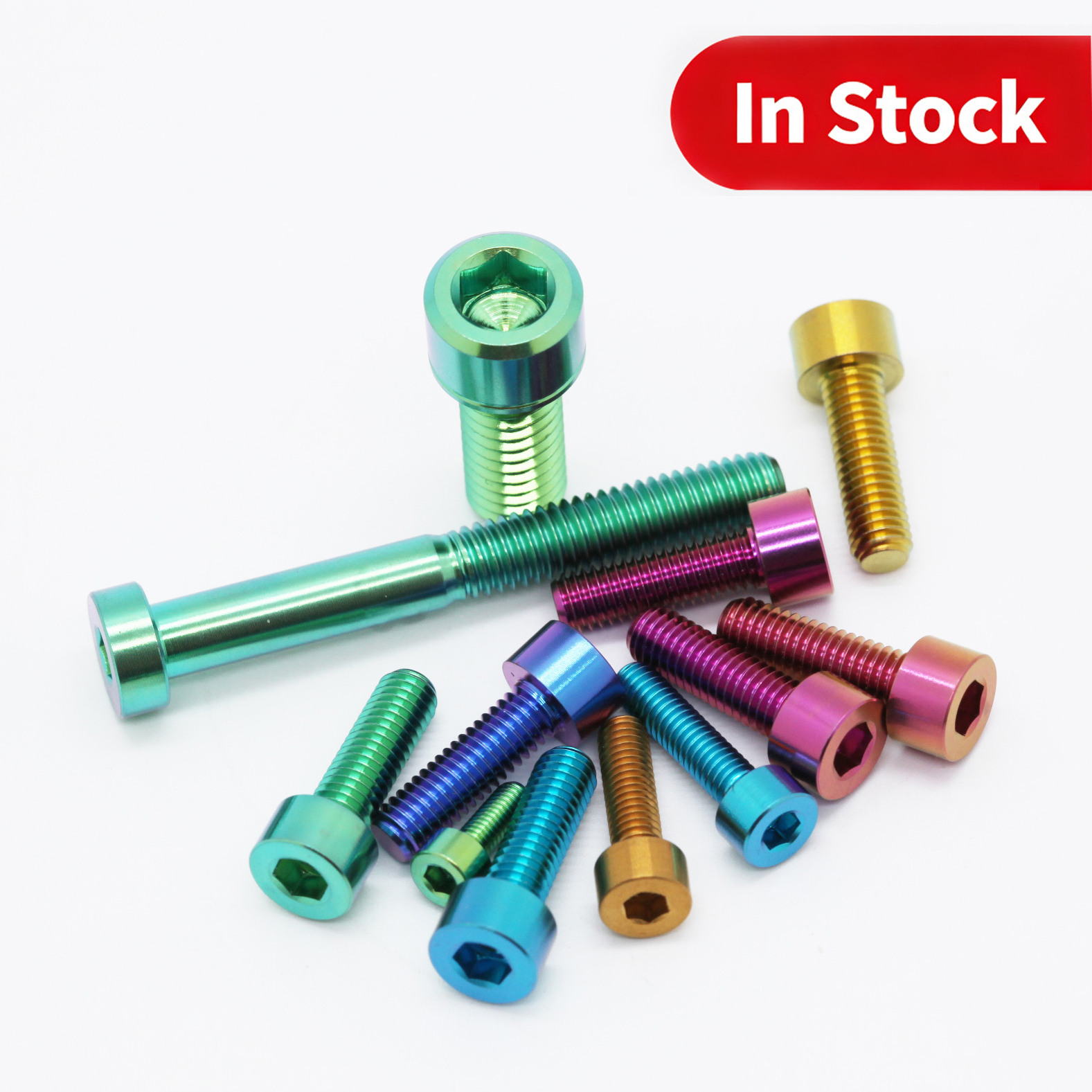
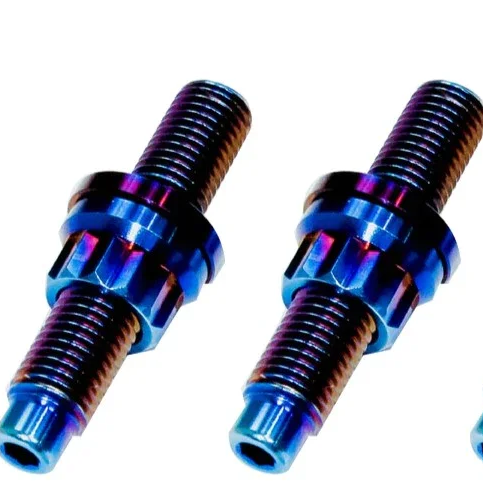
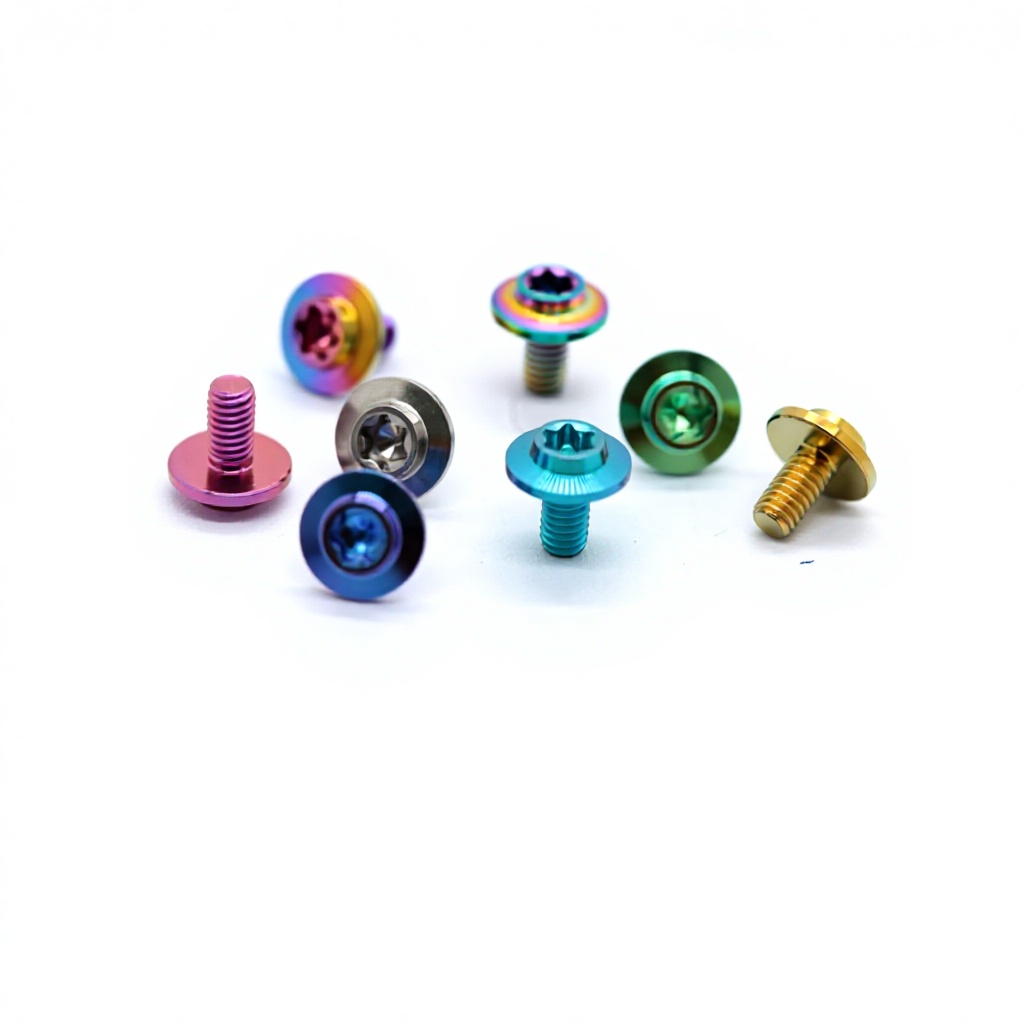
Yes. We offer electro-chemical anodization across standard engineering and decorative spectra: Burnt Rainbow, Cobalt Blue, Royal Gold, Purple, and Deep Charcoal/Black. Anodization produces a microscopically thin, controlled dielectric TiO2 interference barrier that adds zero dimensional thickness to thread pitch tolerances. Precision UV laser engraving of buyer logos, thread pitch identifiers, and lot batch IDs is available on request.
Whether you require standard DIN 912 titanium socket cap screws, custom-threaded M14 automotive hub bolts, or high-tensile titanium studs machined to custom blueprints, our engineering export team provides prompt design reviews and quotes within 24 hours.
Contact Us