1. Monterrey as the Vanguard of High-Precision Latin American Aerospace
The Metropolitan Area of Monterrey, comprising key industrial epicenters such as Apodaca, San Nicolás de los Garza, Santa Catarina, Escobedo, and Ciénaga de Flores, has firmly established itself as Mexico's powerhouse for advanced manufacturing. Driven by the strategic growth of the Monterrey Aerocluster (Monterrey Aerocluster A.C.), tier-1 and tier-2 aerospace contractors in Nuevo León fabricate critical aircraft subassemblies, turbomachinery components, flight actuator brackets, and unmanned vehicle fuselages. These systems demand zero-defect fastening solutions capable of enduring severe aerodynamic fatigue, cyclic mechanical loading, and elevated thermal gradients.
Historically, Mexican precision engineering facilities relied heavily on multi-tiered distribution networks originating from North America or Europe, incurring marked markups, prolonged shipping timelines exceeding 16 weeks, and fragmented heat-lot documentation. Yevzo Titanium Metal Co., Ltd. resolves these systemic procurement bottlenecks by extending a direct industrial supply corridor from our ISO-governed production complex in Baoji—globally celebrated as China's "Titanium Valley"—directly to manufacturing plants situated across Nuevo León.
2. Solving the Structural Weight-to-Strength Conundrum
In aerospace flight structures, cabin architectures, and high-performance mobility platforms, mass reduction translates directly into expanded operational payloads, enhanced thermal management, and prolonged range capabilities. Conventional austenitic stainless steel (such as AISI 304 or 316) and structural alloy steels (4140, 4340) introduce undesirable parasitic deadweight. Aluminum fasteners, while lightweight, lack the requisite ultimate tensile strength and dynamic shear endurance required for primary and secondary load-bearing aerospace joints.
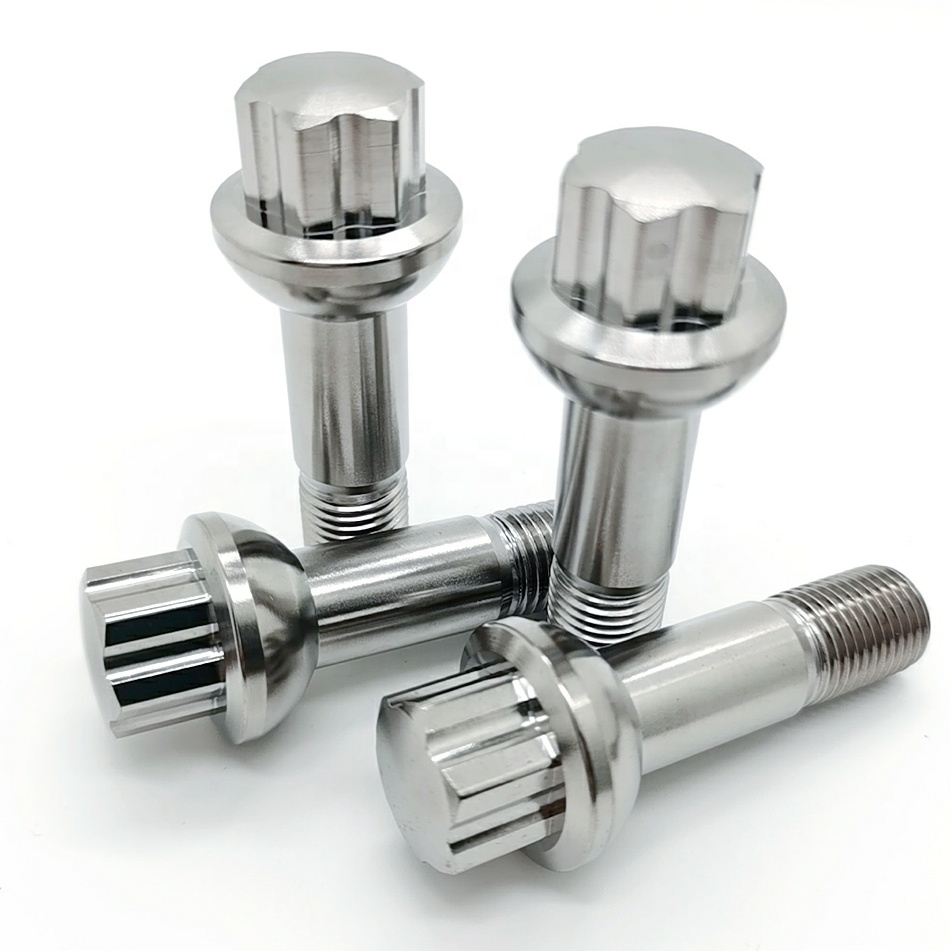
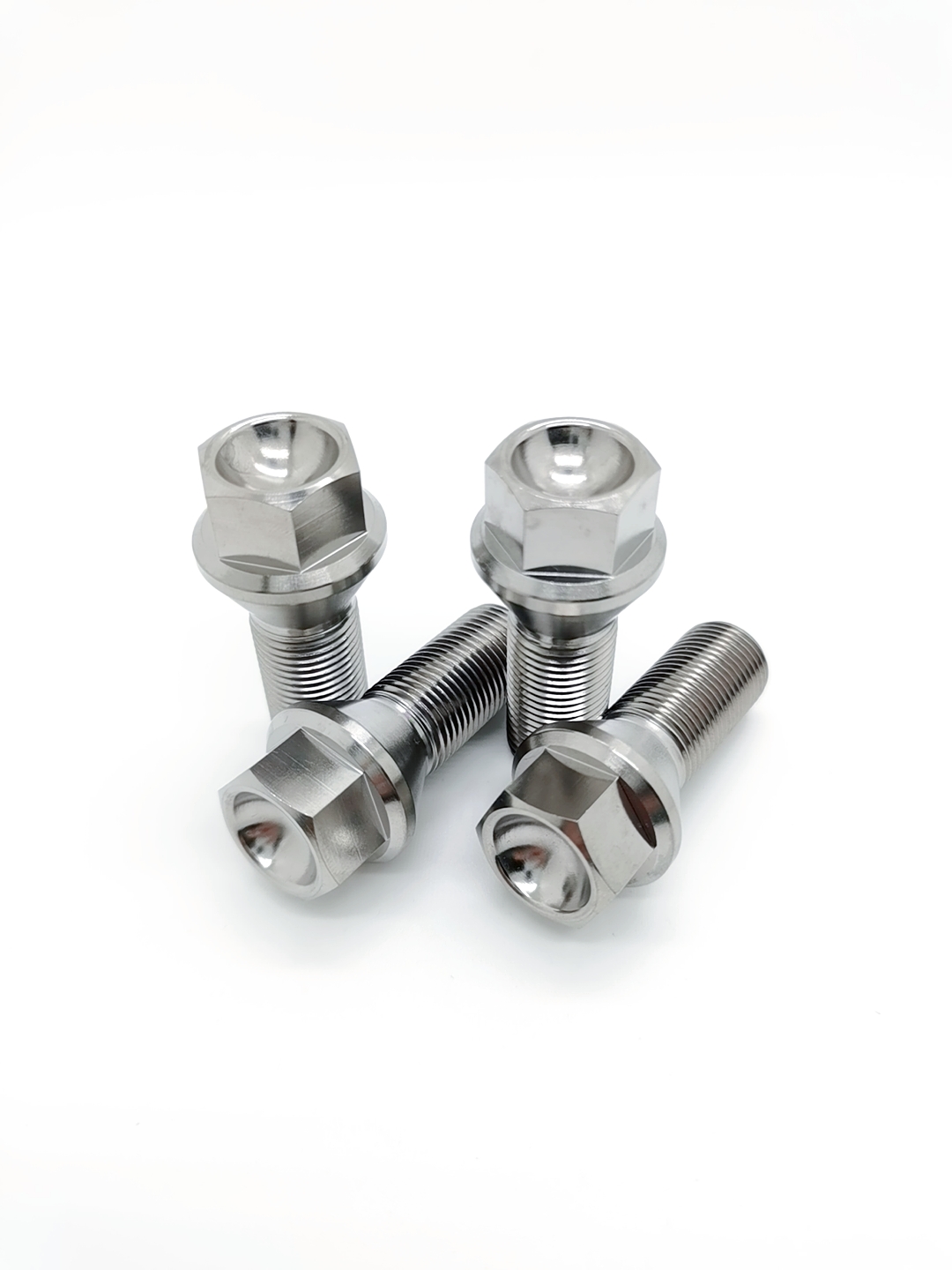
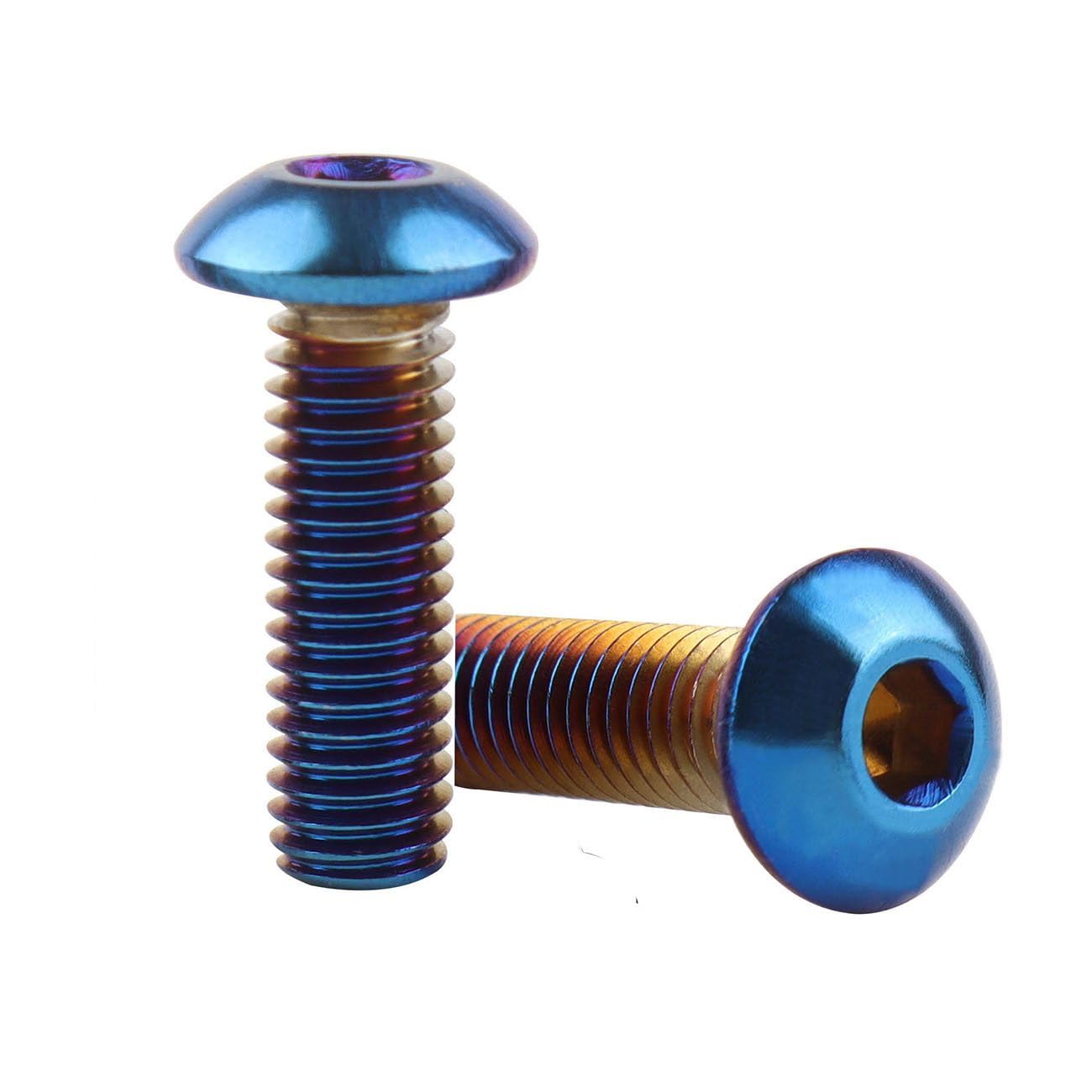
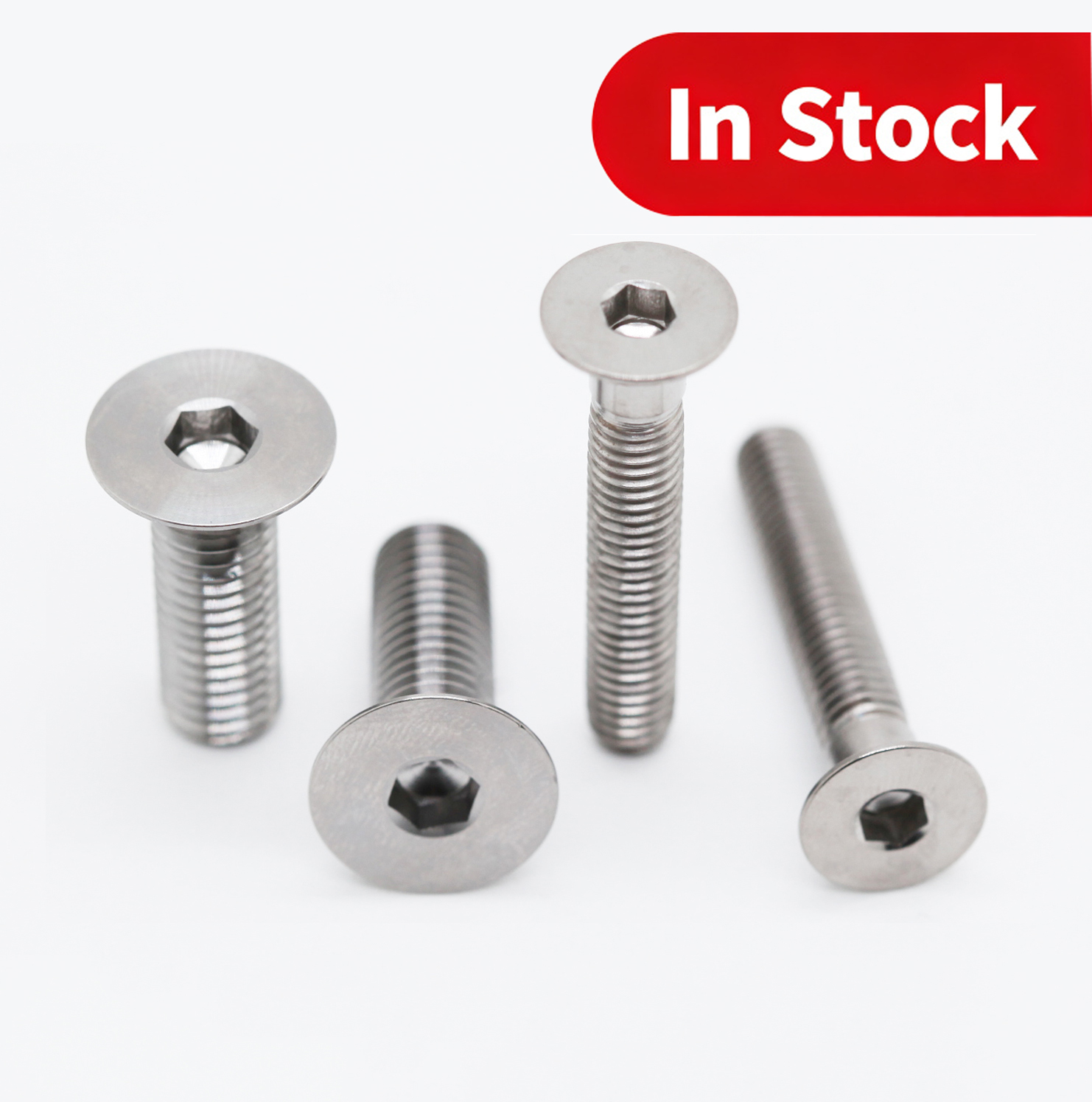
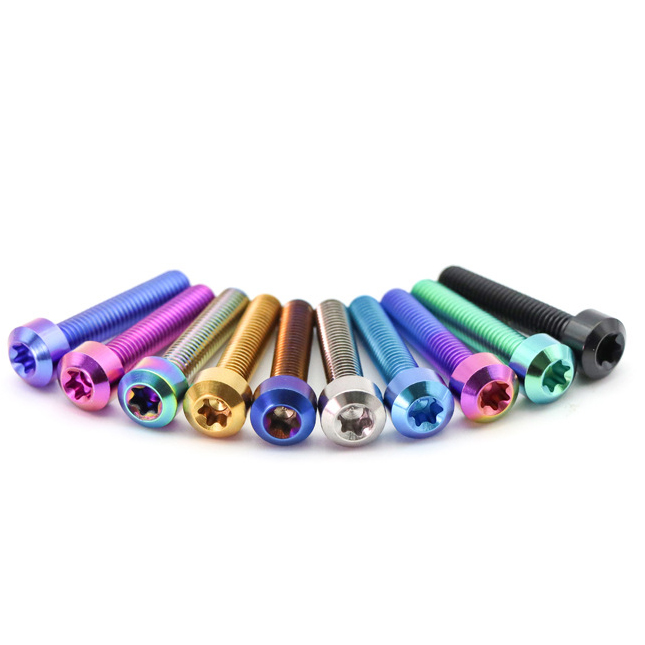
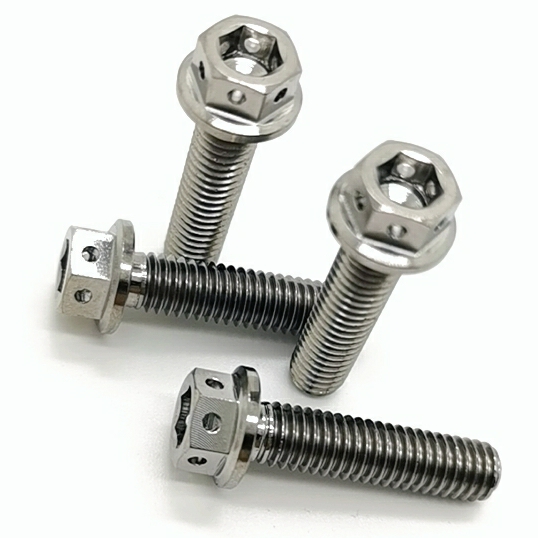
Our Grade 5 titanium fasteners (Ti-6Al-4V per ASTM B348, AMS 4928, and AMS 4967 specifications) present an optimum thermodynamic equilibrium: exhibiting a density of approximately 4.43 g/cm³ (a 44% mass diminution compared to carbon steel) combined with an ultimate tensile strength surpassing 895 MPa to 1,050 MPa. This exceptional strength-to-weight ratio allows Monterrey aerospace engineers to design more compact joints, reduce airframe fuel burn rates, and ensure structural compliance with stringent Federal Aviation Regulations (FAR) and European Aviation Safety Agency (EASA) directives.