Baltic Engineering Integration
High-Performance Titanium Hardware Deployments across Liepāja & Kurzeme Region
A comprehensive examination of how advanced titanium fastener metallurgy addresses specific environmental, mechanical, and maritime challenges along Latvia's western seaboard.
As the third largest city in Latvia and a cornerstone of Baltic maritime trade, Liepāja occupies a uniquely demanding position at the crossroads of industrial manufacturing, naval repair, and expanding offshore renewable energy. The port of Liepāja experiences severe, year-round exposure to marine brackish waters, cyclic Baltic salt-spray fog, and low ambient winter temperatures. Standard carbon steel fasteners—even those hot-dip galvanized or zinc-nickel plated—inevitably experience galvanic failure, hydrogen embrittlement, or stress corrosion cracking (SCC) under protracted exposure to Baltic chloride ions. Yevzo Titanium Metal Co., Ltd. fills this mission-critical gap by delivering bespoke OEM/ODM Titanium Fastener Kits directly to engineers, shipyards, equipment builders, and motorsport designers across Liepāja and the wider Kurzeme region.
Baltic Maritime & Shipyard Maintenance
Liepāja's ice-free commercial port, dry docks, and marine repair facilities require fastening components that completely eliminate crevice corrosion in seawater manifolds, hull penetrations, and sonar brackets. Commercially Pure Grade 2 titanium fasteners withstand uninhibited immersion in aerated or stagnant saline water indefinitely.
Offshore Wind Support Structures
With Kurzeme rapidly establishing itself as the Latvian hub for the ELWIND joint offshore wind initiative, meteorological mast sensors, nacelle instrumentation, and subsea cable mounting collars utilize our Ti-6Al-4V Grade 5 fasteners to eliminate maintenance interventions across a 25-year operational lifecycle.
Baltic Motorsport & Track Engineering
Latvia's fierce motorsport culture—spanning auto-cross, rally raid, and circuit competitions at tracks like Vecpils nearby—demands drastic reductions in unsprung rotational mass. Our titanium wheel lug bolts, brake disc stepped screws, and suspension flange kits yield up to 45% mass reduction over steel while retaining Class 10.9 tensile reliability.
Liepāja SEZ Precision Manufacturing
The Liepāja Special Economic Zone (SEZ) hosts cutting-edge precision mechanical engineering enterprises producing automated hydraulic assemblies, agricultural food-grade processing apparatus, and advanced drone frames. Our customized CNC parts conform to exact micron-level customer drawings.
In addition to heavy industry, the Baltic lifestyle centers heavily on outdoor endurance, coastal gravel biking, and electric mobility. Urban micromobility systems across Liepāja and Riga face grueling humidity, roadway slush containing calcium chloride de-icers, and cyclic vibration. Using standard stainless bolts frequently causes seizing or thread stripping in aluminum e-bike housings. Yevzo's titanium M5/M6 stem and caliper bolts, supplied with calibrated surface micro-hardness and anti-seize compatibility, provide lifetime joint integrity without corrosion bloom or cosmetic degrading.
Emerging Industrial Macro-Trends
Kurzeme's Industrial Modernization: The Shift toward Lightweight Advanced Alloys
Analyzing the strategic convergence of renewable energy, advanced composite engineering, and localized supply chain resilience in western Latvia.
The industrial landscape in the Baltic States is navigating a profound transformation governed by the European Green Deal and regional industrial reshoring. In Liepāja, several structural shifts are accelerating the transition from legacy steel fasteners to specialized titanium alloy assemblies:
1. Electrification and Mass Optimization in Fleet Logistics
As Baltic commercial fleets and municipal transport systems migrate to electric drivetrains, curb weight minimization has transitioned from a racing luxury into an operational necessity. Battery pack enclosures, cooling manifold brackets, and suspension mounts utilize our Class 8.8 and 10.9 equivalent titanium flange hardware. Trimming parasitic deadweight allows engineers to offset battery mass, extend per-charge driving range, and alleviate stress on suspension dampeners on regional roads.
2. Offshore Wind Cluster Development in the Port of Liepāja
The Port of Liepāja is actively upgrading its infrastructure to serve as a staging and marshaling center for upcoming offshore wind farms across the Baltic basin. Turbine nacelles, radar instrumentation, subsea transmission monitoring housings, and anemometer arrays operate in an environment where maintenance access carries prohibitive offshore mobilization costs. Titanium's self-healing rutile (TiO₂) passivation layer ensures zero maintenance intervention caused by thread corrosion, outperforming duplex stainless steels (such as 1.4462) in splash zone exposure.
3. High-Integrity Contract CNC Subcontracting across the Baltic Corridor
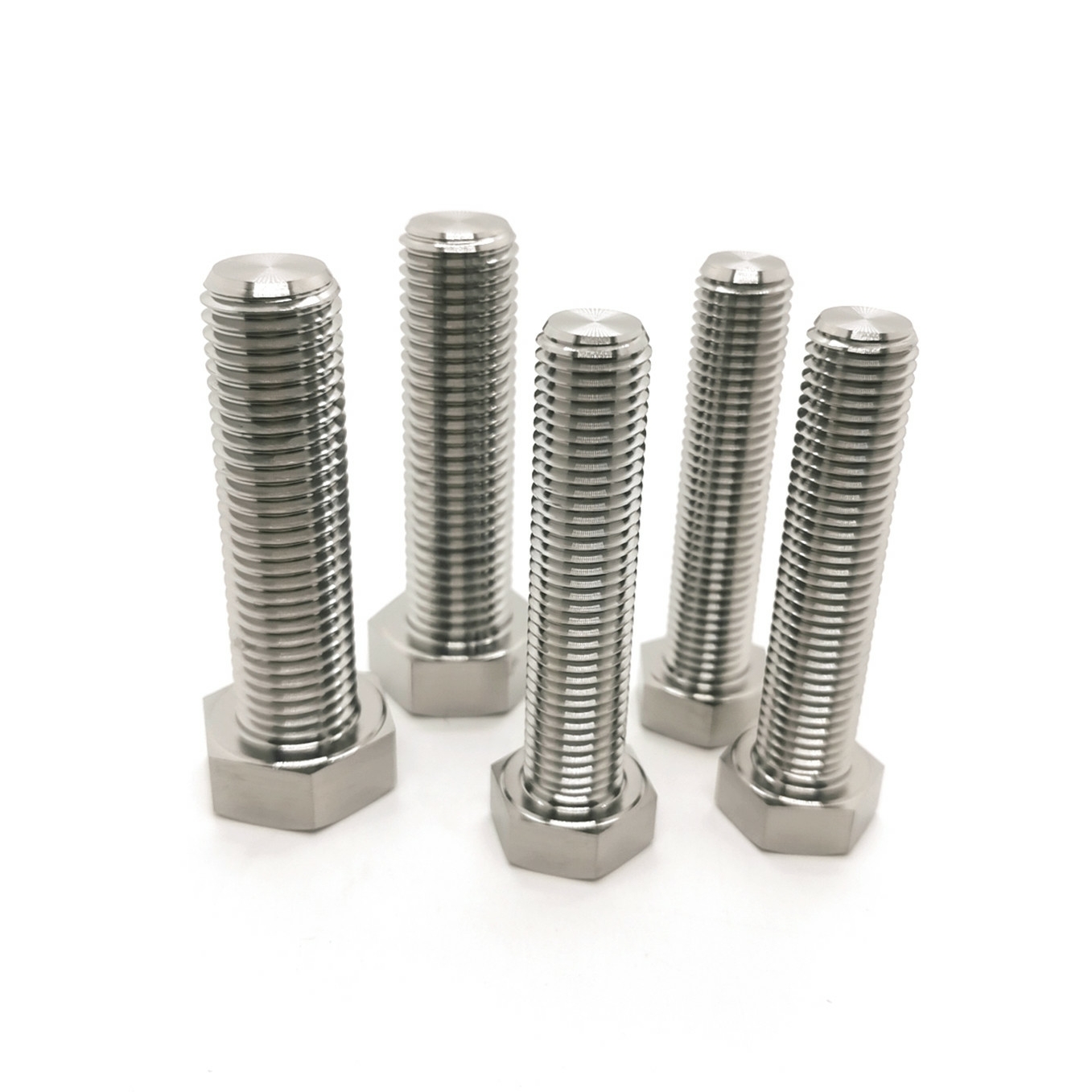
Precision tooling and assembly contractors located within the Liepāja Special Economic Zone, Jelgava, and Ventspils frequently require custom-dimensioned titanium bar stock and semi-finished fastener preforms. Rather than wasting hours machining complex fastener heads from solid rod, regional manufacturers partner with Yevzo for pre-headed, hot-forged blank supply, subsequently finish-threading according to rapid-turnover local project requirements.
| Alloy Specification |
Yield Strength (MPa) |
Tensile Strength (MPa) |
Density (g/cm³) |
PREN Value |
Baltic Seawater Stress Corrosion Resistance |
| Ti-6Al-4V (Grade 5 / W.Nr. 3.7165) |
≥ 828 |
≥ 895 |
4.43 |
Immune (>100 equiv) |
Completely immune to pitting and crevice corrosion below 200°C |
| Commercially Pure Ti (Grade 2) |
≥ 275 |
≥ 345 |
4.51 |
Immune (>100 equiv) |
Optimum cold ductility; total immunity in marine atmospheric spray |
| Marine Grade A4-80 Stainless (1.4401) |
≥ 600 |
≥ 800 |
7.98 |
~ 23 - 25 |
Susceptible to crevice corrosion under marine fouling / unoxygenated joints |
| High-Tensile Carbon Steel 10.9 (Ref.) |
≥ 940 |
≥ 1040 |
7.85 |
N/A |
Rapid rusting; zinc coatings fail within 12–24 months in marine fog |
Foundry & Manufacturing Superiority
End-to-End Control from Baoji Titanium Valley to the Baltic Harbor
Unmatched raw material traceability, verified ASTM/ISO adherence, and zero-defect machining capability built over a decade of continuous precision metal manufacturing.
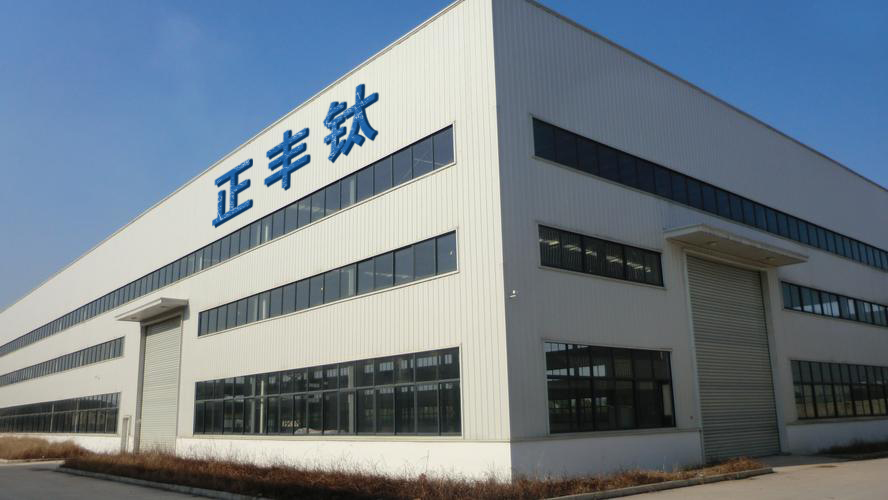
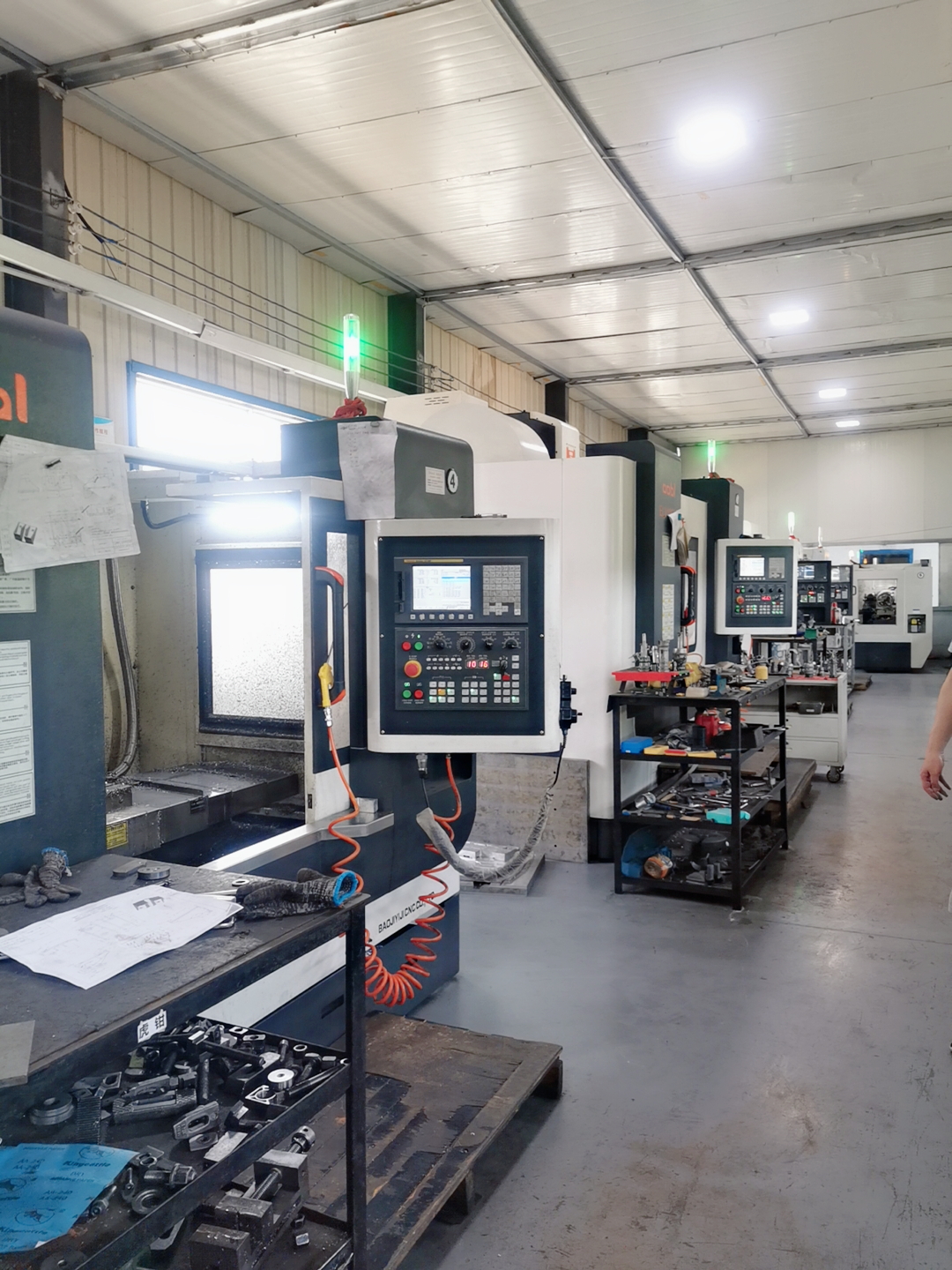
Precision Multi-Axis CNC Floor
Automated Thread Turning & Milling
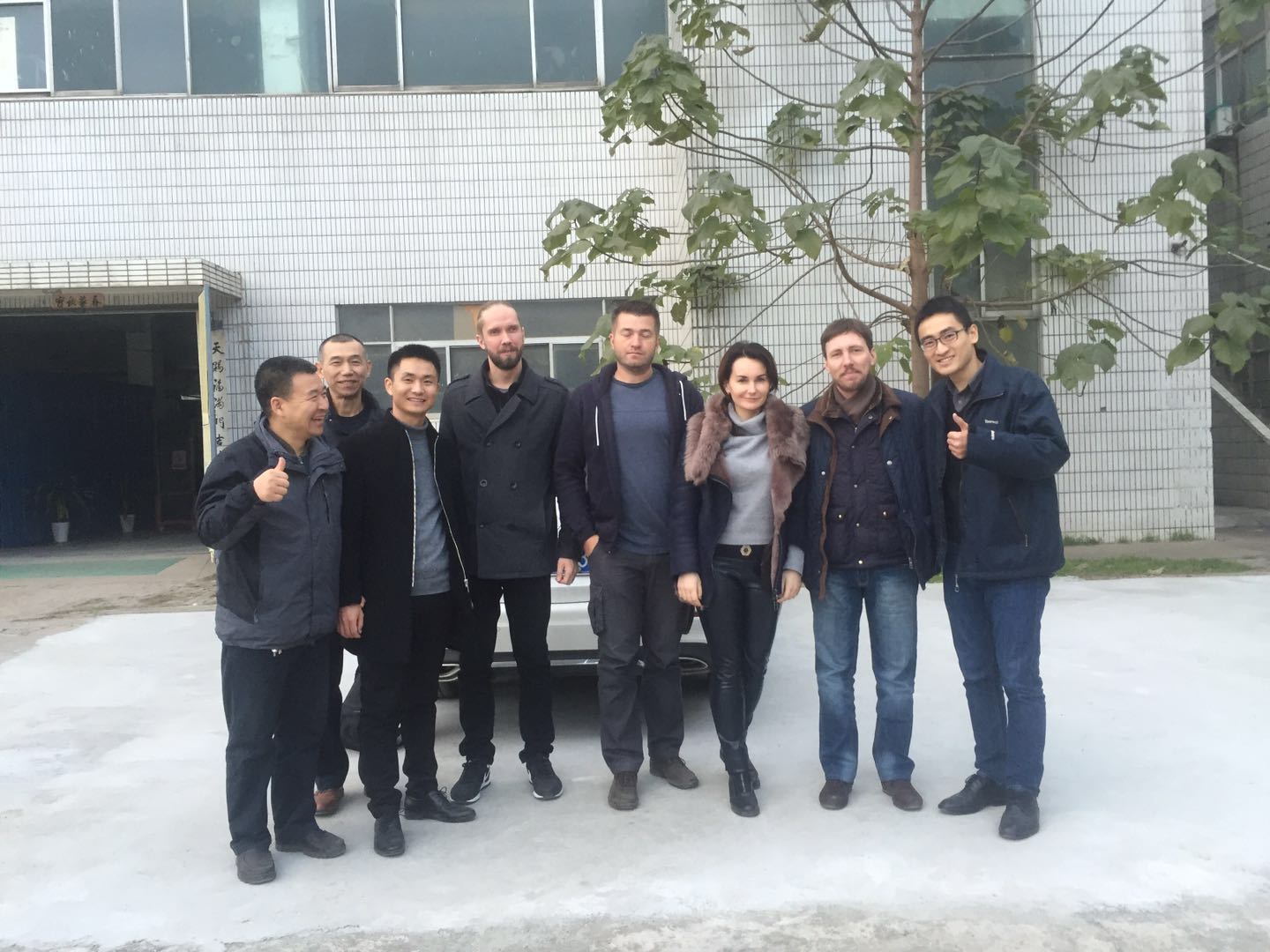
Precision Machining Center
Micron-Level Tolerance Verification
Export Staging & QA Sorting
Optical Profile & Go/No-Go Gauge Tests
Established in 2013, Yevzo Titanium Metal Co., Ltd. is physically headquartered in the Honeycomb Industrial Park of Baoji, Shaanxi Province—widely recognized globally as China's "Titanium Valley." This geographic proximity allows us to secure prime sponge titanium ingots melted through double- or triple-vacuum consumable arc melting (VAR). We directly control our material composition, ensuring interstitial gas contents (Oxygen, Nitrogen, Hydrogen, Carbon) remain strictly below the stringent boundaries of ASTM B348 and ASTM F136 specifications.
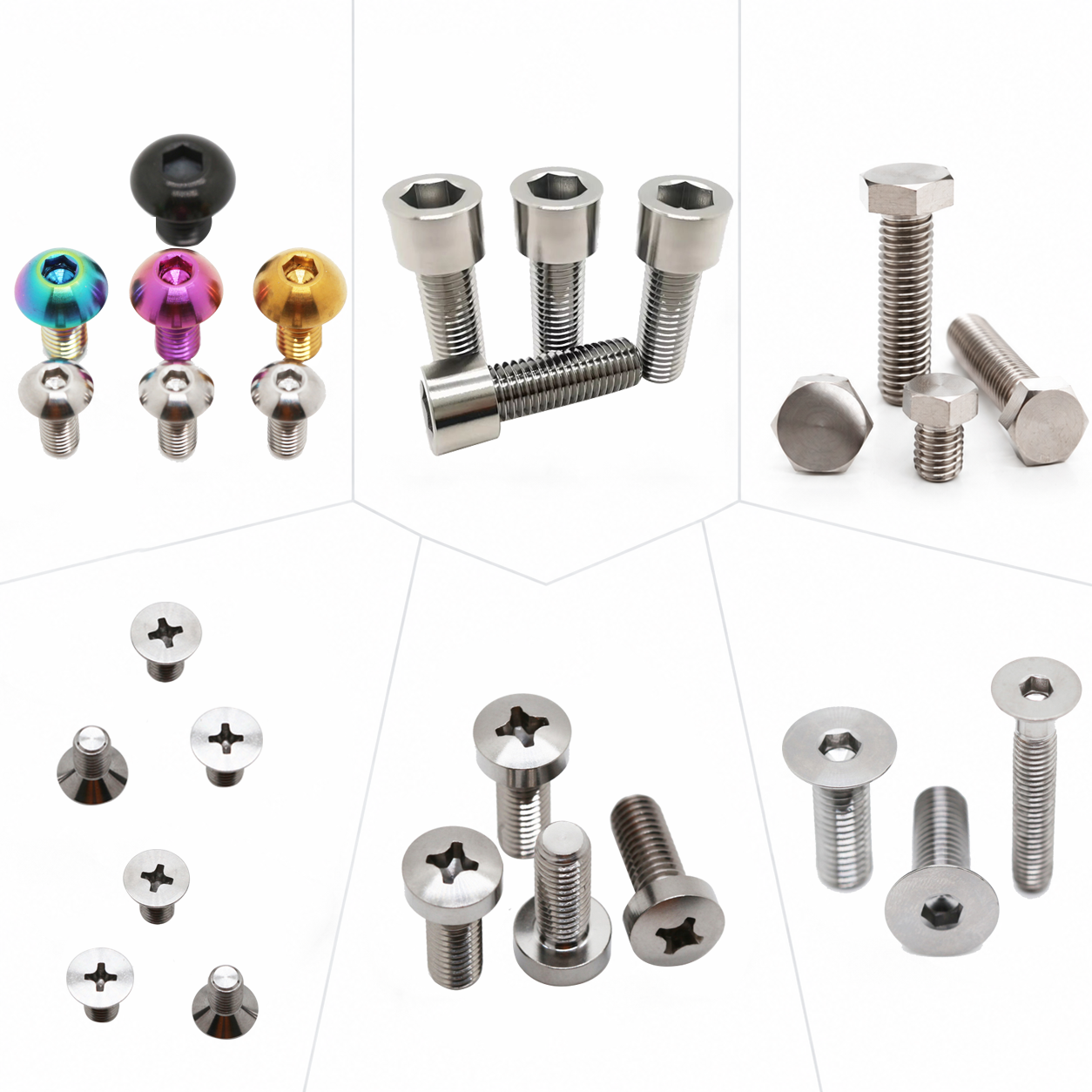
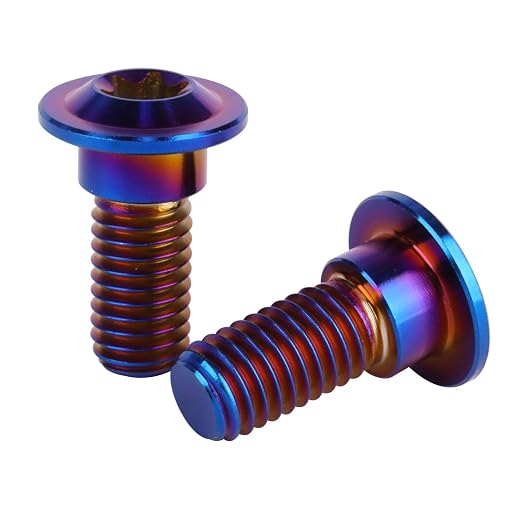
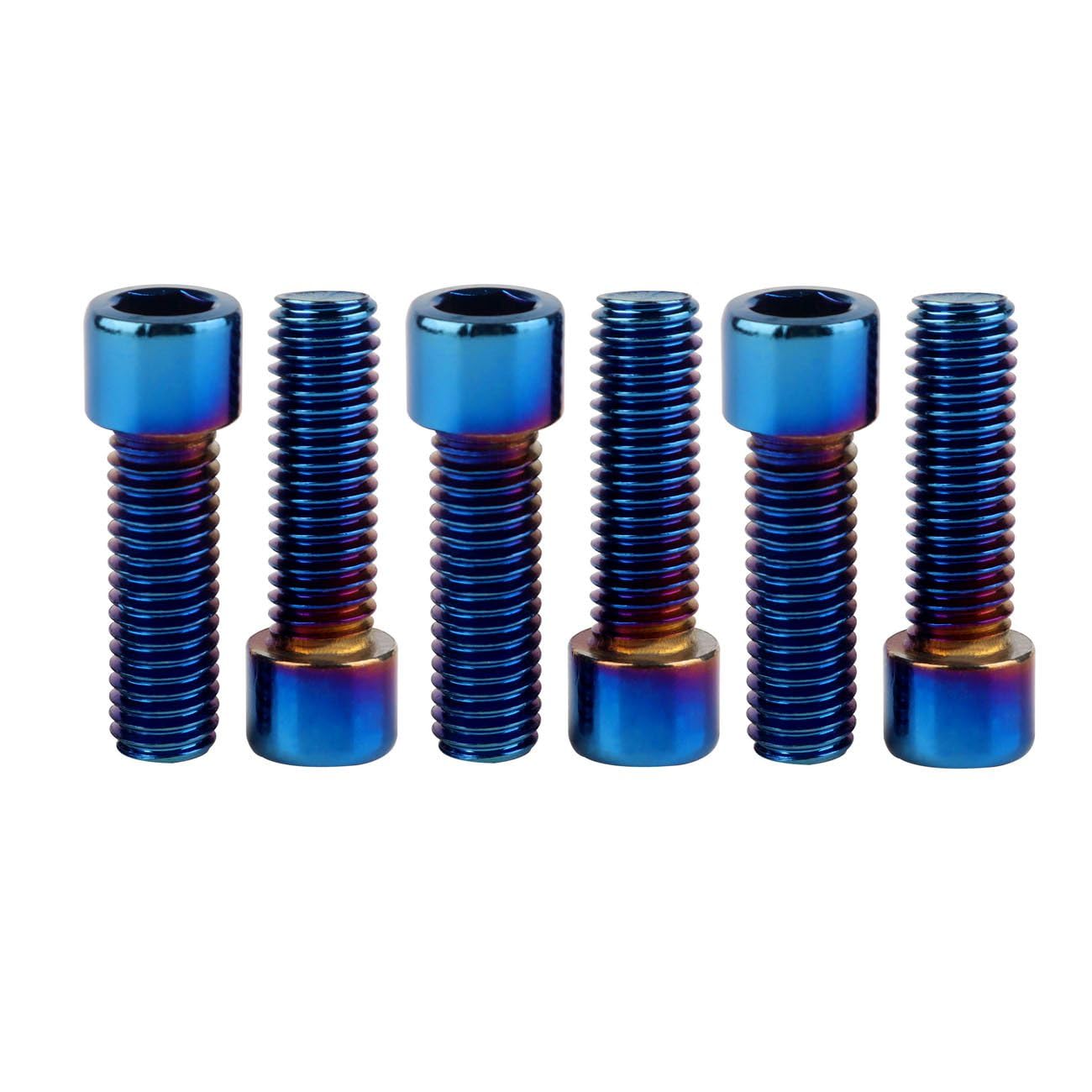
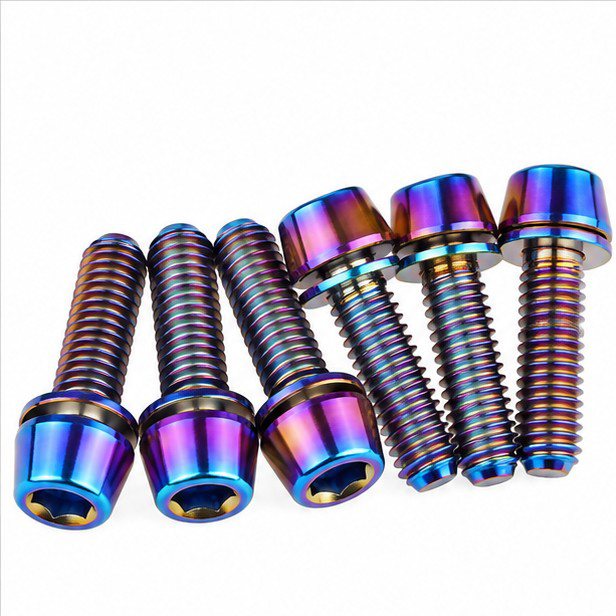
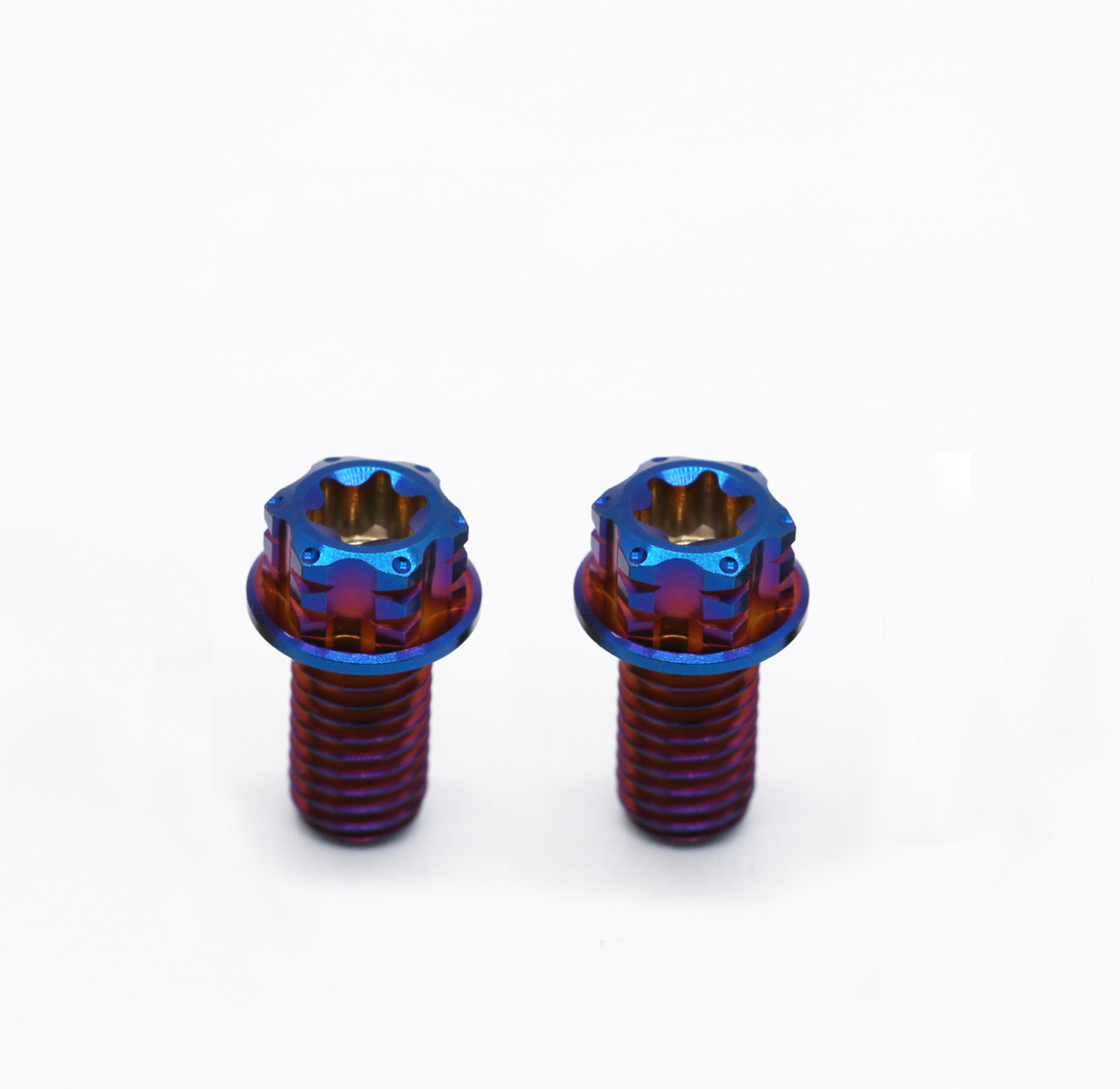
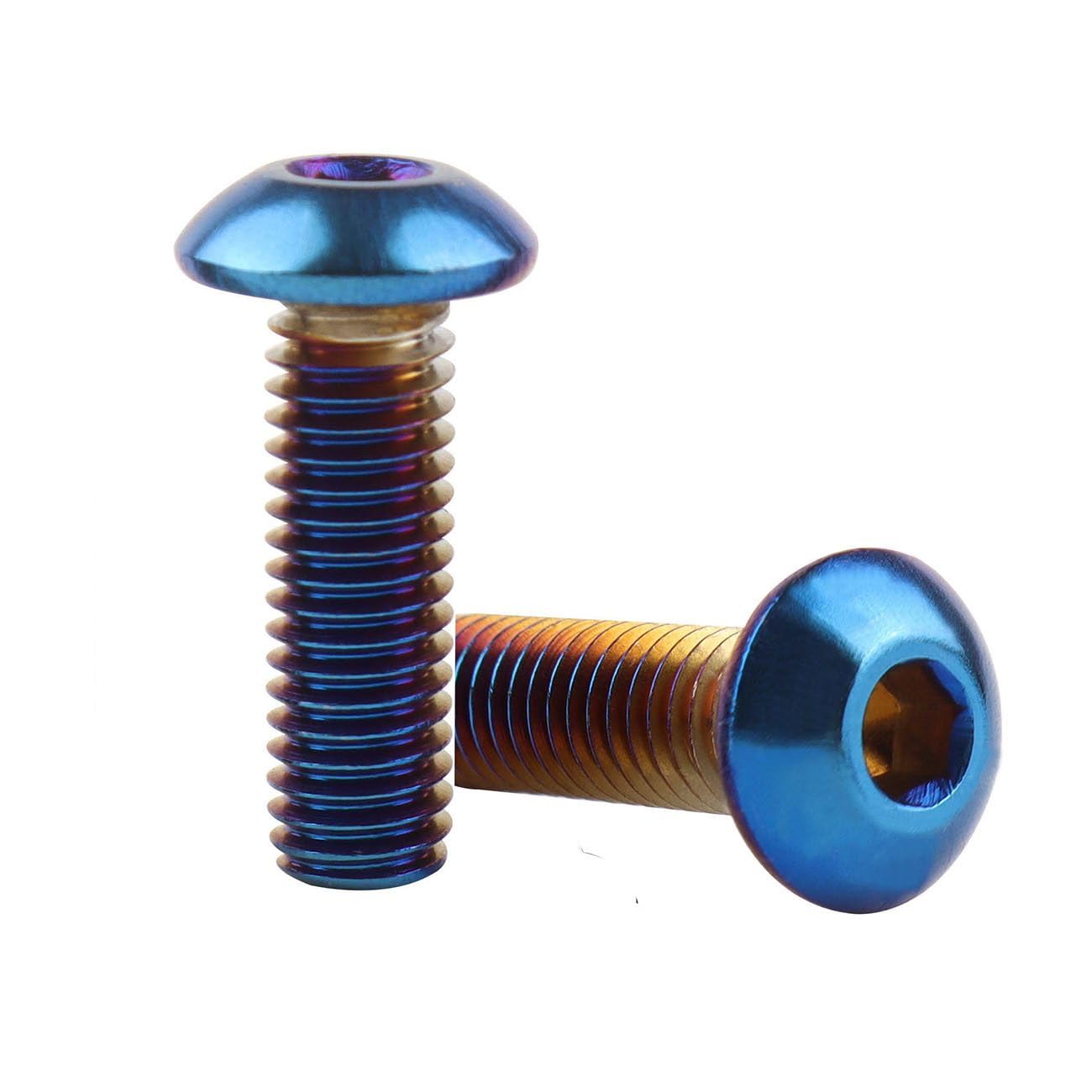
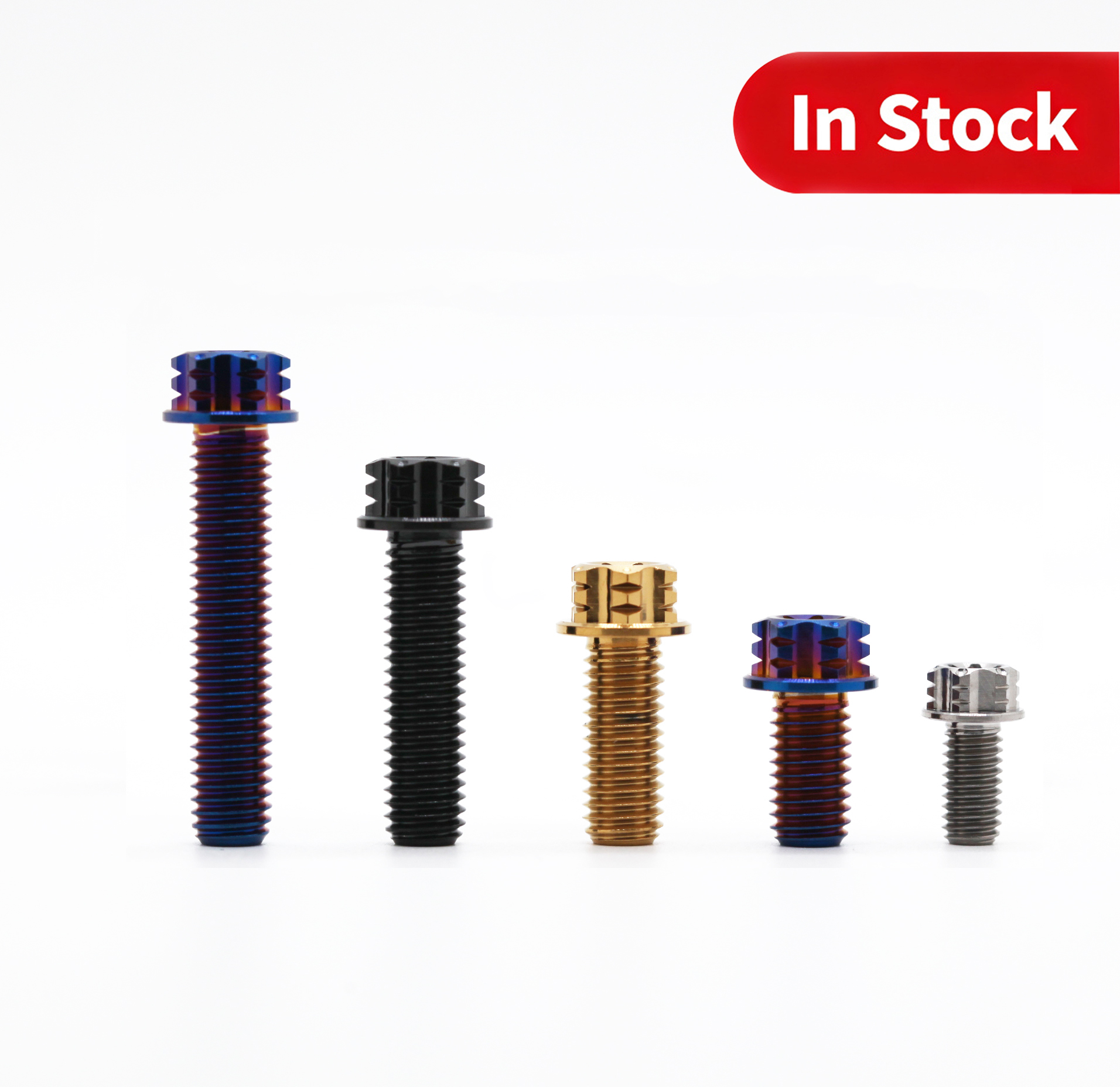
For buyers in Liepāja seeking OEM custom branded kits, our technical workshops offer drawing-based rapid prototyping, cold-heading, multi-station hot forging, CNC thread-rolling, and non-destructive surface treatments. While cut threads sever the internal metallic grain structure, our thread-rolling dies continuously plastically deform the Ti-6Al-4V fibers around root radii, multiplying fatigue life under dynamic cycling by up to 300%. Moreover, our surface finishing division provides PVD vacuum nitride coatings, physical mirror polishing, and electrochemical multi-stage anodizing (generating interference colors including royal gold, burnt rainbow, emerald green, and deep purple) without altering the critical 6g/6H thread pitch parameters.