CNC Star Screw
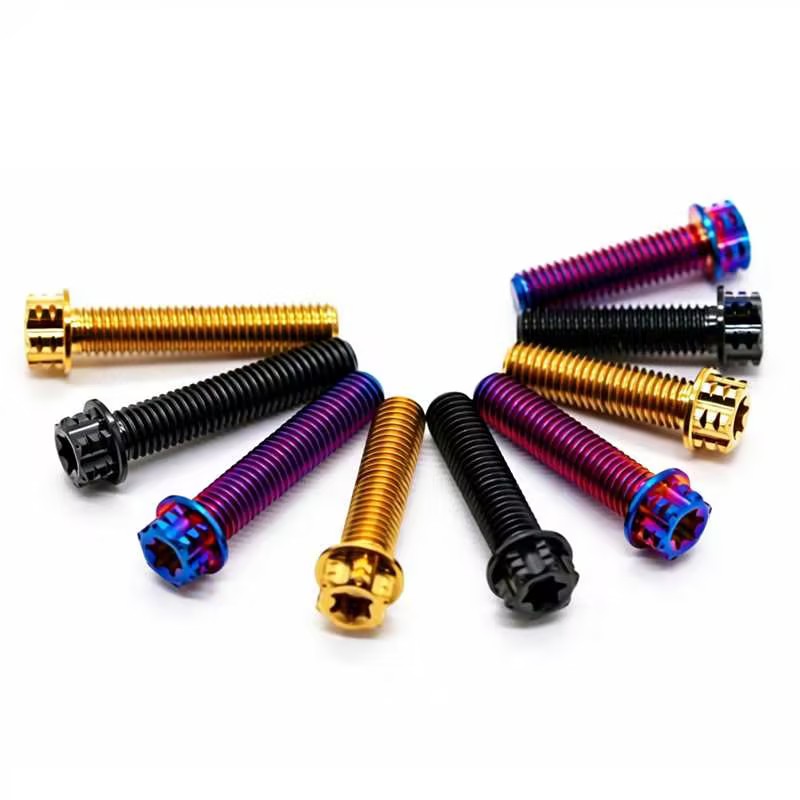
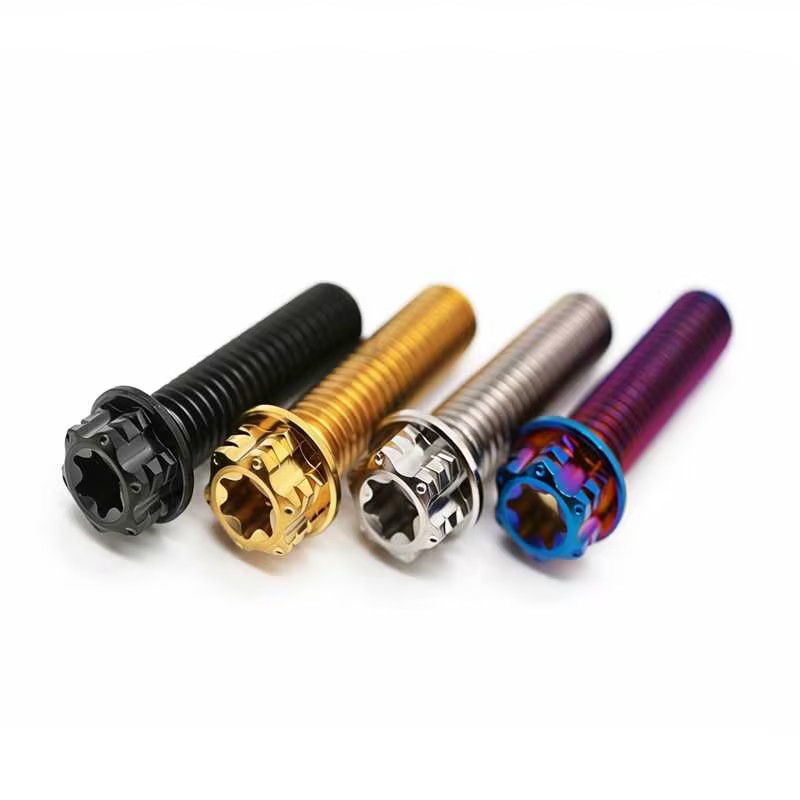
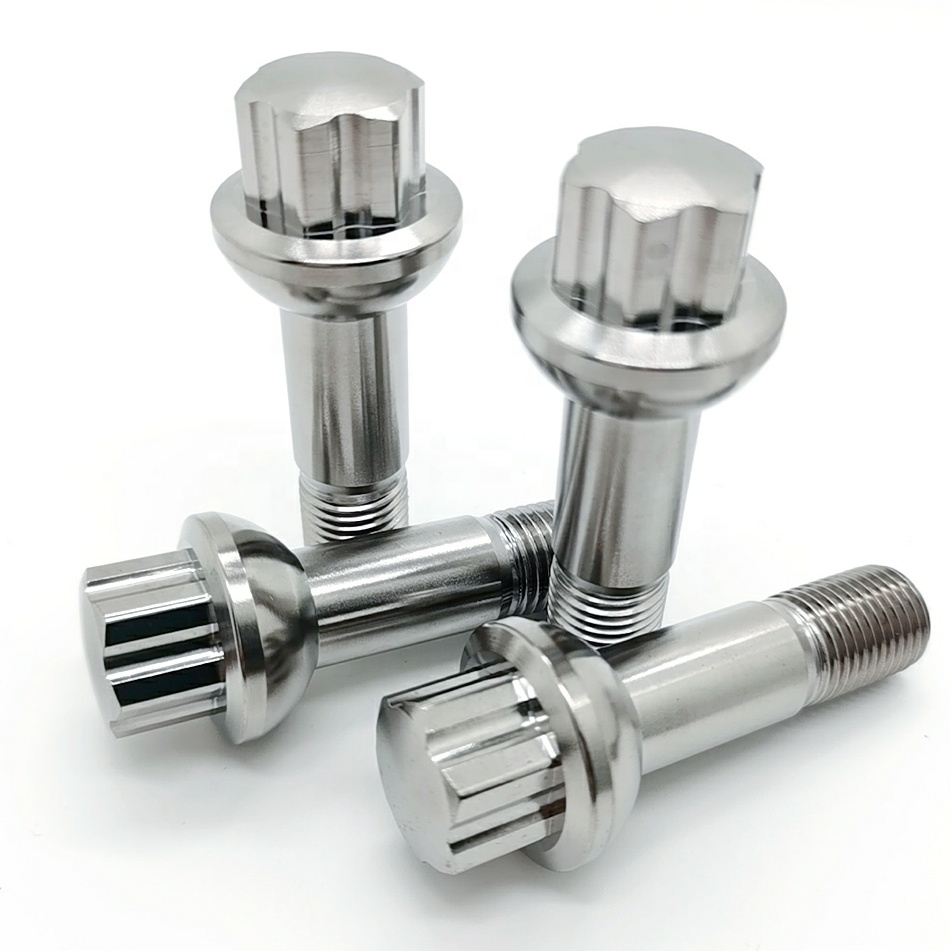
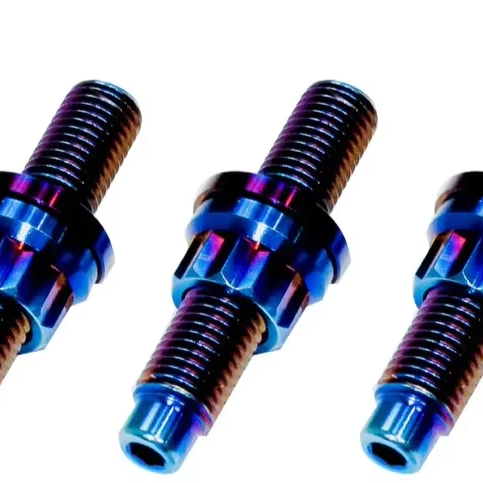
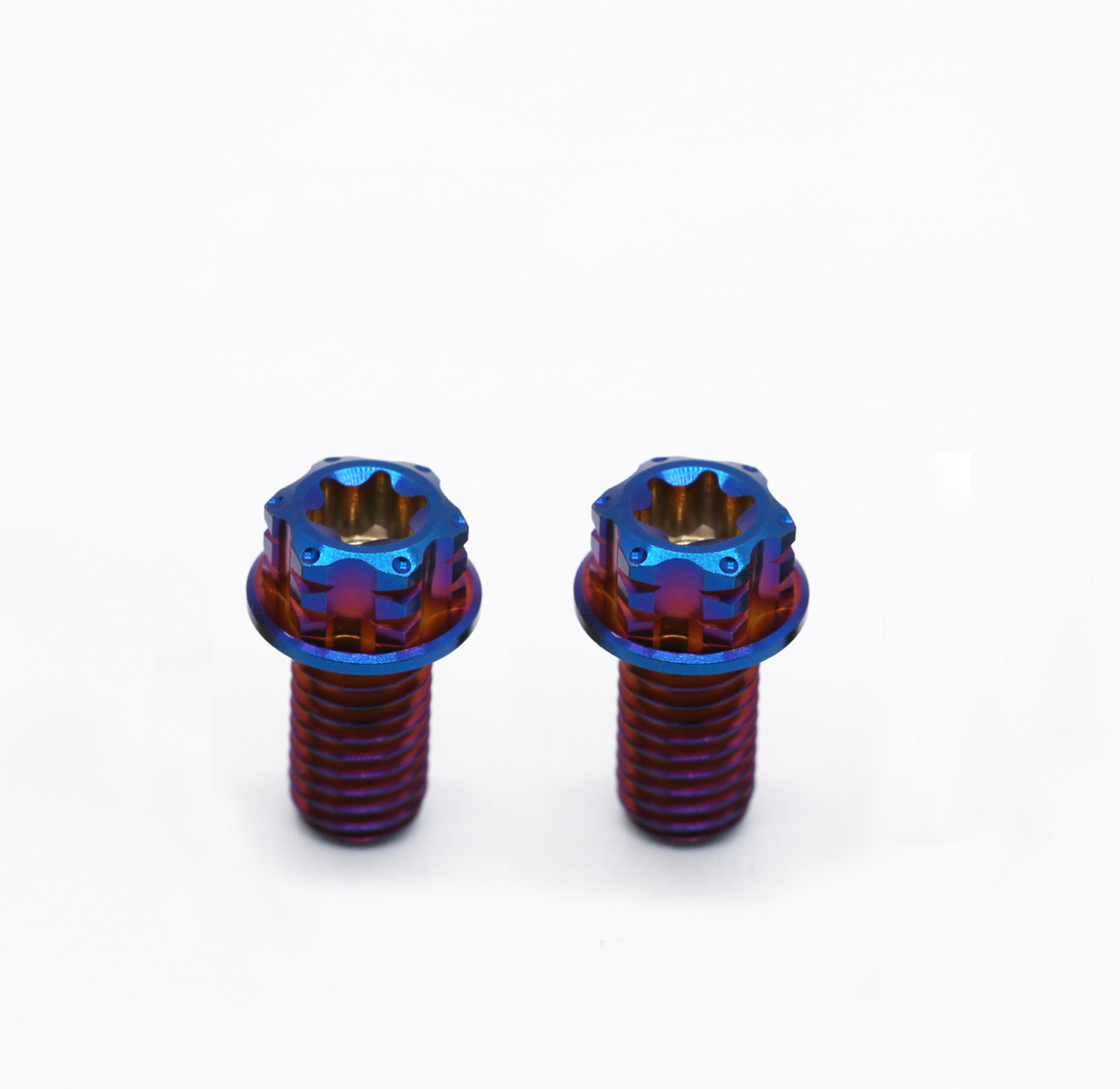
Titanium Torx Head Motorcycle Bolt Class 8.8 Gr5 PVD Coated CNC Star Screw
- Grade: Grade 5 (Ti-6Al-4V)
- Finish: PVD Anodized / Plain
- Torque: High Shear / Anti-Camout
Manufactured under stringent metallurgical control in Baoji Titanium Valley. Fully certified chemical analysis and dimensional accuracy for Naypyidaw procurement officers.
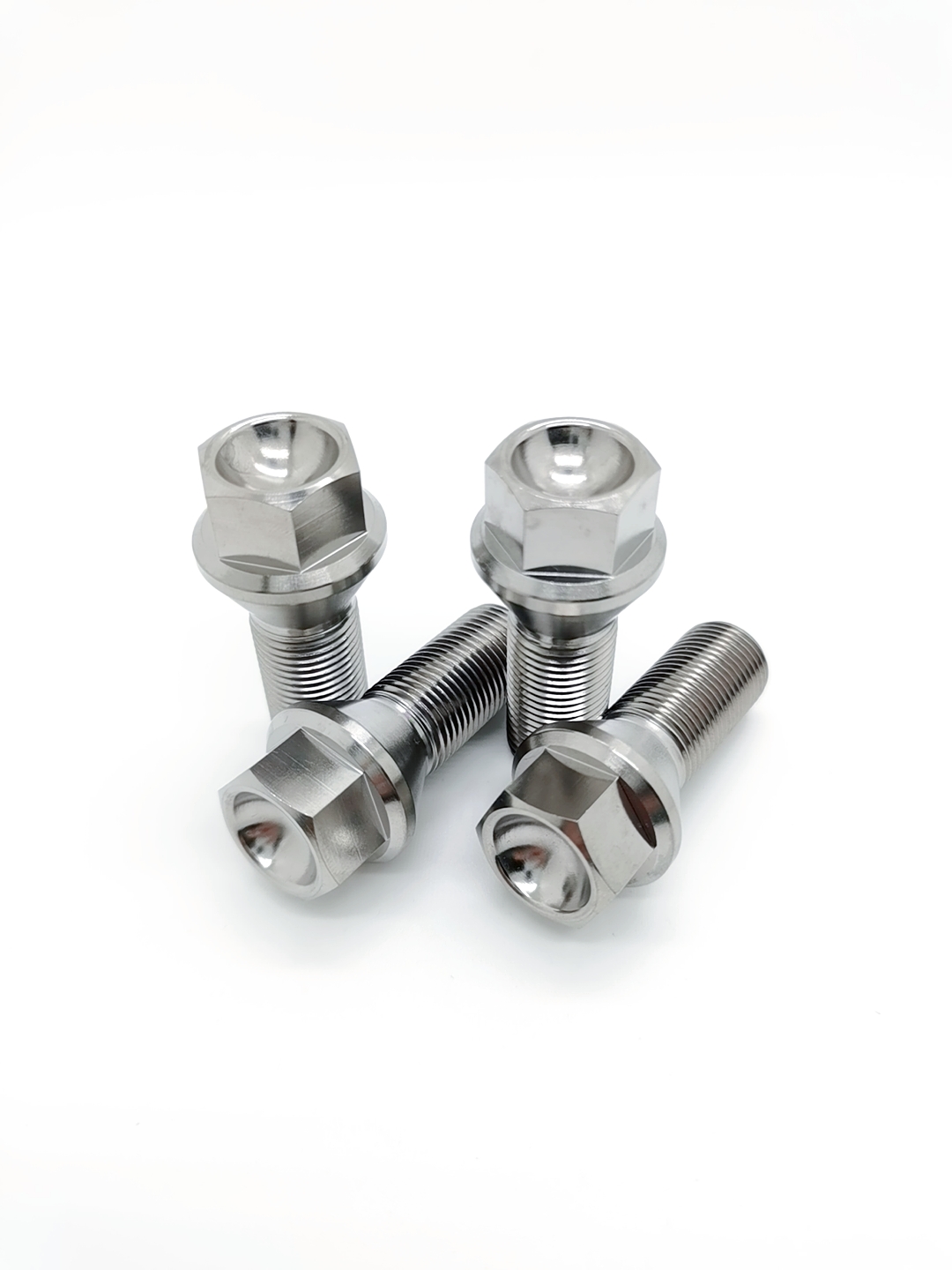
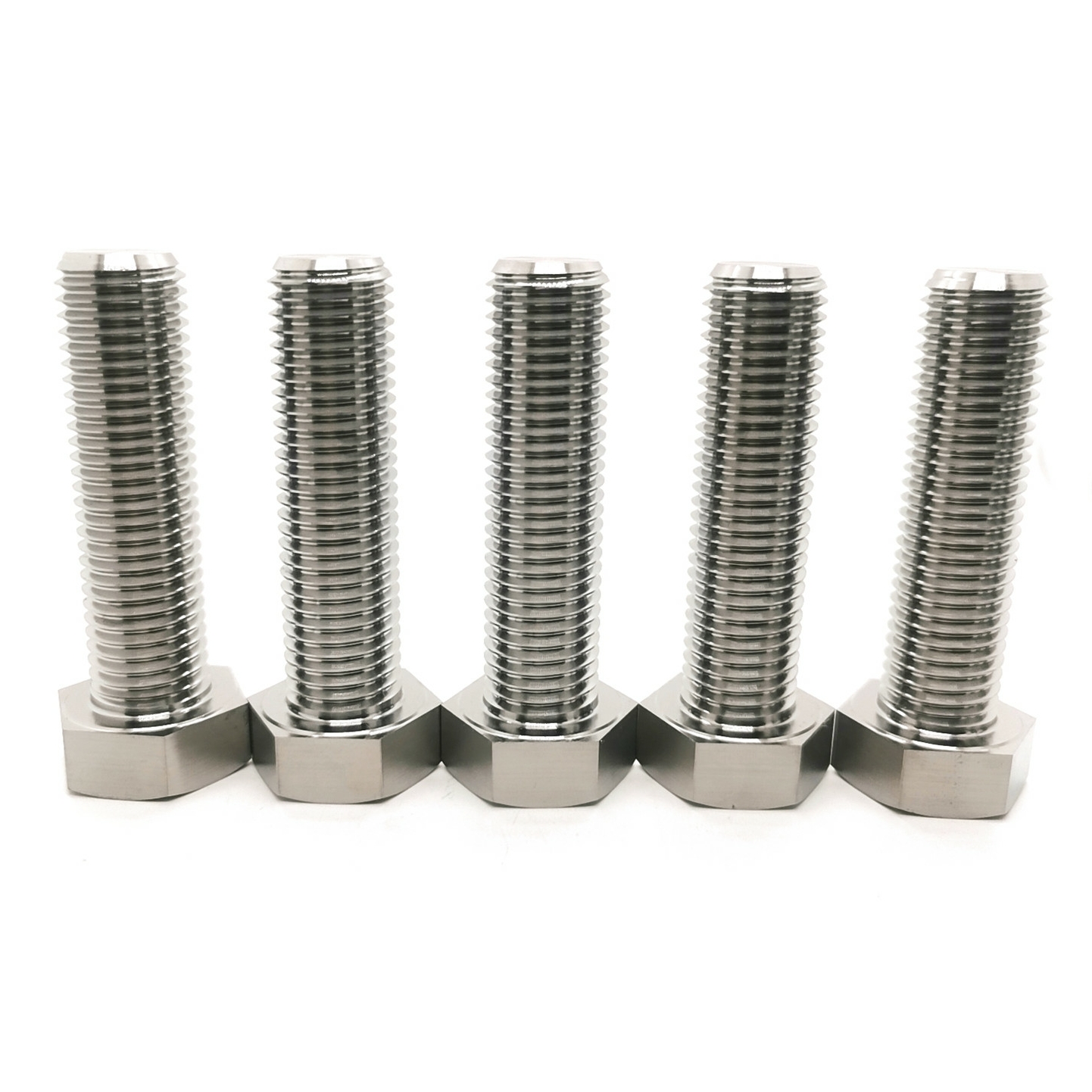
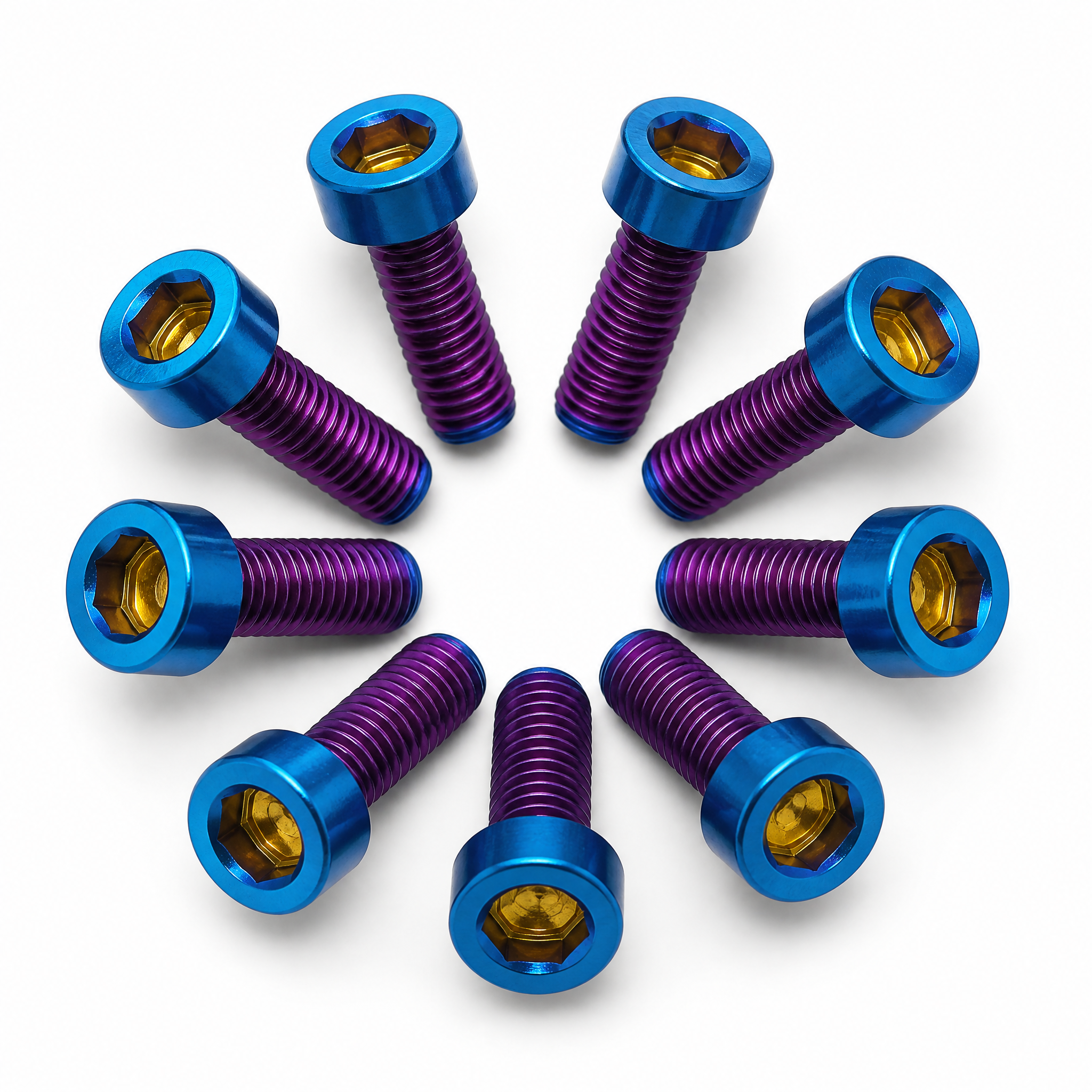
Comprehensive engineering analysis of CP Grade 2 and Ti-6Al-4V ELI (Extra Low Interstitial) bars for surgical, dental, and structural instrumentation.
When procurement teams and biomedical manufacturing engineers in Naypyidaw source raw materials for healthcare fabrication, material integrity cannot be compromised. Titanium stands as the premier biomaterial worldwide due to its spontaneous creation of an inert, protective titanium dioxide (TiO₂) passive film when exposed to oxygen. This nano-thin dielectric ceramic barrier exhibits unparalleled chemical passivity inside bodily fluid environments, preventing pitting, crevice corrosion, and cytotoxic ion release.
In surgical practice, medical-grade bars are partitioned primarily into two categories: commercially pure titanium (CP Titanium ASTM F67, covering Grades 1 through 4) and alpha-beta structural alloys, predominantly ASTM F136 / ISO 5832-3 Ti-6Al-4V ELI. CP Titanium is favored for dental implants, cranial mesh, and osteosynthesis mini-plates where superior bio-integration, high formability, and ductility are crucial. In contrast, Grade 5 ELI incorporates tightened controls over interstitial elements—drastically lowering carbon, nitrogen, hydrogen, and oxygen to maximum 0.13%—to suppress notch sensitivity and radically improve cyclic fracture toughness.
At Yevzo Titanium Metal Co., Ltd., based in the epicenter of Baoji, our medical-grade titanium round bars are subjected to vacuum arc remelting (VAR) cycles followed by precision cross-rolling, longitudinal rotary straightening, centerless grinding, and polishing. Each heat batch undergoes rigorous non-destructive evaluation—including Class A ultrasonic inspection (AMS 2631 / ASTM E2375)—ensuring that internal voids, inclusions, and structural microporosities are thoroughly eradicated prior to shipping.
| Property Parameter | ASTM F67 (Gr2 CP Titanium) | ASTM F136 (Gr5 Ti-6Al-4V ELI) | Standard ASTM B348 Gr5 | 316L Stainless (Clinical Ref.) |
|---|---|---|---|---|
| Chemical Composition | Ti ≥ 99.2%, Fe ≤ 0.30, O ≤ 0.25 | Ti-6Al-4V (ELI: O ≤ 0.13%, Fe ≤ 0.25) | Ti-6Al-4V (O ≤ 0.20%, Fe ≤ 0.40) | Fe-18Cr-14Ni-2.5Mo |
| Min. Tensile Strength (Rm) | 345 MPa | 860 – 895 MPa | 895 MPa | 580 MPa |
| Min. Yield Strength (Rp0.2) | 275 MPa | 795 – 828 MPa | 828 MPa | 220 MPa |
| Elongation at Break (A5) | ≥ 20% | ≥ 10% – 12% | ≥ 10% | ≥ 40% |
| Modulus of Elasticity | 103 – 107 GPa | 110 – 114 GPa | 114 GPa | 193 – 200 GPa |
| Biocompatibility / Osseointegration | Superior (Bone-Contact Direct) | Outstanding (Structural Implants) | Standard Aerospace Grade | Moderate (Risk of Ni leaching) |
| Tolerance Class (Centerless Ground) | ISO h7, h8, h9, ±0.005 mm | ISO h6, h7, h8, ±0.005 mm | ISO h9, h10 | ISO h8, h9 |
*Data derived from official ASTM F136/F67 test coupons in annealed state. Verified under third-party spectrometer & tensile testing protocols.
Bridging Chinese precision metallurgy with the capital city's expanding tertiary hospitals, research centers, and biomedical precision engineering workshops.
The 1000-bed General Hospital and Defense Services General Hospital in Naypyidaw handle complex polytrauma, orthopaedic reconstructions, and spinal corrective surgeries. Our ASTM F136 Ti-6Al-4V ELI bars serve as the prime raw material for fabricating pedicle screws, intramedullary nails, dynamic compression plates (DCP), and cross-link fixators. Titanium's lower elastic modulus (110 GPa vs. 200 GPa of stainless steel) significantly mitigates the critical phenomenon of stress shielding, promoting healthy physiological bone remodeling and accelerated callus formation in patients across Myanmar.
Dental clinics and maxillofacial reconstructive centers in Naypyidaw are modernizing patient prosthetics via in-house CNC milling and local dental laboratory production. We provide Grade 2 CP Titanium rods with high cold-workability and Grade 5 micro-bars with h6 precision ground tolerances (down to ±0.004 mm). These allow uninterrupted Swiss lathe turning of dental implant fixtures, prosthetic healing abutments, and customized trans-gingival screws, ensuring rapid osseointegration with human mandibular and maxillary alveolar tissues.
Tropical climates, intense sterilization cycles, and high autoclave turnover in regional military and civilian clinics demand instruments that completely resist aggressive chemical disinfection. From micro-vascular forceps and ophthalmic micro-scissors to surgical retractor arms and laparoscopy cannulas, our medical-grade bars provide high torsional stiffness with zero risk of rust or pitting under repetitive 134°C steam autoclaving.
A strategic overview of national procurement shifting toward raw material importation and domestic precision fabrication.
Historically, medical equipment distribution was concentrated within the commercial hub of Yangon. Today, administrative directives from the Ministry of Health and central procurement offices located directly in Naypyidaw have concentrated national purchasing authority into the capital. Public healthcare tenders and regional supply lines prioritize verified mill relationships that offer consistent lead times and direct customs clearances, bypassing tertiary trading intermediaries.
Driven by supply chain vulnerabilities and foreign currency optimization, medical technical groups in Myanmar are moving away from importing 100% finished, brand-name orthopaedic hardware from Western or Japanese suppliers at immense premiums. Instead, local machine shops are procuring ASTM F136 ground bars directly from China to manufacture generic internal fixators and hospital hardware, reducing unit costs by over 55% while maintaining strict clinical grade standards.
The Food and Drug Administration (FDA) of Myanmar and central hospital engineering inspection bodies are intensifying verification on metallurgical documentation. Shipments entering Naypyidaw must have unblemished raw material provenance, including chemical composition spectrometry, grain size micrographs (≥ Grade 5 or finer per ASTM E112), and mechanical tensile verification. Sourcing from accredited Baoji factories guarantees full compliance with these evolving regional mandates.
Operational capabilities and quality control protocols perfected since 2013 across industrial, automotive, and biocompatible metals.
Located in the High-Tech Development Zone of Baoji, Shaanxi. We eliminate broker commissions and deliver pure ex-factory economics, immediate stock allocation, and complete production oversight.
Our machining workshop incorporates high-precision 3-axis, 4-axis, and multi-axis turning-milling centers capable of holding micrometer tolerances (±0.005mm) across medical bars, bolts, and implants.
Every single bar is certified to EN 10204 3.1. We perform chemical spectrometry, tensile yield evaluation, ultrasonic flaw detection, and surface profilometry to prevent micro-structural failures.
Seamless cross-border routes into Myanmar via sea freight (Yangon Port), air freight (Naypyidaw NYT / Yangon RGN), or overland transport through Yunnan corridor with full FOB, CIF, or DDP support.
Essential guidance covering technical grades, import logistics, regulatory validation, and surface processing for buyers in Myanmar.
Submit your required alloy grade (ASTM F67 / F136 / B348), diameter tolerance, cut lengths, or custom component 2D/3D CAD drawings. Our chief metallurgical engineering team in Baoji will evaluate your technical specification and provide comprehensive factory pricing within 24 hours.