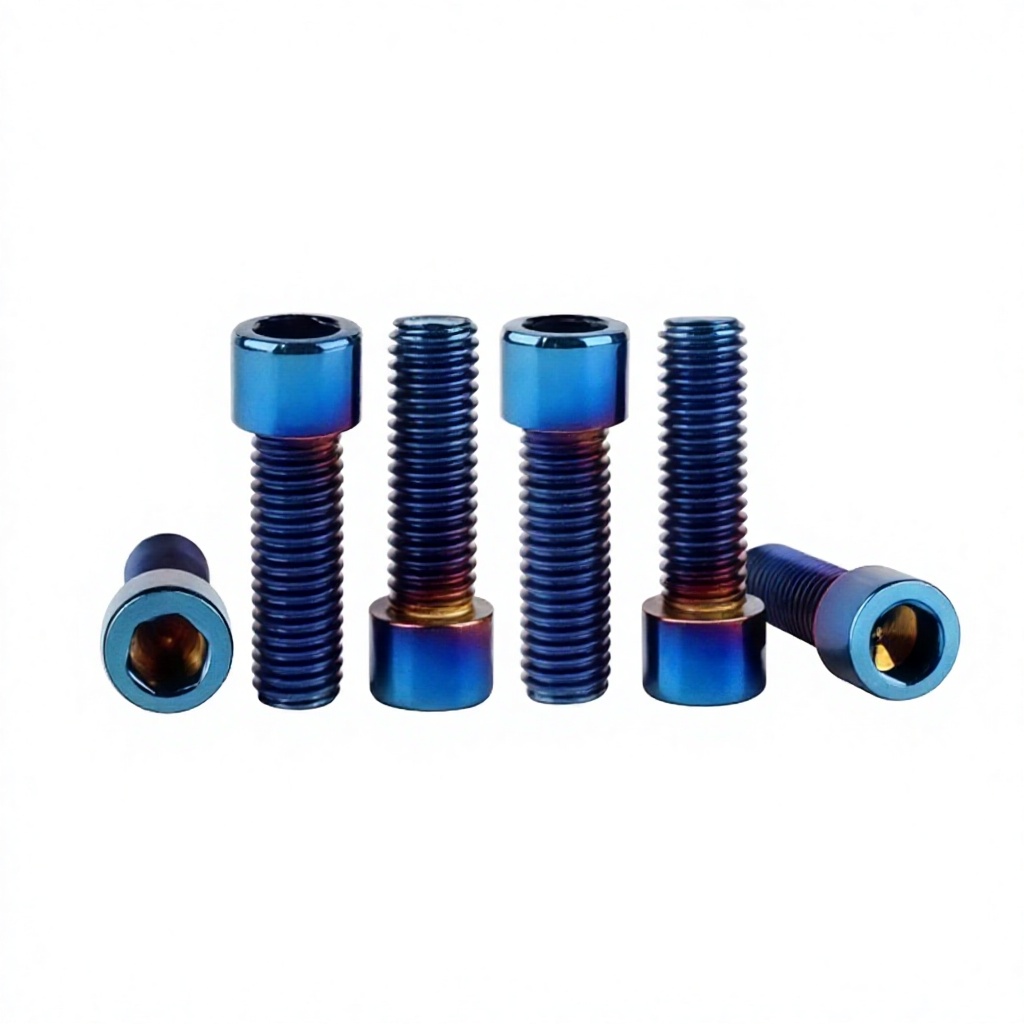
Engineered Titanium Socket Screws & Precision Hardware
Source factory direct titanium fasteners produced under strict metallurgical control. Designed for high-stress mechanical assemblies, chemical resilience, and weight reduction.
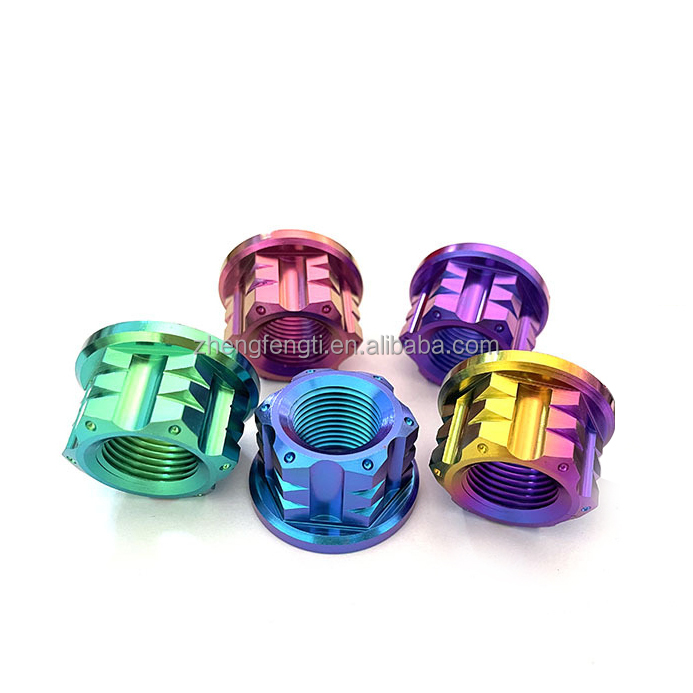
OEM Titanium Hex Nut Plain Finish M3-M20
View Specifications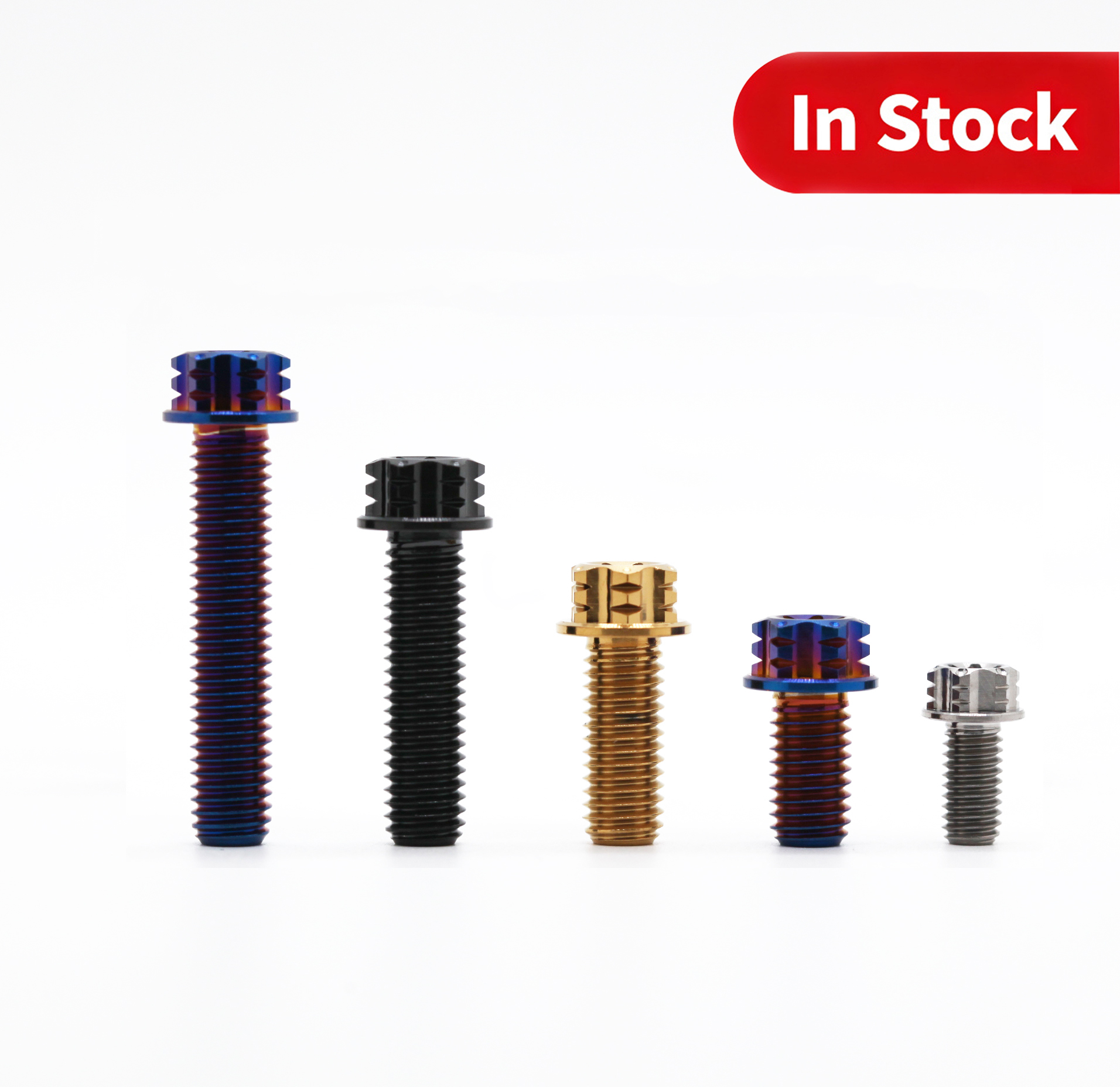
Gr5 Ti-6Al-4V Titanium Alloy Flange Bolts
View Specifications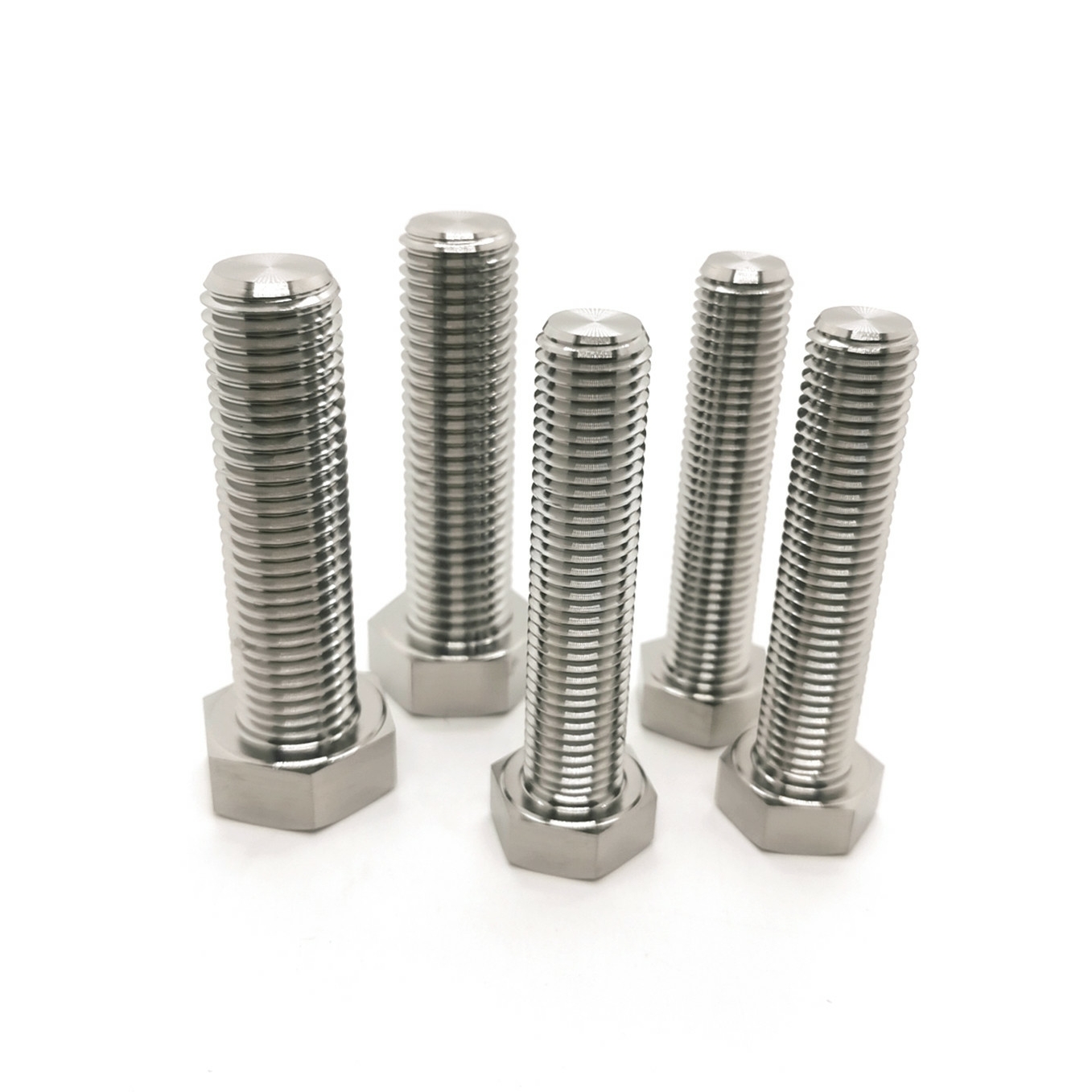
Full Thread Titanium Hex Bolt ISO 4018 CNC
View Specifications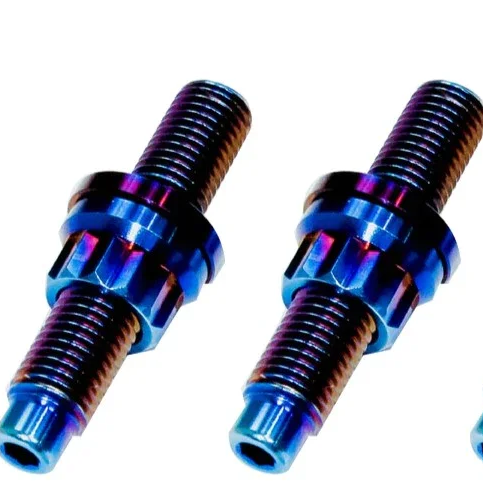
Gr.5 Ti-6Al-4V Manifold Stud & Nut Kits
View Specifications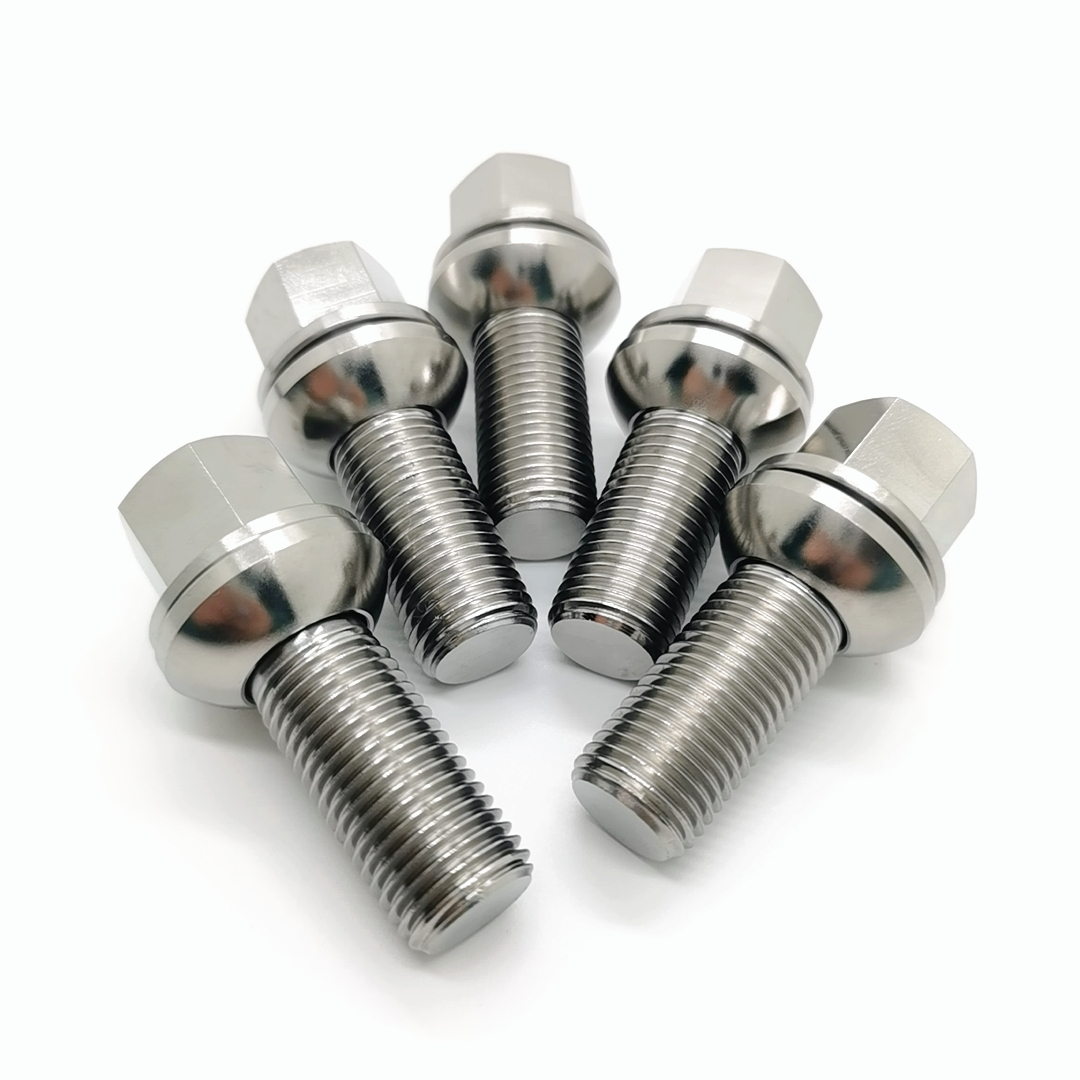
Gr5 High-Strength Wheel Hex Lug Bolts
View Specifications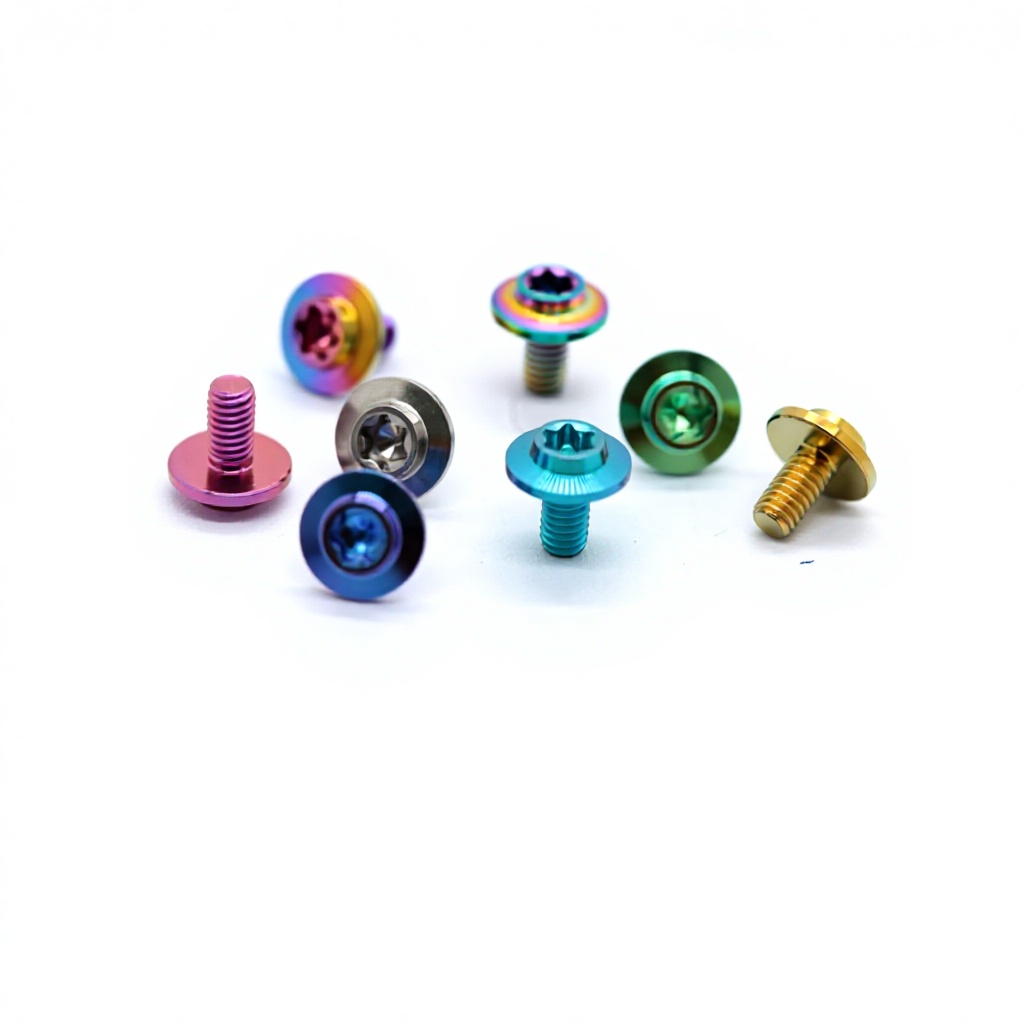
Anodized Gr5 Umbrella Head Socket Bolts
View Specifications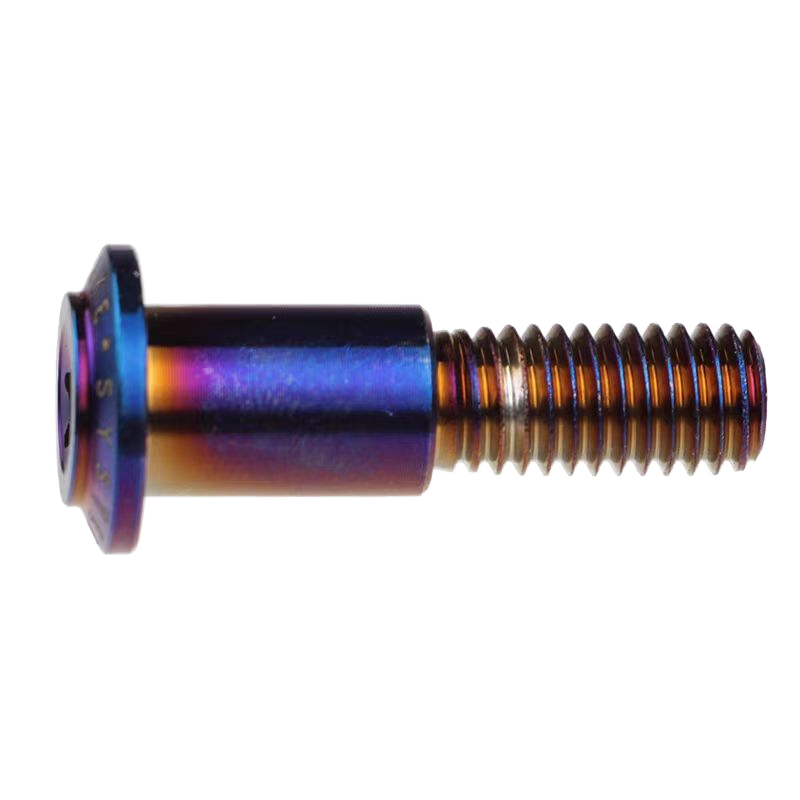
Titanium Step Flat Head Disc Brake Bolts
View SpecificationsProcurement Dynamics of Titanium Fasteners in the Narva Industrial Corridor
As northeastern Estonia transitions its manufacturing paradigms toward advanced engineering, high-efficiency energy extraction, and precision automation, the Narva industrial corridor has increasingly required fastener solutions capable of withstanding acute environmental extremes. Historically reliant on thermal power infrastructure, oil shale conversion, and heavy equipment maintenance, Narva is strategically pivoting towards modernized chemical plants, Baltic maritime manufacturing, and robotic automation hubs. Within these punishing operational environments, standard grade 8.8 and even stainless steel 316 A4 bolts reach premature failure through stress-corrosion cracking (SCC), pit degradation from aggressive halide chlorides, and severe thermo-mechanical fatigue.
To eliminate expensive downtime in Narva's heavy processing plants, modern engineers turn to Grade 5 (Ti-6Al-4V / ASTM B348) custom socket bolts. By maintaining an alpha-beta crystal microstructure, Gr5 delivers an exceptional strength-to-density ratio (density of 4.43 g/cm³ vs. 7.85 g/cm³ for steel), cutting mass by 44% while retaining minimum tensile yield thresholds exceeding 828 MPa. This combination makes socket head cap screws (DIN 912 / ISO 4762), countersunk socket screws (DIN 7991), and button head socket bolts (ISO 7380) crucial across automated material handling lines, robotic arms, Baltic marine subsea housings, and processing heat exchangers throughout Ida-Viru County.
Localized Engineering Challenges: Marine-Atmospheric & Chemical Synergy
Operating in proximity to Narva-Jõesuu and the Gulf of Finland exposes infrastructure to coastal salt spray combined with high seasonal thermal cycling (-25°C in winter to +30°C in summer). In standard carbon steel, zinc-plated alloys, and budget duplex stainless steels, this atmospheric profile triggers aggressive crevice corrosion beneath bolt heads and thread interfaces. In contrast, titanium naturally synthesizes a spontaneous, self-healing titanium dioxide (TiO&sub2;) passivation layer upon contact with ambient oxygen. When localized abrasion occurs inside a hexagonal or Torx socket recess during service re-torquing, the oxide film reconstitutes within milliseconds, fully preventing crevice oxidation even in saturated brackish washdowns.
| Mechanical & Physical Property | Grade 5 Titanium (Ti-6Al-4V) | Grade 2 Titanium (CP-Ti) | Stainless Steel A4-80 (316) | Alloy Steel 10.9 Quenched |
|---|---|---|---|---|
| Tensile Strength (Min. Rm) | 895 – 1,000 MPa | 345 – 450 MPa | 800 MPa | 1,040 MPa |
| Yield Strength (Rp 0.2) | 828 MPa | 275 MPa | 600 MPa | 940 MPa |
| Specific Density | 4.43 g/cm³ | 4.51 g/cm³ | 8.00 g/cm³ | 7.85 g/cm³ |
| Modulus of Elasticity | 110 – 114 GPa | 103 GPa | 193 GPa | 210 GPa |
| Chloride Pitting Resistance | Immune at ambient ≤ 100°C | Immune at ambient | Susceptible to pitting | Rapid galvanic loss |
| Magnetic Permeability | Non-Magnetic (μr ≈ 1.00005) | Non-Magnetic | Partially magnetic when cold-worked | Ferromagnetic |
Advanced CNC Socket Bolt Machining: Baoji Supply Chain Advantage
Directly headquartered in the Honeycomb Industrial Park in Baoji—globally recognized as "China's Titanium Valley"—Yevzo Titanium Metal Co., Ltd. controls the entire value chain from sponge titanium melting and ASTM B348 certified bar extrusion to high-precision socket bolt forming. For Estonian buyers sourcing for the Narva commercial sector, this removes intermediaries, stabilizes traceability, and guarantees verified chemical and physical heat lot tracking with each shipment.
Manufacturing Grade 5 titanium socket screws requires advanced manufacturing discipline. Because titanium exhibits a low modulus of elasticity (~114 GPa) coupled with high strength, it creates spring-back and heat concentration at cutting edges during machining. Our Baoji facility solves this through custom-designed tungsten carbide tooling, pressurized emulsion through-spindle cooling, and cold-rolled thread manufacturing. By roll-forming external threads rather than single-point turning, the grain flow of the Ti-6Al-4V alloy remains unbroken, increasing cyclic fatigue life at the thread root by upwards of 300%—a critical reliability factor for rotating turbine parts, automated sorting conveyors, and vehicle hubs.
Complete Geometrical Flexibility for Narva's Technical Blueprints
Whether engineering teams require standard metric socket heads according to DIN 912, low-profile socket heads according to DIN 7984, countersunk sockets per DIN 7991, or custom flanged configurations, our workshop executes strict dimensional tolerances down to ±0.005 mm. Hexagonal sockets (Allen keys) and internal Torx (star drive) designs undergo precision broaching or electrical discharge machining (EDM) to guarantee zero drive slop, preventing tool cam-out and stripping during automated torque assembly.
100% Certified Ingot Traceability
Mill test certificates (MTC) conforming to EN 10204 3.1 accompany all shipments, documenting chemical composition and mechanical stress metrics.
Precision Cold-Formed Threads
Rolled micro-threads prevent localized galling and notch sensitivity, outlasting conventional machined threads under severe dynamic vibration.
Bespoke OEM / ODM Sizing
Prototypes and production runs manufactured directly from customer STEP, IGES, or 2D CAD drawings, covering M1.6 through M30 diameters.
Surface Functionalization
Type II anodizing, physical vapor deposition (PVD), micro-arc oxidation, and micro-polishing to optimize aesthetic finish and surface hardness.
Engineering Guidelines: Galvanic Isolation & Galling Prevention in Baltic Installations
When incorporating titanium socket bolts into Narva industrial machinery, procurement specialists and field engineers must consider the electrochemical potential of titanium relative to adjacent assembly materials. Titanium is noble (+0.05V to -0.05V in seawater vs. saturated calomel electrode). When fastened directly into aluminum framing or structural mild steel in wet marine conditions, a galvanic couple is created that accelerates corrosion of the less noble partner metal.
To eliminate this electrochemical vulnerability, our application engineering team recommends deploying isolating barrier washers (PTFE, PEEK, or anodized aluminum spacers) or applying non-conductive ceramic barrier coatings. Furthermore, because of titanium's localized coefficient of friction, high-speed power-driver assembly can trigger thread galling (cold welding). Mechanical fitters in Narva must follow two cardinal rules:
- Use Certified Anti-Seize Paste: Always lubricate socket bolt threads with an anti-seize paste formulated with molybdenum disulfide (MoS&sub2;), copper, or nickel-free graphite compound to stabilize preload torque transfer.
- Calibrated Torque Values: Titanium's modulus differs from steel; standard steel torque charts will overstress the assembly. Calibrate torque wrenches specifically for Grade 5 Ti-6Al-4V fasteners using lubricated k-factor coefficients.
Request an OEM Engineering Quote for Narva Delivery
Send your custom technical drawings (PDF/CAD) or project quantities. Our senior manufacturing engineers review dimensional tolerances, material certifications, and delivery timelines within 24 hours.
Frequently Asked Questions: Sourcing Titanium Socket Screws in Narva
Clear, direct answers for Ida-Viru County procurement directors, project estimators, and maintenance engineers.
How do Grade 2 and Grade 5 titanium socket bolts compare for Narva plant applications?
Grade 2 is commercially pure titanium offering unyielding corrosion immunity against wet chlorine, sulfur compounds, and chemical run-offs, but possesses moderate tensile capability (~345 MPa). It is primarily selected for chemical fluid pipelines, electroplating baths, and non-structural fluid handling in Ida-Viru County. Grade 5 (Ti-6Al-4V) is an alloyed material heat-treatable to tensile strengths exceeding 895 MPa, offering yield capacities superior to Class 8.8 structural steel. Grade 5 is universally specified for mechanical torque transmission, automotive assemblies, cyclic pressure vessels, and robotics.
What are the minimum order quantities (MOQ) and production lead times for custom drawings?
For standard catalogue inventory (such as DIN 912 M5-M12 socket cap screws or ISO 4018 hex bolts), our baseline MOQ starts at 10 to 30 pieces. For non-standard, blueprint-driven CNC fabrications requiring specialized chucking, thread pitches, or hollow lightweight cores, trial batches typically begin at 50 to 100 pieces. Standard manufacturing spans 10 to 20 working days, with expedited express air couriers delivering directly to your door in Narva, Tallinn, or wider Estonia within 4 to 6 business days.
Can Yevzo provide surface anodizing, and does the treatment compromise socket or thread tolerances?
Yes. We offer electro-chemical anodizing across gold, cobalt blue, violet, burnt rainbow, and matte black, alongside hard-anodized and PVD finishes. Because titanium anodizing produces a microscopic interference oxide layer rather than a thick, added coating (such as electro-galvanization or powder paint), dimensional deviation remains below 0.002 mm. All standard 6g and 6H thread tolerances remain uncompromised, guaranteeing smooth socket drive engagement and joint torque predictability.
What documentation accompanies industrial fastener consignments imported into Estonia?
Every shipment includes an EN 10204 3.1 Mill Test Certificate (MTC) stating the heat number, raw bar mill verification, chemical spectrum percentages (Fe, C, N, H, O, Ti, Al, V), tensile strengths, elongation ratings, and dimensional inspection protocols. In addition, RoHS and REACH conformity declarations are supplied upon order confirmation to guarantee frictionless EU customs processing.
Which Incoterms and international payment terms are accepted for Baltic procurement?
We provide flexible global logistics terms including EXW, FOB Qingdao/Shanghai, CIF Tallinn/Muuga, and full DDP (Delivered Duty Paid) directly to Narva manufacturing zones. We support international commercial settlements via T/T wire transfer, Irrevocable L/C at sight, PayPal for initial prototyping runs, and commercial escrow in major convertible denominations including EUR, USD, and GBP.