Gr5 / Gr2 Ti
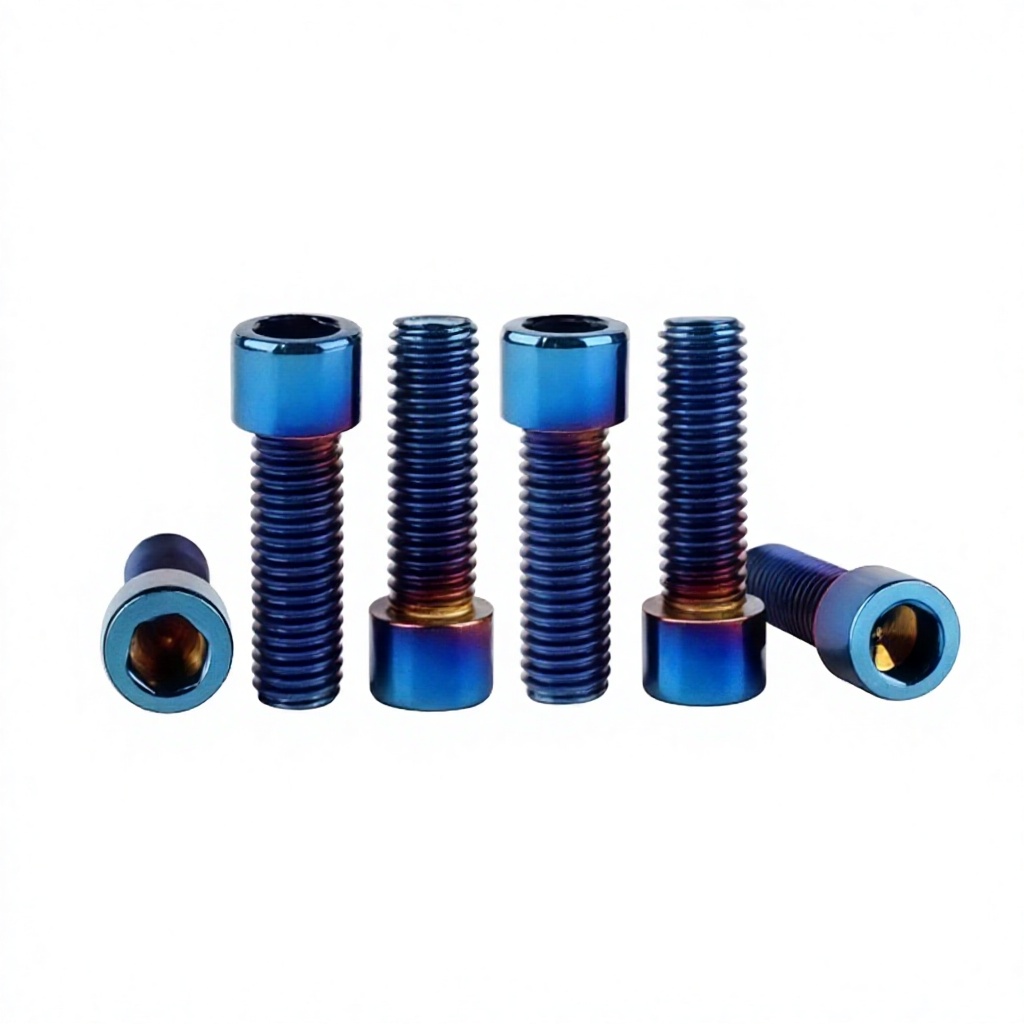
Engineered to international specifications (DIN, ISO, ASTM) and customizable via CAD/STEP drawings. High tensile, extreme corrosion resistance, and optimized for European industrial integrations.
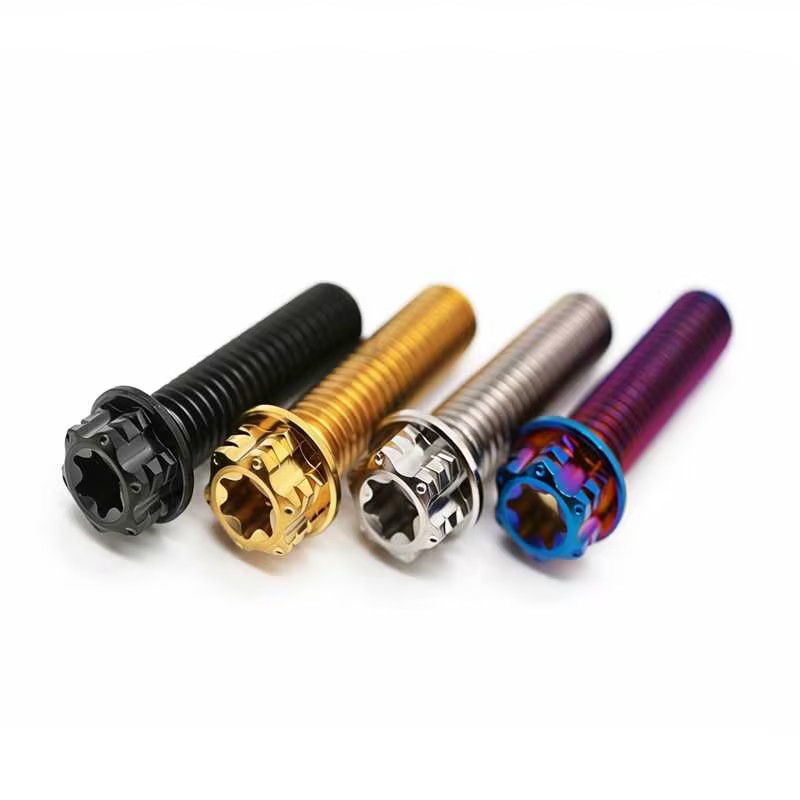
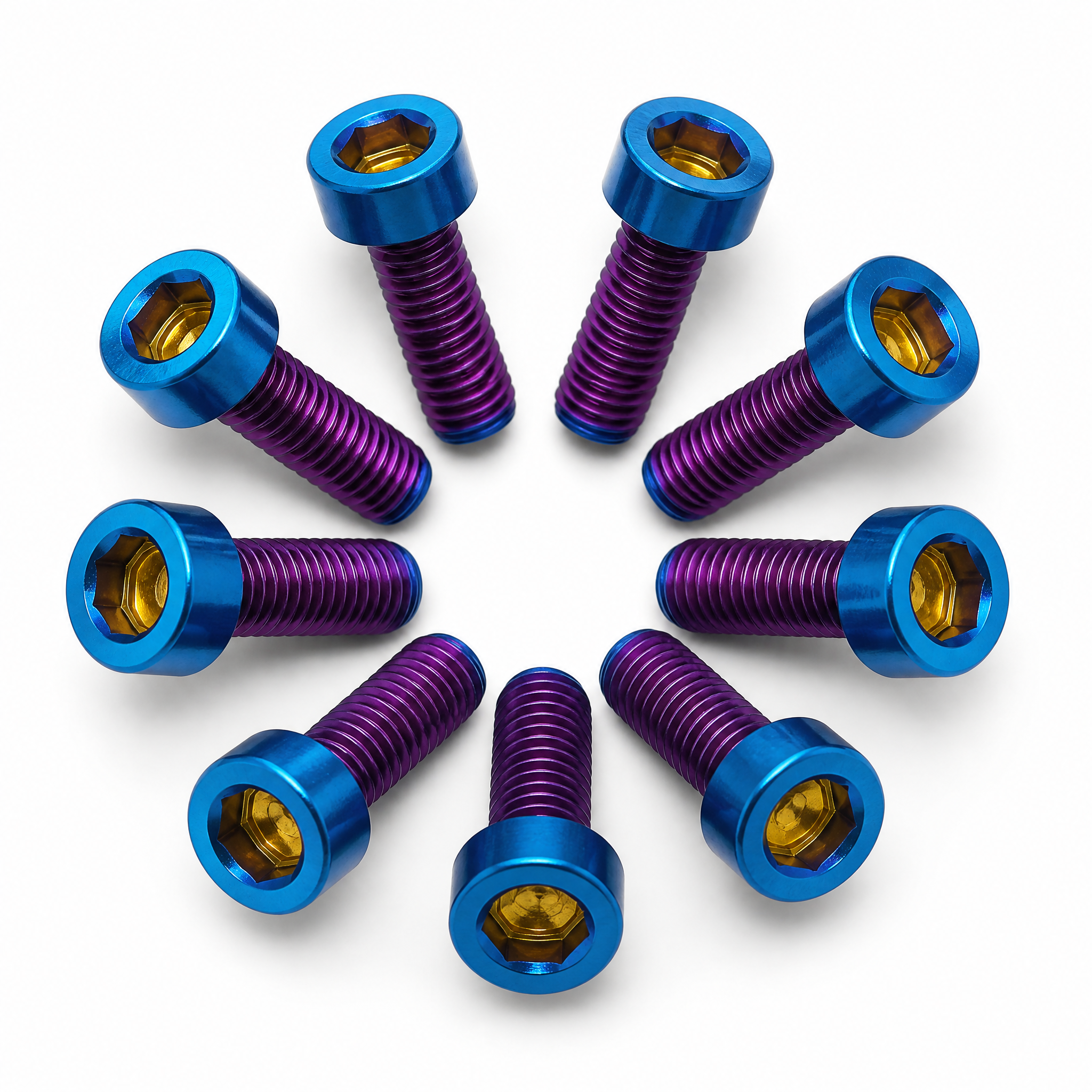
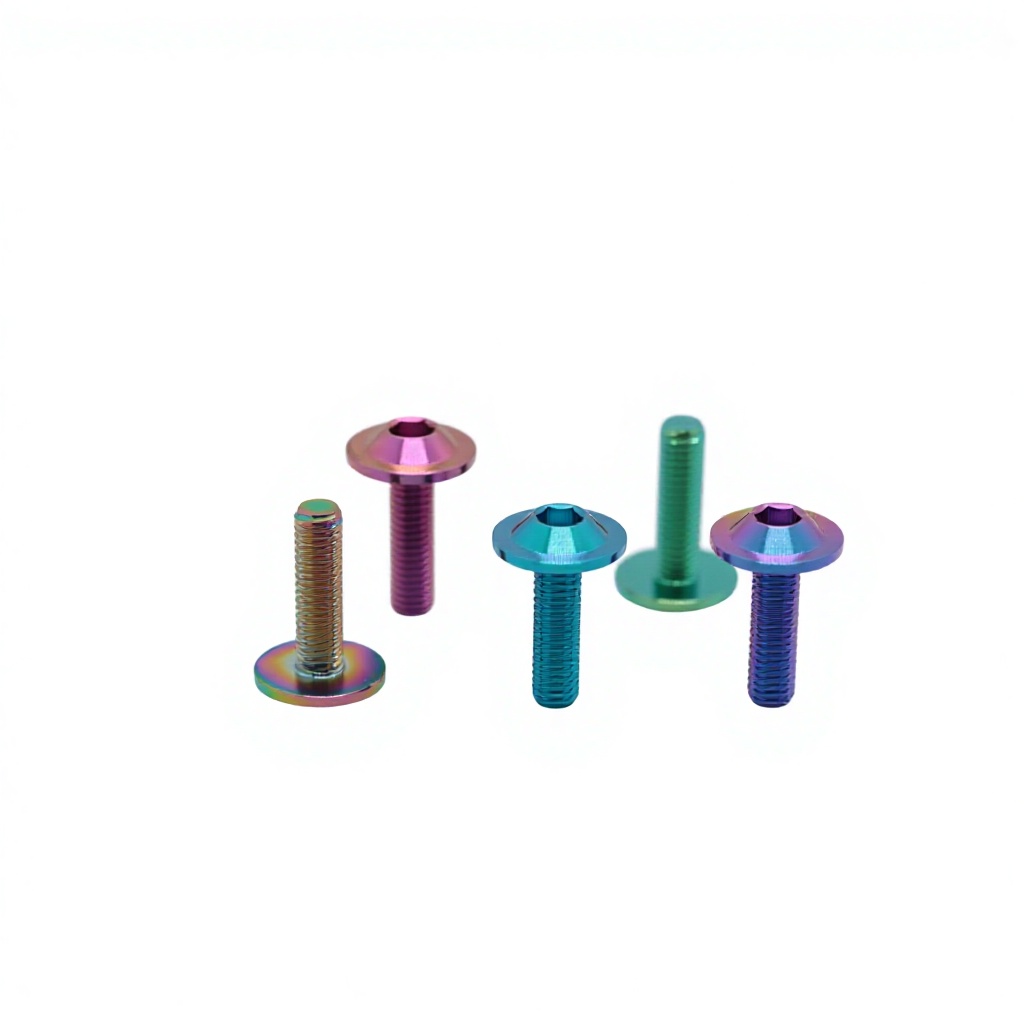
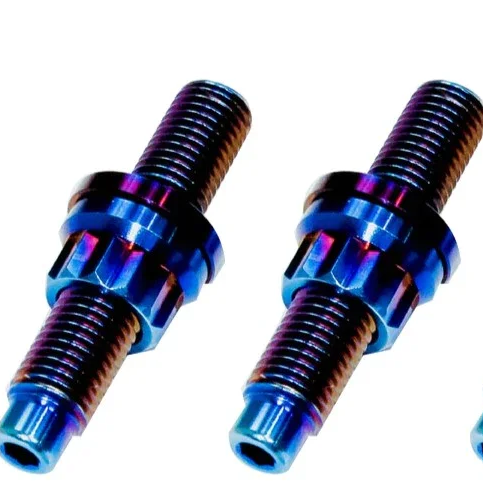
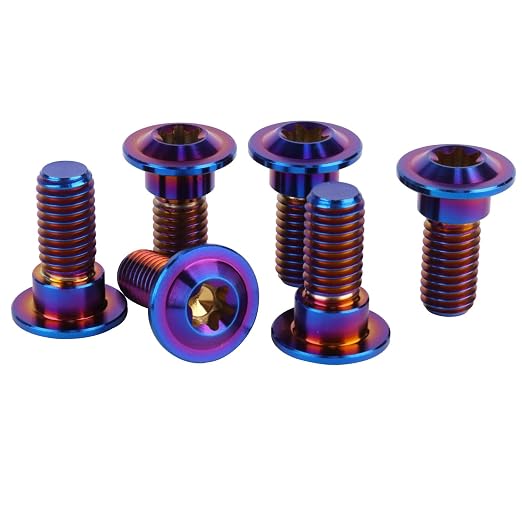
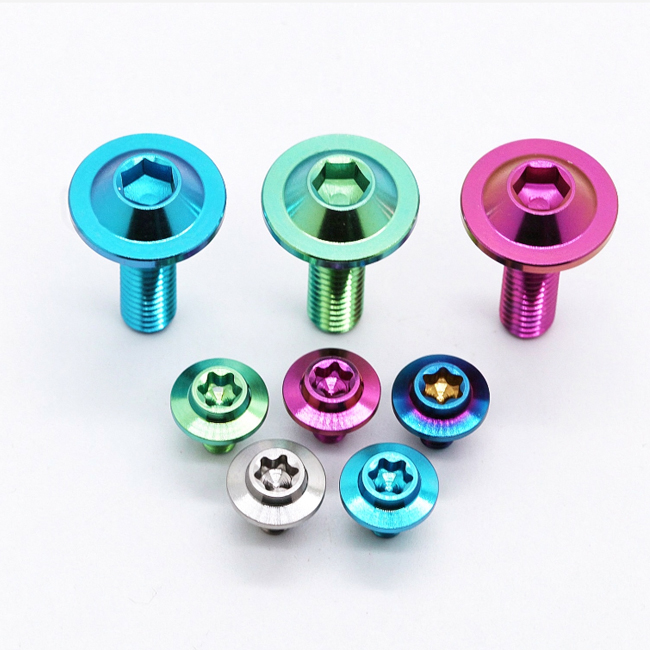
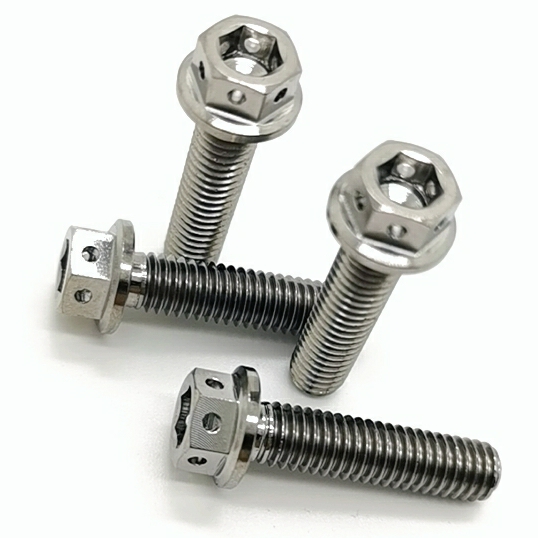
A technical evaluation on mitigating galvanic reactions, maximizing mass savings in unsprung assemblies, and establishing predictable fastener tensioning within the Atlantic maritime climate of Portugal.
Lisbon’s proximity to the Atlantic Ocean and the busy Tagus estuary maritime industrial belt (including drydocks in Setúbal and Lisbon Port) demands structural integrity against extreme saltwater fog. Our Gr5 titanium studs resist chloride stress corrosion cracking, offering pitting resistance equivalent to PREN > 45, far outlasting 316L stainless steel in coastal pump housings, hydraulic flange connections, and underwater sensor brackets.
Portugal’s growing electric mobility cluster and track-racing engineering centers around Estoril leverage Yevzo Gr5 wheel stud sets and motor-mount bolts. Swapping high-tensile steel fasteners for Ti-6Al-4V reduces unsprung rotating mass by 44%, lowering rotational inertia, boosting energy recovery in performance battery packs, and eliminating fatigue risks during high-temperature regenerative braking cycles.
Floating offshore wind platforms off the Portuguese coast and aerospace composite manufacturing demand non-magnetic, chemically inert anchoring points. Titanium stud kits machined to Class 5H/6g thread clearances ensure consistent preload values without risk of galvanic embrittlement when paired with carbon-fiber reinforced polymers (CFRP), where aluminum fasteners fail via cathodic interaction.
| Metallurgical Property | Ti-6Al-4V (Grade 5 Titanium) | Commercially Pure Ti (Grade 2) | AISI 316L Marine Stainless | High-Tensile Steel (Class 10.9) |
|---|---|---|---|---|
| Ultimate Tensile Strength (MPa) | 895 – 1000 MPa | 345 MPa | 580 – 620 MPa | 1040 MPa |
| Yield Strength (0.2% Offset) | 828 MPa | 275 MPa | 290 MPa | 940 MPa |
| Specific Density (g/cm³) | 4.43 g/cm³ | 4.51 g/cm³ | 8.00 g/cm³ | 7.85 g/cm³ |
| Strength-to-Weight Ratio | 202 kN·m/kg | 76 kN·m/kg | 75 kN·m/kg | 132 kN·m/kg |
| Chloride Pitting Resistance (Marine) | Virtually Impervious | Excellent | Susceptible to Crevice Corrosion | Rapid Degradation (Requires Plating) |
| Thermal Expansion (10⁻⁶/K) | 8.6 | 8.6 | 16.0 | 11.5 |
How procurement heads in the Lisbon metropolitan area and northern industrial belts optimize cash-flow, manage EU carbon-neutral compliance, and guarantee supply continuity directly from China's primary titanium hub.
Portuguese engineering procurement has shifted from German and British distribution centers directly to Tier-1 manufacturers in Baoji. By cutting intermediate stockholders, Portuguese importers reduce hardware bill-of-materials (BOM) costs by 28% to 42% while retaining mill-level raw material test certificates (MTC 3.1).
Standard delivery mechanisms leverage multimodal air freight (6-9 days to Lisbon Portela Airport) for high-urgency OEM testing batches, alongside regular consolidated maritime shipping (28-35 days via Port of Sines or Lisbon Port), reducing warehouse storage overhead through predictable blanket orders.
Due to high salt-air exposure in Portuguese coastal assembly plants, thread seizure is a primary failure mode. Lisbon engineers specify rolled Class 6g threads coated with PVD or dry-film lubricants, preventing thread galling during automated pneumatic torque installation cycles.
Every consignment destined for the European single market undergoes full RoHS, REACH, and dimensional optical sorting, guaranteeing zero non-conforming lots across safety-critical assemblies in maritime robotics and aerospace structures.
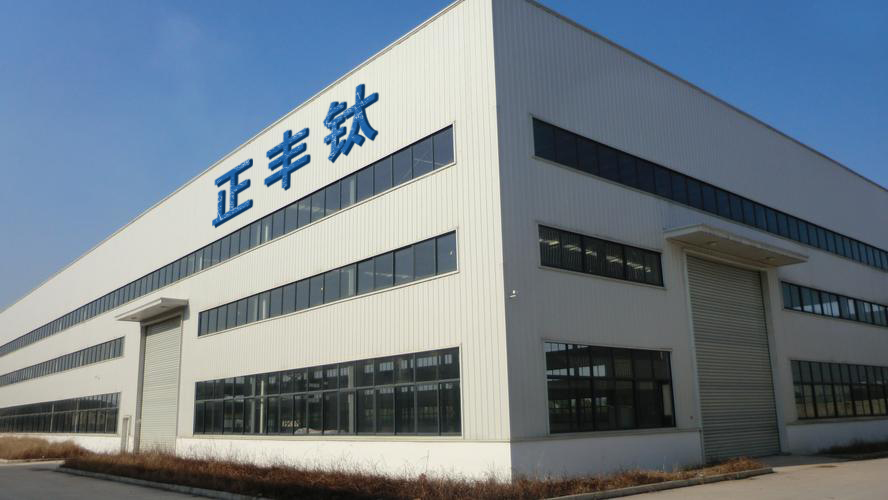
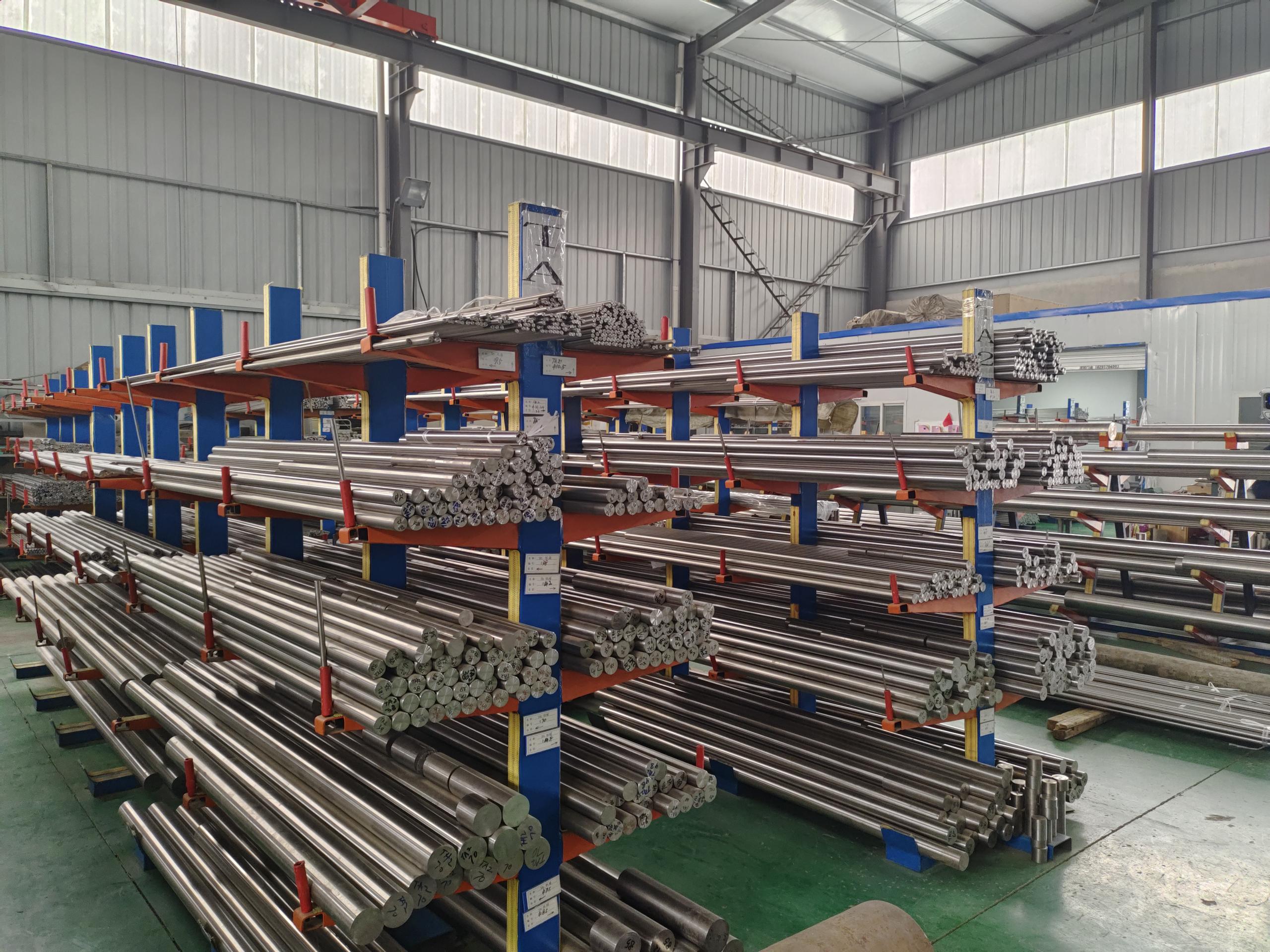
Yevzo Titanium Metal Co., Ltd. operates from the Fenghuang 3rd Road High-Tech Zone in Baoji, Shaanxi—widely recognized as China's "Titanium Valley." Because Baoji accounts for the majority of global titanium sponge refinement and bar forging, we source Grade 5 (Ti-6Al-4V) and Grade 2 bars directly from primary ingot melts, eliminating downstream material tampering and alloy deviations.
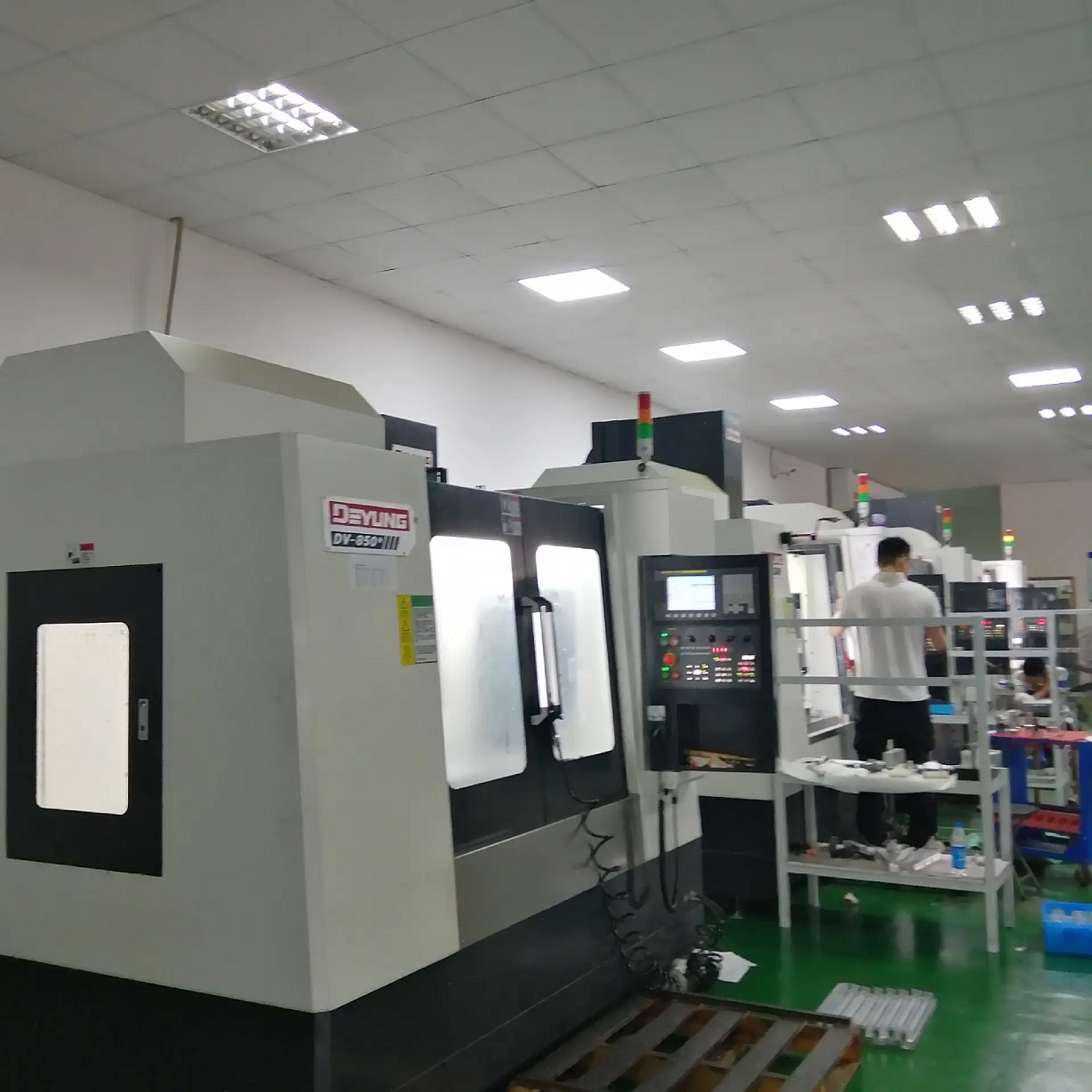
Every titanium stud bolt, manifold stud, and custom CNC component is produced according to a strict five-stage quality checkpoint protocol: spectrometer melt verification, precision CNC turning/threading, ultrasonics cleaning, surface anodizing/passivation, and optical micrometer thread verification.
Critical metallurgical answers regarding material compliance, freight routines, anti-galling assembly protocols, and tax clearance into Portugal.